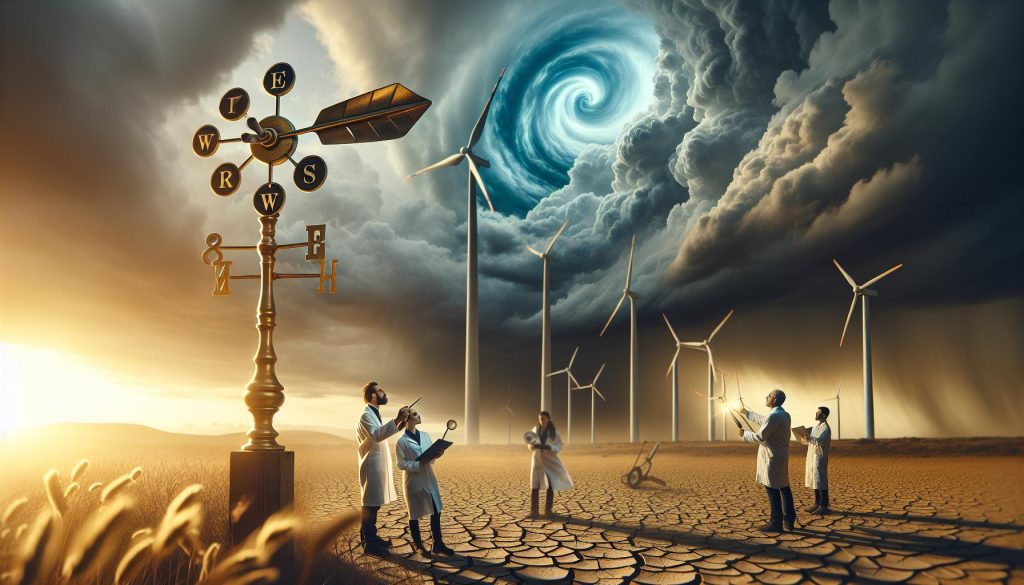
As climate change continues to intensify, its impact on our environment is becoming increasingly apparent-especially regarding wind patterns. Did you know that shifts in temperature and atmospheric pressure can lead to altered wind trajectories, affecting weather systems worldwide? Understanding how climate change affects wind patterns is crucial because these changes influence everything from agriculture to disaster preparedness. Many of us are concerned about unpredictable weather events, rising sea levels, and the sustainability of our communities. As we delve into this topic, we’ll explore the intricate relationship between climate change and wind dynamics, uncovering the potential consequences for our everyday lives and the urgent need for collective action. Join us in this exploration to better understand how these changes can shape our future and what steps we can take to mitigate the impacts.
Understanding Wind Patterns and Climate Change
The wind is a powerful force that shapes our climate and weather systems, yet it often goes unnoticed until it disrupts our daily lives or drives a storm. Changes in wind patterns are not merely a curiosity of meteorology; they are deeply intertwined with climate change, resulting in consequences that can be seen and felt across the globe. For instance, as the planet warms due to human activity, experts project that the intensity and frequency of winds will shift, altering typical patterns that have long characterized various regions. This connection underscores the necessity for understanding how climate change impacts wind dynamics and the subsequent effects on ecosystems and human activity.
One of the critical aspects of wind patterns is their role in regulating temperature and precipitation. Regions traditionally characterized by stable winds may increasingly experience extremes, causing devastating droughts in some areas while inundating others with excessive rainfall. For example, the shift in trade winds can enhance the frequency of cyclones in the Pacific, leading to flooding and evacuations along coastlines. These changes can have severe repercussions for agriculture, infrastructure, and biodiversity, making it vital for communities to prepare for rapidly changing conditions.
To adapt to these shifts, cities and rural areas alike can implement strategies that focus on resilience and sustainability. This could include enhancing green infrastructure to manage stormwater effectively or developing early-warning systems that provide timely information about approaching storms. Engaging local communities in restoration projects or investing in wind-resistant infrastructure are proactive steps towards mitigating the impacts of changing wind patterns. As these adjustments become necessary, policy responses must align with scientific insights to foster a collective effort toward sustainable practices that accommodate the evolving landscape of our climate. By bridging the gap between understanding and action, we can equip ourselves to face the changing winds of climate change with resilience and determination.
The Science Behind Changing Wind Patterns
As climate change intensifies, the mechanics of wind patterns are becoming increasingly complex and crucial to understand. Wind is not just a random occurrence; it’s a critical component of Earth’s climate system influenced by various factors including temperature gradients, atmospheric pressures, and geographical features. When we talk about changing wind patterns, we’re referring to shifts caused by alterations in these underlying atmospheric conditions, which are themselves influenced by rising global temperatures, melting ice, and shifting climate zones.
One fundamental driver of wind patterns is the difference in solar heating between the equator and the poles, which creates areas of high and low pressure. The Earth’s rotation further influences these patterns, resulting in the jet streams and trade winds. However, as the planet warms, alterations in temperature and moisture distribution can weaken these established patterns, leading to reduced wind speeds and erratic wind behavior in certain regions. For instance, some studies suggest an expected decrease in average wind speeds, which could affect everything from storm formation to the efficiency of wind energy generation systems [1].
The implications of these changes are vast. For example, regions that rely on consistent wind patterns for agriculture, like those dependent on trade winds for rain and temperature regulation, may face unpredictable weather events. This unpredictability necessitates communities to adapt, by incorporating resilience strategies that mitigate the effects of both reduced wind speeds and the potential for extreme weather. One practical step is to enhance local forecasting capabilities using advanced meteorological models that can better predict these changes [3].
In conclusion, understanding in the context of climate change equips us with the knowledge necessary to formulate adaptive strategies. By embracing this understanding, we can work to create more resilient and sustainable communities, while mitigating the negative repercussions that shifting wind dynamics may bring to our ecosystems and economies.
How Climate Change Disrupts Typical Wind Trends
As temperatures rise and climate change accelerates, significant shifts in wind patterns are becoming increasingly evident. A striking statistic to comprehend the scale of this change is that the Intergovernmental Panel on Climate Change (IPCC) projects an average global wind speed reduction of up to 10% by the end of the century. This decline may seem minor at first glance, but it holds profound implications for various ecosystems, agricultural practices, and energy production systems that depend heavily on consistent wind patterns.
When discussing how climate change impacts wind, it’s essential to consider several key factors. Increased global temperatures disrupt the delicate balance of atmospheric pressure systems, leading to alterations in existing wind patterns. For instance, the traditional trade winds that historically bring moisture to tropical regions are shifting, causing unexpected droughts in certain areas and excessive rainfall in others. This inconsistency not only impacts agriculture significantly but can also precipitate food shortages in regions that rely on predictable weather systems for their crops. Moreover, as the jet streams become wavier and slower due to polar ice melt, weather patterns grow more erratic, contributing to extreme weather events like hurricanes and prolonged heatwaves.
Adapting to these shifts requires practical strategies and a commitment to resilience. Communities can enhance their adaptability by investing in advanced weather forecasting technologies that can provide early warnings of changing conditions. This foresight allows farmers and businesses to adjust their operations timely, thereby reducing economic losses. On a broader scale, policies that encourage sustainable land and water management practices are vital. These efforts can mitigate the adverse effects of unpredictable weather by preserving ecosystems that naturally buffer against environmental extremes.
By acknowledging and addressing the disruptions in wind patterns caused by climate change, we can develop proactive approaches that empower communities to thrive despite these challenges. Resilience isn’t merely about weathering the storm; it’s about creating systems that adapt, ensuring both ecological sustainability and economic security in an uncertain climate future.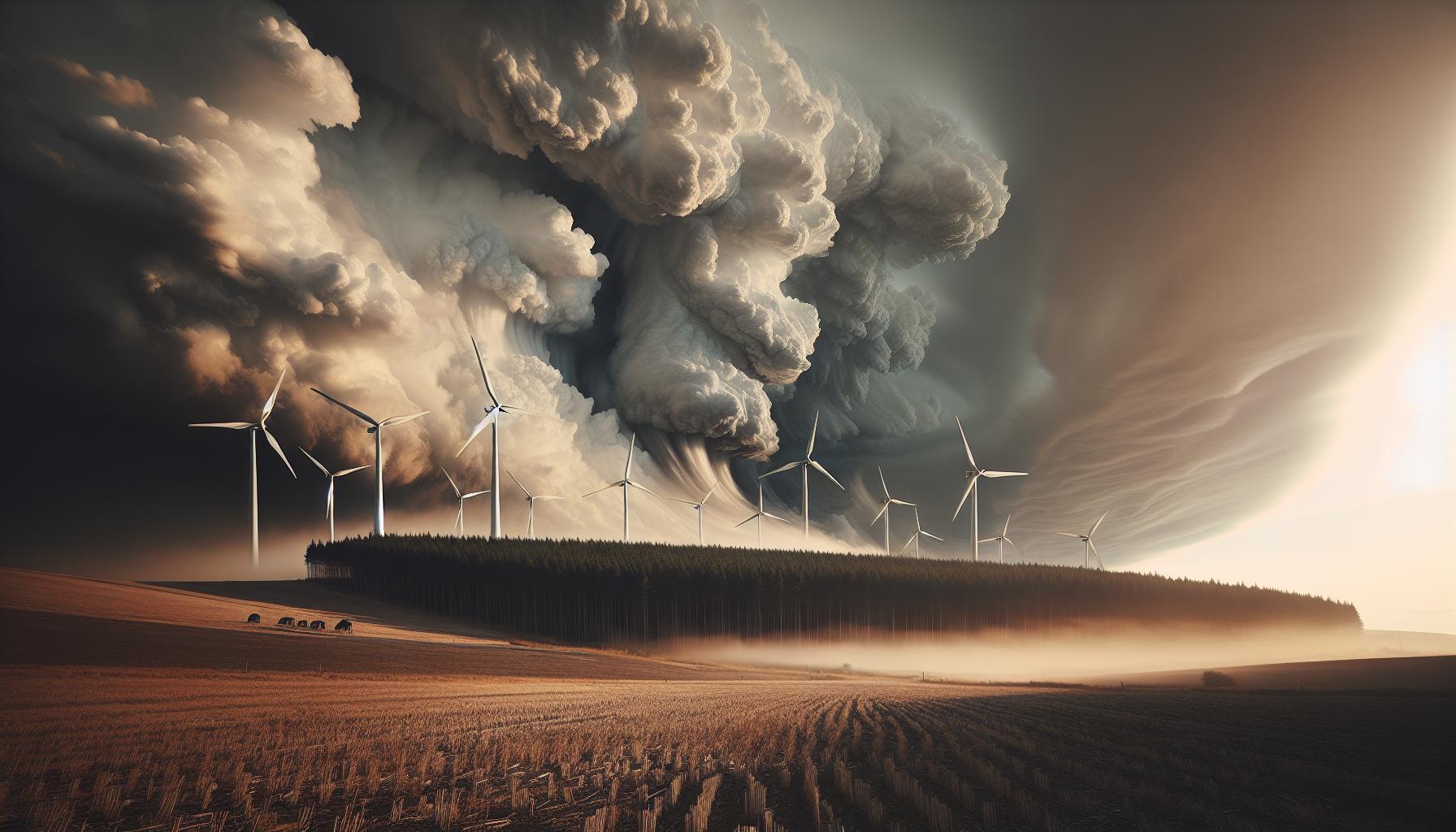
Regional Impacts: Wind Patterns Around the World
Shifts in wind patterns due to climate change are not just abstract concepts; they have tangible effects felt across the globe. Regions once known for predictable breezes are now experiencing erratic weather, influencing everything from agriculture to renewable energy generation. For example, the alteration of the trade winds in the tropics can result in detrimental droughts in regions like East Africa while simultaneously inducing flooding in areas like Southeast Asia. These disruptions can jeopardize food and water security, compelling communities to adapt quickly to ensure survival.
Impacts on Specific Regions
In North America, the Midwest, traditionally a breadbasket of corn and soy, faces changes in wind patterns that affect moisture distribution. The more variable jet stream can lead to prolonged dry spells followed by intense rainfall, making farming increasingly risky. To counteract these shifts, farmers are urged to consider crop rotations and drought-resistant varieties that thrive under new conditions. Additionally, enhancing irrigation efficiency-using techniques such as drip irrigation or rainwater harvesting-can mitigate these impacts by conserving water.
Meanwhile, in Europe and the Mediterranean, changing wind currents are affecting seasonal weather patterns. Countries like Italy and Spain have reported shifts in the timing of wind-driven weather systems, leading to unseasonal heatwaves and unusual storm patterns. To adapt, local governments and communities are investing in urban planning measures that promote green spaces to absorb excess rainfall and reduce heat islands-strategies that not only address immediate weather impacts but also contribute to long-term sustainability.
Strategies for Sustainable Adaptation
As global wind patterns continue to shift, nations must prioritize collaborative strategies for adaptation. Initiatives such as setting up regional early warning systems can provide essential data to farmers and businesses, allowing them to prepare for unexpected weather conditions. Furthermore, promoting renewable energy installations like wind farms in areas that could benefit from enhanced wind patterns presents a dual opportunity: harnessing clean energy while adapting to changing conditions.
- Invest in Research: Support scientific studies to improve predictive models of changing wind patterns, offering communities the tools they need for better decision-making.
- Promote Resilient Practices: Encourage eco-friendly agricultural practices and enhance disaster response frameworks to prepare for extreme weather.
- Strengthen Communities: Facilitate community engagement in local adaptation projects, ensuring that those most affected have a voice in the changes being made.
In summary, the challenges posed by changing wind patterns are significant but not insurmountable. By embracing innovative solutions and fostering resilience within communities, we can turn a dire situation into an opportunity for growth and sustainability.
Case Studies: Extreme Weather and Wind Shifts
Recent analysis indicates that changing wind patterns-shaped by the overarching influence of climate change-are increasingly linked to extreme weather events around the world. For instance, the intensification of storms such as hurricanes and typhoons is often attributed to altered wind currents, which impact their strength and trajectory. The 2017 hurricane season serves as a telling case study; hurricanes Harvey, Irma, and Maria wreaked havoc across the Caribbean and the United States, with scientists noting how the shifting jet stream and warmer ocean temperatures fueled their unprecedented intensity and rainfall.
In regions like East Africa, erratic wind patterns have profound consequences, leading to severe droughts followed by unexpected flooding. During the 2019-2020 season, countries such as Kenya and Somalia faced both drought and deluge, drastically impacting food security and livelihoods. Local communities, dependent on predictable weather for agriculture, found themselves struggling to adapt. Farmers are now incorporating climate-resilient crops and shifting planting dates to align with the unpredictable climate, showcasing a proactive stance to tackle these challenges.
Moreover, the Mediterranean region showcases a different dimension where wind shifts contribute to wildfire risks. In 2021, Greece experienced devastating wildfires exacerbated by changing winds patterns and prolonged heatwaves. Authorities and environmental organizations recognized the need for preventive measures, leading to improved forest management practices and public awareness campaigns. These responses highlight a significant pivot towards fostering sustainable practices that not only address immediate threats but also aim to build long-term resilience.
As governments and organizations learn from these scenarios, they are increasingly investing in technology and infrastructure that facilitates better predictive modeling of extreme weather linked to wind shifts. Supporting local research initiatives and community-based adaptation strategies can empower affected populations. Through collaborative efforts and knowledge sharing, society can reshape its approach to living with these new realities, working toward a more sustainable and resilient future.
The Role of Ocean Currents in Wind Changes
Changes in ocean currents are a significant driver of altering wind patterns, profoundly impacting both climate and weather systems globally. Oceans play a vital role in regulating temperature and weather by distributing heat around the planet. Warmer surface temperatures resulting from climate change can lead to shifts in these currents, which in turn influence atmospheric conditions and wind patterns. For instance, the El Niño phenomenon, characterized by warmer ocean temperatures in the central and eastern Pacific, results in altered wind patterns that can lead to extreme weather conditions like heavy rains in some regions and drought in others.
The interaction between ocean currents and wind is complex and multifaceted. As ocean temperatures rise, the heat exchange between the ocean surface and the atmosphere changes, affecting wind speeds and directions. This can lead to shifts in the jet streams-fast-flowing air currents high in the atmosphere-that are critical in weather formation. When jet streams become more erratic due to irregular ocean temperatures, regions can experience unprecedented weather, including severe storms, heatwaves, and altered precipitation patterns.
Moreover, ocean currents influence the distribution of marine ecosystems and, subsequently, human activities. Fisheries depending on certain water temperatures find themselves disrupted. For example, fishermen off the coast of Peru have had to adjust to shifting sardine populations, a direct result of changing ocean conditions linked to stronger El Niño events. Such changes not only impact local economies but also threaten food security in regions that rely heavily on fishing.
To mitigate the effects of these changing dynamics, communities can adopt several proactive strategies, including:
- Investing in Climate-Resilient Infrastructure: Coastal cities can enhance their infrastructure to better withstand extreme weather influenced by altered wind patterns and ocean currents.
- Implementing Sustainable Fishing Practices: Encouraging adaptive management in fisheries can help communities respond more effectively to shifts in fish populations.
- Enhancing Monitoring and Predictive Modeling: Utilizing technology such as satellite data and modeling tools can help predict changes in ocean currents and their impacts on local climates, enabling better preparation.
By examining the effects of ocean currents on wind patterns through a climate-change lens, communities can develop strategies that not only address immediate environmental concerns but also foster long-term resilience in the face of a rapidly changing planet.
Wind Patterns and Renewable Energy Implications
As the world grapples with the urgent challenges posed by climate change, the implications for renewable energy, particularly wind energy, are significant and multifaceted. With shifting wind patterns caused by climate change, the efficiency, reliability, and investment strategies of wind energy projects are likely to undergo considerable transformation. Wind patterns are predicted to become less predictable, complicating energy production forecasts for wind turbines, which rely on consistent and strong wind flows.
Understanding the impact of altered wind patterns on renewable energy requires a look at several key factors:
Changing Wind Regimes
Regions traditionally seen as prime locations for wind farms may experience shifts in wind direction and intensity. For instance, areas in the Midwest of the United States, known for their steady winds, could face fluctuations that disrupt energy generation consistency. Conversely, regions previously underutilized for wind energy due to less favorable conditions may see an uptick, presenting new opportunities for development.
To adapt, energy developers must enhance their predictive models to account for these variations. Utilizing advanced climate modeling and historical wind data can help in identifying and mitigating these challenges. By integrating climate forecasts with existing technologies like Geographic Information Systems (GIS), developers can better select sites for future wind farms that will withstand the impacts of climate variability.
Investment and Economic Considerations
From an economic perspective, the shifting wind patterns necessitate re-evaluating investment strategies in wind energy infrastructures. As financial backers become increasingly mindful of climate risks, they are likely to demand more savvy, data-driven approaches that incorporate climate change models. For instance, long-term predictive analytics can guide investors toward the most resilient projects, focusing on areas that are likely to maintain reliable wind production over time.
Moreover, the transition to more robust technologies, such as larger turbines that can harness lower wind speeds more efficiently, might become a worthwhile priority. Innovations in turbine design and materials can ensure energy production remains viable even amid changed wind regimes.
Community Engagement and Policy Support
Investing in community engagement initiatives will be essential for fostering public support for new projects, particularly in areas facing adaptation challenges. Local stakeholders must understand how evolving wind energy strategies can benefit them economically, create green jobs, and contribute to sustainability goals.
Policy frameworks will also need to evolve. Supportive legislation should focus on research funding for wind energy adaptations, incentives for low-impact development of wind facilities, and integration of renewable energies into traditional energy markets.
Ultimately, the intersection of renewable energy and changing wind patterns presents both challenges and a unique opportunity for innovation and growth. By proactively addressing issues related to wind variability, stakeholders can not only mitigate risks but also work towards a cleaner, more sustainable energy future.
Historical Perspectives: Wind Patterns Over Time
Throughout history, wind patterns have played a pivotal role in shaping human civilization, influencing everything from ancient navigation to modern agriculture. Understanding how these patterns have evolved provides insight into the current shifts we are experiencing due to climate change. For instance, during the Medieval Climate Anomaly (roughly between 950 and 1250 AD), wind patterns across Europe favored agricultural expansion and maritime exploration, leading to significant economic and cultural advancements. Conversely, during the Little Ice Age, which lasted from approximately 1300 to the mid-1800s, changing wind regimes resulted in colder temperatures, crop failures, and famine across Europe, fundamentally altering societal structures.
As we moved into the 20th and 21st centuries, technological advancements afforded better methods for observing and modeling wind patterns over time. Detailed records highlight that the intensity and consistency of winds in various regions have seen remarkable changes. For example, studies have shown that prevailing wind patterns in the North Atlantic have shifted, affecting not only local climates in Europe but also weather systems as far away as North America. Increased data accessibility allows researchers to correlate these shifts with industrial activity and greenhouse gas emissions, illustrating a clear linkage between human actions and altered atmospheric conditions.
Moreover, the study of historical wind patterns extends beyond mere observation; it involves recognizing the implications for renewable energy as we plan for the future. For instance, the predictable winds of the past enabled the siting of wind farms in certain regions with confidence. However, as we analyze decades of wind data, we find that areas previously deemed unsuitable for wind energy might now present viable options due to shifting patterns. Such insights are crucial for investors and policymakers aiming to adapt energy strategies to mitigate climate change effects.
To adapt to these changes, a proactive approach is essential. Communities and energy developers can use historical wind data to inform future infrastructural decisions. This involves:
- Utilizing climate models that integrate historical wind data to forecast future trends and impacts.
- Employing advanced technology like Geographic Information Systems (GIS) to identify potential new wind farm sites based on evolving wind regimes.
- Engaging in community discussions to align renewable energy projects with local needs and expectations, fostering public support for new developments.
In summary, reflecting on how wind patterns have changed over centuries not only informs our understanding of climate change but also empowers our efforts to adapt and thrive in an uncertain future. By leveraging historical insights, communities can make informed decisions that address both energy needs and environmental challenges.
Predicting Future Wind Patterns in a Warming World
As climate change continues to alter the atmospheric landscape, predicting future wind patterns becomes an urgent need for communities, industries, and policymakers alike. A key factor in these predictions involves understanding how rising temperatures and shifting weather systems interact. For example, atmospheric scientists are increasingly focusing on the relationship between ocean temperatures and wind behaviors, recognizing that warmer oceans can lead to changes in pressure gradients, which are critical for wind generation. With global wind patterns becoming more erratic, related impacts are being felt in agriculture, energy production, and disaster preparedness.
Advancements in predictive modeling and data analytics are helping scientists provide more nuanced forecasts about wind behavior in a warming world. Tools such as climate models that integrate historical data with real-time observations allow for a better understanding of regional wind trends. For instance, regions that traditionally experienced steady prevailing winds may see increased variability, making it necessary for wind energy developers to re-evaluate potential sites for wind farms. Utilizing Geographic Information Systems (GIS) and satellite data enhances the ability to visualize these changes, enabling better planning and resource allocation.
To empower communities to adapt to these shifts, it is vital to foster a proactive dialogue around wind forecasting. Engaging stakeholders-from local governments to renewable energy companies-can create a collaborative environment to share insights and strategies. Public awareness campaigns can also elevate the importance of understanding wind patterns and their implications for local ecosystems and economies. For example, farmers can adjust planting schedules based on anticipated wind changes, while urban planners can redesign infrastructure to mitigate wind-related risks.
Ultimately, embracing advanced analytical tools and fostering community engagement can significantly enhance society’s ability to predict and adapt to future wind patterns. As environmental conditions continue to evolve, this proactive approach ensures that communities can navigate the uncertainties of a changing climate while seizing opportunities for innovative energy solutions and resilient agricultural practices.
Adapting to Changes: Strategies for Communities
As winds shift and climate patterns become increasingly unpredictable due to climate change, communities must adapt to safeguard their environments, economies, and lifestyles. One captivating statistic underscores this urgency: researchers project that climate change could lead to a 10% decrease in average global wind speeds by 2100, which may significantly impact not only wind energy generation but also local weather patterns and agricultural productivity. This reality necessitates proactive strategies that empower communities to better prepare for the changes ahead.
Embracing Local Climate Action Plans
Local governments and community organizations can take the lead by developing tailored climate action plans that investigate how local wind patterns are changing and the implications for various sectors. These plans should include:
- Wind Impact Assessments: Conduct studies that analyze historical wind data alongside current trends to identify potential vulnerabilities in infrastructure and agriculture.
- Infrastructure Resilience: Redesign buildings and transportation networks to withstand extreme wind events, utilizing materials and designs that cater to anticipated wind changes.
- Community Engagement: Involve local residents in discussions on wind patterns to gather insights and foster a collective sense of ownership over local climate initiatives.
Investing in Renewable Energy Adaptations
As communities pivot toward renewable energy sources, such as wind power, adapting to changing wind patterns must also be a priority. Opportunities to consider include:
- Site Re-evaluation: Wind farm developers should regularly assess installation sites using geographic information systems (GIS) and climate models to determine optimal locations considering changing wind dynamics.
- Technological Advancements: Invest in wind turbine technology that can adjust to variable wind speeds and directions, enhancing efficiency and reducing operational losses.
- Diverse Energy Solutions: Diversify energy portfolios to include other renewable sources like solar and hydropower, thereby mitigating reliance solely on wind energy, which may become less predictable.
As communities confront the realities of shifting wind patterns, it becomes essential to foster collaboration among various stakeholders, including businesses, governmental entities, and educational institutions. Sharing data insights and best practices can lead to more effective adaptation strategies and ensure that communities not only weather the changes brought on by climate change but emerge stronger and more resilient in the face of uncertainty. By implementing these strategies, communities can navigate the complexities of our changing climate while setting a sustainable course for future generations.
Policy Responses to Climate Impact on Wind Patterns
The increasing severity of climate change is reshaping our wind patterns in profound ways, urging policymakers to take swift and effective action. For instance, research indicates that altered wind systems could potentially decrease average global wind speeds by up to 10% by the year 2100. This shift not only threatens the reliability of wind energy generation but also poses challenges for agriculture and water management. To combat these issues, comprehensive policy frameworks must be developed and executed.
Integrating Climate Data into Policy Making
Effective policies must rest on a foundation of accurate and up-to-date climate data. Governments should invest in climate monitoring systems that integrate satellite data and local weather stations to provide real-time insights into changing wind patterns. This data can then guide urban planning, disaster preparedness, and infrastructure investments. Local assessments can help identify at-risk areas, enabling targeted interventions. For example, in coastal cities, policies could mandate the use of wind-resistant building materials in new developments, anticipating more erratic wind patterns.
Promoting Research and Innovation
Policies should also stimulate research into the effects of climate change on wind patterns and the technological adaptations needed to respond. Funding for universities and research institutions can fuel innovations in wind turbine technology that adjusts automatically to variable wind conditions, thereby maximizing energy capture under diverse circumstances. Additionally, government grants could support pilot programs that test alternative energy solutions in areas impacted by changed wind dynamics, fostering resilience while diversifying energy portfolios.
Fostering Community Engagement and Education
Public engagement is crucial for policy effectiveness. Governments can organize workshops and informational campaigns that educate citizens on how wind patterns affect their daily lives and what adaptations are necessary. Such initiatives not only raise awareness but also empower communities to contribute to local solutions. For example, initiatives could encourage local farmers to adopt agricultural practices that are more suited to changing wind conditions, thereby enhancing crop yields despite shifting climate realities.
In conclusion, proactive policy responses that leverage data, promote innovation, and engage communities are essential in addressing the climate-induced transformations of wind patterns. By fostering an integrated approach, we can not only mitigate the negative impacts of these changes but also harness opportunities for sustainable development and energy security in a warming world.
Frequently Asked Questions
Q: How does climate change influence global wind patterns?
A: Climate change alters temperature gradients between regions, which in turn affects wind patterns. Warmer air temperatures lead to changes in atmospheric pressure, impacting wind speeds and directions globally. For detailed insights, see our section on “The Science Behind Changing Wind Patterns.”
Q: Why are wind patterns important for weather systems?
A: Wind patterns are crucial as they influence the movement of weather systems and precipitation distribution. Changes in wind direction and intensity can lead to extreme weather events, directly affecting local climates and ecosystems. Explore more in “Regional Impacts: Wind Patterns Around the World.”
Q: What role do ocean currents play in wind patterns affected by climate change?
A: Ocean currents, driven by wind patterns, affect global temperatures and weather systems. Climate change modifies these currents, which subsequently alters regional wind patterns, impacting weather phenomena. For more information, check “The Role of Ocean Currents in Wind Changes.”
Q: Can climate change lead to more extreme winds?
A: Yes, climate change can lead to more extreme winds due to intensified weather systems and altered temperature gradients. This can result in stronger storms and hurricanes. For case studies, refer to “Case Studies: Extreme Weather and Wind Shifts.”
Q: How are renewable energy sources affected by changing wind patterns?
A: Changing wind patterns can influence renewable energy production, particularly wind energy. Areas previously optimal for wind energy may experience decreased wind speeds, impacting energy generation. Insights can be found in “Wind Patterns and Renewable Energy Implications.”
Q: When can we expect noticeable shifts in wind patterns due to climate change?
A: Noticeable shifts in wind patterns related to climate change have already begun and are projected to intensify over the coming decades. Monitoring data trends and climate models can provide better predictions. See “Predicting Future Wind Patterns in a Warming World” for more.
Q: What can communities do to adapt to changing wind patterns?
A: Communities can develop strategic plans that include building resilient infrastructure and adopting flexible disaster response measures to adapt to changing wind patterns. For actionable strategies, read our section on “Adapting to Changes: Strategies for Communities.”
Q: How does deforestation impact wind patterns and climate change?
A: Deforestation disrupts local wind patterns by changing land surface conditions, increasing temperatures, and reducing moisture. This contributes to a feedback loop that exacerbates climate change. Learn more about these connections in our article.
Final Thoughts
Understanding how climate change affects wind patterns is vital as these shifts can influence weather systems, agriculture, and even our daily lives. As we’ve seen, changes in temperature and atmospheric pressure due to climate change can disrupt traditional wind patterns, leading to unintended consequences. Now is the time to take action! Consider exploring our articles on “The Impact of Climate Change on Weather Extremes” and “Renewable Energy Solutions for a Sustainable Future” to deepen your knowledge and readiness for what’s to come.
Curious about your local climate? Join our newsletter for expert insights and resources designed to empower you in the fight against climate change. Don’t miss this opportunity; every small action adds up! Share your thoughts in the comments below or connect with us on social media to join the conversation. Your engagement helps us spread awareness and inspire collective action towards a sustainable future. Together, we can tackle the challenges posed by shifting wind patterns and climate change.