
As we grapple with the pressing realities of climate change, understanding its roots becomes crucial. Long-term climate change is not merely a modern phenomenon; it’s influenced by natural factors that have shaped our planet for millennia. For instance, volcanic eruptions release significant amounts of carbon dioxide and sulfur, altering atmospheric conditions and impacting temperatures over extended periods. These natural events, alongside changes in solar radiation and Earth’s orbital variations, act as powerful agents of climate change, reminding us that our environment is dynamic and interconnected.
Recognizing these influences helps us appreciate the complexity of climate systems and encourages more informed discussions about sustainability and environmental stewardship. As you delve deeper into the topic, consider how these natural factors intertwine with human activities, prompting us to reflect on our role in protecting the planet and mitigating future challenges.
Natural Factors Driving Long-Term Climate Change
Earth’s climate system is a dynamic entity shaped by both natural and human-induced influences. Understanding the reveals complexities that can inform our approach to contemporary environmental challenges. Over millennia, various natural phenomena have significantly contributed to alterations in temperature, precipitation patterns, and weather systems.
One pivotal aspect is solar variability, which refers to changes in the amount of solar energy reaching Earth due to fluctuations in solar output. These variations can influence climate conditions on Earth, leading to periods of warming and cooling. For instance, during historical solar minima, there have been notable correlations with cooler temperatures globally.
Volcanic activity serves as another crucial player in climate modulation. Major eruptions can inject large quantities of ash and sulfur dioxide into the atmosphere, reflecting solar radiation and causing temporary cooling. The eruption of Mount Pinatubo in 1991 is a prime example, as it resulted in a significant, albeit short-lived, drop in global temperatures.
Ocean currents also act as vital climate influencers by distributing heat across the planet. In the Atlantic Ocean, the Gulf Stream brings warm water from the tropics northward, significantly impacting climate patterns in North America and Europe. Changes in these currents can lead to regional climate shifts, highlighting the interconnectedness of global systems.
Earth’s axial tilt and orbital changes, known as Milankovitch cycles, further contribute to long-term climate changes. These cycles affect the distribution of sunlight received by Earth, influencing the timing and intensity of seasons. Over thousands of years, they can lead to significant climatic shifts, like the alternation between glacial and interglacial periods.
Natural greenhouse gases, such as carbon dioxide and methane, are essential to understanding past climatic conditions. Their concentrations have fluctuated due to natural processes like volcanic eruptions and changes in vegetation. This historical context provides valuable insights into how current anthropogenic emissions may be disrupting natural balances.
In essence, while natural factors have shaped Earth’s climate over geological time, the lessons from these past changes underline the urgency of addressing human impacts on climate. By understanding these natural processes, we can better appreciate the delicate balance of the climate system and the need for responsible stewardship of our environment.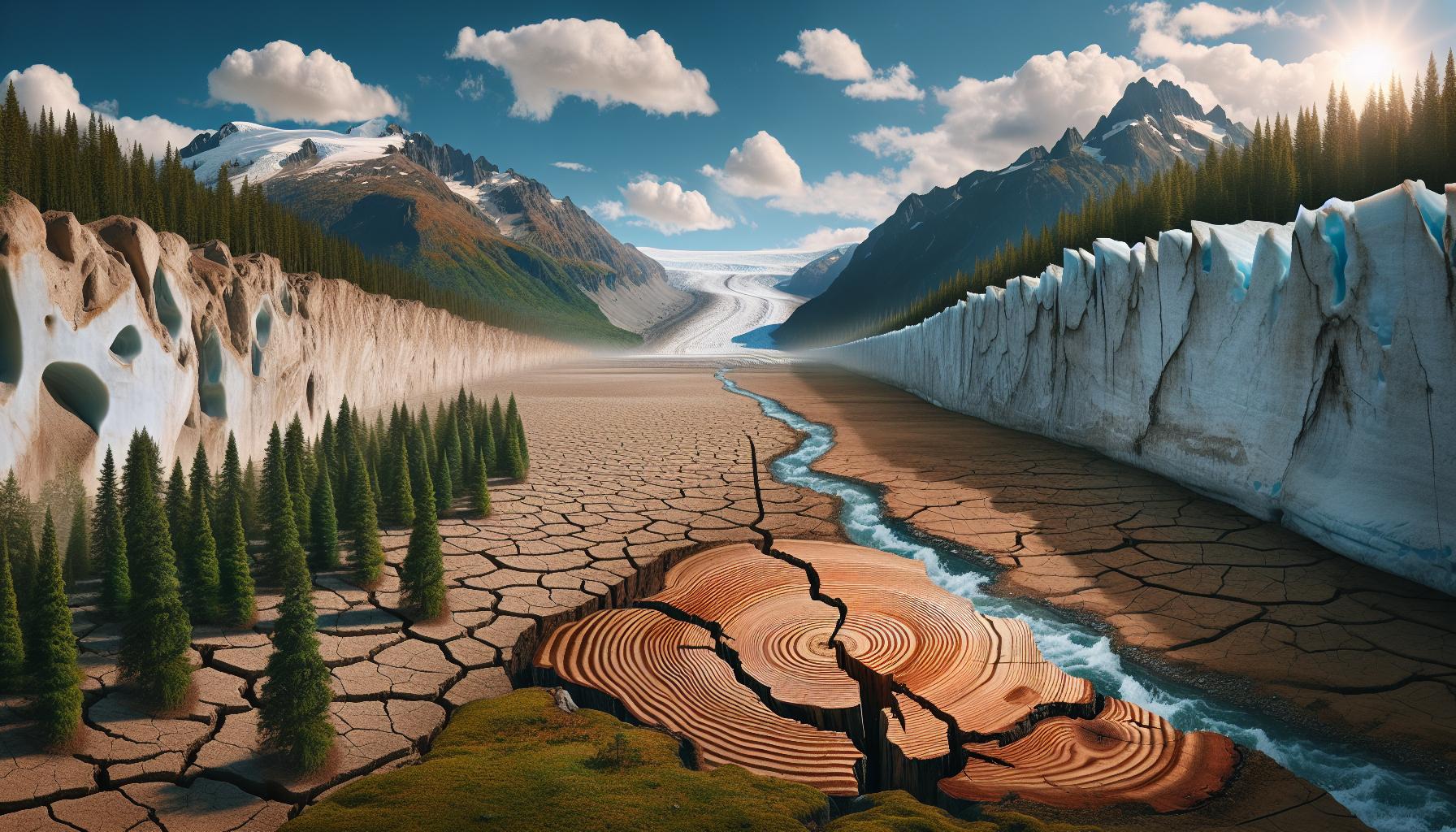
The Role of Solar Variability in Climate Shifts
The sun, a seemingly constant presence in our sky, plays a dynamic role in shaping Earth’s climate through variations in solar output. These fluctuations can significantly influence climate shifts, impacting weather patterns globally over extended periods. For instance, during the Maunder Minimum in the late 17th century, a notable decrease in sunspots corresponded with a period known as the Little Ice Age, where Europe experienced harsher winters and cooler temperatures. This historical context illustrates how changes in solar irradiance can correlate with shifts in climate conditions, highlighting the delicate balance of Earth’s climate system.
In understanding the implications of solar variability, it’s essential to note how periods of increased solar output can lead to warming trends. Solar energy is the primary driver of Earth’s climate, and understanding its variability helps scientists predict long-term climate patterns. A study conducted by the National Oceanic and Atmospheric Administration (NOAA) indicated that while the solar influence on recent climate change is relatively minor compared to human-induced factors, even small changes in solar radiation can have notable effects when viewed over millennium timescales.
Harnessing Knowledge of Solar Variability
Recognizing the impact of solar variability on climate can empower individuals and policymakers in several ways. Firstly, by investing in solar technology and renewable energy sources, we can reduce our reliance on fossil fuels, mitigating anthropogenic influences that exacerbate climate changes. Practical steps include:
- Adopting Solar Energy Solutions: Homeowners can install solar panels to harness clean energy, reducing their carbon footprint.
- Supporting Policies for Renewable Energy: Advocating for governmental policies that promote investment in renewable energy can help transition society toward a more sustainable future.
- Staying Informed: Engaging with ongoing climate studies and understanding solar cycles can help communities prepare for potential climate impacts.
By drawing from our knowledge of solar variability and its climate implications, we can better adapt our strategies to changing environmental conditions while fostering a culture of sustainability. Awareness and action can lead to beneficial outcomes, promoting resilience in the face of natural climate variability.
Volcanic Activity and Its Climate Impact
Volcanic eruptions are dramatic events that can reshape not only landscapes but also the climate on a global scale. When a volcano erupts, it releases a substantial amount of ash and gases, including sulfur dioxide (SO₂), into the atmosphere. This release can create a veil of particles that block sunlight and cool the Earth’s surface. For instance, the eruption of Mount Pinatubo in 1991 led to a global temperature drop of about 0.5 degrees Celsius over the following two years due to the substantial aerosol effect produced by the ash and gases emitted.
The relationship between volcanic activity and climate is complex, as eruptions can induce both short-term and long-term effects. While initial cooling can last for a few years, the overall impact on climate can last decades, particularly in the case of large eruptions. Stratospheric aerosols can remain in the atmosphere for extended periods, influencing weather patterns and precipitation. For example, the eruption of Krakatoa in 1883 resulted in significant climatic shifts, including abnormal weather in the following years, such as colder temperatures and altered monsoon patterns.
Understanding Volcanic Climate Influence
Besides immediate cooling effects, volcanic activity can also lead to longer-term climate change through the release of carbon dioxide (CO₂). Although volcanic CO₂ emissions are much smaller compared to human-induced emissions, the cumulative effects over geological timeframes can contribute to the Earth’s natural greenhouse gas budget. This means that while eruptions may initially cool the atmosphere, they can also play a role in warming the planet over millennia.
To harness the knowledge of s, it is crucial to monitor volcanic regions closely. Here are some actionable steps that can be taken:
- Investing in Monitoring Systems: Regularly updated monitoring of volcanic activity is essential to predict eruptions and mitigate risks associated with volcanic ash fallout.
- Enhancing Resilience: Communities living in proximity to volcanoes should develop contingency plans that include evacuation routes and supplies, preparing for the possibility of eruptions.
- Advocating for Research: Supporting geological and atmospheric studies can deepen our understanding of how eruptions influence both local and global climates, ultimately contributing to better climate resilience strategies.
Volcanic activity is a potent reminder of nature’s power and its ability to influence climate systems. By recognizing the dual nature of its effects-both cooling and warming-societies can better prepare for and adapt to these natural phenomena, ensuring that we build resilience in our communities against potential climatic disruptive events.
Ocean Currents: The Hidden Climate Influencers
The movement of ocean currents plays a pivotal role in regulating the Earth’s climate, acting as a massive conveyor belt that distributes heat and nutrients across the globe. These currents are influenced by factors such as wind patterns, the Earth’s rotation, and the varying salinity levels in seawater. For example, the Gulf Stream transports warm water from the Gulf of Mexico up the eastern coast of North America and across the Atlantic Ocean, significantly moderating the climate of the regions it touches. Without these circulating waters, temperature extremes would be far greater, leading to more severe weather conditions and altering ecosystems.
The Science Behind Ocean Currents
Ocean currents are classified as surface currents and deep-water currents. Surface currents, driven primarily by wind, affect the uppermost layer of the ocean and significantly influence climate and weather patterns. Conversely, deep-water currents can distribute cooler, denser water from polar regions toward the equator, contributing to carbon cycling and influencing marine ecosystems. The interplay between these currents can lead to long-term climate changes, as seen during past events like the last Ice Age, when shifts in ocean circulation were associated with significant climate fluctuations.
The significance of ocean currents becomes evident when considering their role in climate events. For instance, disruptions in the Atlantic Meridional Overturning Circulation (AMOC) have been linked to changes in weather patterns across Europe and North America, potentially leading to cooler temperatures in these regions. As this current is influenced by freshwater input from melting ice caps and glaciers, climate change poses an increasing risk to its stability.
Practical Actions to Understand and Adapt to Ocean Current Changes
To harness the power of ocean currents in addressing climate change, it is essential to increase monitoring and research efforts. Here are some actionable steps:
- Investing in Ocean Monitoring: Enhance global oceanographic research to track changes in currents and their impacts on local climates.
- Promoting Sustainable Marine Practices: Advocate for responsible fishing and shipping practices that consider the health of ocean currents and marine ecosystems.
- Educating Communities: Raise awareness about the significance of ocean currents in climate regulation, encouraging community engagement in marine conservation efforts.
Understanding and adapting to the influences of ocean currents offers a pathway to mitigate the impacts of climate change. By incorporating scientific insights and community action, we can enhance resilience against the shifting climate patterns that threaten ecosystems and livelihoods globally.
Earth’s Orbital Changes: Milankovitch Cycles Explained
Minor variations in Earth’s orbit may seem trivial, but they have the power to dramatically transform our planet’s climate over thousands of years. These shifts, known as Milankovitch cycles, are fundamental to understanding natural climate change and its long-term effects. The cycles encompass three main components: variations in the Earth’s axial tilt, precession (the wobble of Earth on its axis), and changes in its orbital shape or eccentricity. Each of these cycles operates on different timescales, contributing to the complex dance of climate dynamics that can lead to significant climatic shifts, such as the onset of ice ages.
The first component, axial tilt, influences the severity of seasons. When the tilt is more pronounced, summers become hotter and winters colder, fostering conditions that can pivotally reshape ecosystems. On the other hand, lower axial tilt leads to milder seasonal changes and can slow the melting of glaciers. This cyclical variation occurs approximately every 41,000 years, affecting the distribution of solar energy received across the Earth’s surface. To put this into perspective, periods of greater axial tilt correlate with warmer climate phases, while lesser tilts align with cooler conditions.
Precession, on a 23,000-year cycle, refers to the gradual shifting of the Earth’s axis. This wobble affects the timing of the seasons in relation to our distance from the sun. As a result, it alters when solar energy is maximized during a year, impacting climate patterns significantly. For example, during one cycle, the Northern Hemisphere may experience summer when the Earth is closest to the sun, leading to hotter summers and potential climatic disruptions, whereas another cycle might deliver cooler summers.
Finally, the shape of Earth’s orbit, which changes over a 100,000-year period from circular to elliptical, influences the distance from the sun and the intensity of the sunlight reaching Earth. An elongated orbit means greater distance from the sun, possibly leading to prolonged periods of cooler temperatures, while a more circular orbit results in more consistent solar exposure.
In understanding these cycles, one can appreciate the intricate relationship between celestial mechanics and Earth’s climate system. As we evaluate past climate changes, the lessons from Milankovitch cycles provide not just insights into natural climate fluctuations but also a framework for predicting future climate scenarios. By increasing public awareness of these fluctuations, we can encourage responsible actions that support climate resilience in our communities, adapting to the natural rhythms that govern our planet’s climate evolution over millennia.
The Influence of Natural Greenhouse Gases
Natural greenhouse gases play a crucial role in maintaining the Earth’s temperature, acting like a thermal blanket that traps heat in the atmosphere. Without these gases, our planet would be inhospitably cold, averaging around -18°C instead of the more comfortable 15°C we experience today. However, their influence on long-term climate change goes beyond merely regulating temperatures. Variations in the concentrations of these gases, notably carbon dioxide (CO2), methane (CH4), and nitrous oxide (N2O), can have profound effects on the Earth’s climate over millennia.
One significant factor is the natural cycling of these gases through various Earth systems. For example, volcanic eruptions can release vast amounts of CO2, which contributes to long-term warming periods. Historical data from ice cores indicate that periods of high volcanic activity often correlate with warmer climate phases. Additionally, methane is naturally emitted from wetlands and through the digestion processes of various animals, adding another layer of complexity to climate dynamics. The interplay between these natural emissions and the Earth’s geological processes is vital in understanding how our climate has shifted historically.
Examples of Natural Greenhouse Gas Influences
To grasp the impact of these natural greenhouse gases, consider the following examples:
- Carbon Dioxide: Released through rock weathering and volcanic activity, fluctuations in CO2 levels have been linked to significant climatic changes, like the transition from ice ages to warmer interglacial periods.
- Methane: This potent greenhouse gas has a much higher short-term warming potential than CO2. Natural methane emissions from sources like permafrost and wetlands can lead to quick spikes in atmospheric concentrations, significantly altering climate scenarios.
- Nitrous Oxide: This gas, while less discussed, has been shown to increase during warmer periods due to its release from organic soils. Understanding these emissions is vital for predicting future climate shifts.
Taking Action and the Path Forward
It’s essential to recognize that while natural greenhouse gases are part of the Earth’s climate system, human activities have disrupted these natural processes. This understanding empowers communities and individuals to engage in sustainable practices aimed at mitigating excessive greenhouse gas emissions. For instance, promoting reforestation can enhance CO2 absorption, while reducing methane emissions can be tackled by improving agricultural practices.
By fostering an informed and proactive approach, we can navigate the complexities of natural climate influences while addressing the urgent challenges posed by climate change. Engaging in dialogue about the natural mechanisms driving climate variations can inspire collective action, uniting efforts to create resilient ecosystems and mitigate adverse climate impacts.
Historical Context: Lessons from Past Climate Changes
Throughout Earth’s history, our climate has ebbed and flowed through periods of significant change-these transformations offer important lessons for understanding current climate dynamics. One striking historical instance is the Pleistocene Epoch, characterized by a series of ice ages interspersed with warmer interglacial periods. The Milankovitch cycles, describing how Earth’s orbital and axial variations influence solar energy distribution, reveal that even minor shifts can lead to dramatic climate effects. For instance, the transition from the last glacial maximum around 20,000 years ago to the warmer Holocene epoch shows how natural factors can significantly reconfigure global temperatures over thousands of years.
Moreover, volcanic activity has played a key role in past climate changes, with major eruptions capable of injecting vast amounts of ash and gases into the atmosphere. This can lead to short-term cooling, as seen following the eruption of Mount Pinatubo in 1991, which lowered temperatures globally for a few years. Historical data shows that periods of intense volcanic activity correspond with cooler climate phases, emphasizing how such natural events can disrupt climates for extended periods. This serves as a reminder that while current climate changes are largely driven by human actions, natural processes have long sculpted our planet’s environmental state and remind us of our vulnerability to sudden shifts.
It’s crucial to recognize how these natural cycles and events have contributed to biodiversity changes. For instance, during significant climate transitions, many species adapted, migrated, or faced extinction. The mass extinction events correlated with climate shifts-like the end of the last Ice Age-speak volumes about the interconnectedness of climate and ecosystems. These historical lessons underline the importance of maintaining biodiversity and robust ecosystems, highlighting methods we can use today, such as sustainable land management and conservation efforts, to build resilience against ongoing and future climate changes.
By learning from these past patterns, we not only gain insights into the Earth’s climate system but also discover practical steps we can take as stewards of the environment. Adaptation strategies from history remind us of the importance of being proactive-developing policies that enhance environmental stewardship and community resilience in the face of inevitable changes can prepare us for whatever the future holds. Understanding these natural influences provides the foundation for informed actions that can mitigate the impacts of anthropogenic climate change, blending lessons from the past with innovative solutions for a sustainable future.
Feedback Loops in Natural Climate Systems
The intricate dance of climate systems operates through a series of feedback loops that amplify or dampen changes in temperature and atmospheric conditions. These feedback loops can be thought of as interconnected reactions within Earth’s systems that can either exacerbate or mitigate climate changes, highlighting the complexity of natural climate dynamics. A notable example is the melting of polar ice caps; as temperatures rise, ice melts, reducing the Earth’s albedo-the reflection of sunlight back into space. This leads to more solar absorption by the ocean, which in turn increases warming and accelerates further ice melt.
Another significant feedback loop involves greenhouse gases, particularly carbon dioxide (CO₂) and methane (CH₄). As temperatures increase, natural processes such as tundra thawing release stored carbon into the atmosphere, which intensifies the greenhouse effect and contributes to further warming. This interconnectedness underscores how changes in one aspect of the climate system can trigger cascading effects-what scientists often refer to as positive feedback loops. These processes highlight the importance of maintaining ecosystem health, as healthy ecosystems can help regulate these feedback systems.
Moreover, the role of ocean currents in climate feedback mechanisms cannot be understated. The oceans act as a massive heat reservoir, distributing heat around the globe. As ocean temperatures rise, they can alter current patterns, impacting weather systems and climatic conditions in various regions. For instance, changes in ocean currents can lead to more intense and frequent storms which, in turn, can impact marine and coastal ecosystems, further disrupting local climates.
To counteract these feedback loops and their potential negative impacts, proactive measures can be implemented. Restoration of wetlands, for example, can help sequester carbon, while sustainable land management practices promote biodiversity and ecosystem resilience. By actively engaging in conservation efforts, communities can work to stabilize these natural systems. It is critical for policy-makers, scientists, and individuals to collaborate and prioritize strategies that bolster the stability of our climate systems, leveraging our understanding of these intricate feedback loops to mitigate their impacts on long-term climate change.
Biodiversity Loss: A Natural Factor’s Ripple Effect
The staggering loss of biodiversity on our planet reverberates through ecosystems, significantly impacting climate stability. As millions of species face extinction, the delicate balance of natural systems is disrupted, which in turn influences climate conditions. Biodiversity is not just an environmental concern; it plays a crucial role in regulating greenhouse gas concentrations, maintaining ecosystem services, and ensuring resilience against climate fluctuations.
Healthy ecosystems provide essential services, such as carbon sequestration, water purification, and soil stabilization. For instance, forests absorb significant amounts of carbon dioxide (CO₂), mitigating climate change effects. However, the rapid loss of forests, primarily due to human activities, diminishes this carbon sink capacity, leading to higher atmospheric CO₂ levels. Additionally, wetlands, often overlooked, are invaluable for their ability to store carbon; restoring these areas can enhance their role in climate regulation while simultaneously protecting diverse species.
### The Interconnectedness of Species and Climate
Every species, no matter how small, contributes to ecosystem functions. The decline of pollinators like bees can lead to decreased crop yields, affecting food security and altering land use. This shift can further exacerbate habitat loss for other species, creating a compounding problem of biodiversity loss and increased greenhouse gas emissions. Furthermore, invasive species, often a result of disrupted ecosystems, can outcompete native flora and fauna, leading to a decrease in biodiversity and, consequently, a loss of ecological resilience.
### Practical Steps for Conservation
Addressing biodiversity loss requires intentional and collective actions:
- Protected Areas: Establishing and maintaining protected areas can help conserve habitats and support wildlife populations.
- Sustainable Practices: Implementing sustainable agricultural and forestry practices can help minimize habitat destruction while increasing biodiversity.
- Community Engagement: Promoting community-based conservation initiatives empowers local populations to protect their natural resources.
- Restoration Projects: Investing in restoration projects for damaged ecosystems can enhance biodiversity and improve ecosystem services.
By recognizing that biodiversity loss is intricately linked to long-term climate change, individuals, businesses, and policymakers can work collaboratively to foster sustainable practices that protect our planet’s rich tapestry of life. In this age of environmental crisis, every action counts toward creating resilient ecosystems that not only support biodiversity but also help stabilize our climate for future generations.
How Natural Disasters Shape Climate Long-Term
Natural disasters, from hurricanes to wildfires, profoundly impact both immediate environments and long-term climate dynamics. For instance, the ash produced by volcanic eruptions can temporarily cool the planet by blocking sunlight, while the devastation wrought by hurricanes can lead to significant land changes, altering local climates. These events are not just fleeting occurrences; they trigger a series of responses that can reshape ecosystems and atmospheric conditions for decades or even centuries.
One clear example is the influence of major wildfires. When forests burn, vast amounts of stored carbon dioxide (CO₂) are released into the atmosphere, which can exacerbate greenhouse gas concentrations, contributing to long-term warming effects. Additionally, the landscape transformation following such fires often results in changes to soil composition and vegetation types, which can hinder the area’s ability to sequester carbon in the future. Where once dense forests thrived, invasive species may take hold in the altered landscape, further diminishing carbon storage capabilities.
Volcanic activity also plays a crucial role in shaping climate over extended periods. Eruptions like the 1815 eruption of Mount Tambora led to the “Year Without a Summer,” significantly reducing global temperatures. Beyond the immediate effects of ash and gases, the long-term aftermath reshapes weather patterns, potentially leading to altered rainfall and wind patterns-factors that inform agricultural practices and food security, as well as biodiversity health.
The interplay between natural disasters and climate changes highlights the importance of preparation and adaptation strategies. Communities can mitigate the long-lasting impacts of these disasters by investing in resilient infrastructure, implementing sustainable land management practices, and restoring ecosystems. For example, reforestation efforts not only restore carbon sinks but improve watershed health, ultimately enhancing the climate regulation offered by trees and soils.
By understanding the long-term implications of natural disasters, individuals, governments, and organizations can foster more informed climate policies and practices that not only respond to these events but also work to prevent or lessen their negative impacts in the future. The resilience of our communities and ecosystems depends on our proactive measures today.
The Interplay Between Natural and Anthropogenic Factors
The Earth’s climate is not solely the result of natural forces; it is deeply influenced by human activities that have accelerated recent changes at an unprecedented rate. This interaction between natural and anthropogenic factors paints a complex picture of climate dynamics. For instance, natural phenomena such as solar variability and volcanic eruptions have shaped climatic conditions over millennia. However, the current trajectory of climate change is vastly different, as human-induced activities like fossil fuel combustion and deforestation exacerbate these natural processes.
Understanding the mechanisms underlying this interplay is vital. Natural provocations often set the stage for longer-term shifts in climate, while human activities tend to amplify or accelerate these changes. For instance, volcanic eruptions can lead to temporary cooling due to particulate matter released into the atmosphere, which reflects sunlight. But, when combined with rising human-generated greenhouse gas emissions, the overall warming effect becomes dramatically intensified, overshadowing the cooling benefits of natural events.
Efforts towards sustainability can create a balance between these forces. Practical strategies such as restoring forests and implementing clean energy solutions not only mitigate the effects of anthropogenic climate change but can also enhance the resilience of natural systems. Reforestation, for example, helps sequester carbon dioxide, countering some of the emissions produced by human activities and reinforcing natural ecosystems.
To effectively navigate the challenges posed by climate change, it’s essential for individuals, businesses, and governments alike to adopt a responsible approach. This could entail leveraging renewable resources, promoting sustainable land practices, and actively participating in conservation efforts. By recognizing the synergistic relationship between natural systems and human influence, we can devise more effective climate strategies that champion both planetary health and community resilience.
Frequently Asked Questions
Q: What are the major natural factors contributing to long-term climate change?
A: Major natural factors include volcanic eruptions, which can emit large amounts of ash and gases, altering climate patterns. Solar variability influences Earth’s energy balance, while changes in ocean currents, and Earth’s orbital shifts (Milankovitch cycles), significantly impact climate over extended periods. For more details, see the section on Natural Factors Driving Long-Term Climate Change.
Q: How do volcanic eruptions affect long-term climate?
A: Volcanic eruptions can lead to significant cooling by releasing sulfur aerosols into the atmosphere, which reflect sunlight. This natural phenomenon can alter regional and global temperatures for months or even years, as explored in our article on Volcanic Activity and Its Climate Impact.
Q: How do Milankovitch cycles contribute to climate change?
A: Milankovitch cycles refer to the Earth’s orbital changes over thousands of years, affecting the distribution and intensity of solar energy reaching Earth. These changes significantly influence long-term climate patterns, leading to cycles of glacial and interglacial periods. Discover more in our section about Earth’s Orbital Changes.
Q: What role do ocean currents play in long-term climate changes?
A: Ocean currents are crucial for regulating global climate by distributing heat across the planet. Changes in these currents can lead to significant long-term shifts in climate patterns, influencing weather systems and temperatures over time. For deeper insights, refer to our discussion on Ocean Currents: The Hidden Climate Influencers.
Q: Can natural greenhouse gases impact long-term climate change?
A: Yes, naturally occurring greenhouse gases, such as carbon dioxide and methane, play a vital role in regulating Earth’s temperature. Fluctuations in these gases over geological timescales can contribute to significant climate changes. For additional context, check out The Influence of Natural Greenhouse Gases.
Q: How do feedback loops affect natural climate systems?
A: Feedback loops can either amplify or diminish climate change effects. For example, melting ice reduces albedo (surface reflectivity), leading to increased warming. Understanding these dynamics is essential for assessing long-term climate change, as detailed in our article on Feedback Loops in Natural Climate Systems.
Q: What is the impact of biodiversity loss on climate change?
A: Biodiversity loss can disrupt ecosystems, leading to accelerated climate change. Healthy ecosystems play a vital role in carbon storage and climate regulation, making their preservation crucial for mitigating long-term climate impacts. Explore this impact further in our section on Biodiversity Loss: A Natural Factor’s Ripple Effect.
Q: How do natural disasters shape long-term climate change?
A: Natural disasters, while often short-term events, can have lasting impacts on regional climates. They can alter landscapes, change ocean currents, and affect vegetation cover, all contributing to long-term climate shifts. Learn more in our section on How Natural Disasters Shape Climate Long-Term.
Insights and Conclusions
Understanding natural factors that drive long-term climate change is crucial for grasping our planet’s dynamic systems. By recognizing these influences, we can make informed choices about how to mitigate their more destructive effects. As you continue your journey into climate science, explore related topics like the impact of greenhouse gases or sustainable practices that combat climate change.
Ready to deepen your knowledge? Sign up for our newsletter for the latest insights and strategies in climate adaptation and mitigation. Don’t hesitate to drop a comment below sharing your thoughts or questions; your engagement helps build a community committed to understanding and acting on these vital issues. Visit our resources section for tools that empower you to take action today!