Did you know that crowdfunding has evolved into a powerful financial tool, enabling individuals and organizations to raise millions for diverse projects? From creative endeavors to personal emergencies, understanding how to make money through crowdfunding can be transformational. As more people turn to online platforms to secure funds, the potential for income generation grows. This guide will explore various revenue paths within crowdfunding, addressing common concerns such as how to attract backers, create compelling campaigns, and maximize funding potential. Whether you’re an entrepreneur seeking capital, a charity in need of donations, or simply curious about this innovative fundraising method, you’ll gain practical insights that can elevate your crowdfunding efforts. Keep reading to discover strategies that not only foster financial success but also make a positive impact on your community.
Understanding Crowdfunding and Its Potential
In recent years, crowdfunding has emerged as a powerful tool for individuals and organizations looking to raise funds for a variety of projects and causes. This innovative approach taps into the collective resources of the crowd, leveraging social networks and online platforms to mobilize financial support. Crowdfunding is not just a means to gather donations; it also presents significant revenue paths for entrepreneurs and charitable causes alike. By harnessing the potential of crowdfunding, many have discovered opportunities that traditional financing methods may not have offered.
At its core, understanding crowdfunding involves recognizing its diverse models-each tailored to different goals and audiences. These models include donation-based, reward-based, equity crowdfunding, and debt crowdfunding. For instance, donation-based crowdfunding is often used for personal causes, such as medical emergencies, while equity crowdfunding allows investors to acquire shares in a promising startup. Each type serves a unique purpose and attracts different kinds of contributors, providing a broad spectrum of approaches that can be customized to fit specific fundraising needs.
The potential of crowdfunding is immense, providing not only an avenue for immediate financial support but also opportunities for deeper community engagement. Successful campaigns often thrive on storytelling and creating emotional connections with backers. This highlights the importance of crafting compelling narratives that resonate with the audience. For example, a crowdfunding campaign for a local arts project may succeed by highlighting the cultural impact and community involvement, effectively galvanizing support and fostering loyalty among backers.
To truly capitalize on the advantages of crowdfunding, it’s essential to approach it with a strategic mindset. Building a community around your campaign can enhance longevity-engaging participants through updates, personalized communications, and interactive content can keep them invested not just financially, but emotionally as well. By cultivating relationships with backers, you can inspire continued support, generating income long after the initial fundraising goal is met.
Ultimately, is about recognizing its capacity to bridge the gap between ideas and implementation, transforming innovative concepts into reality through collective action.
Different Types of Crowdfunding Explained
Understanding the various types of crowdfunding can open up new avenues for successful fundraising, tapping into the strengths and interests of specific audiences. Crowdfunding is not a one-size-fits-all solution; instead, it encompasses several distinct models, each tailored to meet different needs and objectives. By aligning your project with the appropriate crowdfunding type, you enhance your chances of success.
Donation-Based Crowdfunding
In this model, individuals contribute without expecting any financial return or reward. This approach is often used for charitable causes, personal emergencies, or community projects. For example, a family raising funds for medical expenses may successfully utilize a donation-based platform, sharing their story to evoke empathy and rally support. This model thrives on the emotional connection created through storytelling, motivating people to help others in need.
Reward-Based Crowdfunding
Reward-based crowdfunding invites backers to contribute in exchange for non-financial returns, such as products, services, or exclusive experiences. This model is popular among creators and entrepreneurs launching new products or artistic projects. A recent example is a tech startup that raised funds for a new gadget, offering early bird pricing and limited edition versions to backers. This not only secures funding but also creates a customer base before the product even launches.
Equity Crowdfunding
This model allows investors to purchase shares in a company, thus becoming partial owners. Equity crowdfunding is particularly appealing to startups seeking larger investments to scale operations. For instance, a burgeoning renewable energy firm may use equity crowdfunding to attract environmentally conscious investors who want to support sustainable initiatives while also seeking potential returns on investment. This method aligns financial goals with social responsibility, making it an attractive option for both entrepreneurs and investors.
Debt Crowdfunding
Also known as peer-to-peer lending, this model involves borrowing money from individual investors with the commitment to repay it over time, usually with interest. This option benefits entrepreneurs who need capital but prefer not to give away equity or use traditional bank loans. A local coffee shop looking to expand may use debt crowdfunding to raise the necessary funds while keeping ownership intact.
By understanding these different types of crowdfunding, potential fundraisers can select the most suitable model for their objectives, ensuring a better alignment with their audience and ultimately increasing the likelihood of a successful campaign.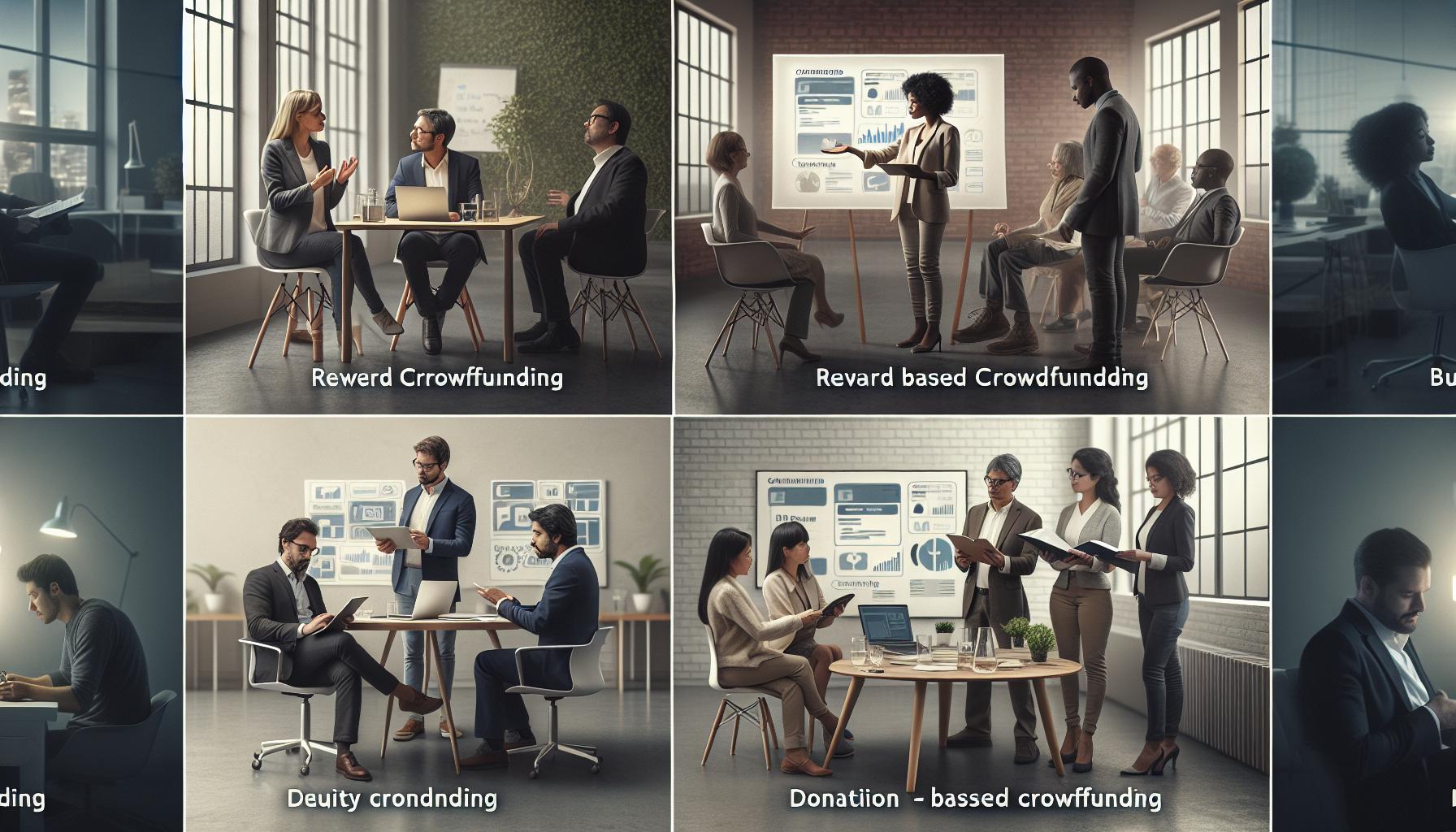
Identifying Your Ideal Crowdfunding Model
Identifying the right crowdfunding model for your project is crucial to maximizing its success. With numerous platforms available, each catering to different needs, selecting the one that aligns with your goals can significantly impact your fundraising outcome. To begin with, consider the nature of your project and your target audience. For example, if you’re looking to raise funds for a personal cause, donation-based crowdfunding might resonate more with sympathetic backers. On the other hand, if you’re an entrepreneur seeking to launch a product, reward-based crowdfunding could attract those eager for early access or unique perks.
When assessing your ideal model, think about what you can offer in return for contributions. If your project falls under the creative or innovative umbrella, reward-based crowdfunding invites backers to support you in exchange for tangible rewards, such as limited-edition items or exclusive experiences that create a sense of community and excitement. In contrast, if you’re a startup needing capital but reluctant to dilute ownership, equity crowdfunding can attract investors eager to share in your growth story, as they receive a stake in your company in return for their support.
Additionally, understanding your funding needs and timeline is essential. For instance, debt crowdfunding might suit those who need immediate cash influx while keeping full control of their business, as they can repay in installments. In contrast, equity crowdfunding requires a longer commitment to nurturing relationships with investors who want to be involved in your company’s journey. By reflecting on these aspects and selecting the model that best aligns with your project’s values and objectives, you set the stage for a successful crowdfunding campaign that resonates with your supporters.
In summary, the journey to selecting your ideal crowdfunding model involves a mix of understanding your audience, clarifying your project goals, and being realistic about what you can offer. With the right approach, you can effectively engage your community, drive contributions, and build lasting relationships that extend well beyond your initial campaign.
The Key Revenue Streams in Crowdfunding
Crowdfunding has emerged as a powerful tool for individuals and organizations to tap into financial resources, create impactful projects, and foster community engagement. One of the most crucial aspects to understand is the diverse revenue streams available through various crowdfunding models. Each stream caters to different types of projects, audiences, and funding goals, giving potential fundraisers multiple pathways to financial sustainability.
A primary revenue stream is donation-based crowdfunding, which allows supporters to contribute without expecting any monetary return. This model is often employed by charitable causes, medical expenses, or community projects. Platforms like GoFundMe thrive in this space, enabling individuals to share personal stories that resonate emotionally with potential backers. In contrast, reward-based crowdfunding offers tangible incentives to contributors, such as early access to products or unique experiences. Sites like Kickstarter and Indiegogo exemplify this model, encouraging backers to support creative projects in exchange for rewards that can engender loyalty and community.
For startups and entrepreneurs, equity crowdfunding presents a compelling option, where they can offer shares of their company in return for investment. This model not only generates funds but also creates a base of enthusiastic investors who advocate for the brand, thus amplifying marketing efforts. Under this structure, platforms like SeedInvest and Wefunder play a significant role, allowing startups to connect with future growth stakeholders. Another less common yet effective approach is debt crowdfunding, whereby contributors lend money with the expectation of repayment with interest. This method allows businesses to maintain ownership control while accessing necessary capital.
Ultimately, the key to maximizing these revenue streams lies in effectively aligning your crowdfunding model with the expectations and motivations of your audience. Understanding the dynamics of your target market, from emotional appeals in donation campaigns to the draw of potential financial gains in equity offerings, is essential. Engaging storytelling, clear communication, and strategic marketing can significantly enhance your project’s likelihood of success across these diverse financial avenues, enabling you to leverage community support while achieving your funding goals.
Creating Compelling Campaigns That Sell
To capture the interest of potential supporters, creating a compelling campaign is crucial in the crowded landscape of crowdfunding. An eye-catching introduction or unique storytelling can set your campaign apart and draw people in. Effective campaigns often start with an emotionally resonant narrative that highlights the purpose, the problem at hand, and the potential impact of the project. For example, personal stories that illustrate a genuine need, such as a family facing unexpected medical expenses or a community initiative aimed at environmental sustainability, tend to generate stronger connections with backers. This blend of emotion and clarity not only informs but also motivates people to contribute.
Moreover, visuals play a significant role in compelling campaigns. High-quality images and engaging videos can encapsulate your message succinctly, allowing potential donors to visualize the impact of their support. A well-produced video, for instance, can showcase the project’s goals, introduce the team behind it, and present testimonials from beneficiaries or supporters. This multimedia approach enhances engagement and creates a relatable context, which can encourage donations. Effective campaigns often utilize various visual elements, including infographics to convey statistics and progress updates, making the experience richer for the audience.
Engagement doesn’t stop at launch; keeping your audience informed and involved throughout the campaign is vital. Regular updates about your progress, challenges, and milestones can build trust and loyalty among backers. Consider utilizing creative incentives or rewards that resonate with your target audience. For example, offering personalized thank-you videos or exclusive merchandise can encourage higher contributions and repeat support. Tailoring these rewards to reflect the interests of your backers not only fosters goodwill but reinforces their commitment to your cause.
Finally, building a sense of community around your campaign can significantly enhance its reach and success. Engage with your audience on social media, encouraging them to share the campaign with their network. This not only broadens your reach but also reinforces a shared sense of purpose among supporters. Many successful campaigns leverage platforms like Facebook and Instagram not only for marketing but also for creating a community dialogue, making contributors feel like integral parts of the project. By cultivating a supportive environment, you can transform one-time donors into lifelong advocates for your cause, leading to sustained financial success.
Utilizing Marketing Strategies for Success
Creating a successful crowdfunding campaign often hinges on effective marketing strategies that capture attention, inspire trust, and motivate action. With billions of dollars raised annually through crowdfunding, leveraging the right marketing tactics can amplify your reach and increase contributions significantly. Begin by understanding your target audience-who are they, what do they care about, and how can your project resonate with them emotionally? This deep understanding will form the foundation of your messaging and outreach efforts.
Crafting Your Message
To stand out in a crowded marketplace, it’s essential to develop a clear and compelling message. Highlight the unique aspects of your project and articulate the impact potential contributions will make. Use storytelling techniques to create a narrative that invites support. For example, if your project focuses on sustainability, share personal anecdotes about your connection to the cause, or detail the broader environmental benefits. To enhance relatability, consider integrating engaging visuals such as infographics that effectively communicate statistics or milestones.
Multi-Channel Marketing Approaches
Implementing a multi-channel marketing strategy will allow you to diversify your outreach efforts. Key platforms include:
- Social Media: Utilize platforms like Facebook, Instagram, and Twitter to share updates, engage with backers, and create a sense of community. Tailored ads can also help target specific demographics that align with your project.
- Email Marketing: Build an email list of interested supporters and send regular updates on your campaign. Consider offering exclusive content or rewards to incentivize sign-ups.
- Content Marketing: Create engaging blog posts or video content that discusses aspects of your project, providing deeper insight into its mission and goals. This not only enhances visibility but establishes your authority on the subject matter.
Data suggests that projects actively engaging their audience across multiple channels can see up to 50% higher funding levels than those relying on a single approach.
Analyzing and Adjusting Your Strategy
The ability to pivot and adapt based on real-time feedback can significantly influence your campaign’s success. Use analytics tools to track engagement and conversion rates across your marketing channels. If certain messages or platforms yield better results, allocate more resources to those areas while reconsidering strategies that underperform. Engaging your backers for feedback can also lead to insights that enhance your marketing approach.
In essence, successful marketing for crowdfunding is a dynamic blend of understanding your audience, crafting a compelling narrative, utilizing diverse platforms effectively, and remaining flexible to optimize your campaign. Each step taken to refine your strategy contributes to building clear pathways that lead to significant financial support, fostering not just the success of your campaign, but also nurturing a community of loyal advocates for your cause.
Leveraging Social Media for Crowdfunding Growth
Social media has revolutionized the way ideas are shared and funding is raised, making it an indispensable tool for anyone looking to successfully launch a crowdfunding campaign. With billions of active users on platforms like Facebook, Instagram, and Twitter, these channels offer an unprecedented opportunity to reach potential backers who are not just interested in your project, but also in connecting with the community surrounding it. Engaging effectively across social media can significantly amplify your campaign’s visibility and support, turning casual viewers into committed backers.
To leverage social media effectively, it’s essential to create engaging content that resonates with your audience. This can include behind-the-scenes looks at your project, infographics detailing your goals, and even short video clips explaining why your initiative matters. For instance, a crowdfunding campaign for a local food truck may share testimonials from community members, showcase delicious dishes, or highlight a unique aspect of the truck that supports sustainability. Using engaging visuals will help capture attention faster than text alone, and platforms that prioritize visual content, such as Instagram and TikTok, are particularly effective in spreading your message.
Building a Community
Another critical aspect of using social media for crowdfunding is community building. Engaging with your followers should not be a one-way street; respond to comments, ask for input, and encourage discussions about your project. This interaction not only fosters a sense of belonging but also increases the likelihood that your followers will share your campaign within their own networks. Consider creating a dedicated group on Facebook or utilizing hashtags on Instagram and Twitter to create a space for supporters to connect. This sense of community can transform casual followers into passionate advocates for your cause, expanding your reach significantly.
Monitoring and Adapting Your Strategy
As you roll out your social media strategy, it’s crucial to monitor the effectiveness of your efforts. Utilize analytics tools provided by the platforms to track engagement levels, shares, and conversion rates. If certain posts resonate more than others, focus on producing similar content. For example, if a video showcasing a day in the life of your project garners significant attention, think about making this a regular feature. Being able to pivot based on feedback is vital in enhancing your campaign’s outreach and ensuring your efforts are aligned with what your audience values.
Through smart engagement, compelling storytelling, and community building on social media, crowdfunding campaigns can achieve exceptional growth and user engagement. Utilizing these strategies not only fosters support for your project but also builds a loyal following that can contribute ongoing support, resonating well beyond the initial funding goal.
Building a Supportive Community Around Your Campaign
Creating a successful crowdfunding campaign goes beyond just raising money; it’s about cultivating a community that believes in your mission. A strong, supportive network can significantly enhance your project’s reach and viability. In fact, campaigns that connect deeply with their audiences often see higher engagement levels and funding rates. Harnessing this power begins with understanding your audience and fostering genuine interactions.
To build a supportive community, start by clearly articulating your mission and the value of your project. Use storytelling to connect emotionally with potential backers, sharing not only your goals but also the personal journey behind your initiative. This authenticity can resonate with supporters and make them feel part of something meaningful. Consider creating an email newsletter that keeps your community updated not just on funding goals, but on milestones and challenges, strengthening their investment in your journey.
Engagement should be multi-faceted. Utilize social media platforms to create spaces for discussion and sharing. For instance, hosting live Q&A sessions on Instagram or Facebook can provide direct interaction opportunities, making your audience feel involved and valued. Regularly invite feedback and encourage supporters to share their stories related to your cause, enhancing the sense of community. When people feel engaged, they’re not only more likely to contribute financially but also to advocate for your project within their circles.
Another effective strategy is offering incentives for community participation, such as exclusive updates, merchandise, or recognition on your crowdfunding page. These gestures can help solidify loyalty and turn casual supporters into vocal advocates. It’s important to celebrate and acknowledge contributions publicly, fostering a culture of appreciation that can expand your reach as supporters share their involvement with their networks.
In summary, requires consistent communication, engagement, and appreciation. By fostering relationships with your backers and making them feel integral to your mission, you not only enhance your current fundraising efforts but also lay the groundwork for future endeavors. A committed community can be your greatest asset, enabling your crowdfunding journey to flourish.
Analyzing Case Studies of Successful Crowdfunding
Imagine a company that raised over $2 million in just 30 days to launch a new tech gadget-a remarkable feat in the crowdfunding landscape. This success story demonstrates how effective strategies can transform ambitions into realities through collective financial support. campaigns reveals crucial insights into effective practices and the potential revenue paths that can emerge when initiatives resonate with audiences.
One prominent example is Pebble Technology, which revolutionized the smartwatch market. They sought $100,000 on Kickstarter but ended up raising over $10 million by engaging backers early with a strong narrative about their product. The campaign showcased not only the technical specifications but also the lifestyle enhancements their smartwatch offered. By leveraging compelling videos and a relatable story, Pebble inspired confidence and excitement, leading to both significant funding and a loyal consumer base.
Key Takeaways from Successful Campaigns
- Authentic Storytelling: Successful campaigns like Pebble’s often incorporate authentic narratives that highlight the mission behind the project, connecting emotionally with potential backers.
- Engagement and Updates: Regular updates during the crowdfunding phase keep backers informed and engaged. For instance, Exploding Kittens, a card game campaign, used gamified updates and humor, which solidified community bonds and encouraged sharing across social media.
- Defined Target Audience: Understanding the ideal backer segment can drive campaign success. Coolest Cooler, which raised over $13 million, targeted outdoor enthusiasts by presenting a unique product that addressed specific needs-portable blending, Bluetooth speakers, and more for outdoor adventures.
Revenue paths in crowdfunding flow not only from the immediate financial support but also from building long-term patronage. The community that forms around these successful campaigns can become a powerful marketing tool for future projects. It’s essential to build upon the relationships established during the campaign, creating a loyal supporter base that will return for subsequent launches.
The Sustainability Angle
Furthermore, campaigns that address social or environmental issues often garner robust support. Take Solar Roadways, which aimed to replace asphalt with solar panels to harness renewable energy. Their campaign attracted a wealth of backers interested in sustainable solutions, demonstrating that a clear alignment between financial goals and broader eco-conscious values can significantly enhance funding options.
In conclusion, the lessons learned from these case studies emphasize the importance of storytelling, community engagement, and clearly defined target markets in crowdfunding success. By embracing these elements, creators can not only secure the necessary funding but also establish a sustainable model for long-term revenue generation, positioning their initiatives for future accomplishments.
Navigating Legal and Financial Considerations
Navigating the intricate landscape of crowdfunding not only requires a compelling idea and effective marketing strategies but also a keen understanding of the legal and financial frameworks governing it. Before launching a campaign, it’s crucial to address several key considerations that can circumvent potential pitfalls and ensure a smooth funding process.
Legal compliance is paramount; failure to adhere to laws can result in costly consequences. Different crowdfunding platforms may have varying regulations based on geographical location and the type of funding model employed-whether equity, reward, or donation-based crowdfunding. For instance, if you’re offering equity in your project, you must comply with securities regulations that may require extensive disclosures and adherence to specific licensing requirements. Understanding these regulations not only protects you but also builds trust with your potential backers.
Financially, it’s vital to create a transparent budget for your campaign. Overestimating or underestimating funding needs can derail your project. Detailed forecasting should include costs associated with production, shipping, platform fees, and potential taxes. An example can be seen with the Coolest Cooler campaign, which raised over $13 million but faced significant production costs that jeopardized timely delivery. They learned the hard way that transparent budgeting and communication about potential delays could have preserved their credibility and backer trust.
Additionally, consider the implications of crowdfunding on your taxes. Most jurisdictions view funds raised through crowdfunding as taxable income. Engaging with a tax professional familiar with crowdfunding can help you navigate these complexities and plan appropriately for any potential liabilities.
Furthermore, maintaining ongoing financial transparency after your campaign can foster long-term relationships with backers. Regular updates on how funds are being utilized, milestones achieved, and transparent sharing of setbacks can strengthen community ties and lay the groundwork for future campaigns.
In summary, a proactive approach to understanding the legal and financial dimensions of crowdfunding can make the difference between a triumphant campaign and one fraught with complications. Commitment to transparency, education on regulations, and solid financial planning are critical components for ensuring both immediate and long-term success in your crowdfunding endeavors.
Maximizing Long-term Engagement and Loyalty
Building long-term engagement and loyalty in crowdfunding campaigns is not just a bonus; it’s essential for sustained success. Campaigns that treat backers merely as one-off contributors risk losing a wealth of ongoing support that can drive future initiatives. By fostering a sense of community and connection, project creators can transform backers into loyal advocates who are eager to support not just a single project but all future endeavors.
One effective strategy is to maintain consistent communication with your backers even after the campaign ends. This can include regular updates on project progress, behind-the-scenes insights, and acknowledgement of backer contributions. Utilizing email newsletters or social media platforms can facilitate this ongoing dialogue. For example, the popular board game “Exploding Kittens” kept its backers informed throughout development, sharing both successes and challenges. This transparency helped nurture trust and ensured backers felt like integral parts of the journey.
Another approach is to create exclusive incentives for long-time backers or those who participate in multiple campaigns. This could range from early access to new products, special edition items, or even membership in a VIP club that offers frequent updates and personal interactions. These tactics not only make backers feel appreciated but also encourage repeated engagement and support. Research has shown that loyal supporters are more likely to invest in new projects, increasing the overall funding success rate.
Lastly, actively involving backers in the creative process can also significantly enhance loyalty. Polling backers for their opinions on design choices or product features can make them feel more invested in the outcome. Projects that incorporate backer feedback often see higher satisfaction rates, which translate into stronger advocacy and promotion of future campaigns. Ultimately, by prioritizing engagement and creating rewarding experiences for backers, crowdfunding campaigns can not only achieve immediate financial goals but also build a thriving community around their brand.
Common Pitfalls to Avoid in Crowdfunding
Navigating the crowdfunding landscape can be daunting, and many campaign creators stumble upon pitfalls that can derail their efforts. One common mistake is underestimating the importance of thorough planning. Launching a crowdfunding campaign without a solid strategy can lead to a disorganized approach that fails to resonate with potential backers. Before you hit the “go” button, create a comprehensive plan that outlines your goals, target audience, funding needs, and timeline. This groundwork is crucial for maintaining focus and directing your messaging effectively.
Another prevalent error is neglecting the power of storytelling. Backers are not just investing in a project; they are buying into a narrative. If your campaign fails to articulate a compelling story about why your project matters, you risk losing their interest. Focus on creating an emotional connection by sharing your journey, explaining the challenges you face, and demonstrating the positive impact of your project. Engaging visuals and videos can enhance your narrative, making it more relatable and attractive to potential supporters.
Effective communication is also vital during the crowdfunding campaign. Frequent updates keep backers engaged and informed about your project’s progress. Failing to communicate can lead to backers feeling disconnected or unsure about where their money is going. Consider adopting a multi-channel communication strategy that includes social media updates, email newsletters, and interactive Q&A sessions to keep your audience engaged. Transparency about project milestones and challenges not only builds trust but can also encourage backers to share your campaign within their networks.
Finally, be cautious about overpromising rewards. While it may be tempting to offer extravagant incentives to attract backers, failing to deliver on these promises can ruin your credibility. Instead, set realistic expectations for what you can provide and prioritize quality over quantity in your reward tiers. By taking a thoughtful approach and avoiding these common missteps, your crowdfunding campaign can thrive, ultimately leading to a successful fundraising outcome.
Frequently Asked Questions
Q: How do crowdfunding platforms earn money?
A: Crowdfunding platforms typically earn money through transaction fees, which can range from 3% to 10% of the funds raised. They may also charge additional fees for payment processing or offer premium services for campaign promotion. Understanding these costs is essential when planning your fundraising strategy.
Q: What are the best practices for running a successful crowdfunding campaign?
A: Successful crowdfunding campaigns often include a clear goal, engaging storytelling, attractive rewards, and effective promotion through social media and email marketing. Utilizing these strategies can significantly increase your chances of reaching your funding target. For detailed insights, refer to the section on “Creating Compelling Campaigns That Sell.”
Q: Can crowdfunding be used for business startups?
A: Yes, crowdfunding is an excellent choice for startups seeking seed funding. By presenting a solid business model and engaging pitch, entrepreneurs can attract investments from many backers who believe in their vision. Be sure to explore the “Different Types of Crowdfunding Explained” for various models suited to businesses.
Q: How important is marketing in a crowdfunding campaign?
A: Marketing is crucial in a crowdfunding campaign as it helps reach a wider audience, attract backers, and communicate the campaign’s value. A well-crafted marketing strategy can be the difference between a successful campaign and one that falls short. Check out the “Utilizing Marketing Strategies for Success” section for more tips.
Q: What are common mistakes to avoid in crowdfunding?
A: Common pitfalls in crowdfunding include unrealistic funding goals, unclear messaging, and insufficient promotion. Avoiding these mistakes can help ensure your campaign attracts the necessary support. For a thorough analysis, see the “Common Pitfalls to Avoid in Crowdfunding” section in the main article.
Q: How can social media enhance crowdfunding efforts?
A: Social media can significantly enhance crowdfunding by enabling creators to share their stories, engage with potential backers, and spread the word quickly. Platforms like Facebook and Instagram allow for direct communication with your audience, fostering community and support. Learn more in the “Leveraging Social Media for Crowdfunding Growth” section.
Q: What legal considerations should I be aware of in crowdfunding?
A: Legal considerations in crowdfunding include compliance with regulations governing fundraising, such as disclosure requirements and securities laws. It’s important to consult legal experts to navigate these complexities successfully. This topic is discussed in detail in the “Navigating Legal and Financial Considerations” section.
Q: How can I keep backers engaged after a crowdfunding campaign?
A: Keeping backers engaged post-campaign is key to fostering loyalty and future support. Regular updates, transparent communication about project progress, and exclusive content or rewards can help maintain interest. For strategies on long-term engagement, please visit the “Maximizing Long-term Engagement and Loyalty” section.
In Retrospect
As we’ve explored, crowdfunding presents diverse revenue paths that can transform your passion into profit. By understanding various strategies, you’re equipped to leverage these insights for your next campaign effectively. Don’t let hesitation hold you back! Start implementing these ideas today and witness the impact of your initiatives.
To deepen your knowledge, check out our guides on creative college fundraising ideas and game-changing sports fundraising strategies. Engaging with these resources can provide you with fresh perspectives and actionable tips that align with your goals.
If you’re ready to take the next step, consider signing up for our newsletter for exclusive insights, or explore our consultancy services designed to enhance your fundraising strategies. Remember, the crowdfunding landscape is constantly evolving, and staying informed is key to your success. Join the conversation and share your thoughts in the comments below; let’s grow together!