
How Is Climate Change Affecting Snow Leopards?
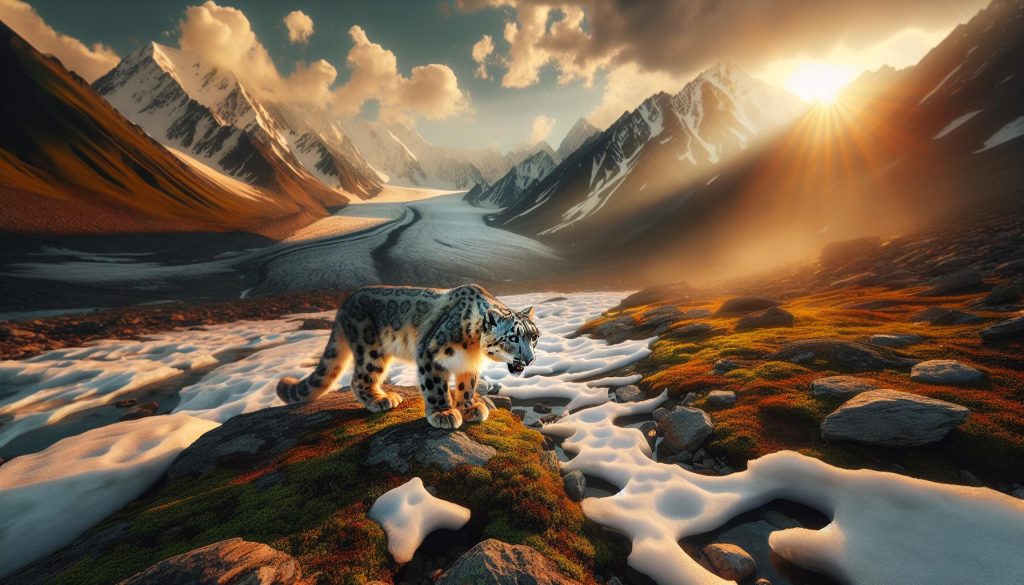
Discover how climate change is threatening snow leopards’ survival. Learn the surprising impacts and what can be done to protect these majestic cats today!
How Does Climate Change Affect Kelp Forests?
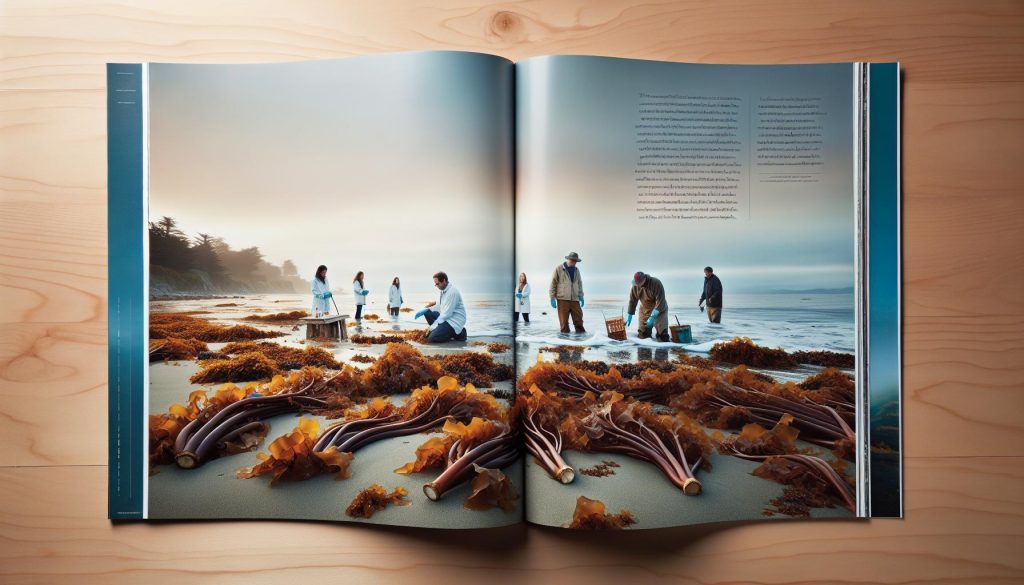
Discover how climate change affects kelp forests and the vital role they play in our ecosystem. Learn the urgent impacts and solutions to protect these underwater wonders!
How Are Monarch Butterflies Affected By Climate Change?

Discover how climate change impacts monarch butterflies! Learn the urgent threats they face and what you can do to help preserve these vital pollinators.
How Does Climate Change Affect Leatherback Turtles?

Discover how climate change affects leatherback turtles and the urgent actions needed to protect these magnificent creatures. Learn more for a brighter future!
How Are Hibernating Animals Affected by Global Climate Change

Discover how global climate change impacts hibernating animals and why it matters. Learn what you can do to help preserve their future today!
How Are Polar Bears Adapting To Climate Change?

Discover how polar bears are adapting to climate change! Learn surprising strategies they use to survive and thrive in a warming world. Don’t miss it!
How Are Green Sea Turtles Affected By Climate Change?

Discover how climate change impacts green sea turtles’ survival and habitats. Learn crucial steps we can take to protect these iconic creatures today!
How Does Climate Change Affect Giant Pandas?

Discover how climate change affects giant pandas and their habitat. Learn urgent steps we can take to protect these beloved creatures and their future!
How Are Cheetahs Affected By Climate Change?

Discover how are cheetahs affected by climate change and what it means for their survival. Learn urgent steps we can take to protect these majestic creatures!
How Is Climate Change Affecting Polar Bears Today?

Discover how climate change impacts polar bears today and what it means for our planet. Learn the shocking stats and inspiring steps we can take to help!
Foundational Pillars (Start Here)
How Is Climate Change Affecting Snow Leopards?
Empirical analysis evaluating transition pathways, systemic risk factors, and scalable solutions.
How Does Climate Change Affect Kelp Forests?
Empirical analysis evaluating transition pathways, systemic risk factors, and scalable solutions.
How Are Monarch Butterflies Affected By Climate Change?
Empirical analysis evaluating transition pathways, systemic risk factors, and scalable solutions.
The Biodiversity Crisis and Natural Capital Accounting: Beyond Carbon-Only Metrics
Global biodiversity is declining at rates unprecedented in human history, with over one million plant and animal species currently threatened with extinction. Climate change acts in destructive synergy with habitat fragmentation, overexploitation, and pollution, driving widespread ecosystem breakdown. The loss of keystone predators, pollinators, and marine organisms triggers catastrophic trophic cascades that undermine ecosystem stability.
Financial markets have historically treated natural ecosystems as free, inexhaustible externalities. However, the emergence of the Taskforce on Nature-related Financial Disclosures (TNFD) and the Kunming-Montreal Global Biodiversity Framework is establishing natural capital accounting across institutional finance. By valuing ecosystem services—such as pollination, water filtration, and coastal flood buffering—investors are pioneering biodiversity credits and conservation easements that monetize species protection and habitat regeneration.
| Ecosystem Realm | Primary Keystone Species / Function | Threat Vector | Conservation Finance Mechanism |
|---|---|---|---|
| Montane & Alpine Habitats | Snow Leopards & High-Altitude Flora | Thermal Range Contraction & Prey Loss | Community-Managed Conservation Trusts |
| Coastal Kelp & Mangrove Forests | Otters, Mangrove Crabs & Blue Carbon | Marine Heatwaves & Coastal Development | Blue Carbon Credits & Parametric Reef Insurance |
| Terrestrial Pollinator Corridors | Monarch Butterflies & Native Wild Bees | Pesticide Drift & Habitat Severing | Agricultural Biodiversity Subsidies & Green Corridors |
| Marine Pelagic Zones | Leatherback Turtles & Cetaceans | Plastic Ingestion, Longlining & Warming Sands | Debt-for-Nature Swaps & Marine Protected Areas (MPAs) |
Thematic Directory & Environmental Research Guides
Species Case Studies & Habitat Threats
Marine & Terrestrial Conservation Programs
Frequently Asked Questions
What is the difference between carbon credits and biodiversity credits?
Carbon credits strictly measure metric tons of carbon dioxide equivalent sequestered or avoided, whereas biodiversity credits measure the verifiable preservation or ecological restoration of specific habitats, species richness, and intact ecosystem area.
What are 'ecosystem services', and why are they economically valuable?
Ecosystem services are the direct and indirect benefits ecosystems provide to humanity—including crop pollination, clean drinking water filtration, storm surge buffering by mangroves, and timber—valued at over $125 trillion annually by global economists.
How does the Taskforce on Nature-related Financial Disclosures (TNFD) work?
The TNFD provides an institutional risk management and disclosure framework that helps corporations and financial institutions identify, assess, and report their dependencies and impacts on nature using the LEAP (Locate, Evaluate, Assess, Prepare) approach.