Climate change is not just a distant threat; it’s shaping our present and future in profound ways. From unprecedented heatwaves in Africa affecting food security to rising sea levels endangering Pacific communities, understanding the historical context of global climate change is vital. This Quizlet Study Guide provides an engaging exploration of key events, data, and trends that have influenced our climate journey. By grasping these concepts, you’ll not only gain insight into the challenges we face but also the solutions we can advocate for. As we unravel the past, you’ll discover how informed action today can forge a more sustainable tomorrow. Whether you’re a student, an activist, or simply curious, this guide is designed to empower you with knowledge and inspire responsible choices in the fight against climate change.
Understanding Climate Change: Key Concepts and Terms
Understanding climate change is essential for individuals and communities aiming to navigate the complexities of this pressing global issue. At its core, climate change refers to long-term alterations in temperature, precipitation patterns, and various other atmospheric conditions of our planet, lasting decades or longer [1]. This phenomenon is driven by a myriad of factors, including natural variability and human activities, particularly the increase in greenhouse gases like carbon dioxide (CO2) and methane (CH4) emitted through the burning of fossil fuels, deforestation, and industrial processes. Recognizing these key concepts is a vital first step towards engaging meaningfully with the overarching narrative of climate change.
Key terms such as global warming, climate resilience, and sustainability frequently emerge in discussions about climate change. Global warming describes the rise in Earth’s average surface temperature due to human-induced emissions, while climate resilience is the capacity of a system-be it community, ecosystem, or economy-to withstand adverse effects of climate change. Sustainability emphasizes maintaining ecological balance by meeting present needs without compromising future generations’ ability to meet theirs. Understanding these terms can empower individuals and communities to articulate informed opinions, promote sustainable practices, and participate actively in climate solution dialogues.
Practical examples illustrate these concepts vividly. For instance, countries that invest in renewable energy sources such as wind and solar power are taking steps toward sustainability and mitigating climate change. Communities implementing green infrastructure, such as urban green spaces, enhance their climate resilience by reducing heat island effects and improving air quality. By framing our understanding of climate change around these key concepts and incorporating practical actions, we can foster a more proactive approach to safeguarding our planet’s future and facilitating a collective response to this urgent challenge.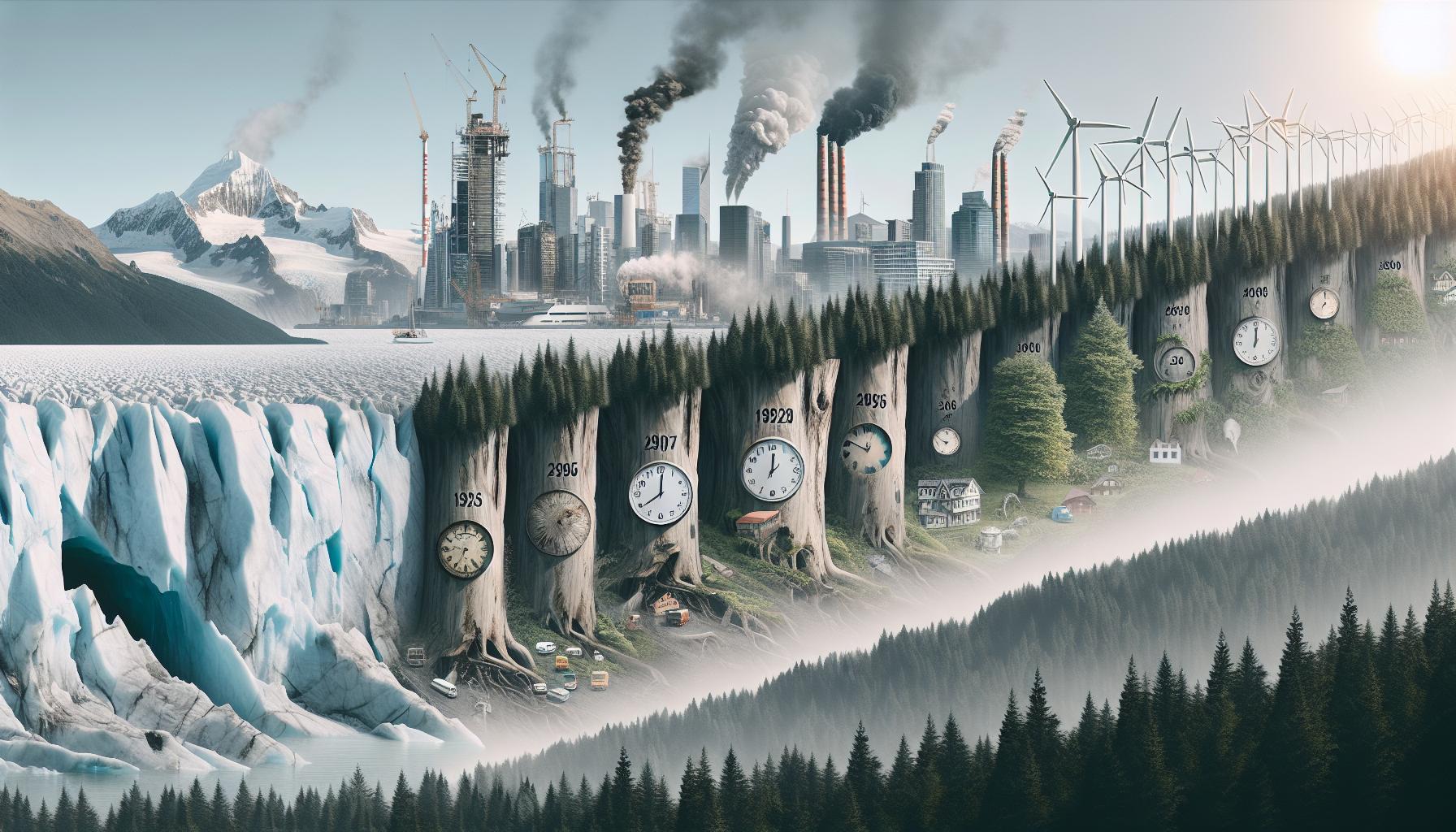
The Historical Timeline of Climate Change Events
The journey of understanding climate change is deeply rooted in a historical timeline marked by significant events that have shaped global awareness and action. One pivotal moment occurred in the late 19th century when scientists like John Tyndall began exploring the greenhouse effect, establishing that certain gases in the atmosphere trap heat. This foundational research paved the way for more comprehensive studies on human-induced climate changes.
Fast forward to the mid-20th century, when a series of groundbreaking reports highlighted the accelerating impacts of industrialization on climate. In 1956, Dr. Gilbert Plass formulated the idea that rising carbon dioxide levels from combustion of fossil fuels could alter the Earth’s climate. By the 1970s, scientific consensus on anthropogenic global warming started to coalesce, setting the stage for international discourse on climate action.
In 1992, the United Nations Framework Convention on Climate Change (UNFCCC) was established during the Earth Summit in Rio de Janeiro, marking a significant milestone in global cooperation to combat climate change. This event led to the Kyoto Protocol in 1997, which committed industrialized nations to reduce greenhouse gas emissions. The early 2000s saw a surge in public awareness, culminating in the landmark Paris Agreement of 2015, where nearly every country in the world came together with a unified goal: to limit global warming to below 2 degrees Celsius above pre-industrial levels.
The evolution of climate science and policy is ongoing and increasingly urgent. Significant events such as the alarming reports from the Intergovernmental Panel on Climate Change (IPCC) in recent years have underscored the critical need for immediate action to mitigate climate change impacts. With each milestone in this timeline, we are reminded of the interconnectedness of scientific research, policymaking, and community action in the relentless effort to address one of humanity’s most pressing challenges. As we reflect on this history, it empowers us to take informed actions to safeguard our planet for future generations.
Global Climate Change: Causes and Contributors
Since the dawn of the Industrial Revolution, human activities have driven significant changes to the Earth’s climate. The most notable of these is the increase in greenhouse gases in the atmosphere, which have led to the warming of the planet-an issue highlighted by scientists around the world. Understanding the causes of climate change is crucial for developing effective solutions and fostering collective action to mitigate its impacts.
A key contributor to climate change is the emission of greenhouse gases, primarily from the burning of fossil fuels such as coal, oil, and natural gas. These emissions include carbon dioxide (CO2), methane (CH4), nitrous oxide (N2O), and fluorinated gases. CO2 levels have risen sharply, primarily due to industrial activities and deforestation, resulting in an enhanced greenhouse effect, which traps heat in the atmosphere. For instance, according to NASA, the atmospheric CO2 concentration increased from about 280 parts per million (ppm) in pre-industrial times to over 410 ppm today, illustrating a dramatic shift linked to human activities [1].
In addition to fossil fuel combustion, agricultural practices contribute significantly to climate change. Livestock production generates large amounts of methane, a potent greenhouse gas, through enteric fermentation during digestion. Moreover, the use of fertilizers leads to increased nitrous oxide emissions. Deforestation, often for agricultural expansion, not only releases stored carbon but also reduces the number of trees available to absorb CO2 from the atmosphere.
On a broader scale, industrial processes, waste management, and land use changes intensify the climate crisis. The production of cement, for example, is responsible for nearly 8% of global CO2 emissions. Addressing these diverse sources is vital for any comprehensive climate change mitigation strategy. Localized actions, such as adopting renewable energy sources, improving energy efficiency, and enhancing carbon sequestration through reforestation, can significantly reduce emissions.
Acknowledging the multifaceted nature of climate change-where human activities, industrial demands, and consumption patterns intersect-enables individuals and communities to take informed, impactful actions. By collectively shifting towards sustainable practices and supporting policies that regulate greenhouse gas emissions, we can play a crucial role in combating climate change and ensuring a healthier planet for future generations.
Impact of Climate Change on Ecosystems and Biodiversity
Changes in climate are not just abstract concepts; they have profound implications for the ecosystems that support life on Earth. As global temperatures rise and weather patterns shift, we are witnessing a cascade of effects on wildlife and biodiversity that threaten the delicate balance of our planet’s ecosystems. For instance, according to the World Meteorological Organization, the unprecedented increase in greenhouse gas levels is driving changes in ocean heat and acidification, which in turn affect marine life and habitats crucial for many species [[1](https://wmo.int/topics/climate-change)].
Effects on Terrestrial Ecosystems
Rising temperatures are disrupting habitats across the globe. Species once thriving in certain ecosystems are forced to migrate in search of suitable climates. For example, many bird species that rely on specific migratory patterns are being affected as seasons shift, leading to mismatches in food availability and breeding times. This can create a ripple effect, influencing predator-prey relationships and ultimately destabilizing entire food webs.
- Habitat Loss: Increased frequency of extreme weather events, such as floods and droughts, contributes to habitat degradation and loss, severely impacting wildlife.
- Invasive Species: Warmer temperatures can facilitate the spread of invasive species that outcompete native flora and fauna, further threatening biodiversity.
- Species Extinction: If habitats change too quickly, numerous species may not be able to adapt or migrate fast enough, leading to heightened extinction risks.
Impact on Marine Biodiversity
The oceans, which absorb much of the excess heat and CO2, are undergoing significant transformations. Coral reefs, often referred to as the “rainforests of the sea,” are under severe threat due to rising sea temperatures and acidification. Coral bleaching events, where stressed corals expel their symbiotic algae, lead to loss of biodiversity and disruption of marine ecosystems reliant on these structures for shelter and food.
Here are some of the challenges faced by marine ecosystems:
- Ocean Acidification: Increased CO2 levels dissolve in seawater, lowering pH levels and affecting calcifying organisms such as mollusks and corals.
- Changes in Fish Populations: Fish species are shifting toward cooler waters, altering fisheries and traditional fishing zones, impacting livelihoods and coastal economies.
As we face these escalating challenges, the importance of conservation efforts cannot be overstated. Initiatives such as establishing protected marine areas, restoring habitats, and promoting sustainable fishing practices are crucial. By engaging in these efforts, individuals and communities can help mitigate the effects of climate change on ecosystems and preserve the biodiversity that is vital for a healthy planet. Each action we take contributes to maintaining the balance essential for both nature and humanity’s survival.
Human Activities and Their Role in Climate Change
Human activities have fundamentally reshaped the climate of our planet, presenting one of the greatest challenges of our time. Since the Industrial Revolution, which began in the late 18th century, human actions have led to significant increases in greenhouse gas emissions, primarily from burning fossil fuels such as coal, oil, and natural gas. In fact, it is estimated that human activities have increased atmospheric carbon dioxide levels by more than 40% compared to pre-industrial times. This surge in greenhouse gases is the driving force behind global warming, altering weather patterns, and contributing to extreme climatic events.
The Major Contributors to Climate Change
The most significant human activities contributing to climate change include:
- Fossil Fuel Combustion: The energy sector is a primary contributor to greenhouse gas emissions, largely due to the burning of fossil fuels for electricity, heat, and transportation. This process releases substantial amounts of carbon dioxide and methane into the atmosphere.
- Deforestation: Cutting down forests for agriculture, logging, and urban development not only releases stored carbon but also reduces the number of trees that can absorb CO2. The loss of forests has a dual effect on the climate.
- Industrial Processes: Manufacturing, cement production, and chemical processes also emit a variety of greenhouse gases, particularly when non-renewable energy sources are used.
- Agricultural Practices: Livestock farming generates considerable methane emissions, and the use of nitrogen-based fertilizers releases nitrous oxide, both potent greenhouse gases.
Real-World Examples and Mitigation Strategies
Consider the case of Australia, where the reliance on coal-fired power plants has made it one of the highest per capita greenhouse gas emitters worldwide. In response, Australia is increasingly exploring renewable energy sources such as solar and wind power, aiming to reduce its carbon footprint significantly. Transitioning to renewable energy not only helps mitigate climate change but also promotes job creation in emerging sectors.
Individuals can also play a role in addressing climate change. Simple actions such as reducing energy consumption, using public transportation, embracing a plant-based diet, and minimizing waste can collectively make a significant impact. Communities can engage in local conservation efforts and support policies aimed at sustainability. By understanding the intricate relationship between human activities and climate change, individuals and societies can take informed and responsible actions that contribute to a more sustainable future.
The Science Behind Climate Change: Evidence and Research
The overwhelming consensus among climate scientists is that the planet is warming, primarily due to human-induced greenhouse gas emissions. This conclusion is supported by extensive evidence gathered over decades, making climate change one of the most empirically validated phenomena in modern science. For instance, the Intergovernmental Panel on Climate Change (IPCC) has reported that average global temperatures have increased by approximately 1.1°C since the late 19th century, primarily as a result of emissions from fossil fuel combustion and deforestation.
Understanding the science behind climate change involves examining how greenhouse gases, such as carbon dioxide, methane, and nitrous oxide, trap heat in the atmosphere. This process, known as the greenhouse effect, is natural and necessary for life on Earth; however, human activities have significantly intensified it. The rise in CO2 levels, for example, has been attributed to the burning of fossil fuels, which releases carbon that has been stored underground for millions of years. Data shows that atmospheric CO2 levels are now higher than at any point in at least 800,000 years, according to ice core samples that have been drilled in Antarctica.
Key Evidence of Climate Change
Several lines of evidence corroborate the reality of climate change, including:
- Rising Sea Levels: Global sea levels have risen by about 20 cm since 1900, largely due to thermal expansion of seawater as it warms and the melting of glaciers and polar ice sheets.
- Increased Frequency of Extreme Weather: There has been a marked increase in the frequency and intensity of extreme weather events, such as hurricanes, heatwaves, and floods, which are consistent with climate change predictions.
- Shifts in Ecosystems: Many species are experiencing shifts in their geographic ranges and seasonal behaviors, aligning with changes in temperature and precipitation patterns. For example, plants are flowering earlier in spring, affecting food availability for pollinators.
- Ocean Acidification: The absorption of excess CO2 by oceans has led to lower pH levels, harming marine ecosystems, particularly coral reefs and shellfish.
Moreover, the ongoing research into the link between climate change and health has revealed that warming temperatures and more extreme weather can exacerbate health issues, including respiratory illnesses, heat-related disorders, and the spread of infectious diseases. The World Health Organization (WHO) emphasizes the urgency of addressing these health effects, particularly in vulnerable populations [[1]](https://www.who.int/teams/environment-climate-change-and-health/climate-change-and-health/reach).
As collective knowledge grows, it becomes crucial for individuals and communities to engage with this evidence actively. Understanding the intricacies of climate science allows for informed decision-making that can drive mitigation and adaptation strategies. By adopting sustainable practices, advocating for policy changes, and supporting renewable energy sources, we all can play a role in combating climate change and protecting our planet for future generations.
Mitigation Strategies: Reducing Global Warming Effects
To effectively combat the escalating crisis of climate change, mitigation strategies play a crucial role in reducing global warming effects and limiting the impending consequences that threaten ecosystems and human societies alike. One compelling fact is that every ton of carbon dioxide that we prevent from entering the atmosphere is a step toward preserving our planet’s health. This realization empowers individuals, communities, and governments to take action across various sectors.
A multifaceted approach is essential when considering mitigation strategies. Prominent methods include transitioning to renewable energy sources, enhancing energy efficiency, and implementing sustainable agricultural practices. For instance, shifting from fossil fuels to solar, wind, and hydroelectric power not only reduces greenhouse gas emissions but also diminishes air pollution, subsequently promoting public health. In cities worldwide, architects and urban planners are increasingly focused on designing buildings that incorporate green technologies, such as solar panels and energy-efficient insulation, which significantly lower energy consumption.
Investing in reforestation and conservation efforts is another pivotal strategy in the climate change mitigation toolkit. Forests absorb vast amounts of carbon dioxide, making reforestation a powerful way to sequester carbon. Successful case studies, like Brazil’s efforts in reducing deforestation in the Amazon, illustrate the positive impact of environmental policies that balance economic growth with ecological preservation.
Moreover, promoting public awareness and education on sustainable practices empowers individuals to make environmentally conscious decisions in their daily lives. Simple actions, such as reducing meat consumption, utilizing public transportation, or supporting local and sustainable products, can cumulatively lead to significant reductions in carbon footprints. As communities unite to advocate for policy changes-such as carbon pricing, tax incentives for renewable energy investments, and stricter emissions regulations-they can amplify their impact and accelerate the transition toward a low-carbon economy.
By fostering a culture of sustainability and innovation, we not only address the pressing issue of climate change but also promote an adaptive society that is resilient in the face of environmental challenges. The road ahead may be fraught with obstacles, but through cooperative action and commitment to mitigation strategies, we can bend the curve of climate change towards a more hopeful future.
Adapting to Climate Change: Community and Individual Actions
Adapting to climate change requires a proactive approach from both communities and individuals, recognizing the unique challenges posed by a changing environment. For instance, communities can enhance their resilience by investing in local infrastructure improvements that minimize the impact of extreme weather events. This could include flood defenses, improved drainage systems, and the creation of green spaces that not only absorb rainwater but also provide natural habitats. Such initiatives foster a sense of community solidarity and ensure that local ecosystems remain robust amid change.
Additionally, individuals have a powerful role to play in adaptation efforts. Simple changes in daily habits can contribute significantly to broader environmental goals. For instance, conserving water by fixing leaks and using water-efficient appliances can help communities that may face future water shortages. Engaging in local conservation efforts, such as community gardens that utilize resilient plant species, can also enhance local food security and promote biodiversity. Moreover, individuals can advocate for sustainable practices by supporting local businesses that prioritize environmentally friendly methods and products.
Case Studies in Community Adaptation
Real-world examples illuminate the effectiveness of community-led adaptation strategies. In the Netherlands, extensive investment in flood control systems, including innovative dike designs and water management techniques, showcases how proactive measures can protect urban areas from rising sea levels. In addition, urban areas like New York City have launched programs to increase green infrastructure, such as green roofs and permeable pavements, which help mitigate flooding while also improving air quality.
To foster a culture of resilience, communities can also conduct workshops and information sessions, educating residents on climate risks and adaptive strategies. These initiatives not only inform but also empower individuals to take ownership of their local environment, encouraging a collective response to climate challenges.
Key Strategies for Individual Action
Individuals can adopt several strategies to support adaptation efforts:
- Reduce Waste: Actively minimize waste through recycling and composting, which not only helps reduce landfill overflow but also lessens methane emissions, a potent greenhouse gas.
- Support Renewable Energy: Consider switching to renewable energy sources, such as solar or wind, which can reduce reliance on fossil fuels.
- Educate Yourself and Others: Stay informed about climate issues and advocate for local policies that address climate adaptation, such as urban planning that incorporates climate resilience.
- Engage in Local Initiatives: Participate in community discussions, volunteer for local environmental organizations, and support initiatives aimed at enhancing local resilience.
By embracing these actions, both individuals and communities can not only adapt to the realities of a changing climate but also contribute to the global fight against climate change. Through a combination of innovative local solutions and personal responsibility, we can foster a resilient future in the face of environmental challenges.
International Agreements and Their Impact on Climate Policies
International agreements play a crucial role in shaping climate policies across the globe, representing collective commitments from countries to tackle the burgeoning threat of climate change. The landmark Paris Agreement of 2015 is a prime example, uniting nearly 200 nations with the aim of limiting global warming to well below 2 degrees Celsius above pre-industrial levels. This agreement underscores the recognition that climate change is a global challenge requiring concerted action to mitigate its effects. Each participating country sets its own greenhouse gas reduction targets, known as Nationally Determined Contributions (NDCs), which are subject to periodic review and upgrading, fostering a dynamic environment for climate action.
Impact of International Agreements on National Policies
The implications of these international frameworks are profound. Countries that sign on to agreements like the Paris accord are not just making aspirational promises; they are compelled to integrate climate considerations into their national policies, effectively transforming them into actionable strategies. For instance, nations have developed comprehensive energy policies aimed at increasing renewable energy capacity and promoting energy efficiency, driven by the need to meet their NDCs.
A compelling instance is Germany’s Energiewende, or “energy transition,” which aims to overhaul its energy system largely by transitioning towards renewable resources and away from fossil fuels. Such initiatives have broad socio-economic implications, from job creation in the renewable sector to enhancing energy security, illustrating how international commitments can lead to substantial national transformations.
Challenges and Opportunities in Implementation
Despite these benefits, the path to effective climate policy is fraught with challenges. Disparities in economic resources, technological capabilities, and political will among nations can significantly affect implementation. Developing countries, for example, may struggle to meet ambitious targets without financial assistance and technology transfer from wealthier nations, as highlighted during international climate negotiations.
Conversely, these challenges present opportunities for innovation in financing solutions, such as green bonds and climate adaptation funds, which can mobilize capital towards sustainable projects. The increasing involvement of the private sector in sustainability initiatives also exemplifies a growing trend where businesses align their operations with climate goals, leveraging market mechanisms to promote environmentally friendly practices.
As we look ahead, it is imperative for international agreements to evolve and adapt to emerging scientific findings and climate realities. The regular review cycles built into these agreements-like the global stocktake mandated by the Paris Agreement-allow countries to assess their progress and increase their targets based on what is necessary to protect the planet for future generations. This mechanism of accountability not only emphasizes the importance of ongoing commitment but also demonstrates a collective responsibility that is crucial in addressing the urgent climate crisis we face.
Future Trends in Climate Change: Predictions and Challenges
As we navigate the intricacies of climate change, it becomes increasingly evident that the decisions we make today will define our planet’s future. Predictions indicate that global temperatures could rise by as much as 1.5 degrees Celsius above pre-industrial levels as early as 2030 if current trends continue. This scenario unveils a cascade of challenges that demand urgent and innovative responses. With climate-induced phenomena such as severe weather events and rising sea levels already impacting millions, the stakes have never been higher.
Future Predictions
The World Economic Forum warns that the ongoing climate crisis could lead to approximately 14.5 million deaths and $12.5 trillion in economic losses by 2050 if no effective measures are implemented. Additionally, over 2 billion healthy life years could be lost due to climate-related health issues, including heat-related illnesses and respiratory conditions exacerbated by pollution and changing weather patterns [[2]]. This stark forecast emphasizes the need for integrated health and climate policies to mitigate the escalating impacts of climate change on public health, particularly in vulnerable communities.
Challenges Ahead
Adapting to these changes will require not only technological advancements but also a robust shift in policy frameworks and economic strategies. For instance, many developing nations are at significant risk due to their reliance on climate-sensitive resources like agricultural productivity. Disparities in resources and technological access mean that without targeted investment and support, these countries may struggle to adapt effectively. Collaboration among nations will be critical in addressing these disparities through mechanisms such as technology transfer and climate financing.
However, these challenges also illuminate pathways for innovation. The rise in green technologies, sustainable practices, and corporate responsibility signifies a growing recognition of the need for change. Businesses worldwide are increasingly incorporating sustainability into their operational models, recognizing not only the ethical imperatives but also the economic benefits. Initiatives like the circular economy encourage recycling and resource efficiency, which can mitigate some adverse impacts of climate change.
Actionable Steps
The importance of individual and community actions cannot be overstated in this collective battle against climate change. People can make impactful changes through conscious consumption, energy efficiency improvements in homes, and advocating for policies that prioritize sustainability. Support for local green initiatives, such as urban gardening or community renewable energy projects, can also foster resilience and reduce environmental footprints.
In conclusion, while the future presents formidable obstacles, it also offers opportunities for transformative change. By embracing innovative solutions, supporting equitable policies, and encouraging grassroots movements, we can work together to forge a sustainable path that ensures a livable planet for future generations.
Education and Awareness: Promoting Climate Literacy
In a world increasingly threatened by the perils of climate change, fostering climate literacy is more crucial than ever. Did you know that a surprising 75% of adults across various studies are not well-informed about the basic causes and impacts of climate change? This gap in knowledge not only hampers effective action but also stifles public engagement and discourse necessary to drive policy changes. By prioritizing education and awareness, we empower individuals, communities, and future generations to make informed decisions and advocate for meaningful solutions.
To promote climate literacy effectively, a multifaceted approach is essential. Schools can incorporate climate education into their curricula, encouraging students to understand the science behind climate change, its implications, and their roles in mitigating its effects. Programs should promote hands-on learning through projects like community gardens or energy audits, which engage students in practical applications of their knowledge. Moreover, integrating real-world case studies that illustrate both the challenges faced and successful mitigation strategies can inspire action.
Access to reliable resources is also vital. Utilizing online platforms, educational institutions, libraries, and community organizations can foster collaborative learning environments. Initiatives like public workshops, webinars, or interactive quizzes can spark interest and deepen understanding. Offering resources that simplify complex concepts, such as the greenhouse effect or carbon footprints-while providing relatable, everyday examples-will enhance comprehension and make the subject matter accessible to all demographics.
Ultimately, cultivating climate literacy isn’t solely about disseminating facts; it’s about igniting a passion for environmental stewardship. When individuals understand their connection to the planet and the tangible impact of their actions, they are more likely to engage in sustainable practices, advocate for eco-friendly policies, and participate in community resilience efforts. This grassroots movement is essential in addressing climate change, highlighting that informed citizens hold the power to shape a sustainable future. Empowering communities with the knowledge necessary to navigate the complexities of climate change lays the groundwork for a more resilient, responsive global society.
Innovative Solutions to Combat Climate Change
As the urgency of climate change intensifies, innovative solutions emerge from every corner of society, from cutting-edge technologies to grassroots community initiatives. One inspiring example is the rise of carbon capture and storage (CCS) technologies, which aim to trap carbon dioxide emissions before they reach the atmosphere. Companies like Climeworks are pioneering direct air capture methods that filter CO2 from ambient air, representing a significant stride toward mitigating industrial emissions. Such technologies not only reduce atmospheric carbon levels but also promote a circular economy by converting captured CO2 into usable products like synthetic fuels or materials.
Community-Based Initiatives
In addition to technological advancements, grassroots efforts play a crucial role in combating climate change. Community gardens and urban farms serve as vital green spaces that improve local food security while promoting biodiversity. Initiatives like the Guerilla Gardening Movement encourage individuals to plant gardens in neglected urban areas, thereby enhancing local ecosystems and community involvement. These projects often lead to educational workshops that teach sustainable practices, empowering participants to adopt eco-friendly habits in their daily lives.
Policy Innovation and Economic Transition
On a broader scale, innovative policy frameworks are essential for driving climate action. The introduction of green bonds and sustainable investment funds enables governments and businesses to finance projects that contribute to sustainability, such as renewable energy infrastructure and energy-efficient buildings. For instance, the European Union Green Deal aims to mobilize investments that supercharge the transition to a carbon-neutral economy, demonstrating how policy can create an impactful environment for innovation. In 2020 alone, green bond issuances reached a record high, signaling a growing commitment among investors to support environmentally sustainable initiatives.
Innovative solutions to climate change also thrive in the realm of renewable energy. Advances in solar technology, such as bifacial solar panels that can capture sunlight on both sides, significantly boost energy efficiency, making solar projects more viable across diverse landscapes. Wind energy technology is likewise evolving, with floating wind turbines expanding the potential for offshore wind farms in deeper waters previously deemed inaccessible.
By fostering a culture of innovative thinking and collaboration, we can challenge existing paradigms and build a more resilient future. Embracing both technological and community-driven solutions, while implementing robust policy frameworks, provides a comprehensive approach to tackling climate change. As we harness our collective creativity and resources, the path toward a sustainable and vibrant planet becomes increasingly clear.
FAQ
Q: What is the significance of historical climate events in understanding modern climate change?
A: Historical climate events provide context for current climate trends, helping us understand long-term changes and the impact of human activity. Studying past events offers insights into the causes and effects of climate change, informing current mitigation strategies detailed in sections on historical timelines and human contributions.
Q: How can community actions help in combating climate change?
A: Community actions, such as local recycling programs and tree planting initiatives, play a crucial role in reducing greenhouse gas emissions. Engaging in collective efforts not only mitigates effects but also fosters awareness, as highlighted in the “Adapting to Climate Change” section of the guide.
Q: What are some innovative solutions to combat climate change today?
A: Innovative solutions include renewable energy technologies, such as solar and wind, as well as carbon capture and storage methods. These approaches are essential for future sustainability, as discussed in the “Innovative Solutions to Combat Climate Change” section, providing practical steps for individuals and communities.
Q: How do international agreements influence climate policies?
A: International agreements, like the Paris Agreement, play a pivotal role in setting global targets for emissions reduction. They facilitate cooperation among countries and guide national policies, as detailed in the “International Agreements” section, which underscores their importance in shaping climate action strategies.
Q: Why is education essential for promoting climate literacy?
A: Education fosters climate literacy by equipping individuals with knowledge about climate science and sustainability practices. Understanding these concepts is critical for making informed decisions and driving community action, as emphasized in the “Education and Awareness” section of the study guide.
Q: When did significant climate change events occur in history?
A: Significant climate change events, such as the Industrial Revolution and the Dust Bowl, occurred during pivotal moments in history that drastically altered ecosystems and human life. Understanding these timelines is crucial for contextualizing modern challenges, as outlined in the “Historical Timeline of Climate Change Events” section.
Q: What are the primary human activities contributing to climate change?
A: Major human activities contributing to climate change include burning fossil fuels, deforestation, and industrial processes. These actions significantly increase greenhouse gas concentrations, which are examined in detail in the “Human Activities and Their Role in Climate Change” section.
Q: How can individuals adapt to climate change effectively?
A: Individuals can adapt to climate change by implementing energy-efficient practices, using sustainable transportation, and supporting local initiatives. Practical adaptation strategies can enhance resilience, as discussed in the “Adapting to Climate Change” section of the study guide.
Key Takeaways
As we conclude our journey through “A History of Global Climate Change Quizlet Study Guide,” it’s essential to remember the pressing need to understand and tackle climate issues. With the insights gained, you are better equipped to engage with this crucial topic. Don’t let this knowledge sit idle-take action today by sharing your thoughts in the comments and exploring related resources like our guides on practical sustainability strategies and the latest climate science research.
For ongoing learning, consider signing up for our newsletter, where you’ll receive updates on new content tailored to your interests. Remember, every action counts in the fight against climate change; whether it’s reducing your carbon footprint or advocating for policy changes, you have the power to make a difference. Dive deeper into related topics, like renewable energy solutions or global policy impacts, and keep the conversation going as we work towards a sustainable future together. Your commitment to understanding these critical challenges today will pave the way for a healthier planet tomorrow.
Get our latest guides, news, and insights highlighted in your Google Search & AI Overviews.