![Can Technology Reverse Climate Change? [Innovation Guide]](https://www.impact-investing.eu/wp-content/uploads/2025/10/2600-can-technology-reverse-climate-change-innovation-guide-1024x585.jpg)
As climate change impacts our daily lives more than ever, the question looms: can technology truly help reverse this global crisis? Innovative solutions are emerging, from renewable energy and carbon capture to smart agriculture. These advancements hold the power not only to mitigate environmental damage but also to foster sustainable economic growth. This guide explores how technological innovations can provide practical pathways toward a healthier planet, addressing both environmental and social challenges. As we delve into real-world examples and actionable strategies, you’ll discover how embracing technology can empower individuals and communities to contribute to climate action. Join us on this journey to uncover the potential of tech in shaping a sustainable future and learn how you can play an active role in this crucial mission.![Can Technology Reverse Climate Change? [Innovation Guide]](https://www.impact-investing.eu/wp-content/uploads/2025/10/related-can-technology-reverse-climate.jpg "Can Technology Reverse Climate Change? [Innovation Guide] 1")
Can Technology Reverse Climate Change? Innovative Solutions Explored
Climate change poses a daunting challenge, but innovative technologies are emerging as powerful allies in the fight against this global crisis. Technologies ranging from renewable energy systems to advanced data analytics are not only mitigating impacts but are also paving the way for a more sustainable future. For instance, solar and wind energy have seen dramatic reductions in costs over the past decade, making them more accessible and effective as alternatives to fossil fuels. In fact, the International Renewable Energy Agency reports that renewable energy could account for up to 86% of global power demand by 2050 if current trends continue.
One of the most promising areas of technological innovation is carbon capture and storage (CCS), which aims to directly remove CO2 emissions from the atmosphere and sequester them underground. Companies like Climeworks have developed direct air capture technologies that can remove thousands of tons of CO2 each year. Furthermore, the integration of artificial intelligence (AI) into climate science provides unprecedented insights, enabling personalized energy efficiency solutions and optimized resource management in industries such as agriculture and manufacturing.
However, technology alone cannot reverse climate change. It requires a commitment to integrating these solutions into everyday decision-making by individuals, businesses, and governments. This can include adopting smart agricultural practices that leverage data analytics to utilize resources more efficiently, as well as implementing sustainable urban planning strategies that reduce emissions from city infrastructure. For example, cities like Amsterdam have utilized smart traffic management systems to reduce congestion and lower vehicle emissions, illustrating how interconnected systems can lead to significant environmental benefits.
Ultimately, the future of climate innovation relies not only on current advancements but also on policy support and investment in these technologies. Governments and private sectors must work collaboratively to fund and scale these solutions, transitioning from traditional practices to ones that emphasize sustainability and resilience. As these innovations develop, a more informed and engaged public can drive demand for cleaner technologies, helping to reshape our societies toward a more sustainable paradigm.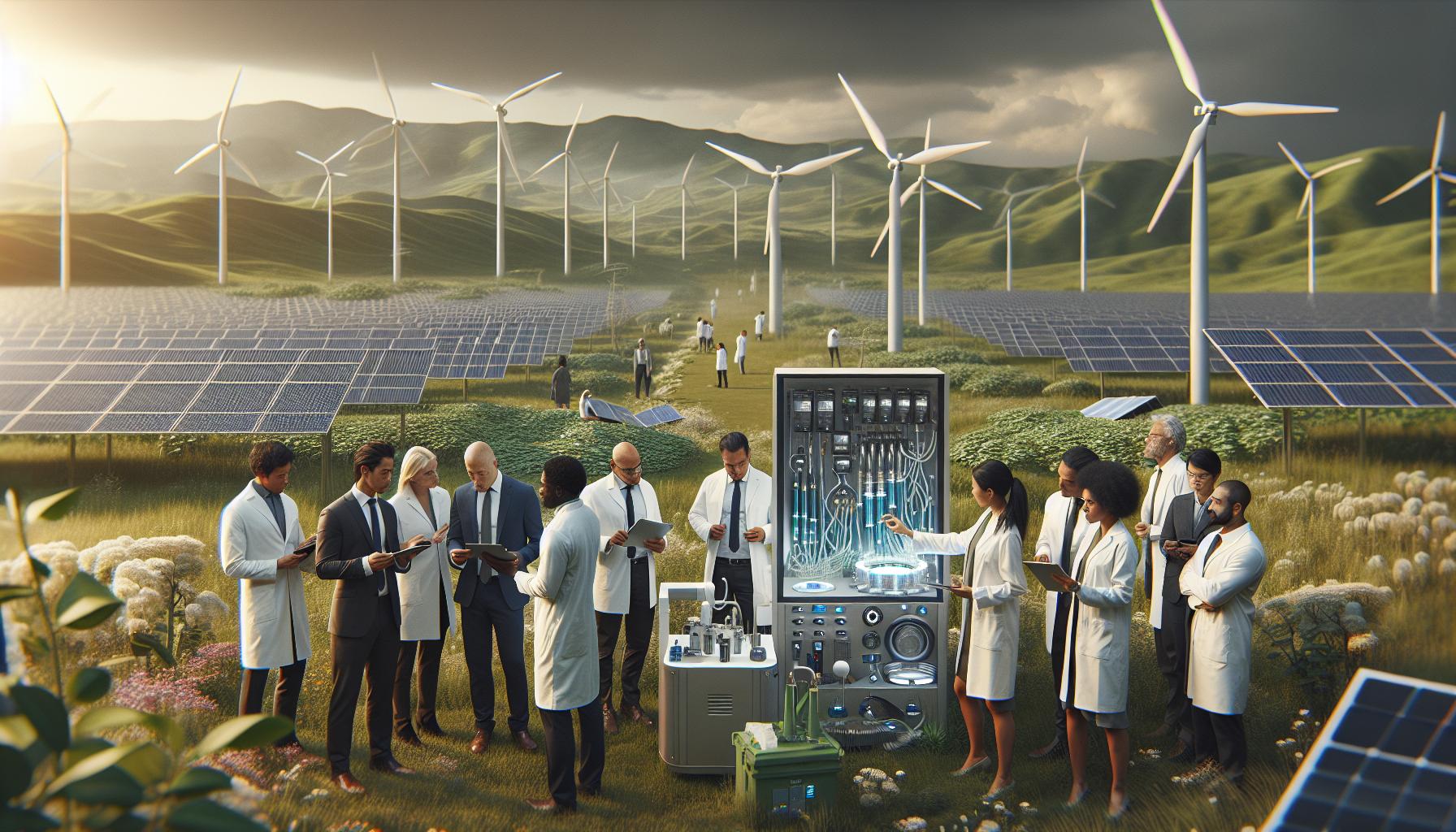
The Role of Renewable Energy in Climate Solutions
The acceleration of climate change poses an urgent threat to our planet, but renewable energy stands as a beacon of hope in this global struggle. With advancements in technology driving down costs, sources like solar, wind, and hydroelectric power are becoming increasingly viable alternatives to fossil fuels. For instance, the International Renewable Energy Agency (IRENA) predicts that renewable energy could fulfill up to 86% of global power demand by 2050, provided we maintain current momentum. This potential transition is not just about reducing greenhouse gas emissions; it’s about redefining our energy landscape to foster sustainability and resilience.
Benefits of Renewable Energy
Investing in renewable energy technologies can lead to a myriad of benefits beyond environmental impact. Transitioning to cleaner energy sources also stimulates economic growth and job creation. According to the International Labour Organization, the renewable energy sector has already created millions of jobs worldwide, ranging from manufacturing to installation and maintenance. Furthermore, renewable energy enhances energy security by reducing dependence on imported fossil fuels, which can be subject to volatile price fluctuations and geopolitical tensions.
Real-World Applications
Countries are demonstrating the power of renewables, with Denmark leading the charge by achieving over 40% of its energy consumption from wind power. This commitment not only showcases the feasibility of renewable energy on a large scale but also serves as an inspiring blueprint for other nations. In the U.S., states like California and Texas are harnessing diverse renewable resources, combining wind farms and solar installations to meet their energy needs. These examples underline a critical takeaway: transitioning to renewable energy requires not just technological solutions, but also collective ambition across communities and regions.
Furthermore, renewable energy systems can be integrated with emerging technologies for enhanced efficiency. Smart grids, for example, use advanced sensors and AI to optimize energy distribution and consumption. This approach helps to balance supply and demand in real-time, allowing for better use of intermittent resources like solar and wind.
Path Forward
While the potential is immense, harnessing renewable energy’s full capabilities calls for supportive policies and concerted efforts to invest in technology development. Governments and businesses must collaborate to create incentives for renewable energy adoption, provide funding for research and development, and educate the public on the benefits of these technologies. By prioritizing renewable energy in our climate strategies, we can build a more sustainable, equitable, and economically viable future for all. As individuals, we can contribute by advocating for clean energy policies, reducing our energy consumption, and supporting initiatives that promote renewable energy projects in our communities.
Smart Agriculture: Technology in Sustainable Farming
With the global population projected to reach nearly 10 billion by 2050, the challenge of feeding this expanding demographic while combating climate change has never been more pressing. Smart agriculture, driven by technological advancements, offers promising solutions to this intricate puzzle, ensuring that food production becomes more sustainable and less resource-intensive.
One of the most significant innovations in sustainable farming is precision agriculture, which uses technologies like GPS, drones, and IoT sensors to monitor and optimize the growth conditions of crops. By precisely measuring variables such as soil moisture, nutrient levels, and crop health, farmers can make informed decisions that enhance yield while reducing water and fertilizer usage. For example, a study highlighted in the Climate Tech Atlas notes that precision agriculture can lead to water savings of up to 20-40%, significantly lowering the environmental footprint of farming practices [[1]].
Another transformative approach is the integration of vertical farming, which utilizes controlled environments to grow crops in urban settings, minimizing land use and transportation emissions. This method employs advanced technologies like hydroponics and LED lighting, allowing for year-round production with significantly less water and no need for pesticides. Cities like Singapore and Amsterdam are already implementing vertical farms, resulting in fresher produce for urban populations and less reliance on long-distance transportation, which contributes to greenhouse gas emissions.
The utilization of data analytics in agriculture is also vital. By harnessing big data, farmers can analyze trends and forecast crop performance, leading to better planning and less waste. For instance, AI-driven platforms are now predicting agricultural yields with impressive accuracy, allowing farmers to strategize planting and harvesting times effectively. This data-driven approach not only maximizes productivity but also supports sustainable practices by reducing overplanting and the associated carbon emissions.
As technology continues to evolve, the future of agriculture looks towards innovations such as alternative proteins and smart supply chains. By reducing the reliance on traditional animal farming, which is a significant source of methane emissions, these technologies can transform our food systems into more sustainable and environmentally friendly platforms. The integration of sustainable practices within agriculture can ultimately lead to a substantial reduction in overall greenhouse gas emissions, addressing both the urgent food security challenges and the climate crisis simultaneously.
By embracing smart agriculture, stakeholders can take concrete steps toward achieving a resilient food system that supports both the environment and future generations. As consumers, understanding and supporting these innovations fosters a collective responsibility that helps mitigate climate change while securing our food future.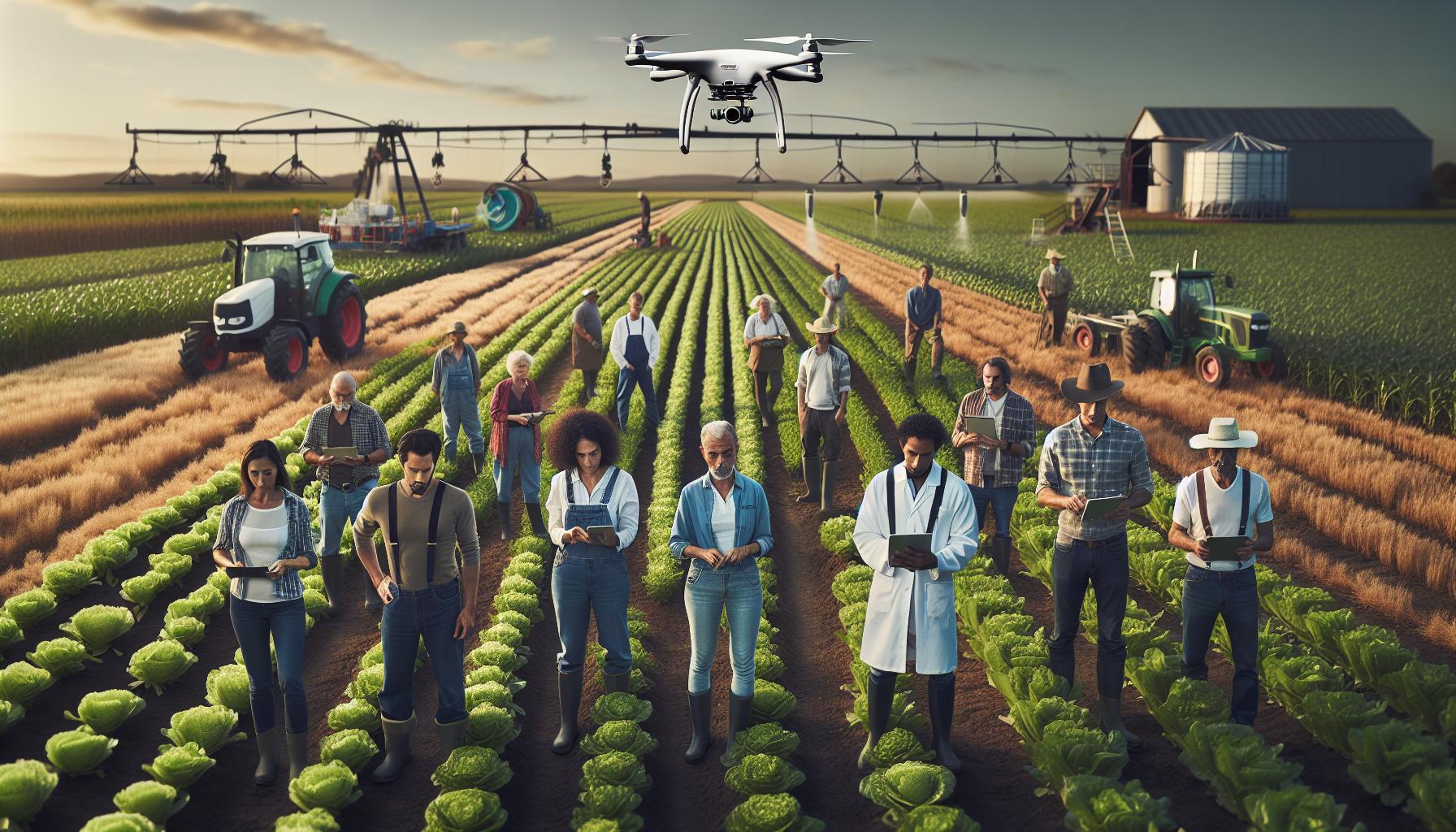
Climate Tech Innovations: What’s on the Horizon?
As the world grapples with the urgent need to combat climate change, innovative technologies are emerging as critical players in this global effort. From breakthrough energy solutions to cutting-edge agriculture practices, the horizon of climate tech is filled with promising developments that could significantly reduce greenhouse gas emissions and pave the way for a more sustainable future. One of the pivotal areas to watch is carbon capture technology, which aims to remove CO2 directly from the atmosphere or prevent its release at the source. Recent advancements have led to more efficient capture processes at lower costs, making it increasingly viable for large-scale deployment. Companies are already rolling out pilot projects that demonstrate the effectiveness of this technology in reducing emissions from power plants and other industrial sources.
In addition to carbon capture, renewable energy technologies are advancing at an unprecedented pace. Innovations in solar panel efficiency, such as bifacial panels that capture sunlight on both sides, and wind turbine designs that harness wind from varying angles, are making clean energy generation more efficient and less expensive. The rise of energy storage solutions, particularly battery technologies, is also a game changer. With improved energy storage, renewable energy sources can be utilized more effectively, providing a steady energy supply even when sunlight or wind isn’t readily available. These developments not only support efforts to decarbonize but also contribute to a more resilient energy grid.
Another exciting area is the intersection of artificial intelligence (AI) and environmental management. AI is playing a crucial role in optimizing energy usage, predicting environmental risks, and enhancing climate-resilient agricultural practices. For instance, machine learning models can analyze vast amounts of data to forecast weather patterns, enabling farmers to make informed decisions about planting and harvesting. Real-world applications are already being seen in precision farming technologies, where data analytics help reduce resource waste and improve crop yields while minimizing environmental impact.
Furthermore, innovations in sustainable materials technology, such as biodegradable plastics and alternative building materials, are addressing the growing concern of waste and pollution. The shift towards a circular economy, where materials are reused, recycled, or repurposed, is gaining traction, encouraging industries to reduce waste and improve efficiency in resource consumption. This approach not only mitigates environmental harm but presents new economic opportunities by fostering sustainable business practices.
In conclusion, the horizon of climate tech is rich with innovations that have the potential to transform our approach to sustainability and climate change mitigation. By staying informed and engaged with these advancements, individuals and businesses alike can contribute to a global movement towards a healthier planet. The coming years will be crucial in determining which of these innovations can scale effectively and make a significant impact on reversing climate change. As stakeholders increasingly recognize their responsibility, the economic decisions made today will set the course for environmental health and social responsibility in the future.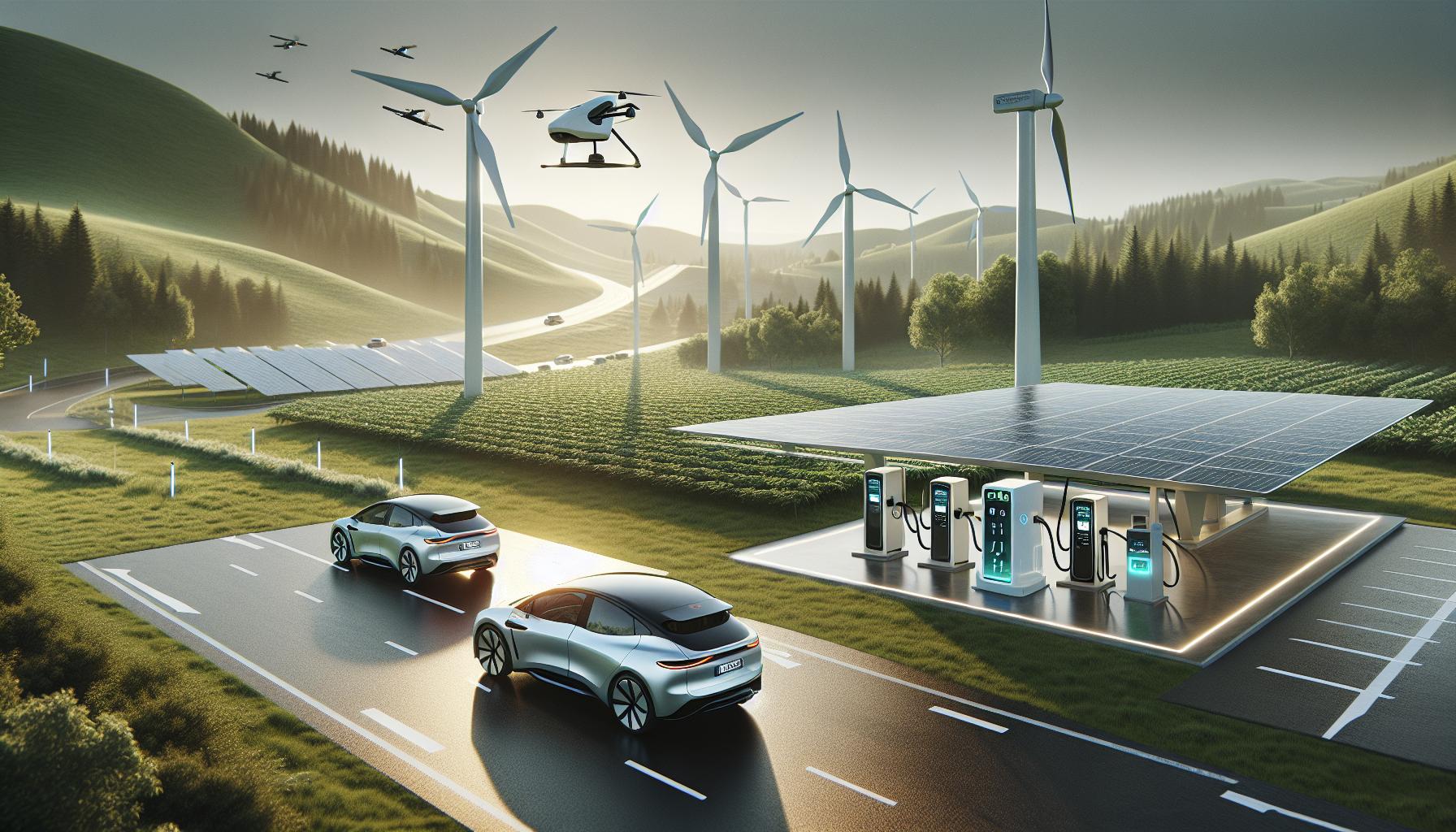
Carbon Capture: Can We Actually Reverse Emissions?
Developments in carbon capture technology present a promising avenue for mitigating climate change by removing carbon dioxide (CO2) from the atmosphere. Recent advancements have improved the efficiency and cost-effectiveness of these systems, allowing them to play a vital role in global emission reduction strategies. For instance, carbon capture and storage (CCS) technology involves three main steps: capturing CO2 emissions from sources like power plants, transporting that CO2, and storing it underground in geological formations to prevent its release into the atmosphere. This approach is paramount as the world strives to reach net-zero emissions targets[2].
One of the most innovative applications of carbon capture is direct air capture, which extracts CO2 directly from the atmosphere. This method unrealistically raises hopes about potentially reversing historical emissions. Several pilot projects have reported success in capturing substantial amounts of CO2, proving that viable technologies are available today. However, scaling these solutions to the level necessary to meaningfully impact global CO2 levels remains a significant challenge1]. The captured carbon can be utilized in various what are termed ‘green technologies’ or permanently stored, thus helping reduce the amount of greenhouse gases contributing to global warming[[1].
There are important considerations regarding the implementation of carbon capture technologies, particularly the need for robust policy frameworks and investment to overcome existing barriers. Governments and private sectors must collaborate to incentivize these technologies while addressing environmental justice concerns associated with carbon storage sites. Emerging examples, like the world’s largest operational carbon capture plant in Iceland, emphasize that capturing CO2 can serve dual purposes-helping to establish clean energy sources while creating economic opportunities within the carbon management sector.
Ultimately, while carbon capture technology cannot single-handedly reverse climate change, it serves as a crucial component of a broader strategy that includes renewable energy, energy efficiency improvements, and sustainable practices. By supporting these technologies, individuals and policymakers can embrace a multifaceted approach to tackling the climate crisis, fostering an environment where innovation drives both ecological and economic resilience.
The Impact of AI and Data Analytics on Climate Change
Harnessing the power of artificial intelligence (AI) and data analytics presents a transformative opportunity to combat climate change. In a world where data is being exponentially generated every day, leveraging this information can lead to actionable insights that drive meaningful change. For example, AI algorithms can analyze vast datasets, identifying patterns that reveal inefficiencies and pinpointing areas for improvement in energy consumption across industries. Research indicates that AI could help reduce global greenhouse gas emissions by as much as 4% by 2030, showcasing its potential to significantly impact climate strategies.
Data-Driven Decision Making for Sustainable Practices
The integration of data analytics into environmental initiatives empowers organizations and policymakers to make informed decisions. By collecting and analyzing data related to energy use, waste management, and transportation patterns, businesses can implement targeted strategies that reduce their carbon footprint. For instance, companies such as Google and Microsoft are using AI to enhance energy efficiency in their data centers, employing machine learning to optimize cooling systems and electricity use. This not only minimizes energy consumption but also translates to substantial cost savings.
AI in Climate Modeling and Forecasting
AI holds immense promise in improving climate modeling and forecasting. Traditional climate models can be limited in their ability to predict localized climate impacts accurately. In contrast, AI can analyze complex datasets from various sources, including satellite imagery and climate observations, to create more precise models of climate behavior. IBM’s “Green Horizons” project demonstrates this capability by combining weather data with air quality measurements to forecast pollution levels, allowing cities to implement timely interventions to safeguard public health.
Real-Time Monitoring and Management
Another innovative application of AI is in real-time environmental monitoring. Sensors equipped with data analytics can track pollution levels or deforestation rates, providing immediate feedback to stakeholders. For example, the use of drones and satellite imagery combined with AI enables more efficient monitoring of forest health and illegal logging activities. This facilitates more responsive conservation efforts, ensuring that biodiversity is protected and that carbon sinks remain intact.
As AI technologies continue to evolve, their integration into climate strategies will become increasingly crucial. The ability to harness data not only enhances our understanding of climate dynamics but also fosters collaboration across sectors. By investing in AI-driven solutions, society can accelerate progress toward sustainability, addressing the climate crisis while promoting economic resilience and innovation.
Green Technologies: Revolutionizing Transportation
Transitioning to sustainable transportation has the potential to significantly reduce greenhouse gas emissions, which account for approximately 14% of global emissions. With advancements in green technologies, the transportation sector is on the cusp of transformation. From electric vehicles (EVs) to innovative public transit systems, these technologies not only enhance mobility but also contribute to a healthier planet by minimizing reliance on fossil fuels.
One of the most notable developments is the rise of electric vehicles. As of 2023, sales of electric cars surged, with over 10 million units sold worldwide, reflecting a 60% increase from the previous year. Major automotive manufacturers, including Tesla, Ford, and Volkswagen, are investing heavily in EV technology, with many committing to fully electric lineups within the next decade. EVs produce zero tailpipe emissions, thus effectively curbing urban air pollution. Additionally, the integration of renewable energy sources into the grid further enhances their environmental benefits, making them a crucial component of a sustainable future.
Alternative Fuel Solutions
Beyond electric vehicles, other alternative fuel technologies are also gaining traction. Hydrogen fuel cell vehicles (FCVs) generate electricity through a chemical reaction between hydrogen and oxygen, emitting only water vapor as a byproduct. While infrastructure for hydrogen refueling remains limited, initiatives are underway to expand this network, particularly in regions with ambitious decarbonization goals. Moreover, biofuels derived from agricultural waste or other organic materials present an opportunity to utilize existing resources while reducing greenhouse gases.
Public Transit Innovations
Innovations in public transportation are equally important in the fight against climate change. Cities across the globe are reinventing their public transit systems with electric buses, trams, and trains that reduce emissions and enhance efficiency. For example, San Francisco has deployed a fleet of electric buses powered by renewable energy, aiming for a 100% zero-emission fleet by 2035. By improving public transport accessibility and reliability, cities can encourage more people to opt for communal transit rather than private vehicles, thereby decreasing overall vehicular emissions.
Last-Mile Solutions
Additionally, the rise of micromobility solutions such as electric scooters and bicycles offers a practical way to address the last-mile challenge in urban transport. These smaller, electric-powered modes of transport can significantly cut down on short car trips, which are often unnecessary and contribute to urban congestion and pollution. Cities promoting these options are seeing not only improved air quality but also reduced traffic congestion and enhanced public health.
In conclusion, the advancement of green technologies within the transportation sector provides actionable pathways to combat climate change. By embracing electric and alternative fuel vehicles, enhancing public transportation, and incorporating micromobility solutions, we can foster a more sustainable future. Individuals, corporations, and governments each play a crucial role in this transition, collaborating towards a comprehensive strategy that promotes both environmental health and economic growth.
Circular Economy: Reducing Waste with Technology
The notion that a linear economy-where we take, make, and dispose-could sustain our planet is fading rapidly. Embracing a circular economy powered by technology offers a compelling path forward toward sustainability, aiming to minimize waste and pollution while maximizing resource use. By rethinking our approach to production, consumption, and disposal, we can fundamentally reshape our impact on the environment. This paradigm shift not only promises substantial environmental benefits but also drives innovation and efficiency across industries.
In a circular economy, technology plays a pivotal role in transforming waste into valuable resources. Advanced materials science, for example, enables the development of products that are designed for longevity, reusability, and recyclability. Think of how companies in the tech sector are gradually adopting practices like modular design, where devices can easily be repaired or upgraded rather than discarded. This not only extends the life of products but also conserves resources and reduces landfill waste. Additionally, smart technologies such as the Internet of Things (IoT) facilitate more efficient resource management. Through sensors and data analytics, businesses can monitor their supply chains in real-time, optimizing the use of materials and energy while significantly reducing waste.
Another exciting area of innovation within the circular economy is the rise of digital platforms that enable recycling and resale. For instance, companies like ThredUp and Poshmark have created online marketplaces that allow consumers to buy and sell second-hand clothing, thereby keeping garments out of landfills. Similarly, platforms that facilitate the sharing of products-like tools, vehicles, or even office space-are becoming increasingly popular, allowing communities to make the most out of existing resources rather than continually purchasing new items. These technologies encourage a cultural shift toward more sustainable consumption habits.
Furthermore, corporations are integrating circular economy principles into their business strategies, often driven by consumer demand for eco-friendly practices. Such shifts lead to developments like biodegradable packaging and take-back schemes, where companies reclaim used products to reprocess and reuse materials. For example, Unilever has committed to making all of its plastic packaging recyclable, reusable, or compostable by 2025. Companies that adopt these principles can not only reduce their environmental footprint but also bolster their brand loyalty among customers who prioritize sustainability.
The journey toward a circular economy is not just a necessary response to climate change; it opens up new avenues for economic growth and resilience. By investing in technologies that support circular practices, we can build a foundation for a sustainable future that minimizes waste, enhances resource efficiency, and ultimately leads to a healthier planet for generations to come.
Sustainable Urban Design: Tech-Driven Solutions for Cities
Among the multitude of strategies harnessed to combat climate change, sustainable urban design emerges as a cornerstone of innovation that not only mitigates environmental impact but also enhances the quality of urban life. By integrating technology into city planning, urban designers can create resilient and adaptive landscapes that respond dynamically to both ecological challenges and human needs. From smart traffic management to green buildings, the incorporation of tech-driven solutions can lead to significant reductions in carbon emissions and resource consumption, making our cities more sustainable and livable.
The Integration of Smart Technologies
At the heart of sustainable urban design lies the deployment of smart technologies that enable efficient resource management. For instance, cities harness the Internet of Things (IoT) to monitor energy usage in real-time, allowing for the optimization of energy consumption in buildings. Smart lighting systems can adjust brightness based on occupancy and natural light levels, significantly reducing unnecessary energy use. Furthermore, smart grids facilitate the integration of renewable energy sources, enabling cities to lower their reliance on fossil fuels and transition towards greener energy solutions.
In addition, technology can streamline urban transportation systems. By employing data analytics and machine learning, urban planners can optimize public transit routes and schedules, making them more efficient and user-friendly. The implementation of real-time traffic monitoring ensures better traffic flow, reducing congestion and greenhouse gas emissions. Additionally, innovations in electric and autonomous vehicles provide the potential to revolutionize urban mobility while minimizing environmental impact.
Promoting Green Infrastructure
Sustainable urban design also emphasizes the importance of green infrastructure in enhancing urban resilience. The integration of green roofs, urban forests, and permeable surfaces can dramatically improve air quality, manage stormwater, and reduce urban heat islands. These green interventions not only sequester carbon dioxide but also support biodiversity within urban settings.
Case studies illustrate the success of such initiatives; cities like Melbourne have transformed underutilized spaces into vibrant parks and green corridors, effectively improving residents’ well-being while addressing climate change challenges. Moreover, urban accessories designed with sustainable materials can complement green infrastructure initiatives, ensuring that cities remain resilient as they implement eco-friendly solutions[[2]](https://urbanaccessories.com/blog-post-sustainability-in-urban-design/).
Empowerment through Community Engagement
The effectiveness of sustainable urban design is greatly enhanced when community engagement is prioritized. Technology-driven platforms that encourage citizen participation in urban planning processes can lead to innovative solutions that reflect the collective needs and values of the community. By facilitating discussions through digital forums and participatory planning tools, cities can develop policies that are more aligned with the aspirations of their residents. This grassroots involvement not only fosters a sense of ownership but also encourages sustainable practices at the individual and community levels.
In conclusion, the convergence of technology and sustainable urban design holds immense potential for creating cities that are not only environmentally responsible but also socially equitable. By integrating smart solutions and fostering community involvement, urban planners can pave the way for a future where cities contribute positively to the solution of climate change rather than exacerbating its effects. The journey towards sustainable urban environments is a collaborative effort, requiring both innovative technology and the active participation of the communities they serve.
Policy and Investment: Funding Climate Innovations
As the urgency to address climate change intensifies, the role of policy and investment in financing climate innovations becomes critically important. Governments, private investors, and international organizations are increasingly recognizing that smart financial strategies can foster technological advancements aimed at reversing environmental damage. By aligning investments with sustainable development goals, stakeholders can unlock the potential of innovative solutions that drive meaningful change.
Investment Strategies for Climate Innovations
Unlocking funding for climate-friendly technologies requires a multifaceted approach. Governments can create incentives for green investments, including tax breaks and grants for companies developing renewable energy solutions or sustainable agriculture technologies. For instance, the Climate Innovation Fund, managed by the Institute for Sustainable Communities, finances projects that listen, learn, and launch innovative climate solutions, enabling communities to become more resilient to climate impacts [[1]](https://sustain.org/climate-fund/). Furthermore, establishing public-private partnerships can enhance funding sources, allowing cities and organizations to pool resources while sharing risks associated with innovative initiatives.
The Role of Green Bonds
One of the most promising funding mechanisms is the issuance of green bonds. These bonds raise capital exclusively for projects that have positive environmental impacts, such as renewable energy installations, waste management improvements, and sustainable urban development. According to reports from C40 Cities, cities can improve their creditworthiness and gain access to substantial funding through local capital markets [[2]](https://www.c40knowledgehub.org/s/article/Unlocking-the-potential-of-cities-Financing-sustainable-urban-development). By participating in green bond markets, urban areas can finance pivotal innovations while investing in their long-term sustainability and resilience.
Engaging Communities and Stakeholders
Additionally, community engagement is vital for maximizing the effectiveness of investment in climate innovations. By involving local populations in the planning and funding processes, cities can ensure that projects meet the specific needs of their residents. For example, participatory budgeting models allow citizens to vote on how environmental funds are allocated, enhancing transparency and accountability. This grassroots involvement not only cultivates trust but also drives increased public support for climate initiatives, empowering communities to become active participants in their sustainability journeys.
In summary, the future of climate technology lies in the collaborative efforts of diverse stakeholders committed to innovative funding solutions. By adopting strategic investments, leveraging green bonds, and encouraging community engagement, we can effectively pave the way for technologies that not only mitigate climate change but can also transform communities into resilient and sustainable places for future generations.
Real-World Case Studies: Success Stories in Climate Tech
Case studies from around the globe illustrate how innovative technologies can lead to substantial progress in combating climate change. By showcasing successful applications of climate tech, we can glean valuable lessons and inspire further action.
One compelling example comes from Project Drawdown, which ranks the most effective solutions to reducing greenhouse gas emissions. Among these is regenerative agriculture, a practice that emphasizes soil health and biodiversity. Farmers in regions like the US Midwest have reported increased soil carbon sequestration rates of up to 70% when adopting regenerative practices. By rotating crops, reducing chemical inputs, and implementing cover cropping, these farmers not only enhance biodiversity but also improve yields and resilience to climate variability. The success of such practices underlines the potential of agriculture not only to mitigate climate change but also to provide food security.
Another noteworthy success story is Carbon Clean, a company focused on carbon capture technology. By deploying their innovative carbon capture solutions in industrial settings-such as cement and steel production-Carbon Clean has enabled businesses to lower their emissions significantly. Their technology captures up to 90% of CO2 emissions, allowing industries to meet regulatory standards while maintaining productivity. In a landmark project, one plant in Europe reduced its carbon emissions by about 200,000 tons annually, illustrating how technology can enable large-scale changes in high-emission industries.
The integration of smart technologies into urban infrastructure provides another avenue for significant reductions in carbon footprints. Cities like Barcelona have implemented smart water management systems and energy-efficient lighting powered by IoT technology, resulting in a 25% reduction in energy consumption and substantial savings on operational costs. Such smart urban solutions not only enhance sustainability but also improve the quality of life for residents.
Lastly, renewable energy projects have seen extraordinary successes, particularly in Denmark, where nearly 50% of the country’s energy comes from wind power. Innovative offshore wind farms are transforming the energy landscape and setting a global benchmark for clean energy adoption. The Danish experience showcases how government policy, investment in technology, and community support can align to create a robust renewable energy sector.
Through these real-world examples, it becomes clear that technology does not merely have the potential to reverse climate change-it is already making a difference. By continuing to invest in and adopt these innovations, we can collectively work towards a more sustainable future.
The Future of Climate Change Technology: Trends and Predictions
The rapid evolution of technology to combat climate change presents both challenges and unprecedented opportunities. Forecasts suggest that advancements in clean energy, smart agriculture, and sustainable urban development will play crucial roles in shaping a future where we significantly reduce our carbon footprint. As we navigate these trends, it’s essential to harness innovative approaches that leverage existing technologies while fostering new ideas.
Tech Innovations Reshaping Our Future
One of the most promising trajectories lies in renewable energy technologies, particularly solar and wind power. Advances in energy storage, such as high-capacity batteries, are vital for overcoming the intermittency of renewable sources. For instance, the integration of artificial intelligence in optimizing energy systems can enhance grid reliability and efficiency while facilitating the transition to cleaner power sources. By 2030, experts predict that solar energy could be the most significant contributor to global electricity generation, potentially supplying over 25% of our energy needs.
In agriculture, precision farming techniques powered by sensors and data analytics are set to revolutionize how food is produced. These technologies allow farmers to monitor crop health in real time, optimize resource use, and minimize waste. For example, companies are developing drones that analyze fields and deliver actionable insights, which can lead to yields that are both higher and more sustainable. As climate variability becomes more pronounced, such smart agriculture practices will be essential for enhancing food security while cutting greenhouse gas emissions.
Urban Solutions for a Sustainable Tomorrow
Cities are embracing smart technologies to enhance urban sustainability. Implementations such as smart public transportation systems and energy-efficient building designs are critical in reducing urban carbon footprints. For example, cities that use IoT (Internet of Things) platforms to streamline traffic management not only alleviate congestion but also significantly cut emissions. Furthermore, the push for green buildings equipped with energy-efficient systems could transform urban landscapes. As urbanization continues, transitioning to smarter cities can mitigate climate impacts and improve livability.
Investment in Climate Tech
Significantly, the financial commitment towards climate technologies is expected to grow, with investments in climate tech startups expected to exceed $1 trillion by 2030. This influx of capital can accelerate research and development of promising innovations-from carbon capture technologies to sustainable material alternatives. For instance, breakthroughs in carbon capture and utilization (CCU) can capture CO2 from industrial processes and convert it into useful products, potentially making industries greener and more circular.
Looking ahead, integrating these technologies with robust public policy and community engagement will be crucial for maximizing their impact. Trends indicate that collaboration between governments, businesses, and communities will foster an environment where sustainable solutions can thrive. As we advance, it is the confluence of innovation, investment, and implementation that will define our capacity to not just combat, but also reverse the effects of climate change.
Frequently asked questions
Q: How can technology help in climate change mitigation?
A: Technology aids in climate change mitigation through innovations like renewable energy sources, smart agriculture, and carbon capture. By using advanced technology, we can reduce greenhouse gas emissions and enhance energy efficiency, making significant strides toward sustainability. Explore how these innovations contribute to climate solutions in our detailed guide.
Q: What role do startups play in climate technology innovation?
A: Startups are vital in climate technology innovation by introducing disruptive solutions that tackle pressing environmental issues. They often develop novel approaches in areas like renewable energy and waste management. Their agility helps accelerate the development and scaling of technologies crucial for a sustainable future. Learn about impactful startups in our article.
Q: Why is data analytics important in addressing climate change?
A: Data analytics plays a key role in understanding climate change patterns and evaluating the effectiveness of mitigation strategies. By analyzing large datasets, researchers can identify trends, predict future impacts, and optimize resource allocation, enhancing the effectiveness of climate tech solutions. Discover more about AI and data’s impact on climate in our insights.
Q: How do electric vehicles contribute to climate change solutions?
A: Electric vehicles (EVs) contribute to climate change solutions by reducing reliance on fossil fuels, thereby decreasing greenhouse gas emissions. As the adoption of EVs grows alongside renewable energy infrastructure, their positive impact on air quality and climate becomes more significant. Explore the role of green technologies in our guide.
Q: What technologies are emerging in the fight against climate change?
A: Emerging technologies in the fight against climate change include advanced battery technologies, next-generation solar panels, and innovative carbon capture methods. These developments promise to enhance efficiency and reduce the carbon footprint across various sectors. For an in-depth look at climate tech innovations, visit our article.
Q: How does a circular economy approach help combat climate change?
A: A circular economy minimizes waste and promotes the continual use of resources, which significantly reduces environmental impact. By rethinking product life cycles, businesses can decrease resource consumption and emissions, contributing to climate change mitigation. Explore the benefits of circular economy practices in our section on green technologies.
Q: When should governments invest in climate technology?
A: Governments should invest in climate technology now to accelerate the transition to sustainable practices and reduce future costs associated with climate impacts. Early investments can foster innovation and create jobs, while also mitigating long-term environmental damage. Find out about funding priorities in our article on climate policies.
Q: Where can individuals contribute to technological solutions for climate change?
A: Individuals can contribute by supporting clean energy initiatives, adopting sustainable practices in daily life, and investing in green technologies. Engaging in community projects and advocating for policies that promote innovation can also make a significant difference. Learn actionable steps in our comprehensive guide.
Key Takeaways
As we’ve explored in “Can Technology Reverse Climate Change? [Innovation Guide],” innovation plays a crucial role in combating climate change. The technologies we discussed are not just concepts but actionable strategies that can drive real change. As you reflect on these insights, consider how you can leverage these technologies in your own life or business to make a meaningful impact.
For those interested in further exploring the intersection of technology and sustainability, check out our articles on renewable energy technologies and sustainable innovation strategies to deepen your understanding. Be sure to join our newsletter for the latest updates and actionable insights on how technology can transform our relationship with the environment. Your voice matters-share your thoughts in the comments or connect with us on social media to join the conversation.
Together, we can harness the power of innovation to build a more sustainable future. Visit our resources page for tools and strategies to empower your journey. Let’s take immediate steps today for a better tomorrow!
Get our latest guides, news, and insights highlighted in your Google Search & AI Overviews.