
As temperatures steadily rise and climate-related disasters become more frequent, the question of whether scientists agree on climate change is more pressing than ever. In recent years, nearly all climate experts have reached a consensus that human activities are significantly contributing to global warming. However, public perception is often influenced by contrasting opinions, leading to confusion and debate. Understanding the scientific consensus is crucial for making informed decisions about our environment and supporting effective policies. This article will explore the nuances of scientific agreement on climate change, examining the evidence that underscores the reality of this urgent issue. Join us as we uncover why this consensus matters for our communities, economies, and future generations, encouraging you to engage with the science and advocate for sustainable solutions.
Understanding the Scientific Consensus on Climate Change
The scientific community has reached a remarkable consensus on climate change, affirming that it is primarily driven by human activities, particularly the emission of greenhouse gases. This agreement is not merely anecdotal; it stems from extensive research and data collected across various scientific disciplines. Organizations such as the Intergovernmental Panel on Climate Change (IPCC) report that over 97% of actively publishing climate scientists agree that climate change is occurring and is largely anthropogenic. This consensus serves as a clarion call for action, underlining the urgency for policies and practices that mitigate climate impact.
In practical terms, the scientific consensus translates into robust recommendations for reducing carbon footprints, transitioning to renewable energy sources, and enhancing energy efficiency. These actions are supported by a wealth of peer-reviewed research demonstrating the effectiveness of such strategies. For instance, investing in renewable energy technologies such as solar and wind has been shown not only to reduce greenhouse gas emissions but also to create jobs and stimulate economic growth. Additionally, increasing energy efficiency in buildings and transportation can significantly lower energy consumption, leading to both financial savings and reduced environmental impact.
Moreover, this consensus impacts public policy and global agreements, such as the Paris Agreement, where nations commit to limit global warming. Understanding the overwhelming scientific agreement can empower individuals and communities to advocate for stronger climate policies, participate in local sustainability initiatives, and make informed choices about energy consumption and lifestyle changes. By aligning personal actions with scientific recommendations, individuals play a crucial role in combating climate change, contributing not only to the health of the planet but also to fostering a sustainable future for generations to come.
Key Reasons for Disagreement Among Scientists

Disagreement among scientists regarding climate change may seem counterintuitive, especially considering the overwhelming consensus on its human-induced origins. However, the complexities of climate science foster a range of interpretations and focus areas. For instance, different fields such as atmospheric science, oceanography, and geology may prioritize various aspects of climate dynamics, leading to differing conclusions about the implications of data. Additionally, emerging findings and ongoing research can prompt debates about the effectiveness of certain climate models and scenario predictions, leading to nuanced disagreements.
Another significant factor is the variable levels of certainty among researchers about specific forecasts and impacts. While the general agreement on the reality of climate change is strong, the magnitude of projected temperature rise and its timing can be controversial. Some scientists may advocate for more rapid policy responses based on conservative estimates, while others may emphasize uncertainty and advocate for a more measured approach. These differing perspectives reflect not only scientific considerations but also the value judgments researchers associate with risk management in policy-making.
Moreover, scientists are influenced by their backgrounds and experiences, which can shape their research focus and interpretations. For example, those working in regions particularly vulnerable to climate impacts may emphasize immediate adaptation strategies, while others involved in technological innovations may focus on long-term mitigation solutions. This diversity of professional experiences can lead to divergent opinions on the urgency and type of actions needed to combat climate change.
In essence, these disagreements do not undermine the collective understanding of climate science but rather highlight the intricate nature of the subject. Recognizing these nuances is essential for fostering informed discussions around climate policies and effective actions individuals can take. Emphasizing interdisciplinary collaboration can help bridge gaps between differing viewpoints, ultimately strengthening the collective effort to address this global challenge. Through constructive dialogue and collective contributions, the scientific community can work toward consensus while respecting the complexities inherent in climate research.
Exploring Major Climate Change Misconceptions
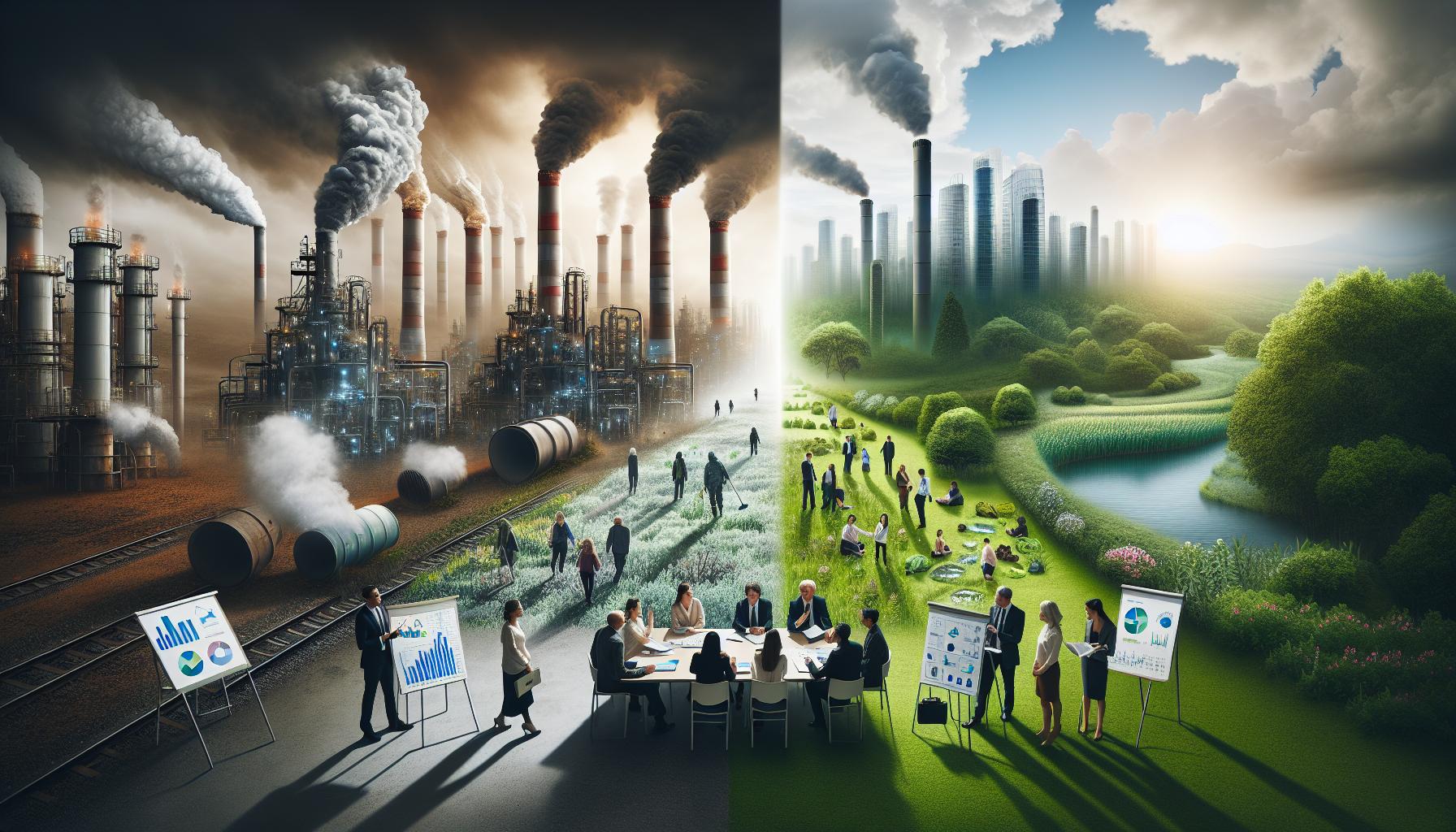
Climate change is often enveloped in misconceptions that can cloud understanding and hinder decisive action. One of the most pervasive myths is that scientists are deeply divided about the reality of climate change. In truth, at least 97% of climate scientists agree that climate change is real and predominantly driven by human activities, particularly greenhouse gas emissions. This consensus forms a strong foundation upon which to build environmental policies and personal actions.
Another common misunderstanding is the notion that climate change is a distant problem, one that will only affect future generations. The reality is stark: we are already experiencing the consequences, such as increased frequency of extreme weather events, rising sea levels, and significant ecological disruptions. For instance, the World Meteorological Organization reported that 2024 is set to be one of the warmest years on record, highlighting the urgency of addressing these ongoing challenges [2].
Moreover, some believe that climate change is an issue that can be addressed solely through technological innovations. While advancements in renewable energy and carbon capture technology are crucial, they are not silver bullets. A comprehensive approach that includes policy changes, lifestyle adjustments, and community engagement is essential to combat climate change effectively. Individuals can contribute by adopting sustainable practices, such as reducing energy consumption, supporting eco-friendly products, and advocating for legislative changes that promote environmental protection.
To combat these misconceptions, it’s vital to foster open dialogues and share clear, data-driven insights about climate science. Engaging in discussions about climate impacts can lead to informed community efforts and individual actions that align with our collective responsibility to preserve the planet for future generations. Through education and action, we can shift the narrative surrounding climate change from confusion to understanding and preparedness.
The Role of Peer-Reviewed Research in Climate Science

The backbone of scientific understanding, particularly in climate science, lies in peer-reviewed research. This critical process ensures that studies are rigorously evaluated by experts in the field before publication, providing a layer of credibility and reliability to the findings. At its core, peer review acts as a filter to eliminate flawed research, thereby helping to solidify consensus within the scientific community on pressing issues, such as climate change. For instance, the near-unanimity among climate scientists-that climate change is real and significantly influenced by human actions-has been established through countless peer-reviewed studies that analyze data from diverse disciplines.
Peer-reviewed articles contribute to a structured dialogue in the scientific community, where researchers can articulate their hypotheses, methodologies, and results. By scrutinizing each other’s work, scientists ensure that interpretations based on data are sound and substantiated. A prime example is the comprehensive assessments conducted by the Intergovernmental Panel on Climate Change (IPCC), which synthesize thousands of peer-reviewed studies to present a clear picture of climate science. Such assessments reinforce public trust by demonstrating the vast agreement among scientists regarding the seriousness of climate issues and the urgency needed in response.
To further enhance understanding, individuals can access databases of peer-reviewed journals. Engaging with the literature not only informs one’s perspective but also empowers informed discussions about climate policy and action. Moreover, many universities and institutions make findings accessible to the public, enabling transparency and fostering a culture of inquiry. It’s essential for readers concerned about climate issues to seek out reputable sources, as informed citizens can advocate for evidence-based policies and solutions in their communities.
Ultimately, does not just lie in agreement among scientists; it offers a method for continuous learning and improvement in understanding complex systems. Through these rigorous processes, the scientific community can adapt and refine recommendations to combat climate change effectively, ensuring both accountability and informed optimism as we face global challenges.
How Different Disciplines Approach Climate Change
The complexity of climate change requires insights from various disciplines, each contributing unique perspectives and methodologies. From atmospheric scientists who model climate systems to economists evaluating the financial impacts of climate policies, the collaborative approach fosters a deeper understanding of climate change and its implications. For instance, environmental scientists study the effects of climate change on biodiversity, providing critical data on how shifting temperatures and weather patterns impact ecosystems and species survival. Their findings can drive conservation strategies, ensuring that both human and environmental needs are met.
Interdisciplinary Collaboration
Addressing climate change isn’t just a scientific endeavor; it extends into social sciences, health, and engineering. For example, public health experts examine how climate change exacerbates health risks, such as the increase in vector-borne diseases due to warmer temperatures. Their work informs the public and policymakers about health vulnerabilities that require immediate attention and proactive measures. Engineers, on the other hand, focus on developing sustainable technologies, from renewable energy sources to efficient transportation systems, providing practical solutions to mitigate climate effects.
The art of integrating knowledge from different fields often leads to innovative approaches in combating climate change. An excellent example is urban planning, where urban planners collaborate with ecologists to design cities that minimize environmental impact while promoting green spaces that enhance community well-being. These interdisciplinary efforts ensure that diverse viewpoints are considered in policy-making, leading to more comprehensive and effective solutions.
Real-World Applications
Practical applications of this interdisciplinary approach can be seen in initiatives like community-based climate action plans, which often involve collaboration among local governments, scientists, and community stakeholders. These plans typically assess local vulnerabilities to climate impacts and outline strategies for adaptation and resilience that reflect regional specifics.
To foster a better understanding of climate change across different fields, it’s crucial for scientists to engage in effective communication. Sharing knowledge through conferences, workshops, and outreach programs can demystify complex scientific information for the broader public, empowering them to take actionable steps in their communities. By combining the strengths of various disciplines, society can respond more robustly to the challenges posed by climate change, striking a balance between scientific rigor and practical applicability.
The Impact of Political Ideology on Scientific Opinions
In the contemporary discourse surrounding climate change, political ideology often plays a more significant role than one might expect. Research indicates that the beliefs and values associated with different political spectrums can heavily influence scientists’ perspectives on climate issues. This influence can lead to divergence in interpretation of data, acceptance of scientific consensus, and even the prioritization of research topics within the field.
For instance, scientists who identify with conservative ideologies may approach climate data with skepticism regarding the urgency of climate-related crises, often emphasizing economic implications over environmental concerns. They may focus on how climate regulations could affect industries, thereby advocating for a cautious approach to environmental policy. In contrast, those leaning liberal often prioritize environmental protection and may interpret the data as a compelling argument for immediate action against climate change, arguing for stronger regulations and investment in renewable energy sources.
To navigate these ideological divides, it’s crucial for scientists to engage in a few practical strategies:
- Interdisciplinary Collaboration: Working across disciplines allows scientists to incorporate diverse perspectives and create more holistic approaches to climate solutions.
- Transparent Communication: Effectively sharing research findings and methodologies helps demystify science and encourages broader agreement on crucial climate issues.
- Inclusivity in Research: Ensuring diverse voices within scientific communities can foster a culture of understanding that transcends ideological divides.
By intentionally addressing the underlying biases that shape scientific opinions, we can work toward a consensus that embraces the nuances of different ideological perspectives while focusing on actionable solutions to climate change. Through collaboration and understanding, scientists can lead the charge in educating both the public and policymakers, reinforcing that while differences in opinion may exist, the science of climate change is compelling and requires collective action for a sustainable future.
Demographics of Scientists and Their Climate Views
The scientific community is far from monolithic, especially when it comes to views on climate change. Studies show a predominant consensus among climate scientists about the human influence on climate change, yet various demographics within the scientific community exhibit differences that can shape the discourse. Understanding these demographic nuances is pivotal in grasping the complexities of climate science and its communication.
A key factor influencing climate views is academic specialization. For instance, climate scientists, atmospheric physicists, and environmental policy experts overwhelmingly agree on the evidence of anthropogenic climate change, yet scientists in fields less directly related to climate studies may exhibit skepticism. This discrepancy can be attributed to the varying degrees of familiarity with climate-specific data and models. Furthermore, researchers engaged in industries tied to fossil fuels may express divergent views due to the economic implications that climate regulations could have on their sectors.
Gender, ethnicity, and geographical location also contribute to differing perspectives. Research indicates that women in science tend to advocate more strongly for environmental protection policies. Similarly, scientists from countries more vulnerable to climate impacts often express urgency regarding action on climate change, reflecting local experiences with environmental challenges. Engaging scientists from diverse backgrounds fosters a richer dialogue that incorporates a range of experiences and values, ultimately enhancing the collective understanding of climate issues.
To bridge these gaps, it is essential for scientific communities to promote inclusivity and encourage participation from underrepresented demographics. Strategies such as mentorship programs for minority scientists, public outreach initiatives, and interdisciplinary collaboration can help ensure that a broad spectrum of voices contributes to climate discourse. Engaging in transparent communication about climate science not only demystifies the research but also cultivates a collective responsibility among scientists to advocate for effective climate solutions that transcend personal or demographic biases.
Case Studies: Disputed Findings in Climate Research
Disputed findings in climate research often spark debate and may contribute to misunderstandings about the scientific consensus. For instance, a controversial report might arise from interpretations of climate models that suggest a slower rate of warming in certain scenarios, which can lead to public confusion and skepticism about the majority view that climate change is accelerating. This highlights the complexity of climate science, where even minor variances in data interpretation can lead to significantly different conclusions.
A Notable Example: The ‘Pause’ Debate
One of the most well-known instances of disputed findings centers around the concept of a “global warming pause” or “hiatus.” Some researchers pointed to a period in the early 2000s where surface temperatures appeared to stabilize or rise slower than expected, suggesting that climate change was less urgent than previously thought. This claim was heavily scrutinized, with many climate scientists arguing that variations in data collection methods and natural climate variability had not been accurately represented. The ensuing debate has shown the importance of thorough peer review and replication of findings, emphasizing that initial results must be contextualized within a broader understanding of climate dynamics.
The Role of Funding and Interests
Disputes can also stem from the sources of research funding, as financial interests may influence the direction and outcomes of climate research. Studies funded by industries reliant on fossil fuels, for example, may yield results that question the extent of anthropogenic effects on climate change. This creates a layer of complexity where the credibility of scientific findings can be perceived as compromised. Transparency about funding sources is vital for maintaining trust in scientific conclusions and encouraging open dialogue among researchers from diverse backgrounds.
To empower readers, it’s critical to emphasize the importance of evaluating scientific claims through a lens of thoroughness and validity. Engaging with peer-reviewed literature, understanding the methods used, and recognizing the broader consensus-while remaining aware of dissenting voices-can help create a more informed public discourse. In doing so, individuals can better navigate the landscape of climate science and contribute constructively to discussions on climate policy and action.
Public Perception vs. Scientific Consensus on Climate Change
The disconnect between public perception and the scientific consensus on climate change is striking. While over 97% of climate scientists agree that human activities are significantly impacting the climate, public belief often sways based on misinformation, media framing, and broader political narratives. This disparity becomes evident when surveys reveal that many people are uncertain about the consensus on climate change, leading to a lack of urgency in addressing environmental issues.
To bridge this gap, it’s essential to engage the public with clear, actionable information. For instance, scientists and advocates can employ effective communication strategies to demystify climate data, using relatable examples that resonate with everyday experiences. This could involve discussing how climate change impacts local weather patterns, agriculture, or health, connecting these phenomena to people’s lives. Moreover, platforms that encourage community discussions and workshops can help foster an informed dialogue, empowering individuals to voice concerns and share knowledge-ultimately leading to a more informed public perspective.
Addressing climate change misinformation is also crucial. Research indicates that social media plays a significant role in shaping opinions, often spreading misleading information that conflicts with scientific findings. Initiatives aimed at countering false narratives with reliable data and clear explanations can help to correct misconceptions and reinforce the overwhelming consensus among scientists. Engaging influencers and thought leaders to share factual content can amplify these efforts, ensuring the message reaches diverse audiences.
Engagement is key. Encourage community involvement in local climate action initiatives or conservation efforts. Participating in local forums or joining discussions can foster a deeper understanding of climate science and its implications, empowering individuals to advocate for sustainable policies. By creating opportunities for direct interaction with climate scientists, the public can ask questions, express concerns, and gain confidence in the knowledge that underpins the scientific consensus. Understanding what lies behind this consensus offers not only clarity but also a call to action in the face of a pressing global challenge.
The Influence of Social Media on Climate Science Debate
The vast landscape of social media has transformed the dialogue surrounding climate science, often amplifying both credible research and disinformation. An estimated 60% of adults in many countries regularly access social media, making it a powerful tool for shaping opinions. While this digital platform can serve as a means to disseminate scientific knowledge and foster awareness about climate change, it also harbors potential for confusion and division due to the prevalence of misleading information.
Challenges of Misinformation
The rapid spread of information on social media means that accurate climate data can be drowned out by false claims and erroneous narratives. A significant challenge arises from “echo chambers,” where individuals engage primarily with like-minded perspectives, reinforcing their beliefs and leaving little room for opposing viewpoints. This phenomenon can lead to a distorted understanding of scientific consensus, with users potentially believing that there is more disagreement among scientists than actually exists. Counteracting this requires a concerted effort to promote scientifically accurate information that addresses and debunks common myths.
Some effective strategies include:
- Fact-Checking Initiatives: Organizations such as ClimateFeedback.org evaluate media claims about climate science and provide ratings based on scientific consensus.
- Engaging Influencers: Collaborating with social media influencers who prioritize science-based messaging can help reach broader, more diverse audiences.
- Data Visualization: Infographics and videos that present complex climate data in an easily digestible format can capture attention and clarify difficult concepts.
Empowering Informed Dialogue
It’s crucial to leverage the collaborative nature of social media to encourage informed discussions on climate science. Platforms can be utilized to host Q&A sessions with climate experts, allowing the public to engage directly with scientists. For example, using the hashtag #AskAScientist can prompt questions that researchers can respond to, ensuring that the answers are rooted in evidence and guided by scientific consensus.
Additionally, fact-based posts contrasting scientific findings with popular misconceptions can help demystify climate change for the general public. These initiatives not only inform but also empower individuals to think critically about the information they encounter online.
The dual nature of social media as both a source of information and misinformation presents unique challenges and opportunities in the climate debate. By promoting effective communication strategies and encouraging critical engagement, we can work towards a more informed public that understands and supports climate action based on solid scientific foundations.
Future Directions in Climate Change Research
As the urgency to address climate change grows, the landscape of climate research is evolving to embrace new methodologies and technologies. One noteworthy direction is the increasing integration of interdisciplinary approaches that combine insights from various fields-such as environmental science, economics, and social sciences-to develop comprehensive solutions. For instance, climate models are now often paired with economic simulations to assess the potential impacts of policy changes on both the economy and the environment. This holistic view not only enriches our understanding of climate impacts but also enhances the effectiveness of adaptation and mitigation strategies.
Innovative data collection methods are also paving the way for more robust climate research. Advances in remote sensing technology, machine learning, and big data analytics are enabling scientists to gather and analyze vast amounts of environmental data with unprecedented speed and accuracy. Satellite imagery, for example, allows researchers to monitor deforestation in real-time, while algorithms can identify patterns in climate-related events, such as heatwaves or flooding. These technologies not only contribute to a better understanding of climate dynamics but also support the development of timely response strategies.
Furthermore, the role of community engagement in research is gaining prominence. Participatory research methods empower local communities-particularly those most affected by climate change-to actively contribute to data collection and interpretation. Local knowledge not only enriches scientific insights but also ensures that solutions are culturally and contextually appropriate. For example, indigenous communities possess invaluable traditional ecological knowledge that can inform sustainable land-use practices and biodiversity conservation efforts.
Looking to the future, collaborative global research initiatives are crucial for fostering a unified response to climate challenges. International frameworks, like the Paris Agreement, emphasize the sharing of knowledge and resources across borders. These collaborations can enhance research capacity in developing nations, where climate impacts are often most severe but resources are limited. Establishing joint research projects and funding opportunities can help ensure that diverse perspectives are included in climate action planning, ultimately driving more effective and equitable solutions worldwide.
In conclusion, the future of climate change research is marked by a commitment to innovation, inclusivity, and collaboration. By leveraging interdisciplinary approaches, harnessing advanced technologies, and engaging local communities, researchers can provide actionable insights that drive informed climate policies and practices, while actively countering the misinformation and skepticism that often cloud public discourse on climate science.
Taking Action: What Can Individuals Do?
The journey toward a sustainable future begins with individual action, and every small step contributes to a collective impact against climate change. While the scientific community largely agrees on the urgency of addressing climate issues, grassroots efforts can catalyze systemic change. Whether it’s reducing personal carbon footprints or advocating for policy changes, individuals have the power to influence both local and global environmental health.
One effective way to start making a difference is by embracing sustainable habits in daily life. For instance, consider adopting a more plant-based diet, even if it’s just once a week-this can significantly reduce your dietary carbon emissions. Additionally, replacing single-use plastics with reusable alternatives not only helps to lessen waste but also fosters awareness among peers about the importance of sustainability. Simple actions such as using public transport, carpooling, or biking can drastically reduce personal emissions, all while promoting a healthier lifestyle.
Advocacy and Education
Engaging in advocacy plays a crucial role in the climate conversation. Individuals can support policies that encourage renewable energy adoption, conservation efforts, and sustainable practices. Grassroots movements, town hall meetings, or community forums are excellent platforms to express concerns and share solutions. Connecting with local environmental groups can amplify your impact and provide resources for learning more about climate issues.
Moreover, educating oneself and others about climate change can dispel myths and bolster the understanding that the scientific consensus on climate change is grounded in extensive research. This can involve sharing credible resources on social media, participating in local workshops, or even hosting discussions at community centers.
Investing Responsibly
Financial choices also matter significantly; consider investing in companies and funds that prioritize sustainability. By supporting businesses that aim for eco-friendly practices, individuals can help shift market trends toward greater environmental responsibility. Researching and using green banks and investment platforms that focus on sustainable projects can not only yield financial returns but also contribute positively to the environment.
Ultimately, while the complexities of climate change may seem daunting, individual actions-no matter how small-combining sustainable practices, advocacy, education, and responsible financial decisions-can lead to substantial change. Embracing this responsibility fosters a community ethos that not only encourages others to engage but also reinforces the enormity and urgency of our collective task in combating climate change.
Q&A
Q: What percentage of scientists agree that climate change is caused by human activity?
A: Approximately 97% of climate scientists agree that human activities, particularly the burning of fossil fuels and deforestation, are the primary drivers of climate change. This consensus is backed by numerous studies and reports from reputable organizations, emphasizing the urgency of addressing human-induced climate impacts.
Q: Why do some scientists disagree on climate change?
A: Disagreements among scientists about climate change often stem from differing interpretations of data, focus on specific models, or personal beliefs influenced by political or economic factors. Additionally, some scientists may emphasize uncertainty in predictions, which can lead to varied conclusions.
Q: How does the scientific community deal with dissenting views on climate change?
A: The scientific community addresses dissenting views on climate change through rigorous peer review, open dialogue, and dissemination of facts via professional organizations. Ongoing debates encourage a protective mechanism ensuring studies are validated and excess speculations are minimized.
Q: Do scientists have differing views on the urgency of climate action?
A: Yes, while there is broad agreement on human-caused climate change, opinions vary on the urgency and scale of required action. Some advocate for immediate and robust measures to mitigate impacts, while others suggest a more gradual approach based on socio-economic factors.
Q: What role does media play in shaping scientists’ views on climate change?
A: Media significantly influences public perception and can affect scientists’ views on climate change by amplifying certain narratives, whether scientific, political, or economic. Scientists often rely on media to communicate their findings, but they sometimes also confront misinformation that can skew public understanding.
Q: Are there any notable cases of scientists changing their stance on climate change?
A: Yes, there have been cases where scientists have shifted their positions on climate change as new evidence and data emerge. This adaptability reflects the scientific process’s nature, where hypotheses are re-evaluated in light of evolving research and understanding of climate dynamics.
Q: How can the public help bridge the gap between scientists and climate change skeptics?
A: The public can help bridge the gap by engaging in informed discussions, advocating for scientific literacy, and supporting policies aimed at mitigating climate change. Encouraging conversations based on facts and collective action can help counter misinformation and foster understanding among skeptics.
Q: What is the future outlook for scientific consensus on climate change?
A: The future outlook for scientific consensus on climate change is expected to strengthen as more data becomes available and the impacts of climate change become increasingly apparent. Ongoing research, public awareness, and collective actions are pivotal in maintaining and reinforcing this consensus.
Wrapping Up
As we’ve explored, while there’s a strong scientific consensus on climate change, differing opinions on specific solutions remain. This ongoing dialogue is crucial for understanding how to take effective action. We encourage you to deepen your knowledge-check out our articles on the science of climate change [[3]] and its impacts on our planet [[2]].
Don’t let curiosity stop here! Sign up for our newsletter for the latest insights on climate research and strategies for a sustainable future. Your voice matters in this global conversation; share your thoughts below and join the community of informed individuals ready to make a difference. Together, we can tackle the challenges ahead with confidence. Let’s keep the momentum going-explore our resources and be a part of the solution today!