![Does Climate Change Cause Flooding? [Risk Assessment]](https://www.impact-investing.eu/wp-content/uploads/2025/10/5139-does-climate-change-cause-flooding-risk-assessment-1024x585.jpg)
Flooding has become a common consequence of climate change, affecting millions globally. Did you know that nearly one-fourth of the world’s population, totaling around 1.81 billion people, now faces significant flood risks due to rising temperatures and extreme weather events? This pressing issue not only threatens lives and livelihoods but also exacerbates existing economic and social inequalities. Understanding the connection between climate change and flooding is crucial for empowering communities to prepare and adapt effectively. In this article, we delve into the complex relationship between climate change and flooding, exploring how increased rainfall, rising sea levels, and more intense storms contribute to the risks. By enhancing our awareness of these dynamics, we can foster a proactive approach to risk assessment, ultimately paving the way for resilient strategies that safeguard both people and ecosystems. Join us as we uncover vital insights that will empower your decisions in the face of an ever-changing climate.
Understanding the Connection Between Climate Change and Floods
Understanding the intricate relationship between climate change and flooding is crucial in today’s rapidly changing world. As the Earth’s temperature increases, the atmosphere’s capacity to hold moisture also rises, leading to more intense and frequent rainstorms. For example, scientists have observed that for every degree Fahrenheit increase in temperature, the air can hold about 7% more moisture. This transformation means that when rain does occur, it often falls in heavier, more destructive downpours, exacerbating flood risks across various regions [[2]](https://www.greatlakesnow.org/2025/07/how-climate-change-is-worsening-flooding-and-heavy-rainfall/).
Moreover, climate change impacts other critical flood drivers, such as soil moisture and snowpack levels. Drier soils can lead to higher runoff during intense rainfall events, while reduced snow accumulation can impair natural water storage and release patterns, further heightening the risk of flooding during melting seasons [[1]](https://www.climatecentral.org/climate-matters/climate-change-and-inland-flooding). Notably, areas previously considered safe from flooding increasingly find themselves at risk, illustrating the necessity for communities to reassess their vulnerability and preparedness strategies.
As communities navigate these shifting dynamics, it’s essential to engage in proactive flood management. This includes understanding local geographical risks, employing green infrastructure to manage runoff, and enhancing public awareness about flood preparedness. Collaborative efforts between local governments and citizens can lead to more resilient urban planning initiatives and better response strategies when faced with extreme weather events. With actionable measures and local engagement, individuals and communities can mitigate the effects of flooding, making strides toward a safer and more sustainable future.
The Science of Climate Change and Its Impact on Weather Patterns
As global temperatures rise, the implications for weather patterns are far-reaching and profound, particularly concerning precipitation events. One compelling statistic reveals that each degree Fahrenheit increase in temperature allows the atmosphere to hold about 7% more moisture. This alteration means that when rain does fall, it often comes in the form of torrential downpours, which can lead to a significant uptick in flooding incidents across diverse regions. For instance, in the United States, climate change has been linked to over one-third of inland flood damage since 1988, highlighting the urgent connection between temperature increases and flooding risks [[2]](https://www.climatecentral.org/climate-matters/climate-change-and-inland-flooding).
The impact of climate change on weather patterns extends beyond just increased rainfall. It also affects critical flood components such as soil moisture and snowpack levels. Changes in soil moisture can lead to higher runoff during intense rainfall events, while diminished snowpack can reduce natural water storage and alter seasonal water release patterns, significantly raising the risk of flooding during peak melting seasons. Areas that historically enjoyed protection from flooding are now facing new vulnerabilities, necessitating a fresh assessment of risks and preparedness strategies at the community level.
To navigate these evolving challenges effectively, communities must adopt proactive flood management strategies. This involves understanding local geographical vulnerabilities and utilizing green infrastructure, such as permeable pavements and rain gardens, to enhance absorption and reduce runoff. Public awareness campaigns about flood preparedness are also vital, as informed citizens are better equipped to respond to potential flooding scenarios. By fostering collaboration between local governments and residents, cities can develop more resilient urban planning initiatives that anticipate, rather than react to, the changing climate and its associated risks. Through these comprehensive efforts, communities can better mitigate flooding effects while fostering a safer, more sustainable future.
How Flooding Events Have Increased Over Time
As climate change intensifies, flooding events globally have not only become more frequent but also more devastating. Research shows that the average number of significant flooding events-those causing substantial economic disruption and displacement-has increased dramatically over the past few decades. A striking example is the increase in intense rainfall, which is now more common due to rising temperatures allowing the atmosphere to hold more moisture. Each 1°F rise in temperature corresponds with a 7% increase in atmospheric moisture, directly intensifying rainfall and thus flooding potential.
Statistics reveal that since 1988, over one-third of inland flood damage in the U.S. can be attributed to changes in precipitation linked to climate change [[3]](https://www.climatecentral.org/climate-matters/climate-change-and-inland-flooding). For instance, the catastrophic flooding in Houston during Hurricane Harvey in 2017 is a poignant example; the city experienced more than 50 inches of rain within a week, a phenomenon exacerbated by climate change trends. Such events underline the importance of not just recognizing the rising tide of flooding incidents but also understanding that these changes are rooted in the broader shifts in our climate system.
To manage and mitigate the impact of these increasing flooding events, it’s crucial for communities to adopt innovative approaches. This includes enhancing infrastructure to withstand heavy rainfalls and investing in green spaces that can absorb excess water. Community engagement plays a vital role in these strategies-educating residents about flood risks and preparedness can empower them to respond effectively during emergencies. With these proactive measures, communities can better navigate the complexities of climate-induced flooding, protecting livelihoods and enhancing resilience against future challenges.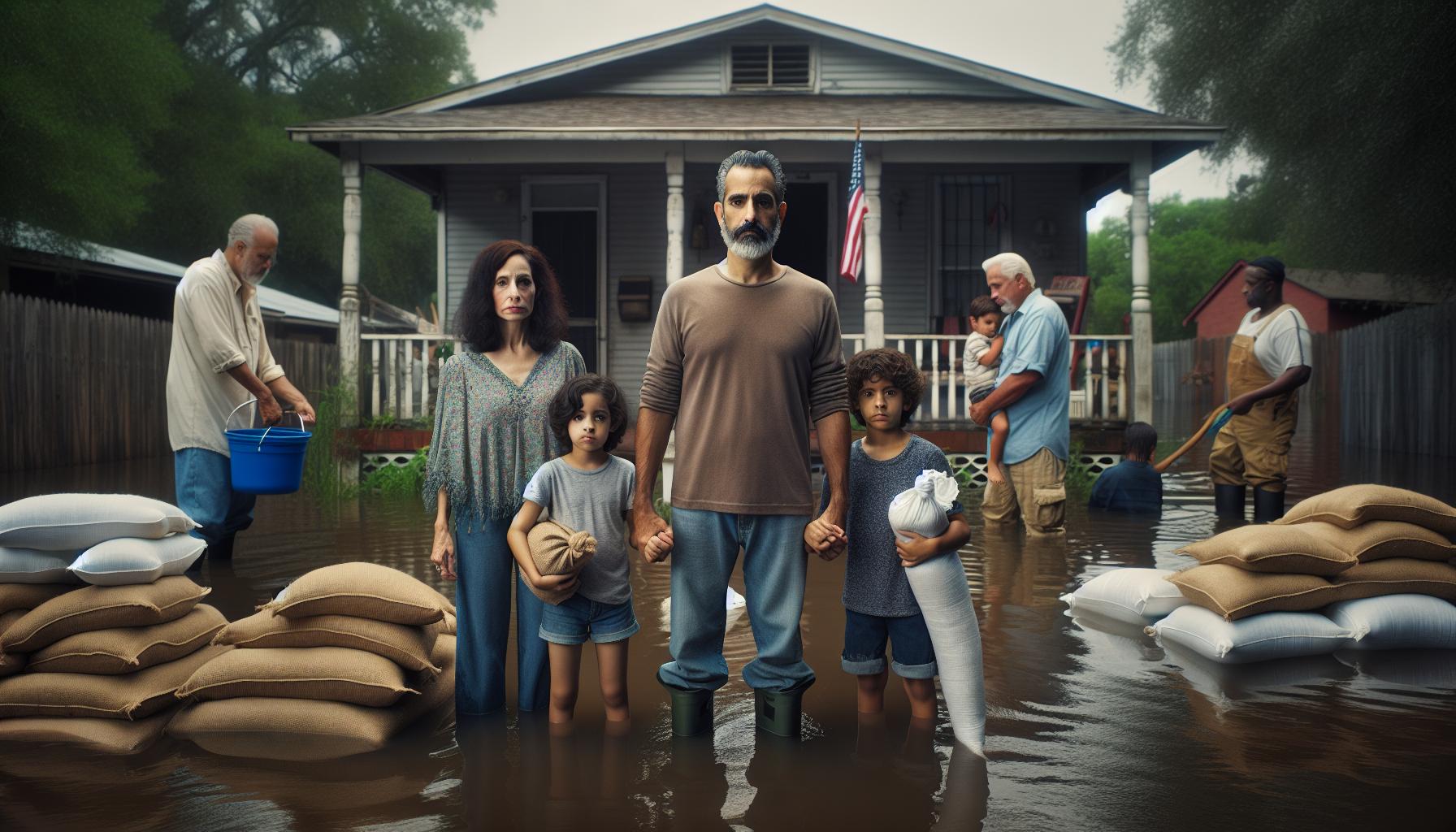
Risk Factors: Who Is Most Vulnerable to Flooding?
Flooding poses an escalated risk to various communities around the globe, influenced heavily by factors such as geography, socio-economic status, and preparedness infrastructure. People living in low-lying areas, especially those near rivers or coasts, are often at the mercy of heavy rainfall, storm surges, and rising sea levels driven by climate change. The United Nations has noted that nearly 1.5 billion people worldwide are at risk of flooding due to these climatic shifts, with vulnerable communities facing a compounded burden from limited resources and inadequate infrastructure.
Among those most at risk are marginalized groups, including low-income populations and ethnic minorities, often residing in flood-prone regions. These communities frequently lack the financial means for adequate housing or robust disaster preparedness measures, leaving them exposed during flooding events. For instance, during significant flooding in countries like Bangladesh, the poor suffer disproportionately as they occupy the least resilient areas, making recovery efforts longer and more challenging. The implications extend beyond immediate physical dangers; economic instability from disasters hampers social mobility, perpetuating cycles of poverty.
Age and health also play crucial roles in vulnerability assessments. Elderly individuals and those with disabilities may struggle to evacuate quickly or access necessary care during emergencies. Furthermore, children, while adaptable, are not only physically vulnerable but also deeply affected emotionally and psychologically by such traumas.
To mitigate these risks and foster resilience, proactive measures include enhancing early warning systems, developing flood management infrastructure, and prioritizing community engagement. Empowering local governments to assess risks specific to their regions can directly inform planning strategies tailored to unique local needs. Education initiatives that teach communities about flood preparedness can drastically reduce panic and improve response strategies, ensuring safer evacuations and resource management.
By recognizing these risk factors and fortifying community resilience, the impacts of flooding can be lessened, making it crucial for stakeholders at all levels to collaborate effectively toward preventive measures and sustainable adaptation strategies.
Geographical Areas at High Risk for Climate-Induced Flooding
Communities across the globe are increasingly feeling the impact of climate-induced flooding, with certain geographical areas facing heightened risks due to their unique environmental conditions. Low-lying coastal regions, river deltas, and urban areas with inadequate drainage systems are particularly susceptible. For instance, cities like New Orleans, known for their vulnerability to hurricanes and storm surges, continue to grapple with the consequences of rising sea levels. This situation is not isolated; it reflects a broader trend where the intersection of geography and climate change creates a perfect storm for flooding risks.
Regions at Elevated Risk
Several regions stand out due to their high vulnerability to flooding caused by climate change:
- Coastal Areas: Countries like Bangladesh and communities along the Gulf Coast in the United States are at significant risk due to their proximity to the ocean. Rising sea levels coupled with storm surges during hurricanes expose these areas to catastrophic flooding.
- River Basins: Major river systems, such as the Mississippi in the U.S. and the Ganges in India, are prone to flooding from both heavy rainfall and upstream dam releases. As climate change induces more extreme weather patterns, the likelihood of overflow increases.
- Urban Centers: Cities with heavy impervious surfaces, like Tokyo and Miami, often experience rapid runoff, leading to flash flooding during intense rainstorms. The additional strain on drainage systems exacerbates this issue, leaving communities scrambling for effective mitigation strategies.
Given that almost 1.8 billion people now live in areas facing significant flood risks due to climate change, the need for proactive assessments and localized planning has never been more critical. For instance, cities like Rotterdam have implemented innovative water management strategies, creating green roofs and permeable surfaces to manage heavy rainfall effectively. Such measures not only reduce flood risks but also enhance overall urban resilience.
Understanding the geographical factors at play enables communities to prepare better and invest in infrastructure that mitigates flooding impacts. By leveraging local knowledge and data-driven insights, stakeholders can create targeted strategies that not only address immediate flooding threats but also adapt to the changing climate, ensuring long-term sustainability and safety for vulnerable populations. Collaborative efforts in risk assessment and urban planning are essential as we face the growing threat of climate-induced flooding.
The Role of Deforestation and Urbanization in Flooding
Unchecked urbanization and rampant deforestation are significantly amplifying the risks and impacts of flooding across the globe. A staggering statistic underscores this issue: studies show that urban areas can be 20-30% warmer than their rural counterparts, and as cities expand without adequate planning, the consequences for stormwater management become dire. The removal of trees and other vegetation, which naturally absorb rainfall, exacerbates flooding risks. Trees act as sponges, helping to slow down and filter rainwater. When these natural barriers are stripped away, the result is accelerated runoff, leading to overwhelmed drainage systems and increased flood severity.
The interplay between urbanization and flooding is evident in cities like Jakarta, Indonesia. Rapid urban development has led to the loss of green spaces that once played a crucial role in managing rainwater. With ongoing population growth, the city’s drainage infrastructure struggles to cope, resulting in regular flooding that disrupts lives and the economy. In contrast, cities like Singapore have taken proactive measures, integrating green roofs and urban parks into their planning. These initiatives not only mitigate flooding but also enhance the urban ecosystem, demonstrating that sustainable practices can lead to resilient urban environments.
Effective flood management strategies must prioritize reforestation and sustainable urban design. Communities can adopt a variety of measures to address these issues. For example, implementing permeable pavements can reduce runoff, while restoring wetlands can enhance natural water absorption. Additionally, creating green corridors can help preserve biodiversity and mitigate floods. By aligning development practices with ecological principles, cities can foster resilience against flooding while promoting environmental health.
Urban planning should also engage local populations in decision-making processes. Residents often have invaluable insights into their neighborhoods’ flooding patterns and natural drainage systems. Educating communities about the benefits of green infrastructure can drive grassroots support for initiatives that lower flood risks and empower citizens to take action. As flooding becomes more frequent and severe due to climate change, understanding and addressing the roles of deforestation and urbanization become critical for building a safer, more sustainable future.
Mitigation Strategies: How to Prepare for Increased Flood Risk
As climate change continues to alter precipitation patterns and intensify rainfall, communities must adopt proactive measures to mitigate the risks associated with flooding. Flooding is no longer just a seasonal issue; it is a growing concern exacerbated by various environmental factors and human activities. Fortunately, there are numerous strategies that local governments, businesses, and individuals can employ to prepare for and reduce the impact of increased flood risk.
Green Infrastructure Solutions
One of the most effective ways to combat flooding is through the implementation of green infrastructure. This approach leverages natural processes to manage stormwater, enhance ecosystem services, and improve urban resilience. Examples include:
- Permeable Pavements: These materials allow rainwater to infiltrate, reducing surface runoff and decreasing the burden on drainage systems.
- Green Roofs: By covering rooftops with vegetation, cities can absorb rainfall while also improving air quality and providing insulation.
- Rain Gardens: These specially designed landscapes capture and filter stormwater runoff, helping to manage water resources efficiently.
Such practices have been effectively employed in places like Singapore, where urban parks and green corridors play a significant role in managing rainwater while enhancing biodiversity and community wellbeing.
Community Engagement and Education
Building flood resilience also involves fostering awareness and engagement among community members. Local governments should prioritize educating residents about flood risks and the importance of sustainable practices. Key initiatives can include:
- Workshops and Training: Host educational sessions on flood preparedness, the significance of green infrastructure, and proper land management practices.
- Community Assessment Programs: Engage residents in identifying local flood-prone areas and potential solutions, ensuring their input informs urban planning.
When communities are knowledgeable about their environment and actively involved in flood risk management, they are more likely to adopt practices that promote resilience.
Financial and Policy Measures
Effective flood mitigation relies on financial investments and supportive policies. Communities can explore funding opportunities for resilience projects through federal programs, local grants, and public-private partnerships. Additionally, revising zoning laws and building codes to incorporate flood-resistant designs can further safeguard against extreme weather events.
As climate-related challenges grow, it’s imperative that all sectors of society contribute to resilience-building efforts. From simple individual actions to large-scale infrastructure projects, every effort counts. Through collaboration, education, and innovative strategies, communities can better navigate the complexities of flooding while fostering a safer and more sustainable environment for future generations.
Case Studies: Real-World Flooding Events Linked to Climate Change
Flooding events have increasingly showcased the perilous intersection of climate change and community resilience. One striking instance occurred in Houston during Hurricane Harvey in 2017, where unprecedented rainfall of over 50 inches led to catastrophic flooding, displacing thousands and causing an estimated $125 billion in damages. This event serves as a stark reminder that rising global temperatures amplify weather extremes, leading to more intense storms and greater flooding risk. Experts agree that the climate crisis is a significant driver behind the increasing precipitation trends observed in many areas, including Houston, where heavy rainfalls are now more frequent and severe.
In another telling example, the 2010 Pakistan floods inundated one-fifth of the country due to unusually heavy monsoon rains. More than 20 million people were affected, with whole villages swept away, leading to extensive humanitarian needs. Researchers attributed the severity of these floods to changing climatic patterns, including warmer temperatures that alter monsoon dynamics, thereby affecting rainfall distribution. The government response underscored the pressing need for comprehensive disaster preparedness strategies that integrate climate risk into urban planning and infrastructure development.
In both cases, a proactive approach towards flood management can make a significant difference. Cities like Rotterdam are pioneering innovative practices that incorporate green spaces and water-sensitive designs into urban planning. They build floating public spaces and design parks that can hold excess rainwater, thus mitigating flooding while enhancing community involvement and supporting local ecosystems. These real-world applications demonstrate that adapting to climate change is not just a necessity but can lead to enhanced urban resilience and quality of life.
By examining these instances, it is clear that there is an urgent need for communities worldwide to understand their vulnerabilities and develop strategies to address them. Stakeholders-from local governments to individual residents-must engage in collaborative, informed dialogues about potential solutions, advocating for improved infrastructure, green spaces, and community education. As the climate continues to shift, the lessons drawn from these flooding events will be pivotal in guiding future resilience efforts and policy decisions aimed at mitigating the effects of climate-induced flooding.
The Economic Impact of Flooding: What’s at Stake?
Flooding is a catastrophic event that has far-reaching economic consequences, as evidenced by the staggering $230 billion in inland flood damages in the United States between 1988 and 2021, with climate change linked to over one-third of these losses through increased rainfall intensity and frequency [2]. The correlation is clear: as our planet warms, extreme weather events-such as floods-become more frequent, placing a growing strain on economies worldwide. The losses extend beyond immediate property damages; they affect jobs, businesses, and local economies, often leading to long-term setbacks in community growth and development.
The costs associated with flooding are multifaceted. On one hand, there are direct costs, such as repair and rebuilding expenses for homes and critical infrastructure, which can drain local and federal resources. For example, the aftermath of Hurricane Harvey left Houston grappling with an estimated $125 billion in damages, significantly impacting economic stability and growth in the region. On the other hand, indirect costs can be just as severe. Displaced families may face long-term disruptions in employment, psychological stress, and health challenges, contributing to an increased burden on public services and healthcare systems.
To navigate the economic implications of flooding, communities can implement proactive measures. Investing in infrastructure that mitigates flood risks-like improved drainage systems, flood barriers, and green spaces-can reduce long-term expenses significantly. Cities such as Rotterdam showcase innovative solutions that incorporate water-sensitive designs and public spaces that can absorb excess rainwater, illustrating that smart investments today can lead to safer, more resilient communities tomorrow. Furthermore, fostering community awareness and preparedness through education programs can empower residents, encouraging them to take actionable steps to protect themselves and their properties from flooding, ultimately leading to lower recovery costs and enhanced economic resilience.
In conclusion, the economic stakes are high when it comes to flooding exacerbated by climate change. By acknowledging both the immediate repair needs and the broader economic impacts, communities can develop strategies that ensure not only recovery from flooding events but also bolster resilience against future occurrences. Addressing this challenge requires a holistic approach, integrating environmental assessments into economic planning and fostering collaboration among stakeholders to prioritize sustainable practices. Through informed leadership and community engagement, we can mitigate the economic fallout from floods and work towards a more resilient future.
Long-Term Solutions: Resilience and Adaptation Measures
The threat of climate-induced flooding is an escalating reality that demands proactive and innovative approaches to resilience and adaptation. Communities have begun to realize that developing long-term strategies is not only essential for protecting their infrastructure but also vital for ensuring the well-being of families and local economies. By investing in smart and sustainable solutions, societies can turn the tide against the devastation caused by flooding.
One of the most effective resilience measures involves enhancing infrastructure to withstand extreme weather events. For example, cities like New Orleans have implemented extensive levee systems along with restoring wetlands that act as natural buffers against storm surges. Such ecosystems can absorb excess rainfall and reduce flooding risk, showcasing how integrating nature into urban planning not only mitigates disaster impacts but enhances biodiversity as well. Incorporating green infrastructure, such as permeable pavements and rain gardens, allows cities to manage stormwater effectively and restore natural hydrology.
Adopting a community-centric approach is equally vital. Empowering local residents through education and training can foster a culture of preparedness, where individuals understand their risks and the necessary steps to take during flooding events. Community emergency response teams can be established to prepare for and respond to crises; involving diverse voices ensures that plans are inclusive, taking into account the needs of various groups, including vulnerable populations. Engaging citizens in planning processes not only builds trust but also cultivates a sense of ownership over community safety.
Moreover, leveraging technology can greatly enhance predictive capacities and response strategies. Tools such as flood projection models and mobile applications that provide real-time alerts can inform residents and local governments about imminent risks. The city of Miami, for instance, uses data-driven insights to improve its flood management systems, integrating predictive analytics with infrastructure investments to better prepare for increasing sea levels. Developing comprehensive risk assessment frameworks allows communities to prioritize initiatives based on the most pressing threats.
Ultimately, long-term resilience against flooding in the face of climate change is rooted in a multifaceted approach that combines infrastructural investments, community engagement, and technological advancement. By weaving these elements together, communities can not only reduce the impact of floods but also enhance their capacity to thrive in a rapidly changing environment.
Community Actions: Engaging Local Governments and Citizens
In the face of rising flood risks linked to climate change, community engagement has emerged as a cornerstone of effective resilience strategies. Local governments and citizens must collaborate to develop tailored responses to the specific challenges posed by flooding in their regions. Studies show that communities that actively involve residents in planning and response efforts are better equipped to handle natural disasters, fostering both trust and preparedness.
One practical approach is to establish community task forces that include diverse stakeholders-residents, local businesses, and environmental experts. These groups can focus on identifying vulnerabilities within the community and designing action plans that address those specific needs. For example, a coastal town might prioritize the construction of sea walls while also integrating nature-based solutions like restoring wetlands. This dual strategy not only protects against flooding but also enhances local ecosystems, demonstrating the multifaceted benefits of community initiatives.
Education and Awareness Initiatives
An informed citizenry is crucial for effective flood risk management. Local governments can promote educational campaigns that raise awareness about flood risks and safe response measures. Workshops and simulations can be organized to teach residents how to prepare emergency kits, develop family communication plans, and identify evacuation routes. Such training not only builds individual resilience but also strengthens community bonds as residents work together to share knowledge and resources.
Leveraging Technology for Engagement
Technology plays a vital role in enhancing communication between local governments and communities. Mobile applications and social media platforms can be utilized to disseminate real-time information about weather conditions, flood alerts, and emergency resources. For instance, the city of Hilo, Hawaii, developed a mobile app that provides vital updates during severe weather events, ensuring residents have immediate access to essential information. By integrating technology into community engagement strategies, local governments can foster a proactive culture of preparedness.
Engaging local governments and citizens in the fight against climate-induced flooding not only promotes safety but also empowers communities to reclaim agency over their environment. By implementing inclusive planning processes, prioritizing education, and utilizing technology, communities can remain resilient in the face of climate challenges, turning potential crises into opportunities for growth and solidarity.
Future Predictions: What Models Are Saying About Flood Risks?
Climate change is increasingly recognized as a driving force behind the rising intensity and frequency of flooding events across the globe. Models utilized by climate scientists project a troubling trend: as temperatures increase, the hydrological cycle accelerates, leading to more extreme weather patterns, including heavier rainfall and longer dry spells, which, when followed by sudden downpours, can overwhelm drainage systems and lead to flash floods. For instance, one recent study suggests that the frequency of severe precipitation events-defined as rain arriving at a rate of 2 inches per hour-could increase by more than 50% in many regions by 2100, particularly in the northeastern United States and parts of Europe.
Current Models and Predictions
Sophisticated climate models, such as those used by the Intergovernmental Panel on Climate Change (IPCC), are invaluable in predicting future flooding risks. They assess various scenarios based on greenhouse gas emissions trajectories and incorporate local geographical data to forecast potential flooding events. For example, coastal areas are predicted to face significant risks not only from rising sea levels but also from more intense storm surges and increased rainfall. In these models, various social and environmental factors are integrated, providing a holistic view of vulnerability and resilience, which can help inform policy decisions and community planning.
Vulnerabilities in Communities
Moreover, the projections highlight that not all communities are equally vulnerable. Areas already experiencing socio-economic challenges, such as low-income neighborhoods or those with aging infrastructure, may suffer disproportionately from flood events exacerbated by climate change. To address these disparities, proactive measures are essential. Local governments are encouraged to invest in infrastructure improvements, such as stormwater management systems and flood barriers, while ensuring that vulnerable populations are priority recipients of aid and resources.
Community engagement and education play critical roles in adapting to these forecasts. Citizens must be informed about their flood risks and encouraged to participate in local planning efforts. By working together, communities can develop tailored strategies that not only bolster defenses against future flooding but also enhance overall community resilience. For instance, in the city of Miami, local authorities are using predictive modeling to identify high-risk areas and implementing green infrastructure solutions, such as rain gardens and permeable pavements, to reduce runoff and mitigate flooding risks.
As climate models continue to evolve, they not only improve our understanding of potential flooding scenarios but also empower communities to take informed action-illustrating that while the future may present significant challenges, proactive adaptation strategies can help safeguard lives and livelihoods.
Q&A
Q: How does climate change directly influence flooding events?
A: Climate change impacts flooding by increasing heavy rainfall and altering weather patterns. Warmer temperatures cause more evaporation, leading to intense storms. Consequently, regions experience more frequent and severe flooding, particularly those already vulnerable, as highlighted in the section on weather pattern changes.
Q: What are the long-term risks of climate change-induced flooding?
A: Long-term risks include increased property damage, loss of life, and disruption of ecosystems. As climate change escalates, flood-prone areas may face larger flood events and longer recovery times. Understanding these risks is crucial for effective urban planning and risk assessment.
Q: How can communities assess their risk of flooding due to climate change?
A: Communities can assess their flooding risk by conducting thorough risk assessments that include analyzing historical flood data, current climate projections, and identifying vulnerable populations. Engagement with local governments is essential for resilience planning.
Q: Which areas are most at risk from climate change-related flooding?
A: Coastal regions, river basins, and low-lying urban areas are particularly at risk. These geographical locations are prone to both rising sea levels and increased rainfall, making them vulnerable to severe flooding, as detailed in the geographical risk sections of the article.
Q: What role does urbanization play in flooding caused by climate change?
A: Urbanization exacerbates flooding because it increases impermeable surfaces like roads and buildings, preventing water absorption. This leads to more runoff and overwhelmed drainage systems during heavy rain. Effective planning and green infrastructure are vital mitigation strategies.
Q: Are there specific mitigation strategies for reducing flooding risk?
A: Yes, strategies include improving drainage systems, adopting green infrastructure solutions like green roofs, and restoring wetlands, which naturally absorb floodwaters. Communities should also develop emergency response plans to cope with potential flooding events.
Q: What economic impacts can result from increased flooding due to climate change?
A: The economic impacts include massive repair costs, loss of productivity, and decreased property values in flood-prone areas. Businesses may struggle during recovery efforts, leading to long-term financial consequences for affected communities.
Q: How can individuals contribute to flood resilience efforts?
A: Individuals can enhance flood resilience by participating in local planning efforts, supporting sustainable practices like proper land use, and creating awareness about emergency preparedness. Engaging with local governments on climate action can also influence broader community efforts.
The Way Forward
As we’ve explored, climate change significantly influences flooding patterns, raising crucial questions about risk assessment and preparedness. It’s essential to stay informed and proactive. We encourage you to look into our related articles on “Preparing for Flood Risks” and “The Economic Impact of Climate Change” for deeper insights and actionable steps.
Don’t miss out on our resources designed to empower you! Sign up for our newsletter for the latest updates, expert analyses, and community engagement opportunities. Together, let’s navigate these challenges and foster awareness for a more resilient future. Have thoughts or questions? We invite you to share in the comments below and connect with others who are equally concerned about the impacts of climate change. Your voice matters-join the conversation today!
Get our latest guides, news, and insights highlighted in your Google Search & AI Overviews.