As climate change increasingly impacts our weather patterns, innovative solutions have gained attention. Cloud seeding, a technique used to enhance precipitation, raises critical questions about its potential effects on climate change. This method involves dispersing substances into the atmosphere to stimulate rainfall, offering a tantalizing prospect for drought-stricken regions. However, its long-term implications on ecosystems and weather behaviors remain unclear and warrant thorough examination. As we grapple with the complex interplay of environmental challenges, understanding cloud seeding’s role can empower informed decisions about climate intervention strategies. Join us as we explore whether this controversial practice could be a double-edged sword in the fight against climate change, and what it means for the future of our planet.
Understanding Cloud Seeding: A Brief Overview
Cloud seeding has emerged as a fascinating topic of discussion in the context of climate change and weather modification. As an innovative technique, it aims to enhance precipitation by introducing certain substances into the atmosphere, acting as cloud condensation or ice nuclei. Common materials employed in cloud seeding include silver iodide, potassium iodide, and even more recently, hygroscopic agents like table salt. These substances play a crucial role in transforming moisture-laden clouds into sources of rainfall or snowfall, a process that can significantly impact local weather conditions.
The implications of cloud seeding extend beyond just improving precipitation in dry regions. It also raises pertinent questions about its potential effects on climate change. While the primary goal of cloud seeding is to manage immediate weather patterns, experts are exploring whether such interventions could mitigate droughts or influence regional climate trends. For instance, successful cloud seeding operations in areas suffering from water shortages can lead to increased water supply, thereby supporting agricultural practices and enhancing water availability for communities. This capability holds promise for regions struggling with climate variability and extreme weather events.
However, responsible stewardship of such technology is essential. As cloud seeding continues to be evaluated, it is crucial to understand its limitations and risks. Concerns regarding environmental safety and the unpredictability of modified weather patterns necessitate a careful approach. Stakeholders must engage in rigorous scientific scrutiny and dialogue to ensure that cloud seeding practices do not inadvertently contribute to adverse ecological impacts or exacerbate existing climate challenges.
By fostering a balanced understanding of cloud seeding, we can better appreciate its role in addressing climate-related issues while remaining vigilant about its environmental implications. As innovators explore ways to refine and improve cloud seeding techniques, it is imperative that communities engage with this topic, weighing the benefits against potential risks, and advocating for responsible and informed applications of weather modification technologies.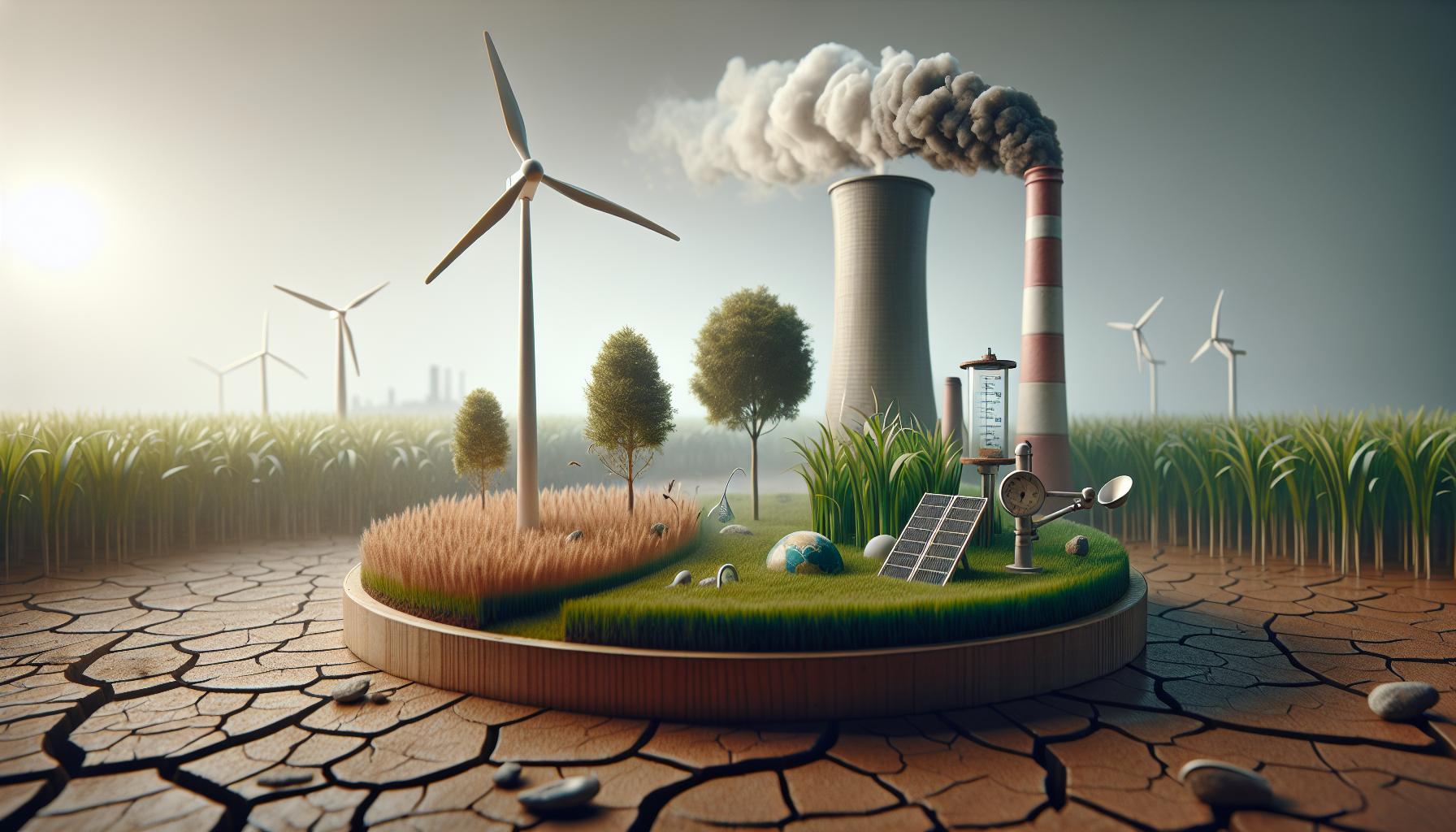
The Science Behind Climate Change and Weather Modification
As climate change reshapes our planet’s weather patterns, innovative solutions are crucial for managing the resulting crises. Cloud seeding, a weather modification technique, emerges as a promising option to address some of these challenges. By injecting substances like silver iodide and potassium iodide into the atmosphere, cloud seeding aims to enhance precipitation, potentially alleviating drought conditions and supplying necessary water resources for agriculture and urban use.
The scientific foundation of cloud seeding lies in meteorology and atmospheric physics. When particles are introduced into cloud systems, they serve as nuclei around which moisture can condense or freeze. This process can stimulate precipitation, making it a valuable tool for regions experiencing severe water shortages. For example, during prolonged droughts, supplementing natural rainfall could make a significant difference in crop yields and ecosystem health, thereby positively affecting local economies and communities.
Despite its potential, the relationship between cloud seeding and climate change is complex. While the technique primarily addresses immediate weather conditions, experts are investigating whether it could have longer-term impacts on regional climates. The interplay of cloud seeding with existing climatic systems raises questions about effectiveness and environmental sustainability. For instance, while increased rainfall can be beneficial, it may also lead to unintended adverse effects like soil erosion, flooding, or disruption of local ecosystems. Therefore, a thorough understanding of the local climate dynamics and careful monitoring of seeding efforts are essential.
To maximize the benefits of cloud seeding while minimizing risks, stakeholders should prioritize research, data collection, and community engagement. Transparent discussions about its implementation, potential effects, and environmental considerations can foster public trust. Furthermore, as more regions explore cloud seeding as a solution, collaboration between scientific communities, policymakers, and local populations will be key to developing responsible and effective weather modification strategies. This proactive approach can lead to informed decision-making that balances immediate needs with long-term sustainability in the face of climate change.
How Does Cloud Seeding Work? An In-Depth Explanation
Cloud seeding operates at the intersection of atmospheric physics and meteorological manipulation, offering a fascinating glimpse into how human intervention can alter natural processes. The core mechanism involves introducing specific particles, known as cloud condensation or ice nuclei, into existing clouds. These particles provide a surface onto which water vapor can condense or freeze, ultimately stimulating precipitation. Common substances used in cloud seeding include silver iodide, potassium iodide, and more recently, hygroscopic materials like table salt, which attract moisture from the air due to their ability to absorb water vapor.
When clouds contain enough moisture, the introduction of these seeding agents can enhance the process of precipitation. For example, silver iodide mimics the crystalline structure of ice and is particularly effective in supercooled clouds, where temperatures drop below freezing without ice formation. Through dispersal methods, typically from aircraft or ground-based generators, these particles are released into the atmosphere, where they encourage droplet formation leading to increased rainfall. Studies have shown that cloud seeding can lead to a measurable increase in precipitation, sometimes increasing rainfall by 10% to 30%, depending on the conditions.
However, the effectiveness and implications of cloud seeding go beyond just increasing rain. Experts are actively exploring its potential impacts on local climates, particularly in regions struggling with drought. For instance, a successful cloud seeding program in California during severe drought years illustrated how targeted precipitation could aid both agriculture and water supply systems. Yet, this tactic also warrants caution as unintended consequences, such as altering weather patterns or creating localized flooding, remain areas of concern. Thus, while cloud seeding presents a viable strategy for mitigating immediate water shortages, ongoing research is essential to understand better how these interventions might interact with broader climatic systems.
To maximize the benefits while addressing potential drawbacks, practitioners recommend a comprehensive approach involving robust data collection, ongoing environmental monitoring, and community engagement. This strategy facilitates an informed dialogue about cloud seeding’s role in climate resilience and its long-term sustainability, ultimately bridging the gap between scientific knowledge and public perception. Innovating responsibly in this field could empower communities to adapt proactively to changing climatic conditions, promoting holistic water management practices that prioritize both immediate needs and future environmental health.
Potential Benefits of Cloud Seeding on Climate Resilience
Cloud seeding has emerged as a promising solution to combat climate-related challenges, particularly in regions experiencing water scarcity, drought, and the adverse impacts of climate change. By augmenting precipitation, cloud seeding can play a vital role in enhancing water supply for agricultural, industrial, and municipal needs. For instance, during California’s historic drought, targeted cloud seeding initiatives significantly boosted rainfall, providing a much-needed lifeline for farmers and local communities alike. This practical intervention hints at a larger potential: using weather modification techniques to foster greater climate resilience in a world increasingly susceptible to climate variability.
One of the notable benefits of cloud seeding is its capacity to improve agricultural yield. As changing weather patterns threaten traditional farming cycles, cloud seeding can serve as a supplemental strategy to ensure adequate water availability for crops. By fostering more consistent rainfall, farmers may reduce their dependency on groundwater and reservoirs, allowing for more sustainable agricultural practices. In regions like Texas, studies have indicated that cloud seeding can enhance crop output by ensuring optimal moisture levels during critical growing periods.
Reducing Risks from Extreme Weather Events
In addition to boosting water supply, cloud seeding has the potential to mitigate the risks associated with extreme weather events. For example, through targeted intervention, it is possible to lessen the severity of hailstorms, which can devastate crops and property alike. By introducing ice nuclei into specific storm systems, cloud seeding can promote the formation of smaller precipitation particles, reducing the impact of hail.
Moreover, cloud seeding can contribute positively to local hydrological cycles. Increased precipitation from cloud seeding can help replenish aquifers and mitigate flooding risks during high-precipitation events by facilitating a more controlled release of water into the landscape. As this method progresses, technology advancements may allow for even more targeted interventions, maximizing rainfall efficiency and ensuring that the needs of specific ecosystems and communities are met.
By emphasizing the potential of cloud seeding, it becomes increasingly evident that it can serve as one method to enhance climate resilience, complemented by other sustainable water management practices. This holistic approach requires collaboration among policymakers, scientists, and communities to harness the full benefit of cloud seeding while ensuring that it is conducted responsibly and effectively. With ongoing innovations and best practices in place, cloud seeding could represent a viable tool in adapting to our changing climate, all while promoting sustainable practices that address immediate and long-term water challenges.
Risks and Concerns: Is Cloud Seeding Safe for the Environment?
While cloud seeding has garnered attention as a promising intervention for mitigating the effects of climate change, concerns about its environmental safety persist. A foundational question in this discourse is: does altering weather systems through cloud seeding pose risks to local ecosystems and broader climatic conditions? Understanding these risks requires a careful examination of the materials used and their potential impacts.
Cloud seeding typically employs substances like silver iodide, sodium chloride, or potassium iodide as nuclei for cloud condensation. While these substances can effectively encourage precipitation, their environmental footprint raises legitimate concerns. For instance, although silver iodide has low toxicity levels, its long-term accumulation in the environment could potentially disrupt aquatic ecosystems. Research indicates that as precipitation patterns shift due to seeding, there may be unintended consequences, such as altered dilution effects in freshwater systems, which can impact fish populations and other flora and fauna dependent on stable water conditions.
Comparative Analyses of Impacts
To assess the overall safety of cloud seeding, it is valuable to compare its benefits against potential negative outcomes. The introduction of foreign particles into the atmosphere is not without precedent-other weather modification techniques, like hail suppression, have demonstrated some ability to reduce property damage but at a cost. Thus, regulators and scientists must weigh the goal of increasing water availability against ecological integrity.
To responsibly navigate these complexities, transparency and ongoing monitoring are critical. By developing strict regulations regarding the substances used in cloud seeding and conducting long-term environmental impact assessments, stakeholders can minimize risks while maximizing benefits. Case studies from regions employing cloud seeding show that when community impacts are prioritized and environmental safeguards are established, it’s possible to advance water management initiatives without compromising ecosystem health.
As society grapples with the realities of climate change, an empowered and informed approach to cloud seeding can foster a balanced solution, allowing us to enhance climate resilience while safeguarding our environment. Data from pilot programs underscores the importance of closely examining both immediate results and long-term effects, ensuring that cloud seeding serves as a tool supporting sustainable practices rather than undermining them.
The Impact of Cloud Seeding on Local Weather Patterns
The use of cloud seeding as a weather modification technique has sparked considerable interest in its potential effects on local weather patterns. As regions wrestle with the challenges posed by climate change, such as prolonged droughts and unpredictable precipitation, cloud seeding emerges as a strategic tool to influence rainfall and snow accumulation. This intervention is not merely a scientific curiosity; it holds the promise to impact agriculture, water supply, and overall climate resilience.
Cloud seeding involves injecting substances like silver iodide or sodium chloride into existing clouds to stimulate precipitation. By providing additional nuclei for water droplets to form, the process can enhance rainfall and potentially alter the natural weather cycle in specific areas. Research indicates that areas where cloud seeding is implemented can experience up to a 10-15% increase in precipitation, depending on atmospheric conditions and the effectiveness of the seeding operation. However, these alterations can carry broader implications. For instance, localized increases in rainfall may lead to changes in local hydrology, affecting everything from groundwater recharge rates to soil moisture levels, which are critical for agriculture.
Another important dimension of cloud seeding is its impact on regional weather patterns. While cloud seeding aims to produce more rainfall in target areas, it might inadvertently affect weather in surrounding regions. For example, increasing precipitation in one area could reduce it elsewhere, as moisture that would naturally flow across broader landscapes is instead directed to specific locations. This phenomenon raises questions about equity and management of water resources, especially in regions where water scarcity is already a pressing issue.
As communities explore cloud seeding as a potential solution, it is vital to prioritize transparency and collaboration among stakeholders. Engaging local farmers, water managers, and environmental groups in discussions about cloud seeding projects and their expected outcomes can foster trust and ensure that any changes to weather patterns are understood and anticipated. Continuous monitoring and evaluation are also crucial to assess the long-term effects of cloud seeding on local ecosystems and weather systems, enabling adaptive management practices that can optimize benefits while mitigating any adverse impacts. Through a structured approach, cloud seeding can not only support immediate water needs but can also serve as part of a broader strategy to enhance resilience against the realities of climate change.
Cloud Seeding Case Studies: Successes and Failures
The global debate surrounding cloud seeding is illuminated through varied case studies that highlight both its successes and failures. For instance, one notable success story hails from California, where cloud seeding programs have reportedly led to significant increases in precipitation. These operations, often conducted during drought conditions, have utilized silver iodide to enhance rainfall by as much as 10-15% in targeted regions. Local farmers and water managers have welcomed these interventions, celebrating the potential to mitigate water shortages and enhance agricultural productivity during critical periods.
However, the practice is not without its complications. In the mid-2000s, the state of Texas faced a controversial cloud seeding initiative aimed at increasing rainfall during severe drought. While some reports indicated localized successes, other studies raised concerns about the redistribution of precipitation, suggesting that increased rainfall in some areas may have come at the expense of reduced rainfall in neighboring regions. This led to debates about the ethical implications of manipulating local weather systems, particularly in arid counties struggling with their own water crises.
To navigate these complexities, ongoing monitoring and community engagement are crucial. After initiating cloud seeding, stakeholders must assess long-term impacts on water resources and local ecosystems. Transparency in these processes not only builds public trust but also enhances the effectiveness of cloud seeding endeavors. Total cooperation and dialogue between scientists, policymakers, and local communities can lead to more informed decisions about when and how to implement cloud seeding practices responsibly.
Ultimately, cloud seeding serves as a double-edged sword in the context of climate change. While its potential to alleviate immediate water shortages is promising, its implications for broader environmental and social systems merit careful consideration. Ongoing research, coupled with lessons drawn from past experiences, will be essential in shaping the future of cloud seeding as a climate resilience strategy.
Regulatory Framework for Cloud Seeding Practices
Establishing a robust is crucial to balancing the technological advancements in weather modification with the inherent environmental risks and ethical considerations. As global temperatures rise, governments and organizations are increasingly looking to cloud seeding as a tool to combat drought and enhance water resources. However, the implementation of such interventions necessitates a clear set of guidelines to ensure efficacy, transparency, and public safety.
Countries vary significantly in their regulatory approaches to weather modification. Some have established comprehensive legal frameworks that govern all aspects of cloud seeding, including research, operational procedures, and environmental impact assessments. For instance, in the United States, the Federal Aviation Administration (FAA) and the Environmental Protection Agency (EPA) play pivotal roles in overseeing cloud seeding activities, addressing both airspace safety and potential environmental impacts. State-level regulations often come into play as well, where local water districts may have their own guidelines reflecting the specific needs and ecological conditions of their regions.
To facilitate a responsible approach to cloud seeding, several key components should be included in any regulatory framework:
- Licensing and Training: Operators should be required to undergo proper training and obtain licenses to minimize risks associated with unqualified personnel conducting cloud seeding operations.
- Environmental Impact Assessments: Before initiating cloud seeding projects, comprehensive assessments should be conducted to evaluate potential ecological disruptions and changes in local weather patterns.
- Public Consultation: Engaging local communities and stakeholders in the decision-making process fosters transparency and builds trust, allowing concerns to be addressed before projects are implemented.
- Monitoring and Reporting: Continuous evaluation of the environmental impacts post-seeding should be mandated. This could include monitoring water quality, wildlife behavior, and precipitation changes to ensure accountability and adaptability of practices.
Moreover, it is vital to adapt regulations over time based on emerging scientific evidence and technological advancements. A proactive regulatory environment will be better equipped to incorporate innovations, such as the development of more effective seeding materials and methods that minimize environmental impact while maximizing results. For instance, the incorporation of hygroscopic materials, such as table salt, which are less harmful than traditional agents like silver iodide, illustrates the importance of ongoing research in shaping policies.
Considering the ethical implications of cloud seeding-such as the risk of altering rainfall patterns and potentially disadvantaging neighboring areas-regulatory frameworks should also promote equity in water distribution and access. Ultimately, effective regulations can not only mitigate the adverse effects of climate change but also empower communities through responsible and informed water resource management strategies. As climate realities evolve, collaborative and flexible regulatory approaches will be essential for harnessing the potential benefits of cloud seeding while safeguarding the environment and promoting sustainable practices.
Cloud Seeding vs. Other Weather Modification Techniques
The potential of weather modification techniques is gaining attention as the world grapples with climate challenges. Among these techniques, cloud seeding stands out for its ability to enhance precipitation, but it isn’t the only method available. Understanding how cloud seeding compares to other techniques can help illuminate its unique benefits and limitations.
One major alternative to cloud seeding is geoengineering, specifically solar radiation management. This technique aims to reflect a small percentage of the sun’s light and heat back into space to cool the planet. While it holds theoretical promise for mitigating climate change, the long-term effects on weather patterns remain largely unknown. Unlike cloud seeding, which is a localized approach targeting specific weather systems, geoengineering could have widespread ecological impacts, potentially altering global weather patterns in unpredictable ways.
Another common strategy is atmospheric water generation, which involves using technology to extract water vapor from the air to produce liquid water. This method can be particularly beneficial in arid regions; however, it relies on existing humidity levels and does not actively modify weather patterns. While it provides an alternative source of water, it does not enhance rainfall like cloud seeding does, which can be crucial during periods of drought.
Comparative Analysis of Techniques
- Cloud Seeding: Introduces particles like silver iodide into clouds to stimulate precipitation, helping to increase water supplies and combat drought.
- Geoengineering: Aims to reduce global temperatures by altering solar radiation. It is higher risk, with uncertain effects on regional climates.
- Atmospheric Water Generation: Captures humidity directly from the air, useful for water scarcity but does not enhance precipitation.
Real-World Case Studies
A prime example of cloud seeding success is Utah’s weather modification program, which has increased snowfall in the mountains by up to 10% during seeding events. In contrast, California’s geoengineering proposals have faced extensive scrutiny, with local communities expressing concerns about potential unforeseen consequences on weather patterns. These case studies highlight the importance of localized versus global strategies in addressing water scarcity and climate change.
As we continue to explore ways to mitigate the impacts of climate change, cloud seeding presents a viable option for enhancing precipitation in specific regions. However, the need for comprehensive studies and transparent regulations is vital to ensure that all weather modification techniques are applied safely and effectively. By understanding the strengths and limitations of each method, stakeholders can make more informed decisions that balance technological solutions with environmental and ethical considerations.
Public Perception: How Society Views Cloud Seeding
Cloud seeding, a technique aimed at increasing precipitation, has sparked diverse opinions among the public, reflecting both hope and skepticism about its efficacy and implications. On one hand, supporters view it as a promising solution to combat drought and manage water resources in an era of climate change, especially in regions plagued by water scarcity. For instance, in areas like California and Texas, where agricultural reliance on adequate rainfall is critical, cloud seeding is seen as a potential lifeline to stimulate rainfall when natural sources are lacking. This perspective is buoyed by reports of successful cloud seeding operations that have resulted in measurable increases in precipitation, which can significantly benefit crops and water supply systems.
Conversely, there are notable concerns regarding the environmental impact and ethical implications of weather modification. Many people question the long-term effects of introducing chemicals, such as silver iodide, into the atmosphere. Environmental groups express fears that cloud seeding could disrupt local ecosystems or that the increased precipitation could lead to flooding and other unintended consequences. Additionally, some worry about the governance and potential misuse of such technology, considering it might be employed in ways that favor certain regions over others, thus exacerbating existing inequalities in water distribution.
Moreover, public perception is shaped by a broader dialogue on climate engineering and its role in addressing climate change. While some advocate for more significant investment in cloud seeding as a part of a multi-faceted approach to climate resilience, others caution against reliance on such technologies, emphasizing the necessity for sustainable practices and natural solutions, such as groundwater management and conservation strategies. The debate often underscores a critical balance between innovative short-term solutions to immediate water crises and long-term sustainable practices that tackle the root causes of climate change.
In navigating these complex perspectives, communities can engage in open dialogues about the potential benefits and risks of cloud seeding, guided by scientific evidence and local values. Building trust through transparency and ongoing research can help alleviate fears and facilitate informed discussions on the role cloud seeding can play in a comprehensive strategy towards climate resilience. Ultimately, the public’s view of cloud seeding is evolving as society grapples with the challenges of climate change, making it essential to understand and address both the hopes and concerns surrounding this controversial technique.
Future of Cloud Seeding: Innovations and Challenges
Innovations in cloud seeding technology have the potential to revolutionize how we approach water scarcity and climate resilience. For instance, researchers are exploring the use of advanced drones that can intelligently analyze cloud conditions and deploy seeding agents more precisely than ever before. This not only increases the efficacy of cloud seeding operations but also minimizes any environmental impact by targeting only specific areas in need of precipitation. Moreover, the integration of machine learning algorithms can predict optimal seeding times and locations, enhancing the overall success rates of these interventions.
However, the path forward is not without its challenges. Public perception remains a significant hurdle, as misinformation and fears surrounding the environmental consequences of cloud seeding can delay regulatory approvals and funding. Building trust within communities is essential, and transparent conversations about the benefits and potential risks of cloud seeding are paramount. Engaging local stakeholders and showcasing successful case studies can help shift public opinion towards a more positive view of the practice.
The question of ethical governance also looms large as cloud seeding becomes more widespread. Ensuring equitable access to cloud seeding technology, particularly in regions that are historically underserved, is crucial. It is essential that policies around cloud seeding are developed to prevent possible misuse, where certain areas might benefit at the expense of others, thus deepening existing social inequalities. Collaborative frameworks that involve local governments, scientific communities, and ethical review boards could help navigate these complexities.
To optimize the future of cloud seeding, it is vital to continue fostering scientific research aimed at understanding its long-term impacts on weather systems and local environments. Partnerships between academic institutions and private sectors can drive innovation, while data collection and analysis can provide insights into cloud seeding’s effectiveness in diverse climatic contexts. This holistic approach not only improves cloud seeding practices but also enhances broader discussions on weather modification as a viable component of global climate strategies.
Exploring the Ethical Implications of Weather Modification
The rapid advancement of weather modification techniques, particularly cloud seeding, has ignited a robust dialogue regarding the ethical implications of these practices on both local environments and broader climate systems. As society grapples with increasing climatic volatility-exemplified by prolonged droughts and unpredictable weather patterns-the urgency of finding solutions has never been clearer. Cloud seeding, while offering the promise of enhanced precipitation and agricultural resilience, raises profound ethical questions about equity, environmental justice, and governance.
At the heart of the ethical discourse lies the issue of equity in access to cloud seeding technology. Not all regions have the same resources to engage in weather modification, potentially leading to disparities where affluent areas could disproportionately benefit from enhanced rainfall while underprivileged communities remain dry. This discrepancy could exacerbate existing social inequalities, prompting calls for policies that ensure equitable distribution of cloud seeding technology. Engaging local stakeholders in the decision-making process not only serves as an avenue for inclusivity but can also foster community trust, paving the way for more universally acceptable weather-modifying practices.
Moreover, the potential unintended consequences of cloud seeding warrant careful consideration. Altering precipitation patterns might lead to increased flooding in some regions while others may experience prolonged dryness-important factors that could disrupt local ecosystems and agricultural productivity. There is a pressing need for comprehensive regulatory frameworks that take these risks into account and govern cloud seeding practices responsibly. Such frameworks should involve collaboration among scientists, ethicists, and policymakers to create guidelines that prioritize environmental sustainability while addressing the diverse needs of affected communities.
In conclusion, as cloud seeding technology continues to evolve, it is critical for stakeholders to engage in transparent conversations that encompass both the benefits and risks associated with weather modification. Addressing the ethical implications with a grounded approach offers an opportunity to advance not just environmental goals but also social equity, ultimately strengthening community resilience against the challenges posed by climate change.
Frequently asked questions
Q: Does cloud seeding contribute to climate change?
A: Cloud seeding itself does not significantly contribute to climate change; it aims to modify local weather patterns rather than alter global climate systems. However, the use of certain chemicals in cloud seeding requires careful assessment to ensure no unintended environmental impacts occur.
Q: How does cloud seeding impact local ecosystems?
A: Cloud seeding can affect local ecosystems by altering precipitation patterns, potentially leading to increased water availability in some areas while causing drought in others. This can disrupt local flora and fauna, highlighting the need for thorough environmental assessments before implementation.
Q: Can cloud seeding be seen as a solution to climate-related water shortages?
A: Yes, cloud seeding can help mitigate water shortages caused by climate change by enhancing precipitation in specific areas. However, it should be viewed as a complementary strategy alongside broader water conservation efforts and sustainable resource management.
Q: What are the long-term effects of cloud seeding on weather patterns?
A: The long-term effects of cloud seeding on weather patterns are not fully understood. While it can temporarily increase rainfall, its impact on regional climates and weather stability needs more research to predict potential effects on conditions like drought or flooding.
Q: Is cloud seeding considered a form of climate engineering?
A: Yes, cloud seeding falls under the broader category of climate engineering, which includes various techniques aimed at intentionally manipulating weather patterns. While it is used to alter short-term weather, its long-term implications for climate change are still debated among scientists.
Q: Are there ethical concerns related to cloud seeding and climate change?
A: Yes, ethical concerns surrounding cloud seeding include issues of environmental justice, potential conflicts over water distribution, and unknown consequences on ecosystems. These concerns necessitate public discourse and transparent regulatory frameworks regarding weather modification practices.
Q: Does cloud seeding affect global warming?
A: Cloud seeding does not directly affect global warming; it primarily alters local weather conditions. However, by potentially increasing rainfall in drought-affected areas, it could indirectly aid in mitigating some impacts of climate change by enhancing local water supplies.
Q: What regulations govern cloud seeding practices to mitigate climate impacts?
A: Regulations for cloud seeding vary by region but typically include environmental impact assessments and oversight by national and local governments. Regulatory frameworks are crucial to ensure responsible practices that do not exacerbate climate-related issues.
Insights and Conclusions
As we explore the intricate relationship between cloud seeding and climate change, it’s essential to remember that this scientific endeavor presents both challenges and opportunities in managing our precious water resources. By enhancing precipitation and mitigations against severe weather, cloud seeding could play a role in addressing some climate impacts. Are you curious about how other weather modification techniques could also influence our environment? Check out our in-depth article on the science of cloud seeding and learn about the potential benefits and concerns that come with this technology.
If you’re looking to stay informed on the latest advancements in weather modification and its implications on climate change, subscribe to our newsletter today! Join our community and contribute to the discussion-your insights could spark vital conversations about the future of our planet. Let’s continue this journey together; explore related topics on sustainable water management and the innovative ways we can adapt to a changing climate. Your understanding and engagement are crucial as we navigate these pressing environmental challenges-every action counts!