Every minute, the equivalent of a garbage truck full of plastic is dumped into our oceans, contributing to a crisis affecting both our health and the planet. But how is this rampant plastic pollution connected to climate change? As we grapple with escalating global temperatures and extreme weather, understanding the interplay between plastic waste and our climate is crucial. Plastics not only pollute our ecosystems but also release harmful greenhouse gases during production and breakdown. This article will explore the intricate ways in which plastic pollution exacerbates climate change, shedding light on why addressing this issue is vital for a sustainable future. Dive in to discover how your choices can help combat this growing threat and what steps we can take collectively to create a healthier planet.
Impact of Plastic Pollution on Climate Change
Plastic pollution is not only an environmental crisis but also a contributor to climate change, often overlooked in discussions about greenhouse gases. When we think of climate warming, fossil fuels typically come to mind, yet the entire lifecycle of plastic-from production to degradation-emits significant amounts of greenhouse gases. For instance, the manufacture and incineration of plastics contribute roughly 3.8% of global greenhouse gas emissions, a figure that is expected to rise dramatically as plastic production continues to increase.
The lifecycle of plastic begins with its raw materials, primarily derived from fossil fuels, including oil and natural gas. The extraction and processing of these resources involve energy-intensive processes that release carbon dioxide and other harmful emissions into the atmosphere. According to a report by the World Resources Institute, the production of plastic could account for up to 1.34 gigatons of CO2 emissions annually by 2030, if current trends continue. This alarming statistic underscores the need for changes in our consumption and production patterns.
Microplastics present another climate hazard. As larger plastic items break down into smaller particles due to environmental stressors, they not only pollute ecosystems but also enter the food chain and potentially disrupt the carbon cycle. Researchers have found microplastics in even the most remote areas, including deep ocean beds, which may impact the natural processes that sequester carbon. This issue reflects the interconnectedness of plastic pollution and climate change, where the consequences extend far beyond aesthetic pollution, affecting biodiversity and global warming indirectly.
Addressing plastic pollution presents an opportunity for climate action. Solutions such as reducing single-use plastics, enhancing recycling efforts, and investing in biodegradable alternatives can significantly decrease the overall carbon footprint associated with plastics. Furthermore, policies that support circular economies can ensure that plastic products are designed with their entire lifecycle in mind, encouraging manufacturers to minimize waste and emissions. By implementing these changes, individuals and governments alike can turn the tide on plastic pollution and its impacts on climate, fostering a healthier planet for future generations.
Understanding the Lifecycle of Plastic Waste

The journey of plastic from production to disposal illustrates a complex lifecycle that significantly impacts our environment and contributes to climate change. It begins with the extraction of fossil fuels, which are the primary raw materials for plastic production. The processes involved in harvesting oil and natural gas are energy-intensive and release substantial amounts of carbon dioxide into the atmosphere. The World Resources Institute estimates that by 2030, plastic production could generate up to 1.34 gigatons of CO2 annually if current trends continue. This alarming statistic highlights the urgent need to reassess how we produce and consume plastic goods.
Once produced, plastics permeate nearly every aspect of our daily lives, from packaging materials to household items. While their convenience is undeniable, the longevity of plastic waste poses a major environmental threat. Most plastic takes hundreds of years to degrade, and when it does break down, it fragments into microplastics that can infiltrate ecosystems. These microplastics not only pollute our oceans but are also ingested by marine life, entering the food chain and potentially disrupting natural processes that sequester carbon. As such, the ecological impact of microplastics is profound, representing a hidden climate threat that extends far beyond visible pollution.
Managing the lifecycle of plastic waste is essential for mitigating its environmental footprint. Sustainable practices, such as enhancing recycling processes and developing biodegradable options, can help reduce emissions associated with plastic waste. According to case studies, communities implementing robust recycling programs have seen significant decreases in plastic waste ending up in landfills. For example, cities that have adopted zero-waste policies report not only reduced plastic pollution but also greater community engagement in sustainability efforts, leading to collective action toward a healthier planet.
In summary, reveals its intricate connection to climate change. By supporting initiatives that promote responsible plastic use and encouraging innovative waste management strategies, we can collectively take steps toward minimizing the carbon emissions linked to plastic products. Empowered consumer choices and legislative action will be pivotal in reshaping how we approach plastic in the future, fostering a more sustainable and eco-friendly environment for generations to come.
How Plastic Production Contributes to Greenhouse Gases
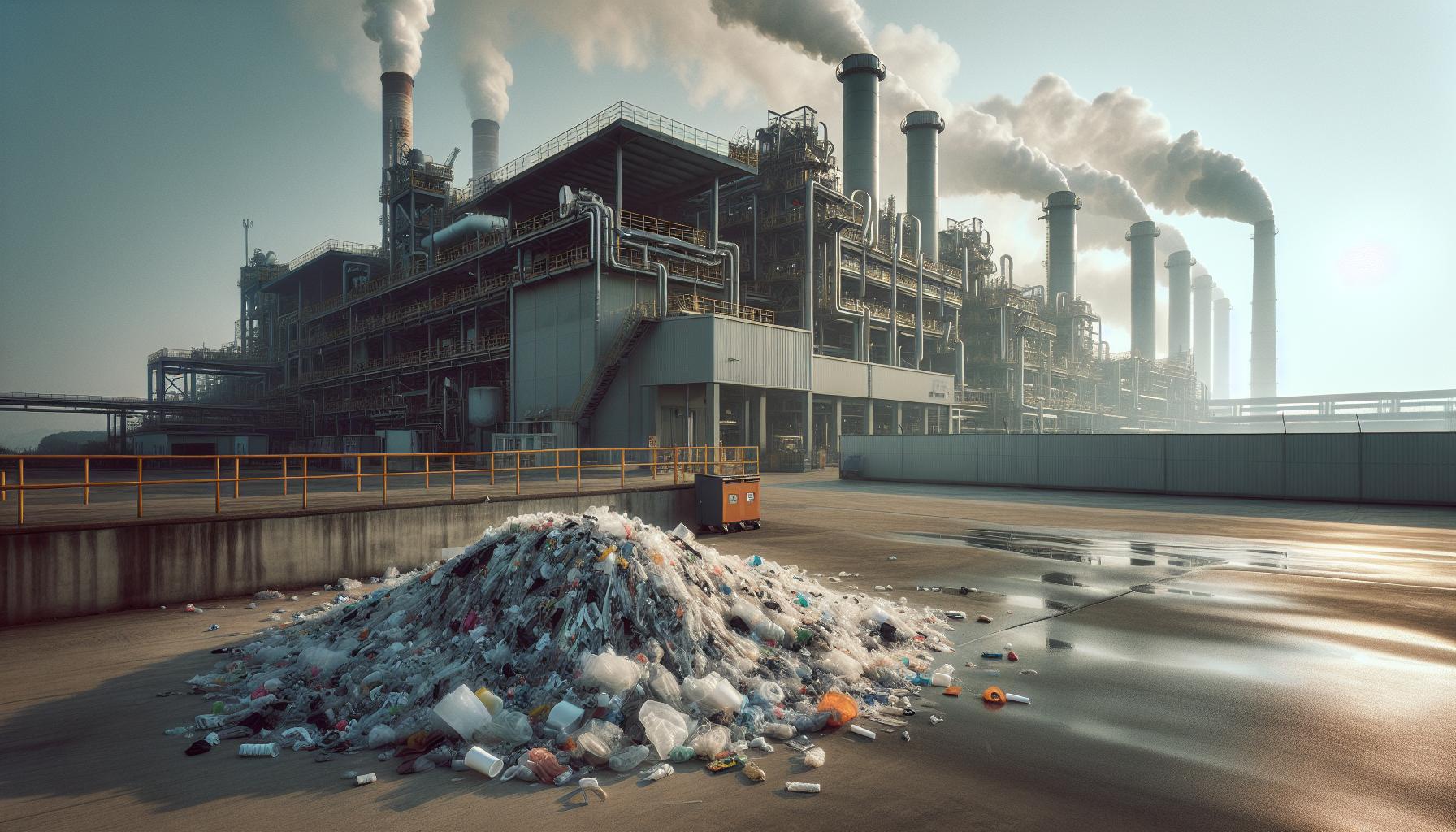
The production of plastic is one of the most significant contributors to greenhouse gas emissions in today’s industrialized world. Each stage of the plastic life cycle-from extraction of raw materials to manufacturing-releases carbon dioxide (CO2) and other greenhouse gases that exacerbate climate change. Notably, the World Resources Institute has projected that if current trends continue, plastic production alone could account for approximately 1.34 gigatons of CO2 emissions annually by 2030. This stark statistic emphasizes the urgent need for systemic changes in how we produce and utilize plastics.
The journey begins with the extraction of fossil fuels, primarily oil and natural gas, which serve as the raw materials for most plastic products. The processes involved in drilling, refining, and transporting these fossil fuels are energy-intensive and release considerable amounts of CO2. For instance, the fracking process for natural gas not only impacts local ecosystems but also leads to methane emissions, a greenhouse gas far more potent than CO2 in the short term.
Manufacturing plastic products further increases greenhouse gas emissions. The polymerization process-where raw materials are converted into plastic-requires substantial amounts of energy, often derived from fossil fuels. Manufacturers frequently rely on coal or natural gas as energy sources, which directly contributes to air pollution and climate change. Additionally, transportation associated with the distribution of plastic products adds another layer of emissions, further entrenching plastics into the climate crisis.
To mitigate these impacts and move toward a sustainable future, significant changes in policy and consumer behavior are needed. Innovation in developing bio-based plastics, which are made from renewable sources, can drastically reduce greenhouse gas emissions from production. Moreover, embracing circular economy principles-where materials are reused and recycled rather than discarded-can minimize the need for new plastic production, thereby cutting emissions at their source.
In conclusion, addressing the greenhouse gas emissions associated with plastic production is not merely an environmental imperative but also a social responsibility. By making informed choices, advocating for sustainable practices, and embracing innovative solutions, we can collectively pave the way to a healthier planet.
Microplastics: A Hidden Climate Threat

The staggering reality is that microplastics-tiny plastic particles less than five millimeters in diameter-have infiltrated our environment to such an extent that they are now found in the air we breathe, the water we drink, and even the food we consume. These seemingly harmless particles pose a hidden yet significant threat to our climate. Not only do they result from the breakdown of larger plastic waste, but they also contribute to a range of environmental issues that amplify climate change, such as harming marine life, disrupting ecosystems, and altering nutrient cycles.
Microplastics affect climate change in multiple ways. As they accumulate in oceans and other bodies of water, they interfere with the natural processes that regulate carbon cycles. For example, microplastics can inhibit the ability of phytoplankton-tiny organisms crucial for absorbing CO2 from the atmosphere-to perform photosynthesis effectively. With fewer phytoplankton converting CO2, we see a potential increase in greenhouse gas concentrations, exacerbating global warming. Moreover, when microplastics are ingested by marine animals, the pollutants can enter the food chain, potentially harming biodiversity and altering local ecosystems, which are critical in maintaining a balanced climate.
To tackle the challenge posed by microplastics, practical steps can be taken at both individual and collective levels. Individuals can reduce their contribution to plastic pollution by:
- Choosing alternatives: Opt for reusable bags, bottles, and containers to avoid single-use plastics.
- Supporting policies: Advocate for legislation aimed at reducing plastic production and increasing recycling efforts.
- Participating in clean-ups: Join local efforts to clean up beaches and other natural habitats, preventing plastic from breaking down into microplastics.
Policymakers and businesses also play a critical role. Investing in biodegradable materials and innovative recycling technologies can significantly mitigate the production of microplastics. Research indicates that transitioning towards circular economy practices-where materials are continuously reused and recycled-can drastically reduce the volume of plastic waste entering ecosystems. Additionally, promoting community awareness about the environmental impact of microplastics can foster hybrid solutions, linking consumer choices to broader environmental impacts.
Addressing the challenge of microplastics requires a concerted effort across all sectors of society. By understanding their role in climate change and taking actionable steps, we can pave the way for a future where our oceans and air remain clean, and our planet’s climate is stabilized.
The Connection Between Ocean Plastic and Global Warming
The alarming amount of plastic waste accumulating in our oceans poses a significant threat not only to marine life but also to our planet’s climate stability. It is estimated that about 11 million metric tons of plastic enter the ocean each year, creating vast floating islands of debris and affecting marine ecosystems on a global scale [[2](https://www.state.gov/office-of-environmental-quality/plastic-pollution)]. Ocean plastics disrupt the delicate balance of marine environments, leading to consequences that ultimately amplify climate change.
One of the stark realities of ocean plastic is its role in disrupting the carbon cycle. Healthy oceans are vital carbon sinks, with marine organisms like phytoplankton playing a critical role in absorbing carbon dioxide from the atmosphere. However, plastics can interfere with these processes. For instance, microplastics can smother phytoplankton and reduce their ability to perform photosynthesis, subsequently diminishing their capacity to sequester carbon [[3](https://hsph.harvard.edu/news/microplastics-are-everywhere-and-can-harm-human-health-say-experts/)]. This disruption can lead to increased carbon dioxide levels in the atmosphere, further intensifying global warming.
Moreover, the interaction between ocean plastics and marine life creates a complex web of environmental impacts. When marine animals ingest plastic, toxins can bioaccumulate in their bodies, entering the food chain and affecting humans as well [[2](https://www.state.gov/office-of-environmental-quality/plastic-pollution)]. The health of ocean ecosystems is intrinsically linked to climate health; when marine biodiversity declines due to plastic pollution, ecosystems lose their resilience and ability to adapt to environmental changes, which in turn affects their role in regulating the climate.
To mitigate , individuals and communities can take practical steps. For instance:
- Participate in beach clean-ups: These activities help remove plastics before they degrade into microplastics.
- Reduce plastic usage: By opting for reusable alternatives and supporting businesses that prioritize sustainable practices, we can minimize plastic waste.
- Advocate for policy changes: Support legislation aimed at reducing plastic production and increasing recycling initiatives.
While the challenge of ocean plastic and climate change may seem daunting, collective action can create significant change. By understanding the impact of plastic pollution on our oceans and actively working to reduce our plastic footprint, we can contribute to a healthier planet and combat climate change effectively. Sustainable choices today can lead to cleaner oceans and a more stable climate tomorrow.
Plastic Waste Management: Best Practices for Climate Action
One of the most pressing challenges in our fight against climate change lies in the effective management of plastic waste. Each year, millions of tons of plastic end up in landfills, oceans, and other ecosystems, exacerbating environmental degradation and contributing to climate instability. Studies indicate that about 11 million metric tons of plastic enter the ocean annually, creating detrimental effects not only on marine life but also on the planet’s climate systems [[2]]. Implementing best practices for plastic waste management not only reduces pollution but also mitigates the significant greenhouse gas emissions associated with plastic production and disposal.
To begin with, implementing a robust recycling program is essential. Communities can establish clear guidelines on what can be recycled, enhance public awareness campaigns, and provide accessible recycling facilities. According to the Environmental Protection Agency (EPA), increasing recycling rates can prevent emissions equivalent to removing millions of cars from the road. Local initiatives, such as incentivizing residents to recycle through subsidy programs or competitions, often lead to higher participation rates and reduced landfill waste.
Innovative Approaches to Waste Reduction
Adopting innovative waste reduction strategies like compostable materials and biodegradable alternatives can significantly lessen plastic dependency. For instance, companies such as Biopak produce containers and packaging made from sustainable materials that break down more easily than traditional plastics. Individuals can also contribute by choosing products that are packaged with environmentally friendly materials. Moreover, developing the infrastructure for growing industries such as bioplastics can create a sustainable cycle that reduces reliance on fossil fuels while providing biodegradable options.
Community Engagement and Advocacy
Another effective method for managing plastic waste is through community engagement initiatives. Volunteers across various communities can participate in local clean-ups, which not only remove plastic waste from the environment but also foster a sense of collective responsibility and awareness about plastic pollution. Engaging local schools in educational programs that teach students about the impacts of plastic waste and the importance of sustainability creates long-term advocates for climate action.
Government legislation plays a crucial role in shaping waste management practices. Advocating for policies that limit single-use plastics, promote extended producer responsibility, and enhance recycling programs lays the groundwork for a comprehensive approach to climate action. Cities that have enacted plastic bag bans or plastic bottle deposit systems have seen positive impacts, often resulting in significant reductions in plastic waste as well as increased public support for sustainability.
In conclusion, effective plastic waste management is pivotal in addressing climate change. By adopting recycling initiatives, promoting biodegradable alternatives, engaging communities, and advocating for supportive legislation, we can collectively transform our approach to plastic pollution. Each action contributes to a broader strategy toward sustainability and climate resilience, thereby ensuring a healthier planet for future generations.
Innovative Solutions to Reduce Plastic Pollution
Addressing the intricate relationship between plastic pollution and climate change requires innovative solutions that can significantly reduce plastic dependency while promoting environmental sustainability. One of the most promising strategies is the development and adoption of alternative materials. For instance, bioplastics made from renewable resources such as corn starch, sugarcane, or algae present a viable alternative to traditional petroleum-based plastics. These materials not only reduce fossil fuel consumption but can also be designed to biodegrade more easily, thereby minimizing their long-term environmental impact. Companies like Biopak have successfully introduced a range of compostable food containers and packaging, proving that sustainable materials can serve both consumer needs and ecological goals.
Incorporating circular economy principles is another critical strategy for reducing plastic pollution. This approach emphasizes designing products for longevity, repairability, and recycling. For example, Patagonia, an outdoor apparel brand, advocates for extended producer responsibility by offering repair services for their products and encouraging customers to return used items for resale or recycling. Such initiatives not only help to keep waste out of landfills but also educate consumers about the environmental costs of fast fashion. By prioritizing durable products and reusing raw materials, businesses can significantly reduce plastic waste while minimizing their carbon footprint.
Community-led Initiatives and Educational Programs
Engaging local communities in clean-up initiatives and educational outreach can also play a transformative role in reducing plastic pollution. Programs like the Ocean Conservancy’s International Coastal Cleanup mobilize thousands of volunteers worldwide to not only clear coastlines of plastic debris but also raise awareness of the broader impacts of plastic waste on marine ecosystems and climate stability. Furthermore, educational institutions can integrate sustainability-focused curricula that teach students about the effects of plastic pollution and inspire them to adopt eco-friendlier habits. For instance, schools can organize projects that involve designing and implementing waste reduction strategies, creating a sense of ownership and commitment among young activists.
Innovative Waste Management Solutions
Advancements in waste management technology offer exciting prospects for reducing plastic waste at the source. For example, companies like Waste360 are developing cutting-edge waste processing solutions that involve sorting and recycling plastic waste more efficiently. These systems can help municipalities improve recycling rates and decrease the amount of plastic that reaches landfills. Additionally, initiatives like the Plastic Bank incentivize communities in underdeveloped regions to collect plastic waste by offering financial rewards or resources in exchange for recycled materials. This not only reduces pollution but also supports local economies and empowers communities to take charge of their environmental impact.
Incorporating these innovative solutions into everyday practices can lead to a substantial decrease in plastic pollution, paving the way toward a more sustainable and resilient future. Whether through choosing alternative materials, engaging in community efforts, or leveraging technology, every action taken can contribute to mitigating the effects of plastic on climate change and ensuring a healthier planet for future generations.
Case Studies: Successful Plastic Reduction Initiatives
Inspiring success stories abound when it comes to initiatives tackling plastic pollution and its relationship to climate change. These case studies highlight innovative approaches and community efforts that yield tangible results, showcasing how collective action can mitigate the environmental impact of plastics while fostering climate resilience.
One remarkable example comes from Litterati, a global movement actively engaging individuals to identify and collect litter through a simple smartphone app. Users take pictures of litter, geo-tag them, and then dispose of them properly. Since its inception, Litterati has mobilized thousands of volunteers, collecting millions of pieces of litter worldwide. This initiative not only addresses the immediate issue of plastic pollution by physically removing waste from ecosystems but also raises awareness about the consequences of our plastic footprint, thereby promoting behavioral changes that contribute to climate action.
Similarly, Loop, a circular economy platform, is transforming packaging by rethinking how products are delivered to consumers. Loop partners with major brands to create reusable containers that can be returned after use, reducing the reliance on single-use plastics. Customers pay a deposit when they receive products in Loop packaging, which is fully refundable upon returning the containers. As a result, Loop has reported a significant decrease in single-use plastic consumption, showing that consumer habits can shift toward more sustainable practices with the right incentives and infrastructure in place.
Equally impactful is The Ocean Cleanup, an ambitious initiative aimed at removing plastic from the world’s oceans. Utilizing advanced technology, the organization has deployed systems that capture and extract plastic from ocean currents. By 2025, The Ocean Cleanup plans to remove thousands of tons of plastic from the Great Pacific Garbage Patch and beyond, directly mitigating marine plastic pollution. This initiative not only cleans our oceans but also raises critical awareness about the sources of plastic waste, encouraging reforms in plastic production and consumption.
Efforts like these exemplify how coordinated action-whether through community engagement, innovative business models, or technological advancements-can significantly reduce plastic pollution. By showcasing successful initiatives, we inspire others to engage in eco-friendly practices and highlight the importance of addressing the links between plastic use and climate change. Every collective effort, large or small, contributes to a more sustainable future and fosters a healthier planet.
Consumer Choices: How You Can Combat Plastic Pollution
Taking action against plastic pollution is a powerful way to combat climate change, and consumer choices play a pivotal role in this effort. Every decision, from the products we buy to how we dispose of them, can either contribute to or alleviate the problem. For instance, the production of one kilogram of plastic can generate up to 3.5 kilograms of greenhouse gases, a staggering factor that underscores the link between our disposable culture and climate change. By making deliberate choices, consumers can significantly reduce the demand for plastic and its associated environmental impacts.
Practical Steps to Reduce Plastic Consumption
Another effective strategy is to embrace reusable products. By replacing single-use items with durable alternatives like stainless steel water bottles, cloth shopping bags, and glass containers, individuals can drastically cut down on plastic waste. Additionally, consumers should consider switching to products packaged in materials that are either recyclable or compostable. Supporting companies that prioritize sustainable packaging not only helps reduce plastic waste but also signals to manufacturers that eco-friendly practices are essential to their consumers.
Furthermore, engaging in mindful purchasing can make a considerable difference. Before buying, ask yourself whether the product is truly necessary and if there are plastic-free versions available. Choosing local and seasonal produce reduces the need for plastic packaging and supports the local economy. One initiative that showcases community action is the Plastic Free July movement, which encourages individuals and organizations to commit to reducing their plastic usage for the entire month, proving that collective change is possible.
Empowering Others and Advocating for Change
Education and advocacy are also key components in the fight against plastic pollution. Sharing insights on social media about the impacts of plastic waste can inspire others to join the cause. Additionally, consumers can support legislation aimed at reducing plastic production and increasing recycling facilities, pushing for policies that hold manufacturers accountable for their plastic waste.
In summary, by being strategic and conscientious about plastic use, every consumer can contribute to a healthier planet. Through informed choices, active engagement, and support for legislative changes, the collective action of individuals can lead to significant reductions in plastic pollution, fostering a sustainable future while combatting climate change.
The Role of Legislation in Addressing Plastic Pollution
Legislation plays a crucial role in mitigating plastic pollution, which is increasingly recognized as a significant contributor to climate change. Enacted laws can drive systemic changes in how plastics are produced, used, and disposed of, fostering a more sustainable environment. For example, bans on single-use plastics, like those implemented in several countries, not only reduce plastic waste entering landfills and oceans but also decrease the overall demand for new plastic production, leading to a reduction in greenhouse gas emissions. According to research, every kilogram of plastic produced can release up to 3.5 kilograms of CO2 into the atmosphere, highlighting the importance of regulatory frameworks that limit plastic production and promote alternatives.
Moreover, effective legislation can incentivize recycling and resource recovery through deposit return schemes and improved infrastructure for waste management. For instance, the European Union’s Circular Economy Action Plan emphasizes the importance of recycling and waste reduction, encouraging member states to implement policies that promote the re-use of materials. Some cities have introduced laws that require businesses to use environmentally friendly packaging, pushing towards a circular economy model where materials are recycled and reused rather than discarded. Such policies not only help to reduce plastic pollution but contribute to the reduction of fossil fuel reliance and carbon emissions associated with new plastic production.
Education and public engagement are additional important facets of legislative action. Laws aimed at increasing awareness about plastic pollution and its climate impacts can empower citizens to change their behaviors. Reports indicate that when communities are informed about the effects of plastic waste, participation in recycling programs increases and there is a greater demand for sustainable products. For instance, California’s legislation that mandates educational programs on plastic pollution aims to foster a culture of conservation among students, which is critical for long-term environmental awareness and change.
In integrating many of these approaches, successful legislation will often feature actionable provisions. These can include clear targets for reducing plastic waste, requirements for manufacturers to take responsibility for the lifecycle of their products, and funding for technological advancements in waste management systems. Supporting such laws not only addresses immediate pollution challenges but also helps build resilience against the long-term impacts of climate change. By enacting and supporting comprehensive legislation, we can create a collaborative framework that involves communities, businesses, and governments, ensuring that efforts to combat plastic pollution align closely with climate resilience strategies.
Future Trends: Plastics and Their Environmental Footprint
As we move into an era increasingly defined by environmental consciousness, understanding the evolving relationship between plastics and their environmental footprint is crucial. The production and disposal of plastic not only contribute to pollution but are also tied to the broader narrative of climate change. Current trends indicate a shift towards more sustainable practices, yet challenges remain significant. Approximately 30% of all plastic produced globally ends up in the ocean, creating escalating detrimental effects on marine ecosystems and the planet’s climate balance.
The Transition Towards Biodegradable Options
One promising trend is the rise of biodegradable and compostable alternatives to traditional plastics. Innovations in material science are leading to the development of bioplastics made from natural materials such as cornstarch or sugarcane. These alternatives have the potential to significantly reduce the carbon footprint of plastic products. For example, the introduction of plant-based packaging in the food industry has shown that companies can maintain product integrity while also promoting environmental sustainability. Such initiatives can lead to a 30% reduction in carbon emissions compared to conventional plastic production methods.
Increased Recycling Efforts and Technological Innovations
Recycling technology is also advancing, making it easier and more affordable to process plastics that were previously deemed non-recyclable. Closed-loop recycling systems are becoming more commonplace, where waste materials are directly converted into new products. Cities like San Francisco have implemented comprehensive recycling programs, reportedly achieving over 80% waste diversion rates, a model for other municipalities worldwide. The effective management of plastic waste not only curtails pollution but also conserves energy and resources, which are essential for mitigating climate change impacts.
Consumer Awareness and Demand for Responsible Choices
Consumer behavior is shifting towards sustainability; the demand for eco-friendly products is increasing, encouraging brands to adopt greener practices. A recent survey found that 75% of consumers would change their shopping habits to reduce plastic waste. This growing trend pressures corporations to rethink their materials and packaging strategies. As more consumers prioritize sustainability, investments in green technologies and practices are likely to accelerate, creating a positive feedback loop.
Legislative Actions and Corporate Responsibility
Finally, legislative measures increasingly reflect these trends, with governments worldwide implementing stricter regulations on plastic production and waste management. The European Union’s directives to phase out single-use plastics are examples of how policy can drive change. Companies are learning that sustainability is not just a regulatory requirement but also a critical component of their brand identity. By aligning business strategies with environmental goals, firms can help to lessen their own carbon footprints while catering to an increasingly eco-conscious market.
In conclusion, the future of plastics and their environmental footprint seems to be leaning towards more sustainable practices, spurred on by technological innovation, consumer demand, and strong legislative frameworks. While there are challenges ahead, the transition to a more sustainable paradigm presents opportunities for significant positive impact on both climate change and plastic pollution.
Faq
Q: How do plastics contribute to greenhouse gas emissions?
A: Plastics are derived from fossil fuels, and their production involves energy-intensive processes that release significant greenhouse gases. For instance, the extraction and refining of crude oil and gas for plastic production emit carbon dioxide and methane, both of which are potent climate change contributors.
Q: What are the climate impacts of plastic waste in oceans?
A: Plastic waste in oceans can exacerbate climate change by harming marine ecosystems that regulate carbon storage. Marine organisms like plankton absorb CO2, and their decline due to plastic ingestion disrupts this vital process, potentially leading to increased atmospheric carbon levels.
Q: Can reducing plastic use help in fighting climate change?
A: Yes, reducing plastic use can significantly decrease greenhouse gas emissions associated with plastic production and waste management. Opting for sustainable materials and reducing consumption lowers demand for fossil fuels, thereby mitigating climate change impacts effectively.
Q: What role do microplastics play in climate change?
A: Microplastics can affect the ocean’s ability to sequester carbon by impacting marine life that contributes to carbon cycling. Their presence disrupts the food chain and can impair the efficiency of carbon absorption by marine ecosystems, ultimately affecting global warming.
Q: How does plastic incineration affect climate change?
A: Incinerating plastic releases carbon dioxide and other harmful gases, contributing directly to climate change. While it reduces waste, the byproducts can escalate greenhouse gas emissions, making waste-to-energy solutions need careful management and alternative strategies.
Q: Are there eco-friendly alternatives to plastics that mitigate climate impact?
A: Eco-friendly alternatives, such as biodegradable materials or recycled products, can help reduce the carbon footprint associated with plastic use. Transitioning to these options minimizes fossil fuel reliance and enhances sustainability, aligning with climate action goals.
Q: How does plastic pollution affect global temperatures?
A: Plastic pollution indirectly influences global temperatures by affecting ecosystems that manage carbon. Soil and ocean systems, altered by plastic, can reduce their efficiency in carbon sequestration, potentially contributing to higher global temperatures.
Q: What actions can individuals take to combat plastic pollution and climate change?
A: Individuals can reduce plastic use by opting for reusable products, supporting legislation for plastic reduction, and participating in recycling programs. These actions collectively diminish plastic production demands and lower greenhouse gas emissions, aiding climate conservation efforts.
The Conclusion
Thank you for exploring how plastic pollution contributes to climate change. We’ve highlighted the critical intersection of environmental health and pollution, demonstrating that our plastic consumption practices significantly impact climate change. As we move forward, consider what steps you can take-be it reducing single-use plastics or supporting eco-friendly initiatives. Every effort counts!
For more insights, check out our articles on the effects of plastic waste on marine life and practical ways to transition to sustainable living. Don’t forget to subscribe to our newsletter for regular updates on how you can make a difference. Your actions can shape a healthier planet-join the conversation below and let us know your thoughts! Together, we can combat climate change and build a more sustainable future.