Did you know that cheetahs, the fastest land animals, are facing a silent crisis? As climate change intensifies, these magnificent creatures are confronted with prolonged droughts and shrinking habitats, severely impacting their survival. With their unique genetic vulnerabilities and specialized hunting skills, cheetahs are particularly sensitive to ecological changes that disrupt their natural environment. This is not just a story about wildlife; it reflects our global challenge of preserving biodiversity. Understanding how climate change affects cheetahs can enlighten us on the broader implications for the planet and inspire actions we can take to help. Join us as we delve into the escalating threats that climate change poses to these iconic animals, uncovering the links between their plight and our collective responsibility to protect our planet.
How Climate Change Impacts Cheetah Habitats
As temperatures rise and weather patterns shift, the intricate web of life that sustains the cheetah faces unprecedented challenges. Notably, habitat loss driven by climate change is altering the landscapes where these majestic animals thrive. Cheetahs, built for speed and adapted to specific ecosystems, are losing their foothold as droughts become more frequent and prolonged, making it difficult for them to find suitable habitats and their primary prey. This change is not merely a statistic but a pressing reality that could spell disaster for the species if current trends continue [1].
In many regions, the ecosystems that support cheetah populations are degrading rapidly due to climate disturbances. As grasslands dry up and water sources diminish, the availability of prey species like gazelles and impalas decreases significantly. This not only inhibits the cheetah’s ability to hunt but also leads to increased competition with other predators for dwindling resources. The displacement of prey species can force cheetahs into suboptimal habitats that may not be conducive to their survival, exacerbating their already vulnerable status [3].
Additionally, the pressures of climate change escalate human-wildlife conflict, as both cheetahs and human populations compete for the same shrinking resources. Increased human encroachment into traditional cheetah territories leads to more encounters, often resulting in retaliatory killings of these cats by frustrated farmers protecting their livestock. Developing strategies to mitigate this conflict is crucial. Efforts such as creating wildlife corridors, improving pasture management, and promoting cohabitation practices can provide pathways for cheetahs while allowing communities to thrive [2].
Ultimately, addressing climate change and its effects on cheetah habitats requires a multifaceted approach that incorporates habitat conservation, community engagement, and climate adaptation strategies. By fostering an understanding of how these elements interconnect, we can devise effective solutions that not only protect cheetahs but also empower the communities that share their environments. As stewards of the land, we hold the key to ensuring a secure future for these iconic creatures in a warming world.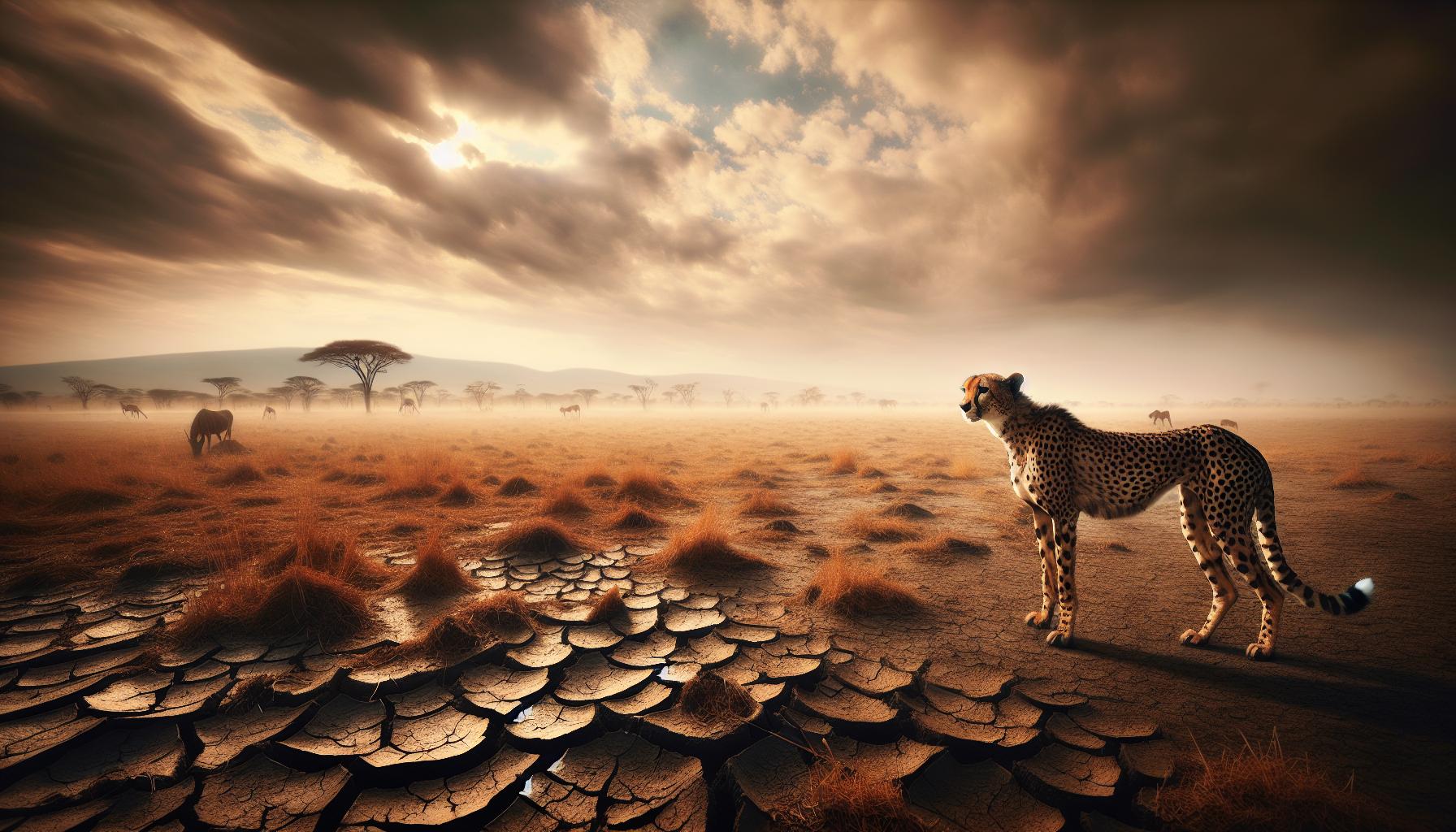
The Role of Ecosystems in Cheetah Survival
The delicate balance of ecosystems is vital for the survival of cheetahs, whose existence is intricately tied to the habitats they roam. Healthy ecosystems provide not only the shelter and structure cheetahs need for breeding and raising their young, but also ensure the abundance of prey species essential for their nourishment. As climate change drives shifts in temperature and precipitation patterns, these ecosystems are increasingly threatened, leading to a cascading effect on cheetah populations.
Cheetahs primarily inhabit savannas and grasslands-ecosystems that thrive on specific climate conditions. When these environments experience disruptions, such as prolonged droughts or intense flooding, the vegetative cover essential for prey is compromised. For instance, the decline of key herbivores like gazelles and impalas directly impacts cheetah hunting success. Consequently, cheetahs may be forced to expand their range in search of food, leading to increased competition with other predators and even higher mortality rates due to starvation or conflict.
Strategies for Ecosystem Restoration
Promoting ecosystem resilience is critical for the well-being of cheetahs. Effective conservation strategies involve multi-stakeholder engagement, including local communities, conservation organizations, and governments. Practical actions can include:
- Restoration of Native Vegetation: Planting endemic plant species can restore habitats, providing food and cover for both prey and cheetahs.
- Improved Water Management: Creating water holes or managed wetlands can sustain prey populations during dry spells, ensuring that cheetahs have ample hunting opportunities.
- Monitoring and Research: Conducting regular ecological assessments helps track changes in habitat conditions and prey availability, aiding in adaptive management strategies.
- Community Education: Educating local populations on the importance of ecosystems can foster a collaborative attitude towards conservation, mitigating human-wildlife conflict.
By cultivating awareness and involvement within local communities, we can nurture a shared responsibility for conserving the ecosystems that support not only the cheetah but also the myriad of species within their habitat. As we strive to mitigate the impacts of climate change, understanding the crucial role ecosystems play in the survival of iconic species like the cheetah becomes imperative. This holistic approach ensures that both wildlife and human communities can thrive together in a changing world.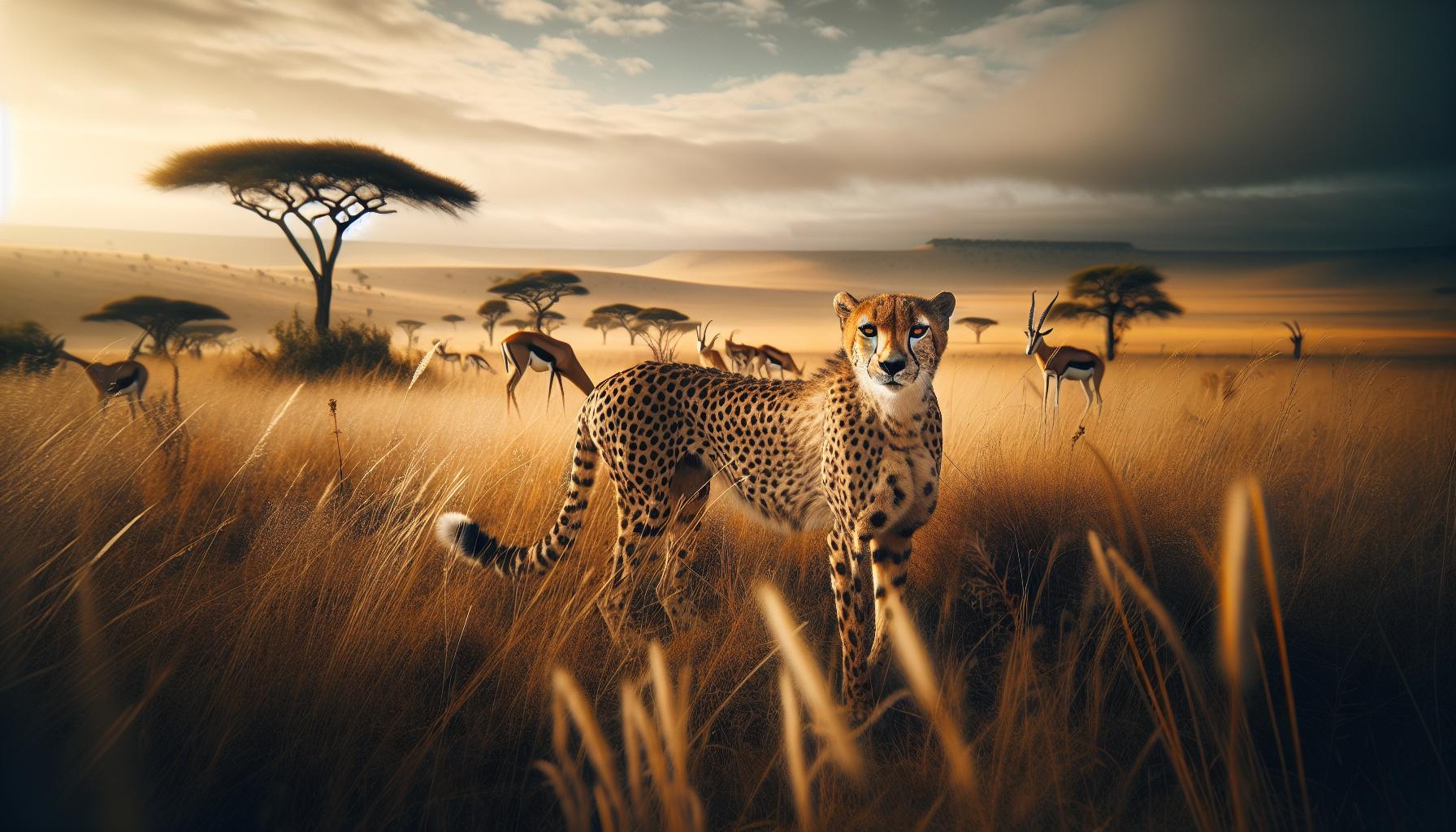
Temperature Increases and Cheetah Behavior Changes
As global temperatures rise due to climate change, the behavior of cheetahs-previously finely tuned to their natural environment-begins to shift in response to the increasing heat and changing conditions. Cheetahs, which are already adapted to warm climates, experience stress when temperatures exceed their comfort zone, leading to significant changes in their daily routines and hunting strategies. For instance, during the hottest parts of the day, they may alter their hunting patterns to become more nocturnal, seeking cooler temperatures to conserve energy, which influences prey dynamics and predator interactions in their habitats.
The impact of temperature increases on prey availability is also profound. Cheetahs rely heavily on specific prey species that inhabit the savannas and grasslands they call home. As climate change alters the habitat, some prey species may migrate to cooler areas or see their populations dwindle due to environmental stressors. This can force cheetahs to travel greater distances in search of food, increasing their energy expenditure and the risk of encounters with larger predators like lions or hyenas, which can threaten their survival.
To manage these challenges, local conservation efforts can play a pivotal role. Implementing measures such as developing shaded areas in protected parks or creating wildlife corridors can help mitigate the impacts of rising temperatures. In addition, strategies aimed at restoring and maintaining healthy ecosystems will ensure that both cheetah and prey populations remain stable, providing a more resilient environment that can cope with the ongoing pressures of climate change. Involving local communities in conservation efforts not only enhances ecological resilience but also fosters a sustainable relationship between wildlife and people, essential for protecting these iconic predators.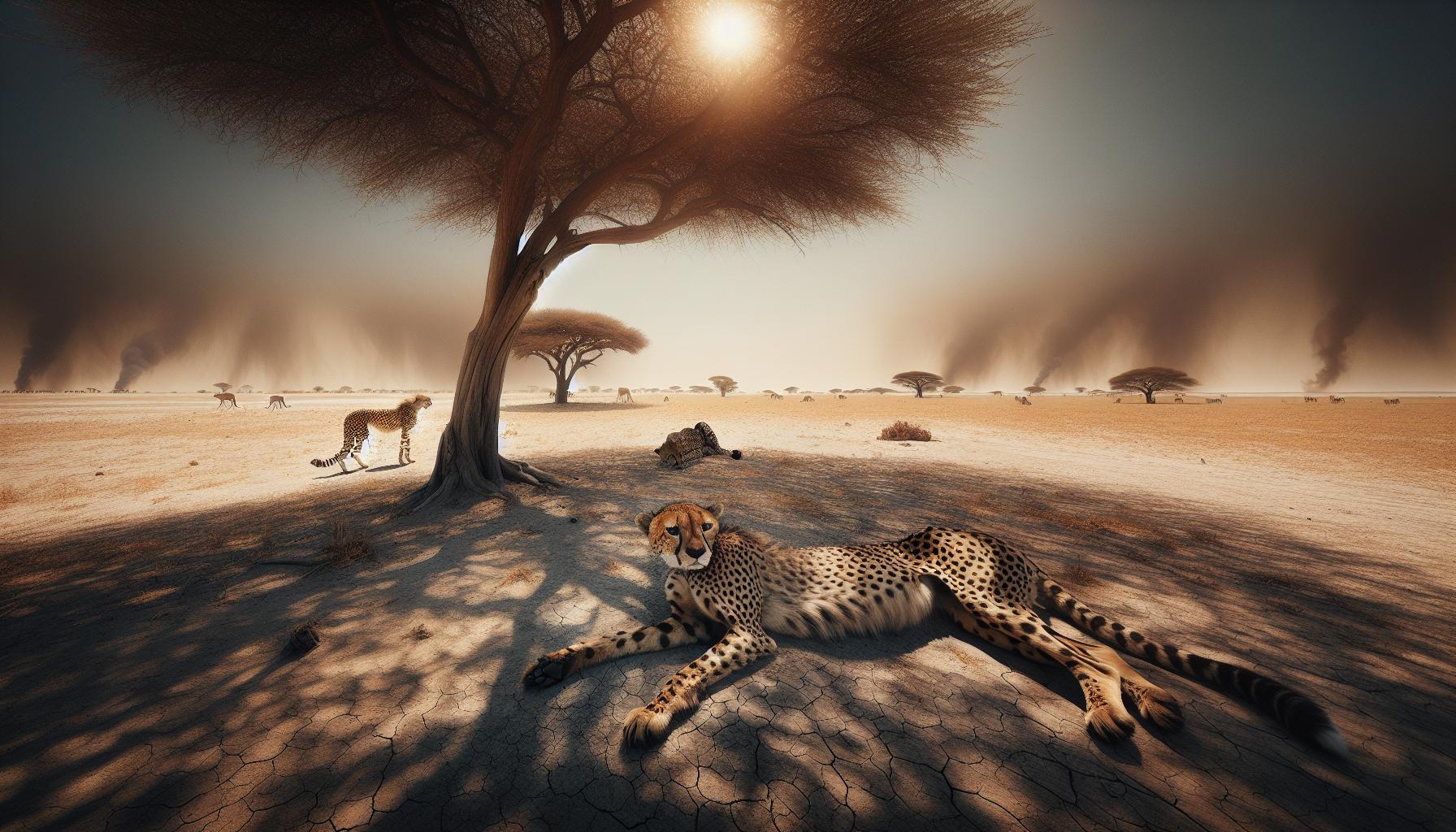
Effects of Drought on Cheetah Prey Availability
Drought conditions, becoming increasingly frequent due to climate change, present severe challenges for cheetahs by drastically affecting their prey availability. The intricate balance of the ecosystems where cheetahs thrive is delicate; as drought diminishes vegetation and water sources, the survival of key prey species-like antelopes and hares-becomes precarious. When these herbivores struggle to find food and water, their populations decline, leading to a ripple effect that leaves cheetahs with fewer hunting opportunities.
- Impact on Prey Populations: Drought reduces the availability of the grasses and shrubs that herbivores depend on for sustenance. As these plants wilt under extreme heat and lack of moisture, smaller prey species may migrate in search of better conditions, or they might face starvation, leading to a significant decline in their numbers.
- Increased Competition: With fewer prey available, cheetahs must travel longer distances to hunt, which not only increases their energy expenditure but also heightens their risk of confrontations with larger predators like lions and hyenas, who may dominate them in these scarce conditions.
- Hunting Strategy Adjustments: As prey becomes harder to find, cheetahs might alter their hunting methods or patterns, possibly leading them to hunt at different times or in different locations. This adaptation, while essential for survival, can put additional strain on their energy reserves as they change their routine.
The current trends emphasize the need for proactive conservation measures to address these challenges. Establishing protected areas with adequate water supplies can help support both cheetah populations and their prey during times of drought. Furthermore, community engagement in conservation initiatives can lead to sustainable land-use practices that help restore vital ecosystems. For example, initiatives that enhance grassland health through controlled grazing or reforestation can improve habitat resilience against drought effects. By focusing on both immediate solutions and long-term ecosystem health, we can work toward ensuring the survival of cheetahs amid the mounting pressures of climate change.
Human-Wildlife Conflict Escalation Due to Climate Change
As climate change progresses, the delicate balance between wildlife and human populations becomes increasingly strained, leading to a rise in human-wildlife conflict. In regions where cheetahs reside, the escalation of these conflicts presents significant challenges-not only for the majestic cats themselves but also for the livelihoods of local communities. For instance, as extreme weather patterns disrupt traditional ecosystems, cheetahs may venture closer to farmland in search of prey, increasing encounters with livestock. This situation often leads to retaliatory actions from farmers, who view cheetahs as threats to their animals and income.
Economic factors play a pivotal role in these conflicts. As drought conditions intensify, farmers may suffer from reduced crop yields, creating a sense of desperation. In such circumstances, livestock becomes even more critical to their survival, further incentivizing negative interactions with cheetahs. Additionally, when cheetahs are forced to hunt in more populated areas, it increases their risk of injury or death, either through direct conflict or as a result of traps laid for other wildlife.
To mitigate human-wildlife conflict, it is essential to foster community engagement and education. Initiatives that promote coexistence strategies can significantly reduce tensions. For example, employing non-lethal deterrents-like livestock guardian dogs or protective enclosures-can safeguard livestock without harming cheetahs. Community-based conservation programs that involve local stakeholders in decision-making processes also cultivate a sense of shared responsibility and ownership over wildlife conservation efforts. By highlighting the importance of healthy ecosystems and the role of cheetahs in maintaining ecological balance, communities can be motivated to protect these iconic animals rather than view them solely as threats.
Moreover, governments and conservation organizations can support these endeavors through funding and resources directed toward conflict resolution strategies. Implementing training workshops on sustainable agricultural practices not only equips farmers with the skills to coexist with wildlife, but it also opens discussions about the broader ecological benefits of maintaining healthy predator populations. By adopting a collaborative approach to wildlife management, we can alleviate the pressures of climate change on both cheetahs and the communities that share their habitats.
Conservation Strategies for Cheetahs in a Warming World
As the impacts of climate change become more pronounced, innovative conservation strategies are essential to ensure the survival of cheetah populations. The urgency is underscored by alarming projections indicating that habitat loss, alongside changes in prey availability and habitat fragmentation, poses significant threats to these magnificent creatures. Implementing a multifaceted approach that focuses on habitat preservation, community engagement, and adaptive management is crucial for fostering a resilient environment where cheetahs can thrive.
Collaborative Conservation Efforts
Community involvement is at the heart of effective wildlife conservation strategies. Engaging local populations in conservation initiatives not only empowers them but also provides a practical framework for reducing human-wildlife conflict. Community-based projects, such as employing Livestock Guarding Dogs (LGDs) or constructing predator-proof enclosures, have proven successful in minimizing livestock losses to cheetahs without harming the cats themselves. Programs that educate communities about the ecological importance of cheetahs-with a focus on their role in regulating prey populations-can foster a protective attitude toward these animals rather than viewing them solely as threats.
Habitat Restoration and Protection
Restoring and safeguarding natural habitats is pivotal in countering the adverse effects of climate change. Protecting existing reserves and corridors that facilitate wildlife movement can help mitigate habitat fragmentation. Conservationists are increasingly utilizing landscape-scale approaches to create interconnected wildlife corridors that allow cheetahs access to vast territories necessary for hunting and breeding, especially as climate conditions shift. By advocating for land-use policies that prioritize wildlife habitat, we can help maintain the ecological integrity of regions that support biodiversity.
Adaptive Management Practices
Utilizing adaptive management practices enables conservationists to respond proactively to changing environmental conditions. This involves monitoring wildlife populations and their habitat requirements over time, adjusting strategies accordingly. For example, employing satellite imagery and technological tools can assist in tracking cheetah movements and understanding their habitat use relative to climate variations. Such data-driven approaches can inform decision-making and lead to more effective conservation measures tailored to present-day challenges.
Global Cooperation and Funding
International collaboration and robust funding strategies are essential to support these localized conservation efforts on a larger scale. Global initiatives, such as the African Lion and Cheetah Coalition, aim to leverage resources and expertise from various countries to implement conservation action plans that address both ecological resilience and economic sustainability. By channeling funds into community-led initiatives, restoring habitats, and developing education programs, we empower communities to become stewards of their natural resources while ensuring the long-term survival of cheetahs amidst the challenges posed by climate change.
In conclusion, through collaborative approaches that honor the needs of local communities, proactive habitat restoration efforts, adaptive management techniques, and global partnerships, we can create a future where cheetahs not only survive but thrive in a warming world. These strategies not only aim to preserve wildlife but also contribute to healthier ecosystems, benefiting both human populations and biodiversity as a whole.
Adaptation Mechanisms of Cheetahs to Climate Shifts
As the climate shifts, cheetahs are faced with the urgent need to adapt to changing environments that threaten their survival. Not only do they have to contend with rising temperatures and altered precipitation patterns, but they must also find ways to adjust their hunting and territorial behaviors in response to the fluctuating availability of prey and habitat conditions. Understanding these adaptation mechanisms is crucial for conservation efforts aimed at safeguarding this iconic species.
One of the primary behavioral adaptations observed in cheetahs involves changes in hunting strategies depending on weather variations and prey availability. Cheetahs typically prefer open grasslands where they can utilize their exceptional speed to chase down prey. As climate change leads to habitat degradation and increased competition for food, cheetahs have been observed expanding their hunting ranges into less familiar territories. This tactical flexibility can sometimes pay off, but it also puts them at greater risk of encountering human settlements and domestic livestock, raising the tension between conservation and local livelihoods.
Moreover, temperature increases can significantly affect cheetah physiology and breeding patterns. Cheetahs are known to be sensitive to heat, which can impede their hunting efficiency and reproductive success. In extreme heat, these big cats have been recorded altering their active hours, often becoming more crepuscular, hunting at dawn and dusk when temperatures are lower. Conservation strategies targeting the preservation of cooler microhabitats, such as those found near water bodies, can offer cheetahs refuge from extreme heat and provide essential resources for hunting and breeding.
Community involvement plays a pivotal role in supporting these natural adaptations. By fostering local engagement through educational programs that highlight the cheetah’s ecological importance, communities can help reduce human-wildlife conflicts. For instance, initiatives involving the use of livestock guarding dogs or predator-proof enclosures can deter cheetah predation on livestock, thereby allowing these graceful hunters to thrive with less interference from human activities.
In conclusion, the adaptability of cheetahs to climate shifts is a complex interplay of behavioral flexibility, physiological responses, and cooperative conservation efforts. By implementing strategies that protect their habitats and promote coexistence with local communities, we can enhance the resilience of cheetah populations in a warming world. Addressing these challenges requires an informed and synergistic approach that combines scientific insight with local wisdom, paving the way for a sustainable future for both cheetahs and the diverse ecosystems they inhabit.
Impact of Climate Change on Cheetah Reproduction
With a dwindling population and increasing environmental pressures, the future of cheetah reproduction is gravely endangered by climate change. As temperatures rise and weather patterns become less predictable, these factors not only disrupt the habitats where cheetahs thrive but also affect their reproductive cycles. In the wild, reproduction is closely tied to the environmental stressors they face, which can impact everything from breeding timing to cub survival rates.
Increased temperatures can lead to heat stress in cheetah mothers, affecting gestation and the health of nursing cubs. Heat stress may result in lower birth rates and higher infant mortality. A notable example can be seen in other wild cats that experience similar challenges-elevated heat can disrupt Estrus cycles and reduce the likelihood of successful mating. Studies have shown that when temperatures consistently exceed comfortable levels for these animals, reproductive activities dwindle. In response, many cheetahs may also alter their breeding patterns to times of lower temperature, which can impact population dynamics.
Moreover, altered precipitation patterns can lead to habitat degradation, affecting prey availability, which, in turn, influences cheetah reproduction. When prey becomes scarce due to drought or habitat loss, not only do mother cheetahs struggle to provide enough nourishment for their cubs, but the competition for food intensifies, leading to more significant stress on the mothers. This stress can further delay breeding and disrupt the vital bonding that occurs between mothers and their young in the crucial early weeks of life.
To mitigate these effects on cheetah reproduction, implementing conservation strategies is essential. This can involve creating protected areas with adequate prey density and stable habitats, as well as establishing climate-resilient corridors that help facilitate movement between these areas. Local communities can engage in these efforts by becoming stewards of the land, promoting responsible tourism, and participating in programs that promote coexistence-such as livestock protection initiatives that can alleviate human-wildlife conflict and create safer environments for breeding.
In summary, the is multifaceted, necessitating a combined approach of habitat preservation, prey management, and community involvement to ensure the survival of this cherished species. Each action taken in conservation not only aids the direct survival of cheetahs but also emphasizes the interconnectedness of climate health and wildlife reproduction, echoing a larger narrative of global ecological balance.
The Importance of Community Involvement in Conservation
The survival of cheetahs in a rapidly changing climate hinges significantly on the active involvement of local communities. The concept of community-based conservation emphasizes the power of local knowledge and participation, creating a shared sense of responsibility for the environment and its wildlife. When communities recognize the intrinsic value of cheetahs and their habitats, they become vital partners in conservation efforts.
One striking example of this collaboration is observed in Namibia, where initiatives such as the Cheetah Conservation Fund (CCF) have successfully integrated local stakeholders into conservation practices. By educating communities about the ecological importance of cheetahs, CCF has fostered a cultural shift, transforming attitudes towards these majestic creatures from viewing them as threats to livestock into appreciating them as crucial components of the ecosystem. This shift is supported by programs that offer financial incentives and resources for developing wildlife-friendly livestock management techniques, thereby reducing human-wildlife conflict.
Practical Strategies for Community Involvement
To enhance community involvement in cheetah conservation, several practical strategies can be implemented:
- Education and Awareness: Workshops and training sessions can inform local residents about the ecology of cheetahs, emphasizing their role in maintaining biodiversity.
- Incentive Programs: Programs that reward communities for their conservation efforts can create a financial motivation for protecting wildlife, such as compensation for livestock losses due to predators.
- Collaborative Monitoring: Engaging communities in wildlife monitoring initiatives fosters a sense of ownership and stewardship over local ecosystems. Local individuals can help track cheetah movements and report on their populations, contributing valuable data to conservationists.
- Promoting Eco-Tourism: Developing eco-tourism ventures allows communities to benefit economically from wildlife without harming it. This can provide an alternative livelihood while simultaneously raising awareness about the importance of cheetahs.
Through these strategies, communities can play a robust role in the protection of cheetahs, ultimately leading to healthier ecosystems that support both wildlife and human needs. The interconnectedness of community welfare and environmental health is a vital component of effective conservation strategies, as illustrated by successful models like the one in Namibia, which exemplifies how grassroots involvement can lead to lasting conservation outcomes.
As climate change continues to pose serious threats to cheetah habitats, empowering local communities to take an active role in conservation will be essential. This approach not only enhances biodiversity but also ensures that conservation efforts are sustainable and culturally relevant, ultimately fostering a harmonious coexistence between humans and wildlife.
Future Projections: Cheetahs and Climate Scenarios
As we look toward the future, the fate of cheetahs in a changing climate invites both concern and hope. Research indicates that, if significant adaptation measures are not implemented, cheetah populations could decline sharply due to habitat loss, reduced prey availability, and increased human-wildlife conflict stemming from climate change. For instance, rising temperatures and altered rainfall patterns threaten the grassland and savanna ecosystems that cheetahs depend on for hunting and breeding. As these habitats shrink, the specialized hunting techniques that cheetahs have evolved may become less effective, forcing them to compete for dwindling resources, which could drive them further into conflict with humans transiting into their habitats due to agricultural expansion and infrastructural development.
Forward-looking conservation strategies must not only address immediate threats but also anticipate future challenges posed by climate scenarios. For instance, establishing wildlife corridors can ensure that cheetahs and their prey can migrate to more suitable habitats as climatic conditions shift. Such proactive measures can enhance genetic diversity, enabling populations to better adapt to changing environments. Additionally, community engagement in wildlife conservation initiatives proves vital. By involving local populations, conservation programs can foster stewardship and resilience, empowering communities to coexist with wildlife while mitigating the impacts of human activities.
Another crucial aspect is the development of adaptive management practices. Using technology, like GPS tracking, conservationists can gather real-time data on cheetah movements and behaviors, allowing for more responsive conservation efforts. This data-driven approach enhances understanding of not only cheetah ecology but also the dynamics of prey populations and human interactions, which can inform policies and practices that support both wildlife and human communities. By investing in sustainable land-use practices and promoting eco-tourism, communities can both protect cheetah habitats and provide alternative livelihoods, showcasing the interconnectedness of conservation and community welfare.
In conclusion, the future of cheetah populations hinges on a multi-faceted approach to conservation that marries science with local knowledge, prioritizes habitat preservation, and actively engages communities in the stewardship of their natural resources. The implementation of such strategies could yield a world where both humans and wildlife thrive, despite the mounting challenges climate change presents. By embracing informed optimism and taking decisive action today, we can pave the way for a more secure future for one of nature’s most iconic species.
Global Efforts and Policies Supporting Cheetah Conservation
Global initiatives are playing a pivotal role in ensuring the survival of cheetah populations in an era of climate change. Recognizing that conservation efforts cannot be limited to local actions, international collaborations are actively shaping policies aimed at mitigating the impacts of climate change on these magnificent big cats. One particularly striking example of such collaboration is the *Cheetah Conservation Fund*, which not only focuses on habitat restoration but also emphasizes the need for a global strategy in combating the increasing threats posed by climate shifts.
Key International Policies and Frameworks
Governments and non-governmental organizations have begun adopting comprehensive frameworks that promote the protection of wildlife corridors essential for cheetah migration. The *Convention on Biological Diversity (CBD)* mandates member states to protect their biological diversity, indirectly supporting cheetah conservation efforts. Such policies are crucial as they align with strategies to combat climate change, thereby enhancing the resilience of ecosystems in which cheetahs thrive.
Moreover, the *African Elephant and Cheetah Action Plan* serves as a targeted approach in regions where these species overlap. By fostering community involvement through sustainable land-use practices, the action plan aims to reduce human-wildlife conflicts exacerbated by climatic changes and agricultural pressures. Community engagement is pivotal; when local populations are empowered with the knowledge and resources to manage natural habitats sustainably, it leads to more effective conservation outcomes.
Real-World Examples of Successful Conservation Efforts
Different countries have tailored strategies that reflect their unique ecosystems and socio-economic conditions. For instance, in Namibia, the *Cheetah Conservation Fund* has developed a successful *landscape approach* that enhances habitats while educating local farmers on sustainable practices. By adopting a *livestock guardian program*, farmers are incentivized to protect their livestock from cheetahs, reducing retaliatory killings. This project not only supports cheetah safety but also encourages coexistence by demonstrating that protecting wildlife can align with agricultural success.
In addition, funding initiatives like the *Global Environment Facility* have provided essential resources for conservation projects aimed at restoring and maintaining habitats critical for cheetah survival. By channeling funds into reseeding efforts, water conservation, and anti-poaching measures, these initiatives underscore a multifaceted approach to biodiversity conservation that benefits not just cheetahs but entire ecosystems.
As communities and governments come together within these frameworks, the hope is to cultivate resilient habitats that can endure the pressures of climate change. Success in these areas showcases a blueprint not only for cheetah conservation but for global biodiversity efforts, affirming the adage that the survival of wildlife is inextricably linked to human actions. In this ongoing battle against climate change, fostering a genuinely collaborative spirit will be key to securing a future where both wildlife and people thrive harmoniously.
Frequently Asked Questions
Q: How does global warming specifically impact cheetah populations?
A: Global warming leads to increased temperatures and altered rainfall patterns, which directly affect cheetah habitats and prey availability. This can result in reduced hunting success and a decline in overall cheetah populations as they struggle to adapt to the changing environment [3].
Q: What role do ecosystems play in the survival of cheetahs under climate change?
A: Ecosystems are crucial for cheetah survival as they provide necessary resources like prey and shelter. Changes in climate can disrupt these ecosystems, leading to a reduction in prey species and increased competition with other predators, heightening the risk for cheetahs [3].
Q: How does drought affect cheetah hunting practices?
A: Drought reduces water and food availability, making prey animals scarce. This forces cheetahs to cover greater distances in search of food, ultimately impacting their energy levels and hunting success. Persistent drought conditions can severely threaten their survival [3].
Q: What impact does climate change have on cheetah reproduction?
A: Climate change can lead to mismatched breeding seasons and lower cub survival rates. Changes in habitat and prey availability can stress cheetah mothers, impacting their ability to raise healthy offspring, thereby threatening population sustainability [3].
Q: Can cheetahs adapt to climate change? How?
A: While some adaptation is possible, such as changes in hunting behavior or temporary relocation, cheetahs are primarily specialized hunters that require specific environmental conditions. Rapid climate changes may exceed their ability to adapt effectively [3].
Q: What conservation strategies are effective for protecting cheetahs from climate change?
A: Effective conservation strategies include habitat preservation, creating wildlife corridors, and enhancing community engagement in conservation efforts. These initiatives help maintain ecosystem stability, supporting both cheetah and prey populations amid climate changes [3].
Q: How does human-wildlife conflict relate to climate change and cheetah safety?
A: Climate change can exacerbate human-wildlife conflict as food and water shortages drive cheetahs closer to human settlements. This can lead to increased hunting and retaliation from farmers, further endangering their populations [2].
Q: Why is community involvement crucial for cheetah conservation in a changing climate?
A: Community involvement is essential because local populations can help monitor wildlife and protect habitats. Engaging communities in conservation education fosters a shared responsibility, enhancing the effectiveness of conservation efforts against climate change impacts [3].
Concluding Remarks
As we’ve explored, climate change poses a significant threat to cheetah populations, affecting their habitats and prey availability. It’s crucial to understand these impacts to drive urgent action for their conservation. We encourage you to share your thoughts in the comments and engage with our content on related topics, such as “Top Strategies for Wildlife Conservation” or “The Role of Ecosystems in Climate Resilience.”
If you found this information valuable, consider subscribing to our newsletter for the latest insights on environmental challenges and conservation efforts. Together, we can make a difference in protecting not just cheetahs but the entire ecosystem they inhabit. Remember, every action counts, and your awareness can catalyze significant change. Let’s keep the conversation going and elevate our commitment to wildlife preservation!