Did you know that green sea turtles, beautiful creatures often seen gliding majestically through our oceans, are facing dire threats due to climate change? Rising temperatures and sea levels, along with increased storm intensity, are not just environmental concerns; they are urgent issues impacting the survival of these magnificent reptiles. As their nesting beaches erode and oceanic habitats alter, understanding the effects of climate change on green sea turtles becomes essential for their conservation and our ecosystem’s health. This exploration highlights not only the challenges they face but also how these challenges ripple through marine biodiversity and the well-being of coastal communities. Join us as we delve into the vital link between climate conditions and the future of green sea turtles, revealing how informed actions today can lead to a healthier planet tomorrow. Your awareness and engagement can make a difference!
How Climate Change Affects Green Sea Turtle Habitats
Despite their long history on Earth, green sea turtles are facing significant threats from climate change that compromise their habitats. As one of the most resilient marine species, these turtles are now at a crossroads due to rapidly changing environmental conditions, which necessitate immediate attention and action.
The Impact of Rising Ocean Temperatures
As global temperatures rise, ocean waters are warming, which affects green sea turtles and their habitats in several ways. Elevated sea temperatures can lead to coral bleaching, diminishing the health of reefs where turtles often feed. Moreover, this change can disrupt the delicate balance of marine ecosystems, altering the availability of seagrasses-critical feeding grounds for green sea turtles. Warmer waters can also affect the reproductive success of turtles, as temperature influences the hatchling sex ratio; higher temperatures tend to produce more females, potentially leading to population imbalances.
Threats from Sea-Level Rise
Sea-level rise poses another considerable threat, particularly to nesting sites. Green sea turtles typically nest on sandy beaches, and as sea levels rise, these areas can become submersed or eroded. Rising waters not only reduce available nesting habitat but can also increase the risk of flooding on beaches, jeopardizing turtle eggs and hatchlings before they even have a chance to survive. In some cases, this leads to female turtles abandoning traditional nesting sites for less suitable areas, which may not offer the required conditions for hatchlings.
Impacts of Ocean Acidification
Ocean acidification, caused by increased carbon dioxide levels being absorbed by the sea, poses an additional risk. As the pH of ocean waters decreases, it creates unfavorable conditions for many marine organisms, particularly those with calcium carbonate shells, which play a crucial role in the marine food web. For green sea turtles, these changes can diminish the availability and health of seagrass beds-an essential component of their diet. Consequently, a decline in these habitats can directly impact their survival and growth rates.
Practical Conservation Strategies
To combat these threats and ensure the survival of green sea turtles, practical conservation strategies are crucial. Engaging local communities in beach clean-up efforts, promoting responsible tourism, and establishing marine protected areas (MPAs) are proactive measures that can significantly bolster turtle habitats. By raising awareness about the impacts of climate change on these magnificent creatures, we encourage collective responsibility and action. Implementing policies that address climate change at larger scales by reducing greenhouse gas emissions is also vital in preserving both turtle habitats and marine biodiversity for generations to come.
In summary, climate change is drastically altering the environments where green sea turtles thrive, posing a multitude of threats that require immediate and coordinated conservation efforts. By understanding these challenges and taking action, we can protect not only the turtles but also the broader marine ecosystems they inhabit.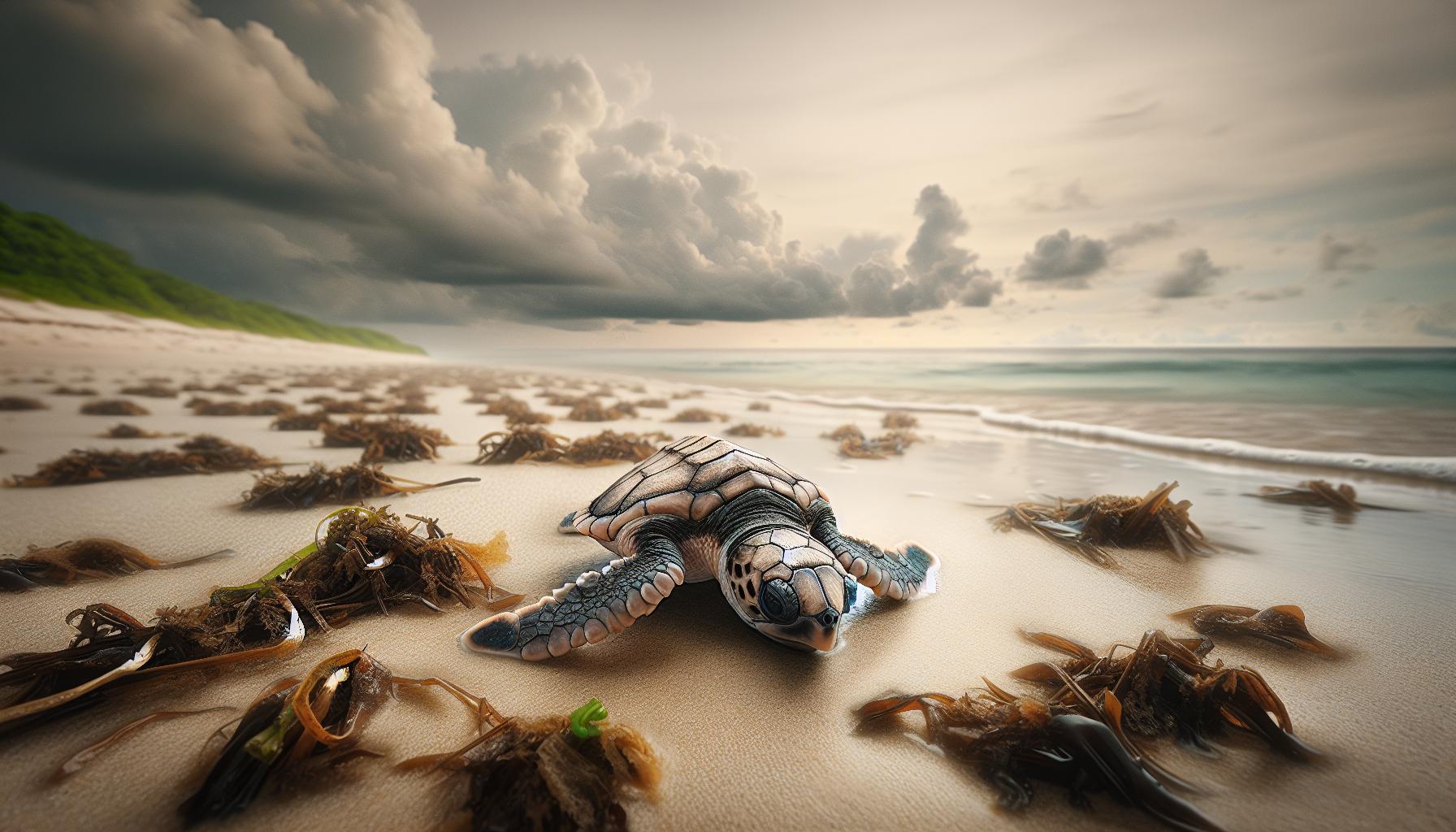
The Impact of Rising Ocean Temperatures on Turtles
Rising ocean temperatures have become a significant threat to green sea turtles, affecting their habitats and overall survival. As global temperatures climb, the consequential warming of ocean waters leads to a cascade of challenges. For instance, warmer waters can trigger coral bleaching, which not only affects the vibrant underwater ecosystems but also depletes the food sources that turtles rely on. Healthy coral reefs are crucial as they support a diverse marine life, including the seagrass beds that green sea turtles graze on. Without robust seagrass meadows, the availability of critical nutrients diminishes, impacting the growth and health of these majestic creatures.
Moreover, temperature fluctuations directly affect the reproductive success of green sea turtles. Research indicates that the temperature of the sand where turtle eggs are buried can influence the sex ratio of hatchlings. Higher temperatures tend to produce more female turtles, leading to a significant imbalance in population dynamics over time. This skewed ratio can pose serious risks to the species’ future, as successful reproduction relies on a balanced male-to-female ratio to ensure fertilization and genetic diversity.
To actively combat these impacts, proactive measures are essential. Engaging communities in habitat restoration projects to safeguard seagrass beds and coral reefs can foster healthier ecosystems. Public awareness campaigns can also educate stakeholders about the importance of reducing greenhouse gas emissions and supporting sustainable practices that mitigate climate change effects. For instance, beach clean-ups not only help maintain nesting sites but also improve overall ocean health, creating a conducive environment for turtles to thrive.
In conclusion, the effects of rising ocean temperatures on green sea turtles illustrate the intricate connections within marine ecosystems. By fostering informed curiosity and local involvement in conservation efforts, we can help protect these iconic species and their habitats, ensuring their existence for future generations.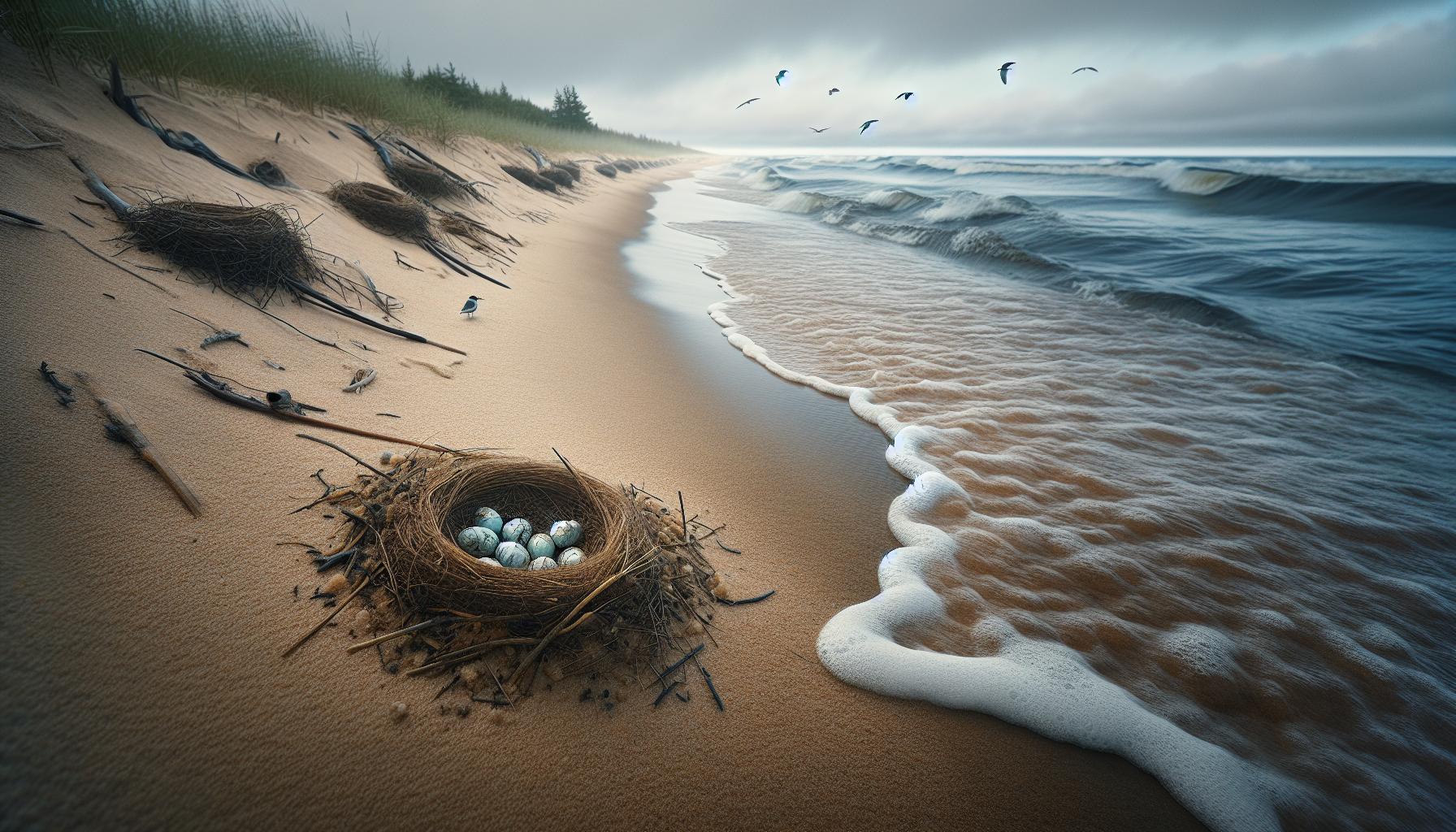
Sea-Level Rise and Its Threat to Nesting Sites
As sea levels continue to rise due to climate change, green sea turtles face an increasing threat to their critical nesting sites along coastlines. It is estimated that many nesting beaches could become submerged, drastically reducing the available areas where female turtles can lay their eggs. Not only does this lead to a loss of nesting habitat, but it also raises the risk of increased flooding at nesting sites, which can wash away nests and harm developing eggs.
Vulnerability of Coastal Ecosystems
Green sea turtles typically nest on sandy beaches, which are particularly vulnerable to the effects of rising sea levels. These habitats are often dynamic, changing with tides and storms. The encroachment of saltwater can degrade nesting beaches, making them less suitable for egg-laying. Researchers have documented instances where nests were inundated by high tides or storm surges, leading to complete loss of hatchlings. With projections suggesting sea levels could rise by as much as 1 meter by the year 2100, the urgency to address this issue is becoming clearer.
Long-Term Impacts on Turtle Populations
The long-term implications for green sea turtle populations are concerning. Reduced nesting success due to habitat loss can lead to declines in hatchling numbers, further threatening the already vulnerable status of certain populations. In some regions, conservationists are actively monitoring nesting sites to understand shifting patterns and help mitigate the impact. Strategies such as creating artificial nesting sites in safer areas or employing managed retreat approaches can be vital in adapting to these changes.
Furthermore, protecting and restoring coastal ecosystems-such as mangroves and dunes-can act as natural barriers against rising seas, ensuring that these critical habitats remain intact. Engaging local communities in conservation efforts not only fosters greater awareness but also encourages sustainable practices that can help mitigate climate change impacts. In essence, by prioritizing habitat protection and restoration, we can provide green sea turtles with a fighting chance against the challenges of sea-level rise.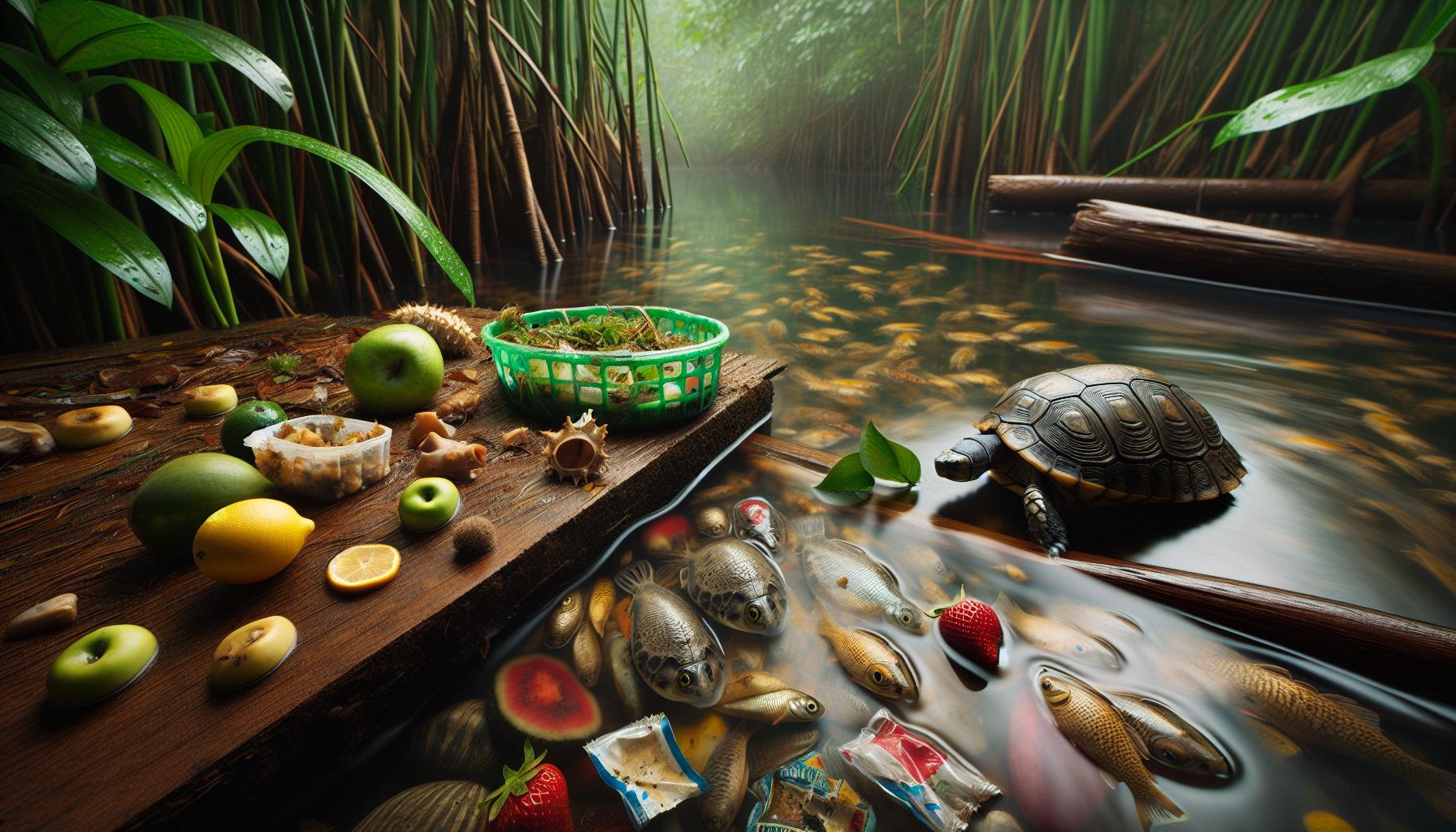
Changing Food Sources: The Effect on Turtle Diet
As global climate patterns shift, so too do the delicate balances within marine ecosystems that green sea turtles depend on for survival. One of the most significant impacts of climate change on these turtles is the alteration of their food sources. Green sea turtles primarily feed on seagrasses and algae, and any disruption to these habitats can have dire consequences for their health and reproductive success.
Rising ocean temperatures can drastically affect the distribution and growth of seagrass meadows, which thrive in specific temperature ranges and light levels. With warmer waters, certain algae blooms can become more prevalent, often leading to a decline in the quality of seagrass beds. Moreover, ocean acidification-resulting from increased carbon dioxide absorption by the sea-can hinder the growth of marine plants, further reducing available food.
Impact on Diet Availability
In addition to the direct effects of temperature and acidity, changing ocean currents and weather patterns can shift the locations of seagrass beds. For instance, if nutrients are washed into coastal areas, it may promote algae growth but displace seagrass, fundamentally altering the trophic landscape turtles rely on. This change not only diminishes their primary food sources but can also lead to decreased nutrition and energy availability for growth, breeding, and overall survival.
To adapt to these food source changes, green sea turtles might be forced to shift their areas of foraging, moving greater distances to find suitable habitats. This increase in travel can lead to higher energy expenditure and increased risk of predation or human-induced threats, such as boat strikes.
Conservation Strategies to Safeguard Food Sources
Understanding these challenges, conservation efforts are crucial to mitigate the impact of climate change on green sea turtles’ diets. Protecting and restoring seagrass habitats is vital, as it can enhance the resilience of these ecosystems amidst changing environmental conditions. Local governments and organizations can work together to:
- Establish marine protected areas that restrict harmful activities like overfishing or coastal development.
- Implement sustainable fishing practices that reduce bycatch and maintain the integrity of turtle habitats.
- Engage in restoration projects to replant seagrass and manage nutrient runoff, which directly influences the health of marine plants.
By taking practical actions to preserve and enhance the food sources of green sea turtles, we can foster an environment in which these remarkable creatures can continue to thrive despite the ongoing challenges posed by climate change.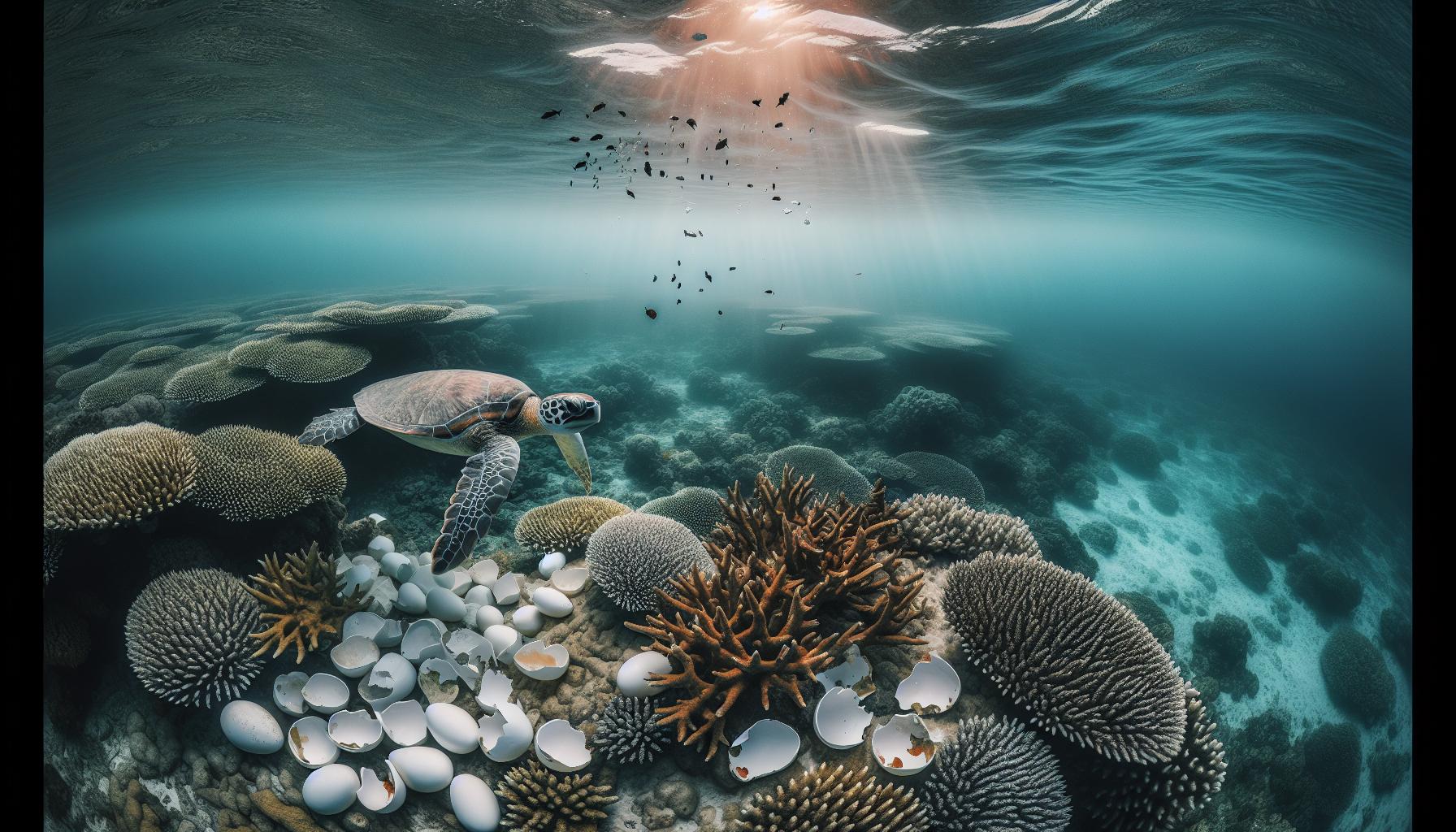
Effects of Ocean Acidification on Turtle Survival
As the oceans absorb increasing amounts of carbon dioxide due to climate change, a significant consequence is the rise in ocean acidity, which poses a substantial threat to marine life, including green sea turtles. Ocean acidification alters the chemical composition of seawater, reducing carbonate ions that are crucial for the formation of calcium carbonate structures. This impacts not only shelled organisms, such as corals and mollusks but also the broader marine ecosystem that supports turtles.
The effects of acidification extend to the food sources that green sea turtles depend on. For instance, seagrass beds, which they rely on for nutrition, can be adversely affected by changing pH levels. Acidified waters may disrupt the growth of seagrasses and other marine plants, impacting their health and distribution. Additionally, as marine ecosystems undergo shifts in species composition and health, turtles may face challenges in finding sufficient food, thereby affecting their growth, reproduction, and overall survival.
Given these challenges, it is essential to implement targeted conservation strategies aimed at mitigating the impacts of ocean acidification. One approach is to invest in scientific research and monitoring programs that enhance our understanding of how acidification affects marine habitats and the species they host. This knowledge can guide effective management practices, ensuring that marine protected areas are designed not only to limit human activities but also to enhance the resilience of marine ecosystems.
Moreover, community engagement in preservation initiatives can lead to significant improvements in habitat health. Local organizations can promote activities that reduce nutrient runoff and limit pollution, which exacerbate the effects of acidification. By fostering a shared responsibility for ocean health, we can help create more robust ecosystems that support green sea turtles and contribute to the overall resilience of marine environments.
Increased Storm Intensity: Risks to Green Sea Turtles
Severe storms, fueled by climate change, pose a significant threat to the safety and survival of green sea turtles. With rising ocean temperatures contributing to the frequency and intensity of hurricanes and tropical storms, these majestic creatures face heightened risks during their critical nesting and foraging periods. For instance, storms can directly damage nesting sites on beaches, causing nests to wash away or become inundated with saltwater, which can be fatal to turtle eggs. This disruption in reproductive success can have cascading effects on population dynamics, leading to declines in young turtle cohorts.
Efforts to mitigate these risks can focus on both immediate protective measures and long-term strategies. Community stakeholders can engage in beach restoration projects that enhance the resilience of nesting sites. Techniques such as sand renourishment and the installation of protective barriers can provide physical safeguards against storm surges. Furthermore, creating awareness among local communities about the importance of protecting nesting habitats can foster grassroots initiatives aimed at safeguarding these critical areas.
Another essential aspect of addressing increased storm intensity is the integration of climate adaptation strategies into conservation planning. For example, establishing marine protected areas (MPAs) can enhance the overall health of marine ecosystems, making them more resilient to storm impacts. Well-managed MPAs not only protect green sea turtles and their habitats but also support the biodiversity they rely on, thereby bolstering food sources during challenging times.
Importantly, collaboration is key. Engaging local fishermen, conservation organizations, and government agencies can lead to innovative solutions that balance human activity with environmental preservation. By working together to implement adaptive practices that consider both ecological and community needs, we can contribute to a brighter future for green sea turtles amid a changing climate.
Migration Patterns Shifts Due to Climate Change
As climate change continues to reshape our planet, the migration patterns of green sea turtles are undergoing significant alterations that could have profound long-term implications on their survival. These turtles, which typically migrate long distances between feeding and nesting grounds, are beginning to adjust their routes and behaviors in response to changing ocean temperatures, currents, and habitat availability. For instance, warmer waters can shift the distribution of their prey, such as jellyfish and seagrass, compelling turtles to travel further or in different directions to find adequate food sources.
Shifts in Migration Routes
Many populations of green sea turtles are experiencing shifts in their established migration routes, primarily due to the warming of oceanic waters and changes in sea surface currents. Research indicates that certain populations are moving poleward in search of cooler, more suitable habitats. This migration can lead to conflicts with local fishing practices and conservation efforts, as turtles encounter new human activities in these previously unvisited areas. Stakeholders must consider the implications of these shifts, ensuring that policies adapt to the changing needs of both turtles and local fishing communities.
Impact of Ocean Currents
Current patterns in the ocean are also changing due to climate change, presenting additional challenges for migrating turtles. Enhanced currents can hinder their travel, increasing energy expenditure and potentially leading to decreased feeding opportunities. This increased effort can affect the health and overall reproductive success of females that require high energy reserves to nest. To mitigate these challenges, conservationists can explore the establishment of safe migration corridors that align with current patterns, ensuring these critical routes remain accessible.
Practical Steps for Conservation
To support green sea turtles as they adapt to these migratory challenges, several actionable strategies can be implemented:
- Research and Monitoring: Conducting ongoing research to track migration patterns through satellite telemetry can provide vital data on habitat use and changes.
- Community Engagement: Involving local communities in conservation efforts can foster a better understanding of the turtles’ needs and promote co-management of resources.
- Legislation and Policy: Advocating for policies that protect critical habitats along migration routes can help ensure that these areas remain viable for turtles.
By understanding and proactively addressing the shifts in migration patterns due to climate change, we can enhance the resilience of green sea turtle populations and foster a balanced coexistence with the ecosystems they inhabit. Continued collaboration between scientists, governments, and local communities will be key in developing effective conservation strategies to support these majestic creatures amid a rapidly changing climate.
The Role of Conservation Efforts in Mitigating Impact
The conservation of green sea turtles in the face of climate change is an urgent priority that can significantly impact their survival and adaptation. As ocean temperatures rise, nesting sites are threatened, and food sources become less predictable, proactive conservation measures are crucial for the resilience of turtle populations. Effective conservation strategies not only help protect these turtles but also strengthen the ecosystems they inhabit, promoting biodiversity and community engagement.
One effective approach is the establishment of marine protected areas (MPAs). These designated regions can provide safe environments for turtles, protecting critical habitats against overfishing and habitat destruction. For instance, MPAs can support the health of seagrass beds and coral reefs, both vital to the turtles’ diet and overall ecosystem balance. Engaging local communities in these efforts ensures that fishermen and coastal populations understand the long-term benefits of preserving marine habitats for future generations.
Community engagement also plays a key role in conservation success. Programs that educate local stakeholders about the importance of green sea turtles and their role in marine ecosystems can foster a sense of responsibility and stewardship. Initiatives like beach clean-up events not only improve nesting conditions but also strengthen local ties and awareness surrounding environmental issues. Furthermore, training programs can empower communities to monitor turtle populations and nesting sites, helping gather valuable data that inform further conservation strategies.
Legislation and policy advocacy are equally vital. Implementing and enforcing laws that protect nesting beaches from development and pollution is essential. Moreover, policies that mitigate climate change-such as reducing greenhouse gas emissions-are crucial for the long-term survival of these marine reptiles. Efforts to address ocean acidification and promote sustainable fishing practices also contribute to healthier ocean ecosystems, making it imperative for conservationists to work alongside policymakers and international organizations to drive meaningful change on multiple fronts.
In conclusion, through a combination of marine protected areas, community engagement, and robust legislative frameworks, conservation efforts can significantly mitigate the impacts of climate change on green sea turtles. Real-world success stories from various global initiatives show that collective actions can lead to positive outcomes, fostering not only the well-being of turtle populations but also enhancing the health of the oceans they inhabit. Empowering local communities and policymakers to work collaboratively is paramount in ensuring a future where green sea turtles can thrive despite the challenges posed by a changing climate.
How Climate Change Influences Turtle Population Dynamics
As global temperatures rise and climate patterns shift, green sea turtle populations find themselves navigating a precarious path toward survival. The very dynamics that shape these populations – reproductive rates, sex ratios, and migration patterns – are deeply influenced by climate change. For instance, warmer sands lead to increased female hatchlings due to temperature-dependent sex determination, which could skew populations over time, impacting genetic diversity and mating opportunities.
Changing Reproductive Dynamics
The alteration in nesting temperatures directly affects the sex ratio of hatchlings. With higher temperatures threatening to produce more females than males, future breeding populations may not reflect a healthy balance necessary for genetic resilience. This imbalance could result in reduced mating success and lower population growth rates. Conservation strategies must adapt to address these shifts. For example, monitoring nesting temperatures and considering the relocation of nests to cooler sites could be effective measures to maintain a balanced sex ratio.
Impact of Migration Patterns
As ocean temperatures and currents evolve, green sea turtles may need to adjust their migratory paths to forage for food or find suitable nesting sites. These shifts can lead to increased competition for resources in newly favored areas or even reduced access to critical habitats. Implementing marine protected areas (MPAs) can help safeguard essential foraging zones and facilitate adaptive migration routes. Additionally, engaging local fishing communities in the management of these areas can help reduce overfishing, ensuring ample food supplies for turtles.
Population Stressors and Resilience
Climate change stressors, including extreme weather and habitat loss, can exacerbate the vulnerabilities already faced by green sea turtles. Storms may destroy nesting sites, while habitat degradation leads to fragmentation and isolation of populations. Each of these factors makes it increasingly difficult for turtles to recover from environmental pressures. Coordinated conservation efforts, such as habitat restoration and legal protections for nesting beaches, are crucial to offset these challenges.
In conclusion, addressing requires not only an understanding of its immediate impacts but also proactive conservation efforts. By reinforcing existing populations through effective strategies, such as community engagement and habitat protection, we can cultivate a balanced and resilient future for green sea turtles. Bridging scientific insight with community action will be key in navigating the uncertain waters of a warming planet.
Human Factors: Pollution and Its Effects on Turtles
The oceans, the lifeblood for green sea turtles, are becoming increasingly polluted, creating a serious threat to their survival. Each year, millions of tons of plastic waste are dumped into the sea, affecting marine life in drastic ways. A staggering 90% of sea turtles have been found to have ingested plastic, mistaking it for food. This ingestion can lead to severe health issues such as intestinal blockage, malnutrition, and ultimately death. Additionally, harmful chemicals often found in polluted waters can bioaccumulate in the bodies of turtles, leading to long-term health problems that can affect reproduction and longevity.
Types of Pollution Impacting Sea Turtles
Pollution can be categorized into various types, each posing specific threats to green sea turtles:
- Plastic Pollution: Turtles often ingest plastic bags, which resemble their natural prey, jellyfish. This results in internal injuries and starvation.
- Chemical Pollution: Pesticides, heavy metals, and other toxic substances can accumulate in the marine environment, negatively affecting turtle physiology and reproductive capabilities.
- Oil Spills: Oil contaminates the delicate habitats turtles rely on for breeding and feeding, while also affecting their health through skin contact and ingestion.
- Marine Debris: Not only do turtles ingest debris, but they can also become entangled in fishing gear and other lost equipment, which can lead to injury or death.
Practical Solutions for Reducing Pollution
To combat the pollution crisis that affects green sea turtles, several strategies can be implemented at community and individual levels. Here are some actionable steps:
- Reduce Plastic Use: Encourage using reusable bags, bottles, and containers to minimize plastic waste.
- Participate in Clean-Up Efforts: Join local beach clean-ups to help remove debris from turtle habitats and prevent ingestion.
- Support Sustainable Practices: Advocate for policies that promote sustainable fishing and reduce chemical use in agriculture, protecting the waters where turtles live.
- Educate Others: Raise awareness about the impacts of pollution on marine life through community programs and educational initiatives.
Case studies from many coastal communities illustrate the power of local action. For instance, some areas have successfully implemented comprehensive waste management systems that significantly reduce plastic pollution entering the ocean. Such community-driven efforts not only protect vulnerable species like the green sea turtle but also foster a sense of environmental stewardship among residents.
By working together to address the pollution crisis, we can create a safer environment for green sea turtles and ensure their survival for generations to come. Engaging individuals, communities, and policymakers in meaningful action is vital to reversing the current trends of pollution and protecting our ocean ecosystems.
Case Studies: Successful Adaptations by Green Sea Turtles
Many green sea turtles exhibit remarkable adaptability in response to the challenges posed by climate change. For instance, nesting behavior has been observed to shift geographically as rising sea levels threaten traditional nesting sites. A notable case from Florida demonstrates how conservationists have successfully relocated nests to higher ground, where hatchlings can have a better chance of survival against flooding.
One unique adaptation involves temperature-dependent sex determination, which significantly impacts turtle populations. As ocean temperatures rise, there is a risk of skewed sex ratios, as warmer sands produce more females. To counteract this, some communities are experimenting with shaded nesting sites to maintain cooler sand temperatures. This proactive strategy not only preserves gender diversity but also promotes a healthier population dynamic overall.
Furthermore, studies along the Great Barrier Reef have highlighted how green sea turtles are shifting their diets in response to changing food availability linked to climate change. Research indicates that turtles are increasingly foraging on species that are more resilient to environmental changes, such as certain types of seagrass and algae. This adaptability showcases their resilience but also underscores the importance of protecting their feeding grounds from pollution and human activity.
Finally, partnerships between local fishing communities and conservation organizations have led to the creation of “turtle-friendly” fishing practices that minimize bycatch. These collaborative efforts demonstrate how engaging local stakeholders in conservation can yield positive outcomes for both the environment and the communities that depend on it. By fostering such innovative solutions and adaptations, we can enhance the survival prospects of green sea turtles in an era of unprecedented environmental change.
Faq
Q: How does climate change impact the nesting habits of green sea turtles?
A: Climate change significantly affects the nesting habits of green sea turtles by altering beach conditions and increasing sea levels. Warmer temperatures can lead to skewed sex ratios in hatchlings, as higher nest temperatures produce more females. For more insights, visit the section on “Sea-Level Rise and Its Threat to Nesting Sites.”
Q: What role does ocean acidification play in the survival of green sea turtles?
A: Ocean acidification poses a danger to green sea turtles by negatively affecting the availability of their primary food sources, like seagrasses and marine algae. These changes can disrupt the turtles’ diet and overall health. For a deeper understanding, refer to our section on “Effects of Ocean Acidification on Turtle Survival.”
Q: How are green sea turtles adapting to changing ocean temperatures?
A: Green sea turtles are adapting to changing ocean temperatures by altering their migration patterns and foraging behavior. These adaptations help them cope with shifts in food availability and habitat conditions. Learn more in the “Migration Patterns Shifts Due to Climate Change” section.
Q: Why are changing food sources a concern for green sea turtles?
A: Changing food sources due to climate change can lead to nutritional deficiencies for green sea turtles. As sea temperatures rise, the distribution of seagrasses and algae shifts, impacting their primary feeding grounds. For additional details, see “Changing Food Sources: The Effect on Turtle Diet.”
Q: What are the effects of increased storm intensity on green sea turtles?
A: Increased storm intensity can lead to habitat destruction, eroding nesting beaches and directly endangering turtles during storms. These extreme weather events can also disrupt breeding and feeding grounds. Explore the risks in our section on “Increased Storm Intensity: Risks to Green Sea Turtles.”
Q: How does climate change influence green sea turtle population dynamics?
A: Climate change influences population dynamics by affecting survival rates, reproductive success, and the distribution of breeding sites. Factors like higher temperatures and shifting habitats cause population fluctuations. For more on this topic, refer to “How Climate Change Influences Turtle Population Dynamics.”
Q: What is the significance of conservation efforts for green sea turtles affected by climate change?
A: Conservation efforts are critical in helping green sea turtles adapt to climate change by protecting nesting sites, restoring habitats, and reducing human threats. These initiatives can enhance resilience against environmental changes. For an overview, visit “The Role of Conservation Efforts in Mitigating Impact.”
Q: How can individuals help combat the effects of climate change on green sea turtles?
A: Individuals can help combat climate change impacts by reducing plastic use, participating in beach clean-ups, and supporting local conservation programs. Promoting sustainable practices contributes to preserving turtle habitats. For actionable steps, check our conservation guidance.
To Wrap It Up
As we’ve explored, climate change poses significant threats to green sea turtles, impacting their habitat, reproductive patterns, and food sources. These majestic creatures need our help now more than ever. Understanding their plight is the first step toward action – whether it’s advocating for conservation policies, reducing plastic waste, or supporting marine protection initiatives.
To dive deeper into related topics, check out our articles on marine conservation strategies and the effects of ocean pollution. If you’re passionate about making a difference, consider signing up for our newsletter for the latest updates on how you can contribute to these vital efforts. Every action counts, and together, we can create a future where green sea turtles thrive. Join the conversation and share your thoughts below – let’s keep this important dialogue going!