As the Arctic warms and sea ice continues to shrink, polar bears face unprecedented challenges to their survival. Their ability to adapt is not just a matter of species survival; it reflects the broader implications of climate change on ecosystems and human communities alike. These magnificent creatures are resourceful, learning to hunt in new ways and seek alternative food sources, but their future depends on our collective response to environmental crises. Understanding how polar bears are adapting offers us critical insights into resilience and the urgent need for conservation efforts. Join us as we explore the remarkable strategies these animals employ and what they reveal about the intricate balance of life in a changing world.
How Climate Change Affects Polar Bear Habitat
The diminishing sea ice due to climate change poses a dire threat to the habitat of polar bears, the iconic Arctic predators. Approximately 70% of polar bears depend on sea ice for their survival, relying on it for hunting seals, their primary prey. As global temperatures rise, this critical habitat is melting, leading to severe reductions in both the extent and thickness of sea ice. In recent decades, Arctic sea ice has decreased by about 40% during the summer months, directly impacting polar bears’ ability to hunt and breed. The earlier onset of spring melts and later formation of ice results in prolonged periods when bears are left without the necessary platforms to catch seals, consequently affecting their nutrition, reproductive success, and overall health.
The Impact on Habitat and Behavior
These habitat changes force polar bears to adapt in numerous ways. As their traditional hunting grounds shrink, some bears are compelled to travel greater distances in search of food, which increases energy expenditure. This behavioral shift can lead to higher mortality rates, particularly among younger bears, who lack the experience and stamina necessary for long-distance travel. Moreover, the fragmentation of ice leads to more solitary conditions, disrupting social structures and breeding patterns within populations. In some cases, bears have been observed foraging further inland for alternative food resources, like bird eggs and vegetation, though these are inadequate substitutes for their traditional seal diet.
Practical Steps Towards Mitigation
To support the survival of polar bears amidst these changes, collective action towards climate change mitigation is crucial. Strategies such as reducing greenhouse gas emissions, supporting renewable energy initiatives, and advocating for sustainable practices can help stabilize global temperatures. Local communities can also engage by participating in conservation programs that protect polar bear habitats and create awareness about their plight. By fostering collaboration between governments, organizations, and the public, we can forge a path towards a more sustainable coexistence with these majestic animals in a changing environment.
Physical Adaptations of Polar Bears to Survival
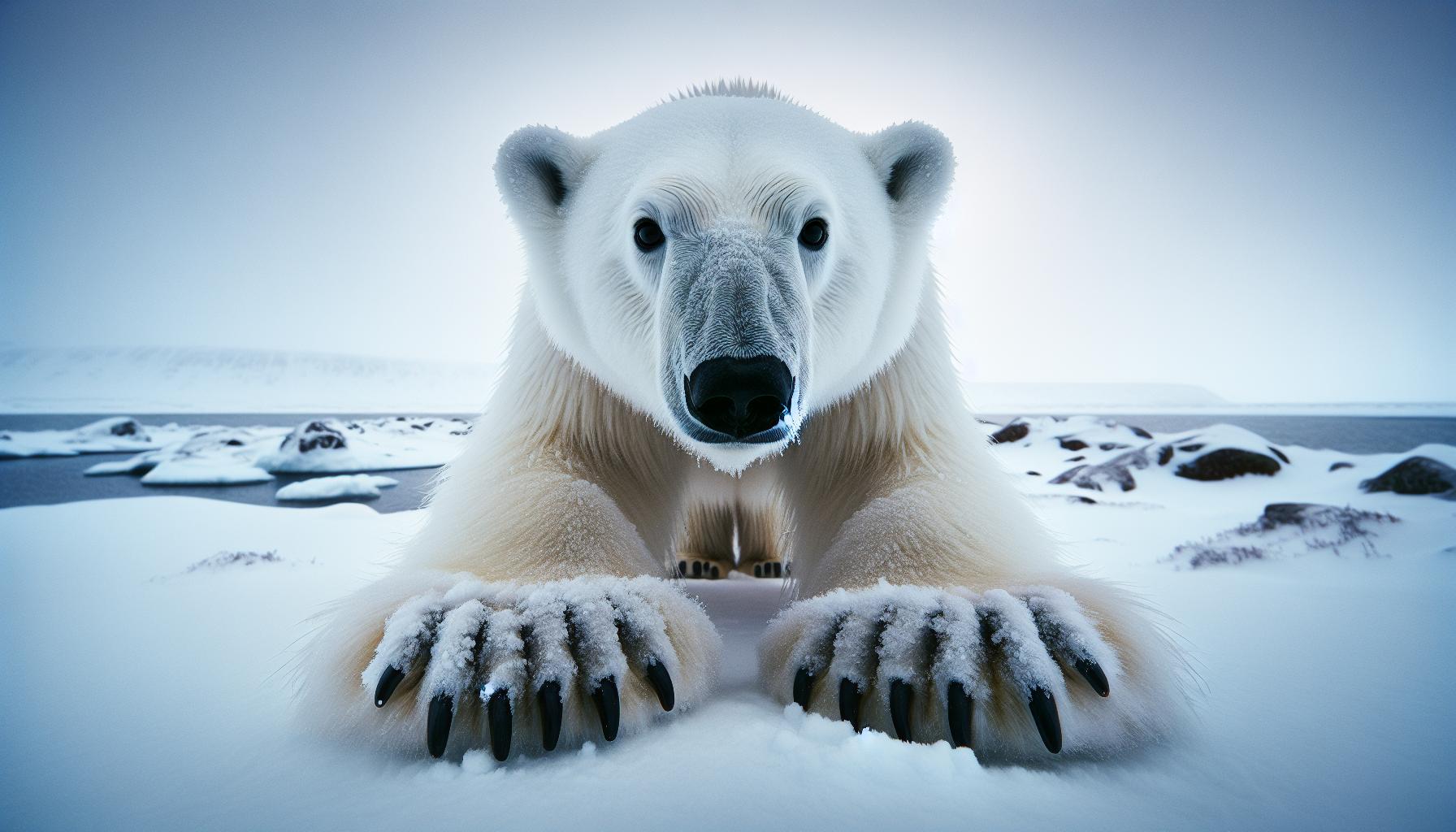
Polar bears are extraordinary examples of adaptation, equipped with a suite of physical features that enable them to thrive in one of the planet’s harshest environments. One particularly remarkable adaptation is their thick layer of blubber, which can reach up to 11 cm (4.3 inches) in thickness. This insulation not only preserves body heat in frigid temperatures but also allows polar bears to maintain their energy levels during prolonged swimming sessions. In fact, they are capable of swimming at speeds of up to 10 kph (6.2 mph) and can dive to depths of approximately 3-4.5 meters (9.8-14.8 feet) for food. Such endurance is essential for foraging in an environment where seals, their primary prey, are increasingly elusive due to changing sea ice conditions.
In addition to insulation, polar bears have evolved physical traits that enhance their hunting capabilities. Their large, powerful forelimbs enable agile movements on both land and ice, while their sharp claws provide traction on slippery surfaces. The white coloration of their fur, although not a true form of camouflage in the melting habitat, plays a role in reflecting sunlight, helping to keep them cooler during the warmer months. This ability to regulate body temperature is crucial as climate change leads to warmer Arctic conditions, necessitating adaptations in activity patterns and a potential shift in habitat usage.
As climate impacts intensify, the physical adaptations of polar bears become increasingly vital for survival. While these magnificent creatures are equipped with superior hunting and insulation features, the ongoing loss of sea ice due to global warming poses significant challenges. The reliance on sea ice not only for hunting but also as a platform for breeding highlights the interconnectedness of their adaptations with their environment. Therefore, understanding these adaptations is essential in framing conservation efforts aimed at mitigating climate change impacts, which in turn protect polar bear populations and their critical habitats.
- Thick Layer of Blubber: Helps retain body heat and provides buoyancy.
- Powerful Forelimbs: Aid in swimming and hunting.
- Sharp Claws: Ensure traction on ice and snow.
- White Fur: Reflects sunlight and assists in temperature regulation.
By continuing to study the unique adaptations of polar bears, researchers can gain insights into their resilience and responses to our changing climate, reinforcing the importance of conservation efforts in safeguarding their future.
Behavioral Changes in Polar Bears Due to Warming
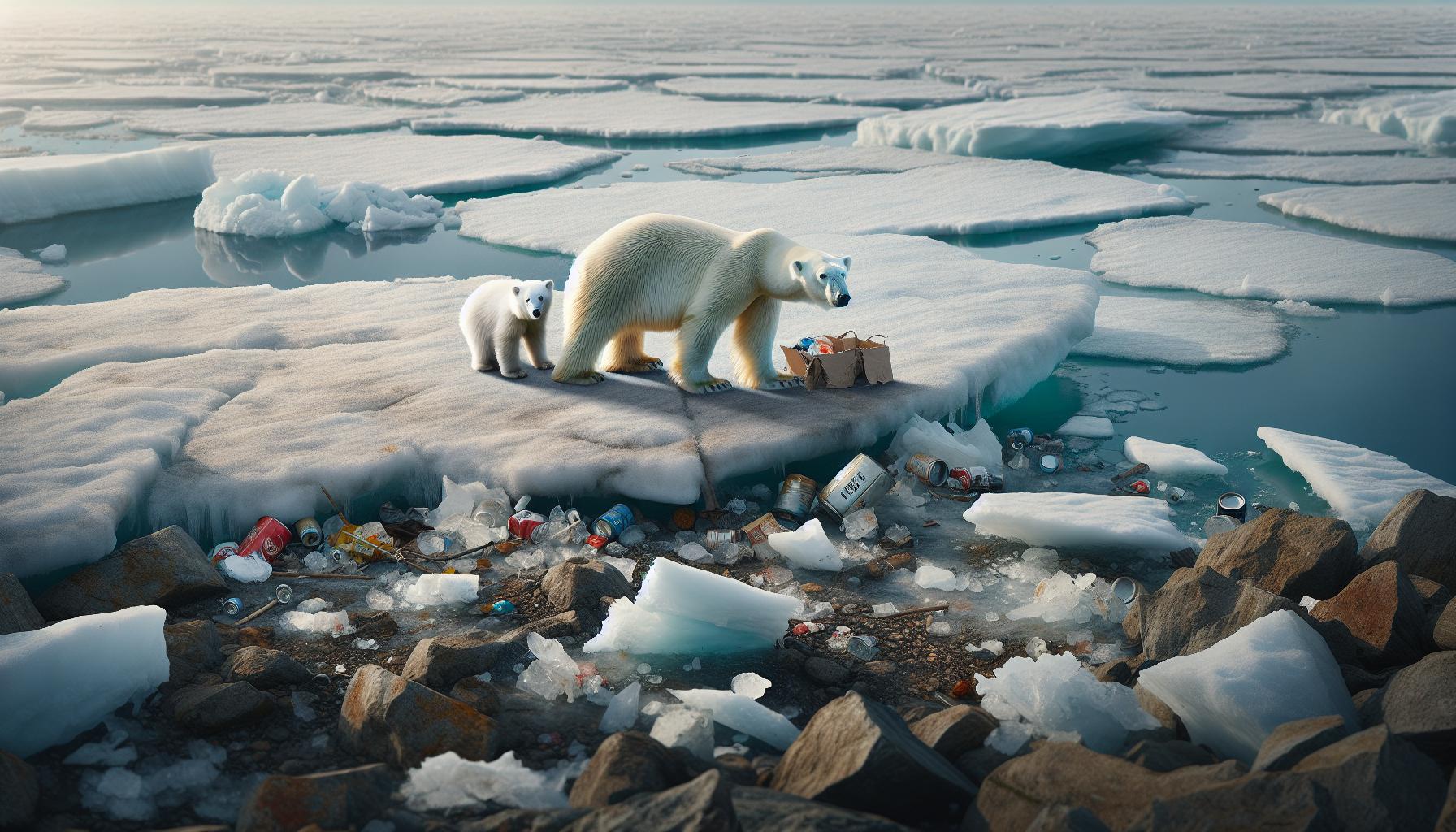
Polar bears have long been symbols of the majestic Arctic, but as climate change accelerates, their behaviors are evolving in response to the rapidly changing environment. An estimated 50% decline in summer sea ice over the past few decades has led to significant alterations in polar bear behavior, particularly in relation to their hunting and migratory patterns. One fascinating behavioral adaptation is the lengthening of their seasonal wandering. With ice breaking up earlier in spring and forming later in fall, polar bears are forced to cover greater distances in search of food and suitable habitat.
To compensate for the decreased availability of ice, polar bears are increasingly spending more time on land. This shift has profound implications: while on land, they face food shortages as their primary prey, seals, rely on sea ice for breeding. As a result, many polar bears are exhibiting unusual scavenging behaviors, relying more heavily on terrestrial sources of nutrition such as bird eggs, vegetation, or even garbage in coastal communities. This change in diet reflects a desperate adaptation to a world where traditional hunting grounds have diminished significantly.
Another noteworthy adjustment is in the social dynamics of polar bears. Traditionally known as solitary hunters, researchers have observed more instances of groups forming as bears look to increase their chances of scavenging and hunting success. This shift not only affects how polar bears acquire food but also alters their reproductive behaviors, as mothers may be compelled to spend time in close proximity to other bears, increasing competition for resources.
Practical Steps for Awareness and Action
Understanding these behaviors is crucial for conservation efforts. Citizens can take action by educating themselves and others about the impact of climate change on polar bears. Supporting organizations dedicated to polar bear conservation, pressuring governments to commit to reducing carbon emissions, and advocating for policies that protect Arctic habitats can help mitigate further loss.
As we observe these remarkable adaptations in response to environmental shifts, it is vital to remain optimistic and proactive. Through collaborative efforts and informed strategies, we can contribute to safeguarding both the polar bears and the fragile ecosystem they inhabit.
The Role of Sea Ice in Polar Bear Survival
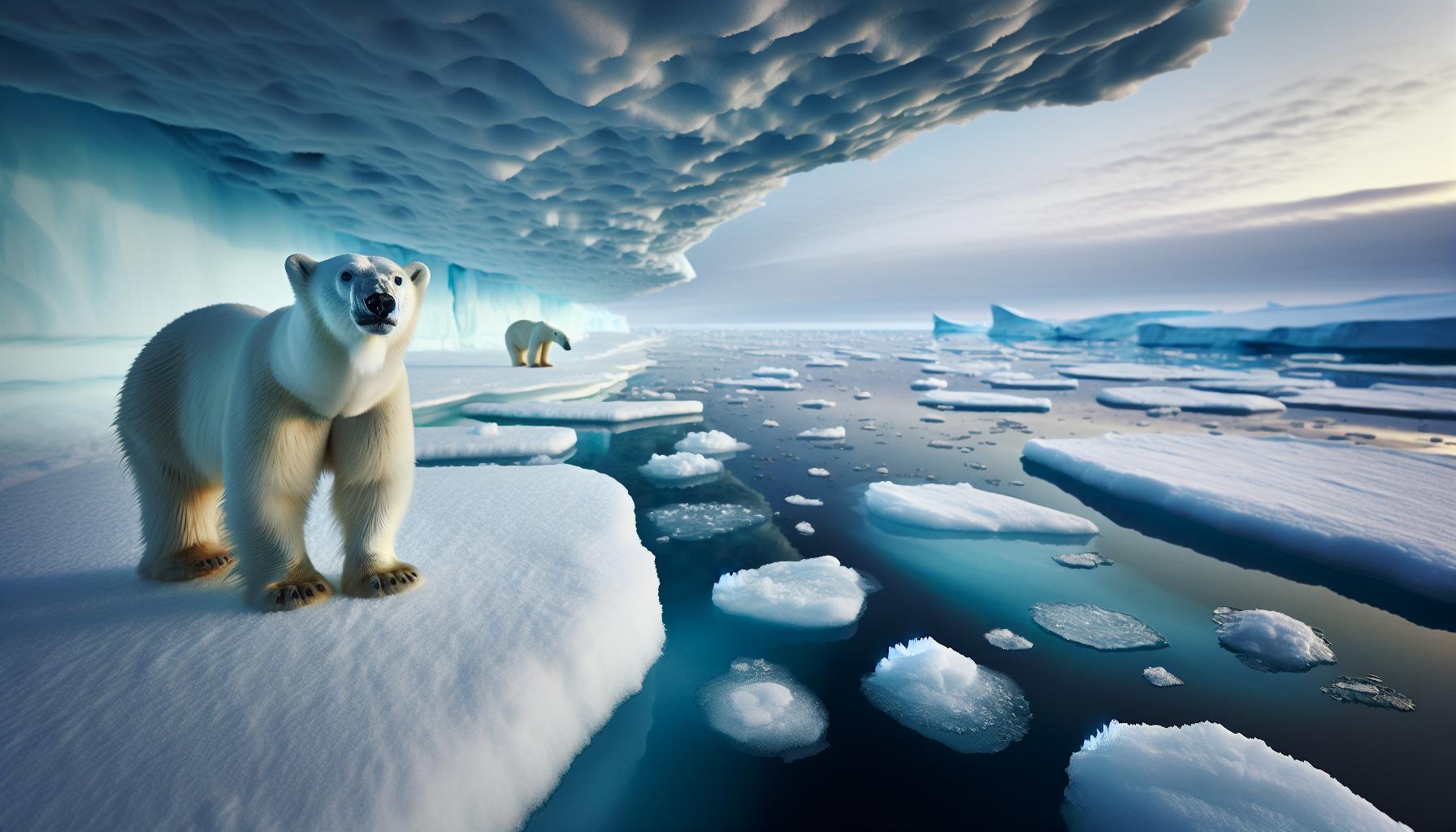
The survival of polar bears is intricately linked to the presence of sea ice-a dynamic habitat that plays a critical role in their hunting, breeding, and overall existence. Polar bears rely heavily on sea ice to access their primary prey, seals, which rest on the ice or use it as a platform for giving birth. With the alarming rate of climate change causing significant melting of Arctic sea ice, these bears are facing an existential crisis. As sea ice diminishes, so does the habitat that supports their essential life functions.
Importance of Sea Ice
Sea ice is not just a geographical characteristic of the Arctic; it is a vital component of the polar bear’s lifecycle. Each year, polar bears use the icy regions to hunt seals and build their fat reserves during the colder months. This fat is crucial for their survival during the ice-free summer months when food becomes scarce. With projections indicating that sea ice may continue to decline by 50% or more in the coming decades, the implications for polar bear populations are dire. For every 1°C increase in global temperatures, it is estimated that Arctic sea ice could shrink substantially, pushing polar bears into deeper waters that are increasingly difficult to navigate.
Adaptations to Changing Conditions
In response to this challenging environment, polar bears are exhibiting remarkable adaptability. Some polar bears have begun to venture further south in search of food, including scavenging in human settlements where food waste is more readily available. This behavior, while resourceful, comes with risks such as increased human-wildlife conflict and exposure to pollutants. Moreover, changes in sea ice dynamics mean that bears are often forced to swim longer distances, which can lead to exhaustion and decreased survival rates, particularly among younger bears who are less experienced in navigating these daunting challenges.
Strong conservation efforts are essential to mitigate the dwindling sea ice conditions. Supporting initiatives aimed at reducing greenhouse gas emissions, advocating for renewable energy sources, and protecting critical habitats can collectively bolster the chances of polar bear populations thriving despite climate challenges. Every action taken to preserve their icy habitat counts, helping to create a future where these magnificent creatures can still roam the frozen landscapes they have adapted to for millennia.
Dietary Shifts of Polar Bears in a Changing Climate
As the Arctic warms and sea ice diminishes, polar bears must navigate increasingly challenging dietary landscapes. Traditionally, these magnificent creatures have primarily relied on seals, their main prey, for sustenance. However, the ongoing changes in their habitat are forcing them to adapt their diets in ways that may threaten their long-term survival.
One significant dietary shift observed is the increased reliance on alternative food sources. Polar bears have started scavenging more frequently on land, taking advantage of carcasses from whale kills or other marine mammals. This behavior not only diversifies their diet but is also a survival strategy when traditional hunting grounds are inaccessible due to melting ice. Additionally, some bears have been observed foraging near human settlements, rummaging through trash for food scraps. Though this behavior showcases their adaptability, it also raises concerns about human-wildlife conflicts and potential health risks from consuming anthropogenic waste.
In conjunction with these shifts, the nutritional quality of their diet may diminish. As seals become harder to catch and their populations are affected by changing marine ecosystems, polar bears face a dual threat: the quantity of food is decreasing, and the energy content of their new food sources might not compensate for the high caloric needs they require, particularly during the energy-intensive fasting periods in summer. Bears are also showing signs of increased stress, which can affect their reproductive success and overall health.
To support the survival of polar bears amidst these dietary changes, it is crucial for conservation efforts to focus on mitigating climate change. This can involve protecting key habitats and reducing greenhouse gas emissions on a global scale. Communities can also play a role by promoting sustainable practices that limit pollution and habitat destruction. By fostering coexistence between human activities and polar bear territories, we can help ensure these iconic animals can continue to thrive in a rapidly changing environment. Each small action contributes to a larger movement towards conservation, crucial for the future of polar bears.
Impact of Human Activity on Polar Bear Adaptation
The relationship between human activity and polar bear adaptation is complex and multifaceted, shaping the future of these magnificent creatures in profound ways. As climate change accelerates, human actions not only exacerbate the challenges polar bears face but also pose unique opportunities for conservation and adaptation. For instance, increased shipping traffic through the Arctic due to melting ice raises the risk of oil spills and habitat disruption, directly impacting the fragile ecosystems that polar bears rely on for survival. Coupled with this, climate-related activities-such as industrial fishing and oil extraction-further reduce the availability of prey and critical habitats.
Moreover, as polar bears are forced closer to human settlements searching for food, conflicts arise that threaten both wildlife and human safety. The increased foraging near communities, driven by habitat loss, can lead to dangerous encounters. This behavior, while an impressive display of adaptability, underscores a significant challenge: how to mitigate these interactions. Measures such as improved waste management in urban areas and the establishment of bear-proof containers can minimize food sources that attract these animals, reducing the potential for conflict.
In response to these challenges, conservation efforts are increasingly focusing on community engagement and education. Local populations play a pivotal role in helping to monitor and protect polar bear habitats. Programs that involve indigenous knowledge alongside scientific research can provide valuable insights into polar bear behavior and environmental changes, fostering co-existence strategies that benefit both bears and humans. Additionally, creating protected areas free from industrial activities can help ensure that polar bears have the space they need to thrive.
Ultimately, the is not solely negative; it is a call to action for collaborative conservation efforts. By promoting responsible behaviors, advocating for policy changes, and supporting sustainable practices, individuals and communities can contribute meaningfully to the survival of polar bears in a warming world. Through innovative approaches that harness both science and community action, there is hope for preserving this iconic species amidst the challenges posed by climate change.
Conservation Efforts Supporting Polar Bear Populations
Efforts to preserve and support polar bear populations are not just critical for the bears themselves; they also embody a larger commitment to maintaining the Arctic ecosystem. As climate change continues to threaten their habitat, concerted conservation initiatives are essential in mitigating these impacts and enhancing polar bear survival. Various organizations, scientists, and local communities are stepping up to implement strategies designed to protect these iconic animals while fostering a sustainable coexistence with humans.
Community Engagement and Indigenous Knowledge
One of the most effective approaches to conservation involves engaging local communities and incorporating indigenous knowledge. Indigenous groups, who have lived alongside polar bears for generations, offer invaluable insights into bear behavior and habitat use. Programs designed to educate and empower local populations allow for an integrated approach where traditional practices and modern science coexist. This collaboration not only helps monitor bear populations effectively but also creates a sense of stewardship among community members. For example, training local residents to use tracking technology can enhance data collection on polar bear movements, thereby informing better conservation strategies.
Protected Areas and Habitat Restoration
Creating protected areas is another vital conservation strategy. By designating regions as no-go zones for industrial activities, there’s a reduced risk of habitat loss and disruption, allowing polar bears the necessary space to thrive. Initiatives such as the establishment of marine protected areas focus on preserving critical feeding grounds that polar bears depend on, ensuring they have access to seals-their primary prey. Effective enforcement of these protected areas is crucial, and it often requires collaboration with governmental and non-governmental organizations to monitor compliance and manage human activities within these regions.
Technological Innovations and Research
Technological advancements are playing a pivotal role in polar bear conservation. Innovative research methods-such as satellite telemetry and remote sensing-enable scientists to gather critical data on changing ice patterns and bear health. For instance, tracking devices attached to polar bears can provide real-time data on their movements, reproductive patterns, and dietary changes in response to warming climates. Furthermore, citizen science initiatives, where volunteers help with data collection, have gained momentum, creating greater community involvement and awareness about the plight of polar bears.
Global Advocacy and Policy Change
Global advocacy for stronger climate policies is an essential component in the fight to conserve polar bear populations. Organizations are actively campaigning for reductions in carbon emissions and promoting legislative measures that address climate change at both national and international levels. This advocacy work is crucial in ensuring that impactful policies are enacted, supporting sustainable practices that benefit not only polar bears but the broader environment as well.
Through these multi-faceted conservation efforts, there is hope for the survival of polar bear populations in a warming world. By empowering communities, utilizing technological innovations, and advocating for systemic change, we can each play a role in supporting these magnificent creatures and the delicate ecosystems they inhabit.
Technological Innovations in Polar Bear Research
The decline of Arctic sea ice poses a severe threat to polar bears, making technological innovations crucial for understanding their behavior and survival strategies amidst climate change. Remarkably, advancements in research tools are giving scientists unprecedented insights into the lives of these magnificent creatures. Effective monitoring systems, like satellite telemetry, enable researchers to track the movements of polar bears across vast and remote environments. This technology not only helps in determining how these animals choose their habitats but also sheds light on their hunting patterns and interactions with a changing ecosystem.
Innovative Research Methods
Using remote sensing techniques, scientists can map changes in the polar ice cap and correlate these changes with polar bear population dynamics. For instance, researchers have employed aerial surveys and drone technology to gather data on bear abundance and distribution. These methods minimize human disturbance while maximizing the amount of information collected, such as identifying critical feeding grounds and denning habitats that are essential for the survival of cubs.
Another groundbreaking innovation is the use of collars equipped with GPS technology. These collars provide real-time data on a polar bear’s location, allowing researchers to analyze how bears respond to melting ice and scarcity of prey. Long-term data sets from these collars have demonstrated how polar bears are adapting their seasonal migrations and foraging strategies based on shifting ice dynamics. This understanding is pivotal for predicting future changes in their behavior as global warming accelerates.
Community Involvement through Citizen Science
Citizen science plays an essential role in polar bear research, empowering local communities and volunteers to aid in data collection. For example, initiatives that train community members to use photographic and tracking tools have proven beneficial in documenting bear sightings and movements. This participatory approach fosters local stewardship and enhances data collection efforts, ensuring that conservation strategies are rooted in both scientific data and indigenous knowledge.
The merging of technology and community involvement not only enriches the body of research available but also encourages a stronger emotional connection between people and wildlife, vital for the ongoing conservation of polar bears. By harnessing modern technology alongside traditional ecological insights, we can create a comprehensive view of the challenges polar bears face and explore innovative solutions to ensure their survival in a warming world.
Success Stories: Resilient Polar Bears in Action
Despite the increasing threats to their habitat due to climate change, polar bears have demonstrated remarkable resilience in adapting to shifting environmental conditions. One successful adaptation is their ability to modify hunting strategies as sea ice diminishes. Traditional hunting methods, which rely on stable sea ice to ambush seals, are being adjusted as bears increasingly utilize land for foraging, exploiting new food sources and even scavenging. This flexibility is critical as polar bears learn to navigate a landscape transitioning from a predominantly ice-covered environment to one with more open water or land.
In a striking example from the Beaufort Sea, researchers observed a group of polar bears that successfully shifted their hunting focus from seals on ice to opportunistically preying on caribou calves during the summer months. This adaptation not only helped them survive during periods of reduced access to their primary prey but also highlighted the bears’ cognitive ability to adapt to new challenges. Such observations illustrate the ingenuity and survival instincts that polar bears possess, enabling them to exploit alternative nutritional resources as their traditional hunting grounds become less reliable.
Community and Conservation Efforts
The success stories do not solely come from the bears themselves; community involvement plays a significant role. Indigenous groups have been crucial in monitoring changes in bear behavior and habitat use, utilizing traditional ecological knowledge to inform scientific research. Collaborative projects that engage local communities in conservation efforts often yield valuable insights and foster a deeper connection between residents and polar bears. For instance, training programs focused on wildlife tracking have empowered local youth, allowing them to actively participate in conservation initiatives while observing and documenting bear populations.
In addition, conservation organizations are working tirelessly to implement strategies that support polar bear populations. Initiatives such as habitat protection, reducing human-wildlife conflict, and enforcing stricter regulations on hunting have been instrumental. Success stories include the establishment of marine protected areas that ensure critical habitats are preserved, providing polar bears with secure feeding and breeding spaces in the face of climate change. These combined efforts demonstrate not only the adaptability of polar bears but also the collective action necessary to ensure their future amidst a warming world.
As climate change continues to pose unprecedented challenges, understanding and supporting the adaptability of polar bears is paramount. By acknowledging these successes and actively participating in conservation, there’s hope for a sustainable coexistence with one of nature’s most iconic species.
Future Projections for Polar Bears and Climate Impact
As climate change intensifies, polar bears face a precarious future that hinges on the speed of global warming and the effectiveness of conservation efforts. Projections suggest that by 2050, two-thirds of the world’s polar bear populations could face serious threats from the loss of sea ice habitat, which is crucial for their survival. This habitat loss is primarily due to rising temperatures leading to earlier melting of sea ice in spring and delayed freezing in autumn. As the sea ice diminishes, polar bears may be forced to travel greater distances in search of food, which can affect their ability to hunt seals, their primary dietary source.
Moreover, the impact of climate change is not uniform across the Arctic. Some areas are seeing more dramatic changes than others, resulting in varied adaptation challenges for local polar bear populations. For example, in the Chukchi Sea, polar bears are reported to be adapting by shifting their hunting patterns, but not all populations have shown the same flexibility. Research shows that those bears with access to land have begun to look for alternative food sources, such as terrestrial mammals, but this shift may not suffice to sustain healthy populations long-term if ice loss continues unabated.
Collaborative Conservation Strategies
In light of these challenges, community involvement is becoming increasingly critical. Engaging local populations in conservation efforts can yield valuable insights into bear behavior and habitat needs. Indigenous knowledge systems often provide a wealth of information about environmental changes, which can enhance scientific research and policy development. By fostering strong partnerships between scientists, conservationists, and local communities, there can be a better understanding of how to implement effective management strategies.
Actionable Steps for Success
To safeguard the future of polar bears, a multi-faceted approach that includes reducing greenhouse gas emissions, protecting critical habitats, and promoting sustainable human activities in the Arctic is essential. Specific actions individuals can take include supporting organizations that focus on polar bear conservation, advocating for policies aimed at limiting climate change, and educating others about the challenges faced by polar bears. By making conscious choices-such as reducing energy consumption, supporting sustainable seafood, and participating in local conservation efforts-everyone has a role to play in ensuring that future generations will continue to witness these magnificent animals in the wild.
The fate of polar bears is not just a reflection of environmental changes; it is a call to action for global societies to adapt and respond to the pressing challenge of climate change. Through collaborative, informed, and proactive measures, we can contribute to a future where polar bears continue to thrive despite the odds stacked against them.
Community Involvement in Polar Bear Conservation
Engaging local communities in polar bear conservation is not just beneficial; it is essential. Historically, Indigenous populations have lived alongside polar bears for centuries, offering a wealth of understanding about their behavior and the subtleties of their habitat. This traditional knowledge is invaluable in shaping contemporary conservation strategies that are culturally sensitive and scientifically sound. For instance, Inuit communities have documented shifts in polar bear migration and hunting patterns, providing crucial insights that help scientists adapt their conservation approaches, ensuring they are relevant in the face of climate change.
To maximize impact, strong partnerships between researchers, conservationists, and local residents can be fostered through participatory practices. By actively involving communities in data collection and monitoring efforts, conservation programs can benefit from local expertise while also building a sense of stewardship among participants. Initiatives such as community-led wildlife surveys not only empower local populations but also cultivate a deeper connection to the Arctic environment. This collaborative approach creates a feedback loop where scientific findings inform local practices and, conversely, local observations enhance scientific understanding.
Practical Steps for Community Engagement
Communities can engage in several actionable strategies to support polar bear conservation:
- Educational Workshops: Organize sessions that teach both locals and visitors about polar bear ecology, the threats they face, and conservation efforts.
- Citizen Science Projects: Involve community members in data collection, such as tracking ice levels or reporting polar bear sightings, which can assist in comprehensive ecological monitoring.
- Advocacy and Policy Development: Collaborate with local governments to influence policies that protect polar bear habitats and promote sustainable practices.
- Eco-Tourism Initiatives: Create sustainable tourism opportunities that promote awareness of polar bear conservation while providing economic benefits to the community.
By leveraging community knowledge alongside scientific research, conservation efforts become more holistic and impactful. The narrative of polar bear adaptation is tightly interwoven with the fate and actions of human communities. As we face unprecedented climate challenges, it is crucial to elevate local voices and insights to create effective, adaptive conservation strategies that ensure a future for both polar bears and the communities that coexist with them.
Empowering Action: How You Can Help Polar Bears
Taking action to support polar bears is more critical now than ever as climate change continues to threaten their habitat and survival. By harnessing both individual efforts and collective community action, everyone can contribute to the ongoing fight for polar bear conservation. Whether you’re a student, a professional, or simply a passionate supporter, your involvement can make a significant difference.
One accessible way to help is through education. By hosting or participating in educational workshops focused on polar bear ecology and the impacts of climate change, you can raise awareness in your community. For instance, consider engaging local schools to create programs that teach students about polar bear behavior and the environmental challenges they face. This not only cultivates a new generation of climate advocates but also strengthens community ties around a shared mission.
Additionally, participating in citizen science projects is an impactful method to contribute. These initiatives often involve local residents in data collection efforts, such as monitoring polar bear populations or reporting on sea ice conditions. By becoming involved in these projects, you provide valuable data that scientists can use to inform conservation strategies, while also deepening your connection with the Arctic environment. Many organizations facilitate such programs, making it easy to find a project that fits your interests and skills.
Through advocacy and policy engagement, concerned citizens can also influence critical decisions that affect polar bear habitats. Initiatives like writing letters to lawmakers, supporting conservation-oriented policies, or joining local conservation groups can amplify your voice in efforts to protect these iconic animals. Furthermore, eco-tourism can be encouraged, which not only raises awareness but also generates funding for local conservation initiatives. By promoting responsible tourism that highlights polar bear watching tours and workshops, communities can benefit economically while supporting preservation efforts.
While the challenges facing polar bears due to climate change are daunting, empowered individuals and effective community collaboration can create a roadmap for success. By taking proactive steps and engaging others, you play a crucial role in safeguarding the future of polar bears and their habitat.
Faq
Q: How are polar bears changing their hunting habits due to climate change?
A: Polar bears are adapting their hunting strategies as sea ice diminishes by swimming longer distances to find seals or foraging for alternative food sources on land. This behavioral change helps them cope with the challenges posed by warming temperatures and ice loss while seeking sustenance more effectively.
Q: What role do scientific studies play in understanding polar bear adaptations?
A: Scientific studies are crucial as they monitor polar bear populations and behavior, revealing insights into how these animals adapt to climate change. Research helps identify critical habitats and informs conservation strategies to protect polar bears and their ecosystems for future survival.
Q: Why is the changing diet significant for polar bear adaptation?
A: The changing diet is significant because it reflects polar bears’ struggles to find traditional prey due to shrinking sea ice. As they shift to foraging on land, understanding dietary adaptations contributes to conservation efforts aimed at enhancing their resilience to environmental changes.
Q: What are the impacts of human activities on polar bear adaptation?
A: Human activities, such as industrial development and climate change, exacerbate habitat loss for polar bears, making adaptation increasingly challenging. The encroachment on their natural habitats affects their behaviors and food sources, necessitating proactive conservation measures to mitigate these impacts.
Q: How do polar bear conservation efforts address climate change challenges?
A: Conservation efforts focus on protecting critical habitats, such as “last ice areas,” projected to retain ice longer. These initiatives are crucial for supporting polar bear populations as they adapt to changing climates and provide a framework for future resilience strategies.
Q: When will polar bears need to adapt more significantly to climate change?
A: Polar bears may need to adapt more significantly in the near future, with projections indicating further sea ice loss. Continuous monitoring and research into their behavior and habitat requirements remain essential for predicting and managing their adaptation timeline.
Q: Where are polar bears most affected by climate change?
A: Polar bears are most affected in regions experiencing significant sea ice decline, such as the Southern Beaufort Sea and Western Hudson Bay. These areas have shown direct links between ice loss and declining bear populations, prompting urgent conservation efforts in those regions.
Q: How does sea ice loss correlate with polar bear population declines?
A: Sea ice loss correlates with polar bear population declines as these animals depend on ice to hunt seals, their primary food source. Without sufficient ice, their foraging success diminishes, leading to starvation and lower reproductive rates, highlighting the urgent need for climate action.
To Wrap It Up
As we’ve explored how polar bears are adapting to climate change, it’s clear that their resilience is both remarkable and concerning. These magnificent creatures face unprecedented challenges in their changing habitat, but understanding their behaviors and adaptations is crucial for their survival. Act now-every small action can make a big difference in conservation efforts!
To dive deeper, check out our related articles on the impacts of climate change on wildlife and effective conservation strategies. Don’t forget to subscribe to our newsletter for the latest insights and updates on polar bears and other endangered species. Your awareness can spark change, so share this article with friends and join the conversation in the comments below. Together, we can make a lasting impact on the future of these iconic animals.