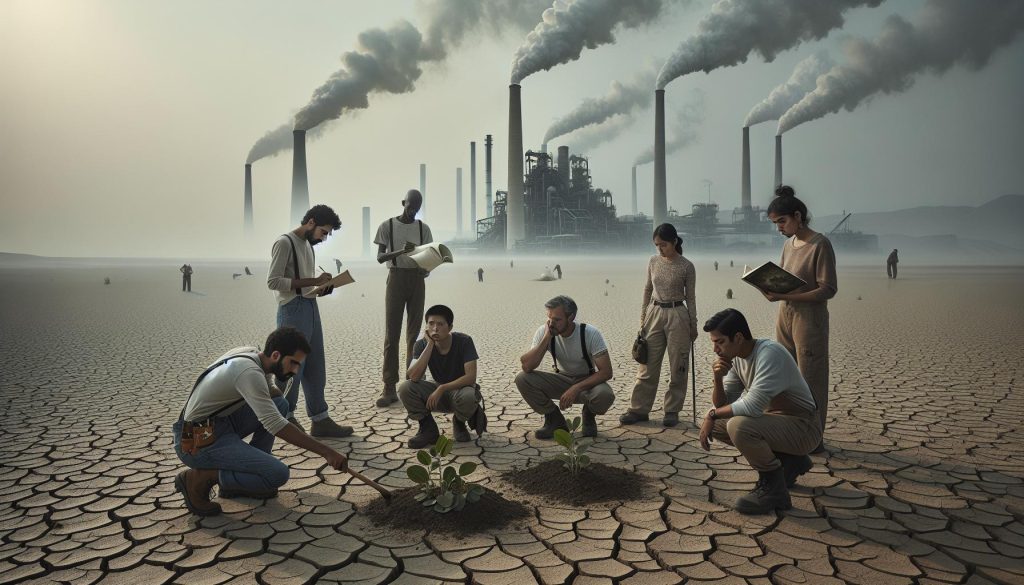
Did you know that carbon dioxide levels in the atmosphere have surged to unprecedented highs, reaching over 410 parts per million? This alarming trend, driven by human activities and natural events, plays a crucial role in exacerbating global climate change. Understanding how carbon contributes to this crisis is vital not only for environmentalists but for everyone who cares about the future of our planet. As climate-related challenges increase, from extreme weather events to rising food insecurity, we are all urged to reconsider our carbon footprint and its broader implications. By exploring the mechanisms through which carbon influences our climate, we can empower ourselves to take meaningful action. Join us as we delve into the transformative power of carbon and examine practical steps we can adopt to mitigate its impact on our changing world.
Understanding Carbon’s Role in Climate Change
As carbon dioxide (CO2) levels continue to rise, reaching unprecedented highs as reported by the World Meteorological Organization, becomes more crucial than ever. The atmospheric concentration of CO2 not only impacts global temperatures but also disrupts the delicate balance of our ecosystem. The main source of this CO2 emission is human activities, primarily fueled by the combustion of fossil fuels, deforestation, and rapid industrialization. These actions have led to a significant increase in greenhouse gases, with carbon dioxide emerging as the primary contributor to recent climate change.
How Carbon Fuels Climate Change
Carbon dioxide contributes to the greenhouse effect, a process essential for maintaining life on Earth. When sunlight reaches the Earth’s surface, some of it is reflected back into space while the rest is absorbed, warming the planet. CO2 and other greenhouse gases trap some of this heat, preventing it from escaping. However, as human activities have drastically increased the concentration of these gases in the atmosphere, more heat is being trapped than ever before, leading to an increase in global temperatures. This warming can exacerbate extreme weather events, disrupt food systems, and threaten biodiversity.
Real-World Impacts
A telling example of this impact can be seen in regions affected by climate change-induced droughts and floods, which have been linked to rising carbon levels. For instance, agricultural communities face increased crop failures due to inconsistent weather patterns, linking food security directly to carbon emissions. Moreover, rising sea levels from melting ice caps threaten coastal populations, forcing migration and creating climate refugees.
By recognizing the interconnectedness of carbon emissions and our environment, individuals and businesses can adopt practical steps to mitigate these effects. This includes reducing energy consumption, investing in renewable energy sources, and supporting carbon-neutral initiatives. Engaging in carbon offsetting through reforestation projects or supporting sustainable practices not only contributes to combating climate change but also fosters a sense of collective responsibility.
Taking action against carbon emissions is not just an environmental imperative but also an opportunity for innovation and leadership in sustainability. By committing to reduce our carbon footprint, we can pave the way for a healthier planet for future generations, demonstrating that informed choices can lead to significant positive change.
The Science of Carbon Emissions Explained
As we continue to confront the climate crisis, a profound understanding of carbon emissions and their dynamics is absolutely essential. Carbon, especially in the form of carbon dioxide (CO2), plays a pivotal role in our atmosphere, functioning both as a natural component of Earth’s environmental systems and as a significant contributor to anthropogenic climate change. Since the mid-18th century, atmospheric CO2 levels have surged due to human activities, with data showing a dramatic increase that corresponds directly to industrial advancements and fossil fuel consumption. This relentless rise locks in heat, exacerbating global warming and triggering a cascade of environmental impacts.
The process begins with the greenhouse effect, a natural phenomenon where certain gases, including CO2, trap heat in the atmosphere. When solar radiation reaches Earth, some is absorbed, and some is reflected back into space. However, with increased greenhouse gases, more heat is retained, leading to a warmer climate. The stark reality is that today’s levels of CO2 are about 50% higher than those recorded before the Industrial Revolution, significantly intensifying the greenhouse effect and altering weather patterns globally.
Here are some pivotal elements to grasp when considering carbon’s impact on climate change:
- Sources of Carbon Emissions: The majority of CO2 emissions stem from burning fossil fuels for energy, transportation, and industrial processes. Deforestation also contributes significantly, as trees that would otherwise absorb CO2 are eliminated, releasing stored carbon back into the atmosphere.
- Feedback Loops: Increased temperatures lead to melting ice caps, which decrease Earth’s albedo (reflectiveness), causing even more heat absorption. Additionally, thawing permafrost releases methane, a potent greenhouse gas that amplifies the warming effect.
- Historical Context: Understanding past emission trends, such as the charted growth from the mid-18th century to today, helps contextualize current challenges and underscores the urgency of reversing damaging practices.
Innovative solutions must be pursued to curb carbon emissions effectively. Transitioning to renewable energy sources like wind, solar, and hydroelectric power can drastically reduce dependency on fossil fuels. Moreover, adopting practices like carbon offsetting through reforestation and sustainable land management not only aids in reducing emissions but also enhances carbon sequestration. Engaging individuals and businesses in accountability and education regarding their carbon footprints can foster a collective movement towards sustainability, transforming how we approach both individual lifestyles and larger corporate policies.
By fostering an informed understanding of how carbon emissions operate within our ecosystem, we can inspire a motivated response to climate change, embracing initiatives that contribute positively rather than detracting from planetary health. The path forward hinges on collaboration across all sectors of society to innovate and implement comprehensive strategies targeting the reduction of carbon emissions.
How Carbon Dioxide Affects Global Temperatures
As we delve into the intricacies of climate change, it’s crucial to recognize the profound impact of carbon dioxide (CO2) on our planet’s temperature dynamics. This greenhouse gas, while a natural part of Earth’s atmosphere, has reached alarming concentrations due to human activities, primarily since the dawn of the Industrial Revolution. The current levels of CO2 are approximately 50% higher than they were pre-industrial, locking in heat and exacerbating the warming of our planet. This warming leads to a cascade of effects, including shifting weather patterns, rising sea levels, and increased frequencies of extreme weather events.
The mechanism through which CO2 influences temperature is rooted in the greenhouse effect. When sunlight reaches the Earth, a significant portion is reflected back into space, while some is absorbed, warming the surface. Greenhouse gases, including CO2, trap some of this heat, preventing it from escaping back into space. This process is vital for maintaining the temperatures that support life on our planet; however, as CO2 levels rise, more heat is trapped, leading to increased global temperatures. This self-reinforcing cycle is further complicated by feedback mechanisms. For instance, warming temperatures can cause ice caps to melt, reducing the Earth’s reflectiveness (albedo) and allowing even more heat absorption, which in turn amplifies the warming effect.
Addressing the role of CO2 in temperature increases requires a multifaceted approach. Transitioning to renewable energy sources such as solar, wind, and hydro offers pathways to reduce reliance on fossil fuels, a significant source of CO2 emissions. Furthermore, initiatives that promote energy efficiency across industries can help cut emissions without sacrificing economic growth. On an individual level, lifestyle changes, such as reducing energy consumption, opting for public transportation, and supporting sustainable businesses, collectively contribute to lowering carbon footprints.
The key to combating the temperature rise driven by carbon dioxide lies in global collaboration. By embracing innovative technologies, enhancing carbon offsetting projects, and fostering a culture of sustainability, society can work together to mitigate the effects of climate change and protect the planet for future generations. Education and awareness are paramount; equipping individuals with knowledge about their carbon impact cultivates informed citizens capable of driving meaningful change. Together, through commitment and action, we can forge a path toward a stable climate and a sustainable future.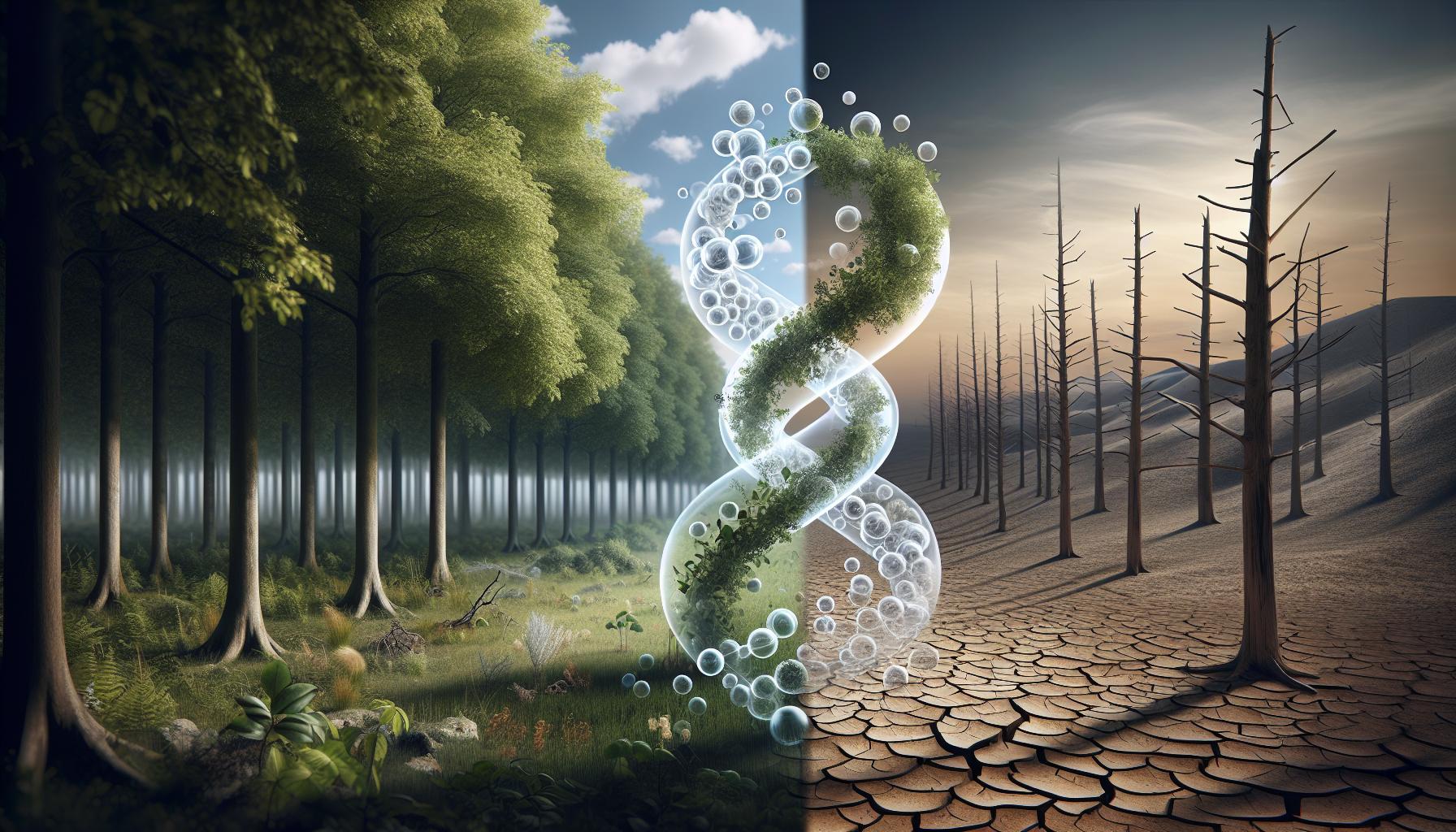
Different Types of Carbon and Their Impact
The world of carbon is more diverse and impactful than many realize, spanning various forms and implications that significantly influence our climate. From the carbon found in fossil fuels to the carbon present in vital biological processes, understanding these types is crucial in predicting their effects on climate change. In our daily lives, we engage with carbon in multiple forms: carbon dioxide (CO2), methane (CH4), and black carbon, each contributing uniquely to the climate crisis.
Carbon dioxide, as a result of fossil fuel combustion, is the most prevalent greenhouse gas emitted by human activities. It is responsible for about 76% of emissions from human activities and is released through burning coal, oil, and natural gas for electricity and heat, as well as through transportation. Reducing our reliance on these fossil fuels is paramount. For example, countries like Denmark have invested heavily in wind energy, resulting in over 40% of their electricity coming from renewable sources, showcasing a viable path for global reductions in CO2 emissions.
Methane’s Potency
Another significant player in climate change is methane, which is over 25 times more effective at trapping heat in the atmosphere than CO2 over a 100-year period. Major sources include agriculture, especially enteric fermentation in livestock, and landfills. Reducing methane emissions through improved agricultural techniques, such as rotational grazing and using feed additives, could have an immediate impact on the climate. For instance, research shows that integrating legumes into livestock diets can cut methane emissions significantly while improving soil health.
The Role of Black Carbon
Black carbon, primarily produced from incomplete combustion of fossil fuels, biomass, and biofuels, is another potent climate forcer. Though it remains in the atmosphere for a shorter duration than CO2 or methane, its corrosive heat-attracting properties can hasten ice melt in polar regions and disrupt local weather patterns. Efforts to reduce black carbon emissions, such as promoting cleaner cookstoves in developing countries, not only help mitigate climate impacts but also improve indoor air quality, directly benefiting public health.
To create a meaningful impact, it is essential to adopt a multifaceted approach. Society can benefit from policies that not only regulate emissions but also encourage innovative solutions like carbon capture technologies and sustainable agricultural practices. By understanding the s, individuals and communities can make informed choices, supporting initiatives that align with lower carbon emissions. Small, collective actions-such as reducing waste, selecting sustainably produced foods, or advocating for clean energy-can contribute significantly to alleviating the global carbon burden and protecting our climate.
The Greenhouse Effect: How Carbon Traps Heat
The ongoing climate crisis can be traced back, in large part, to the fundamental processes of the greenhouse effect, in which carbon compounds play a pivotal role. When sunlight reaches the Earth, some of it is absorbed, warming the planet; however, a significant portion is re-radiated back toward space. Carbon dioxide (CO2) and other greenhouse gases capture this outgoing heat, preventing it from escaping, and thus maintaining a temperature conducive to life. Unfortunately, the increasing concentration of CO2-from human activities such as burning fossil fuels and deforestation-enhances this natural greenhouse effect, leading to overall warming.
One key aspect of how carbon compounds contribute to climate change lies in their molecular structure. Carbon dioxide, as the most prevalent greenhouse gas, has a unique ability to absorb infrared radiation. In fact, it is responsible for approximately 76% of the emissions attributed to human activities. Each molecule of CO2 can absorb and re-emit infrared radiation, effectively trapping heat within the atmosphere for extended periods. This heat-trapping capability means that global temperatures are rising, resulting in various environmental consequences, from melting ice caps to rising sea levels.
Understanding the Impact
The repercussions of increased carbon levels are not merely theoretical; they manifest in tangible changes around us. For example, the average global temperature has risen by about 1.2°C since the late 19th century, with projections indicating more significant increases if emissions continue unchecked. Regions experiencing extreme heat, unprecedented wildfires, and unpredictable weather patterns highlight the urgent need for action. To mitigate these effects, people can take steps to reduce their carbon footprint. This includes advocating for policy changes, utilizing renewable energy sources, and embracing sustainable transportation methods such as biking or public transport.
Practical Steps Forward
To address the imbalance carbon emissions have created in our atmosphere, several solutions can be implemented:
- Invest in Renewable Energy: Advocating for a shift away from fossil fuels toward solar, wind, and hydropower can help reduce reliance on carbon-emitting energy sources.
- Enhance Energy Efficiency: Simple changes in household practices, such as using energy-efficient appliances and increasing insulation, can dramatically decrease energy consumption.
- Support Carbon Sequestration Projects: Investing in reforestation and carbon capture technologies can help draw down existing carbon levels from the atmosphere.
- Promote Sustainable Agriculture: Engaging in practices that minimize tilling and maximize soil health can significantly lower carbon emissions from farming.
Recognizing the power of collective action is critical. Every individual has the opportunity to contribute to mitigating climate change-whether by making conscious choices in daily life or supporting policies that promote sustainability. Together, these efforts can create a substantial impact in reversing the current trajectory of carbon levels and secure a healthier planet for future generations.
Carbon Footprint: Measuring Our Environmental Impact
Every action we take in our daily lives leaves an imprint on the planet, a measurable expression of our individual and collective environmental footprints known as our carbon footprint. This measurement reflects the total greenhouse gas emissions, primarily carbon dioxide (CO2), that result from our activities-whether it be commuting to work, heating our homes, or the food we consume. Understanding our carbon footprint is essential, as it sheds light on how our choices contribute to climate change, allowing us to make informed decisions that benefit both the environment and ourselves.
To accurately gauge our impact, various tools and calculators are available online. These resources can help quantify emissions based on factors such as energy use, vehicle type, and dietary habits. For instance, did you know that a person who drives a gasoline vehicle for short trips contributes significantly more CO2 solely from their choice of transportation than someone who rides a bicycle or takes public transit? On average, transportation accounts for about 29% of total greenhouse gas emissions in the United States, demonstrating that individual modifications to travel habits can lead to substantial reductions in carbon footprints.
Practical Steps to Measure and Reduce Your Carbon Footprint
Making a positive change begins with awareness and small, actionable steps. Here are some strategies for readers looking to track and minimize their carbon emissions:
- Adopt Energy-efficient Practices: Simple changes such as switching to LED bulbs, using smart thermostats, and unplugging devices when not in use can significantly lower your household emissions.
- Choose Sustainable Transportation: Opt for biking, walking, or using public transport whenever possible. For necessary car trips, consider carpooling or investing in an electric vehicle.
- Mind Your Diet: Food production is a major contributor to greenhouse gas emissions. Reducing meat and dairy consumption or switching to locally sourced foods can lower your dietary impact.
- Support Renewable Energy: If feasible, choose energy suppliers that provide renewable energy options. Consider installing solar panels to offset some of your energy consumption.
Addressing carbon emissions at the individual level may seem minimal in the grand scheme of a global crisis, but collective efforts can lead to profound changes. The science is clear: when people make informed choices and advocate for systemic changes, we can effectively combat the climate crisis. By understanding the patterns of our carbon footprint and embracing sustainable behaviors, we not only contribute to a healthier planet but also inspire others to join in the effort, creating a ripple effect of responsibility and environmental stewardship.
The Connection Between Fossil Fuels and Carbon
The reliance on fossil fuels is one of the most significant contributors to global carbon emissions, profoundly impacting the climate crisis. Fossil fuels, including coal, oil, and natural gas, are carbon-rich energy sources that release large quantities of carbon dioxide (CO₂) into the atmosphere when burned for energy, heating, and transportation. In fact, data shows that in 2024, CO₂ emissions reached new highs due to continued fossil fuel usage coupled with other factors such as wildfires and reduced absorption by natural ecosystems[[3]](https://wmo.int/news/media-centre/carbon-dioxide-levels-increase-record-amount-new-highs-2024). This trend poses a severe threat to our climate, intensifying global warming and triggering a cascade of environmental changes.
Transitioning from fossil fuels to renewable energy sources is crucial in mitigating these impacts. Renewable technologies such as wind, solar, and hydropower have a much lower carbon footprint, as they generate energy without direct emissions. For instance, solar panels can convert sunlight directly into electricity, drastically reducing reliance on carbon-intensive fuels. Additionally, electrifying transportation systems, such as public transit and personal vehicles, can cut down emissions significantly, especially as the energy grid moves toward greener sources[[2]](https://ourworldindata.org/co2-emissions).
Practical measures can support this transition and empower individuals to lessen their carbon footprints. By choosing to utilize public transit, biking, or walking, individuals not only reduce their fossil fuel consumption but also lower their contribution to greenhouse gas emissions. Moreover, supporting local policies that favor renewable energy investments and improvements in infrastructure can create a collective shift towards sustainability.
Ultimately, understanding the deep connection between fossil fuels and carbon emissions highlights the urgent need for systemic change in energy production and consumption. By adopting alternative energy sources and advocating for sustainable practices, everyone can play a role in addressing the climate crisis, fostering a healthier planet for future generations.
Global Carbon Emissions Trends: A Detailed Analysis
Carbon emissions have reached unprecedented levels, significantly influencing climate change and posing dire threats not only to the environment but also to human wellbeing. In 2024, carbon dioxide (CO₂) emissions soared due to persistent reliance on fossil fuels, exacerbated by environmental events such as wildfires and diminished carbon absorption by ecosystems [3]. This stark reality underscores the urgency behind understanding the dynamics of global carbon emissions and their trends.
Carbon emissions primarily stem from three main sectors: energy production, transportation, and industrial activities. The burning of fossil fuels-coal, oil, and natural gas-dominates the energy sector, contributing about 68% of global greenhouse gases [2]. As economies grow and populations expand, the demand for energy intensifies, leading to increased CO₂ emissions from buildings and vehicles. For instance, the widespread adoption of air conditioning in developing regions has resulted in higher electricity consumption, reflecting a significant contributor to rising carbon levels.
As individual actions compound on a global scale, it becomes evident that addressing carbon emissions requires a multifaceted approach. Practical measures to combat this trend include transitioning to renewable energy sources such as solar, wind, and hydropower, which offer a sustainable alternative with minimal carbon footprints. Governments not only play a crucial role by implementing policies that promote green energy investments but can also initiate public awareness campaigns that encourage lifestyle changes, such as using public transit, cycling, or enhancing energy efficiency in homes.
To analyze trends effectively, we should also consider the role of technology and innovation in mitigating carbon emissions. For example, advancements in carbon capture and storage (CCS) technologies aim to reduce CO₂ released into the atmosphere during fossil fuel combustion. As countries around the world commit to carbon neutrality by mid-century, these strategies not only paint a hopeful picture of future possibilities but also call for urgent action today to minimize the escalating climate crisis.
In summary, understanding global carbon emissions trends is essential for formulating effective strategies to combat climate change. Each of us can be part of the solution by embracing sustainable practices and advocating for systemic changes. The fight against carbon emissions is not merely a governmental responsibility but a shared endeavor that requires collective action to secure a sustainable future for generations to come.
How Deforestation Contributes to Carbon Release
Every year, forests – the lungs of our planet – absorb approximately 2.6 billion tons of carbon dioxide, helping to mitigate the effects of climate change. However, widespread deforestation is dramatically undermining this essential service. When trees are cut down or burned, the carbon stored in their biomass is released back into the atmosphere, contributing significantly to greenhouse gas emissions and accelerating global warming. In fact, deforestation accounts for about 10-15% of global carbon emissions, which is comparable to the emissions produced by the entire transportation sector.
To understand this issue more clearly, let’s consider the following factors:
Mechanisms of Carbon Release from Deforestation
- Immediate Emissions: When trees are felled or set on fire, carbon stored in their trunks, branches, and leaves is released as CO₂. This is particularly notable in tropical regions, where biomass density is high.
- Soil Disturbance: Deforestation often disrupts soil, releasing additional carbon stored in the earth. The removal of trees also impacts soil health, reducing its ability to sequester carbon in the future.
- Reduced Photosynthesis: Fewer trees mean less photosynthesis. This leads to a decrease in the amount of carbon dioxide absorbed from the atmosphere, exacerbating existing levels of greenhouse gases.
Case Studies and Real-World Examples
For instance, the Amazon rainforest, often referred to as the “Earth’s lungs,” has faced unprecedented deforestation primarily driven by agriculture and logging. According to the Brazilian National Institute for Space Research (INPE), deforestation in the Brazilian Amazon surged by 22% in 2021 alone, leading to the release of millions of tons of CO₂ into the atmosphere.
This dire scenario highlights not only an environmental crisis but a social one as well. Indigenous communities that rely on forests for their livelihoods face displacement and loss of their cultural heritage due to rampant deforestation, further emphasizing the human stakes involved.
Strategies for Mitigating Deforestation
To combat deforestation and its associated carbon emissions, several solutions can be implemented:
- Reforestation and Afforestation: Planting trees in deforested areas and establishing new forests can restore lost carbon stocks.
- Sustainable Land Use Practices: Implementing practices such as agroforestry can help balance agricultural needs with forest conservation.
- Government Policies and Incentives: Legislations aimed at protecting forests can discourage illegal logging and encourage sustainable resource management.
- Consumer Awareness: Educating consumers about the impacts of deforestation can drive demand for sustainably produced goods.
By recognizing the critical role deforestation plays in global carbon emissions, we can take informed, collective actions towards a sustainable future. Addressing this challenge not only aids in climate change mitigation but also protects biodiversity and supports the livelihoods of millions around the world. Each of these efforts contributes to a larger strategy of creating a harmonious balance between human activities and forest ecosystems, ensuring that we preserve this invaluable resource for future generations.
Innovative Solutions to Reduce Carbon Emissions
Innovative approaches to mitigating carbon emissions are not just essential; they are increasingly viable and impactful in our fight against climate change. With the stakes higher than ever, scientists, engineers, and communities around the world are developing creative solutions that not only help reduce greenhouse gas emissions but also promote sustainable growth and resilience. These strategies range from cutting-edge technologies to grassroots initiatives that empower individuals and organizations to take meaningful action.
Technological Innovations
At the forefront of carbon reduction is the advancement of Carbon Capture and Sequestration (CCS) technologies. These systems are designed to capture up to 90% of the carbon dioxide emissions produced from the use of fossil fuels in electricity generation and industrial processes, preventing this greenhouse gas from entering the atmosphere. For example, the Petra Nova project in Texas captures CO₂ from a coal-powered plant and injects it deep underground for permanent storage. Additionally, innovations in renewable energy sources, such as solar and wind power, have seen significant reductions in cost and improvements in efficiency, making them more accessible than ever. A striking case is Denmark, a leader in wind power, which generates over 40% of its electricity from wind turbines, showcasing how renewables can significantly contribute to reducing carbon footprints.
Sustainable Agricultural Practices
Agriculture is both a source of carbon emissions and a potential game-changer in carbon sequestration. Practices like regenerative agriculture, which emphasizes soil health and biodiversity, can effectively enhance the soil’s capacity to store carbon. Farmers implement techniques such as cover cropping and reduced tillage to protect soil integrity and increase organic matter. The Rodale Institute in Pennsylvania has demonstrated that regenerative practices can sequester more carbon in the soil than conventional methods, presenting a win-win for food production and climate mitigation.
Community Initiatives and Behavioral Changes
On the community level, engaging local populations in sustainability efforts is critical. Programs aimed at promoting urban tree planting can significantly offset carbon emissions. The city of Melbourne’s Urban Forest Strategy aims to increase tree canopy cover to 40% by 2040, which not only helps absorb CO₂ but also cools urban areas and improves air quality. Furthermore, encouraging public transport usage or the adoption of electric vehicles through local incentives can significantly reduce emissions from the transportation sector, which is a major contributor to greenhouse gases.
By embracing these innovative solutions-ranging from technological breakthroughs in energy production and carbon capture to sustainable agricultural practices and community-driven initiatives-we can create a multifaceted approach to reducing carbon emissions. Every action counts in the collective effort to combat climate change, and these strategies offer hopeful pathways forward in building a sustainable future.
The Importance of Carbon Offsetting Initiatives
The escalating climate crisis calls for urgent and effective methods to mitigate carbon emissions, and carbon offsetting initiatives have emerged as a key strategy in this global effort. These initiatives allow individuals and organizations to compensate for their carbon footprints by investing in projects that reduce greenhouse gas emissions elsewhere. By participating in carbon offset programs, one can not only neutralize their environmental impact but also contribute to sustainable development projects that foster environmental health and community resilience.
One of the most impactful ways carbon offsetting works is through supporting renewable energy projects, reforestation efforts, and sustainable agriculture techniques. For instance, a company that generates considerable emissions from its operations might invest in wind or solar energy projects that displace fossil fuel usage. Similarly, purchasing offsets can fund tree planting initiatives that absorb CO₂ from the atmosphere, effectively reducing the overall concentration of greenhouse gases. These projects not only help combat climate change but also provide economic opportunities and improve biodiversity in the regions they are implemented.
How to Get Involved in Carbon Offsetting
Engaging in carbon offset initiatives is more accessible than ever, with numerous reputable organizations offering various programs. Here are practical steps to consider:
- Calculate Your Carbon Footprint: Understand how much carbon you or your organization emits annually to determine how many offsets you may need. Various online calculators can help simplify this process.
- Choose a Reputable Offset Provider: Research and select certified offset programs that are transparent about their projects and impacts. Look for organizations that provide verification and have a proven track record.
- Support Diverse Projects: Opt for a mix of offset projects – from forest conservation to renewable energy – to broaden your impact and support various approaches in combating climate change.
- Monitor and Adjust: Keep track of the effectiveness of your offsets and be open to adjusting your contributions as newer and more effective projects become available.
While purchasing offsets is an excellent step toward reducing one’s carbon footprint, it is essential to remember that these initiatives should complement, not replace, direct efforts to reduce emissions. Combining lifestyle changes or organizational policies-like reducing energy use or increasing energy efficiency-with carbon offsetting strategies can create a more robust approach to tackling climate change.
By actively participating in carbon offsetting initiatives, individuals and businesses become part of a larger solution to the climate crisis, underscoring the notion that collective action can lead to meaningful change. This commitment builds awareness and sparks community-driven approaches toward sustainability and responsible environmental stewardship.
Future Predictions: Carbon Levels and Climate Outcomes
The trajectory of global carbon levels paints a stark picture of our climate future, echoing a clarion call for immediate action. As recent data highlights, despite commitments to reduce emissions, global carbon dioxide levels are expected to continue their upward trend, largely driven by rising fossil fuel consumption and deforestation. This isn’t just a statistic; it translates into increased global temperatures, more frequent extreme weather events, and dire consequences for biodiversity and human health. The accelerating rate of carbon emissions emphasizes the urgent need for substantial changes in energy consumption and environmental practices.
To navigate this daunting landscape, it is essential to understand the factors driving carbon emissions and how they correlate with climate outcomes. The World Resources Institute indicates that emissions from fossil fuels are projected to remain a significant contributor, which, paired with deforestation, may lead to a 2°C rise in global temperatures before 2050 if current trends continue. This potential rise suggests more than just hotter summers; it encompasses habitat loss, rising sea levels, and food security challenges. For instance, areas dependent on agriculture may find their crop yields devastated by unpredictable weather patterns exacerbated by climate change.
Mitigation strategies offer a pathway to alter these projections. For example, enhancing energy efficiency can yield substantial emissions reductions. The International Energy Agency estimates that improving energy efficiency alone could offset nearly half of the expected increase in energy demand by 2040. Similarly, transitioning to renewable energy sources-such as wind, solar, and hydropower-holds promise. Countries investing in these technologies are not only lowering their carbon footprints but also paving the way for job creation in the new green economy.
Public engagement and policy reform are vital in ushering in this change. Community initiatives that promote local food production, tree planting, and sustainable energy co-ops can empower individuals to take actionable steps against climate change. In addition, policies supporting carbon pricing, sustainable agriculture, and investment in public transport systems can facilitate a collective shift toward a sustainable future. It is through a combination of innovative solutions, responsible individual actions, and robust policy frameworks that we can begin to stabilize carbon levels and mitigate the impending climate crisis. By fostering a culture of sustainability and innovation, we can influence not just our local environments but the planet as a whole, steering it toward a more resilient and sustainable future.
Frequently Asked Questions
Q: How does carbon contribute to climate change?
A: Carbon contributes to climate change primarily through carbon dioxide (CO2) emissions from burning fossil fuels. This greenhouse gas traps heat in the atmosphere, leading to global warming and resultant climate disruptions. Transitioning to renewable energies can significantly reduce these emissions and mitigate climate change effects.
Q: What are the main sources of carbon emissions?
A: The primary sources of carbon emissions include burning fossil fuels for energy, industrial processes, deforestation, and agricultural practices. Each of these activities contributes to increased CO2 levels, intensifying the greenhouse effect and climate change. Sustainable practices can lower these emissions significantly.
Q: Why is carbon dioxide considered a greenhouse gas?
A: Carbon dioxide is considered a greenhouse gas because it absorbs and re-emits infrared radiation, trapping heat in the Earth’s atmosphere. This natural process is essential for maintaining temperatures but has been amplified by human activities, resulting in global warming. Exploring greenhouse gas reductions is critical for climate stability.
Q: How can reducing carbon footprints combat climate change?
A: Reducing carbon footprints helps combat climate change by lowering individual and organizational carbon emissions. Simple actions include using public transport, conserving energy, and choosing sustainable products. Adopting a lower carbon lifestyle contributes to global efforts in reducing overall emissions, essential for a healthier planet.
Q: What role do forests play in carbon management?
A: Forests play a crucial role in carbon management by acting as carbon sinks, absorbing CO2 from the atmosphere. However, deforestation releases this stored carbon, exacerbating climate change. Protecting and restoring forests is vital for enhancing carbon sequestration and promoting environmental health.
Q: What are carbon offsetting initiatives?
A: Carbon offsetting initiatives are programs aimed at compensating for emitted carbon by investing in projects that reduce greenhouse gases, like reforestation or renewable energy. Individuals and businesses can engage in these initiatives to balance their carbon footprints while fostering global sustainability efforts.
Q: How does carbon impact ocean health?
A: Carbon dioxide significantly impacts ocean health by leading to ocean acidification, which affects marine life. Increased CO2 levels lower the pH of sea water, harming coral reefs and shellfish. Protecting oceans is essential for biodiversity and stabilizing the climate system.
Q: What innovative technologies can reduce carbon emissions?
A: Innovative technologies such as carbon capture and storage (CCS), renewable energy sources, and electrification of transportation can significantly reduce carbon emissions. Developing and scaling these technologies is critical for achieving global climate targets and reducing dependency on fossil fuels.
These FAQs provide insights into the complex relationship between carbon and climate change, offering actionable knowledge for users interested in understanding and addressing the crisis.
Future Outlook
As we’ve explored, carbon plays a crucial role in the global climate change crisis, influencing both our environment and our future. Its ability to form a myriad of compounds, while also being a significant greenhouse gas, necessitates urgent action from all of us. By understanding carbon’s impact, we equip ourselves to make informed decisions that can help mitigate its adverse effects.
Don’t stop here! Discover more about how you can contribute positively by checking out our articles on sustainable practices and carbon offsetting strategies. Join our community by signing up for our newsletter to stay updated on the latest insights and tools that can empower you to take meaningful action.
Have thoughts or questions? We invite you to share your experiences in the comments below-your voice can help inspire others. Together, let’s navigate toward solutions that safeguard our planet for generations to come. Explore further, and let’s keep this vital conversation going!