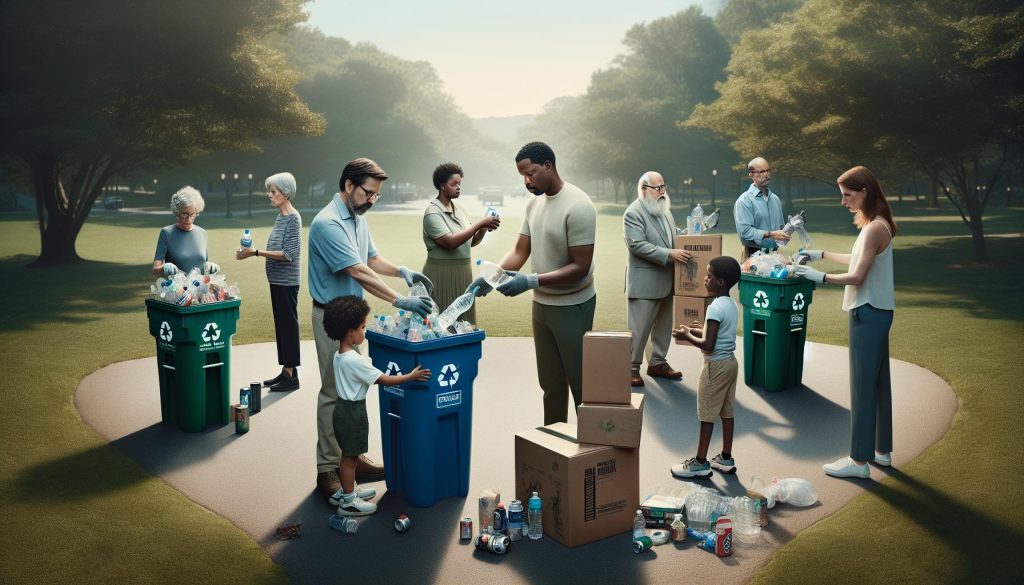
Did you know that recycling just one ton of plastic can save over 7,000 gallons of water? As climate change looms larger, the urgency for effective solutions has never been more critical. Recycling plays a key role in mitigating this global challenge by reducing waste and conserving precious resources. However, many people underestimate its true potential. Beyond just keeping materials out of landfills, recycling can significantly lower greenhouse gas emissions and promote a sustainable circular economy. As you dive deeper into this topic, you’ll discover how simple changes in your recycling habits can ripple out into larger environmental benefits. This exploration not only addresses pressing climate issues but also empowers you to contribute to a healthier planet while fostering a sense of community and shared responsibility. Curious to learn how you can make a tangible impact? Let’s uncover the transformative power of recycling together.
The Environmental Impact of Recycling on Climate Change
Recycling plays a crucial role in mitigating climate change by significantly reducing greenhouse gas emissions and conserving natural resources. When we recycle, we prevent the extraction and processing of raw materials, which often involve energy-intensive methods that contribute to atmospheric carbon. For example, recycling aluminum conserves over 90% of the energy required to create new aluminum from bauxite ore, and recycling paper reduces the need for deforestation, thus preserving carbon sinks that absorb CO2.
Moreover, recycling reduces the quantity of waste sent to landfills, which are significant sources of methane – a greenhouse gas that is over 25 times more potent than CO2 in warming the atmosphere over a 100-year period. By diverting materials like organic waste, plastics, and metals from landfills, we minimize methane emissions and contribute to a more stable climate. Comprehensive recycling initiatives can lead to meaningful reductions in the carbon footprint of communities.
In addition to direct environmental benefits, recycling fosters a circular economy that encourages innovation in waste management and sustainable practices. Cities around the globe are adopting more stringent recycling policies, recognizing their impact on reducing overall emissions. For instance, Shanghai has implemented robust recycling regulations, which not only enhance local waste management but also inspire citizens to engage actively in sustainability efforts, highlighting the collaborative nature of climate action.
As communities become more engaged in recycling programs, the cumulative effect can lead to measurable advancements in climate change efforts. Educating the public about the importance of recycling and demonstrating its tangible impacts can inspire responsible consumer behavior, further amplifying these benefits.
Understanding the Recycling Process and Its Benefits
Recycling is often celebrated as a cornerstone of environmental responsibility, but understanding the intricacies of the recycling process can significantly enhance its effectiveness and benefits. When materials are recycled, they undergo a series of steps designed to convert waste back into usable products, minimizing the need to extract new raw materials. This transformation directly impacts our planet’s climate health by conserving energy, reducing greenhouse gas emissions, and preserving our natural resources.
The recycling process typically begins with collection, where materials are gathered from homes, businesses, and public places. Once collected, they are transported to processing facilities. Here, materials are sorted, cleaned, and prepared for manufacturing. For example, aluminum cans are crushed and melted down to create new cans, conserving an impressive 90% of the energy compared to producing new aluminum from ore. Paper recycling not only saves trees but also reduces the energy consumption associated with manufacturing virgin paper, which can substantially lower CO2 emissions.
Benefits of Recycling
- Energy Conservation: Recycling generally utilizes less energy than producing new products from raw materials, which means lower fossil fuel consumption and reduced greenhouse gas emissions.
- Resource Preservation: By recycling, we lessen the demand for raw materials, helping to conserve precious natural resources such as forests, minerals, and water.
- Waste Reduction: Recycling diverts waste from landfills, where decomposing materials generate methane, a potent greenhouse gas that exacerbates climate change.
- Economic Benefits: Recycling creates jobs in the recycling and manufacturing industries and can lower costs associated with waste management.
Through community engagement and proper education on recycling practices, the impact of recycling can be amplified. Case studies show that cities implementing effective recycling programs, like Shanghai with its comprehensive regulations, not only witness improved waste management but also foster a culture of environmental stewardship among residents. This collective behavior is crucial; when individuals understand the significance of recycling and actively participate, they contribute to a larger movement toward sustainability, making a measurable difference in climate action efforts.
Ultimately, the recycling process is not just about reducing waste; it represents a critical strategy in our collective fight against climate change, advocating for a more sustainable and responsible way of living. Adopting recycling practices in our daily lives is a vital step toward creating a healthier planet for future generations.
Quantifying Carbon Footprint Reductions Through Recycling
Recycling has emerged as a crucial strategy in combating climate change, offering tangible benefits in terms of carbon footprint reduction. A fundamental point to grasp is that recycling not only conserves resources but also constitutes a significant measure against greenhouse gas emissions. For instance, according to the U.S. Environmental Protection Agency (EPA), recycling just one ton of paper can save more than 4,000 kilowatts of electricity, which is sufficient to power an average home for six months, and can prevent almost 3,000 pounds of CO2 emissions from being released into the atmosphere.
When we compare the carbon footprints of recyclable materials and raw materials, the differences can be staggering. For metals, recycling aluminum saves up to 95% of the energy required to produce it from bauxite ore, and each ton of recycled aluminum prevents over 9 tons of CO2 emissions. Furthermore, recycling scrap steel can save about 75% of energy compared to producing new steel from iron ore, translating into a significant reduction of approximately 1.5 tons of CO2 emissions per ton of steel produced.
Measuring Impact Through Data
To quantify the impact of recycling on carbon emissions, various studies have attempted to provide a framework. For example, a report from the Royal Institute of Technology in Sweden found that recycling all European plastic waste could cut total greenhouse gas emissions by about 30 million tons a year. This figure highlights the urgent need to enhance recycling initiatives on a continental scale, allowing for more effective resource recovery and waste reduction.
Understanding the economic implications is equally vital. California has implemented a comprehensive recycling program, which in 2018 was estimated to have prevented 14 million metric tons of greenhouse gases, equal to taking 2.9 million cars off the road. This provides a concrete example of how effective policies combined with community engagement can drive significant environmental progress.
In summary, the quantification of carbon footprint reductions through recycling serves as a powerful motivator for both individuals and organizations. By harnessing data and real-world examples, we can foster greater awareness and participation in recycling efforts, ultimately contributing to a more sustainable future. Encouraging proactive recycling habits not only leads to immediate environmental benefits but also embodies a larger commitment to tackling the climate crisis.
Recycling vs. Landfilling: A Climate Perspective
Choosing recycling over landfilling isn’t just about waste management; it is a crucial decision for mitigating climate change. When materials are sent to landfills, they decompose and generate methane, a greenhouse gas that is over 25 times more potent than carbon dioxide over a century. In contrast, recycling minimizes waste and reduces the need for new materials, thereby lowering the overall carbon footprint associated with production processes. For instance, every ton of recycled paper saves 1.5 tons of carbon dioxide emissions that would have otherwise been produced in a landfill environment.
Adopting recycling practices significantly curtails the emissions that contribute to climate change. Yeager et al. (2019) reveal that recycling metals results in a notable energy savings, approximately 75% less than producing new metals from raw ore. This translates to substantial reductions in greenhouse gas emissions. When aluminum is recycled, it conserves about 95% of the energy needed for primary production. This not only highlights the efficiency of recycling but starkly contrasts the environmental costs associated with landfilling.
Making informed choices about disposal methods supports a more sustainable future. Communities can actively participate by implementing local recycling programs, which in themselves have proven successful in reducing landfill dependency. Take, for example, the case of San Francisco, which has achieved an impressive diversion rate of over 80% of its waste from landfills through robust recycling and composting initiatives. Such efforts not only lessen the burden on landfills but also set a benchmark for reducing greenhouse gases at a community level.
Ultimately, the choice between recycling and landfilling is a pivotal one in the fight against climate change. By prioritizing recycling, individuals and communities can effectively lower greenhouse emissions, preserve natural resources, and contribute to the sustainability of our planet. Engaging in recycling also facilitates a shift in public perception, encouraging responsible consumption patterns that benefit the environment long term.
How Recycling Conserves Natural Resources and Ecosystems
Recycling stands as a critical solution in the quest to conserve our planet’s precious natural resources and protect ecosystems. Did you know that recycling one ton of aluminum can save the equivalent of 14,000 kilowatts of energy? That’s enough energy to power a house for nearly five days! By transforming used materials back into usable products, recycling reduces the demand for virgin resources, thereby conserving habitats and minimizing the environmental degradation associated with resource extraction.
When we recycle materials, we not only save energy but also decrease the need for new raw materials. This shift has profound implications for ecosystems, many of which are already under severe stress from overexploitation. For example, the mining and processing of materials like wood, metals, and fossil fuels often lead to deforestation, habitat destruction, and soil erosion. By choosing to recycle rather than extract new materials, we are actively contributing to the preservation of biodiversity and the overall health of our ecosystems.
Advantages of Recycling for Resource Conservation
- Reduced Resource Extraction: Recycling diminishes the need for new raw materials, which lessens the strain on our planet’s finite resources.
- Lower Energy Consumption: The energy required to recycle materials is often significantly less than that needed to produce new ones from raw resources, as seen in the aluminum example.
- Pollution Mitigation: Utilizing recycled materials leads to decreased pollution levels associated with mining, processing, and transportation of new materials.
Communities and industries that embrace recycling demonstrate the positive effects of this practice firsthand. Take, for instance, the recycling initiatives in cities like Amsterdam, where substantial investments in recycling infrastructure have led to a reduction in raw material consumption and a significant decrease in waste sent to landfills. By reimagining waste as a resource, cities can foster sustainable urban environments while protecting surrounding natural ecosystems.
The journey towards sustainability is not solely a personal responsibility; it is a collective effort. Communities can engage in local recycling programs, host educational seminars, and promote the use of recycled products to amplify the impact of recycling. In doing so, they not only conserve natural resources but also cultivate a culture of environmental stewardship that fosters long-term ecological health and resilience against climate change.
The Role of Recycling in Reducing Greenhouse Gas Emissions
When considering strategies to combat climate change, one powerful yet often overlooked solution is recycling. In fact, data suggests that recycling can significantly reduce greenhouse gas emissions-an essential step toward mitigating the climate crisis. For instance, the U.S. Environmental Protection Agency (EPA) estimates that recycling and composting prevented the release of approximately 186 million metric tons of carbon dioxide equivalent into the air in 2018 alone. That’s comparable to the annual emissions from over 39 million passenger vehicles.
The reduction in greenhouse gas emissions from recycling primarily stems from the energy savings associated with sourcing recycled materials rather than extracting and processing new ones. For example, recycling aluminum saves up to 95% of the energy required to produce new aluminum from bauxite ore, resulting in a considerable cut in emissions. Each ton of recycled aluminum can prevent about 9 tons of greenhouse gases from being emitted. This example highlights how recycling can play a critical role in a low-carbon economy.
Moreover, recycling contributes to emission reductions across various sectors, including paper and plastics. The process of recycling paper consumes far less energy compared to producing it from virgin materials, thus reducing the carbon footprint associated with energy production, predominantly from fossil fuels. In the case of plastics, recycling not only diminishes the volume of waste in landfills but also curbs the release of methane-a potent greenhouse gas generated during the decomposition of plastics.
To maximize the benefits of recycling, communities can adopt more comprehensive recycling programs and encourage residents to participate actively. Educational campaigns can raise awareness about the importance of recycling habits and their impact on climate change. By fostering a culture that prioritizes recycling, communities can significantly contribute to the reduction of greenhouse gas emissions while promoting sustainability and resource conservation.
In summary, the impact of recycling on greenhouse gas emissions cannot be overstated. As we face a growing climate crisis, embracing and enhancing recycling practices emerges as a vital strategy for reducing emissions and promoting a healthier planet for future generations.
Innovative Recycling Technologies and Their Climate Benefits
The recycling landscape is undergoing a significant transformation thanks to innovative technologies that enhance efficiency and sustainability, providing crucial benefits in the fight against climate change. One notable advancement is the development of advanced sorting systems using artificial intelligence (AI). These systems can quickly and accurately identify different materials on recycling lines, increasing the percentage of effectively recycled materials while reducing contamination. This advancement not only optimizes the recycling process but also minimizes the energy spent on reprocessing materials that would otherwise be labeled as waste.
Another exciting innovation is the rise of chemical recycling methods, which are particularly effective for plastics. Unlike traditional recycling, which often requires the separation and washing of plastics, chemical recycling breaks down plastics into their original monomers, allowing them to be reassembled into new plastic products. This technique can enhance recycling rates significantly and reduce reliance on petroleum, addressing both waste management and resource depletion issues. For instance, companies like Loop Industries are pioneering technologies that promise to divert a substantial volume of hard-to-recycle plastics from landfills, thus mitigating greenhouse gas emissions associated with both their production and disposal.
Furthermore, new technologies in waste-to-energy (WTE) processes are emerging, converting non-recyclable waste into clean energy. By utilizing materials that cannot be recycled, WTE facilities not only reduce landfill volume but also generate electricity that can be fed back into the grid. This dual-purpose function signifies a crucial shift towards a circular economy, as it prevents the release of methane from decomposing waste while providing a renewable energy source. Countries such as Sweden exemplify this with their successful WTE initiatives, demonstrating the potential impact of such technologies on reducing national carbon footprints and promoting sustainable waste management.
Overall, these innovative technologies not only enhance recycling capabilities but also align with broader environmental goals by decreasing energy consumption, conserving natural resources, and reducing greenhouse gas emissions. By supporting the implementation of these advanced systems, communities and businesses alike can play a pivotal role in fostering a more sustainable future, directly addressing the urgent challenges posed by climate change.
Case Studies: Successful Recycling Programs Around the World
Cities and nations worldwide are increasingly recognizing the critical role that effective recycling programs play in combating climate change. One particularly impressive example comes from Sweden, which has developed a robust system that recycles approximately 99% of its household waste. By implementing advanced waste-to-energy technologies and separating recyclable materials, Sweden not only diverts waste from landfills but also converts it into heat and electricity. This dual approach significantly reduces greenhouse gas emissions, showcases the benefits of a circular economy, and serves as a model for other countries looking to improve their recycling efforts.
Community Engagement: The Success of San Francisco
San Francisco has emerged as a leader in recycling and composting within the United States. The city boasts a 80% diversion rate, thanks to its comprehensive Zero Waste program that emphasizes community participation and education. Residents are encouraged to separate their waste into compost, recycling, and landfill categories, with clear guidelines and accessible resources provided. Through outreach and educational initiatives, the city has fostered a culture of sustainability, demonstrating that community engagement is essential in achieving significant recycling goals. San Francisco’s success proves that when citizens are informed and actively involved, recycling rates can soar.
Incorporating Technology: South Korea’s Smart Recycling
In South Korea, technology-enhanced recycling has come to the forefront. The government introduced a smart recycling system that requires residents to use special RFID tags to monitor their waste disposal habits. This program not only streams lines the recycling process but also incentivizes responsible waste management through financial rewards for efficient recyclers. As a result, South Korea has shown remarkable progress, achieving a recycling rate of over 60%. The blend of technology and community engagement illustrates how innovative methods can make recycling easy and rewarding for individuals, encouraging higher participation rates.
The Impact on Carbon Emissions
These successful programs highlight how effective recycling initiatives can lead to substantial reductions in carbon emissions. For instance, recycling aluminum saves 95% of the energy needed to create new aluminum from raw materials. Case studies from various cities have demonstrated that integrating advanced recycling technologies and community involvement not only enhances recycling efficiencies but also plays a critical role in climate action strategies. Each successful program serves as a crucial piece of evidence underscoring the urgent need for globally coordinated recycling efforts to combat climate change and protect our environment.
By learning from these case studies and implementing similar strategies, cities can effectively contribute to reducing greenhouse gas emissions and fostering a more sustainable future.
The Economic Benefits of Recycling for Climate Action
Harnessing the power of recycling not only addresses environmental challenges but also presents significant economic advantages that contribute to climate action. For instance, the global recycling industry generates approximately $200 billion in revenue annually, providing jobs for millions while promoting sustainable practices. By investing in robust recycling systems, communities can create a circular economy that minimizes waste and enhances the local economy, encouraging innovation and job creation.
Cost Savings Through Recycling
Recycling leads to substantial cost savings for governments and businesses alike. By diverting waste from landfills, communities can reduce landfill fees and the costs associated with waste disposal. For example, a study from the National Recycling Coalition found that recycling programs can yield as much as $100 in savings per ton of waste processed. Furthermore, recycling reduces the need for raw material extraction, which often involves high environmental and monetary costs. Through recycling, valuable materials are kept in circulation, decreasing the reliance on virgin materials and further benefiting the economy.
Job Creation and Economic Growth
The recycling sector is a powerful engine for job creation. According to the U.S. EPA, recycling and reuse activities supported over 1.1 million jobs in the United States and generated nearly $236 billion in revenue. Innovative recycling technologies and systems can enhance these numbers even further. For instance, in San Francisco, the Zero Waste program has not only increased recycling rates but also stimulated local green job opportunities, contributing to the city’s economic resilience. This direct correlation between recycling efforts and job growth showcases the potential of implementing effective recycling strategies for economic development.
Investing in Sustainable Technologies
Investments in recycling technologies present a dual benefit: they improve efficiency in recycling processes and reduce environmental footprints. Advanced technologies, such as AI-driven sorting systems and chemical recycling methods, enable higher recovery rates and the processing of complex materials that traditional methods cannot handle. This innovation attracts investment, leading to the growth of a green economy. Companies that embrace such technologies not only improve their bottom lines but also position themselves as leaders in sustainability-a necessary pivot for future market competitiveness.
By recognizing and harnessing these economic benefits of recycling, communities and businesses can make informed decisions that not only contribute to climate action but also ensure lasting economic growth. This actionable approach emphasizes that sustainability and profitability can go hand in hand, creating a win-win scenario for all stakeholders involved.
Community Engagement in Recycling Initiatives
Involving communities in recycling initiatives is not just beneficial-it’s essential for fostering a culture of sustainability and enhancing climate action. Research illustrates that when local citizens actively participate in recycling programs, not only is the volume of recyclables collected significantly increased, but the overall effectiveness of these programs improves as well. Engaged communities become champions of environmental stewardship, transforming recycling from a mundane task into a collective endeavor that unites neighbors and local organizations.
Strategies for Community Engagement
Creating effective community engagement around recycling requires a thoughtful approach. Initiatives such as educational workshops, community clean-up days, and incentivized recycling challenges can motivate participation. For example, community competitions where neighborhoods compete for the highest recycling rate can spur excitement and accountability. Additionally, providing clear, accessible information on what can be recycled and how to do it properly helps eliminate confusion that may lead to contamination and the inefficiencies of wishcycling-where individuals mistakenly place non-recyclable items in recycling bins, ultimately hampering recycling efforts [1].
Real-World Success Stories
Successful examples around the globe illustrate the power of community engagement in recycling. San Francisco’s Zero Waste program serves as a blueprint; it not only achieved a remarkable diversion rate from landfills, but also fostered a city-wide commitment to sustainability. Initiatives included neighborhood recycling ambassadors and public education campaigns that emphasized the environmental benefits of recycling, significantly enhancing local participation [3].
In another case, a small town in Minnesota launched a “Recycling Roadshow,” taking mobile education systems into neighborhoods, where residents could learn about recycling first-hand. By demonstrating the impact of what happens to recycled materials, residents began to understand their role in reducing climate change, leading to a marked increase in local recycling rates.
Engaging the community not only elevates recycling rates but also cultivates a sense of ownership and responsibility toward the environment. Through collaboration, education, and shared goals, communities can turn recycling into a powerful tool against climate change, reinforcing the idea that collective action leads to tangible change.
The Importance of Education and Awareness in Recycling
Raising awareness around recycling can serve as a transformative force in the fight against climate change. Studies show that 75% of the waste stream in the U.S. is recyclable, yet the national recycling rate hovers around just 35%. This disparity highlights a significant opportunity: educating the public about what can be recycled, how it reduces greenhouse gas emissions, and the role it plays in a sustainable future is crucial. Knowledge inspires action, and when people understand the tangible impact of their actions, they are more likely to engage in recycling practices that contribute to climate resilience.
Empowering Through Education
Education should not be merely informational; it needs to empower citizens to take ownership of their recycling practices. This can be achieved through various outreach strategies, such as community workshops, school programs, and social media campaigns. For example, educational programs in schools that incorporate hands-on activities-like sorting materials or visiting recycling facilities-can instill values of sustainability in children from an early age. Such initiatives can foster a lifelong commitment to responsible consumption and waste management, creating a new generation of environmentally conscious individuals.
Effective Communication Strategies
Clear communication is essential to dispel myths and reduce contamination in recycling streams. Strategies can include the use of visual indicators (such as posters or graphics) that demonstrate what items can and cannot be recycled. Additionally, community leaders can leverage local events to engage residents, inform them about recycling guidelines, and discuss the broader environmental implications of their efforts. For example, the City of Toronto has implemented a successful campaign that features local celebrities discussing recycling benefits, which has significantly boosted local engagement and participation rates.
Real-World Impact
Real-life case studies provide compelling evidence of the importance of education in recycling. In Sweden, public education initiatives have resulted in one of the highest recycling rates in the world at approximately 99%. This success stems from a widespread societal understanding of recycling’s significance, reinforced by government policies and community support. Such examples illustrate that with proactive education and awareness campaigns, communities can achieve remarkable results in waste diversion and environmental protection.
Through sustained efforts in education and awareness, recycling can evolve from a basic civic duty to a community-driven movement. By actively involving the public and making information accessible and relevant, we can harness recycling as a powerful tool to combat climate change and foster a sustainable future.
Future Trends: Recycling and Climate Change Solutions
As global awareness around climate change intensifies, an innovative wave of recycling solutions is emerging, aimed not only at reducing waste but also at significantly curbing greenhouse gas emissions. The integration of advanced recycling technologies, such as chemical and enzymatic recycling, promises to revolutionize how materials are processed, transforming traditional single-use plastics into reusable resources. These technologies can break down plastics into their fundamental components, allowing for the creation of new products without the need for virgin materials, which often involve environmentally taxing extraction and processing methods.
Emerging Technologies in Recycling
The advent of innovative recycling technologies signifies a pivotal shift in sustainability strategies. For instance, chemical recycling offers the ability to address the limitations of mechanical recycling, particularly for contaminated or complex plastic products that are typically landfill-bound. By using chemical processes, companies can convert plastic waste back into its original monomers, which can then be used to produce new plastics. This not only diverts waste from landfills but also reduces the demand for fossil fuels, as seen in recent partnerships between major corporations that focus on closed-loop systems.
Furthermore, companies are beginning to harness blockchain technology to enhance transparency and traceability in recycling processes. By accurately tracking materials from their point of origin through the recycling life cycle, stakeholders can ensure greater accountability and efficiency. This approach fosters trust among consumers, encouraging them to partake in recycling initiatives and, ultimately, to make more sustainable purchasing decisions.
Engaging Communities and Consumers
Community engagement remains crucial in the future of recycling. Local programs that incorporate gamification elements, where participants receive rewards or recognition for their recycling efforts, have proven effective in increasing participation rates. Programs like these not only raise awareness about recycling but also foster a culture of sustainability. For example, a community in San Francisco saw a 30% increase in recycling rates by introducing a mobile app that tracks individual contributions to recycling efforts, highlighting the positive environmental impact of each person’s actions.
Education plays an essential role in equipping individuals with the knowledge to navigate complex recycling guidelines and norms. Schools and local governments can implement educational workshops that focus on the impact of recycling on climate change, specifically tailored to address common misconceptions and demonstrate tangible outcomes. By creating an informed citizenry that feels empowered, communities can collectively enhance recycling rates, creating a more sustainable future.
In conclusion, the future of recycling as a solution to climate change will be shaped by technological advancements, community engagement, and comprehensive education strategies. By embracing these trends, society can harness the full potential of recycling, ultimately transforming waste into valuable resources and mitigating the pressing impacts of climate change.
FAQ
Q: How does recycling reduce greenhouse gas emissions?
A: Recycling reduces greenhouse gas emissions by conserving energy needed to produce new materials. For instance, recycling aluminum saves up to 95% energy compared to creating it from raw bauxite. By lowering energy consumption, recycling directly mitigates the carbon footprint associated with traditional manufacturing processes.
Q: What are the long-term benefits of recycling for climate change?
A: Long-term recycling benefits the climate by promoting a circular economy. This approach reduces reliance on virgin resources, minimizes waste in landfills, and encourages sustainable production methods. Ultimately, it helps decrease pollution, conserves natural habitats, and fosters resilience against climate change impacts.
Q: Why is recycling considered a part of climate action plans?
A: Recycling is integral to climate action plans for its ability to reduce waste and lower carbon emissions. By integrating recycling into broader strategies, communities can optimize resource use, conserve energy, and divert significant waste from landfills, contributing to meeting climate targets.
Q: How can individuals contribute to better recycling practices?
A: Individuals can enhance recycling practices by educating themselves on proper recycling methods, reducing contamination by cleaning recyclables, and actively participating in local recycling programs. Being informed helps ensure materials are effectively recycled, ultimately benefiting the environment.
Q: What innovative recycling technologies are helping combat climate change?
A: Innovative recycling technologies, like advanced sorting systems and chemical recycling, are improving efficiency in material recovery. These technologies allow for better separation of recyclables and can process previously non-recyclable plastics, significantly reducing waste and enhancing climate action outcomes.
Q: How does the economic impact of recycling relate to climate change?
A: Recycling positively influences the economy by creating jobs in the recycling and manufacturing sectors. A robust recycling industry not only provides employment but also stimulates economic growth while mitigating climate change effects by conserving resources and reducing disposal costs.
Q: What role does education play in recycling for climate change?
A: Education is crucial for effective recycling as it informs communities about best practices and the benefits of recycling. Increased awareness leads to greater participation in recycling programs, resulting in reduced waste and lower carbon emissions, making education a vital tool for climate action.
Q: How does recycling compare to landfilling in terms of climate benefits?
A: Recycling offers significant climate benefits over landfilling by reducing methane emissions from decomposing waste. While landfills produce greenhouse gases and occupy land, recycling conserves resources and energy, positioning it as a more sustainable choice for environmental protection and climate resilience.
Wrapping Up
As we’ve explored, recycling plays a critical role in combating climate change by reducing waste, conserving resources, and minimizing pollution. By making small changes in our daily habits-such as properly sorting recyclable materials-you can have a significant impact. Ready to make a difference? Consider diving deeper into textile recycling’s job creation potential here and learn how metal recycling can support sustainable development here.
We’d love to hear your thoughts! Share your recycling tips in the comments below and check out our newsletter for more insights and updates on sustainable living. Together, we can drive the change needed for a healthier planet-every action counts!