Every year, our oceans absorb about 30% of the carbon dioxide emitted into the atmosphere, leading to alarming changes in marine life. Climate change disrupts marine ecosystems through rising temperatures, ocean acidification, and deoxygenation, severely impacting biodiversity and fishing communities. As fish migrate to cooler waters and coral reefs struggle to survive, the livelihoods of millions who depend on these resources are at stake. Understanding how these changes affect marine life is vital not just for environmental preservation but also for sustaining the economies and cultures intertwined with our oceans. By exploring the intricate relationships between climate change and marine ecosystems, we can take informed actions to mitigate these effects and protect our blue planet for future generations. Join us on this journey to uncover the critical challenges our oceans face and the solutions that can help us navigate these turbulent waters.
How Climate Change Disrupts Marine Ecosystems
Climate change is reshaping marine ecosystems at an alarming rate, influencing everything from species distribution to food web dynamics. One striking fact is that ocean temperatures have already risen by about 1.2 degrees Celsius since the late 19th century, altering habitats and the behavioral patterns of countless marine species. Warmer waters lead to thermal stress for marine organisms, disrupting their reproductive cycles and migration patterns. For instance, species like cod and haddock are moving northward in search of cooler waters, which can decimate local fishing industries reliant on these staple fish populations.
Moreover, as the climate changes, so does the chemistry of our oceans. Increased carbon dioxide levels contribute to ocean acidification, which poses a significant threat to marine life, especially organisms with calcium carbonate shells, such as corals and shellfish. Acidification reduces the availability of carbonate ions, critical for the development of shells and skeletons, resulting in weaker structures and higher mortality rates among these species. This not only threatens biodiversity but also impacts industries dependent on these marine resources, from fisheries to tourism.
Marine ecosystems are also experiencing shifts in biodiversity. Warmer waters and altered nutrient availability disrupt established predator-prey relationships, leading to imbalances in species populations. For example, the decline of certain fish species due to temperature changes can lead to overpopulation of jellyfish, resulting in an even more profound disruption in marine food webs. These changes affect not only marine life but also coastal communities that rely on these ecosystems for their livelihoods.
To counter these challenges, there are innovative solutions being adopted globally. Marine protected areas (MPAs) have emerged as a critical strategy for conserving marine biodiversity. By limiting human activities in these designated zones, MPAs can help restore fish populations and improve ecosystem resilience. Furthermore, sustainable fishing practices, alongside efforts to reduce carbon emissions globally, are essential in promoting healthier marine environments. The collaborative efforts of governments, non-profits, and local communities are crucial for effective protection and restoration of these vital ecosystems, ensuring both marine life and human communities can thrive in a changing climate.
The Impact of Ocean Temperature Rise on Marine Species

Rising ocean temperatures are profoundly altering the dynamics of marine ecosystems, with significant implications for both individual species and broader ecological interactions. As temperatures climb, marine organisms experience thermal stress, which impacts their physiological functions, reproductive cycles, and migration patterns. For example, fish such as cod and haddock are increasingly relocating to cooler waters, which can result in the decline of local fisheries that depend on these species. According to reports, the ocean has already warmed by approximately 1.2 degrees Celsius since the late 19th century, and this shift is accelerating the frequency and intensity of marine heatwaves, which can devastate marine life.
One notable consequence of increased ocean temperatures is the disruption of breeding and feeding grounds for numerous marine species. Many fish and marine mammals rely on specific temperature ranges for optimal growth and reproduction. Warmer waters can lead to earlier spawning season for some species, altering the timing of key life stages. For instance, changes in the availability of prey species can lead to mismatches in predator and prey timing, exacerbating stress for species that depend on a stable food supply. Additionally, species that cannot adapt quickly, such as certain cold-water corals, face increased mortality rates, threatening the biodiversity of coral reef ecosystems.
Migratory Patterns and Distribution Changes
As ocean temperatures continue to rise, migratory patterns are also affected. Many species, particularly pelagic fish and marine mammals, undertake long migrations in response to temperature changes, shifting their ranges toward the poles or toward deeper waters. This movement poses challenges for ecosystems, as the arrival of species in new areas can lead to competition with native species. For instance, warmer waters may enable invasive species to thrive, disrupting existing food webs and complicating conservation efforts.
Practical strategies to mitigate these impacts include the establishment of marine protected areas (MPAs), which can provide refuge for vulnerable species while promoting recovery in overfished populations. Sustainable fisheries management that accounts for changing distribution patterns is also essential to ensure the resilience of marine species against the backdrop of climate change. Engaging local communities and stakeholders in conservation initiatives enhances the effectiveness of these strategies, fostering a collaborative approach to safeguarding marine life as warming seas change the landscape of our oceans.
By understanding the specific impacts of rising temperatures, stakeholders can work towards adaptive management strategies that benefit both marine ecosystems and the human communities that depend on them.
Acidification: The Hidden Threat to Marine Life
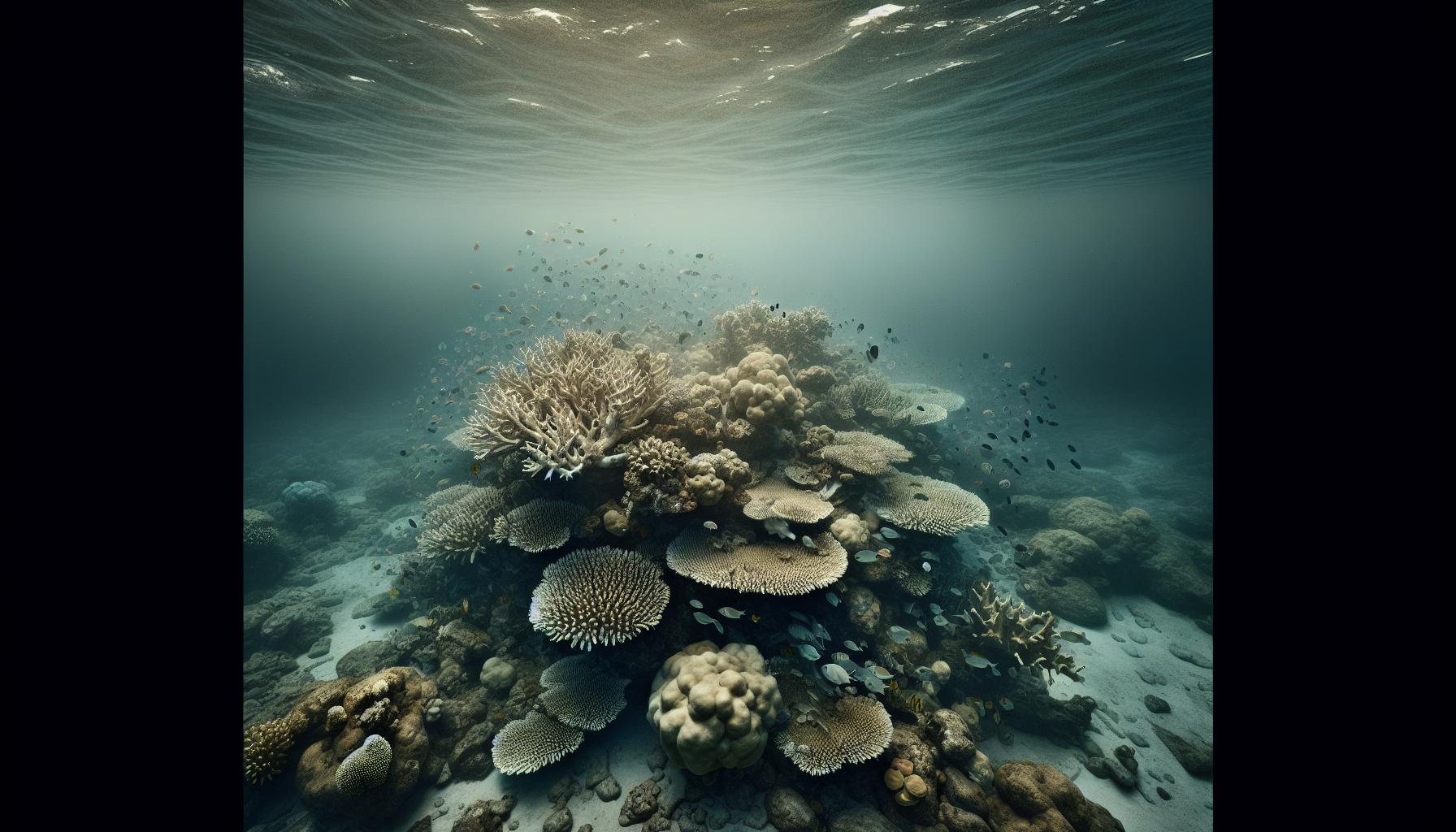
Rising levels of atmospheric carbon dioxide (CO2) not only influence global temperatures but also lead to a phenomenon known as ocean acidification, which poses a significant yet often underestimated threat to marine ecosystems. When CO2 is absorbed by the oceans, it undergoes a chemical reaction that lowers the water’s pH, making it more acidic. Since the beginning of the Industrial Revolution, the average pH of ocean water has dropped by about 0.1 units, a change that may seem small but represents a roughly 30% increase in acidity. This shift disrupts the delicate balance of marine life, particularly affecting organisms that rely on calcium carbonate to form their shells and skeletons, such as corals, mollusks, and certain plankton species.
The consequences of acidification extend beyond individual species. For example, coral reefs-often referred to as the “rainforests of the sea”-are experiencing weakened calcification rates, making them more susceptible to damage from storms and less capable of rebuilding after disturbances. As coral reefs degrade, the countless marine species that depend on them for habitat, food, and protection are also jeopardized. A study found that decreased pH levels from acidification can inhibit reef-building corals’ ability to grow and reproduce, threatening the biodiversity that thrives within these ecosystems and potentially leading to a cascading series of ecological consequences.
Addressing this hidden threat requires a multifaceted approach. Communities and policymakers can implement strategies aimed at reducing CO2 emissions, thereby limiting acidification. Initiatives such as transitioning to renewable energy sources, enhancing energy efficiency, and promoting sustainable fishing practices can significantly mitigate the impact of climate change on ocean chemistry. Additionally, the establishment of marine protected areas (MPAs) can help safeguard vulnerable species and habitats, providing a buffer against the compounded stresses of acidification and warming.
Engagement and education of local communities are also critical. By raising awareness of the impacts of ocean acidification, individuals can make informed choices about their consumption habits and advocate for policies that protect marine environments. Global cooperation is imperative, as the oceans are interconnected systems that require collective action to ensure their resilience against the ongoing challenges posed by climate change. In doing so, we can help preserve marine biodiversity and the livelihoods that are intricately woven into the fabric of ocean health.
Shifts in Marine Biodiversity due to Climate Change

Rising ocean temperatures and changing environmental conditions are causing significant shifts in marine biodiversity that are reshaping ecosystems around the globe. Among the most alarming trends is the redistribution of species; for instance, many fish species are migrating towards cooler waters, often moving poleward or to greater depths as they seek optimal temperatures. This shift not only affects the distribution of marine life but also has profound implications for fisheries, local economies, and food security. Coastal communities that depend on traditional fishing grounds may find themselves grappling with depleted stocks as species move out of reach.
The delicate balance of marine ecosystems is further threatened by the loss of species diversity. As specific species decline, those that remain can bloom unchecked, leading to harmful algal blooms and disruptions in food webs. For example, overfishing of key predator species can cause an increase in smaller fish populations, which may outcompete or predate upon other vital species, resulting in cascading ecological consequences. This shift can also compromise the resilience of these ecosystems, making them more vulnerable to further stresses such as pollution and habitat destruction.
Moreover, changes in marine biodiversity can lead to alterations in important ecological services. For example, many species play crucial roles in nutrient cycling and habitat formation, such as seagrasses and kelp forests, which act as nursery grounds for various marine organisms. As these key species decline or shift their ranges, the entire ecosystem’s functionality can be jeopardized, affecting everything from carbon sequestration to coastal protection.
In light of these challenges, proactive measures are essential. Communities can focus on sustainable fisheries management, implementing regulations that adapt to shifting species distributions. Designing marine protected areas (MPAs) that consider the potential impacts of climate change and biodiversity shifts can help in conserving critical habitats. Education and engagement at the local level can empower individuals to participate in conservation efforts, supporting the resilience of marine ecosystems. By fostering collaboration between scientists, policymakers, and local communities, we can ensure more effective responses to these complex changes, ultimately preserving the richness of marine biodiversity for generations to come.
Effects of Climate Change on Coral Reefs
Coral reefs are some of the most vibrant ecosystems on the planet, often referred to as the “rainforests of the sea.” They support an incredible diversity of marine life and are vital for coastal protection and the economy. However, ongoing climate change is severely impacting these essential structures, leading to alarming consequences.
One of the most significant is ocean warming. Corals thrive in specific temperature ranges, and even slight increases can trigger a phenomenon called coral bleaching. This occurs when stressed corals expel the symbiotic algae living in their tissues, which provide energy through photosynthesis and give corals their color. Without these algae, corals turn white and become more vulnerable to disease, starvation, and death. For instance, the Great Barrier Reef experienced devastating bleaching events in 2016 and 2017, which left large areas of the reef severely damaged and struggling to recover due to rising water temperatures [[3](https://www.barrierreef.org/the-reef/threats/climate-change)].
The Impact of Ocean Acidification
Alongside temperature rise, ocean acidification poses a hidden yet significant threat to coral reefs. Increased carbon dioxide (CO2) levels from human activities lead to higher amounts of CO2 dissolving in ocean waters, resulting in lower pH levels. This acidic environment hampers corals’ ability to calcify, making it more difficult for them to build their skeletons and grow. As corals struggle to maintain their structures, the entire reef ecosystem becomes compromised, affecting not only the corals but also the myriad species that depend on reefs for habitat and resources [[2](https://www.c2es.org/document/coral-reefs-global-climate-change-potential-contributions-of-climate-change-to-stresses-on-coral-reef-ecosystems/)].
Declines in Biodiversity and Resilience
The consequences extend beyond just coral health. Altered conditions disrupt the delicate interplay of marine life associated with coral reefs. Fish populations, in particular, face challenges as their breeding grounds become less hospitable. As vulnerable species decline, the reefs may become overrun by faster-growing algae, resulting in reduced biodiversity and diminished ecological resilience. Such changes can destabilize the entire ecosystem, reducing its ability to recover from environmental stresses, further threatening both marine life and the human communities that rely on these resources [[1](https://www.wwf.org.uk/coral-reefs-and-climate-change)].
To combat these growing threats, it is essential to implement proactive measures. This includes creating and enforcing marine protected areas (MPAs) to provide safe havens for vulnerable species and rebuilding efforts to restore damaged reefs [[3](https://www.barrierreef.org/the-reef/threats/climate-change)]. Additionally, global commitment to reducing carbon emissions is critical to stabilize the climate and safeguard coral ecosystems for future generations. Engaging local communities in conservation efforts can foster collective responsibility, promoting sustainable practices that benefit both the environment and the economy. Through informed action and collaboration, we can protect these vital ecosystems and the biodiversity they harbor, ensuring they continue to thrive in a changing climate.
The Role of Decreased Oxygen Levels in Marine Habitats
As ocean temperatures rise, another insidious consequence of climate change emerges: decreased oxygen levels in marine habitats. This phenomenon, often referred to as hypoxia, occurs when the concentration of dissolved oxygen in seawater drops below levels necessary to sustain marine life. Studies indicate that hypoxic events are projected to increase significantly due to warming waters and nutrient pollution, which feeds algae blooms that deplete oxygen as they die off and decay. The impact of these low-oxygen environments can be devastating, particularly for sensitive species like fish and shellfish.
Fish and other marine organisms rely on sufficient oxygen levels for survival and proper metabolic function. In hypoxic conditions, fish experience stress and are more susceptible to diseases. Critical habitats, such as estuaries and coral reefs, suffer as the balance of life is disrupted. Species that cannot migrate to more oxygenated waters may face decline or even extinction, reducing biodiversity and altering community structures within these ecosystems. Moreover, commercial fish populations are at risk, threatening both the food systems they support and the livelihoods of fishing communities.
To combat the looming threat of decreased oxygen levels, proactive measures are vital. Sustainable agricultural practices can help reduce nutrient runoff, which is a major driver of algal blooms and subsequent hypoxia. Implementing better waste management systems in coastal areas, restoring wetlands, and creating marine protected areas can further enhance resilience against fluctuating oxygen levels. Engaging local communities in conservation efforts not only raises awareness but also promotes sustainable behaviors that can mitigate these impacts.
Addressing the challenges posed by decreased oxygen levels requires a collaborative approach involving scientists, policymakers, and local stakeholders. By combining scientific research with community action, we can create a sustainable framework that nurtures both marine ecosystems and the economies that depend on them. As stewards of the ocean, our response to climate change can shape the future of marine life and the health of our planet.
Threats to Fish Populations and Fisheries Industries
As ocean temperatures rise and waters grow more acidic, the repercussions for fish populations and fisheries industries are alarming. Climate change is not just an environmental crisis; it is an existential threat to our food security and economic stability. Research indicates that many fish species are sensation-sensitive and require specific temperature ranges to thrive. For instance, species like cod and haddock are already migrating toward cooler waters, altering traditional fishing grounds and putting pressure on fish stocks utilized by communities globally.
The Economic Impact of Declining Fish Stocks
The decline in fish populations has substantial economic implications, particularly for coastal communities that depend on fishing industries for their livelihoods. According to the United Nations Food and Agriculture Organization (FAO), up to 40% of the world’s fish stocks are overexploited, significantly affecting fishing communities and economies. When fish populations dwindle due to climate change, it leads to lower catch rates and higher prices in local markets, which can exacerbate food insecurity. Furthermore, fishermen may face increased operational costs as they travel further to find fish, diminishing profit margins and threatening their way of life.
Strategies for Sustainable Fisheries Management
To mitigate these threats, implementing sustainable fisheries management practices is crucial. Some effective strategies include:
- Adaptive Harvest Management: Adjust catch limits based on real-time assessments of fish populations to prevent overfishing.
- Protecting Critical Habitats: Establish marine protected areas (MPAs) to safeguard spawning grounds and critical habitats that support fish reproduction and growth.
- Community Engagement: Involving local fisheries in decision-making processes ensures that management strategies align with the needs and knowledge of those directly affected.
- Innovative Technology: Utilizing advanced tracking and monitoring systems can enhance data accuracy for fisheries, leading to responsible catch practices.
Real-world examples highlight the success of these strategies. In the Gulf of Mexico, collaborative efforts among fisher groups, conservationists, and regulatory agencies have led to the recovery of certain fish stocks through the establishment of seasonal closures and size limits. These initiatives emphasize the potential for communities to adapt to climate impacts while rebuilding fish populations, showcasing a path forward amidst challenging circumstances.
In addressing the challenges posed by climate change, it’s essential to foster a resilient fishing industry that can adapt while ensuring that future generations maintain access to vital marine resources. By prioritizing sustainability, collaboration, and innovation, we can protect both our oceans and the communities that rely on them.
Marine Mammals: Adapting to Changing Environments
As climate change continues to reshape our oceans, marine mammals are facing a host of challenges that require adaptation and resilience. Species such as whales, seals, and dolphins are not just passive inhabitants of their aquatic environments; they are dynamic creatures that rely on stable ecosystems for their survival. However, rising ocean temperatures, melting ice habitats, and shifting prey availability demand significant changes in their behaviors and migration patterns.
One of the most critical adaptations observed in marine mammals is altered migratory routes. For instance, some whale species have begun to change their migratory patterns in response to changing prey distributions, often moving to cooler waters where their food sources, such as krill and small fish, are thriving. This shift can lead to increased competition for resources and can affect their breeding success if these new areas do not provide adequate conditions for giving birth and raising young. Furthermore, as temperatures rise, ice-dependent species like polar bears and seals are critically impacted as their habitats diminish, forcing them to travel further and expend more energy to find food.
Human Impact and Collaborative Solutions
The impact of climate change on marine mammals is not just an ecological concern; it is also a matter of global responsibility that requires human intervention. Conservation efforts are essential to mitigate these changes and facilitate adaptive strategies. Here are some practical approaches being employed:
- Protecting Critical Habitats: Establishing marine protected areas (MPAs) can safeguard essential habitats for breeding and feeding, allowing populations to stabilize and recover.
- Reducing Anthropogenic Stressors: Efforts to minimize ship traffic and noise pollution can help reduce disturbances to marine mammals, thereby promoting healthier environments for their adaptation.
- Research and Monitoring: Ongoing studies and tracking technologies are crucial for understanding how marine species are responding to climate changes. This data can guide conservation strategies and inform policy decisions.
- Community Engagement: Involving local communities in conservation initiatives ensures that the needs of the people who rely on marine ecosystems are also addressed, fostering a sense of shared responsibility.
Real-world examples of successful adaptation strategies abound. In the North Atlantic, initiatives to monitor the movements of humpback whales have led to changes in shipping routes, reducing the risk of collisions and disturbances. In another case, collaborative efforts among researchers, governments, and indigenous communities in the Arctic are yielding valuable insights into the behaviors of seals and their dependency on ice, prompting more effective climate action measures.
By prioritizing conservation, strategic change, and collaborative efforts, we can support marine mammals in adapting to the shifting landscapes of their environments, ensuring the survival of these magnificent creatures and the health of our oceans for generations to come.
Impact of Climate Change on Marine Food Webs
As the oceans continue to warm and acidify, the intricate connectivity of marine food webs is increasingly jeopardized, leading to profound implications for both marine life and human communities that depend on these ecosystems. Food webs in the ocean are not merely chains of predator and prey; they are complex networks where the health of one species can reverberate throughout the entire ecosystem. For instance, as ocean temperatures rise, species such as phytoplankton- the foundation of the marine food web- are affected in their growth rates and reproductive cycles, causing a ripple effect that impacts zooplankton, fish, and higher predators.
Rising sea temperatures can lead to phenological mismatches, where the timing of biological events in predator and prey species become desynchronized. For example, if certain fish species spawn earlier or later due to warming waters, there may be fewer zooplankton available at the right time for young fish to feed on, significantly affecting their survival rates. Similarly, changes in nutrient availability and the distribution of these organisms can lead to the decline of key fish species, which, in turn, threatens predatory species such as sharks and marine mammals that rely on them for food.
The issue of ocean acidification also poses a substantial threat to marine food webs. As the ocean absorbs more carbon dioxide from the atmosphere, it becomes more acidic, which adversely affects organisms that build calcium carbonate shells, such as oysters, clams, and certain coral species. The decline of these foundational species not only disrupts the food sources for predators but also leads to the degradation of habitats that are vital for many marine organisms. Coral reefs, often referred to as the “rainforests of the sea,” are particularly vulnerable, and their decline represents a loss of biodiversity and, subsequently, the services they provide to coastal communities, including fisheries and tourism.
Practical Strategies for Resilience
Adaptation and proactive strategies are crucial to mitigate these impacts on marine food webs. Some approaches include:
- Establishing Marine Protected Areas (MPAs): MPAs help safeguard critical habitats and allow ecosystems to recover from human-induced stressors, thereby enhancing resilience against climate change.
- Supporting Sustainable Fisheries: Implementing management practices that take into account changing species distributions can help maintain fish populations and the vitality of marine food webs.
- Enhancing Research and Monitoring: Ongoing scientific research to track changes in species interactions and population dynamics will provide important data for adaptive management strategies targeting food web stability.
- Promoting Community Awareness: Engaging local communities in understanding the impacts of climate change and advocating for sustainable practices can foster a shared commitment to protect marine ecosystems.
By prioritizing these adaptive approaches, we can work towards maintaining the resilience of marine food webs amid the challenges posed by climate change, ultimately ensuring the sustainability of marine resources for future generations.
Consequences for Coastal Communities and Ecosystems
Coastal communities around the globe are on the frontline of climate change, facing an array of challenges that directly impact their livelihoods, health, and cultural identities. Rising ocean temperatures and increasing sea levels threaten not only the ecosystems upon which these communities depend but also their very existence. For instance, in places like Miami and New Orleans, higher sea levels have begun eroding shorelines and flooding infrastructure, forcing discussions about relocation and the costly elevation of homes.
As marine ecosystems deteriorate due to climate-related stresses, critical fishing industries, which directly sustain millions of jobs worldwide, are at risk. Warmer waters can drive fish stocks to deeper, cooler regions further from traditional fishing grounds, diminishing catches and exacerbating food insecurity for populations reliant on these resources. This displacement disproportionately affects small-scale fishermen in developing nations who lack the means to adapt through technological or logistical support.
Mitigating these impacts requires proactive community engagement and strategic planning. Communities can build resilience through sustainable practices and cooperative resource management. Some practical measures include:
- Restoring Wetlands: Wetlands act as natural buffers against storm surges and flooding, while also providing habitats for a multitude of species.
- Investing in Sustainable Tourism: Transitioning to eco-tourism can enhance local economies while minimizing environmental footprints.
- Developing Climate Action Plans: These plans can educate residents on climate risks and strategies for adaptation, ensuring preparedness for future changes.
Real-world case studies highlight successful adaptation strategies. For example, the community of Brighton, UK, invested in a “living shoreline” project that integrates natural elements to reduce erosion while providing habitats for marine biodiversity. Similarly, in the Philippines, local fishermen have shifted to sustainable fishing practices, preserving not only their income but also the health of marine ecosystems critical to their way of life.
Through combining local knowledge with scientific research, coastal communities can forge paths toward resilience in the face of climate change, ensuring the sustainability of both their ecosystems and livelihoods for generations to come.
Innovative Solutions to Protect Marine Life
Addressing the ongoing challenges posed by climate change to marine life requires a multifaceted approach that draws on innovative solutions and community involvement. As ocean temperatures rise and habitats shift, it’s crucial to implement strategies that protect marine ecosystems while fostering sustainable practices. One such solution involves the establishment of marine protected areas (MPAs), which serve as safe havens for vulnerable species. Research indicates that MPAs can significantly enhance fish populations and restore biodiversity, providing critical refuges where marine life can thrive away from human pressures like overfishing and pollution.
In addition to MPAs, fostering aquaculture is becoming increasingly vital. By promoting responsible fish farming practices, communities can reduce pressure on wild fish populations while ensuring a steady food supply. For instance, innovations in sustainable aquaculture have led to the development of closed-loop systems that recycle water and minimize waste, ultimately benefiting both the environment and local economies. Transitioning to these practices not only supports food security but also alleviates some of the stressors affecting marine ecosystems.
Another effective strategy is the use of community-based management of coastal resources. By empowering local fishers and stakeholders to take an active role in managing their marine resources, communities can implement sustainable practices tailored to their specific environments. For example, in Fiji, local communities have successfully restored customary fishing rights and created ‘taboo’ areas where no fishing is allowed, allowing ecosystems to recuperate and flourish.
Finally, integrating technology into marine conservation efforts offers new hope. Advanced tools such as satellite monitoring and drone technology can provide invaluable data on marine health and fish populations. Mobile applications that track fish catches in real-time can also help maintain sustainable fishing practices by informing fishers about optimal fishing times and areas, ultimately reducing bycatch and protecting vulnerable species.
By combining protected areas, sustainable aquaculture, community engagement, and technological innovations, we can create resilient marine ecosystems that withstand the impacts of climate change. Each of these solutions offers a pathway for not only preserving marine life but also supporting the livelihoods of those who depend on the ocean, ensuring a more sustainable and prosperous future for coastal communities around the globe.
Future Outlook: Marine Life in a Changing Climate
As we navigate the complexities of a changing climate, the future of marine life hangs in a delicate balance, influenced by numerous interrelated factors. Scientific predictions indicate that ocean temperatures will continue to rise, with models suggesting an increase of approximately 1.8°C to 4.0°C by the end of the century depending on greenhouse gas emission scenarios. This warming trend affects not only marine species directly but also their habitats, food availability, and migration patterns, potentially leading to profound changes in marine biodiversity and ecosystem stability.
The increasing prevalence of ocean acidification-resulting from elevated CO2 levels-poses a particularly insidious threat to marine life. As carbon dioxide is absorbed by the oceans, the resulting decrease in pH disrupts the ability of calcifying organisms, such as corals and shellfish, to maintain their calcium carbonate structures. This jeopardizes entire ecosystems, as these species form the foundation of the marine food web. In addition, shifts in nutrient input and oxygen content in ocean waters threaten to create dead zones, further disrupting the delicate balance that sustains marine biodiversity.
In light of these challenges, there is potential for positive outcomes through innovative and intentional actions. Marine Protected Areas (MPAs) are key to preserving biodiversity and rebuilding populations of endangered species, offering respite from overfishing and habitat degradation. A study on MPAs has shown that well-enforced areas can boost fish populations by up to 600%, creating spillover effects that benefit nearby fisheries.
Community involvement emerges as a critical strategy for future resilience. By engaging local populations in sustainable practices-such as rotational fishing and habitat restoration-communities can better manage their resources and enhance both ecosystem health and economic stability. Successful case studies from around the world highlight how indigenous knowledge and practices can drive habitat restoration initiatives and maintain biodiversity.
Technology also plays a transformative role in this future outlook. Employing advanced monitoring tools like satellite imagery and drone surveillance enables more precise data collection about marine health. This information can guide policymakers in making informed decisions that balance conservation efforts with economic development. Additionally, mobile applications that track catch data empower fishers with real-time information, supporting sustainable fishing practices that reduce overexploitation.
Ultimately, transitioning to a sustainable future for marine life is within our reach if we collectively commit to protecting our oceans. By harnessing a mix of policy advocacy, local knowledge, technological innovation, and community engagement, we can navigate the challenges posed by climate change and ensure that marine ecosystems not only survive but thrive. Whether through individual action, collective community efforts, or systemic policy changes, every effort contributes to the larger goal of safeguarding marine biodiversity for generations to come.
FAQ
Q: How does climate change impact marine food chains?
A: Climate change disrupts marine food chains by altering prey availability and predator relationships. Warmer waters can lead to fewer phytoplankton, the foundation of the food web, affecting species that rely on them. Understanding these changes is crucial for protecting marine biodiversity. For more details, refer to our section on the impact on marine food webs.
Q: What are the effects of climate change on fish migration patterns?
A: Climate change influences fish migration patterns by causing changes in water temperature and salinity. Fish may migrate to cooler waters, disrupting local ecosystems and fisheries. Adapting management practices is essential for sustainable fishing. Explore our article on the threats to fish populations for deeper insights.
Q: What is the relationship between climate change and harmful algal blooms?
A: Climate change increases the frequency and severity of harmful algal blooms, which can lead to fish kills and shellfish poisonings. Warmer temperatures and nutrient runoff contribute to these blooms, posing risks to aquatic life and human health. Learn more about marine ecosystem disruptions in our dedicated section.
Q: How does ocean acidification affect marine life?
A: Ocean acidification, driven by increased CO2 levels, harms marine life, especially shellfish and coral reefs. Acidification weakens shells and skeletons, jeopardizing species survival and ecosystem health. For a comprehensive understanding, check our section on acidification’s effects on marine life.
Q: Why are coral reefs vital to marine ecosystems in the context of climate change?
A: Coral reefs are crucial because they support diverse marine species and provide essential services like coastal protection. Climate change threatens these ecosystems through bleaching and habitat loss. Protecting them is vital for marine biodiversity. Refer to our coral reef section for further details.
Q: How do rising sea levels affect marine habitats?
A: Rising sea levels, a consequence of climate change, inundate coastal ecosystems and disrupt marine habitats. This leads to habitat loss for species like sea turtles and shorebirds. Communities must implement sustainable coastal management practices. For more on coastal impacts, see our section on coastal ecosystems.
Q: What innovative solutions exist to safeguard marine life from climate change?
A: Innovative solutions include establishing marine protected areas (MPAs), restoring habitats, and promoting sustainable fishing practices. These strategies help enhance resilience against climate impacts. For more in-depth strategies, explore our section on innovative solutions to protect marine life.
Q: How can community actions combat climate change’s effects on marine life?
A: Communities can combat these effects by reducing carbon footprints, supporting local conservation efforts, and advocating for clean water initiatives. Engaging in community-driven projects fosters resilience in marine ecosystems. Discover actionable steps in our concluding section on the innovative approaches to protecting marine life.
To Wrap It Up
As we’ve explored, climate change poses a significant threat to marine life, impacting everything from fish populations to oceanic ecosystems. The harsh realities of rising temperatures, ocean acidification, and deoxygenation remind us of the urgent need for action. To truly make a difference, we encourage you to engage with our resources on sustainable fishing practices and marine conservation efforts.
Want to stay updated on how to protect our oceans? Sign up for our newsletter and join our community committed to nurturing a healthier marine environment. Your voice matters-share this article and let your friends know about the challenges our oceans face. For further reading, check out our pieces on the effects of climate change on marine biodiversity and how you can contribute to ocean conservation. Together, we can ensure that future generations can experience the beauty of our oceans.