As our planet warms, the storms we fear-hurricanes-are evolving in ways that can affect millions. Recent studies reveal that climate change has already intensified hurricane wind speeds and rainfall, making these natural disasters more severe and unpredictable. For individuals living in vulnerable areas, understanding this shift is crucial not just for preparedness, but for resilience in the face of escalating threats. By recognizing how climate change intersects with hurricane patterns, you can better safeguard your family, property, and community. Join us as we explore the intricate relationship between climate change and hurricanes, uncovering actionable insights that empower you to navigate this growing challenge.
The Science Behind Climate Change and Hurricanes
Hurricanes are among nature’s most powerful phenomena, and they are becoming increasingly influenced by climate change. As global temperatures rise, so too does the energy available for these storms, making them potentially more intense and destructive. For example, warmer ocean waters provide the heat and moisture that hurricanes thrive on, leading to a significant increase in their power. Research indicates that while the overall frequency of hurricanes might not change, the proportion of those reaching major hurricane status (Category 4 and 5) is expected to rise, resulting in more intense storms with higher wind speeds and greater rainfall [2].
The scientific consensus is clear: ocean temperatures directly affect storm intensity. As the oceans warm-largely due to greenhouse gas emissions-hurricanes are able to hold more moisture, leading to heavier rainfall during storms. A recent Climate Central study highlighted that from 2019 to 2023, climate change increased the maximum wind speeds of around 80% of Atlantic Basin hurricanes by an average of 18 miles per hour, showcasing the profound impact of our changing climate on severe weather patterns [3].
Additionally, rising sea levels amplify the flooding risks associated with hurricanes. When storms make landfall, the elevated sea levels-in part due to thermal expansion and melting ice caps-can exacerbate storm surges, leading to devastating coastal flooding. This interplay between sea level rise and increased storm intensity underscores the urgent need for communities to prepare and adapt to the more severe weather events that climate change is likely to bring [1].
In summary, the relationship between climate change and hurricanes is intricate, with rising temperatures, ocean heat content, and sea level rise all contributing to the frequency and intensity of these storms. Understanding this relationship is crucial for policymakers, planners, and communities as they seek to mitigate risks and enhance resilience against future hurricane threats.
How Rising Temperatures Intensify Hurricane Activity

Rising global temperatures are fundamentally reshaping the dynamics of hurricane activity, transforming these natural phenomena into increasingly problematic threats for coastal communities. As the planet warms, ocean surfaces heat up, providing the necessary fuel for hurricanes to develop and intensify. A striking aspect is that even small increases in sea surface temperatures-by just 1 or 2 degrees Celsius-can lead to significant changes in storm intensity. For instance, research shows that the maximum wind speeds of about 80% of Atlantic hurricanes from 2019 to 2023 were enhanced by an average of 18 miles per hour due to climate change, underlining the direct link between ocean warmth and hurricane strength [1].
The mechanism behind this intensification revolves around moisture. Warmer air can hold more water vapor, which increases rain rates during storms, leading to dangerous flash floods and prolonged heavy rains. This phenomenon not only elevates the sheer power of hurricanes but also complicates recovery efforts for vulnerable communities during and after these events. Additionally, hurricanes are more likely to reach higher categories (4 and 5) with rising temperatures, indicating a trend toward more extreme storms, even if the overall number of hurricanes does not rise dramatically [2].
To take action against these escalating threats, communities must implement robust preparedness plans and invest in resilience strategies. This includes retrofitting infrastructure to withstand higher wind speeds and increased rainfall, as well as improving drainage systems to mitigate flood risks. Furthermore, staying informed and impactful through local government initiatives and community engagement can empower residents to take proactive steps in safeguarding their lives and properties. By fostering a culture of preparedness and resilience, it is possible to address the growing challenges posed by rising temperatures and an increasingly volatile hurricane landscape.
The Role of Ocean Heat Content in Storm Development

The warmth of ocean waters plays a crucial role in the development of hurricanes, significantly influencing their intensity and impact on coastal communities. As global temperatures rise, the surface temperatures of oceans have also increased, creating perfect conditions for storms to strengthen. Even a modest increase of just a couple of degrees Celsius in sea surface temperature can drastically enhance the energy available to hurricanes. This is because warmer water not only fuels the hurricanes but also contributes to the moisture that these storms require to grow. Studies indicate that higher ocean heat content has been correlated with the increase in the severity and frequency of storms, resulting in hurricanes that are not only stronger but also capable of inflicting more damage when they make landfall.
One impactful example of this phenomenon can be observed during the recent hurricane seasons. Data show that hurricanes like Irma, Maria, and Dorian rapidly intensified in part due to unusually warm ocean waters. The heat stored in the ocean depths can be released during storms, allowing them to gather strength more quickly than in cooler conditions. Furthermore, this approach to understanding storm dynamics emphasizes that hurricanes are more than just surface-level events; they are intrinsically linked to deeper oceanic conditions. The complex interplay between atmospheric changes and ocean heat content is continually reshaping our approach to hurricane preparedness and response.
To address the escalating threat posed by rising ocean temperatures, communities can take several proactive measures. Investing in early warning systems can help monitor ocean temperature changes and forecast potential storm development. Additionally, infrastructure redesign-such as constructing resilient buildings and restoring coastal ecosystems-can mitigate damage when storms strike. Community education about hurricane preparedness should also prioritize understanding the importance of ocean heat content, helping residents better appreciate the underlying changes in their environment that can affect storm occurrences. By fostering collective awareness and personal responsibility, coastal communities can enhance their resilience against the growing threat of intensified hurricanes fueled by warming oceans.
Impact of Sea Level Rise on Hurricane Flooding Risks
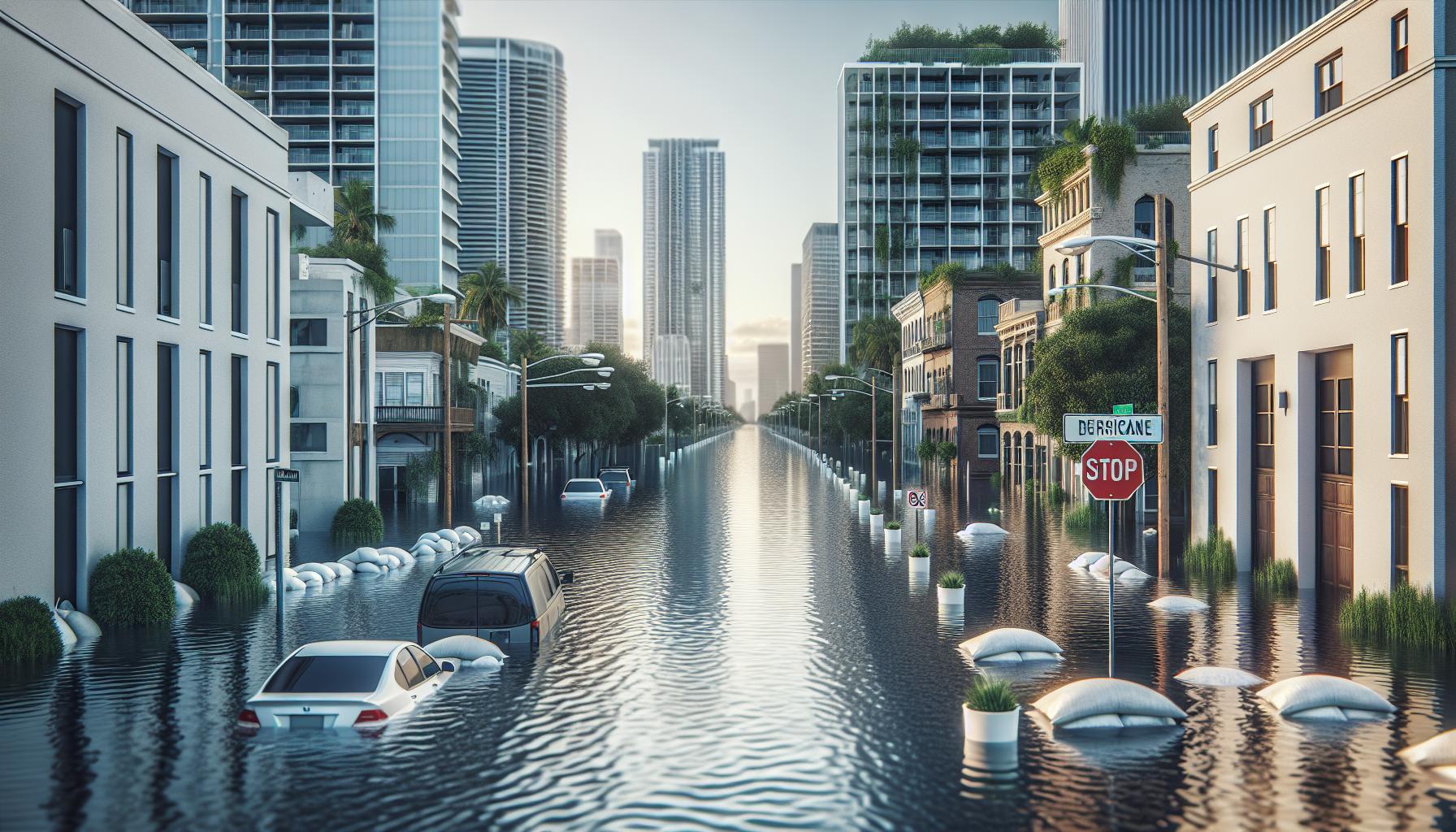
As sea levels continue to rise, the threat posed to coastal communities by hurricanes becomes increasingly formidable. The combination of elevated ocean levels and the intense rainfall associated with storms significantly raises the risk of flooding, which can devastate urban areas, displace families, and disrupt local economies. According to recent projections, sea levels are expected to rise between one and three feet by 2100, depending on greenhouse gas emissions and other factors. This could lead to higher storm surges and flooding during hurricane events, fundamentally altering how communities prepare for and respond to these natural disasters.
In particular, areas that were historically safe from hurricane-induced flooding may find themselves increasingly vulnerable. Low-lying regions and coastal cities, such as New Orleans and Miami, are already experiencing more frequent flooding, even during minor storms. The merging effects of sea level rise and storm surges can exacerbate flooding potential. For instance, Hurricane Sandy in 2012 resulted in record flooding due to a combination of storm surge and high sea levels, affecting millions of residents and costing billions in damages. As extreme weather events become more common, the risks of such flooding incidents escalate, prompting urgent calls for improved infrastructure and disaster preparedness plans.
To combat these risks, proactive measures are essential for coastal communities. Implementing nature-based solutions, such as restoring wetlands and mangroves, can help absorb floodwaters and reduce storm impacts. Additionally, investing in resilient infrastructure-such as elevated roads, seawalls, and flood barriers-can provide vital protection against hurricane flooding. Communities can also enhance their readiness by conducting regular risk assessments and developing comprehensive emergency response plans, tailored to account for both existing and predicted sea level rise. Education campaigns can inform residents about the specific risks linked to climate change and hurricanes, fostering a culture of preparedness that encourages personal and community responsibility.
In this evolving landscape, innovation will play a critical role. Utilizing data-driven models that incorporate both sea level rise and hurricane projections will allow for more effective urban planning and funding allocation. By accurately forecasting flooding risks, municipalities can prioritize resources to regions most in need. The ongoing dialogue between scientists, policymakers, and community members is essential for crafting strategies that not only address the immediate threats posed by hurricanes but also build resilience in the face of escalating climate challenges.
Changing Weather Patterns: Hurricanes and Global Warming
As global temperatures rise, the dynamics of hurricane formation and intensity are undergoing a seismic shift that manifests a growing concern for coastal communities. Scientific predictions and historical data indicate that warmer air and ocean temperatures contribute to more frequent and severe hurricanes. This phenomenon challenges existing weather patterns and underscores the urgent need for adaptive strategies.
The relationship between climate change and hurricane intensity is inherently linked to ocean heat content. Warmer ocean waters significantly increase the energy available for hurricanes, allowing them to reach greater intensities. For instance, a report by Climate Central highlighted that climate change intensified the wind speeds of roughly 80% of Atlantic hurricanes from 2019 to 2023 by an average of 18 miles per hour[3]. This escalation in wind speeds leads to increased rainfall and storm surges, subsequently raising the stakes for flooding in coastal areas.
Another critical aspect is the variability of weather patterns, which has become more pronounced as climate change progresses. Regions that previously experienced consistent weather conditions may now face unexpected and extreme weather events. Coastal cities like Miami and New Orleans, often seen as resilient due to historical data, now grapple with the reality that climate change is altering their risk profiles. Even minor storms can trigger devastating flooding, highlighting the urgent need for improved infrastructure and planning.
To address these changing weather patterns, communities can adopt a multi-faceted approach focused on enhancing resilience. This includes investing in nature-based solutions like restoring wetlands and mangroves, which serve as natural buffers against floodwaters and storm surges. Additionally, regular risk assessments can help municipalities understand vulnerabilities and allocate resources effectively. By embracing a proactive mindset-incorporating innovative forecasting technologies and community education initiatives-coastal regions can better adapt to the shifting landscape of hurricane threats posed by climate change.
In summary, understanding how rising global temperatures are reshaping hurricane patterns is vital for informed decision-making. By actively engaging in mitigation strategies and ensuring community preparedness, societies can turn the tide against the escalating risks associated with climate-influenced hurricanes.
Economic Consequences of Hurricane Frequency Rise
As the frequency of hurricanes escalates in tandem with climate change, the economic repercussions of these increasingly severe storms are becoming starkly evident. For communities within hurricane-prone areas, the financial strain can be overwhelming. In 2020 alone, the United States faced approximately $45 billion in damage from hurricanes and tropical storms, a figure that is expected to rise as storms intensify and occur more frequently. The economic impacts extend far beyond immediate repair costs; they ripple through the economy, stunting growth and affecting job markets.
One of the most profound consequences is the burden on local and federal disaster response systems. More frequent hurricanes require consistent allocation of resources for preparation and recovery, leading to increased taxpayer expenses. Communities must invest in more robust infrastructure, emergency services, and improved disaster preparedness protocols. This necessitates funding, often taken from other vital areas such as education, healthcare, and social services. Over time, not adequately addressing these needs can generate economic stagnation and hinder the overall quality of life in affected regions.
The ripple effects are not limited to direct damage. For example, businesses face interruptions that can lead to job losses and decreased revenues. According to research, businesses affected by hurricanes can experience declines in sales of up to 40% for several months post-storm. The tourism industry, a significant economic driver for many coastal communities, often suffers as leisure travel declines in the wake of hurricane threats, leading to further financial strain in local economies reliant on seasonal visitors.
Strategic Solutions and Resilience Building
Despite the grim outlook, proactive measures can mitigate the . Communities are increasingly adopting resilience strategies to protect their economies, including:
- Investing in Green Infrastructure: Enhancing natural landscapes with wetlands and green spaces can absorb floodwaters, reducing potential damage while also promoting tourism.
- Developing Comprehensive Disaster Plans: Cities that prepare detailed disaster response and recovery plans often recover more quickly and efficiently, minimizing economic disruptions.
- Strengthening Building Codes: Implementing and enforcing rigorous building standards can ensure that structures can withstand higher wind speeds and flooding, reducing repair costs in the aftermath of a storm.
Engaging in these strategies not only builds immediate resilience but also fosters long-term sustainability, ultimately leading to healthier economies better equipped to handle the challenges posed by a changing climate. By prioritizing economic adaptation, communities can safeguard not just their infrastructure but the livelihoods of their residents.
Real-Life Examples: Recent Hurricanes and Climate Change
In recent years, the catastrophic impact of hurricanes has increasingly highlighted the intersection of climate change and extreme weather events. For instance, Hurricane Ida in 2021 left a trail of devastation across Louisiana and the northeastern United States, resulting in over $75 billion in damages. This storm, classified as a Category 4 hurricane, intensified rapidly due to warmer ocean waters fueled by climate change, underscoring a critical trend where rising sea temperatures contribute to enhanced storm strength and rainfall. The storm produced unprecedented rainfall in parts of New Jersey and New York, causing severe flooding and fatalities, while exposing vulnerabilities in urban infrastructure not designed to handle such intense and sudden deluges.
Similarly, Hurricane Dorian in 2019 brought catastrophic damage to the Bahamas, where it stalled for nearly two days, leading to record storm surges and extreme winds. Dorian’s slow movement linked closely to shifting atmospheric patterns driven by climate change, showcasing how alterations in global weather influences hurricane behavior. The storm’s aftermath revealed the complex relationship between increasing hurricane severity and economic repercussions, with the Bahamian economy heavily impacted, not only from immediate damage but also from long-term declines in tourism that are vital for recovery.
The 2020 Atlantic hurricane season further illustrated this trend, with a record-breaking 30 named storms, including 13 hurricanes. Among these, Hurricane Laura became a devastating Category 4 storm that struck Louisiana, resulting in approximately $19 billion in damages. Researchers have increasingly linked these spikes in hurricane activity to anthropogenic factors like greenhouse gas emissions, emphasizing that communities are not only facing immediate dangers but also long-term economic instability as they grapple with the challenges posed by a warming climate.
As these recent hurricanes demonstrate, the connection between climate change and tropical storms is not just theoretical. Communities across the globe are already experiencing the tangible effects of more intense hurricanes, and the financial implications of increased storm activity are staggering. Coastal towns must not only repair and rebuild but also rethink their resilience strategies, foster sustainable practices, and invest in infrastructure capable of withstanding future storms.
Mitigation Strategies: Reducing Hurricane Impact
As the frequency and intensity of hurricanes increase due to climate change, communities must proactively adopt effective mitigation strategies to reduce their impact. One compelling approach involves investing in infrastructure improvements that enhance resilience against extreme weather events. For example, coastal cities can reinforce seawalls and levees, increase the height of bridges, and upgrade drainage systems to manage heavy rainfall and storm surges better. A study by NOAA emphasized that investing $1 in mitigation can save communities up to $6 in recovery costs, showcasing the economic benefits of forward-thinking infrastructure projects.
Another crucial component of mitigation is implementing natural solutions to buffer against storm impacts. Restoring wetlands, mangroves, and forests not only provides habitats but also serves as natural barriers against storm surges and flooding. The restoration of Louisiana’s coastal wetlands, for instance, has been shown to significantly reduce the energy of incoming storm surges, protecting inland communities from catastrophic flooding. Such sustainable practices enhance biodiversity, improve water quality, and provide additional recreational opportunities for residents.
Community engagement and preparedness also play significant roles in effective hurricane mitigation. Local governments should work with organizations to develop robust emergency response plans and conduct regular drills, ensuring that residents know evacuation routes and safety practices. Educational outreach can help residents understand the importance of creating emergency kits and disaster plans tailored to their needs. For instance, in New York City, initiatives that educate residents on how to respond during a hurricane have empowered communities, fostering resilience and reducing post-storm chaos.
Finally, strengthening policy frameworks and advocating for climate action on a governmental level are critical for long-term change. Local and national policies focused on reducing greenhouse gas emissions and investing in renewable energy can alleviate the root causes of climate change, which in turn mitigates its impact on hurricane activity. Collaborative efforts, such as partnerships between local governments and environmental groups, can drive the integration of climate considerations into all levels of planning, ensuring that communities are prepared for future storms while working towards a more sustainable future.
By addressing both immediate and long-term challenges, these strategies empower communities to better navigate the evolving landscape of hurricane threats, fostering resilience and adaptability in the face of climate change. Implementing a combination of infrastructure upgrades, natural solutions, community preparedness, and supportive policies creates a robust framework that significantly reduces the impact of hurricanes and enhances overall community well-being.
Community Preparedness: Adapting to Hurricane Threats
In coastal regions, a staggering 40% of the population lives within 50 miles of the sea, making community preparedness in the face of hurricanes absolutely vital. These communities face increased vulnerability not just from the storms themselves, but from the cascading impacts of climate change, which intensify the frequency and severity of these weather events. To adapt effectively and mitigate risks, communities must prioritize comprehensive disaster preparedness plans that emphasize education, infrastructure, and collaboration.
One of the most effective strategies is developing an emergency response plan tailored to the unique needs and risks of the area. Communities should conduct thorough risk assessments to identify vulnerable populations and critical infrastructure. Establishing clear evacuation routes and communication strategies ensures that information reaches all residents, particularly those with special needs. Regular drills can reinforce readiness, creating a culture of preparedness that empowers individuals to act decisively when a hurricane threatens.
Moreover, investing in robust communication systems can greatly enhance resiliency. Providing access to real-time updates through mobile applications, text alerts, and social media can keep the public informed during storms. For example, the use of emergency management apps allows users to receive localized weather alerts, safety tips, and evacuation notices, streamlining responses and reducing chaos during crises.
Engaging community members in planning and preparedness efforts also fosters a sense of ownership and agency. Initiatives like community workshops on disaster preparedness can educate residents on creating emergency kits, understanding evacuation plans, and recognizing the importance of mental health support before, during, and after a hurricane. Involving local organizations, such as schools and faith-based groups, not only facilitates outreach but also strengthens social networks, which are critical during recovery efforts.
As we navigate the increasing threats posed by hurricanes, reinforcing community ties and preparedness will be integral in adapting to a changing climate. Investing time and resources in these strategies can significantly reduce harm, save lives, and ensure communities bounce back stronger than before when faced with extreme weather events.
Future Projections: What’s Next for Hurricanes?
As we look towards the future, the impacts of climate change on hurricane activity are poised to intensify in both scope and severity. Research indicates that while the overall number of hurricanes may not significantly increase, the proportion of exceptionally powerful storms is likely to rise. This is primarily attributed to warmer ocean temperatures, which serve as fuel for hurricanes, allowing them to grow stronger and potentially more destructive. For instance, projections suggest that by 2100, Category 4 and 5 hurricanes could become increasingly common, creating a heightened risk for coastal communities that must prepare for stronger winds, more intense rainfall, and greater storm surges.
Additionally, the rising sea levels exacerbated by climate change will play a critical role in the flooding risks associated with hurricanes. Among the projected changes, experts estimate that global sea levels could rise by more than two feet by the turn of the century. This change means that even hurricanes that are not classified as the most severe could lead to catastrophic flooding in low-lying coastal regions, significantly increasing the vulnerability of communities situated near shorelines. Therefore, it’s essential that local governments incorporate these projections into their infrastructure planning and disaster preparedness strategies to mitigate potential damages.
The economic implications of increasing hurricane intensity and frequency are profound. The costs associated with damage to homes, infrastructure, and key services could reach billions annually. Communities must reevaluate their insurance frameworks and consider expanding access to coverage for residents who reside in higher-risk areas. This shift will empower individuals and local businesses to recover more readily from storm impacts. Furthermore, investing in resilient infrastructure, such as sea walls, elevated buildings, and sustainable drainage systems, will be crucial in reducing long-term recovery costs and enhancing community resilience against future hurricanes.
Moreover, innovations in hurricane forecasting and tracking will be vital for understanding and responding to these future challenges. Improved modeling techniques, satellite technology, and data analytics will enable meteorologists to predict hurricane behavior more accurately, providing advanced warning to communities in harm’s way. This proactive approach, coupled with robust community engagement and education campaigns about hurricane preparedness, can help mitigate the destructive impacts of these storms. The path forward is steep, but mobilizing resources, technology, and community spirit will foster resilience and adaptation in the face of a changing climate.
Innovations in Hurricane Forecasting and Tracking
Improving our understanding of hurricanes is crucial as climate change intensifies their frequency and severity. Recent advances in technology and data analytics are revolutionizing how meteorologists forecast these storms, providing communities with vital information that can save lives and reduce property damage. Innovations in satellite imagery, computer modeling, and real-time data collection allow scientists to monitor hurricane formation in unprecedented detail, enabling timely warnings and more effective preparedness strategies.
Advanced Satellite Technology
Modern meteorological satellites are equipped with sophisticated instruments that capture high-resolution images and gather critical data about atmospheric conditions. For example, the Geostationary Operational Environmental Satellite (GOES) provides continuous observations of storm systems, allowing meteorologists to track changes in hurricanes’ paths and intensities. This technology improves the accuracy of forecasts, reducing uncertainty and giving residents more time to prepare for impending storms.
High-Resolution Modeling
Predictive modeling has also seen significant advancements. New computational models can simulate hurricane behavior under various climate scenarios. These models incorporate factors like warmer ocean temperatures and increased moisture in the atmosphere, resulting in forecasts that more accurately reflect the potential impact of climate change on storm intensity. By incorporating these environmental changes, forecasters can better predict the likelihood of rapid intensification, which is critical for communities that could face severe impacts.
Data Integration and Community Engagement
The integration of diverse data sources-from ocean buoys to coastal sensors-forms a comprehensive view of storm systems and helps refine forecasts. Moreover, community engagement initiatives ensure that this information reaches those at risk. For example, local governments are increasingly utilizing mobile apps and social media platforms to disseminate real-time updates about hurricane threats, preparedness tips, and evacuation routes.
By leveraging these innovations, communities can adopt proactive measures to mitigate hurricane impacts. Investing in awareness and education programs can empower residents to respond effectively to warnings and utilize early preparedness strategies. For example, creating detailed emergency plans and fostering community collaborations can significantly enhance resilience when faced with the imminent threat of a hurricane. In a rapidly changing climate, staying informed and prepared is more important than ever.
The Psychological Impact of Hurricanes on Communities
The aftermath of hurricanes extends far beyond the immediate physical destruction; it profoundly impacts the mental health and emotional well-being of affected communities. Research shows that individuals exposed to the direct psychological stress of catastrophic weather events often experience higher rates of anxiety, depression, and post-traumatic stress disorder (PTSD). After Hurricane Katrina, for instance, mental health issues among survivors surged, underscoring how long-lasting the impact of such events can be.
Given the increasing frequency and intensity of hurricanes due to climate change, communities must prioritize mental health as a critical component of disaster preparedness and recovery efforts. Here are some practical strategies tailored to mitigate the psychological toll of hurricanes:
Community Support Systems
- Create Support Networks: Establish local support groups that empower individuals to share their experiences and provide mutual aid. These networks can offer emotional support, facilitating community resilience in the face of adversity.
- Professional Counseling Resources: Ensure access to mental health professionals before, during, and after a hurricane. Communities should have plans in place for psychological first aid and longer-term counseling services.
- Educate on Coping Mechanisms: Provide resources to educate residents about stress-management techniques, such as mindfulness and counseling that are effective in handling anxiety related to hurricane threats.
Community Engagement and Preparedness
Being well-prepared can alleviate some of the stress associated with hurricanes. Engaging the community in proactive measures can create a sense of agency and togetherness.
- Emergency Preparedness Drills: Regularly conduct community-wide drills to establish clear protocols during hurricanes, helping residents feel more confident and less anxious.
- Information Dissemination: Keep the lines of communication open through established networks, including social media. Regular updates on preparedness plans and recovery aid can help reduce uncertainty and anxiety.
- Community Clean-Up Initiatives: Involve residents in post-hurricane clean-up efforts, which can foster unity while promoting a sense of recovery. Engaging in collective action can also be therapeutic.
Through informed optimism and community collaboration, residents can navigate the psychological challenges that arise with increasingly frequent hurricanes. Implementing these strategies not only assists in immediate recovery but lays the foundation for long-term resilience against future storms and their emotional impacts.
Frequently Asked Questions
Q: How does climate change impact hurricane formation?
A: Climate change alters atmospheric conditions, increasing humidity and temperature. Warmer oceans serve as fuel for hurricanes, leading to more intense storms. These changes can result in stronger winds and greater rainfall, which can exacerbate hurricane formation and severity.
Q: What role do ocean temperatures play in hurricane intensity?
A: Ocean temperatures are crucial for hurricane intensity. As warming oceans release more heat into the atmosphere, they increase the energy available for storms. This phenomenon enhances the likelihood of severe hurricanes that can lead to devastating impacts on coastal communities.
Q: Are hurricanes becoming more frequent due to climate change?
A: While the overall frequency of hurricanes may not be increasing significantly, the most intense hurricanes are becoming more common. Climate change contributes to this trend by creating conditions that favor stronger storms, which leads to more severe weather events.
Q: How does climate change affect hurricane season?
A: Climate change may lead to shifts in hurricane season timing and duration. For example, warmer sea surface temperatures can prolong the active season and increase the number of storms forming outside of traditional peak months, offering new challenges for preparedness.
Q: What are the long-term projections for hurricanes and climate change?
A: Long-term projections indicate an increase in hurricane intensity due to rising global temperatures. Studies suggest more Category 4 and 5 storms as climate change progresses. This trend necessitates improved adaptation strategies for vulnerable communities.
Q: How can communities prepare better for intensified hurricanes due to climate change?
A: Communities can enhance preparedness by investing in resilient infrastructure, developing stronger emergency response plans, and raising awareness about hurricane risks. Local governments can implement stricter building codes to mitigate damage from severe storms.
Q: What is the relationship between climate change and flooding from hurricanes?
A: Climate change intensifies hurricane rainfall, leading to increased flooding risks. Higher sea levels also exacerbate storm surge impacts, making coastal areas more vulnerable. Communities must consider both factors in their flood management strategies.
Q: How can individuals contribute to mitigating climate change’s impact on hurricanes?
A: Individuals can reduce their carbon footprint by utilizing energy-efficient appliances, supporting renewable energy sources, and advocating for policies that address climate change. Community participation in local environmental initiatives can also help build resilience against hurricanes.
Wrapping Up
As we’ve seen, climate change is significantly impacting hurricanes, making them stronger and more destructive. It’s crucial to understand these changes so we can prepare and adapt effectively. Don’t wait until the next storm hits-take proactive measures now by exploring our resources on building climate resilience and sustainable practices. Our article on How to Build Climate-Resilient Communities offers valuable insights and strategies for individuals and communities alike.
Want to stay informed? Subscribe to our newsletter for the latest updates on climate science and community preparedness, and consider checking out our analysis on Economic Impacts of Climate Change. Your engagement helps us foster a community committed to action and awareness. Let’s work together for a more resilient future-share your thoughts and experiences in the comments below. Your voice matters in this urgent conversation!