Imagine a world where creatures from the ice age, like the woolly mammoth, could help us understand and combat climate change. Recent research reveals how studying these magnificent animals can shed light on permafrost dynamics and carbon sequestration. As we face an escalating climate crisis, exploring these connections not only feeds our curiosity but also equips us with innovative strategies for reducing carbon emissions. By delving into this fascinating intersection of paleontology and climate science, we can uncover valuable insights that resonate with today’s environmental challenges. Join us as we explore how the legacy of the woolly mammoth can inspire impactful solutions for a sustainable future.
The Role of Woolly Mammoths in Climate Change Science
Woolly mammoths, once rulers of the cold landscapes of the Pleistocene, are fascinating not only for their size and extinction but also for their potential role in combating climate change. Recent scientific explorations suggest that the DNA of woolly mammoths may be employed in creating hybrids that could thrive in Arctic environments. These hybrids could prompt a resurgence of a unique ecosystem that stabilizes permafrost, which holds vast quantities of greenhouse gases, primarily methane and carbon dioxide. As these gases escape due to rising temperatures, they contribute significantly to climate change, creating a perilous feedback loop.
The idea of reintroducing mammoth relatives or hybrids to the tundra is grounded in the concept of “ecological engineering.” By restoring large herbivores to their native habitats, we could replicate the behaviors that originally kept these ecosystems healthy. For instance, like modern elephants, mammoths would graze on grasses, which could help maintain the health of grasslands. This behavior prevents the overgrowth of shrubs and trees, fostering an open landscape that reflects sunlight and keeps the ground cooler, thus preserving the permafrost below.
Moreover, the research highlights the importance of integrating ancient knowledge with modern science. Understanding how mammoths interacted with their environment allows for innovative approaches to today’s climate issues. As climate change continues to reshape our planet, drawing lessons from extinct species can be a compelling strategy. Scientists are not merely contemplating reintroducing mammoths as a nostalgic endeavor; they are investigating the tangible impacts these majestic creatures could have in mitigating climate threats and fostering biodiversity in a rapidly changing world.
In essence, while woolly mammoths may be long gone, their legacy could play a crucial role in shaping climate response strategies and informing conservation efforts, bridging past ecosystems with future resilience.
Uncovering the Extinction: What Woolly Mammoths Teach Us
As we delve into the lessons offered by woolly mammoths, it’s important to recognize their role as a symbol of resilience in the face of climate change. These magnificent creatures, roaming the icy tundras of the Pleistocene, provide valuable insights not only into Earth’s historical climate but also into strategies for combating current environmental challenges. Studying the factors that led to their extinction, primarily climatic shifts and human influences, equips researchers with knowledge applicable to today’s ecological crises. By understanding how woolly mammoths interacted with their ecosystems, we can better appreciate the dynamics of species resilience and extinction.
One of the most compelling aspects of woolly mammoths is their unique adaptations to a harsh, fluctuating climate. For example, these animals played a crucial role in maintaining the grassland ecosystems of the tundra. Their grazing habits helped prevent the encroachment of shrubs and trees, which in turn maintained the permafrost layer-an essential carbon sink. With the permafrost now at risk from global warming, reexamining the ecological balance that existed when woolly mammoths thrived offers a roadmap for modern conservation efforts. By restoring similar ecological conditions, we can potentially stabilize these carbon stores, preventing the release of greenhouse gases that contribute to climate change.
Incorporating ancient ecological practices with contemporary science yields a multidimensional approach to modern challenges. For instance, successful rewilding projects that aim to reintroduce mammoth relatives or similar large herbivores could reignite large-scale ecological processes. Through ecological engineering, restoring the grazing patterns of these mammals may correlate with preserving critical habitats in a warming Arctic. As we confront the consequences of climate change, the historical role of woolly mammoths emphasizes the importance of preserving biodiversity and fostering resilience in current ecosystems.
In summary, woolly mammoths not only serve as a poignant reminder of the effects of environmental change but also inspire a proactive framework for today’s climate initiatives. Their extinction teaches us the necessity of understanding interdependent relationships within ecosystems, encouraging us to explore innovative, scientifically-grounded methods to foster ecological stability and resilience for the future.
The Mammoth’s Ecosystem: A Climate Change Ally
Woolly mammoths were not just remarkable beasts of the Ice Age; they played a pivotal role in shaping their ecosystem in ways that are increasingly relevant to understanding climate change today. By examining their interactions with the environment, it becomes clear how essential these mammals were in maintaining the delicate balance necessary for sequestering carbon and preserving permafrost. Their grazing habits prevented the encroachment of trees and shrubs, which otherwise could have converted tundra into forests. This opened up vast areas of grasslands, which functioned as significant carbon sinks, helping to mitigate greenhouse gas emissions.
Research has revealed that the ecosystems these mammoths inhabited were finely tuned systems where each species, including large herbivores like the mammoth, contributed to the health and stability of their environments. Notably, maintaining large herbivores can have cascading effects. Given that mammoths helped maintain the permafrost layer, effectively keeping carbon stored in the ground, restoring or reintroducing similar large grazers today might offer one potential strategy for combating climate change. Such actions could prevent further permafrost degradation caused by climate warming-an essential task as permafrost, when thawed, can unleash enormous quantities of trapped methane, a potent greenhouse gas.
Moreover, the prospect of de-extincting woolly mammoths through genetic engineering holds exciting possibilities for modern climate strategies. Scientists propose that creating hybrids or using closely related species, such as the Asian elephant, could restore functional roles that mammoths once played. As these creatures graze and traverse the tundra, they might help control vegetation growth, promote permafrost stability, and facilitate the preservation of carbon storage. Additionally, this approach encourages a broader conversation on biodiversity conservation, driving home the point that rewilding efforts can go hand-in-hand with climate action.Achieving this could also spur community engagement and innovative conservation strategies that emphasize the interconnectedness of species and ecological health.
Embracing the mammoth’s legacy could be a powerful catalyst for restoring ancient ecosystems and addressing contemporary climate challenges. The lessons learned from their existence serve not only as a reminder of nature’s balance but also as a guide for fostering resilience against the impacts of climate change. By integrating historical ecological insights with modern technology, we can explore proactive approaches to nurturing our planet’s health and stability, ultimately serving as allies against the increasing threat of climate change.
Reviving the Past: Genetic Engineering and Mammoths
The quest to bring woolly mammoths back to life through genetic engineering is an ambitious endeavor that intertwines modern science with climate change mitigation efforts. A compelling aspect of this venture is the potential ecological impact that these revived creatures could have on their native habitats. By creating hybrids using advances in CRISPR technology, scientists aim to produce animals that exhibit key characteristics of woolly mammoths while using closely related species such as the Asian elephant as a genetic template. This fusion of ancient biology with contemporary science offers promising avenues for restoring the ecological balance these animals once helped maintain.
The contributions of woolly mammoths to their environment were profound. By grazing on vegetation, they prevented the dominance of treed areas, maintaining expansive grasslands crucial for carbon storage. The hypothesis is that reintroducing mammoth-like hybrids could reinstate these grazing patterns, facilitating the preservation of permafrost, which is essential in keeping carbon trapped underground. When permafrost thaws due to climate warming, it releases stored greenhouse gases like methane, exacerbating climate change. Thus, reviving woolly mammoths could be more than just an exercise in de-extinction; it could serve as a crucial strategy in climate stabilization efforts.
In addition to ecological benefits, the revival of the woolly mammoth resonates in broader discussions about biodiversity and genetic resilience. The methods developed in this process could inform conservation strategies for endangered species today. By learning how to balance genetic diversity with adaptation to changing climates, we can better prepare current ecosystems for future challenges. This proactive approach not only aims to rectify past ecological losses but also highlights the interconnectedness of species and emphasizes responsible stewardship of our planet.
However, this endeavor is not without ethical considerations. The implications of de-extinction raise questions about natural ecosystems, animal welfare, and our role as stewards of genetic technology. It calls for a cautious yet optimistic engagement with science, demanding thoughtful discourse on the potential outcomes of such actions. By leveraging the insights gained from both the past and the power of modern technology, we enter a new frontier in our fight against climate change, using the legacy of the woolly mammoth as a guiding star for future conservation strategies.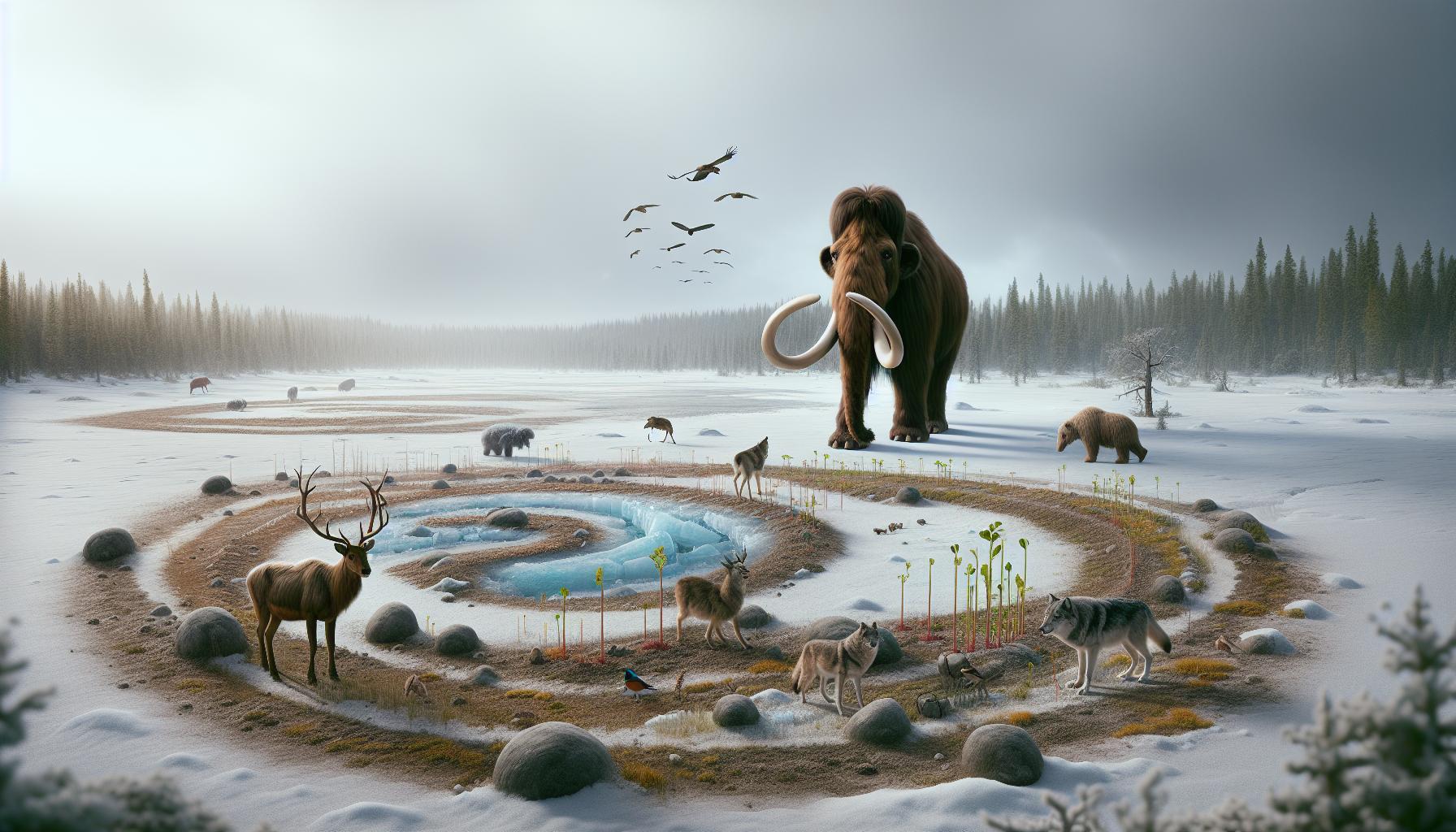
Effects of Mammoth Reintroduction on Modern Ecosystems
Reintroducing woolly mammoths into modern ecosystems presents an exciting opportunity to rejuvenate habitats and enhance biodiversity, potentially offering tools to combat climate change. These ancient giants once played a critical role as keystone species in their environments, shaping the landscapes of the tundra and grasslands. Their grazing behaviors sustained diverse ecosystems by controlling vegetation growth, which in turn benefited a variety of other species. The prospect of reviving populations of mammoth-like hybrids equips us with innovative strategies to restore these vital ecological functions.
One of the remarkable potential effects of reestablishing woolly mammoths is the cultivation of vast grasslands. When grazers are reintroduced to these environments, they facilitate a natural process known as “trophic cascades.” This phenomenon encourages a healthy balance among plant species, which prevents the encroachment of woody plants and helps sustain habitats that are critical for carbon sequestration. The rejuvenation of these grasslands can lead to the stabilization of permafrost, an essential element in preventing the release of greenhouse gases, such as methane, trapped beneath the frozen ground. Consequently, maintaining healthy ecosystems directly contributes to mitigating climate change.
In addition to climate benefits, these reintroduced hybrids could promote greater biodiversity. By engaging with the existing flora and fauna, mammoths might help bolster populations of other species through displacement of invasive plants or by providing food and shelter for native wildlife. A diverse ecosystem is generally more resilient to environmental changes, providing a safeguard against the impacts of climate change. Engaging with the complex dynamics of these ecosystems not only aids in their restoration but also enlightens conservationists about how to manage modern landscapes effectively.
To maximize the benefits of reintroducing mammoths into contemporary ecosystems, stakeholders must establish clear management frameworks. This involves close monitoring of the reintroduced populations, assessing their interactions within the ecosystem, and refining strategies based on observed outcomes. Such adaptive management ensures that these ancient inhabitants positively contribute to the landscape, creating sustainable environments for both modern species and the climatic balance.
In summary, the potential reintroduction of woolly mammoths into today’s ecosystems serves as a powerful reminder of our interconnected relationship with nature. Through careful planning and implementation, these magnificent creatures could play a pivotal role in restoring ecological health and contributing to climate change solutions, illustrating how the past can inform and inspire future conservation efforts.
Lessons from the Ice Age: Climate Resilience Strategies
Revisiting the Ice Age provides invaluable insights into climate resilience strategies that can inform current and future conservation efforts. Woolly mammoths, as keystone species of their era, demonstrated how large herbivores could shape their environments in ways that bolstered ecosystem health and stability. Their grazing habits helped maintain expansive grasslands and prevent woody plant encroachment, fostering biodiversity and enhancing carbon sequestration capabilities in the soil. The lessons learned from such interactions underline the potential for similar strategies today, particularly in the face of climate change.
A critical strategy that emerges from studying woolly mammoths involves the concept of trophic cascades. This ecological phenomenon occurs when a change in one species-such as the introduction of a large herbivore-affects the balance of various other species in the ecosystem. Reintroducing mammoth-like hybrids could be a catalyst for re-establishing grasslands and stabilizing permafrost, which is essential for capturing carbon dioxide rather than releasing it as greenhouse gases. Maintaining healthy vegetation through controlled grazing reduces the risk of wildfires and promotes soil health, aiding in climate resilience.
Implementing this knowledge in contemporary ecosystems can be approached through several practical steps:
- Restoration of Native Grazers: Reintroduction of herbivores similar to woolly mammoths can recreate the ecological balance that dominated during the Ice Age, fostering growth in flora that enhances soil stability and carbon capture.
- Adaptive Management Techniques: Monitor reintroduced populations and their impact on local flora and fauna to adjust management practices dynamically, ensuring sustainable outcomes.
- Community Engagement: Involving local communities in conservation efforts builds support and ensures that management practices are culturally relevant and sustainable.
- Research Collaboration: Partner with ecologists and geneticists to explore the reintroduction of mammoth-like traits in modern species, combining ancient wisdom with current technology.
The interplay between ancient ecosystems and modern environmental challenges demonstrates that the past is a rich resource for crafting resilient strategies against climate change. By understanding how woolly mammoths interacted with their surroundings, we can develop innovative ways to manage our landscapes today, creating a future that mirrors the ecological harmony of the Ice Age while addressing urgent global issues. Conclusively, these historical insights champion responsible environmental stewardship and empower us to take actionable steps towards a more sustainable future.
Woolly Mammoths and Permafrost: Unleashing Carbon Stores
Permafrost, the permanently frozen ground found in polar regions, serves as a vast store of carbon, estimated to contain almost twice the amount of carbon currently in the Earth’s atmosphere. As climate change warms the planet, this permafrost is beginning to thaw, creating a critical situation where stored carbon is released in the form of carbon dioxide and methane, potent greenhouse gases that further intensify global warming. Woolly mammoths may hold the key to mitigating this alarming trend.
Investigating the roles of woolly mammoths in their ecosystems reveals how their presence helped maintain permafrost stability. These large herbivores grazed on grasses and sedges, which allowed for the growth of vegetation that prevented soil erosion and insulated the ground, keeping the permafrost intact. Their grazing patterns not only supported a diverse range of plant species but also contributed to the formation of a rich, organic layer of soil that is crucial for carbon sequestration. Reintroducing mammoth-like species into today’s ecosystems could replicate these conditions, promoting the growth of grassy tundras that would keep the permafrost frozen and the carbon stored.
Strategies for Utilizing Mammoths in Climate Systems
Exploring the potential benefits of mammoth reintroduction invites various strategies:
- Ecological Restoration: By restoring populations of mammoth analogs, scientists can combat the progression of tundra into shrublands, which exposes permafrost and increases carbon release.
- Research and Monitoring: Conducting studies to understand the effects of herbivore presence on permafrost conditions will provide data crucial for effective conservation policies.
- Habitat Management: Implement strategic grazing patterns informed by historical ecosystems to optimize vegetation growth and soil health, thereby maintaining the permafrost layer.
- Community Involvement: Engaging local populations in conservation efforts helps build support for reintroduction initiatives and integrates traditional ecological knowledge into management plans.
Realizing the vision of using woolly mammoths, or their genetic relatives, as environmental stewards requires a blend of innovative science and grounded ecological practice. By aligning ancient methods of ecosystem management with modern technology, we may find pathways to limit carbon emissions from thawing permafrost. The key lies in harnessing the power of these magnificent creatures-not merely as relics of the past but as potential allies in the fight against climate change.
Adapting to Change: Insights from Woolly Mammoth Biology
Woolly mammoths were not just colossal creatures that roamed the Earth during the Ice Age; they were key players in their ecosystem, vital for maintaining the balance of their environment. Understanding the biology and behavior of these fascinating animals provides valuable insights that can be applied to current climate change challenges. For instance, mammoths were herbivores that thrived on a diet rich in grasses and sedges, and their grazing habits promoted the growth of these plants, which in turn played a significant role in carbon sequestration.
Research indicates that the foraging behaviors of mammoths contributed to the maintenance of grasslands across the tundra. This is particularly important because grasslands help insulate the permafrost, preventing it from thawing and releasing stored greenhouse gases into the atmosphere. The larger the mammoth populations, the more effective they were at shaping their habitat-grazing patterns would keep certain areas open, allowing for a diverse array of vegetation to flourish, which is essential for preserving the permafrost’s integrity. Therefore, reintroducing herbivore species akin to mammoths could help recreate these ecological scenarios, fostering environments that are more resilient to climate changes and enhancing carbon storage capacities.
Additionally, studying the woolly mammoth’s physiological adaptations to extreme cold sheds light on ways modern species might withstand changing climates. For example, their thick fur, fat layers, and smaller ears, which minimized heat loss, illustrate natural adaptations that can inform current conservation strategies aimed at maintaining biodiversity in rapidly shifting conditions. These biological traits can guide efforts to breed or genetically engineer similar traits in contemporary herbivores, making them more effective in supporting ecosystem stability.
As we contemplate the revival of mammoth-like creatures, it’s essential to integrate lessons from their biology with ecological principles. This includes understanding the role of large herbivores in ecosystems, conducting ongoing research into their potential reintroduction, and fostering partnerships between conservationists and local communities. By leveraging the insights gained from mammoth biology, we can formulate innovative strategies that not only address climate change but also demonstrate the interconnectedness of species and ecosystems, thus promoting a holistic approach to environmental stewardship.
Ethical Considerations in Mammoth Revival Efforts
The potential revival of woolly mammoths through genetic engineering raises a host of ethical questions that warrant careful consideration. As we explore the implications of bringing back species that have been extinct for thousands of years, the dialogue must focus not only on scientific advancements but also on the moral responsibilities that come with them. Are we prepared to manage and support a reintroduced population of mammoths in a modern ecosystem that has drastically changed since their time? This question highlights an essential aspect of mammoth revival efforts: ensuring that our ambitions do not prioritize technological triumphs over the well-being of both the new mammoths and existing ecosystems.
One primary concern revolves around the ecological impact of reintroducing a large herbivore like the woolly mammoth. While their presence could theoretically help address climate change by promoting grassland growth and protecting permafrost, it is crucial to evaluate whether today’s ecosystems can support them. Additionally, the risk of disrupting current species and habitats must be acknowledged. Native species could be adversely affected by competition for resources or habitat encroachment, which underscores the necessity for thorough ecological assessments before any reintroduction takes place.
Moreover, ethical considerations extend to the welfare of the animals involved in these revival efforts. Genetic engineering and de-extinction initiatives can lead to unintended consequences, such as health problems or behavioral issues in the animals created through such technologies. Ensuring that these mammals can develop and thrive in their new environments is not just an ecological concern but a matter of welfare and rights of the sentient beings we’re attempting to bring back to life. Creating robust guidelines and standards for these processes is pivotal.
Lastly, the conversation about reviving woolly mammoths should not distract from pressing conservation issues faced by current species at risk of extinction due to climate change and habitat loss. Resources allocated to de-extinction projects must not come at the expense of protecting our existing biodiversity. Thus, while exploring mammoth revival could yield significant insights and strategies for contemporary conservation, it is vital to balance innovation with responsibility, creating a framework that promotes a sustainable future and respects all forms of life. In summary, the ethical landscape surrounding woolly mammoth revival is complex, requiring careful navigation to ensure that our advances contribute positively to both science and the planet.
Future Projections: The Impact of Mammoths on Climate Policy
As the climate crisis intensifies, innovative solutions are needed more than ever, and the woolly mammoth is emerging as an unlikely key player in climate policy discussions. These majestic creatures, once rulers of the Arctic tundra, had a unique role in shaping their ecosystems-one that scientists are now exploring as a potential model for modern conservation efforts. By understanding how woolly mammoths interacted with their environment, we can glean valuable insights that could influence climate legislation and ecosystem management.
Revival efforts focus not only on restoring the mammoth as a species but also on understanding its ecological function. Mammoths were vital to maintaining the grasslands of the tundra, which could serve as a natural carbon sink if reintroduced. By grazing and trampling underbrush, they helped prevent shrub encroachment, which is crucial for keeping permafrost intact. Data suggests that the return of such megafauna could slow the decomposition of organic matter in these regions, thereby reducing greenhouse gas emissions from thawing permafrost. Policymakers are beginning to recognize this interconnectedness, potentially shaping future climate strategies to incorporate wildlife management alongside carbon reduction initiatives.
In the realm of climate policy, the implications of resurrecting woolly mammoths extend beyond environmental benefits. Public interest and support for de-extinction initiatives could lead governments to increase funding for broader biodiversity conservation projects. For instance, proposed policies could incentivize research into genetically engineered species that can adapt to current climate conditions while still serving ecological purposes. Such initiatives may foster interdisciplinary collaborations spanning genetics, ecology, and environmental policy, thereby infusing scientific innovation into climate action frameworks.
Ultimately, the conversation about woolly mammoths and their role in climate change is just beginning. Their potential reintroduction could serve as a catalyst for reevaluating how we approach conservation and climate resilience strategies. As we consider future projections, the mammoth’s story could inspire new narratives in climate policy-one that emphasizes the importance of ecological health, biodiversity, and the intricate ties between species. Strengthening these connections will be crucial in developing sustainable policies that not only address current climate challenges but also protect our planet’s diverse life forms for generations to come.
Connecting the Dots: Mammoths and Biodiversity Conservation
In the intricate web of ecosystems, woolly mammoths were not just giants lumbering across the tundra; they played a pivotal role in maintaining ecological balance. Their return, via de-extinction efforts, presents a unique opportunity for biodiversity conservation that could reshape our environmental strategies. As ecosystems worldwide face unprecedented threats from climate change and habitat loss, revisiting the ecological impact of these Ice Age creatures can inspire innovative solutions that resonate in today’s conservation efforts.
Restoring mammoth populations could help revitalize grassland ecosystems, which would, in turn, enhance carbon sequestration. When mammoths grazed, they suppressed shrub growth, allowing grasses to flourish. This natural behavior prevents the shrub encroachment that contributes to the thawing of permafrost-one of the planet’s largest carbon reserves. When permafrost thaws, it releases vast amounts of greenhouse gases, exacerbating climate change. Encouraging mammoths to roam once more could thus be a vital strategy in mitigating climate impacts while promoting biodiversity. The dynamics of reintroducing such megafauna illustrate how ancient knowledge can inform contemporary practices aimed at preserving our natural world.
Moreover, engaging in these ambitious restoration projects can galvanize public interest and investment in broader conservation initiatives. As communities become more involved in the quest to bring back woolly mammoths, they may also advocate for the protection of their native species and habitats. This collective action creates an ecosystem of mutual support, wherein efforts to resurrect past life can lead to a renaissance of biodiversity and ecological health. Educational programs highlighting the relevance of mammoths and their ecosystems can foster a deeper understanding of the interconnectedness of all living things, promoting responsible stewardship of the planet.
In the end, the efforts to connect woolly mammoths with modern biodiversity conservation serve as a hopeful reminder of nature’s resilience and adaptability. As humanity navigates the complexities of climate change and environmental degradation, looking to the past to inform the future could offer not only sustainable solutions but also rekindle our commitment to preserving the diverse life forms that share our planet. Each decision today about wildlife management and ecosystem restoration echoes in the future, reinforcing the idea that every action counts in the broader narrative of conservation.
Q&A
Q: How could resurrecting woolly mammoths help mitigate climate change?
A: Resurrecting woolly mammoths could help combat climate change by restoring grasslands in the Arctic, which may sequester carbon more effectively than current mossy tundras. These ecosystems can reduce greenhouse gas emissions and enhance biodiversity, thus contributing to climate stability [1].
Q: What are the potential ecological benefits of woolly mammoth revival?
A: The revival of woolly mammoths could help restore the mammoth steppe ecosystem, increasing vegetation cover that captures carbon and enhances soil health. This ecological shift may also support other wildlife and improve resilience against climate changes [2].
Q: Why do scientists believe woolly mammoths play a role in climate change research?
A: Scientists believe woolly mammoths can provide insights into past climates and ecosystems. Their role as megafauna in ancient ecosystems helps researchers understand past carbon storage processes and how large herbivores can manage habitats to combat modern climate challenges [2].
Q: What insights can we gain about climate resilience from woolly mammoths?
A: Woolly mammoths exemplify how large animals adapted to cold climates, providing lessons on resilience in the face of environmental changes. Studying their biology and behaviors can guide modern climate adaptation strategies in similar habitats [1].
Q: What challenges exist in bringing back woolly mammoths for climate research?
A: The challenges include ethical considerations regarding genetic engineering, ecological impacts of reintroducing these species, and ensuring that revived mammoths can adapt to current ecosystems. Understanding these issues is critical for any successful revival efforts [2].
Q: How might woolly mammoth research inform future climate policy?
A: Research on woolly mammoths could influence future climate policy by highlighting the importance of biodiversity and ecosystem restoration. Policies could focus on supporting conservation efforts that mimic past ecosystems for enhanced carbon storage [2].
Q: Can woolly mammoths be considered key indicators of climate health?
A: Yes, woolly mammoths could serve as indicators of climate health. Monitoring their revival and adaptation may provide valuable data on ecosystem responses to climate change and the effectiveness of restoration strategies [1].
Q: How does studying extinct species like woolly mammoths contribute to climate change understanding?
A: Studying extinct species helps scientists learn about historical climate conditions and how ecosystems functioned. This knowledge can inform current approaches to biodiversity conservation and highlight how loss of species impacts climate dynamics [3].
For further exploration into the role of mammoths in climate science, consider reviewing the section on Mammoths as Climate Change Allies in our main article.
In Summary
Understanding how woolly mammoths can aid in climate change research not only highlights their ecological significance but also presents a unique opportunity for innovation in conservation strategies. As scientists harness ancient DNA to resurrect these majestic creatures, they can unlock crucial insights into permafrost dynamics and ecosystem stability. Don’t miss out on being part of this fascinating journey-explore our related articles on climate innovation and species revival to deepen your knowledge.
Ready to take action? Sign up for our newsletter for the latest updates on climate research and environmental conservation initiatives. Every step you take contributes to a larger mission of understanding and preserving our planet’s ecosystems. Share your thoughts and questions in the comments below-your engagement could inspire the next big breakthrough in climate studies!