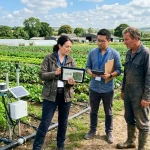
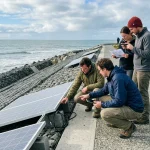
California is at the forefront of climate change, experiencing significant shifts that impact our daily lives and future. Did you know that by 2100, the state could see up to a 77% increase in the area burned by wildfires and a 50% rise in the frequency of large fires? As temperatures rise, Californians are grappling with extreme heat waves, worsening droughts, and devastating floods. These challenges not only threaten our natural environment but also disrupt livelihoods, agricultural production, and community health. Understanding how climate change affects California is essential, as it empowers us to take informed actions and foster resilience. Join us as we explore these pressing issues and uncover practical strategies for adapting to our changing climate. Your role in tackling this crisis can help shape a sustainable future for generations to come.
Impact of Climate Change on California’s Ecosystems
The delicate balance of California’s ecosystems is increasingly threatened by climate change, leading to profound alterations in habitat and species distribution. As temperatures rise and weather patterns change, these ecosystems face unprecedented stresses that can undermine their resilience. One striking example is the shift in plant blooming times, known as phenological changes, which can disrupt food webs. For instance, many flowering plants are now blooming earlier than their pollinators, such as bees, emerge, resulting in mismatches that can threaten both plant and pollinator populations.
Furthermore, increased frequency and intensity of droughts, localized wildfires, and flooding due to changing precipitation patterns are eroding critical habitats. The Sierra Nevada, home to diverse wildlife and plant species, is experiencing significant shifts-trees are dying off due to prolonged drought stress and increased bark beetle infestations facilitated by warmer temperatures. The loss of these trees not only impacts wildlife but also contributes to greater carbon emissions as forests, which typically act as carbon sinks, succumb to mortality events.
To combat these impacts and protect California’s rich biodiversity, individuals and communities can take proactive steps, such as supporting local conservation efforts or participating in habitat restoration projects. Engaging in practices that promote water conservation, sustainable land use, and urban greening initiatives can directly benefit local ecosystems. Through informed collective action, Californians can help bolster the resilience of their ecosystems against the escalating challenges posed by climate change, ensuring that the unique natural heritage of the state persists for generations to come.
By understanding the interconnected nature of these challenges, Californians can better address the vulnerabilities within their ecosystems, fostering a proactive culture of environmental stewardship that not only protects wildlife but also enhances the overall health of communities.
Economic Risks: How Climate Change Threatens California’s Industries
The economic landscape of California is intricately linked to its diverse industries, including agriculture, tourism, and technology. As climate change accelerates, these sectors face mounting pressures that can jeopardize not just profitability but also long-term viability. For instance, California’s agriculture, often referred to as the nation’s breadbasket, is particularly vulnerable. Farmers are grappling with unpredictable weather patterns, reduced water availability, and the increased frequency of extreme weather events like heat waves and wildfires [2]. This unpredictability can lead to crop failures, diminished yields, and higher operational costs, ultimately affecting food supplies and economic stability.
The tourism industry, another pillar of California’s economy, is also feeling the effects. Wildfire smoke, deteriorating air quality, and extreme heat can deter visitors from enjoying the state’s breathtaking attractions, resulting in lost revenue for local businesses that rely heavily on seasonal tourism. Coastal communities are facing additional threats from rising sea levels, which can lead to property damage and decreased access to beachfront properties, undermining the allure that draws millions of tourists each year [1].
To adapt to these challenges, industries must embrace innovative solutions and sustainable practices. For example, implementing advanced irrigation techniques can help farmers optimize water use while maintaining crop productivity. The tourism sector can invest in eco-friendly initiatives that promote sustainable travel and attract environmentally conscious visitors. Collaboration across sectors is crucial; businesses can form coalitions to advocate for policies that address climate resilience and to share resources and knowledge.
Ultimately, California’s response to climate change will require a collective effort. By promoting sustainable practices and investing in adaptive technologies, businesses can mitigate risks and preserve California’s economic vitality for future generations. The interconnectedness of the environment and the economy calls for informed actions that not only benefit individual industries but also contribute to the overall health of California’s economy and its natural landscapes.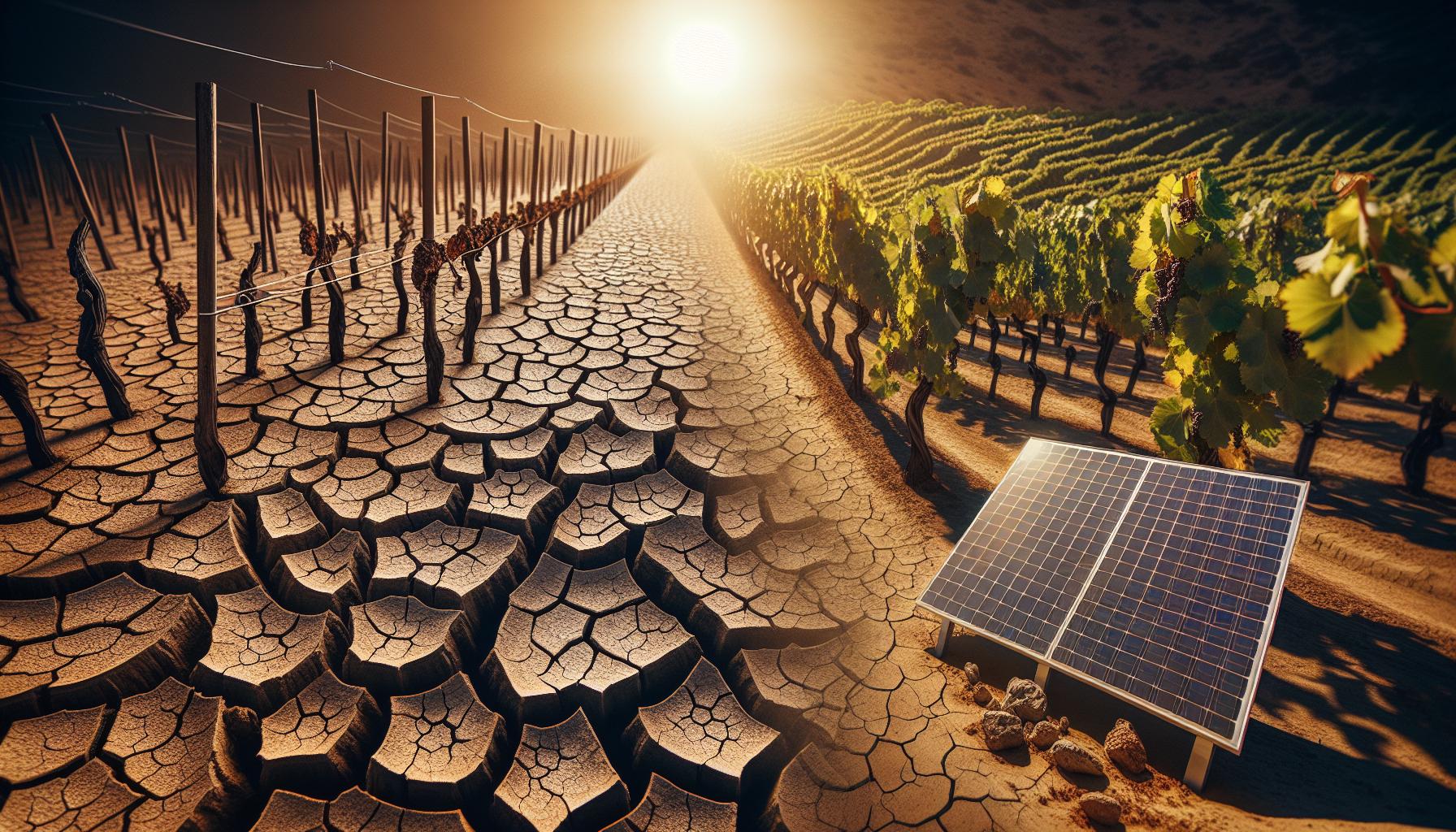
Water Scarcity: The Growing Challenge for California’s Agriculture
Diminishing water resources present a profound challenge for California’s agriculture, a critical segment of the state’s economy. Home to over 400 varieties of crops, California is often referred to as the nation’s breadbasket. However, the specter of climate change looms large, transforming previously consistent rainfall patterns into unpredictable extremes of drought and deluge. On average, California has experienced significant drought periods which have curtailed water availability, directly impacting irrigation and crop resilience. As temperatures rise, evaporation rates increase, further exacerbating the scarcity of this vital resource.
Farmers are increasingly turning to innovative practices to address water scarcity. Efficient irrigation techniques, such as drip irrigation and soil moisture monitoring, allow for precise water application, maximizing efficiency and minimizing waste. Additionally, crop selection is evolving; farmers are researching and implementing drought-resistant varieties that require less water and are more resilient to heat. For instance, adopting almond and grape varieties that are better adapted to arid conditions can help sustain production levels despite dwindling water supplies.
Moreover, community collaboration and technology integration are pivotal in this water management strategy. Farmers are participating in local water-sharing agreements and investing in water conservation initiatives. For example, the concept of water banking, where excess water is captured and stored for future use during drier periods, is gaining traction among agricultural communities. Leveraging data analytics for better forecasting and resource allocation further supports these efforts.
California’s future agricultural vitality hinges not only on the resilience of its farmers but also on a collective commitment to sustainable practices. By embracing both technological advancements and community-centered approaches, the industry can tackle the pressing issue of water scarcity while safeguarding its essential role in feeding the nation. Addressing this challenge is an opportunity for the agricultural sector to lead in resilience and sustainability, setting a powerful example of adaptation in the face of climate change.
Heatwaves and Wildfires: Increased Threats to Public Safety
The realities of climate change in California include a concerning trend of escalating heatwaves and the increasing frequency and intensity of wildfires. Over the past several decades, the state has witnessed a stark rise in temperature anomalies, linked directly to climate change. Projections indicate that, by the end of the century, California could see a 77% increase in the average area burned due to wildfires, along with a 50% rise in the frequency of large fires exceeding 25,000 acres [2]. These trends pose significant threats to public safety, as both phenomena have serious implications for health, property, and emergency response systems.
Understanding the Threats
Increased heatwaves exacerbate existing vulnerabilities, especially in densely populated urban areas. Prolonged exposure to high temperatures can lead to heat-related illnesses, especially among at-risk populations such as the elderly, children, and those with pre-existing health conditions. Moreover, heightened energy demands during these heatwaves strain the electrical grid, leading to blackouts that complicate already dire situations. Preparing a personal or community emergency plan can mitigate these risks; for instance, having a reliable cooling center or resources for heat-related emergencies can be life-saving.
Wildfires, driven by dry conditions and gusty winds, pose another layer of risk. The rapid spread of wildfires not only destroys homes and infrastructure but also affects air quality far beyond the immediate vicinity, posing health risks from smoke inhalation. Communities often face evacuations and property loss, leading to long-term social and economic impacts. Implementing strategic fire management practices-such as controlled burns, creating firebreaks, and community education about defensible space around homes-can help reduce fire risk [3].
Community and Individual Actions
Communities can take proactive steps to enhance resilience against these threats. This includes establishing community emergency response teams, which can provide critical support during heatwaves or evacuations from wildfires. Local governments should implement and promote cool roofs, shaded public spaces, and diverse vegetation to combat urban heat islands, which significantly exacerbate heat conditions.
On an individual level, homeowners can invest in fire-resistant landscaping and adhere to local fire codes. Equipping homes with smoke alarms, creating an emergency kit, and maintaining an emergency communication plan are vital. Finally, fostering a culture of community awareness and preparedness can empower Californians to face these increased threats more effectively.
The shift in California’s climate signals a pressing need for adaptive strategies that prioritize public safety and community resilience. The combined efforts of individuals and local governments can create a proactive approach that not only addresses the immediate dangers posed by heatwaves and wildfires but also prepares for a sustainable future in the face of ongoing environmental change.
Public Health Implications of Climate Change in California
The escalating impacts of climate change in California are not only environmental but also pose significant public health challenges. From rising temperatures that increase the risk of heat-related illnesses to the deteriorating air quality caused by wildfires, the health implications are dire and multifaceted. For instance, increased incidents of heatwaves can lead to higher rates of heat exhaustion and heatstroke, particularly affecting vulnerable populations such as the elderly and those with pre-existing health conditions.
Unpredictable weather patterns and more frequent extreme events like wildfires produce particulate matter that severely compromises air quality, leading to respiratory issues among residents. According to data, regions near recent wildfire incidents have reported a marked rise in asthma cases and other respiratory conditions. Here are a few practical steps communities and individuals can take to mitigate these health risks:
- Stay Informed: During heatwaves and wildfire season, regularly check local air quality reports and health advisories to stay aware of the risks.
- Prepare Emergency Kits: Ensure homes are stocked with essentials such as water, non-perishable food, and medications, especially for individuals with chronic health issues.
- Heat Health Strategies: Create community cooling centers where residents can seek refuge during extreme heat, and promote awareness of heat-related illnesses.
- Air Quality Measures: Encourage the use of air purifiers and proper ventilation, and consider implementing reminders for residents to wear masks outdoors on days when air quality is poor.
Moreover, mental health is also at risk as the persistent threat of natural disasters weighs heavily on individuals and communities. Studies indicate that the emotional stress induced by wildfires or floods can lead to anxiety, depression, and post-traumatic stress disorder (PTSD). Proactive mental health resources and community support systems are crucial in helping residents cope with these challenges, fostering a resilient community atmosphere.
Building a more resilient population involves not only addressing immediate health concerns but also promoting long-term solutions. Efforts to bolster green spaces in urban areas can help improve air quality and provide vital recreational spaces for mental well-being. Community gardens, parks, and tree canopies serve as not only environmental buffers but also as communal gathering spots that enhance social cohesion-an essential aspect of public health resilience. Through these combined efforts, Californians can better navigate the complex landscape of health challenges posed by climate change, ultimately leading to stronger, healthier communities.
Biodiversity Loss: Effects on California’s Unique Species
California is home to an astonishing diversity of species, many of which are found nowhere else on the planet. However, climate change is threatening this rich biodiversity, forcing unique ecosystems to rapidly adapt to shifting temperatures, altered precipitation patterns, and increased frequency of extreme weather events. As habitats change, some species struggle to survive, while others face the risk of extinction. Research indicates that up to 50% of California’s plant and animal species could lose more than half of their current habitat by 2100 if climate trends continue unchecked.
The impact on ecosystems is profound. For example, iconic species such as the California condor, once teetering on the brink of extinction, have only begun to recover because of conservation efforts. Yet, their survival remains tenuous in the face of habitat loss driven by climate change. Increased temperatures and wildfires disrupt breeding grounds, while changing plant communities threaten the insects and other organisms that many animals depend on for food. Moreover, species already facing ecological pressures, such as the coastal California gnatcatcher, may find it increasingly difficult to adapt to such rapid changes.
Strategies for Preserving Biodiversity
To counteract these threats, proactive strategies are essential. Individuals, communities, and policymakers can take several actions to support biodiversity:
- Support Conservation Efforts: Engage with local conservation organizations that focus on habitat restoration and protection of endangered species. Programs aimed at reforesting, wetland restoration, and native plant promotion are vital.
- Promote Sustainable Practices: Encourage local agriculture and businesses to adopt sustainable practices that minimize pollution and habitat disruption. This includes supporting organic farming and reducing pesticide use.
- Participate in Citizen Science: Community members can contribute to biodiversity monitoring efforts through citizen science programs that track species populations and health, providing valuable data for conservation initiatives.
- Advocate for Policy Change: Support policies that address climate change through emission reductions and habitat protection, ensuring legislation prioritizes the resilience of ecosystems.
By fostering an environment where both people and wildlife can thrive, Californians can play an active role in mitigating the impacts of climate change on their state’s unique biodiversity. Collaborative action not only enhances ecological resilience but also strengthens community ties, demonstrating how human well-being is intrinsically linked to the health of natural ecosystems.
Coastal Erosion and Rising Sea Levels: Impacts on Communities
Rising sea levels pose an urgent threat to California, where an estimated 25 million people live in coastal areas vulnerable to flooding and erosion. The Pacific Ocean is expected to rise by 1 to 2 feet by 2050 and could rise up to 7 feet by the end of the century if climate trends continue unchecked. This situation endangers infrastructure, homes, and the ecological balance of coastal ecosystems, necessitating immediate action and long-term planning by communities across the state.
The impacts are already visible in many coastal municipalities. Increased surf and higher tides lead to erosion of beaches, damaging properties and vital infrastructure such as roads and wastewater systems. For instance, the iconic coastal cities of San Francisco and Los Angeles face costly challenges; areas like the Mission District in San Francisco are at risk of being inundated with saltwater. Communities are beginning to experience the financial burden of climate adaptation measures, including sea walls, restoration of natural barriers like wetlands, and the strategic retreat of buildings at risk.
To counteract these threats, local governments and residents can adopt a range of strategies.
- Embrace Nature-Based Solutions: Restoring coastal wetlands and dunes can provide natural protection against storm surges while enhancing biodiversity. These ecosystems act as buffers, absorbing excess water and providing habitat for various species.
- Community Involvement: Engage in local planning meetings to advocate for sustainable development practices that minimize environmental disruption. Grassroots efforts can drive policy change and promote awareness of erosion issues.
- Invest in Research and Monitoring: Implement ongoing monitoring of coastline changes to inform adaptation strategies. Local universities and research institutions can collaborate with community organizations to analyze data and develop actionable solutions.
- Utilize Infrastructure Improvements: Upgrading stormwater management systems and retrofitting existing infrastructure to withstand flooding will play a critical role in safeguarding communities against climate impacts.
By embracing these actions, Californians can bolster their resilience against rising sea levels and coastal erosion. Empowered communities that work together to innovate and implement sustainable strategies can mitigate these threats, ensuring that future generations can enjoy California’s breathtaking coastal landscapes.
Adapting Infrastructure: Building Resilience Against Climate Change
California’s infrastructure faces unprecedented challenges as climate change continues to escalate. As we witness severe weather events, rising sea levels, and increased wildfire risks, the need for resilient infrastructure becomes crucial to safeguarding communities. It’s estimated that climate-related disasters could cost the state billions in damage and recovery, emphasizing the urgency for strategic planning and investment.
One pivotal approach to enhancing resilience is the integration of climate adaptation into all levels of infrastructure development. For example, retrofitting existing structures to withstand extreme weather events can significantly reduce vulnerability. Cities like San Francisco have begun upgrading their stormwater systems to handle increased rainfall and flooding, ensuring these systems are designed with future climate scenarios in mind. In addition, incorporating green infrastructure-such as permeable pavements and green roofs-can help manage stormwater naturally while cooling urban heat islands.
Investing in public transportation can also alleviate pressure on road networks strained by climate impacts. Enhanced public transit reduces traffic congestion and lowers emissions, crucial for a state grappling with air quality issues. One noteworthy project is the expansion of the Los Angeles Metro system, which aims not only to improve connectivity but also to encourage sustainable commuter behaviors.
Moreover, community engagement plays a vital role in infrastructure resilience. Local governments are encouraged to involve residents in the planning process, ensuring that the infrastructure reflects the needs and knowledge of the community. For instance, participatory budgeting initiatives allow citizens to vote on infrastructure projects that improve their neighborhoods, fostering a sense of ownership and accountability.
To truly build resilience, California must embrace a holistic approach that combines innovative engineering solutions, community involvement, and sustainable practices. By prioritizing these strategies, the state can create a robust infrastructure system poised to withstand the realities of climate change, ensuring safety and sustainability for generations to come.
Role of Renewable Energy in Mitigating Climate Change Effects
In California, proactive transitions to renewable energy sources have become critical as the state grapples with the escalating impacts of climate change. With an urgent need to reduce greenhouse gas emissions, California has emerged as a leader in renewable energy, aiming to achieve 100% clean energy by 2045. This ambitious goal not only presents an opportunity for mitigating the adverse effects of climate change but also serves as a blueprint for sustainable economic growth.
Utilizing solar, wind, and hydropower, California’s renewable energy sector has immense potential to reduce reliance on fossil fuels and decrease the air pollution that exacerbates public health issues. For instance, California produces more than 30% of its energy from renewable sources, significantly lowering carbon emissions. The success of large-scale solar farms, such as the Desert Sunlight Solar Farm, which generates enough electricity to power approximately 160,000 homes, exemplifies how clean energy initiatives provide tangible benefits while contributing to the fight against climate change.
Moreover, the transition to renewable energy directly supports economic resilience. Investment in clean energy technology has created hundreds of thousands of jobs in California, from manufacturing solar panels to installing wind turbines. A survey revealed that the solar sector alone employed over 75,000 individuals in 2020, with opportunities expected to grow as demand for renewable energy solutions increases. Local governments are also incentivizing businesses and residents to adopt renewable energy through tax breaks and rebates, which further stimulates the economy and fosters community engagement in addressing climate change.
The role of energy storage technologies cannot be overlooked, as they enable the integration of variable renewable sources into the grid. Battery storage systems, like Tesla’s Powerwall, allow for the storage of excess energy produced during sunny or windy days, ensuring a reliable supply even during peak demand periods or adverse weather. This technology not only enhances energy efficiency but also provides users with greater control over their energy consumption and costs.
Incorporating renewable energy solutions is not just a matter of environmental necessity; it is an investment in a sustainable future. By prioritizing clean energy initiatives, Californians can actively contribute to reducing their carbon footprint and fostering resilience against the pervasive challenges posed by climate change. Through education and community involvement, individuals and businesses alike can participate in this transition, ensuring that California is not merely surviving climate change but thriving in its wake.
Community Initiatives: How Californians Are Taking Action
In the face of climate change, Californians are stepping up, demonstrating resilience and creativity through a range of community initiatives aimed at mitigating its impacts and fostering sustainability. From grassroots movements to coordinated government programs, individuals and groups are working together to address environmental challenges while also enhancing their local communities.
One noteworthy example is the California Climate Action Team, which mobilizes various stakeholders-from local governments to non-profit organizations-to implement climate action plans tailored to their specific communities. These plans often include increasing community awareness and education about climate change, promoting energy efficiency, and enhancing green spaces. Residents involved in local initiatives like community gardens not only improve urban biodiversity but also strengthen community ties by encouraging sustainable food practices.
Additionally, a growing number of cities are implementing regenerative practices within urban planning. This includes strategies such as green roofs, which help reduce urban heat, manage stormwater, and increase insulation in buildings. For instance, in Los Angeles, projects like the Sustainable City pLAn focus on creating greener infrastructure while promoting the use of public transport and increasing access to renewable energy sources. Such initiatives not only reduce the community’s carbon footprint but also provide economic benefits through job creation in green sectors.
Another powerful force in California is the youth engagement movement, where students from various schools and colleges are advocating for climate justice and sustainability. Organizations led by young activists, such as Sunrise Movement, push for bold policies to transform energy systems and curb emissions. Their voices have significantly influenced local government decisions regarding climate policies, emphasizing that youth involvement is vital for long-term change.
In conclusion, Californians are embracing an empowering spirit in tackling climate change at the community level. Through collective action, innovative solutions, and a commitment to education, they are not only addressing immediate environmental challenges but also paving the way for a more sustainable future. By participating in local initiatives, every resident has the potential to contribute to a resilient California that thrives in the face of climate uncertainty.
Future Projections: What Lies Ahead for California’s Environment
As California navigates the challenges posed by climate change, projections for the future reveal a landscape increasingly defined by extreme weather, environmental shifts, and economic challenges. Studies indicate that by 2100, Californians can expect a staggering rise in temperatures, with increases that may reach up to 4.4 degrees Fahrenheit. This warming is projected to exacerbate drought conditions and intensify the frequency and severity of wildfires, with models forecasting a potential 77% increase in average area burned by wildfires and a 50% uptick in the number of fires exceeding 25,000 acres[1].
To combat these challenges, the state’s ecosystems will face unprecedented stress. Biodiversity losses are anticipated, as many species struggle to adapt to rapidly changing environments. Specific habitats, like wetlands, may diminish, threatening wildlife that depends on them. Coastal regions will confront the dual issues of rising sea levels and coastal erosion, placing communities in jeopardy and necessitating innovative approaches to coastal management[2].
In light of these imminent threats, adaptation strategies become vital. Strengthening California’s infrastructure to withstand extreme weather conditions is essential. Investments in water conservation technologies and sustainable agricultural practices will be crucial in mitigating water scarcity issues. This might include expanding rainwater harvesting systems and implementing efficient irrigation techniques to optimize water use.[3]
Additionally, there is a significant role for renewable energy. Transitioning to clean energy not only addresses greenhouse gas emissions but also creates jobs and fuels economic growth. Initiatives like solar panel installations and wind farms are not just environmentally beneficial; they also represent a promising economic opportunity for communities transitioning away from fossil fuels.
As Californians face their climate future, community engagement and innovative collaboration will be essential. Grassroots movements, youth activism, and government partnerships can foster resilience, creating a collective commitment to adaptation and sustainability. By prioritizing education and mobilizing resources toward proactive measures, the state can empower its residents to take part in shaping a sustainable and resilient future.
Frequently Asked Questions
Q: How is climate change impacting California’s water supply?
A: Climate change is significantly reducing California’s water supply through prolonged droughts and altered precipitation patterns. The increasing temperatures cause more evaporation, leading to less water in reservoirs and rivers. Investing in water conservation and storage solutions is essential for managing this critical resource.
Q: What role do wildfires play in California’s climate change narrative?
A: Wildfires are both a result and a contributor to climate change in California. Rising temperatures and prolonged droughts increase wildfire frequency and intensity, releasing carbon dioxide and other pollutants into the atmosphere. Community preparedness and forest management are vital for reducing wildfire risks.
Q: How does climate change affect agriculture in California?
A: Climate change threatens California’s agriculture by exacerbating water scarcity and altering growing seasons. Increasing temperatures can lead to reduced yields of key crops. Farmers can adopt sustainable practices and invest in drought-resistant crop varieties to mitigate these impacts.
Q: What are the public health implications of climate change in California?
A: Climate change poses significant public health risks in California, including increased heat-related illnesses and respiratory problems from wildfire smoke. Improving emergency response systems and community health initiatives are crucial for protecting vulnerable populations during climate events.
Q: How are rising sea levels affecting California’s coastal communities?
A: Rising sea levels threaten California’s coastal communities through increased flooding and erosion. Infrastructure improvements, such as seawalls and restoration of wetlands, are essential for safeguarding these areas and enhancing resilience against future sea level rise.
Q: What can be done to help protect California’s biodiversity from climate change?
A: Protecting California’s biodiversity from climate change involves conserving habitats and implementing policies aimed at reducing carbon emissions. Community engagement in conservation efforts and supporting native species restoration projects can enhance ecosystem resilience.
Q: How does climate change influence California’s energy needs?
A: Climate change affects California’s energy needs by increasing demand for air conditioning during heatwaves and stressing the power grid. Transitioning to renewable energy sources and enhancing energy efficiency can help meet these growing demands sustainably.
Q: What future climate challenges does California face?
A: California will face ongoing challenges from climate change, including more extreme weather events, ongoing drought conditions, and water shortages. Proactive measures such as sustainable urban planning and community disaster preparedness are essential for addressing these issues effectively.
The Conclusion
As we’ve explored how climate change profoundly impacts California, it’s clear that the challenges are significant, but so are the opportunities for positive action. From increasing wildfires to dwindling water supplies, the state faces urgent environmental shifts that demand our attention. Understanding these effects empowers you to contribute to meaningful solutions today.
To stay informed, we invite you to explore our related articles on sustainable practices in California and community resilience against climate impacts. Additionally, consider subscribing to our newsletter for insights and tips on effective climate action. Engaging with others on these topics not only enhances your understanding but also fuels collective efforts towards recovery and sustainability.
Join the conversation-share your thoughts in the comments below or connect with us on social media. Together, we can navigate these challenges and build a more resilient future for California. Your voice matters!
Get our latest guides, news, and insights highlighted in your Google Search & AI Overviews.