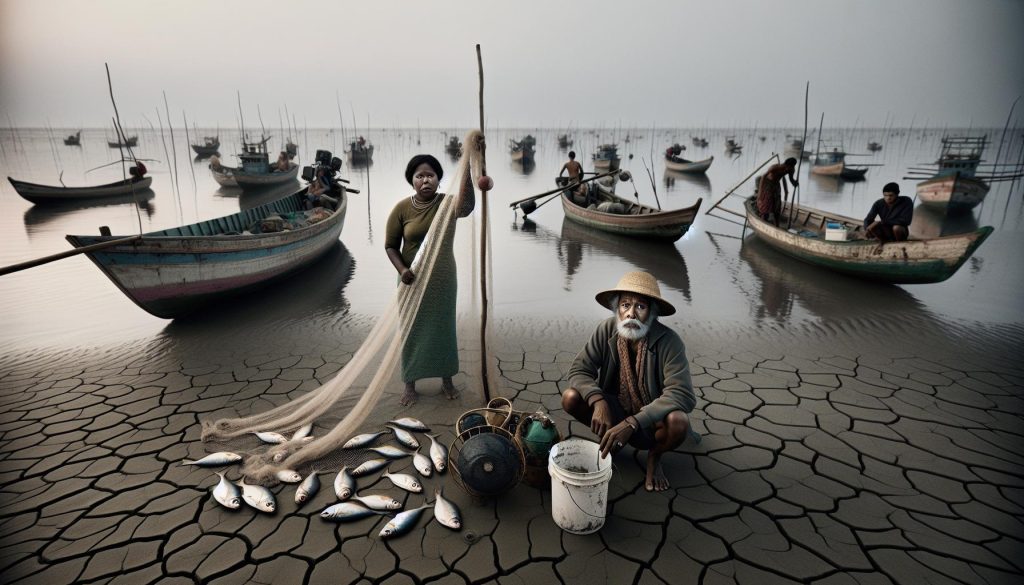
Did you know that climate change can significantly alter fish populations and their habitats, impacting global food security and the livelihoods of millions? Fisheries, a critical source of sustenance for over 3 billion people, are facing unprecedented challenges as ocean temperatures rise, sea levels change, and acidification intensifies. As fish migrate in search of cooler waters, many communities dependent on local fisheries may find their way of life threatened. Understanding how these shifts affect fisheries is crucial, not only for those in the fishing industry but also for consumers and policymakers looking to ensure sustainable seafood supplies. Join us as we explore the intricate relationship between climate change and fisheries, uncovering the potential impacts and the steps we can take to safeguard this vital resource for future generations.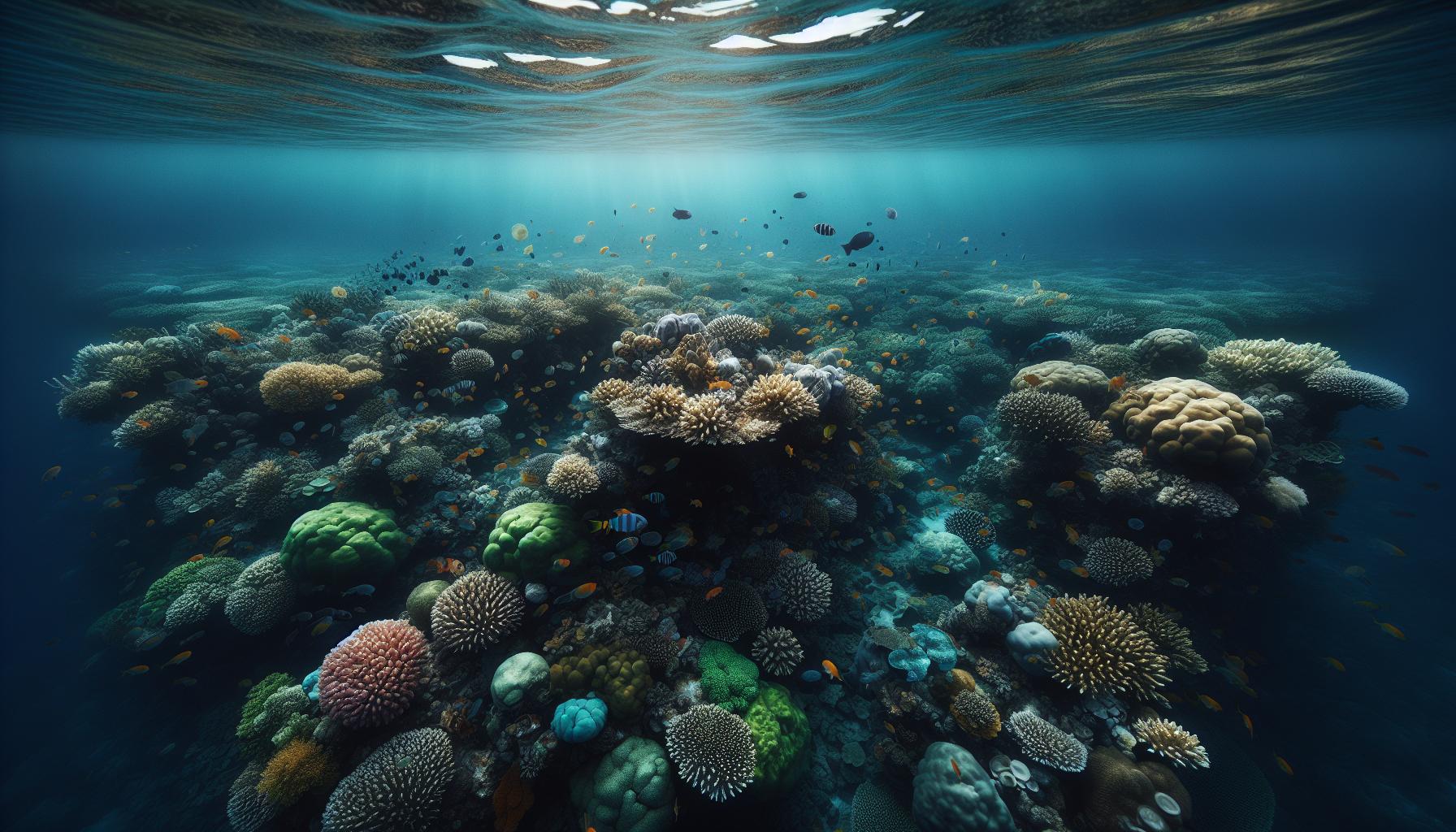
How Climate Change Impacts Marine Ecosystems
The ocean, often heralded as a robust ecosystem, is showing signs of distress as climate change relentlessly alters its delicate balance. One of the most pronounced impacts is the rise in ocean temperatures, which can lead to significant shifts in marine biodiversity. Warmer waters generally favor certain species over others, disrupting the food web and contributing to a loss of biodiversity. For instance, as temperature-sensitive species like corals experience bleaching events, it not only affects them but also the myriad of species that rely on coral reefs for shelter and sustenance.
In addition to temperature increases, the ocean is also experiencing acidification, which arises when excess CO2 from the atmosphere dissolves into seawater. This chemical alteration poses severe risks to shellfish and coral reefs, vital components of marine ecosystems. Species such as oysters and clams struggle to maintain their calcium carbonate structures, leading to diminished populations. As these foundational species falter, the repercussions cascade through the ecosystem, affecting everything from habitat stability to the availability of food for larger marine animals and ultimately impacting fisheries.
Furthermore, climate-induced changes in sea levels and precipitation patterns are causing shifts in coastal habitats. Increased flooding and erosion can lead to habitat loss for various marine and coastal species. As ecosystems such as mangroves and salt marshes are endangered, the services they provide – such as nursery habitats for juvenile fish and coastal protection – are compromised. This interplay of environmental changes places additional strain on fisheries, which rely on stable and diverse marine ecosystems for productivity.
Addressing these challenges requires a multifaceted approach that combines science, policy, and community action. Strategies such as implementing marine protected areas (MPAs) and promoting sustainable fishing practices serve to enhance resilience in marine ecosystems. Engaging local communities in conservation efforts can foster stewardship and support for initiatives designed to mitigate the impacts of climate change, ensuring that the ocean remains a vibrant source of life and a cornerstone of marine fisheries for future generations.
The Science Behind Ocean Temperature Rise
As ocean temperatures continue to rise due to climate change, the implications for marine ecosystems and fisheries are profound and far-reaching. The average global ocean surface temperature has increased by about 0.11°C per decade since the 1970s, and these incremental changes are already reshaping marine life. Warmer waters can significantly alter the distribution of fish species, often favoring those that thrive in elevated temperatures while disadvantaging others, particularly those with specific thermal tolerances. This shift not only impacts individual species but also disrupts the intricate food webs that sustain marine biodiversity, leading to a decline in overall ecosystem health.
Understanding Temperature Effects on Marine Life
Fish populations are incredibly sensitive to temperature variations. For instance, species such as cod and haddock have been observed moving to deeper and cooler waters, and some even shifting towards the poles in search of more favorable conditions. This migration can lead to new challenges for fisheries, such as overfishing in vulnerable areas and reduced catches in traditional fishing grounds. Communities reliant on specific fish stocks face economic uncertainty as the availability of these species fluctuates. The economic implications extend beyond just the fishing industry; the stability of coastal economies comes into question, affecting jobs, food security, and local cultures dependent on fishing.
In addition to affecting fishing patterns, rising ocean temperatures can exacerbate other environmental stressors. Increased heat can reduce oxygen levels in water, leading to hypoxic conditions that are detrimental to marine life. Coral reefs, which provide crucial habitat for many fish species, are particularly threatened by this combination of heat and stress, often resulting in bleaching events that can decimate populations. Protecting these habitats through sustainable practices and resilience strategies is essential for maintaining healthy stocks of fish and supporting the communities that depend on them.
Navigating Changes with Adaptive Management
Addressing the challenges posed by rising ocean temperatures requires innovative and adaptive management strategies. Fishery professionals are now encouraged to adopt flexible management frameworks that can accommodate shifting species distributions and fluctuating populations. This can include:
- Implementing catch limits that can be adjusted based on real-time data about fish populations.
- Utilizing technology such as satellite tracking to monitor fish movements and manage catch quotas accordingly.
- Engaging local fishing communities in the development of management plans to ensure that policies reflect the realities faced by those on the water.
By adopting a proactive and inclusive approach to fishery management, stakeholders can better navigate the complexities of climate change impacts. Collaboration between scientists, policymakers, and local communities is crucial to developing effective strategies that prioritize sustainability and resilience, ensuring that fisheries can withstand the ongoing challenges posed by our warming oceans.
Effects of Ocean Acidification on Fish Populations
The rapid increase in carbon dioxide emissions, primarily from human activities, is not only causing global warming but also leading to ocean acidification-a phenomenon with significant implications for fish populations and marine ecosystems. As the oceans absorb more CO2, the pH levels of seawater drop, resulting in a more acidic marine environment. This change affects many fundamental biological processes in fish, from growth and reproduction to behavior and predator-prey interactions.
Research shows that higher acidity levels interfere with the ability of fish to detect predators, leading to impaired survival rates among juvenile fish, which rely on their senses to navigate and avoid threats. Additionally, species such as coral reefs, mollusks, and certain plankton that form the base of the marine food web suffer from acidification, resulting in reduced calcification rates. This not only disrupts their life cycles but also has cascading effects that reach up the food chain, ultimately impacting fish that rely on these organisms for food.
To combat these challenges, fisheries need to adopt adaptive management strategies that account for the altered conditions in marine ecosystems. Engaging in practices such as preserving habitats that can buffer acidification effects, reducing local stressors, and actively participating in restoration efforts can help build resilience in marine environments. Fishermen can also monitor changes in fish behavior and populations and adjust their practices accordingly.
Moreover, collaboration among scientists, policymakers, and local communities is essential for developing effective communication and education programs focused on ocean health. As consumers become more aware of these issues, they can make informed choices that support sustainable fisheries, thereby positively influencing market demands. Ultimately, fostering a culture of responsibility and sustainability at every level-from local communities to global markets-can empower actions that address the complex challenges posed by ocean acidification and climate change, ensuring a healthier marine ecosystem for future generations.
Disruption of Fish Migration Patterns Due to Climate Change
As ocean temperatures rise due to climate change, fish populations are increasingly facing the disruption of their traditional migration patterns. These migrations are critical for spawning, feeding, and even survival, as many species have evolved to travel vast distances in sync with seasonal cycles. However, shifting temperatures and changing ocean currents are compelling fish to alter their routes and timings, which can have significant consequences not only for the fish themselves but also for the fisheries that rely on them.
Warmer waters can disrupt the delicate balance that governs fish migration. For instance, species like cod and haddock have historically migrated along predictable routes; however, data indicates that they are now moving to cooler water further north or deeper down. This shift can lead to mismatches between fish populations and the timing of fishing seasons. As a result, fishers might find themselves facing unexpected declines in catch during historically productive times or struggling to adapt to new fishing grounds that require different skills, equipment, and knowledge of new ecosystems.
Adaptation Strategies for Fishermen
To cope with these changes, fisheries can consider several strategies:
- Monitoring Environmental Changes: Implementing systems to regularly track ocean temperatures and currents can provide real-time data to fishermen, helping them predict migration patterns.
- Flexible Management Practices: Fisheries should adopt more adaptive management frameworks that allow for quick adjustments to regulations and quotas based on shifting fish populations.
- Training and Resources: Providing fishermen with training on emerging fish behaviors and new fishing technologies can enhance their adaptability to changing conditions.
- Collaboration with Scientists: Partnerships with marine biologists and ecologists can offer insights into fish physiology and migration trends, leading to more informed decision-making.
Beyond immediate economic impacts, these disruptions can also affect local communities that depend on fisheries for their livelihoods. For example, indigenous fishing practices, which often rely on traditional knowledge passed down through generations, may be significantly challenged. Hence, it’s crucial to integrate both scientific data and traditional ecological knowledge to formulate strategies that not only support fish populations but also preserve the cultural heritage associated with fishing practices.
While the challenges posed by climate change are daunting, recognizing and adapting to these shifts can foster resilience within fish populations and the communities that depend on them. Through proactive measures and continued innovation, there is hope for maintaining sustainable fisheries in a changing marine environment.
Impact of Changing Weather Patterns on Fishing Seasons
Shifting weather patterns due to climate change are reshaping the fishing seasons that many communities and industries depend on. Unpredictable seasonal changes can lead to earlier or later spawning times, impacting the abundance and distribution of various fish species. For instance, warmer waters can cause species like mackerel and herring to spawn sooner than usual, altering the traditional fishing calendar. This shift creates challenges for fishermen who rely on specific seasonal windows for harvesting; if catches begin to dwindle during peak fishing periods, the economic implications can be significant.
To adapt to these changes, fisheries must embrace flexible management practices. One approach involves real-time data collection on weather patterns and oceanic conditions. Fishermen equipped with up-to-date information can adjust their fishing strategies accordingly. For instance, if a particular fish species migrates earlier due to warmer temperatures, fisheries that monitor and analyze migration data can shift their landing schedules and target areas to align with these new patterns. Additionally, the implementation of adaptive management frameworks allows regulators to respond swiftly to these changes, adjusting quotas and seasons as needed to ensure sustainable practices.
Understanding local ecological variations is equally important. While global warming affects ocean temperatures universally, regional impacts can differ significantly. Factors such as ocean currents, salinity, and local weather phenomenon can interact in unique ways, leading to localized shifts in fish populations. Fishermen who have traditionally relied on instinct and historical knowledge may now benefit from collaborating with marine scientists who can provide insights into these complex systems. This partnership can help bridge traditional fishing knowledge with scientific research, fostering innovative approaches that can sustain local fisheries.
Ultimately, as communities face the reality of a changing climate, proactive measures are essential. Building resilience through education, collaboration, and innovation can not only mitigate risks associated with shifting fishing seasons but also empower local economies that depend on healthy marine ecosystems. By taking concrete steps now-such as adopting new technologies or modifying fishing practices-communities can navigate the challenges posed by climate change and emerge more sustainable and adaptive in the face of uncertainty.
Evaluating the Economic Consequences for Fisheries
As climate change continues to reshape marine ecosystems, the economic consequences for fisheries become increasingly evident. A staggering 90% of the world’s fish populations are either fully exploited, over-exploited, or depleted, putting immense pressure on the livelihoods of coastal communities. For instance, as fish stocks migrate in response to warming waters, fishers often find themselves targeting species that are staying closer to shore, while others may move further out to sea or into cooler waters. This shift not only complicates catch patterns but also influences operational costs. For example, longer trips to reach distant fishing grounds can increase fuel expenses, while the need for different equipment or bait for new species can lead to additional investments.
- Market volatility: The disruption of established fisheries leads to fluctuating prices for seafood, causing instability in local and global markets. Fishermen may find themselves unable to predict the best times to catch fish or what species will be most abundant, complicating their marketing strategies.
- Sector dependence: Many coastal communities significantly rely on fisheries for their economic well-being. When fish populations decline or shift, the economic ripple effect can devastate these areas, affecting not just fishers but also processors, distributors, and local businesses that thrive on fishing-related incomes.
- Adaptation costs: As fishing practices and regulations evolve in response to climate impacts, communities are faced with the financial burden of adaptation. Training programs, new licenses, and infrastructure adjustments require funding that many smaller operators struggle to find.
Investment in sustainability has proven beneficial for some communities adapting to the changing landscape. For example, implementing community-supported fisheries (CSF) models allows local consumers to commit in advance to seasonal catches, providing fishers with upfront capital to navigate uncertain conditions. Furthermore, integrating technology and data collection helps fishers make informed decisions about when and where to fish, thereby optimizing their efforts amidst unpredictable climate shifts.
Lastly, the role of supportive policies and financial assistance from governments or non-profits can bolster resilience in these communities. Initiatives such as grants for sustainable fishing practices or funding for research on climate-resilient species can help ensure that while the climate poses challenges, the fisheries sector can innovate and adapt, transforming these challenges into opportunities for sustainable economic growth.
Resilience Strategies for Sustainable Fisheries Management
As climate change amplifies pressures on marine ecosystems, fisheries must adopt innovative resilience strategies to sustain both their ecological and economic viability. One effective approach is the implementation of adaptive management practices that take into account the dynamic nature of fish populations and ecosystems. By utilizing real-time data on fish movements and environmental changes, fishery managers can make informed decisions that promote sustainable catches and help fish populations recover in their new habitats. For instance, incorporating technologies such as satellite tracking and predictive modeling can enhance fishers’ ability to locate stocks while minimizing overfishing and allowing stocks to replenish.
Local and community-based initiatives also play a crucial role in enhancing resilience. By fostering community-supported fisheries (CSFs), local fishers can partner with consumers to establish seasonal catch commitments, creating a stable financial base that empowers fishers amid fluctuating stock availability. Engaging local markets reduces dependency on global supply chains, thus making communities less vulnerable to external market shocks. Furthermore, initiatives that promote cooperative fishing practices can share resources and knowledge among fishers, enabling them to adapt collectively to climate change challenges.
Investing in diversification of fisheries and aquaculture can also contribute to resilience. By exploring alternative species that are better suited to changing conditions, fisheries can reduce pressure on over-exploited stocks while enhancing their income streams. Species such as seaweed or shellfish often require less intensive management and can be farmed sustainably alongside traditional fish catches. These alternative practices not only create economic opportunities but also contribute to restoring marine habitats.
Lastly, supportive government policies and financial assistance are essential for transitioning towards more resilient fisheries management. Grants for research on climate adaptation, funding for sustainable practices, and incentives for fishers to engage in responsible management can empower communities to withstand climate impacts. By aligning financial mechanisms with sustainable practices, stakeholders can ensure that as fisheries face the unpredictability of climate change, they are equipped to balance economic needs with ecological stewardship, paving the way for a more sustainable future.
Case Studies: Communities Adapting to Climate Change
Fishing communities around the globe are facing unprecedented changes due to climate change, but many are also finding innovative ways to adapt and thrive. One striking example is found along the coast of Maine, where local fisheries have partnered with scientists to monitor changing ocean conditions and species distributions. This collaboration has resulted in the development of interactive tools that inform fishers about which species are likely to thrive and where they can be found, allowing them to adjust their catch strategies in real time. This proactive approach not only safeguards livelihoods but also enhances the sustainability of the marine environment through more informed and adaptive fishing practices.
Community-Supported Fisheries: A Model for Resilience
In regions such as the Great Lakes, initiatives like Community-Supported Fisheries (CSFs) have emerged as a vital response to shifting fish populations. These programs enable consumers to directly support local fishers by purchasing shares of the season’s catch. By committing to seasonal catch agreements, fishers benefit from a stable income while also engaging the community in sustainable fishing practices. This direct-to-consumer model enhances local economies and fosters a sense of stewardship among consumers, who become more invested in the health of fish populations and marine ecosystems.
Diversification of Aquaculture Practices
Diversity is another key strategy communities are using to adapt. Coastal regions in the Northeastern U.S. have begun integrating the cultivation of alternative species, such as shellfish and seaweed, into traditional fishing practices. These species often require less intensive management and can be cultivated in harmony with existing fisheries. For instance, seaweed farming can not only provide new income streams for fishers but also play a crucial role in restoring marine habitats by improving water quality and providing shelter for various marine organisms. This approach to diversification not only prepares communities for the shifting climate but also enhances the overall resilience of local marine ecosystems.
Supportive Policy Frameworks
Lastly, supportive government policies are pivotal in enabling these adaptations. Some states have instituted grants and financial incentives aimed at promoting sustainable practices among fishers and aquaculturists. By funding research on climate adaptation strategies, these policies help communities stay ahead of the curve, ensuring that they are equipped to respond to the uncertainties posed by climate change. Together, these examples illustrate how proactive, community-based adaptations are critical for mitigating the impacts of climate change on fisheries, fostering not just survival but also a thriving, sustainable future for fishing communities worldwide.
Innovative Technologies Addressing Fisheries Challenges
The urgent challenges presented by climate change are prompting the fishing industry to adopt innovative technologies that enhance adaptability and sustainability. As ocean temperatures rise and fish migration patterns shift, advancements in data collection and analysis are becoming essential. For example, the integration of satellite technology and remote sensing enables fishers to monitor environmental conditions in real time, significantly improving decision-making for fishing expeditions. Fishers in various regions are utilizing apps that map not only water temperatures but also salinity levels and current patterns, allowing them to target species more effectively and sustainably.
Another key technological innovation is the development of predictive modeling tools. These sophisticated algorithms take into account historical data, current environmental variables, and scientific research to forecast fish population movements and health. The Nature Conservancy’s collaboration with local fishery scientists exemplifies this, as they create models that inform fishers about optimal fishing areas and timing amid shifting conditions caused by climate change. Such precision in target catch enhances conservation efforts while supporting fishers’ livelihoods, ensuring that they can sustainably harvest fish without overexploiting species.
Aquaculture is also benefiting from technological advancements. Innovations such as recirculating aquaculture systems (RAS) allow for environmentally friendly fish farming by controlling water quality and reducing waste. This method can mitigate the impact of overfishing on wild stocks by providing alternative sources of seafood that are both sustainable and efficient. In regions like the Pacific Northwest, stakeholders are exploring integrated multi-trophic aquaculture (IMTA), where shellfish and seaweeds are farmed alongside fish, capitalizing on the natural nutrient recycling processes to improve ecosystem health while enhancing profitability.
As fishing communities face the realities of a changing climate, these innovative technologies not only help to maintain fish stocks but also serve as a catalyst for economic resilience. By embracing these advancements, fishers and aquaculturists can respond proactively to environmental shifts, aligning their practices with sustainable development goals that protect the health of marine ecosystems for future generations.
The Role of Policy in Fisheries and Climate Action
As climate change intensifies, the importance of effective policy in fisheries management becomes increasingly critical. Policies designed to combat the impacts of climate change and support sustainable fishing practices can enable communities to adapt, ensuring a resilient and thriving marine ecosystem. One compelling approach is the adoption of integrated management frameworks that incorporate scientific research into decision-making processes. For instance, NOAA Fisheries has established a national climate science strategy that not only helps scientists and managers understand the shifts in marine ecosystems but also offers tools to mitigate risks and safeguard valuable fish stocks [3].
The success of these policies often hinges on collaboration among various stakeholders, including local fishers, environmental organizations, and government bodies. Engaging fishers in the policy-making process can lead to more effective and practical regulations that reflect on-the-ground realities. Policies that prioritize adaptive fisheries management, such as implementing catch limits based on real-time data, have shown promise in maintaining fish populations despite changing environmental conditions. Moreover, support for research and technology that assists fishers in understanding the ecological changes will enable better decision-making and promote sustainable fishing practices [2].
Investment in policies that promote sustainable seafood choices is also vital. Consumer engagement through labeling and education on sustainable practices can drive market demand towards responsibly sourced seafood, incentivizing fishers to adopt more environmentally friendly methods. This shift not only contributes to ocean health but also supports the livelihoods of those involved in the fishing industry. By fostering partnerships and nurturing innovative policy frameworks, we can enhance the resilience of fisheries in the face of climate change, ensuring that marine resources are preserved for future generations [1].
In summary, a robust and proactive policy framework is essential for addressing the challenges posed by climate change to fisheries. By integrating scientific research, engaging the fishing community, and promoting sustainable practices, policymakers can create an adaptive environment that supports both economic viability and environmental stewardship.
Future Trends: What’s Next for Fisheries and Climate Change?
As the effects of climate change deepen, the future of fisheries hinges on innovation, adaptation, and sustainability efforts that are both proactive and collaborative. One promising direction is the increasing integration of technology and data-driven decision-making in fisheries management. With advancements in remote sensing and artificial intelligence, fishers and managers can gather real-time data on fish populations and environmental conditions. This not only enhances the accuracy of stock assessments but also aids in predicting shifts in species distribution, allowing for timely adjustments in catch limits and fishing zones.
Moreover, community-driven governance and localized management strategies are gaining traction as essential components in resilience planning. For instance, Arctic communities have begun to implement co-management systems that involve local fishers in the decision-making process, ensuring that practices reflect both scientific research and traditional ecological knowledge. This participative approach not only empowers communities but also enhances compliance and promotes stewardship of marine resources, proving particularly effective in addressing the unique challenges faced by these vulnerable ecosystems.
Building a Sustainable Seafood Economy
In the quest for sustainability, the demand for responsibly sourced seafood is on the rise, presenting an opportunity for fisheries to pivot toward more eco-friendly practices. Certification programs, like those from the Marine Stewardship Council (MSC), are becoming increasingly influential, guiding consumers to make informed choices that support sustainable fisheries. As awareness grows, fishers who embrace these standards can access new markets and higher prices for their catch. This shift not only benefits the environment but also bolsters the economic viability of fishing communities, showcasing a model of symbiosis between ecological health and economic prosperity.
Policy Innovations and International Collaboration
On the policy front, nations are recognizing the need for collaborative frameworks to tackle the transboundary nature of fisheries. International agreements that focus on adaptive management strategies are vital as they can facilitate shared knowledge and resources among countries facing similar climate-related challenges. Enhanced cooperation among fisheries stakeholders will lead to the development of innovative policies that prioritize environmental and social outcomes alongside economic growth. As global awareness and action continue to evolve, engaging consumers and stakeholders in these sustainable practices will be crucial for ensuring the resilience of fisheries in a changing climate.
By navigating these trends, the fishing industry not only aligns with environmental imperatives but also strengthens its economic foundation, ensuring its future in the face of climate change. Actionable strategies focusing on technology, community engagement, and sustainable practices will drive the fisheries sector towards a more resilient, adaptive, and responsible future.
Engaging Consumers: Sustainable Seafood Choices
With over 34% of the world’s fisheries considered overfished, there has never been a more critical time for consumers to make informed choices about the seafood they consume. Sustainable seafood not only helps protect aquatic ecosystems but also supports fishing communities and preserves the health of our oceans for future generations.
One way consumers can contribute to sustainability is by seeking out seafood that has been certified by reputable organizations. Programs like the Marine Stewardship Council (MSC) and the Aquaculture Stewardship Council (ASC) evaluate fisheries and aquaculture operations for sustainable practices. When you choose seafood with these certifications, you can be assured that it has met strict sustainability standards, which consider the health of fish populations, the impact on ecosystems, and the livelihoods of fishing communities.
- Learn the Labels: Familiarize yourself with eco-labels and certifications that indicate sustainable practices. This empowers you to make better choices at the fish counter.
- Ask Questions: When dining out or shopping, don’t hesitate to inquire about the source of the seafood. Ask your fishmonger or server how the fish was caught or farmed.
- Support Local Fisheries: Whenever possible, purchase seafood from local fishermen or community-supported fisheries (CSFs). This not only supports the local economy but reduces the carbon footprint associated with transportation.
- Diverse Choices: Try a variety of sustainable seafood species. By diversifying your seafood intake, you help reduce pressure on overfished species and promote a wider acceptance of lesser-known sustainable options.
Adopting these practices not only aids in the conservation of fish stocks but also encourages the industry to shift towards more sustainable fishing and aquaculture practices. Real-world examples demonstrate this shift: communities in the Pacific Northwest are increasingly incorporating traditional fishing practices, which not only enhance sustainability but also strengthen community ties and cultural heritage.
In conclusion, as consumers become more conscious of their choices, the demand for sustainable seafood will drive positive changes in the fishing industry. By aligning personal consumption with sustainable practices, everyone can play a part in addressing the challenges posed by climate change and ensuring the future viability of our fisheries.
Q&A
Q: How does climate change influence fish populations?
A: Climate change alters ocean temperatures and acidity levels, which can stress fish populations and affect their growth and reproduction. Species adapted to specific temperature ranges may migrate to cooler waters, leading to changes in local fishing stocks and potential declines in certain species [1].
Q: What adaptations are fisheries making to cope with climate change?
A: Fisheries are adopting sustainable practices such as adjusting catch quotas, implementing seasonal closures, and shifting fishing locations based on changing fish distributions. Many are focusing on resilience strategies that prioritize ecological balance and community involvement [3].
Q: Why are some fish species more vulnerable to climate change than others?
A: Fish species vary in their adaptability to temperature and habitat changes. Species with narrow ecological niches or specific breeding conditions, like many coral reef fish, are more susceptible. Additionally, faster-growing species may shift more readily, while slower ones could struggle to adapt [2].
Q: What are the economic impacts of climate change on fisheries?
A: Economic impacts include fluctuating fish stocks that can lead to reduced catches and income for fishing communities. Areas that rely heavily on certain species may face economic hardships if those stocks decline or shift due to climate change, affecting local economies and food security [1].
Q: How can consumers support sustainable fisheries affected by climate change?
A: Consumers can choose sustainably sourced seafood by looking for certifications like the Marine Stewardship Council (MSC). Supporting local fisheries and being aware of seasonal fish availability also promotes responsible harvesting practices that help populations recover and adapt [2].
Q: When is the best time to fish as climate change affects fishing seasons?
A: Fishing seasons are shifting due to climate change, with some areas experiencing longer or shorter seasons based on species’ migration patterns. Monitoring local fish reports and climate impacts can help anglers time their fishing efforts better [3].
Q: Where can I find more information about climate change effects on fisheries?
A: Comprehensive resources are available through organizations like NOAA Fisheries and the Marine Stewardship Council, which provide insights into regional impacts, sustainable practices, and the overall health of marine ecosystems affected by climate change [2].
In Retrospect
As we’ve explored, climate change has profound impacts on fisheries, threatening not only fish populations but also the livelihoods of those who depend on them. It’s vital to take these changes seriously and act now to protect our oceans and fisheries for future generations. Want to dive deeper? Check out our related articles on sustainable fishing practices and the complex interactions between marine ecosystems and climate change.
We encourage you to share your thoughts in the comments below-how do you think climate change will affect your community? Consider signing up for our newsletter to receive ongoing insights and updates on global environmental issues. Together, we can take meaningful steps toward preserving our seas. Don’t wait; every action counts! Explore more resources and tools that equip you for sustainability on our site. Your engagement makes a difference.