Did you know that kelp forests are not only stunning underwater ecosystems but also crucial for our climate? These vibrant habitats, teeming with marine life, are experiencing alarming shifts due to climate change. As ocean temperatures rise and acidification increases, the delicate balance of these underwater forests is threatened. This decline poses risks not just to biodiversity but also to the coastal communities that rely on them for food and livelihood. Understanding how climate change affects kelp forests is vital, as these ecosystems play a significant role in carbon sequestration, helping mitigate climate impacts. By exploring this topic, you can gain insights into the interconnectedness of our actions and nature-and discover ways to protect these essential underwater gardens for future generations. Let’s dive deeper into the complexities and solutions surrounding kelp forests and their fight against climate change.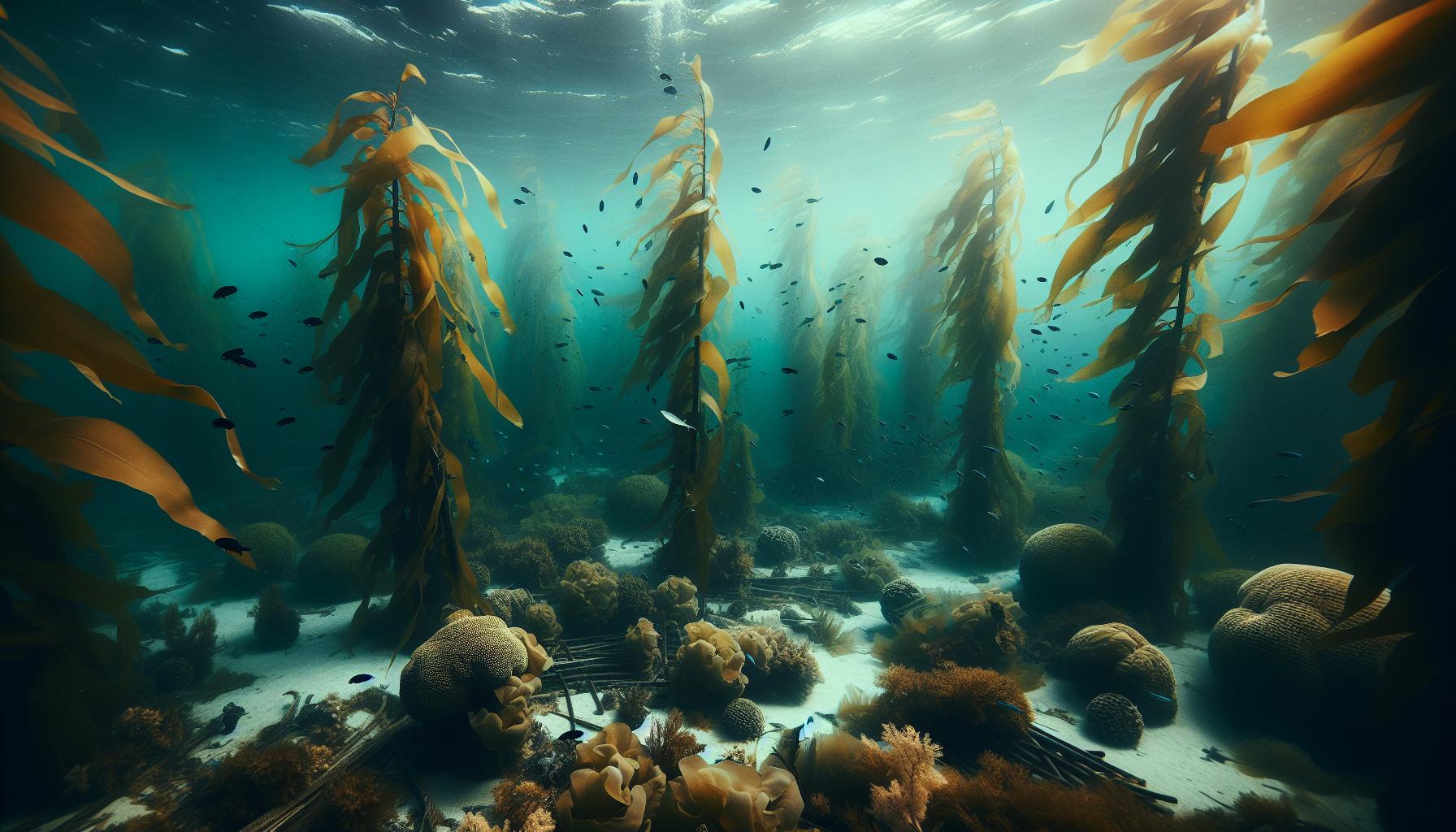
How Climate Change Disrupts Kelp Forest Ecosystems
Changing ocean temperatures create a host of challenges for kelp forests, one of the planet’s most vital ecosystems. These underwater forests are crucial not just for marine biodiversity but also for their role in carbon sequestration, further illustrating their importance in the battle against climate change. However, rising temperatures can lead to decreased kelp growth rates and increased susceptibility to disease and pests. Warmer waters can encourage the spread of harmful algal blooms, which compete with kelp for sunlight and nutrients, often leading to severe declines in kelp biomass.
Another significant factor disrupting kelp ecosystems is rising ocean acidification. The increase in carbon dioxide levels results in lower pH levels in seawater, impacting the ability of kelp and other marine organisms to utilize calcium, which is essential for their growth. The consequences of this disruption extend beyond kelp itself, affecting the entire marine food web that relies on these forests for habitat, spawning grounds, and food sources. As kelp forests dwindle, species that depend on them, such as fish, sea urchins, and various invertebrates, face increased pressure and a potential decline in population.
Human activities compound these challenges, with overfishing and coastal development threatening not only the physical habitat of kelp forests but also the delicate ecological balance they maintain. The removal of herbivorous fish, for example, can result in unchecked sea urchin populations that decimate kelp. Thus, maintaining sustainable fishing practices and reducing coastal pollution are critical steps necessary to protect these ecosystems.
To counteract these negative impacts, proactive mitigation strategies are essential. Efforts such as establishing marine protected areas (MPAs) can help safeguard kelp forests and their biodiversity from human-induced pressures. Additionally, restoring degraded areas through planting initiatives can support the recovery of kelp populations. Collaborative efforts among scientists, policymakers, and local communities will be key in devising effective management plans that address the multifaceted threats facing kelp forests today. These strategies not only aim to restore the health of kelp ecosystems but also enhance their resilience in the face of ongoing climate change challenges.
The Role of Temperature Changes in Kelp Health
As the planet warms, the delicate balance of kelp forest ecosystems is increasingly threatened, creating a ripple effect throughout the marine environment. Kelp, a type of large brown seaweed, thrives in nutrient-rich waters, where it provides essential habitat and food for a diverse array of marine life. However, rising ocean temperatures pose significant challenges for these underwater forests, leading to diminished growth rates and increased vulnerability to diseases and pests. In warmer waters, harmful algal blooms can flourish, overshadowing kelp by competing for critical sunlight and nutrients, which not only endangers kelp itself but also affects the myriad species that depend on these ecosystems for survival.
Temperature changes also directly influence kelp reproduction and its ability to recover from disturbances. Kelp’s reproductive cycle is closely tied to seasonal temperature variations. Inconsistent warming can disrupt these cycles, leading to fewer successful spore formations and reduced genetic diversity within kelp populations. As the resilience of these forests weakens, they become less capable of withstanding environmental stresses such as storms and invasive species, further undermining their stability.
Understanding these temperature dynamics is essential for informed action to protect and restore kelp forests. Engaging local communities and stakeholders in monitoring and adapting to changes can foster a collaborative approach to conservation. Furthermore, advocating for policies that limit greenhouse gas emissions can help mitigate the overarching cause of temperature changes in our oceans. By prioritizing the health of kelp forests, we not only safeguard marine biodiversity but also take a critical step toward enhancing the planet’s capacity to combat climate change through increased carbon sequestration.
In summary, temperature changes herald complex challenges for kelp health, requiring a concerted effort from scientists, policymakers, and communities alike. By implementing strong conservation strategies and promoting sustainable practices, we can foster resilient kelp ecosystems capable of adapting to an ever-changing environment.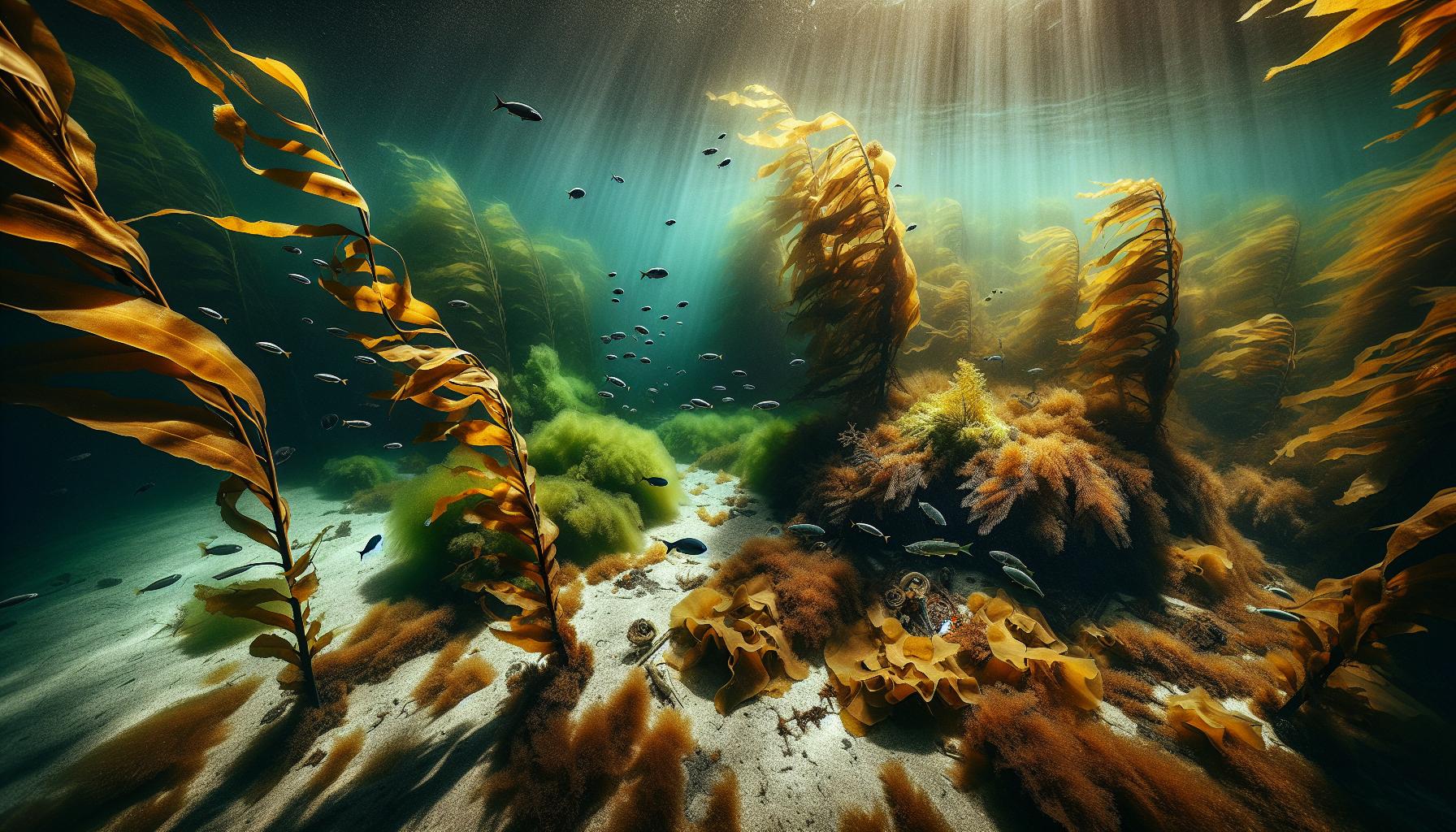
Rising Ocean Acidification: Impacts on Kelp Growth
As atmospheric carbon dioxide levels rise due to human activities, a significant portion of this gas is absorbed by the oceans, leading to ocean acidification. This process alters the chemical composition of seawater, creating an environment that can severely impact the health of kelp forests, which serve as critical habitats and food sources for countless marine organisms. Kelp is especially sensitive to changes in pH, and increasing acidity can hinder its growth and reproduction, threatening the very foundations of these vibrant ecosystems.
The impact of ocean acidification on kelp growth can be profound: higher acidity levels can lower the availability of carbonate ions, essential for the formation of calcified structures in various marine organisms. Although kelp does not have a calcified structure, it relies on healthy ecosystems that include grazers and other species that do. As the dynamics of the marine food web change, kelp forests may experience increased herbivorous pressure or competition from other types of algae, which can thrive in more acidic conditions, ultimately reducing kelp coverage and biodiversity.
To combat the impacts of ocean acidification on kelp forests, action must be taken at both local and global levels. Mitigation strategies like reducing carbon emissions, promoting the use of renewable energy sources, and safeguarding coastal habitats can play a crucial role in addressing the root causes of acidification. Initiatives such as kelp restoration projects and the establishment of marine protected areas can help bolster kelp resilience. Engaging local communities in conservation efforts not only fosters a sense of stewardship but also aids in monitoring changes in kelp growth and health over time, ensuring that effective strategies are deployed in response to evolving ocean conditions.
For instance, several case studies highlight the effectiveness of community-driven restoration efforts. In regions where kelp planting initiatives have taken place, such as California’s coastal waters, communities have witnessed the return of not only kelp forests but also a resurgence of associated marine life. These localized efforts, coupled with broader climate action, can pave the way for healthier oceans and robust kelp ecosystems, underscoring the interconnectedness of environmental health and human activity.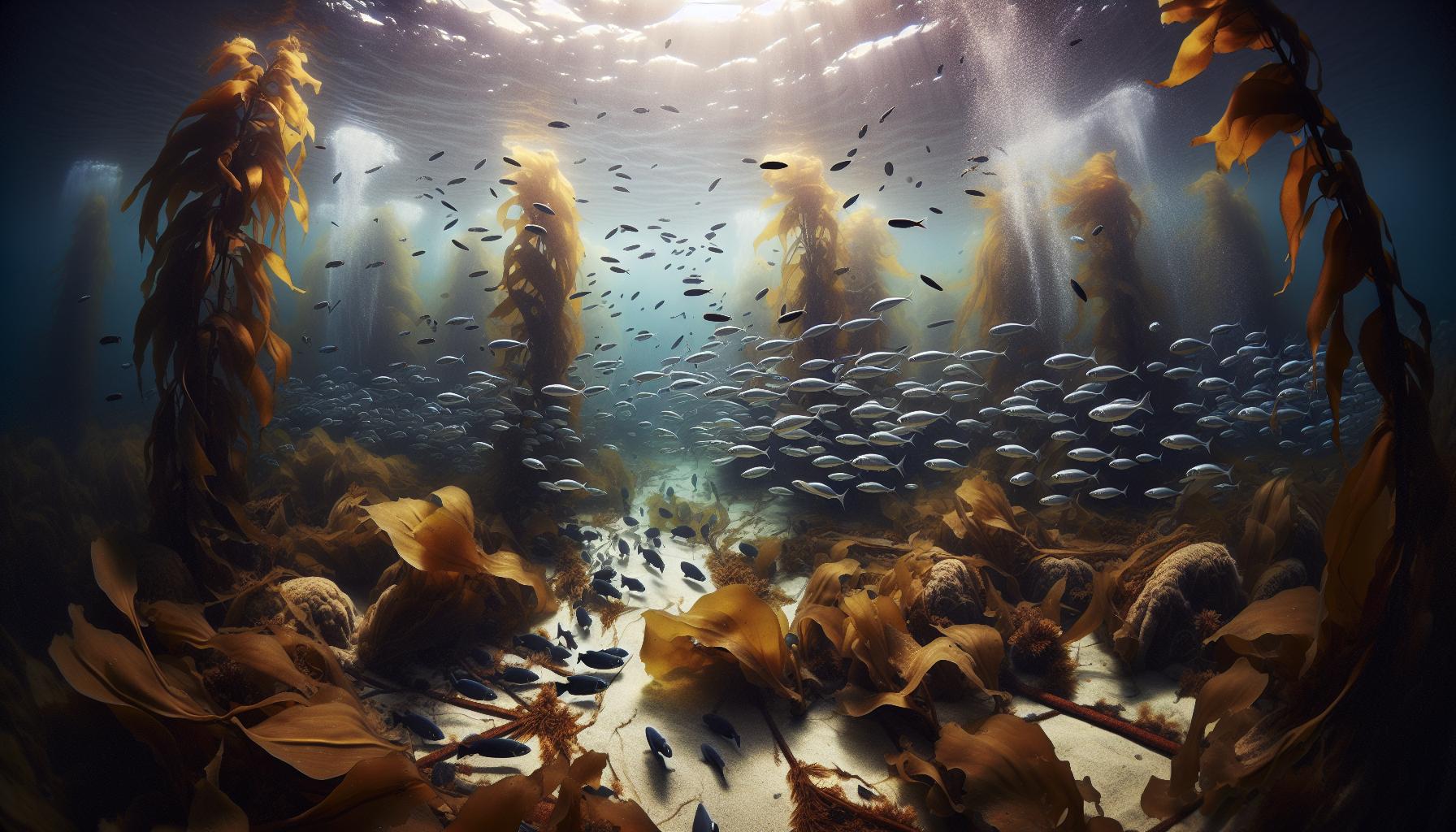
Impact of Sea Level Rise on Kelp Forests
As global temperatures rise, the impact of sea level rise on coastal ecosystems, particularly kelp forests, becomes increasingly pronounced. Kelp forests thrive in shallow, nutrient-rich waters and depend on specific conditions that are rapidly changing due to climate change. Rising sea levels can lead to increased light attenuation and changes in water circulation patterns, both of which are detrimental to the growth and maintenance of these vital marine ecosystems.
A significant concern is that as sea levels rise, kelp forests may face diminished sunlight due to the potential increase in turbidity and sedimentation. This reduction in light penetration can hinder photosynthesis, essential for kelp health. Healthy kelp forests need ample sunlight for optimal growth, and any barrier to light can decrease their ability to thrive. Additionally, changes in water depth can affect the dispersal of kelp spores, making it harder for new generations of kelp to establish themselves in these altered environments.
Moreover, the rise in sea levels often brings with it more frequent flooding events, which can lead to the encroachment of land-based nutrients and pollutants into the marine areas where kelp forests grow. Excess nutrients can spur harmful algal blooms, which compete with kelp for space and nutrients, ultimately leading to the degradation of these ecosystems. This interplay between rising sea levels and nutrient dynamics creates a challenging scenario for kelp forests, further complicating efforts to understand and mitigate their decline.
To combat these challenges, effective management strategies are essential. This includes establishing marine protected areas that can buffer kelp forests from the effects of pollution and habitat degradation. Community engagement is also critical; local efforts to restore and plant kelp can help bolster these ecosystems. For instance, projects in California have highlighted the positive outcomes of community-led restoration initiatives, where local citizens actively participate in monitoring and restoring kelp habitats, fostering resilience in the face of environmental change.
By understanding the interconnected impacts of climate change, including sea level rise, and implementing proactive measures, communities can help protect and restore kelp forests, ensuring they continue to provide vital habitat and carbon sequestration benefits for generations to come.
Effects of Climate Change on Kelp Biodiversity
As we navigate the growing concerns surrounding climate change, the intricate ecosystems of kelp forests are becoming increasingly vulnerable, raising alarms about their rich biodiversity. Kelp forests, which are some of the most productive marine ecosystems, support a vast array of marine life, from fish to invertebrates, and provide essential services such as habitat, food, and carbon sequestration. However, the impacts of climate change-such as rising water temperatures, ocean acidification, and nutrient runoff-are transforming these underwater jungles into starker environments with reduced biodiversity.
One of the key threats to kelp biodiversity is the rise in ocean temperatures, which can lead to the shifting of species ranges. Cold-water species that characterize healthy kelp forests may struggle to survive as their habitat becomes unsuitable. For instance, warmer waters can favor the growth of subtropical species that may outcompete native kelp species. As seen in certain regions, such shifts have already begun to alter community structures dramatically, replacing diverse kelp habitats with monocultures of faster-growing species that offer less habitat value.
Ocean acidification is another significant factor undermining kelp health. As the ocean absorbs excess carbon dioxide, the water becomes more acidic, which can impede the growth and reproduction of calcifying organisms that form critical parts of the kelp forest ecosystem. This disruption can have cascading effects throughout the food web, potentially reducing species that rely on kelp for food and shelter.
To mitigate these challenges, proactive strategies are essential. Local communities can support kelp restoration efforts through activities that promote water quality, such as reducing nutrient runoff by managing stormwater more effectively and implementing environmentally-friendly agricultural practices. Research and community engagement are vital in identifying resilient kelp strains that can better withstand the pressures of climate change, as demonstrated by successful restoration projects that involve both scientists and local stakeholders working in tandem.
In summary, the resilience of kelp forest ecosystems is being tested under climate change pressures, but by fostering community involvement and adopting sustainable management practices, we can help ensure the survival of these critical habitats and their rich biodiversity for future generations.
Human Activities and Their Influence on Kelp Ecosystems
The delicate balance of kelp forest ecosystems is profoundly influenced by human activities, with implications for both the health of these marine environments and the communities that depend on them. For instance, coastal development, pollution, and overfishing are notable stressors that threaten the resilience of kelp forests. As populations grow and urban areas expand, the increased runoff of nutrients and pollutants into coastal waters can lead to harmful algal blooms, outcompeting kelp for light and space and degrading water quality. Moreover, overfishing disrupts the intricate food webs that support kelp ecosystems, often removing key species that help maintain the balance between kelp and its herbivores, like sea urchins.
Negative Impacts of Coastal Development
The construction of marinas, piers, and other infrastructure can physically damage kelp habitats. Not only does this construction remove kelp directly, but it can also alter local hydrodynamics, leading to changes in sedimentation patterns that smother young kelp plants. Research indicates that areas with extensive coastal development often see diminished kelp cover and biodiversity due to these impacts. The loss of habitat further exacerbates declines in marine species, which find refuge and sustenance within kelp forests.
Addressing Pollution and Runoff
Mitigation strategies focused on pollution can make a significant difference. Communities can implement >best management practices< for stormwater runoff, including the construction of green infrastructure like bioswales and rain gardens that reduce the amount of nutrients entering the ocean. Examples from California's coastal region show how coordinated efforts between governmental agencies and local groups have successfully decreased pollutant loads, resulting in revitalized kelp populations over time.
Community Engagement and Sustainable Fishing Practices
Beyond managing runoff, fostering community engagement is crucial for the sustainable use of marine resources. Educating local fishermen about the effects of overfishing and promoting responsible fishing practices can help maintain the balance needed for kelp forest health. For instance, the implementation of marine protected areas (MPAs) has led to noticeable rebounds in kelp biodiversity and overall ecosystem productivity. These areas allow for the regeneration of fished species, which in turn supports the entire kelp forest ecosystem.
In sum, while human activities pose significant threats to kelp forest ecosystems, proactive and community-driven solutions can foster resilience and sustainability. By addressing pollution, managing coastal development responsibly, and promoting sustainable fishing, we can protect these vital habitats and the rich biodiversity they support for future generations.
Mitigation Strategies: Protecting Kelp Forests from Climate Change
The decline of kelp forests due to climate change represents a significant ecosystem loss, impacting not only marine biodiversity but also coastal communities reliant on these underwater forests for food and protection. Fortunately, proactive measures can be undertaken to protect and restore these critical habitats not just through scientific initiatives, but also by fostering community involvement and integrating sustainable practices.
Promoting Sustainable Fishing Practices
One of the most effective mitigation strategies involves engaging local fishermen in sustainable fishing practices. Overfishing can destabilize the delicate balance of kelp ecosystems by removing essential species that graze on kelp, such as sea urchins. Implementing marine protected areas (MPAs) allows key species to recover, thereby enabling the ecosystem to flourish. For instance, research in California has shown that areas designated as MPAs saw increases in kelp biomass and species richness, creating a more resilient environment capable of withstanding the effects of climate change.
Mitigating Pollution and Nutrient Runoff
Addressing pollution is another critical strategy. Urban runoff laden with nutrients can lead to harmful algal blooms that outcompete kelp for essential resources. Communities can adopt best management practices for stormwater runoff by constructing green infrastructure such as bioswales and permeable pavements to filter out pollutants before they reach the ocean. These practices have been successfully implemented in various coastal towns, leading to reduced pollutant loads and revitalized kelp ecosystems.
Restoration and Research Initiatives
Investing in research and restoration projects is essential for building resilience in kelp forests. Innovative techniques, such as kelp farming, can be explored as a dual approach to restoration and sustainable harvesting. By growing kelp in controlled environments, we can alleviate pressure on wild populations while also contributing to carbon sequestration efforts. Programs that monitor and restore kelp forests not only provide valuable ecological insights but also offer opportunities for community involvement, such as volunteer restoration days and educational outreach.
Engaging Local Communities
Effective mitigation strategies extend beyond the implementation of technical solutions; they require community engagement and education about the importance of kelp forests. Workshops and initiatives that foster awareness can empower citizens to take actionable steps, from advocating for policy changes to reducing their personal nutrient footprints. When communities understand their role in protecting kelp ecosystems, they are more likely to support and participate in conservation efforts.
In summary, while climate change poses significant threats to kelp forests, a combination of sustainable fishing practices, pollution mitigation, restoration initiatives, and community engagement can create a comprehensive strategy for protecting these vital ecosystems. By fostering awareness and proactive conservation efforts, we can work towards sustaining kelp forests for generations to come.
Success Stories: Resilient Kelp Ecosystems Adaptations
Research has shown that kelp forests, often referred to as the “rainforests of the sea,” are not only essential for biodiversity but also display remarkable resilience through various adaptive strategies in response to changing environmental conditions. From documenting effective restoration projects to innovations in community engagement, examples around the globe demonstrate how active initiatives can help these vital ecosystems recover and thrive even in the face of climate change.
One inspiring success story comes from California, where volunteers and researchers have united efforts to restore kelp forests impacted by the overgrazing of sea urchins. By implementing marine protected areas (MPAs), populations of key species were allowed to recover, naturally reducing the sea urchin population and allowing kelp to rebound. Data collected from these areas indicated a considerable increase in both kelp biomass and associated marine life, showcasing how proper management can lead to ecological regeneration. Such projects serve as a blueprint for similar initiatives worldwide, highlighting the importance of regulatory measures in marine environments.
Additionally, kelp farming has emerged as a promising practice that not only provides a sustainable source of food and materials but also aids in the recovery of wild kelp forests. In Maine, kelp aquaculture has gained traction as a means of addressing both economic and environmental challenges. Farmers growing kelp benefit from the quick growth rates inherent to these algae, while simultaneously contributing to carbon sequestration and habitat restoration. Pilot programs have illustrated how responsibly managed kelp farms can yield dual benefits: bolstering the local economy and fostering healthier marine ecosystems.
Community involvement plays a pivotal role as well. In places like New Zealand, indigenous groups have been at the forefront of kelp forest restoration efforts, leading cultural and ecological education initiatives that engage local populations. These grassroots movements empower communities by blending traditional ecological knowledge with scientific practices, ensuring that the stewardship of kelp forests reflects local values and enhances ecological resilience. Such collaborations invite a broader audience to participate in conservation efforts, proving that successful adaptation of kelp ecosystems is not solely dependent on technology but also on the communal effort and connection to the environment.
The adaptability of kelp ecosystems reflects the potential for recovery and resilience amidst climate challenges when proactive and inclusive strategies are utilized. With continued investment in research, sustainable practices, and community engagement, the trajectory for kelp forests can shift towards a more hopeful and sustainable future. By learning from these success stories, we can inspire collective action and commitment to protecting our oceans.
The Future of Kelp Forests: Predictions and Projections
As global temperatures rise, predictions regarding the future of kelp forests highlight a pressing convergence of ecological and climate factors. Kelp forests, known for their incredible biodiversity and capacity to sequester carbon, face profound changes that could alter marine ecosystems irreversibly. Research indicates that by 2100, the ongoing effects of climate change, such as increased ocean temperatures and acidification, may push some species of kelp northward, leaving traditional habitats behind and reducing the overall biodiversity these ecosystems support.
In the context of temperature fluctuations, kelp species like Macrocystis pyrifera have demonstrated a notable resilience, yet their survival heavily relies on specific thermal conditions. To safeguard these vital habitats, it is crucial to monitor temperature changes closely and implement adaptive management practices. This could include enhancing marine protected areas (MPAs) to foster stronger communities of kelp in more stable temperatures or experimenting with assisted migration strategies where appropriate, allowing kelp to thrive in areas where historical conditions may become untenable.
Ocean acidification poses another significant threat, inhibiting not only kelp growth but also affecting the microhabitats they create for other marine life. In regions where acidification progresses rapidly, strategies must focus on restoring and preserving the health of existing kelp forests to mitigate these impacts. One practical approach is to boost local awareness and involvement in kelp conservation efforts, which has been shown to foster community stewardship. Education programs aimed at local fishers and coastal communities can empower them to partake in restoration and monitoring efforts, creating a network of guardians for these ecosystems.
Ultimately, the future of kelp forests may hinge on our collective ability to manage human impacts while supporting natural resilience. Through initiatives that combine scientific research, community engagement, and sustainable practices such as kelp aquaculture, we can create a roadmap for protecting these vital underwater forests. These efforts not only contribute to fighting climate change but also ensure that kelp forests continue to thrive, maintaining their critical roles in marine biodiversity, carbon sequestration, and coastal protection. By embracing a proactive stance, we nurture not only the kelp but the myriad life forms that depend on these lush underwater forests.
Connection Between Kelp Forests and Marine Wildlife
Kelp forests are not just beautiful underwater landscapes; they are vital ecosystems that support a diverse array of marine wildlife. These underwater forests provide essential habitat, food, and shelter for numerous species, forming a complex web of interactions that sustains marine biodiversity. The intricate relationship between kelp and marine wildlife illustrates how changes in climate can ripple through ecosystems, impacting everything from the smallest organisms to apex predators.
One of the most significant roles of kelp forests is their function as nursery grounds. Young fish, such as juvenile rockfish and flatfish, find refuge from predators among the fronds of kelp, where they can grow and develop away from open waters. The structure of the kelp forest itself fosters a rich biodiversity, supporting not just fish but also invertebrates like sea urchins, crabs, and a variety of mollusks. Unfortunately, as climate change leads to rising ocean temperatures and acidification, these critical habitats face threats that could undermine their capacity to support marine life.
The Impact of Climate Change on Marine Wildlife
Rising sea temperatures can affect species composition within kelp forests. For instance, warmer waters may favor faster-growing species, such as certain types of sea urchins, which can proliferate unchecked, leading to overgrazing of kelp ecosystems. This not only alters the composition of the marine community but can also diminish the habitats available for other species, disrupting the delicate balance that supports marine biodiversity. As kelp becomes less abundant, the myriad forms of marine life that depend on it for food and shelter may also begin to dwindle.
Moreover, ocean acidification poses additional challenges to marine organisms that rely on calcium carbonate for their shells or skeletons, such as mollusks and some types of fish. As the acidity of ocean waters rises, the ability of these organisms to thrive diminishes, putting them at risk and further destabilizing the ecosystems dependent on kelp. The intertwined fates of kelp forests and marine wildlife highlight the urgency of addressing climate change through conservation efforts.
Practical Steps for Supporting Marine Wildlife
To protect these essential ecosystems and their inhabitants, individuals and communities can undertake several initiatives:
- Community Engagement: Participate in local kelp restoration projects or conservation programs that foster awareness and protection of these habitats.
- Advocacy: Support policies that aim to combat climate change and promote sustainable fishing practices to ensure the health of marine ecosystems.
- Education: Learn about the specific species that inhabit kelp forests and their ecological roles to better appreciate and communicate their importance.
- Research Collaboration: Engage with local research institutions working to monitor and study kelp ecosystems to stay informed about changes and opportunities for intervention.
By acknowledging the critical , we can take tangible actions to mitigate the impacts of climate change and nurture these vital ecosystems. As we foster resilience in these underwater forests, we not only protect a unique ecological community but also ensure the survival of countless species, including those that play significant roles in our own oceans.
Local and Global Efforts to Restore Kelp Forests
Kelp forests, often referred to as the rainforests of the sea, are crucial ecosystems that have been significantly impacted by climate change. However, the global community is rising to the challenge, implementing various local and international initiatives aimed at restoring these vital habitats. One of the most inspiring examples comes from California, where community-led restoration projects have effectively revived degraded kelp ecosystems. Biologists and volunteers work together to plant kelp seeds and monitor the health of these environments, often using innovative techniques such as “kelp gardening” to enhance the natural reforestation processes.
Numerous organizations, such as The Ocean Foundation and the Kelp Forest Initiative, are actively engaged in research and advocacy to protect and restore kelp forests around the world. These groups not only focus on habitat restoration but also emphasize the importance of sustainable fishing practices and policies aimed at reducing carbon emissions, which contribute to the myriad pressures facing kelp ecosystems. For instance, the establishment of marine protected areas (MPAs) helps safeguard these environments from overfishing and pollution, thereby allowing kelp to thrive and support the diverse marine life that depends on it.
Moreover, leveraging technology plays a crucial role in these restoration efforts. Drones equipped with imaging technology are employed to assess the health of kelp forests, providing vital data for effective management strategies. This data-driven approach enables conservationists to identify high-priority areas for restoration and track the impacts of their efforts over time. Community engagement is equally essential, as educational programs foster a sense of stewardship and responsibility among local residents.
As we look to the future, the success of these restoration initiatives hinges on a collaborative approach that integrates scientific research, community involvement, and policy advocacy. It’s essential for individuals to support local restoration projects, promote sustainable practices, and actively engage in conversations about climate change. By doing so, everyone can contribute to ensuring that kelp forests not only survive but flourish, thereby continuing to provide essential services for marine wildlife and local communities alike.
Faq
Q: How does rising ocean temperature impact kelp forests?
A: Rising ocean temperatures stress kelp ecosystems, leading to slowed growth and increased susceptibility to disease. Warmer waters can also promote harmful algal blooms that outcompete kelp, reducing their habitat. To support kelp health, maintaining sustainable fishing practices and protecting coastal areas is crucial.
Q: What are the effects of ocean acidification on kelp forests?
A: Ocean acidification negatively affects kelp forests by impairing their ability to absorb necessary nutrients, decreasing growth rates and resilience. Kelp relies on a stable carbon environment; thus, reducing carbon emissions is key to mitigating acidification impacts. Visit the “Rising Ocean Acidification” section for more information.
Q: How does climate change affect marine species that rely on kelp forests?
A: Climate change disrupts the habitats provided by kelp forests, leading to declines in marine species that depend on them for shelter and food. Loss of kelp biodiversity can reduce fish populations, affecting fisheries and local economies. For solutions, explore the “Mitigation Strategies” section of the article.
Q: What role do kelp forests play in carbon sequestration?
A: Kelp forests act as significant carbon sinks, absorbing substantial amounts of CO2 from the atmosphere. Protecting these ecosystems is vital for mitigating climate change impacts. Engaging in regional conservation efforts can enhance this carbon captivation potential while supporting marine life.
Q: Why are kelp forests considered vital for coastal ecosystems?
A: Kelp forests provide crucial habitats for diverse marine wildlife, stabilize coastlines, and contribute to local economies through fisheries and tourism. Their loss can lead to coastal erosion and reduced biodiversity. Explore our article to learn about initiatives aimed at restoring these important ecosystems.
Q: How does coastal pollution affect kelp forests?
A: Coastal pollution, such as runoff and plastic waste, harms kelp forests by reducing water quality and further stressing these ecosystems. Cleaner coastlines can enhance the health of kelp forests, so advocating for local pollution reduction initiatives is beneficial.
Q: What are some visible signs of a declining kelp forest?
A: Signs of a declining kelp forest include reduced kelp biomass, increased sea urchin populations (which graze on kelp), and fewer marine species in the area. Monitoring kelp health is vital; communities can participate in local conservation efforts to track these changes.
Q: How can local communities help in restoring kelp forests?
A: Local communities can support kelp forest restoration by participating in clean-up events, advocating for policy changes, and engaging in educational programs about marine ecosystems. Partnering with environmental organizations can amplify these efforts, creating sustainable practices for the future.
In Conclusion
As we’ve explored, climate change poses a significant threat to our vital kelp forests, impacting their ability to sequester carbon dioxide and support marine biodiversity. It’s crucial to recognize that protecting these ecosystems is not just about saving sea creatures; it’s about our collective future. We encourage you to take action today-consider supporting conservation initiatives or learning more about sustainable practices that can mitigate these effects.
For deeper insights, check out our articles on “The Role of Kelp Forests in Carbon Dioxide Removal” and “Understanding Ocean Climate Solutions,” which provide valuable resources on how communities can aid kelp restoration efforts. Don’t forget to sign up for our newsletter to stay informed about the latest in ocean conservation, and share your thoughts below; your voice matters in this pressing conversation!
Together, we can champion these underwater forests and ensure they thrive despite climate challenges. Explore, engage, and act now for the future of our oceans!