![How Does Climate Change Affect Penguins? [Species At Risk]](https://www.impact-investing.eu/wp-content/uploads/2025/10/5646-how-does-climate-change-affect-penguins-species-at-risk-1024x585.jpg)
Every year, millions of penguins charm us with their waddles and antics, yet their survival is increasingly threatened by climate change. As temperatures rise and sea ice diminishes, these beloved birds face habitat loss, food scarcity, and increased predation. Understanding the impact of climate change on penguin species not only highlights the urgent need for action but also connects to our collective responsibility to preserve the planet. By exploring how these incredible creatures are affected, we can uncover meaningful ways to contribute to their conservation and, in turn, safeguard our own future. Join us as we delve into the precarious world of penguins and discover what we can do to protect them.
How Climate Change Impacts Penguin Habitats
The plight of penguins is intricately linked to the impacts of climate change, particularly in their unique habitats. These beloved seabirds primarily thrive in cold environments, from the icy shores of Antarctica to the temperate regions of South America and Africa. As global temperatures rise, polar ice caps and glaciers are melting at unprecedented rates, drastically altering the coastal landscapes that penguins rely on for breeding, feeding, and shelter. The loss of sea ice not only reduces available nesting areas but also affects the penguins’ social structure and breeding success, as many species depend on stable ice platforms to raise their young safely away from predators and harsh weather.
The changing climate also disrupts ocean ecosystems, which are essential for penguins’ survival. Penguins depend on specific fish and krill species as their primary food sources. As ocean temperatures fluctuate, the distribution of these marine organisms shifts, often moving away from traditional foraging grounds, making it increasingly difficult for penguins to find enough food. This challenge can lead to malnutrition, decreased reproductive rates, and ultimately a decline in penguin populations. The effects cascade through the food web, impacting both prey availability and competition among marine species.
In addition to effects on habitat and food sources, climate change causes behavioral shifts in penguins. Stressors from environmental changes can lead to altered migration patterns and breeding behaviors as penguins search for optimal conditions. For example, the increased frequency of extreme weather events, such as storms and heatwaves, can directly impact the survival of young chicks and the adults caring for them.
Addressing these challenges requires a multifaceted approach that includes conservation efforts and community involvement. By protecting critical habitats, supporting sustainable fishing practices, and advocating for policies aimed at reducing carbon emissions, individuals and organizations can play a pivotal role in securing a future for penguins. Small actions, such as reducing personal carbon footprints and supporting wildlife organizations focused on habitat preservation, contribute to the larger effort of combating climate change and its devastating effects on these iconic birds.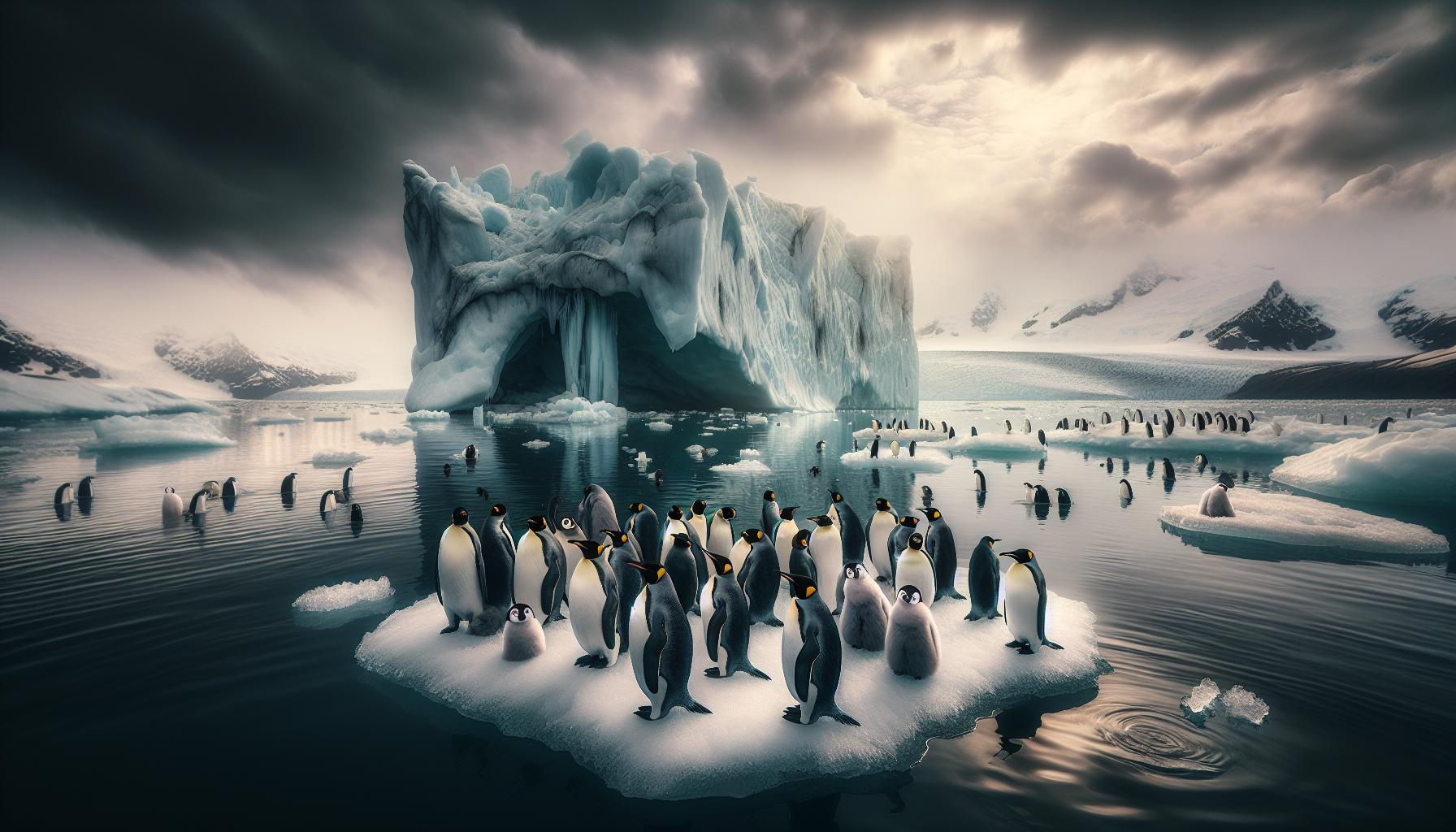
The Science Behind Penguins’ Vulnerability
Penguins stand out as remarkable ambassadors for the health of our planet’s icy ecosystems, yet they are increasingly vulnerable due to the profound effects of climate change. A startling statistic is that if current trends continue, emperor penguins in Antarctica could face a decline of up to 90% by the century’s end due to habitat loss from vanishing sea ice [1]. This phenomenon is not isolated; various penguin species across the globe are feeling the heat as warmer temperatures disrupt their habitats and basic survival needs.
At the heart of penguins’ vulnerability is their reliance on stable sea ice and cold ocean waters, both of which are being drastically affected by climate fluctuations. The loss of ice diminishes crucial breeding and feeding grounds, leading to unprecedented breeding failures as observed in emperor penguins [1]. Furthermore, species like the Adélie penguin are struggling to find suitable nesting areas as traditional snow- and ice-covered environments become increasingly scarce [3].
To combat these vulnerabilities, a comprehensive understanding of climate impacts on penguin species is crucial. Individuals can contribute by advocating for carbon reduction and supporting sustainable practices that directly impact ocean health. By recognizing the interconnectedness of climate change, wildlife health, and global ecosystems, we can take informed actions that help secure a future for these beloved seabirds.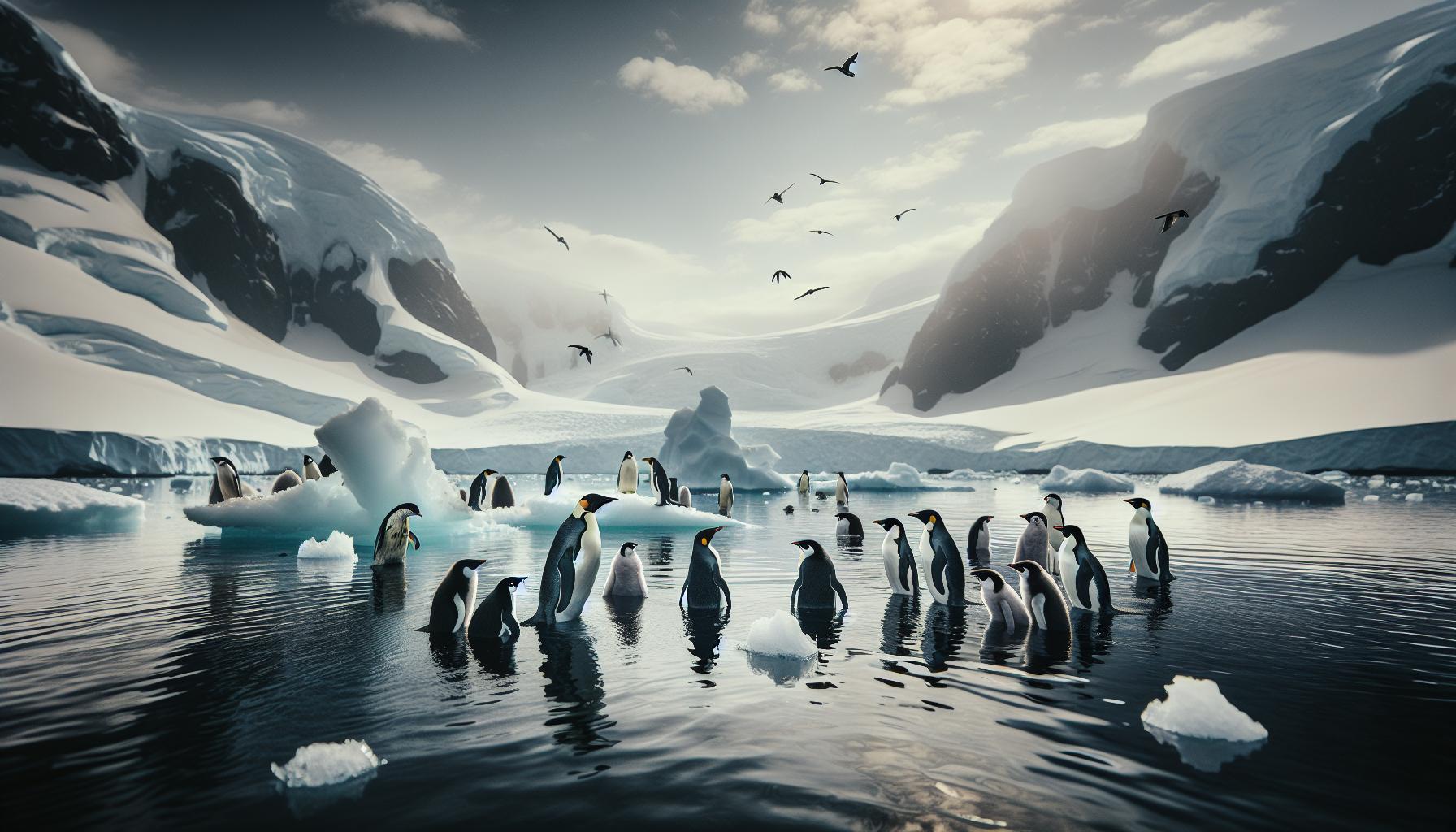
Key Species of Penguins at Risk Today
As the impacts of climate change continue to escalate, several penguin species are facing unprecedented threats to their survival. Among the most vulnerable are the Emperor penguins, which rely heavily on stable ice conditions for breeding. With projections indicating a decline of up to 90% in their population by the year 2100 due to diminishing sea ice, they exemplify the dire situation many marine species find themselves in as their habitats disappear.
Another species at significant risk is the Adélie penguin. These charming birds depend on the availability of snow and ice for nesting. However, rising temperatures are altering their habitat, leading to increased competition for nesting sites and food resources. As the krill populations they depend on continue to decline due to a warming ocean, their survival becomes increasingly precarious.
Additionally, the Chinstrap and Gentoo penguins are also affected, particularly in the Antarctic Peninsula, where climate change has brought about rapid temperature fluctuations. These species are facing shifts in their dietary available fish populations and overall breeding success, which are crucial for their survival. Changes in oceanic conditions impact the very foundation of the marine food web, affecting multiple levels of the ecosystem that these birds rely on.
- Emperor penguins: Facing potential declines of up to 90% due to habitat loss and rising sea temperatures.
- Adélie penguins: Struggling for nesting areas as snow and ice habitats diminish.
- Chinstrap and Gentoo penguins: Experiencing shifts in food availability and breeding challenges.
Sustained advocacy for climate action and targeted conservation strategies are essential in helping protect these species. Supporting organizations that focus on habitat restoration and sustainable fishing practices can make a significant difference. Each individual’s efforts to reduce carbon footprints and promote awareness can contribute to the broader goal of preserving these remarkable birds and their environments. As we engage in informed actions and advocate for their needs, we hold the power to help secure a more stable future for penguins in the face of growing climate challenges.
Effects of Melting Ice on Penguin Populations
The plight of penguins in a warming world is starkly illustrated by the alarming rate of melting ice. These iconic birds, particularly the Emperor penguins, rely on stable sea ice for their breeding cycles, and the loss of this habitat poses severe challenges to their survival. As climate change accelerates, projections indicate a potential decline of up to 90% in Emperor penguin populations by the year 2100, primarily due to diminishing sea ice. This decline is not merely a statistic; it represents the loss of entire communities, unique identities, and intricate lifestyles deeply tied to the ice.
Melting ice also disrupts the delicate balance that has historically defined penguin ecosystems. For species like the Adélie penguin, the availability of ice is crucial for nesting. As temperatures rise and ice forms less predictably, these birds find themselves in fierce competition for the dwindling nesting habitats. This scarcity forces Adélie penguins to venture farther in search of suitable sites, often exposing them to unsafe conditions and additional stressors from predators. Meanwhile, the Chinstrap and Gentoo penguins are struggling in regions such as the Antarctic Peninsula, where rapidly fluctuating temperatures and melting ice alter the breeding and feeding grounds essential for their survival.
A ripple effect emerges as melting ice disrupts food sources. Krill, which thrive in cold, stable waters, form the foundation of the Southern Ocean food web that penguins depend on. With rising ocean temperatures causing krill populations to decline, penguins must travel greater distances and expend more energy to find food, leading to lower reproductive success and increased chick mortality rates. The implications are dire: as the ice melts, the very fabric of the marine ecosystem that supports these penguin species unravels, threatening their existence.
To combat these challenges, implementing effective conservation strategies is crucial. This can involve establishing marine protected areas that safeguard critical breeding and feeding habitats, as well as promoting sustainable fishing practices that preserve the krill population. Community involvement is equally essential, with educational initiatives fostering awareness about the intricate relationship between climate change and penguin survival. By collectively advocating for immediate climate action and supporting conservation efforts, individuals can play a vital role in protecting these unique species and ensuring that future generations have the opportunity to witness the remarkable lives of penguins in the wild.
The Role of Ocean Temperature Changes
As global temperatures rise, the impact on ocean temperatures is profound and far-reaching, creating an urgent crisis for penguin populations. Warmer oceans disrupt the delicate balance of marine ecosystems, directly affecting the availability of key species crucial for the survival of many penguin species. For instance, krill, a primary food source for penguins, thrives in cold waters. However, rising ocean temperatures have led to notable declines in krill populations, which in turn diminishes the food supply for penguins such as the Adélie and Emperor, exacerbating their struggle to thrive in an already challenging environment.
The consequences of elevated ocean temperatures ripple through the food web, as the decline in krill not only affects penguins but also the myriad of marine life relying on this critical species. As penguins face food shortages, they are forced to travel longer distances and expend more energy on foraging, leading to lower reproductive success and increased chick mortality rates. This shift is particularly alarming as the survival of entire penguin colonies becomes jeopardized due to nutritional stress. A reported connection between rising temperatures and lower primary productivity in marine ecosystems indicates that conditions are aligning to create an unsustainable future for these iconic birds.
Moreover, the increase in ocean temperatures can cause significant shifts in marine species distribution, as species like Chinstrap and Gentoo penguins expand their range into areas traditionally occupied by Adélie penguins. This not only intensifies competition for dwindling resources but also threatens the unique ecological niches that each species occupies. Such dynamics underscore the interconnectedness of climate change effects, shedding light on how alterations in ocean conditions can radically transform the habitats and ecosystems that sustain penguins.
To actively combat these challenges, practical conservation strategies must be implemented. For instance, establishing marine protected areas can safeguard critical feeding and breeding grounds, enabling penguins to have better access to food sources and secure nesting habitats. Additionally, promoting sustainable fishing practices is essential in preserving krill populations, ensuring that penguins and other marine wildlife have the resources they need to survive. By advocating for responsible ocean management and supporting ongoing conservation efforts, individuals can play a vital role in mitigating the impacts of climate change on these remarkable species. Together, impactful actions can foster a healthier ocean environment, ultimately benefiting penguin populations across the globe.
How Food Sources are Affected by Climate Change
As climate change alters ocean temperatures and ice dynamics, one of the most significant impacts is on the food sources that penguins rely on for survival. Penguins, particularly species like the Adélie, Emperor, and Gentoo, have diets that heavily depend on marine prey such as krill, fish, and squid. Unfortunately, these species are not immune to the effects of a warming planet, leading to cascading consequences for penguin populations.
Impact on Key Prey Species
The decline in sea ice-a critical habitat for krill-greatly affects their populations. Krill thrive in cold, nutrient-rich waters often found beneath sea ice, where they feed on phytoplankton. As temperatures rise and ice melts, the habitats essential for these small crustaceans diminish. With reduced krill availability, penguins face significant food shortages. Research indicates that krill populations have decreased by up to 80% in some areas due to climate-induced changes, pushing penguins to search further for food, often leading to increased energy expenditure and decreased reproductive success.
Changes in Prey Distribution
In addition to the direct impacts of reduced food availability, climate change alters the distribution of other key prey species. Warmer ocean temperatures lead to shifts in the ranges of fish and squid populations, which may migrate to cooler areas or deeper waters. This shift disrupts established feeding patterns for penguins, who must now adapt to new locations and possibly more challenging foraging conditions. For example, Chinstrap penguins, once thriving in areas like the South Shetland Islands, are increasingly competing with Gentoo penguins for dwindling food resources as they expand their ranges.
Adapting to New Challenges
To mitigate these challenges, there are several strategies that can be employed. Establishing marine protected areas can play a crucial role in preserving the delicate balance of marine ecosystems and ensuring penguins have reliable access to essential food sources. Additionally, promoting habitat restoration projects that target phytoplankton regrowth could help rebuild krill populations, thus providing a crucial food source for penguins and other marine wildlife.
Communities and individuals can contribute by supporting sustainable fishing practices and advocating for policies that address climate change. Engaging in local conservation initiatives and aligning individual choices-such as reducing carbon footprints-can collectively strengthen efforts to protect both penguins and their marine environments. Through these proactive measures, we can work towards a future where penguins can continue to thrive amidst changing climatic conditions.
Behavioral Changes in Penguins Due to Environmental Stress
As climate change exerts its relentless influence on the Antarctic environment, the behavioral patterns of penguins are shifting in response to the stressors created by these changes. For species heavily reliant on stable ecosystems, such as the Adélie and Emperor penguins, adaptations to new realities become crucial for survival. In the face of dwindling sea ice, altered prey availability, and increased competition, penguins are displaying a range of behavioral modifications that reflect their struggle to cope.
One notable adaptation is the increased distance that penguins are willing to travel in search of food. As key prey species like krill decline due to changing ocean temperatures and reduced sea ice availability, penguins are forced to venture further from their breeding colonies. This behavior, while necessary for survival, has its drawbacks, as it requires more energy and time, reducing the time available for nurturing their chicks or maintaining their nests. Furthermore, the need for longer foraging trips can lead to higher mortality rates among chicks and a decline in reproductive success [1].
In addition to changes in foraging behavior, penguins are also facing altered social dynamics. Increased competition for limited food resources has been observed, particularly between species like the Gentoo and Chinstrap penguins, which are encroaching on territories traditionally occupied by Adélie penguins. This shift can lead to more aggressive interactions and a decrease in the breeding success of already vulnerable populations. As penguins navigate these pressures, they may exhibit changes in breeding timing and nesting behaviors, potentially leading to mismatched timing of chick hatching and food availability [2].
It’s essential to foster resilience in these species amidst the shifting tides of their environment. Creating marine protected areas and promoting sustainable fishing practices can significantly alleviate some of these pressures, helping to secure vital food sources. Additionally, public awareness and community involvement are critical. Individuals can take concrete actions by supporting conservation initiatives, reducing their carbon footprints, and advocating for policy changes that address climate change. By contributing to a healthier environment, we can help ensure that penguins not only survive but thrive, adapting effectively to their ever-changing world.
Conservation Efforts for At-Risk Penguin Species
As the harsh realities of climate change bear down on vulnerable penguin species, proactive conservation efforts are crucial for their survival. Various organizations and researchers are working tirelessly to protect these iconic birds and their habitats. By implementing targeted strategies, we can create environments that not only support existing penguin populations but also facilitate their adaptation to rapidly changing conditions.
Marine Protected Areas
One of the most effective conservation strategies involves the establishment of marine protected areas (MPAs). MPAs serve as safe havens for penguins, where they can forage without the pressures of overfishing and habitat degradation. For instance, MPAs around the Antarctic Peninsula have shown promise in providing vital feeding grounds for Adélie and Emperor penguins, helping to stabilize their populations amid declining food resources [1].
Policy Changes and Sustainable Practices
Advocating for policy changes aimed at climate action is equally essential. Researchers emphasize the need for global collaboration to tackle carbon emissions impacting marine ecosystems. By promoting sustainable fishing practices, we can mitigate the depletion of key prey species such as krill, which are vital for penguins’ survival. For example, strict regulations on krill fishing in certain regions have been shown to benefit not only the marine environment but also the dependent species like penguins [2].
Community Engagement and Education
Community involvement also plays a pivotal role in conservation efforts. Education programs aimed at raising awareness about the impacts of climate change on penguins inspire action at the grassroots level. Volunteer programs and citizen science initiatives allow individuals to contribute directly to monitoring penguin populations and their habitats. Engaging local communities not only fosters a sense of stewardship for the environment but also empowers them to advocate for policy changes that support penguin conservation.
In conclusion, the path forward for at-risk penguin species hinges on a combination of scientific research, effective policy implementation, and community engagement. With our collective efforts, it is possible to turn the tide for these remarkable birds facing an uncertain future, ensuring they can continue to thrive in their Antarctic home.
Community Involvement in Penguin Preservation
As the alarming effects of climate change become increasingly evident, community involvement has emerged as a critical component in the fight for penguin preservation. Local communities, armed with knowledge and passion, are uniquely positioned to make a substantial difference in protecting these beloved birds and their habitats. This grassroots movement is not just about saving penguins; it’s about fostering a deeper connection with the environment and promoting sustainable practices that can influence broader change.
Volunteer Programs and Citizen Science
Many organizations offer volunteer opportunities that allow community members to engage directly with penguin conservation efforts. Programs often involve activities like monitoring penguin populations, cleaning beaches, and conducting habitat restoration projects. For example, citizen science initiatives enable volunteers to collect valuable data on penguin behaviors and breeding success, which researchers can then use to inform conservation strategies. This direct involvement not only contributes to scientific knowledge but also empowers volunteers by making them active participants in the conservation narrative.
Education and Advocacy
Education plays a pivotal role in mobilizing communities toward penguin preservation. Awareness campaigns and workshops can help local residents understand the specific threats that penguins face due to climate change, such as habitat loss and prey depletion. Armed with this knowledge, individuals can advocate for policy changes at local and national levels. Moreover, educational programs in schools can inspire younger generations to become lifelong stewards of the environment, instilling a sense of responsibility towards protecting wildlife.
Building Partnerships
Collaboration between local communities, environmental organizations, and governmental bodies can amplify conservation efforts. By forming partnerships, communities can leverage resources and support to implement effective conservation practices. For instance, initiatives that involve local fishing communities in sustainable fishing practices not only help safeguard penguin food sources but also support local economies. These partnerships are crucial in creating a unified front against environmental degradation, ensuring that both people and penguins can thrive in harmony.
In summary, community involvement is integral to penguin preservation efforts facing the challenges of climate change. By participating in volunteer programs, advocating for sustainable practices, and engaging in educational outreach, individuals can contribute significantly to the survival of these remarkable birds. Empowered communities can drive change, fostering an environment where penguins and other wildlife can flourish despite the looming threats of climate change. Through collective action, we can ensure that future generations continue to witness the enchanting presence of penguins in their natural habitats.
Future Projections: What Lies Ahead for Penguins
As the planet continues to warm, the future for penguins looks increasingly uncertain. With recent studies indicating that climate change is significantly altering their habitats, we have a pressing need to understand what lies ahead for these iconic birds. For instance, emperor penguins, which rely heavily on stable sea ice for breeding, molting, and feeding, face dramatic declines in their populations due to ongoing ice loss. Projections suggest that, without substantial climate intervention, some populations could dwindle by as much as 80% by the end of the century.[[1]] This stark prediction serves as a rallying point for conservation efforts.
The role of increasing ocean temperatures cannot be underestimated either. Warmer waters are leading to shifts in the distribution of key prey species like krill, which is a primary food source for penguins across various species. This change not only limits the availability of food but may also instigate competition among species. For example, as species like the Adelie penguin adapt to changing conditions, the Galápagos penguin may encounter increased predation and disruptions from migrating species.[[2]]
While the challenges are daunting, informed and proactive conservation strategies present a glimmer of hope. Measures such as establishing protected marine areas, monitoring affected populations, and restoring habitats can significantly mitigate the adverse impacts of climate change on penguins. Additionally, building community resilience through sustainable fishing practices can enhance local economies while safeguarding food sources essential for penguins.
To genuinely tilt the balance back in favor of penguins, ongoing commitment from individuals, communities, and governments is crucial. People can lend a hand through volunteer opportunities, supporting responsible eco-tourism, and advocating for climate policies that emphasize sustainability. By fostering these actions, we can work toward a more hopeful future for penguins, ensuring that they continue to thrive amid an era of significant environmental change.
How Individuals Can Help Protect Penguins
Penguins are not just charming creatures but vital indicators of the health of our ecosystems, particularly in the face of climate change. As their habitats rapidly decline due to warming temperatures and melting ice, every individual can make a significant impact in protecting these beloved birds. Engaging in meaningful actions can help foster a more sustainable environment where penguins can thrive. Here are some effective ways you can contribute to their conservation.
Adopt Sustainable Practices
Individual choices matter; adopting more sustainable practices is a major step. Consider reducing your carbon footprint by using public transport, biking, or walking instead of driving. Opt for energy-efficient appliances and reduce water usage at home. Supporting renewable energy sources and reducing reliance on fossil fuels can lead to broader changes that benefit penguin habitats by mitigating climate change.
Support Conservation Organizations
Organizations focused on wildlife protection, such as the World Wildlife Fund (WWF) or the Antarctic and Southern Ocean Coalition, actively work on initiatives aimed at preserving penguin populations and their habitats. By donating, volunteering, or participating in their campaigns, individuals can amplify these efforts. Many of these organizations also provide resources and information that can help you learn more about how climate change directly affects penguins.
Advocate for Policy Changes
Raising your voice in support of climate policies can lead to significant changes at local, national, and global levels. Engaging with representatives, participating in advocacy groups, or even just sharing information on social media can raise awareness of issues facing penguins and climate change. Push for policies that aim to protect marine environments, promote renewable energy, and implement sustainable fishing practices.
Educate Others
Spreading awareness within your community is crucial. Organizing events, workshops, or discussions at schools, community centers, or online platforms can inform others about penguin conservation. Sharing insights about the impact of climate change on these species can inspire collective action and foster a community committed to safeguarding the environment.
By taking these steps, each individual plays a part in creating a more supportive environment for penguins facing the daunting challenges posed by climate change. Together, we can champion the cause of these incredible birds and ensure that they continue to flourish in our ecosystems.
Q&A
Q: How does climate change impact penguin breeding?
A: Climate change leads to the loss of sea ice, critical for penguin breeding. For instance, emperor penguins face unprecedented breeding failures due to disappearing ice in Antarctica. Protecting sea ice habitats is vital for their reproductive success and overall survival.
Q: What specific penguin species are most affected by climate change?
A: The most affected species include emperor and Adélie penguins, facing declines due to habitat loss and food shortages. Chinstrap and Gentoo penguins are also expanding into their breeding areas, increasing competition and threatening Adélie populations.
Q: How does the warming ocean affect penguins?
A: Warming oceans disrupt penguin food sources, leading to malnutrition and lowered chick survival rates. Reduced sea ice affects nutrient mixing in the water, causing food availability to decline, which poses a significant threat to penguin populations.
Q: Why are penguin populations declining due to climate change?
A: Penguin populations decline primarily due to habitat degradation from melting ice, altered food supplies, and increased competition among species. These factors collectively threaten their ability to reproduce and survive in changing environments.
Q: What can individuals do to help penguins affected by climate change?
A: Individuals can help by supporting conservation efforts, reducing carbon footprints, and advocating for policies that protect marine environments. Engaging in local conservation initiatives also contributes to the overall health of penguin habitats.
Q: When is the tipping point for penguin populations due to climate change?
A: Research suggests that without significant climate action, penguin populations could decline drastically by the century’s end. Specifically, predictions indicate that emperor penguin numbers could drop by up to 90% if global warming continues unchecked.
Q: How are penguins adapting to climate change?
A: Some penguin species are shifting their breeding areas southward in response to changing ice conditions. However, these adaptations are not always sustainable, and increased competition for resources poses a threat to their survival.
Q: Where can I find more information about penguin conservation efforts?
A: More information about penguin conservation can be found through organizations like WWF or the Center for Biological Diversity, which provide resources on how to support penguin habitats and species recovery efforts.
To Conclude
As we face the alarming impacts of climate change on penguin populations, it’s crucial to take action. Remember, the survival of these iconic species hinges on our collective efforts. By understanding the effects of warming temperatures and diminishing ice habitats, you can play a role in their conservation. For a deeper dive, check out our articles on the broader implications of climate change on marine life and strategies for supporting wildlife conservation.
If you’re passionate about making a difference, consider signing up for our newsletter to receive the latest updates and actionable steps you can take to help penguins and other vulnerable species. Together, we can boost awareness and inspire change!
Not sure where to start? Explore our resources on sustainable living and advocacy tools. Every small action counts, and your voice matters. Join us in this vital cause, and let’s ensure a future where penguins thrive alongside us. Share your thoughts in the comments below, and let’s keep this important dialogue going!