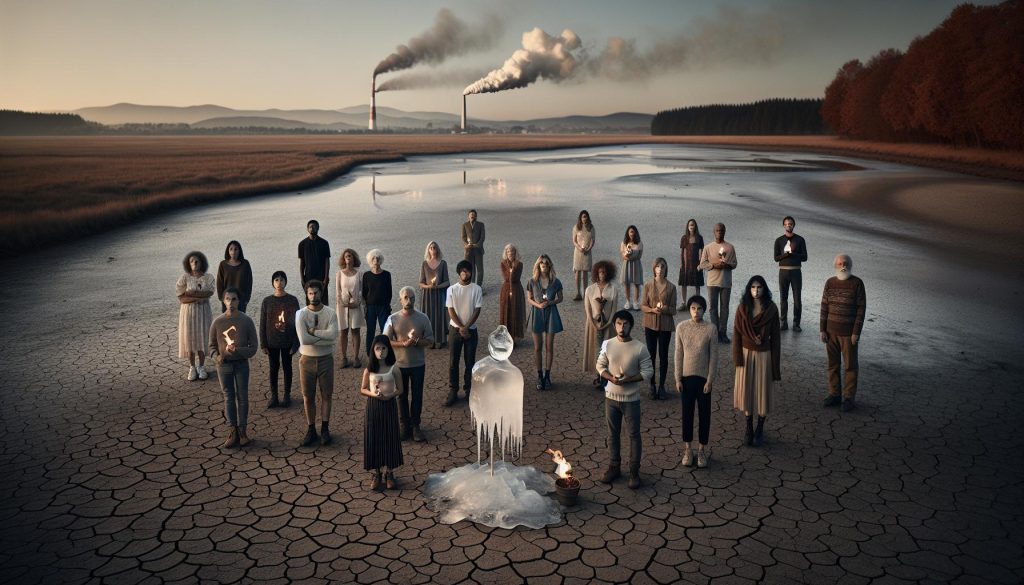
Did you know that the Earth’s average temperature has risen by approximately 1.2 degrees Celsius since the late 19th century? This change is not just a statistic; it affects our weather patterns, food security, and health across the globe. Understanding how climate change contributes to global warming effects is crucial, as it empowers us to take informed action. As individuals and communities, grappling with issues like extreme weather events, rising sea levels, and health-related challenges becomes increasingly vital. This article will explore the mechanisms behind climate change’s influence on global warming, providing you with insights into its implications for our lives and the planet. From practical steps we can take to mitigate these effects to the broader societal transformations needed, you’ll find valuable information that connects the dots between climate actions and a sustainable future. Let’s delve into how our collective actions can shape a healthier world for generations to come.
The Science Behind Climate Change and Global Warming

The urgency of addressing climate change is underscored by the fact that human activity has significantly altered the planet’s climate systems, pushing the current average global temperature up by approximately 1.2 degrees Celsius since pre-industrial times. This rise stems from a compact equation: increased greenhouse gas emissions, particularly carbon dioxide (CO2) from burning fossil fuels, lead to enhanced greenhouse effect, causing the Earth to trap more heat. Understanding this fundamental process is crucial for comprehending how climate change engenders global warming effects.
The greenhouse effect operates on a delicate balance. Solar energy reaches the Earth, where some is absorbed and used to maintain the planet’s ecosystems, while the rest is reflected back into space. However, gases emitted from industrial activities, vehicle exhaust, and agricultural processes, such as CO2 and methane, linger in the atmosphere and capture outgoing heat. This accumulation is comparable to wrapping the Earth in an insulating blanket, which, although crucial for maintaining life, has now become dangerously thick due to anthropogenic activities.
A critical aspect in this discussion involves the feedback loops that exacerbate warming. For instance, as temperatures rise, polar ice melts at an accelerated rate, reducing the Earth’s albedo-the ability to reflect sunlight. This results in more heat absorption, which further accelerates ice melt and perpetuates a cycle of warming. Likewise, thawing permafrost releases stored methane, a potent greenhouse gas, compounding the problem. Such complex interactions illustrate the critical need for comprehensive climate education, enabling individuals and communities to grasp the interconnectedness of natural systems and human influence.
Addressing climate change not only involves reducing greenhouse gas emissions but also emphasizes the importance of restoring natural carbon sinks like forests and wetlands. Public awareness and engagement can drive change: communities can advocate for sustainable practices, and individuals can adopt greener lifestyles. Practical steps such as reducing energy consumption, supporting renewable energy initiatives, and participating in local conservation efforts can contribute to reversing harmful trends. By understanding the science behind climate change, we empower ourselves to take action-transforming knowledge into tangible change for the planet’s future.
Understanding the Greenhouse Effect Basics

The essential mechanism driving climate change can be encapsulated in the concept of the greenhouse effect, which is crucial for understanding how human activities are influencing global temperatures. To visualize this, consider how a greenhouse retains warmth: sunlight enters through the glass, warms the plants and soil inside, but some heat gets trapped, preventing it from escaping back into the atmosphere. Earth’s atmosphere functions much like this greenhouse but with a mix of natural and anthropogenic (human-caused) gases.
When solar energy reaches Earth, it is absorbed by the surface, and subsequently, this energy is radiated back towards space as infrared radiation. Herein lies the critical role of greenhouse gases such as carbon dioxide (CO2), methane (CH4), and nitrous oxide (N2O). These gases absorb and re-radiate some of this heat, keeping the planet warm enough to sustain life. However, human activities-particularly the burning of fossil fuels, deforestation, and industrial processes-have significantly increased the concentrations of these gases in the atmosphere. This intensification of the greenhouse effect leads to more heat being trapped than necessary, causing the planet’s average temperature to rise, a phenomenon known as global warming.
Recognizing the delicate balance of this system highlights the potential feedback loops that exacerbate warming. For example, as global temperatures rise, polar ice melts, leading to a decrease in the Earth’s albedo, or reflective capacity. This melt exposes darker ocean water or land, which absorbs more heat, further accelerating ice loss. Similarly, thawing permafrost releases stored methane, which is over 25 times more effective at trapping heat than CO2 over a century. Such interactions create a compounding effect that can spiral out of control if not addressed.
Understanding the greenhouse effect is not merely an academic exercise; it’s a clarion call for action. Effective mitigation strategies include reducing fossil fuel consumption, enhancing energy efficiency in buildings and transportation, and increasing reliance on renewable energy sources like solar and wind power. Individuals can contribute by adopting more sustainable practices, such as reducing waste, utilizing public transportation, and supporting policies aimed at curtailing emissions. When communities come together to promote education about these issues, they foster collective action that can lead to systemic change, making the fight against climate change a shared responsibility.
Key Drivers of Climate Change Explained
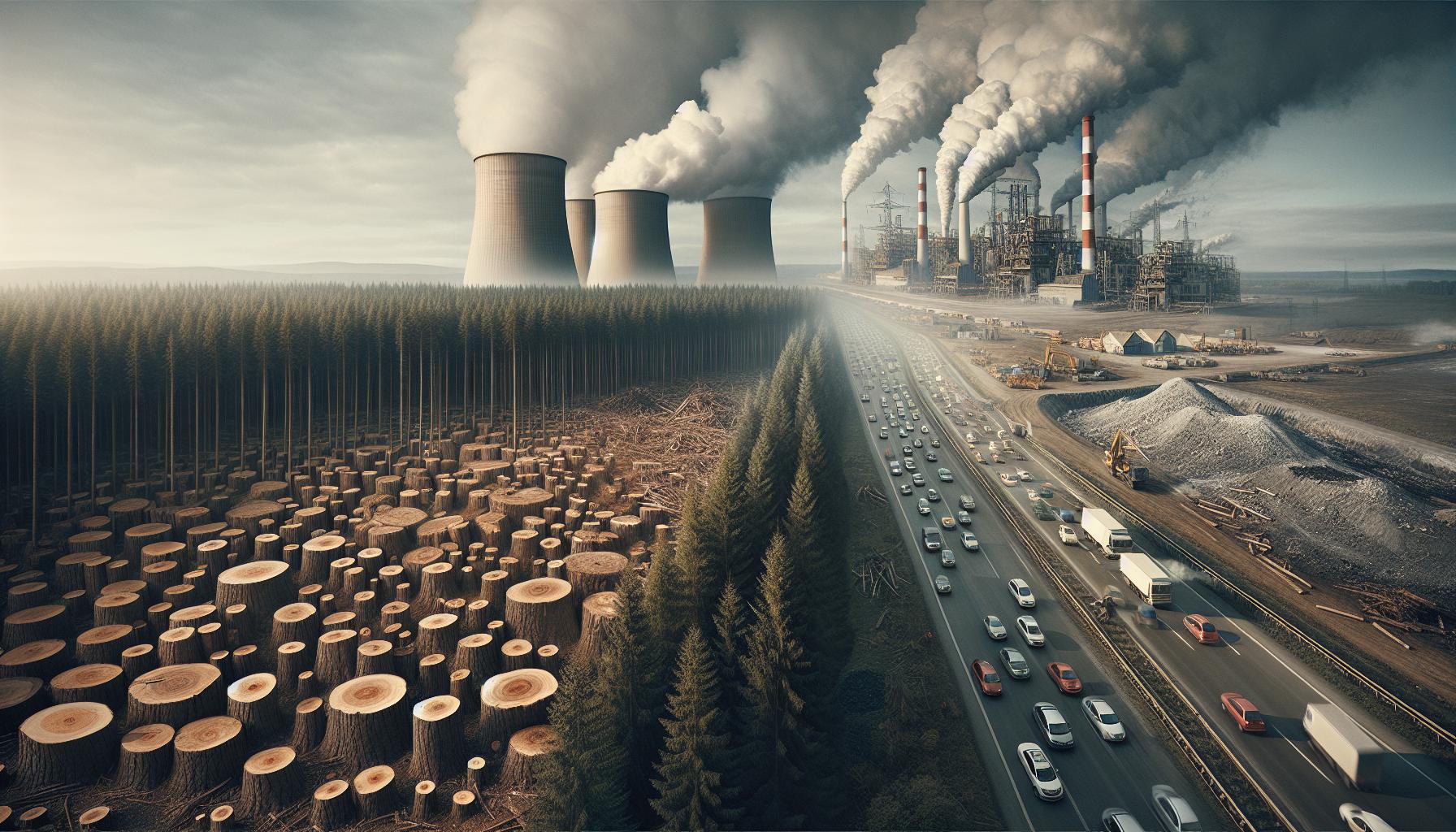
Human activities have fundamentally altered the balance of our planet’s climate system, driving an increase in global temperatures that has far-reaching consequences. One crucial factor is the rise in greenhouse gas emissions, with carbon dioxide (CO2) being a primary culprit. Since the Industrial Revolution, CO2 levels have surged by over 40%, largely due to fossil fuel combustion, industrial processes, and, more recently, intensive agriculture. This increased concentration of greenhouse gases traps more heat in the atmosphere, exacerbating the greenhouse effect and leading to global warming.
In addition to CO2, other greenhouse gases significantly contribute to climate change. Methane (CH4), for example, is produced during the production and transport of coal, oil, and natural gas, as well as from livestock and other agricultural practices. Methane is over 25 times more potent than CO2 in terms of heat trapping over a century, making its management crucial in efforts to mitigate climate change. In fact, the oil and gas industry is one of the largest contributors of methane emissions, highlighting the need for stricter regulations and monitoring.
Deforestation is another major driver. Trees play a pivotal role in absorbing CO2; thus, when forests are cleared for agriculture or urban development, not only is this vital carbon sink diminished, but the act of clearing often releases stored CO2 back into the atmosphere. The Amazon rainforest, known as the “lungs of the planet,” is facing significant pressures from deforestation, which threatens to accelerate global warming.
To address these drivers effectively, a multi-faceted approach is essential. This includes transitioning to renewable energy sources such as solar and wind, promoting reforestation, and implementing sustainable agricultural practices that minimize methane emissions. Individuals can also make a difference by reducing meat consumption, supporting local products, and advocating for policy changes that prioritize the environment. Every action counts, and collective efforts can lead to meaningful change in combating climate change for a healthier planet.
How Human Activity Accelerates Global Warming
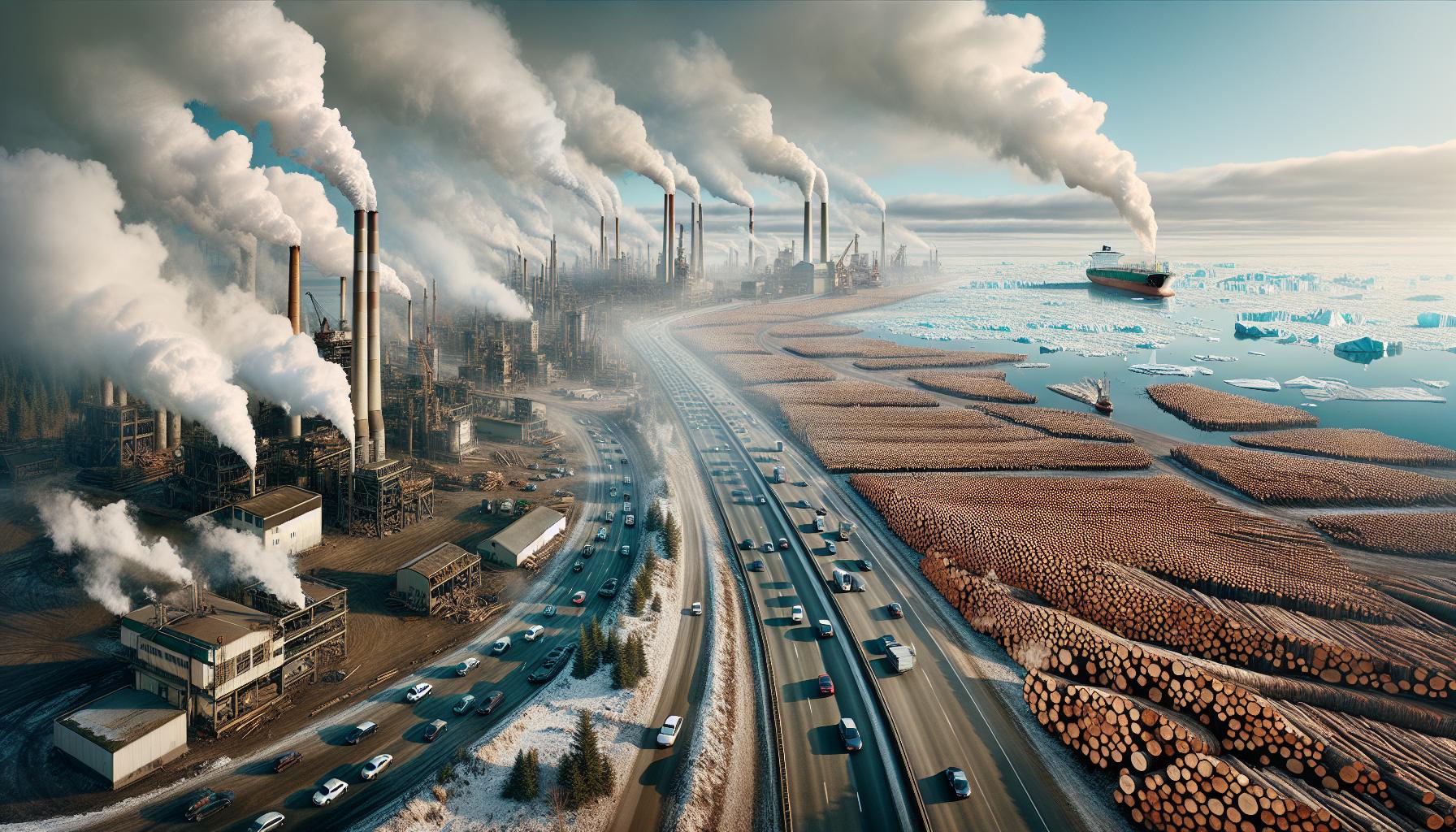
Human endeavors have significantly altered the Earth’s climate, and our actions have accelerated the perilous march of global warming. A staggering fact highlights this: the concentration of carbon dioxide (CO2) in the atmosphere has soared by over 40% since the onset of the Industrial Revolution, primarily due to activities like fossil fuel combustion, deforestation, and industrial agriculture. This relentless rise in greenhouse gases not only traps more heat but also disrupts longstanding climate patterns, leading to a future increasingly marked by extreme weather events and ecological upheaval.
One of the most potent contributors to climate change is methane (CH4), which is generated through diverse human activities including fossil fuel extraction, livestock production, and waste management. With a heat-trapping ability over 25 times that of CO2 in the short term, methane mitigation is crucial in our concerted efforts to combat climate change. For example, enhancing the management of livestock farming and reducing food waste can substantially cut down methane emissions, showcasing practical steps that both individuals and industries can undertake.
Deforestation compounds these issues further. Forests, often referred to as the planet’s lungs, act as significant carbon sinks; when trees are cut down for agriculture or development, not only is that critical CO2 absorption capacity lost, but the clearing process itself releases vast amounts of CO2 back into the atmosphere. Countries like Brazil face intense pressure in this realm due to logging and agricultural expansion, which threatens not just local biodiversity but global climate stability.
To counter these detrimental effects, a concerted approach is essential. Transitioning to renewable energy sources, such as solar and wind, can help reduce dependency on fossil fuels. Promoting reforestation initiatives and adopting sustainable agricultural practices also play vital roles. Individuals can contribute by making conscious choices to reduce meat consumption, support local produce, and advocate for environmental policies. By understanding the interconnectedness of our actions and the climate, every one of us can join the fight against global warming, fostering a healthier planet for future generations.
Major Global Warming Effects on Ecosystems and Weather
Rising global temperatures have far-reaching impacts on ecosystems and weather patterns, reshaping the natural world in profound ways. For instance, a staggering 1.2 degrees Celsius increase in global temperature since the late 19th century is not merely a statistic; it translates into disrupted habitats, shifting animal migrations, and altered growing seasons. Such changes threaten to destabilize delicate ecosystems and diminish biodiversity, as many species struggle to adapt to their rapidly changing environments.
Effects on Ecosystems
Ecosystems around the world are experiencing stress unlike any seen in generations. Coral reefs, often called the “rainforests of the sea,” are particularly vulnerable. Elevated water temperatures cause coral bleaching, a phenomenon that severely weakens these vital structures. Moreover, as the oceans warm, migration patterns of marine species shift, leading to overfishing and disruption of local economies reliant on fishing. Terrestrial ecosystems are no better off; changing weather patterns can lead to droughts in some regions and floods in others, pushing plant and animal species towards extinction.
To illustrate, the Arctic tundra is seeing a significant loss of sea ice, which has crucial implications for polar bears and other native species that depend on ice for hunting. Simultaneously, invasive species are thriving in warmer climates, exacerbating challenges for native biodiversity. For instance, rising temperatures have allowed the pine bark beetle to expand its range into areas previously too cold for survival, resulting in large-scale tree mortality and altered forest dynamics.
Weather Patterns and Climate Extremes
The relationship between climate change and extreme weather is increasingly evident, with rising temperatures contributing to more frequent and severe weather events. Extreme heat waves, heavy rainfall, and devastating hurricanes are every bit more likely as global temperatures rise. For example, warmer air holds more moisture, leading to intense storms and floods that can inundate communities, destroy infrastructure, and disrupt everyday life.
Beyond immediate destruction, these weather changes impose long-term economic costs. For instance, research shows that natural disasters driven by climate change could cost the global economy upwards of $300 billion annually by 2030. This figure encompasses everything from repairing infrastructure to recovering from disruptions in agriculture and health systems.
In response to these challenges, it’s clear that we need proactive strategies to lessen the impacts of climate change. Communities can invest in sustainable agriculture, enhance flood defenses, and promote local resilience through education and policy advocacy. By fostering a deeper understanding of how climate change influences ecosystems and weather, we empower individuals and communities to take meaningful action for a sustainable future.
The Role of Carbon Dioxide and Other Gases
The concentration of greenhouse gases in our atmosphere plays a crucial role in driving global warming, directly influencing climate change and its expansive effects. Among these gases, carbon dioxide (CO2) is the most significant due to its long-lasting impact and the sheer volume produced by human activities. In 2021, CO2 levels reached an unprecedented high of over 410 parts per million, a stark increase from pre-industrial levels of about 280 parts per million. This increase is primarily attributable to burning fossil fuels, deforestation, and various industrial processes, all of which release vast amounts of CO2 into the atmosphere.
When sunlight reaches Earth, some of that energy is reflected back into space, while the rest is absorbed, warming the planet. Greenhouse gases, including CO2, trap a portion of this outgoing energy, creating a “greenhouse effect” that maintains the Earth’s temperature. However, as human activities continue to elevate CO2 levels, this effect intensifies, leading to higher average global temperatures. The increase in temperature disrupts weather patterns, contributes to more frequent and severe natural disasters, and worsens the stress on ecosystems and biodiversity.
Other significant greenhouse gases include methane (CH4) and nitrous oxide (N2O). Methane, which is produced during agricultural practices, waste management, and fossil fuel extraction, is over 25 times more effective than CO2 at trapping heat in the atmosphere over a 100-year period. Nitrous oxide, emitted from agricultural and industrial activities as well as during combustion of fossil fuels, has a global warming potential approximately 298 times that of CO2. While CO2 remains the primary focus in climate discussions, reducing emissions of these other gases is equally important for mitigating climate change.
Practical Steps to Reduce Emissions
To combat the rising levels of greenhouse gases, individuals and communities can take practical steps:
- Promote Renewable Energy: Transitioning to solar, wind, and other renewable energy sources can significantly cut back on CO2 emissions from fossil fuels.
- Increase Energy Efficiency: Investing in energy-efficient appliances and practices reduces energy consumption, directly lowering emissions.
- Support Sustainable Practices: Engaging in and advocating for sustainable agriculture and waste management can help reduce methane and nitrous oxide emissions.
- Reforestation and Tree Planting: Trees absorb CO2, making reforestation and afforestation critical components in the fight against global warming.
As we better understand the complexities of greenhouse gases and their interconnected roles in climate change, it becomes clear that collective action at all levels-individual, community, and global-is essential to create effective solutions and curb the adverse effects on our planet. By making informed choices and advocating for policy changes, we can contribute to a more sustainable future.
Sea Level Rise: Causes and Consequences
The melting of ice sheets and glaciers, alongside the thermal expansion of seawater due to rising temperatures, signifies one of the most critical impacts of climate change: sea level rise. According to scientific consensus, the global average sea level has risen by approximately 8 to 9 inches since 1880, with projections suggesting potential increases of 1 to 4 feet or more by 2100 if current trends continue. This rise poses severe threats to coastal communities, ecosystems, and economies worldwide.
One of the principal causes of sea level rise is the warming climate. As temperatures increase, glaciers and polar ice caps melt, releasing fresh water into the oceans. Furthermore, as ocean water warms, it expands, contributing to higher sea levels. A notable example of this phenomenon can be observed in Greenland and Antarctica, where extensive research has documented accelerated ice loss. From 1992 to 2017, Greenland alone shed about 280 billion tons of ice annually, a rate that continues to rise.
The consequences of sea level rise are far-reaching and vary by region. Coastal flooding becomes increasingly common, threatening infrastructure, freshwater resources, and ecosystems. For instance, cities like Miami and New Orleans are already experiencing higher flooding events, dramatically impacting their communities and economies. As saltwater intrudes into freshwater systems, it not only compromises drinking water supplies but also affects agriculture, particularly in coastal farming regions where crops rely on brackish water. Moreover, the displacement of populations in low-lying areas may lead to significant social and political challenges, as climate refugees seek safer grounds.
Addressing sea level rise requires a multifaceted approach, combining mitigation and adaptation strategies. Some practical measures include investing in resilient infrastructure, such as sea walls and improved drainage systems, while also protecting natural barriers like wetlands and mangroves that can absorb storm surges. Community engagement and education are vital in promoting sustainable practices that minimize further greenhouse gas emissions. Efforts to restore coastal ecosystems can bolster defenses against rising waters and enhance local biodiversity, making communities more resilient to future challenges.
By understanding the complex interplay between climate change and sea level rise, we can take informed actions, engage in community-based solutions, and advocate for policies that mitigate the impacts of this pressing global issue. Every incremental effort contributes to a more sustainable future, ensuring both the environment and human society can withstand these evolving challenges.
Impacts of Global Warming on Human Health
Rising global temperatures driven by climate change are more than just a statistical concern; they pose real and significant threats to human health. Notably, as average temperatures climb, the incidence of heat-related illnesses, including heat stroke and dehydration, increases dramatically-especially among vulnerable populations such as the elderly, children, and those with pre-existing medical conditions. According to studies, it is estimated that extreme heat could lead to thousands of additional deaths each year as the planet continues to warm.
One vital consequence of global warming is the alteration in the spread of infectious diseases. Warmer temperatures and changing precipitation patterns can expand the habitats of vectors like mosquitoes and ticks. For example, diseases like malaria, dengue fever, and Lyme disease are expected to become more prevalent in regions previously considered too cool for such maladies. As these diseases migrate, public health systems may struggle to keep pace with emerging threats, leading to increased health care costs and challenges in disease management.
Mental Health Implications
The impacts of global warming extend beyond the physical realm, significantly affecting mental health as well. The psychological stressors associated with climate-related disasters-floods, wildfires, hurricanes-often result in anxiety, depression, and post-traumatic stress disorder (PTSD). Communities grappling with such trauma may experience long-term mental health consequences, alongside the immediate physical destruction caused by these events. Moreover, the anxiety surrounding the larger implications of climate change can contribute to a decline in overall mental well-being, as concerns about the future become overwhelming.
Practical Steps for Communities
Addressing these looming health threats requires a proactive approach. Communities can enhance public health infrastructure to better prepare for heat waves and disease outbreaks by implementing early warning systems and ensuring equitable access to healthcare. Increasing public awareness about heat safety, the importance of vaccination against vector-borne diseases, and mental health resources can empower individuals.
Some specific strategies include:
- Emergency Cooling Centers: Establishing locations where individuals can escape extreme heat can mitigate health risks.
- Vector Control Programs: Implementing initiatives to manage and control vector populations can help reduce the spread of infectious diseases.
- Mental Health Resources: Providing community-based mental health support can assist those affected by climate-related disasters.
Through concerted efforts, we can build resilience against the health impacts of climate change, empowering communities to safeguard their well-being in a warming world. Each action taken at the local level contributes to broader efforts needed to confront the public health challenges posed by our changing climate.
Economic Consequences of Climate Change
The economic implications of climate change are vast and deeply interconnected with various sectors, impacting not only our wallets but also the fabric of global economies. For instance, recent analyses predict that climate-intensified natural disasters could result in $12.5 trillion in economic losses by 2050, along with an alarming projection of 14.5 million excess deaths due to escalating climate challenges [2]. These figures underscore the urgency with which we must address the economic dimensions of climate change, as they threaten livelihoods, disrupt industries, and erode the base of economic stability.
Extreme weather events, such as hurricanes, droughts, and floods, have already begun to disrupt supply chains, impacting food and product availability and driving prices up. For example, farmers face crop failures due to unpredictable rainfall patterns or prolonged dry spells, which leads to reduced agricultural yield and higher food prices. The barrage of climate-related disruptions can strain healthcare systems and increase costs associated with disaster response and recovery, diverting funds from essential services.
Adapting to Economic Shifts
As the impacts of climate change become increasingly apparent, businesses and communities must re-evaluate their operations to mitigate risk. Sustainable practices not only safeguard the environment but can also lead to significant cost savings over time. Companies that invest in renewable energy sources, for example, often see reductions in operational costs and long-term energy security. Additionally, businesses that adopt sustainable supply chain practices can enhance their resilience against climate-related disruptions.
Investing in Mitigation and Future Resilience
Investment in green technology and infrastructure can create new job opportunities and drive economic growth. For instance, transitioning to clean energy sources will require skilled workers in sectors such as construction, engineering, and energy management, creating a plethora of employment opportunities. Additionally, insurance companies and financial institutions that recognize the risks posed by climate change can lead the way by offering products that incentivize sustainable practices and infrastructure investments.
- Implementing Sustainable Practices: Businesses should evaluate their operations to reduce waste and energy consumption.
- Investing in Climate-Resilient Infrastructure: Governments and organizations can upgrade infrastructure to withstand extreme weather.
- Promoting Green Energy Initiatives: Supporting policies that favor renewable energy can create economic opportunities.
In summary, the demand immediate action and foresight. By rethinking traditional practices and embracing sustainability, we can build a more resilient economy while mitigating the adverse effects of climate change on our future.
Mitigation Strategies: Combating Global Warming
Addressing the urgent challenge of global warming requires a multifaceted approach, blending innovative technology with widespread behavioral changes. One captivating statistic highlights the stark reality: transitioning to a carbon-neutral economy could create upwards of 24 million new jobs globally by 2030. This potential is a beacon of hope, showcasing that combating climate change can not only protect our environment but also stimulate economic growth and resilience.
To effectively tackle global warming, prioritizing renewable energy sources is crucial. Shifting away from fossil fuels can drastically reduce greenhouse gas emissions. Solar and wind power are leading the way in this transformation, with countries like Denmark generating over 40% of their electricity from wind alone. Additionally, implementing energy-efficient practices-such as retrofitting buildings, enhancing insulation, and utilizing smart technology-can reduce energy consumption considerably, saving both money and resources.
Promoting Sustainable Practices
Individuals and communities play a vital role in mitigating climate change. Embracing sustainable practices can lead to significant reductions in our carbon footprints. Simple actions like reducing waste, opting for public transportation, and choosing locally sourced products can collectively yield substantial impacts. For example, a report from the National Renewable Energy Laboratory suggests that if just 30% of Americans committed to using public transit regularly, it could result in a reduction of approximately 1.5 million tons of CO2 emissions annually.
Investing in Green Technology
Investment in green technology is essential for fostering long-term resilience against climate impacts. Governments and private sectors can collaborate to fund initiatives that prioritize clean energy innovations, smart grid technologies, and electric vehicles. For instance, California’s aggressive investment in electric vehicle infrastructure has not only reduced greenhouse gas emissions but also created thousands of jobs in the green economy. Such case studies reflect the success that can arise when both public and private sectors push for sustainable advancements.
Building a sustainable future hinges on our collective actions today. By advocating for policies that support renewable energy, investing in green technologies, and committing to individually sustainable lifestyles, we can forge a path towards a healthier planet. To ensure substantive progress, it is essential to maintain informed optimism, rallying together as individuals, communities, and nations to confront the challenges of climate change head-on.
Real-World Case Studies of Climate Change Impact
The impacts of climate change are not just abstract concepts; they are realities experienced by communities around the globe, often with devastating consequences. One powerful example is the plight of the European wine industry, which is increasingly feeling the heat of climate change. Grapevines are highly sensitive to temperature shifts, and higher temperatures can lead to earlier harvests, disrupted fermentation processes, and altered flavor profiles. French winemakers have reported that their harvest seasons are now ten days earlier than they were a generation ago, threatening the quality and reputation of their world-renowned wines. This change, driven by global warming, reshapes not only the industry but also the livelihoods of thousands who depend on wine production and tourism.
Similarly, the island nation of Maldives exemplifies the severe threat posed by rising sea levels, one of the most visible effects of climate change. As global temperatures rise, glaciers and polar ice caps melt, contributing to the encroachment of saltwater into freshwater sources and threatening the very existence of low-lying coastal regions. Studies project that if current trends continue, the Maldives could be entirely submerged by the end of the century. This reality not only affects the environment but also endangers the cultural heritage and economic stability of the Maldives, with tourism and fishing as central pillars of their economy.
In urban settings, cities like Miami are grappling with the dual challenges of flooding and infrastructure stress due to climate change. The increased frequency of heavy rainfall and storm surges, combined with rising seas, leads to “sunny day flooding,” where coastal streets are inundated even without rain. Initiatives have emerged aimed at fortifying urban infrastructure to withstand these changes. Miami is investing in pumping mechanisms and elevated roads, showcasing a proactive approach to mitigate climate impacts while serving as a case study for other cities at risk.
Lastly, the case of the Amazon rainforest highlights how climate change exacerbates deforestation and biodiversity loss. Tackling both local and global factors, indigenous communities have become powerful advocates for sustainable practices, fighting against deforestation caused by logging and agriculture. Their efforts have reaffirmed the rainforest’s ecological resilience, while also shedding light on the essential role these environments play in carbon sequestration. This connection underscores how environmental actions on the ground can contribute to larger-scale climate responses.
In response to these challenges, it is clear that collective action is vital. Investing in sustainable practices, engaging with local communities, and supporting technology-driven solutions will pave the way for a more resilient future. As these real-world case studies illustrate, the consequences of climate change are tangible and urgent, yet they also highlight the inspiring human capacity for adaptation and innovation in combating their effects.
Future Projections: What Happens If We Don’t Act?
The consequences of inaction on climate change could be catastrophic, with scientific projections revealing a stark reality. If greenhouse gas emissions continue to rise unchecked, we could see global temperatures increase by 2°C or more above pre-industrial levels by mid-century. This threshold is crucial; exceeding it is likely to trigger severe climate impacts that will be felt worldwide. For instance, ecosystems will undergo drastic changes, with coral reefs facing mass bleaching events, leading to a potential collapse of marine biodiversity crucial for global fish stocks.
The implications for human society are equally alarming. Without decisive action, extreme weather events will become increasingly frequent and severe. This could manifest as intensified hurricanes in the Caribbean, prolonged droughts in sub-Saharan Africa, and devastating floods in Asia and Europe. The World Meteorological Organization has already noted that recent years have witnessed unprecedented weather events, leaving communities vulnerable and straining resources. Inaction could lead to loss of livelihoods, displacing millions and causing economic fallout that could exceed trillions of dollars globally.
Adapting to these changes will be increasingly difficult and costly. Communities that currently rely on agriculture will face declining crop yields due to shifting climate zones and unpredictable weather patterns, exacerbating food insecurity. For example, cereal production could drop by up to 30% in the tropics and subtropics, jeopardizing the food supply for billions. Public health systems will also be pressed to their limits, as rising temperatures contribute to the spread of heat-related illnesses and vector-borne diseases, such as malaria and dengue fever.
The time to act is now. By investing in renewable energy, sustainable agriculture, and resilient infrastructure, we can chart a path toward a more sustainable future. There’s still an opportunity to mitigate these dire consequences. Individual actions, such as reducing carbon footprints and supporting local sustainable businesses, when combined with collective efforts at the governmental and global level, can reshape our approach to climate resilience.
Key Strategies for Action
- Transition to Renewable Energy: Governments and businesses should invest in solar, wind, and other renewable sources to reduce dependency on fossil fuels.
- Enhance Energy Efficiency: Promoting energy-efficient practices in homes and industries can significantly lower emissions.
- Support Sustainable Practices: Encouraging sustainable farming and forestry can preserve biodiversity and promote healthy ecosystems.
Through these steps, we can not only avert the imminent crises linked to climate change but also foster a thriving, green economy that benefits everyone. The choices we make today will define the future for generations to come.
FAQ
Q: How does climate change lead to extreme weather events?
A: Climate change causes extreme weather by increasing global temperatures, which fuels more intense storms, heatwaves, and precipitation. Warmer air holds more moisture, leading to heavier rainfall and flooding. Understanding these impacts is crucial for developing effective adaptation strategies.
Q: What are the long-term effects of global warming on polar regions?
A: Global warming significantly impacts polar regions by causing ice melt and altering habitats. This leads to rising sea levels and the loss of biodiversity. Tracking these changes is vital for predicting broader ecological shifts and mitigating risks associated with ice loss.
Q: Why is it important to address climate change now?
A: Addressing climate change urgently is crucial to minimize its impacts on ecosystems, economies, and human health. Early action can slow down warming, protect vulnerable populations, and promote sustainability. Explore actionable strategies in our mitigation section for immediate engagement.
Q: How do greenhouse gases contribute to global warming?
A: Greenhouse gases, such as carbon dioxide and methane, trap heat in the Earth’s atmosphere, disrupting the natural greenhouse effect. This exacerbates global warming, leading to climate instability. Reducing these emissions is essential, as discussed in our article on key drivers of climate change.
Q: What role do forests play in combating climate change?
A: Forests help combat climate change by absorbing carbon dioxide, acting as vital carbon sinks. Deforestation not only releases stored carbon but also diminishes this protective role. Protecting and restoring forests can significantly help mitigate global warming effects.
Q: How can individuals contribute to reducing climate change?
A: Individuals can reduce climate change impacts by adopting sustainable practices, such as reducing energy consumption, using public transportation, and minimizing waste. Simple lifestyle changes, discussed in our article’s mitigation strategies section, collectively make a significant difference.
Q: What are the signs of global warming we should be aware of?
A: Signs of global warming include increased average temperatures, rising sea levels, and more frequent extreme weather events. Monitoring these indicators is vital for understanding the ongoing climate crisis and informing community responses.
Q: How does climate change affect food security?
A: Climate change threatens food security by disrupting agricultural productivity through altered rainfall patterns and extreme weather. This leads to crop failures and increased food prices. Implementing adaptive agricultural practices is essential to safeguard food systems against climate impacts.
Final Thoughts
Understanding how climate change drives global warming is essential for taking informed actions. As you’ve learned, the links between greenhouse gas emissions and rising temperatures underline the urgency of addressing these issues now. If you’re curious about practical steps to reduce your carbon footprint, check out our guides on sustainable living and renewable energy solutions.
Ready to make a difference? Sign up for our newsletter to stay updated on the latest climate research and actionable tips for sustainability. By engaging in these discussions and sharing your thoughts in the comments, you’re not just an observer; you’re part of the solution. Explore more resources on environmental impact and advocacy, and let’s continue this vital conversation together-your involvement matters!
For additional insights, don’t miss our articles on climate policy and eco-friendly practices. The time to act is now, and every step counts towards a healthier planet.