Did you know that polar bears are increasingly at risk due to rapid climate change? As the Arctic warms at nearly twice the global rate, the sea ice-vital for their hunting and survival-is melting away. This transformation poses a dire challenge not just for polar bears, but for the entire Arctic ecosystem. Understanding how climate change affects these magnificent creatures is crucial, as it illuminates broader environmental issues and our role in addressing them. By exploring the impact of losing sea ice and the adaptations polar bears are forced to make, this article seeks to engage your curiosity and highlight the urgent need for solutions that protect our planet’s unique wildlife. Join us as we delve into the complexities of polar bears’ survival in a warming world and discover what we can do to help preserve their future.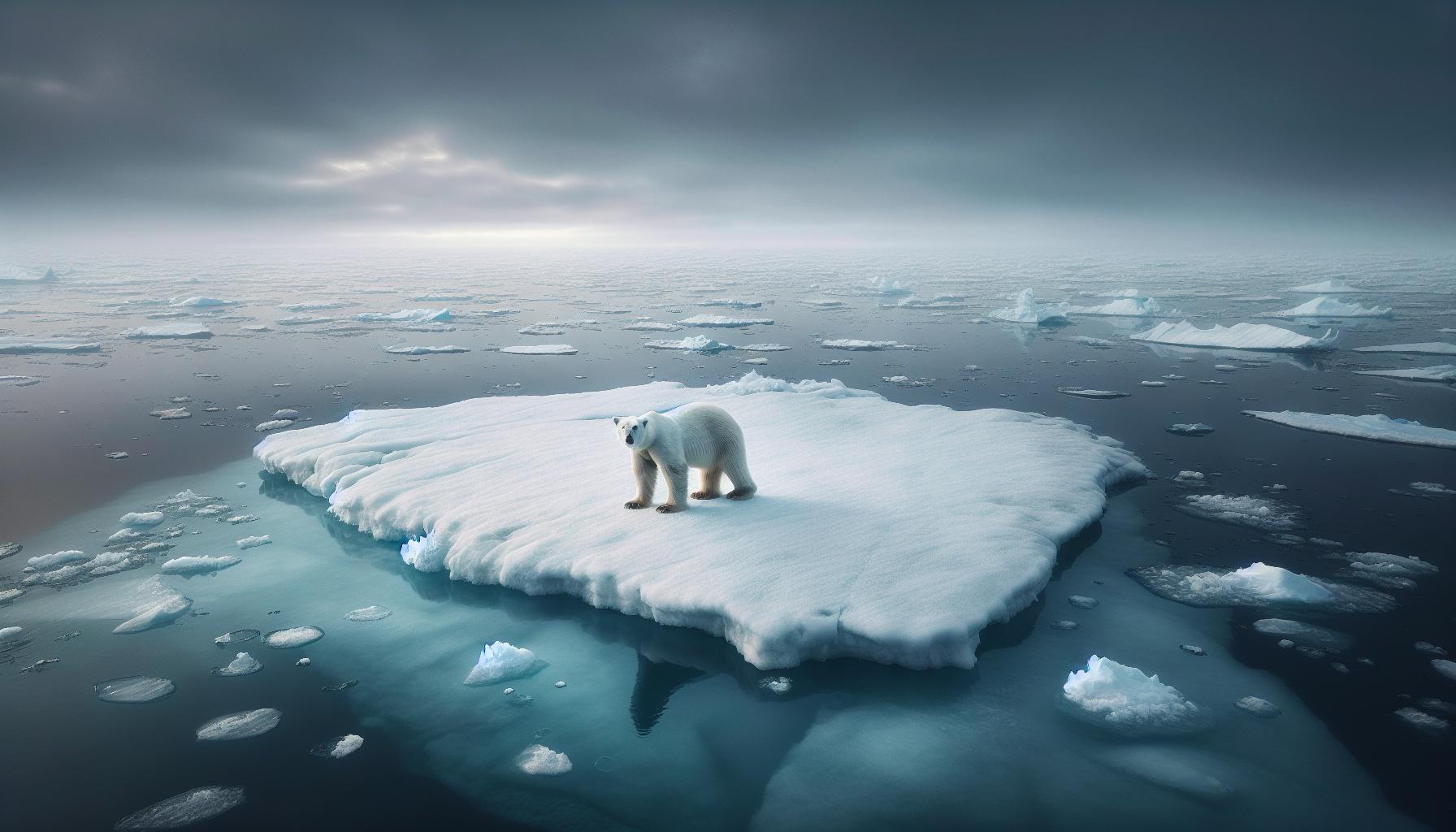
How Climate Change Impacts Polar Bear Habitats
As the Arctic region warms at nearly double the global average rate, polar bears face profound changes in their habitats that threaten their survival. The primary habitat of these majestic creatures is the sea ice, which serves as a platform for hunting seals, their main source of food. With climate change resulting in the accelerated melting of sea ice, polar bears struggle to find stable environments in which to hunt and raise their young. The ongoing loss of this critical habitat means that polar bears must traverse greater distances in search of food, often leading to increased energy expenditure and lower survival rates.
The relationship between polar bears and their habitat is complex and bioresponsive. As sea ice diminishes, entire ecosystems are affected, which in turn impacts food availability. For instance, the reduction in sea ice leads to a decline in seal populations, which polar bears rely on for sustenance. Scientists have observed that in areas like the Southern Beaufort Sea and Western Hudson Bay, polar bear populations have declined as a direct result of continued sea ice loss [[1]](https://interactive.carbonbrief.org/polar-bears-climate-change-what-does-science-say/index.html). This ongoing habitat alteration raises concerns not just for the bears but for the broader ecological balance within their environment.
In order to adapt, polar bears have started to forage more on land and have increased their swimming distances to hunt for prey; however, these adaptations may not be sufficient in the long term. Human activities, such as commercial shipping and oil exploration, further compound the threats to polar bear habitats by introducing pollution and disrupting natural behaviors [[3]](https://polarbearsinternational.org/polar-bears-changing-arctic/conservation-concerns/). Protecting polar bears requires understanding and addressing these habitat impacts through conservation efforts that aim to mitigate climate change and sustainable environmental management. Engaging in initiatives to reduce carbon footprints and advocating for policies that address climate change are critical steps individuals can take to help secure a future for polar bears and their habitats.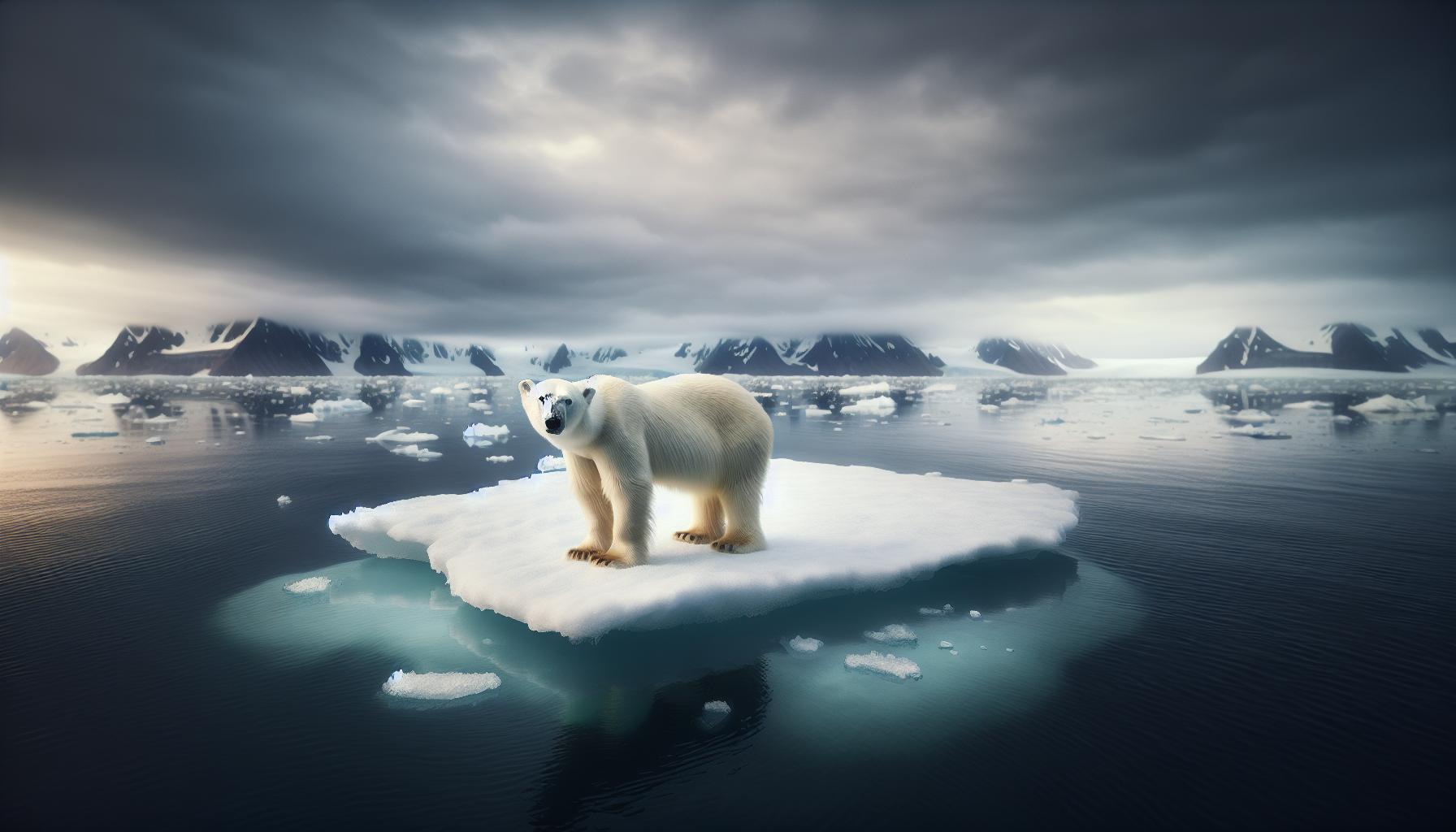
The Science Behind Polar Bear Adaptation
Polar bears are remarkable creatures that have evolved to thrive in the harsh conditions of the Arctic. However, as climate change reshapes their environment, these adaptations are being put to the test. One of the most fascinating aspects of polar bear adaptation is their physiological response to extreme cold and fluctuating food availability, which are increasingly impacted by global warming. These bears have thick layers of fat and dense fur that insulate them against frigid temperatures, but their survival depends heavily on the availability of sea ice for hunting seals, their primary food source.
Adaptation strategies among polar bears are not solely physical; their behavioral patterns have shifted significantly in recent years. With the ice melting earlier and forming later each year due to rising temperatures, polar bears are forced to adjust their hunting practices. Many have been observed spending more time on land, scavenging for food on terrestrial environments or taking longer swims between ice floes in search of sustenance. This increased foraging on land not only reflects a behavioral adaptation but also raises new challenges, including competition with other species for limited food resources and increased risks from human activity.
The changing climate has also led to a shift in the timing of seal pupping seasons, creating misalignments in the food supply. When polar bears rely on traditional hunting schedules, they may find that their usual seal populations are not available, leading to food scarcity. In some cases, this discrepancy has resulted in bears exhibiting signs of stress and malnutrition. Researchers have documented that bears who can adapt their hunting schedules and patterns in response to these changes have a higher chance of survival, showcasing the importance of flexibility in behavior as a key factor in their adaptability.
Despite these fascinating adaptations, the long-term viability of polar bears remains under threat. Continued efforts are needed to combat climate change and protect their habitats. Engaging in conservation strategies such as reducing carbon footprints, supporting sustainable practices, and advocating for policies that mitigate climate impact can play a crucial role in preserving the delicate balance of the Arctic ecosystem. Each of us can contribute to solutions that not only aid in the survival of polar bears but also uphold the ecological integrity of the planet we share.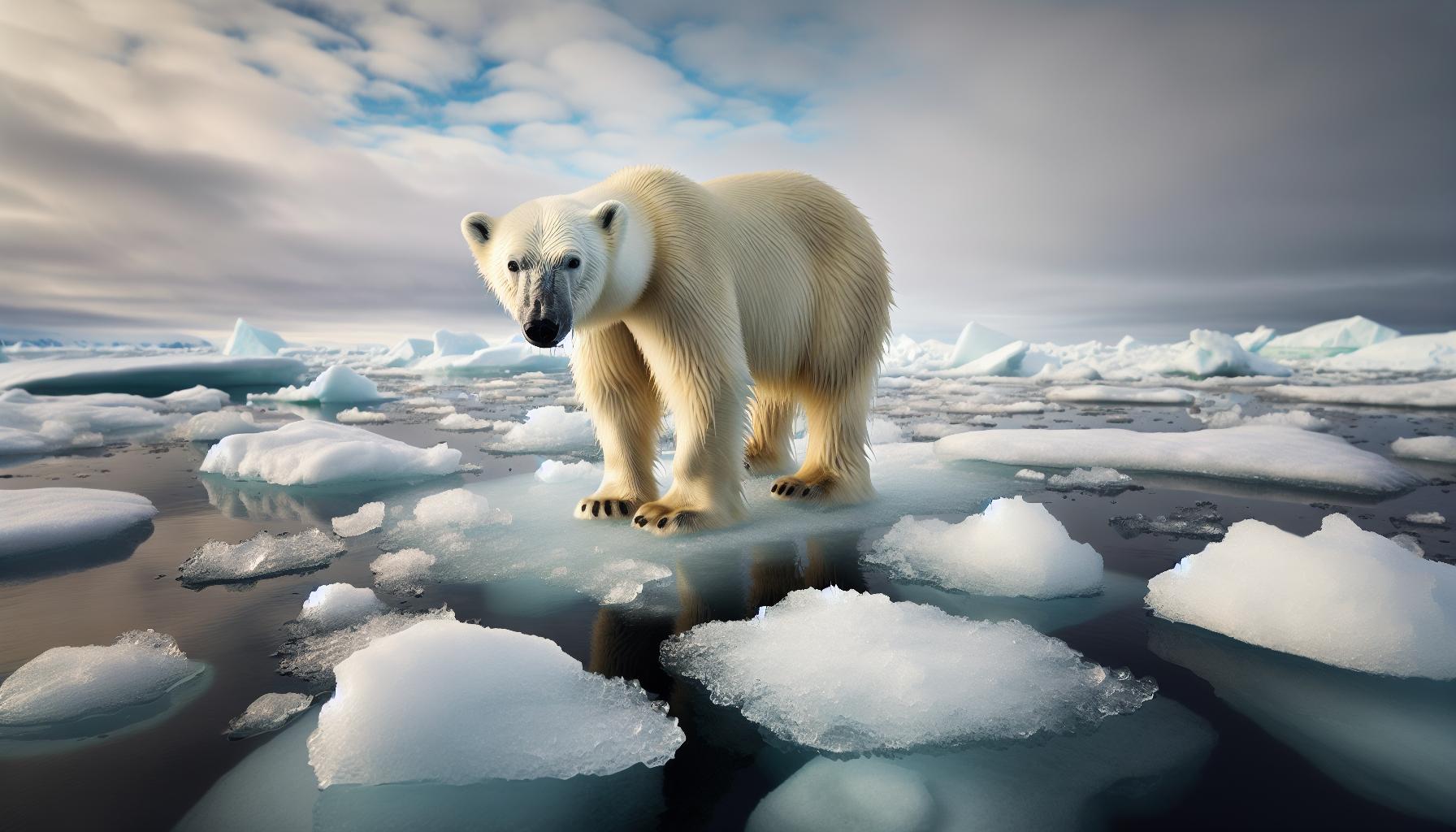
Melting Ice: The Polar Bear’s Biggest Threat
The Arctic is experiencing unprecedented changes, with recent studies indicating that the region is warming at more than twice the global average. This staggering statistic underscores the critical threat that melting ice poses to polar bears. These iconic creatures, emblematic of the Arctic wilderness, rely heavily on sea ice as their primary hunting ground for seals-essential to their survival. As the ice continues to diminish, polar bears are facing difficulties that challenge their very existence.
One profound impact of melting ice is the extended period bears spend on land without access to their main food source. During summer months, when ice cover is minimal, polar bears are forced to endure prolonged fasting, leading to severe weight loss and decreased reproductive rates. In fact, some populations are showing lower cub survival rates as mothers struggle to find adequate nourishment during pregnancy and nursing. For instance, a study in the Beaufort Sea region has shown a stark decline in the number of cubs surviving their first year due to these conditions, highlighting the direct correlation between ice loss and reproductive success.
The decline of sea ice also results in a disruption of hunting patterns and prey availability. With the changing seasons altering the timing and location of seal pupping, polar bears may find themselves at the wrong place at the wrong time, missing critical feeding opportunities. Bears have been documented swimming longer distances in search of food, which can lead to fatigue, hypothermia, and even drowning. In their quest for survival, these magnificent predators are not only battling nature but also the consequences of human-induced climate change that exacerbates their plight.
To combat this dire situation, targeted conservation efforts are essential. Public awareness plays a pivotal role; by educating ourselves and others about the plight of polar bears and the implications of climate change, we can catalyze action. Simple steps like reducing our carbon footprints-through energy conservation, supporting renewable energy initiatives, and advocating for policies that limit greenhouse gas emissions-can collectively make a meaningful difference. Every action counts in the fight to preserve not only the polar bears but also the intricate ecosystems that they inhabit, reminding us that the fate of these majestic animals is intertwined with our own environmental choices.
Food Scarcity: How Climate Change Affects Prey Availability
As the Arctic continues to warm, the consequences for polar bear prey availability are severe and complex. Polar bears primarily depend on seals, which rely on stable sea ice to breed and haul out. However, with climate change rapidly causing ice to melt, the timing and locations of seal pupping are being disrupted. This misalignment creates a perilous situation where polar bears may find themselves unable to hunt effectively.
Shrinking Hunting Grounds
The melting ice diminishes the area where seals can safely breed and bask. When seals are forced to adapt their pupping habits, perhaps moving to areas with less reliable ice, polar bears, who have evolved to hunt in specific seasonal conditions, may end up searching in vain for food. For instance, research has indicated that some polar bears are traveling further and further from traditional hunting grounds, resulting in increased energy expenditure and a higher likelihood of fatigue and starvation. Studies show that, during the summer months when ice is minimal, bears must rely on stored fat reserves, dramatically decreasing their chances of survival.
Impact on Nutritional Needs
Additionally, food scarcity directly correlates with the nutritional needs of the bears. As ice retreat influences seal populations, polar bears experience longer fasting periods, especially during critical reproductive times. Female polar bears need substantial energy to nourish their cubs; however, if they cannot access enough seals, this can lead to lower cub survival rates. A study indicated that in certain regions, cub mortality rates have increased significantly due to malnutrition among nursing mothers. It is a stark reminder of how intricately connected the survival of polar bears is to the health of their prey populations.
The Ripple Effect of Prey Scarcity
The decrease in prey availability also affects the broader Arctic ecosystem. As polar bear populations struggle, the ecological balance is threatened. For instance, fewer polar bears might lead to an increase in seal populations, which could, in turn, impact fish stocks and other marine life. This cascade of consequences illustrates the interconnectedness of Arctic species and the urgent need for comprehensive conservation strategies that address not just polar bears, but also their prey and overall habitat.
Taking Action
To help mitigate these challenges, awareness and action are crucial. Individuals can contribute to conservation efforts by adopting sustainable practices in their everyday lives, such as reducing carbon emissions and supporting renewable energy initiatives. Each step taken to combat climate change can help safeguard not only polar bears but also the delicate ecosystems that support them. By understanding how climate change affects prey availability, we empower ourselves to act in urgently needed ways, ensuring a viable future for these magnificent creatures.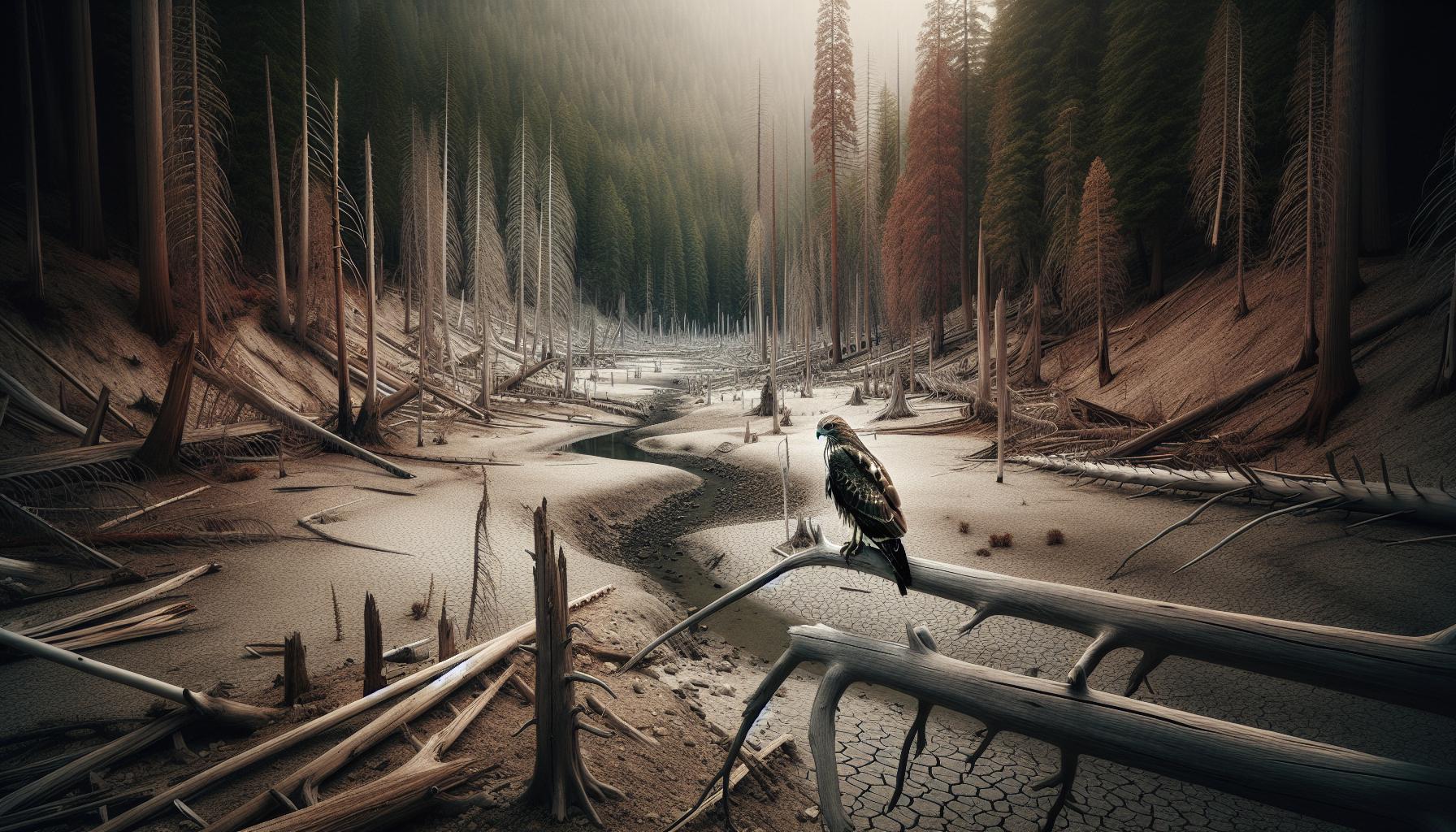
Polar Bear Behavior Changes Due to Climate Shifts
As the shifting climate dramatically alters their habitat, polar bears are experiencing a range of behavioral changes driven by necessity. One of the most pronounced adaptations is the alteration of their hunting strategies. Traditionally, polar bears are adept hunters, relying on sea ice to stalk and ambush seals. However, with sea ice disappearing earlier in the spring and forming later in the autumn, bears are forced to modify their approach. Research shows that some polar bears are spending more time swimming between ice floes, increasing their energy expenditure and risking exhaustion from long distances without food. This change in behavior underscores the direct link between environmental changes and the physical demands placed on these animals.
Another significant behavioral shift is the timing of polar bear reproduction. As climate patterns change, bears are increasingly misaligned in their breeding cycles. Female polar bears typically take on a cache of energy reserves before giving birth. However, with longer periods of fasting due to food scarcity, many females face difficulties maintaining their weight and health, potentially leading to delayed or failed pregnancies. Observational studies indicate that maternal health is deteriorating, with an uptick in cub mortality directly correlated with nutritional stress from climate change effects. This supports the notion that changes in behavior and physiology are closely tied to the challenging climate conditions they now face.
Additionally, the social dynamics of polar bears may be changing. With increased competition for dwindling food resources, bears may exhibit more aggressive behaviors toward one another. Instances of fighting for territory or food have been noted, highlighting how stress and resource scarcity can exacerbate natural instincts. The interconnectedness of these behavior changes demonstrates an increasingly urgent need for conservation efforts that not only protect polar bears but address their entire ecosystem.
Ultimately, the survival of polar bears hinges upon our understanding and action regarding climate change. By recognizing the challenges these magnificent creatures face and adjusting our behaviors-such as advocating for sustainable practices and reducing our carbon footprint-we can contribute to a more stable environment. Supporting conservation initiatives can help create a future where polar bears can thrive, adapting to the challenges of a warming world while maintaining their vital role in the Arctic ecosystem.
The Role of Human Activity in Climate Change Effects
The stark realities of climate change are intricately linked to human activity, and the impact on polar bears serves as a gripping illustration of this connection. The activities that contribute to climate change-such as fossil fuel extraction, industrial agriculture, and deforestation-release significant amounts of greenhouse gases into the atmosphere. These emissions trap heat, leading to rising global temperatures and significant shifts in environmental conditions across the planet. As a result, the polar regions, particularly the Arctic, are warming at an alarming rate, with temperatures increasing roughly twice as fast as the global average. This not only accelerates the melting of sea ice but also disrupts the habitat that polar bears rely on for their survival.
Human-induced changes extend beyond mere temperature increases. The oil and gas industries, for instance, not only contribute to climate change through emissions but also disrupt local ecosystems with exploration and extraction activities. These operations can lead to water pollution, habitat destruction, and increased boat traffic, which disturb the already fragile Arctic environment. Moreover, as human activities encroach on these ecosystems, competition for resources, such as prey and space, intensifies, leading to further stress on polar bear populations. When humans build infrastructure or extract resources in polar bear habitats, these magnificent creatures face even higher levels of danger and strain.
Practical actions can be taken to mitigate these impacts. Individuals and communities can advocate for policies that aim to reduce greenhouse gas emissions, such as transitioning to renewable energy sources and embracing sustainable agricultural practices. Engaging in local conservation efforts can also help restore and protect the habitats essential for polar bears and other species. On a broader scale, supporting legislation and initiatives aimed at reducing carbon footprints-like the Green New Deal-can yield significant changes. Each person has the power to influence these outcomes by making conscientious choices about energy use, transportation, and consumption patterns.
In essence, addressing human activity’s role in climate change requires a multi-faceted approach that prioritizes both environmental and social stewardship. By understanding the underlying connections between our actions and the consequences they have for polar bears and their habitat, we can drive meaningful change. Together, we can help ensure that polar bears not only survive but thrive in a world increasingly affected by climate change.
Conservation Efforts: Protecting Polar Bears Today
The future of polar bears hangs in the balance, and active conservation efforts are crucial to ensure their survival in a warming world. Organizations such as Polar Bears International and the World Wildlife Fund are leading the charge, implementing strategies that aim to mitigate the effects of climate change and protect polar bear habitats. They emphasize collaborative approaches that involve local communities, indigenous groups, and scientists to create sustainable solutions tailored to the unique challenges of the Arctic environment.
One of the critical components of conservation is reducing greenhouse gas emissions, as this directly impacts global warming and ice melt rates. Initiatives advocating for cleaner energy alternatives, stricter regulations on emissions, and habitat preservation play a fundamental role in protecting polar bears. For example, community-led projects to reduce reliance on fossil fuels and promote renewable energy sources have gained momentum, showcasing effective grassroots movements. Additionally, conservationists are working to limit industrial activities in sensitive areas, thereby reducing the risks posed by oil spills, habitat destruction, and increased human presence.
Public awareness and education are equally vital in conservation efforts. By illustrating the direct link between climate change and polar bear survival, organizations can inspire action at both individual and corporate levels. Engaging outdoor enthusiasts, travelers, and community members in initiatives like wildlife tourism or local clean-up days can foster a deeper connection between people and the Arctic ecosystem. Furthermore, through innovative storytelling and real-life experiences, such as documentaries capturing polar bear challenges and triumphs, these efforts can mobilize wider support for legislative action and funding dedicated to conservation.
Ultimately, everyone can contribute to polar bear protection through conscious lifestyle choices. By adopting sustainable practices-such as reducing waste, supporting eco-friendly products, and engaging in advocacy-individuals can help preserve the habitats these majestic creatures rely on. Together, through informed choices and collective action, we can forge a future where polar bears continue to thrive in their natural habitats, defying the odds against climate change.
Future Outlook: What Lies Ahead for Polar Bears
Despite their impressive adaptability, polar bears face an uncertain future as climate change continues to reshape their environment. Current projections indicate that if global temperatures continue to rise at the current rate, polar bear populations may decline significantly over the next few decades. The shrinking ice caps not only threaten their habitat but also disrupt their traditional hunting methods and breeding patterns, raising critical questions about long-term survival.
The outlook for these iconic creatures hinges on a fundamental equation: the balance of ice availability versus the increasing temperatures brought on by human activity. As sea ice diminishes, polar bears are forced to travel greater distances to find food, which can lead to increased energy expenditure and, ultimately, starvation. Researchers are monitoring this shift closely, suggesting that by the year 2050, many polar bear populations could face severe declines, particularly those already experiencing habitat loss due to climate impacts.
Potential for Adaptation and Resilience
While the challenges are significant, some polar bear populations demonstrate remarkable resilience. For instance, certain groups are starting to show changes in behavior, such as altering their hunting strategies to exploit new prey opportunities or adjusting their migration patterns. This adaptability highlights the potential for survival amid changing conditions, though it is typically a short-term solution rather than a sustainable one.
Efforts to support these adaptations could play a critical role. By focusing on conservation strategies that emphasize habitat protection and restoration, conservation organizations can help maintain the environments that polar bears rely on. Initiatives aimed at fostering healthy ecosystems are increasingly gaining attention, with the hope that such efforts can help sustain polar bear populations even as the climate continues to evolve.
The Role of Global Action
The global commitment to reducing carbon emissions offers a glimmer of hope for polar bears. Innovations in renewable energy, alongside increasing public awareness about climate change, create a path towards mitigating some of the detrimental effects on Arctic habitats. Individuals can also contribute by advocating for policies that prioritize climate action and supporting organizations dedicated to polar bear conservation.
Each small change can culminate into significant impacts; for example, reducing meat consumption, promoting sustainable fishing, or advocating for renewable energy at the community level can help decrease overall carbon footprints and slow the pace of climate change. While the road ahead is fraught with challenges, a collective effort towards reducing climate impact can pave the way for a future where polar bears not only survive but thrive in their natural habitats.
The Cultural Significance of Polar Bears in Indigenous Communities
In the tapestry of Arctic life, polar bears are woven deeply into the cultural fabric of many Indigenous communities. These majestic creatures are more than just symbols of the wilderness; they play a pivotal role in traditional livelihoods, spiritual practices, and social structures. The relationship between Indigenous peoples and polar bears is based on mutual respect that underscores survival in some of the world’s harshest environments.
Cultural Practices and Traditions
For many Indigenous groups, such as the Inuit and Sámi, polar bears represent strength and resilience. Hunting polar bears is not merely a means of sustenance; it is embedded with cultural significance, where each hunt is accompanied by rituals that honor the animal’s spirit. Bears are seen as teachers and guides, reflecting essential values of courage and adaptability in the face of challenging conditions-qualities their human counterparts strive to emulate in their everyday lives. As climate change rapidly alters marine environments and diminishes ice cover, these traditional practices are under threat, impacting not just dietary needs but also cultural identity.
Climate Change and Disruption of Traditions
The effects of climate change are profoundly altering polar bear populations and, consequently, the ways in which Indigenous communities interact with them. As ice continues to melt earlier each spring and reform later in autumn, polar bears find it increasingly difficult to hunt seals, their primary prey. When bears venture closer to communities in search of food, it raises safety concerns, prompting changes in hunting practices and reducing opportunities for traditional knowledge transmission between generations. This disruption not only threatens food security but also fragments the cultural narratives that are passed down through oral traditions.
Empowerment and Action
Despite these challenges, Indigenous communities are leading efforts to adapt to changing circumstances while advocating for the protection of polar bear habitats. By integrating traditional ecological knowledge with modern conservation strategies, they contribute valuable insights into sustainable practices that promote both bear populations and Indigenous rights. Actions such as community-led monitoring programs help gather vital data on bear movements, fostering stronger conservation policies. This holistic approach exemplifies how local knowledge can successfully inform broader environmental initiatives.
In this context, it is crucial for wider society to support Indigenous-led conservation efforts. Engaging with Indigenous voices not only aids in preserving polar bear populations but also promotes a deeper respect for the rich cultural heritage that these communities hold. Individuals can contribute by advocating for policies that recognize Indigenous rights, supporting ethical tourism that educates about polar bears and their ecosystems, and participating in broader climate action initiatives that address the root causes of climate change.
Real Stories: Polar Bears and Climate Challenges
As the Arctic warms at an alarming rate, polar bears are facing unprecedented climate challenges that threaten their very existence. Recent studies reveal that sea ice extent is decreasing more rapidly than previously projected, with a 13% reduction since the 1980s, severely impacting polar bear habitats. For instance, the polar bear population in the Chukchi Sea has been observed struggling more than ever before, as they rely on stable sea ice to hunt their primary prey-seals. Without sufficient ice, these magnificent animals are forced to swim greater distances and expend more energy in search of food, leading to malnutrition and reduced cub survival rates.
Real-life stories from Indigenous communities highlight this pressing issue. In communities like Barrow, Alaska, local hunters have reported changes in polar bear behaviors, compelling them to alter traditional hunting practices. For example, bears now arrive onshore earlier in the year when the ice melts, forcing hunters to adapt quickly. Elders share insights from decades of experience, emphasizing that the bears’ diets are migrating with the shifting ice and prey availability. Traditional ecological knowledge becomes a critical tool in understanding these changes and finding solutions.
Efforts are being made to document these challenges through community-based programs, where Indigenous hunters and scientists collaborate to study the impacts of climate change on polar bears. Initiatives like the “Arctic Wildlife Observing Network” allow these communities to share valuable data on bear movements and health, informing conservation strategies. As scientists corroborate Indigenous observations with modern research, this partnership strengthens the case for urgent climate action and resource protection.
While the situation is dire, there is hope. These stories of resilience and adaptation illustrate the strength of local knowledge in the face of climate change. By sharing their experiences and advocating for sustainable practices, Indigenous communities are not only safeguarding their way of life but also contributing to the broader goal of protecting polar bears and their habitat. Taking inspiration from their efforts, individuals can join the movement by supporting policies that mitigate climate change and protecting Arctic ecosystems, ensuring that future generations may continue to share the land with these incredible creatures.
How You Can Help Polar Bears Survive
As the Arctic ice continues to melt, polar bears face extraordinary challenges that jeopardize their survival. Yet, individuals and communities can play a vital role in taking action to help these majestic creatures endure in the face of climate change. By becoming informed and proactive, you can contribute to conservation efforts and advocate for the protection of their fragile habitat.
One of the most impactful areas where you can make a difference is through supporting policies aimed at reducing greenhouse gas emissions. Engaging with local and national representatives by voicing your concerns about climate change and its effects on polar bears can lead to significant policy changes. Attend town hall meetings, participate in advocacy campaigns, or join organizations that lobby for environmental legislation. Together, these actions can amplify the call for a transition to renewable energy sources and stricter regulations on carbon emissions.
Additionally, consider adopting sustainable lifestyle practices to minimize your carbon footprint. Simple changes such as reducing energy consumption at home, using public transportation, or switching to a plant-based diet can collectively lead to a significant decrease in emissions. Relevant individuals and organizations can also contribute by promoting awareness about the importance of recycling, conserving water, and making eco-friendly choices.
Supporting conservation organizations that focus on protecting polar bear habitats, such as the World Wildlife Fund (WWF) or Polar Bears International, can further enhance preservation efforts. Your donations or volunteer work can assist in funding crucial research initiatives and habitat conservation projects. Many organizations also offer educational materials and resources to help you understand the impacts of climate change and engage in collective efforts with your community.
Finally, sharing your knowledge and experiences about polar bears and climate change on social media platforms can raise awareness and foster a broader community commitment to action. By encouraging friends and family to participate in conservation efforts or campaigns, you can help instigate change and promote a culture of environmental stewardship.
By taking these steps, each of us can contribute to the survival of polar bears, ensuring that future generations witness the beauty of these iconic animals thriving in their natural habitat. Every small action counts and collectively builds momentum for meaningful change.
Actionable Solutions for Climate Change Mitigation
The stakes for polar bears are incredibly high, as they face a changing climate that threatens their existence. While the challenges can seem overwhelming, there are effective actions individuals and communities can take to help mitigate climate change and protect these majestic animals. Making informed choices today can contribute to a healthier planet and ensure the survival of polar bears for generations to come.
One of the most impactful steps is to engage actively in the political process. Support policies aimed at reducing greenhouse gas emissions by reaching out to local and national representatives. This can include attending town hall meetings, signing petitions, or joining advocacy groups that focus on environmental legislation. By voicing your concerns, you can encourage a shift towards renewable energy sources and stricter regulations on carbon emissions, which are critical for preserving polar bear habitats.
Another practical approach is to adopt sustainable lifestyle practices that reduce your personal carbon footprint. Simple changes, like using energy-efficient appliances, reducing water consumption, and utilizing public transportation, can collectively have significant effects. Additionally, consider making dietary shifts, such as incorporating more plant-based meals, which have been shown to decrease environmental impact significantly. Every small action in our daily lives, from recycling to conserving resources, contributes to larger efforts in combating climate change.
Supporting organizations dedicated to polar bear conservation is also crucial. Consider volunteering your time or donating to organizations such as the World Wildlife Fund (WWF) or Polar Bears International. These organizations conduct vital research, engage in habitat conservation, and educate the public about the impacts of climate change. You can help amplify their message by sharing what you learn with your community, incorporating polar bear conservation into discussions, and inspiring others to take action.
Finally, leverage your social media to raise awareness about the challenges polar bears face due to climate change. Sharing information, personal stories, and inspiring examples of conservation efforts can motivate others to join the cause. By fostering a culture of environmental stewardship through grassroots engagement, we can build an informed community committed to action. Together, our efforts can lead to significant change – and help ensure a future where polar bears thrive in their native habitats.
Frequently asked questions
Q: How is climate change impacting polar bear reproduction?
A: Climate change affects polar bear reproduction by disrupting their breeding cycles. Warmer temperatures can lead to shorter mating seasons and less stable ice, reducing safe denning conditions for mothers. Conservation efforts focusing on habitat protection can help mitigate these challenges and support successful breeding.
Q: What are the long-term effects of climate change on polar bear populations?
A: Long-term, climate change could significantly decrease polar bear populations due to habitat loss and reduced food availability. Monitoring population health and enforcing protective regulations are vital to help sustain these majestic animals against the ongoing threats posed by climate change.
Q: Why are polar bears considered a key indicator species for climate change?
A: Polar bears are considered a key indicator species because their health reflects the conditions of their Arctic habitat. As their ice-covered environment diminishes, they showcase the broader impacts of climate changes, serving as a warning system for global environmental shifts.
Q: How do rising temperatures affect polar bear hunting techniques?
A: Rising temperatures hinder polar bear hunting by reducing the ice platforms they rely on to hunt seals. With less stable ice, polar bears must adapt their hunting strategies, increasing energy expenditure and risking lower survival rates. Promoting awareness of this issue can drive supportive conservation efforts.
Q: What are the primary threats to polar bears caused by climate change?
A: The primary threats polar bears face due to climate change include habitat loss from melting ice, food scarcity from diminished seal populations, and increased human-polar bear interactions. Addressing climate change through individual action and policy advocacy can help mitigate these threats.
Q: How does climate change impact polar bear migration patterns?
A: Climate change alters polar bear migration patterns as they seek stable ice to hunt and breed. Warmer temperatures can force them to travel longer distances, leading to increased competition for resources. Supporting conservation initiatives can help protect critical habitats along migration routes.
Q: Can polar bears adapt to changing climates?
A: While polar bears have some adaptive capabilities, rapid climate change outpaces their ability to adjust. Increasing temperatures and habitat loss push them beyond their biological limits. Engaging in climate awareness and conservation can create a safer environment for these vulnerable animals.
Q: What role do human activities play in climate change’s effect on polar bears?
A: Human activities, such as greenhouse gas emissions and habitat encroachment, significantly contribute to climate change, worsening conditions for polar bears. Reducing carbon footprints and supporting conservation policies are essential actions individuals can take to lessen these impacts.
These FAQs aim to address common inquiries about climate change’s impact on polar bears while encouraging further engagement and action on conservation efforts.
Concluding Remarks
As we’ve explored the urgent impact of climate change on polar bears, it’s clear that their future hangs in the balance. These majestic creatures face dwindling sea ice, which threatens their hunting grounds and, ultimately, their survival. To make a difference, consider supporting conservation efforts or exploring sustainable practices in your everyday life. The more we understand and act, the better chance we have to protect not just polar bears, but the fragile ecosystems they inhabit.
For deeper insights, check out our articles on the effects of melting ice caps and ways to combat climate change in your community. Don’t hesitate to share your thoughts below or subscribe to our newsletter for the latest updates on wildlife conservation and climate issues. Together, we can advocate for a healthier planet and ensure that polar bears continue to roam the Arctic for generations to come. Your voice matters-take action today!