As climate change intensifies, the debate over funding for climate initiatives becomes increasingly critical. In recent years, billions of dollars have flowed into mitigation and adaptation efforts, aimed at safeguarding our planet. However, a growing discussion has emerged: Should we reduce this funding? This inquiry goes beyond mere budgetary concerns; it touches on the core of environmental sustainability and economic resilience. By examining both the pros and cons of decreasing climate funding, we explore the potential risks of stalling progress against environmental degradation, while also considering the immediate financial pressures that communities face. In a time where every decision can impact future generations, understanding these dynamics is essential. Join us as we delve into this complex issue, highlighting its significance and the implications it carries for our collective future.
The Impact of Climate Change Funding on Global Initiatives
The unprecedented rise in global temperatures, with projections indicating 2024 as potentially the warmest year on record, starkly illustrates the critical need for climate change funding on a global scale. As we confront the tangible impacts of climate change-ranging from extreme weather events to rising sea levels-funding initiatives become crucial for both mitigation and adaptation strategies. Financial resources directed toward climate initiatives underpin efforts to reduce carbon emissions, develop sustainable technologies, and enhance resilience in vulnerable communities. The absence of sufficient funding threatens to stymie these essential projects and exacerbates global inequalities as poorer nations struggle to cope with the climate crisis.
One compelling impact of climate change funding is its role in fostering international cooperation. For instance, initiatives funded by global organizations often facilitate knowledge exchange and technology transfer between developed and developing nations, ensuring that solutions to climate challenges are accessible to all. This collaboration not only accelerates progress toward international climate goals, such as those outlined in the Paris Agreement, but also builds a collective resilience that can withstand the causes and consequences of climate change. Additionally, robust funding channels can help mobilize private sector investment, leveraging public resources to unlock larger sums from businesses looking to contribute to sustainability.
Moreover, the economic argument for maintaining, if not increasing, climate change funding is significant. Investments in green technologies and renewable energy sources are projected to provide substantial economic returns over the coming decades, creating jobs and stimulating markets. In contrast, reducing funding could lead to higher long-term costs due to infrastructure damage, increased health care needs from climate-related illnesses, and loss of livelihoods in climate-sensitive sectors like agriculture. Therefore, the ongoing investment in climate initiatives not only serves environmental goals but also serves as a proactive strategy for economic stability and growth.
However, striking the right balance in climate funding allocations requires transparency and effectiveness in how funds are utilized. Stakeholders must be held accountable to ensure that funding translates into real-world impacts, whether through conservation projects, renewable energy developments, or climate adaptation measures. As world leaders and activists continue to debate the merits and drawbacks of climate funding, it is essential to remain focused on tangible outcomes that strengthen both environmental sustainability and economic resilience for future generations.
Understanding the Economic Arguments for Decreasing Funding
The debate surrounding climate change funding often raises essential questions about economic priorities. While it’s widely acknowledged that climate initiatives play a crucial role in combating global warming, some argue for a decrease in funding, citing immediate fiscal needs and competing budgetary priorities. The economic rationale for reducing funding often centers on the perception that current investments may not yield immediate, tangible returns. In economic downturns or periods of financial constraint, governments might prioritize funding sectors that promise quicker financial benefits, such as education or infrastructure, leaving climate initiatives at risk.
One notable perspective is the argument that funding dedicated to climate change projects can lead to inefficient spending. Critics contend that some initiatives lack clear metrics for success and that money may flow toward well-intentioned projects that fail to deliver impactful results. This calls for a more cautious approach where funds are redirected toward ventures with proven returns on investment (ROI), providing citizens with immediate economic benefits. For instance, investing in local businesses or job creation in traditional sectors may seem more appealing than funding long-term climate adaptation strategies that may not show benefits for years.
However, it’s crucial to recognize that reducing climate change funding could lead to greater expenditures down the line. The costs associated with climate disasters-be it natural calamities or public health crises-often outstrip the investments made in preventive measures. For example, delaying the transition to renewable energy can lead to increased costs from fossil fuel-related health issues and environmental degradation. While a reduction in funding might offer short-term budget relief, it could precipitate a long-term financial burden that outweighs any temporary savings.
A balanced approach might suggest that instead of cutting funding, there needs to be a reevaluation of how funds are allocated and utilized within climate initiatives. This could involve emphasizing accountability, transparency, and rigorous evaluation of outcomes to ensure that financing is directed toward projects with demonstrable impacts. A strategy could involve providing funding to innovative local initiatives that integrate community needs with climate adaptation solutions, allowing for a more grassroots approach to funding allocation where direct benefits can be more readily observed.
In conclusion, while there are economic arguments for decreasing climate change funding rooted in immediate fiscal concerns, it is essential to weigh these against the long-term ramifications of such decisions. Thoughtful reallocation, not outright reduction, may serve as a compromise that honors fiscal responsibility while continuing to address the pressing issues posed by climate change.
Environmental Consequences of Reduced Climate Change Support
The fallout from reduced climate change funding can profoundly reshape not only our environment but also our society and economy. Without adequate financial support, vital climate initiatives suffer, exacerbating issues such as food security, public health, and biodiversity loss. For instance, in regions where climate adaptation programs have been scaled back, communities are increasingly vulnerable to extreme weather events, leading to higher recovery costs and economic instability. In 2021 alone, climate-related disasters caused over $280 billion in damages globally, highlighting the substantial economic repercussions of inadequate prevention efforts.
One essential consequence of trimming climate funding is the intensification of natural disasters. Research shows that higher global temperatures, closely linked to insufficient climate action, lead to more frequent and severe weather events, such as hurricanes, floods, and droughts. This not only puts lives at risk but also wreaks havoc on infrastructure and disrupts local economies. For example, when funding for flood defense systems is cut, cities become more susceptible to flooding, which can displace residents and lead to costly repairs that far exceed savings from funding cuts.
Moreover, decreased investment in renewable energy projects can stall progress toward a sustainable energy transition. As fossil fuel dependency remains entrenched, communities continue to experience the negative health impacts associated with air pollution and environmental degradation. A study by the World Health Organization estimates that air pollution contributes to approximately 7 million premature deaths annually. Reducing climate funding undercuts efforts to develop cleaner energy solutions, thus perpetuating a cycle of health crises and economic strain, especially in underserved populations who are hit hardest by these effects.
In order to address these critical environmental challenges, it is vital to prioritize strategic investments in climate adaptation and mitigation efforts. This can include fostering community-based projects that not only provide immediate benefits but also enhance resilience to future climate impacts. By building robust support systems for vulnerable communities, we can diminish the cascading effects of climate change while creating sustainable economic opportunities. Implementing a comprehensive funding strategy that supports both local initiatives and larger scale renewable energy projects may yield a resilient environment that protects both people and the planet.
Reducing climate change support ultimately undermines our collective capacity to combat the escalating threats posed by a warming world. It is crucial for policymakers and the public alike to recognize that the short-term fiscal relief gained from funding cuts pales in comparison to the long-term environmental and economic costs incurred from inaction.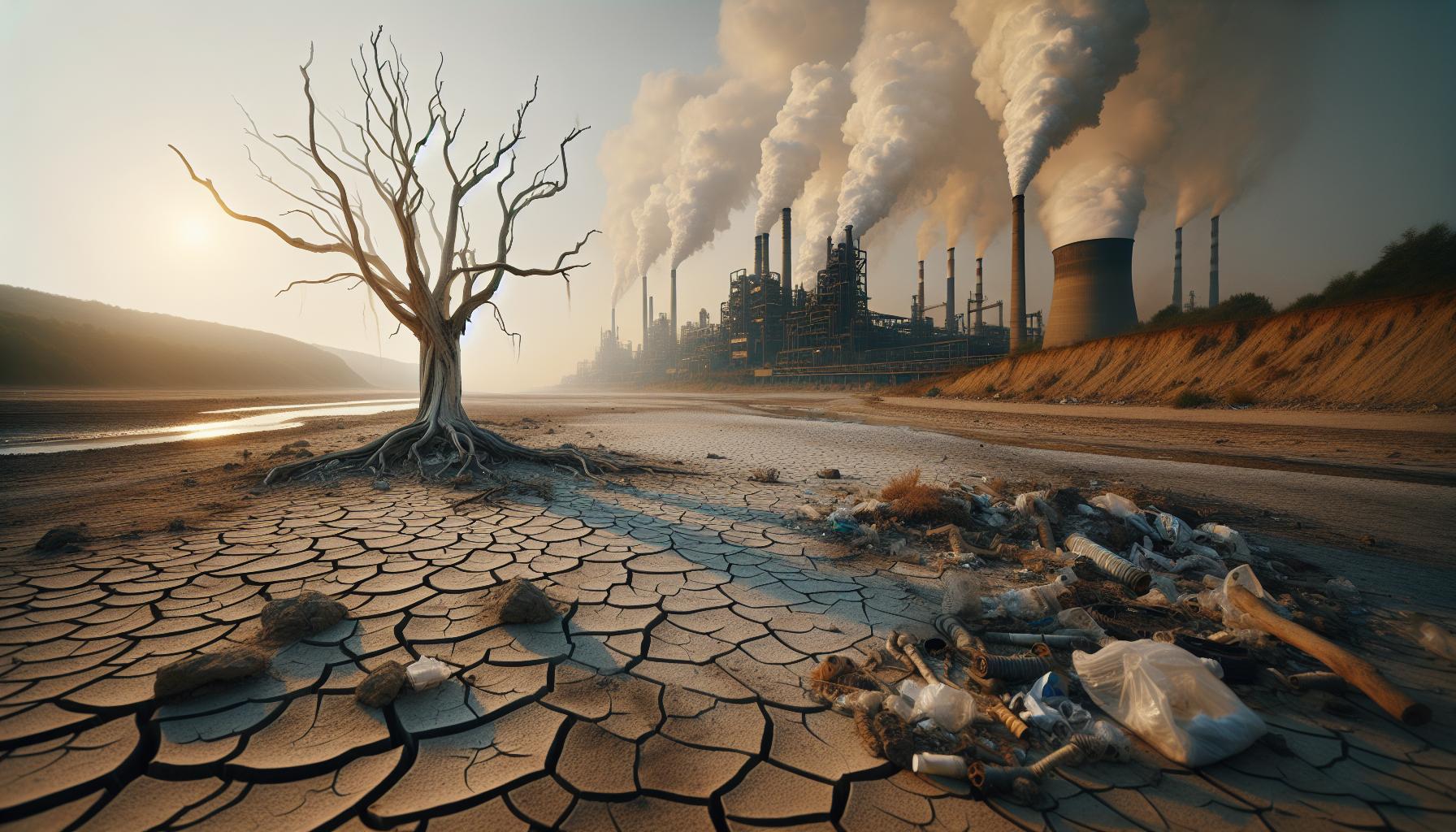
Exploring Alternative Approaches to Climate Funding
Innovative financing solutions are essential as the challenges of climate change grow more pressing. As traditional funding sources face increasing scrutiny, exploring alternative approaches can unlock new pathways for sustainable investments. For instance, blended finance, which combines public and private sector funding, can tap into resources that were previously inaccessible to climate initiatives. By reducing investment risks with initial public funding, private investors are encouraged to contribute, thereby multiplying the total available funds for climate projects.
Community-Based Funding Models
Community-driven funding initiatives represent another powerful alternative. These models empower local populations to engage directly in climate solutions, enhancing both resilience and social equity. For example, crowdfunding platforms have emerged that allow individuals to invest in local renewable energy projects or reforestation efforts. One compelling case is the Solar Schools Initiative in the UK, which involved schools raising funds through community efforts to install solar panels, benefiting both the environment and local economies. Such community-based models not only mobilize financial resources but also foster communal ties and shared responsibility for climate action.
Climate Bonds and Green Finance
Another significant avenue is the issuance of green bonds, which allows governments and organizations to raise funds specifically for projects that deliver environmental benefits. These bonds have seen exponential growth; globally, they reached over $1 trillion in issuance by mid-2023. They often appeal to socially responsible investors looking for lower-risk options alongside financial returns. The city of San Francisco, for example, successfully issued green bonds to finance its ambitious plans for reducing greenhouse gas emissions, setting a benchmark for other municipalities looking to harness this financial tool.
Leveraging Digital Technologies
Digital technologies, particularly blockchain, are also paving the way for more transparent and efficient climate funding. Through smart contracts, blockchain technology ensures that funds are used strictly for their designated purposes, increasing accountability and confidence among investors. Projects like Power Ledger use blockchain to facilitate peer-to-peer energy trading, enabling communities to buy and sell surplus renewable energy-an approach that not only maximizes local assets but also democratizes the energy market.
In conclusion, by leveraging a mix of blended finance, community engagement, green bonds, and digital innovations, we can create a more resilient funding landscape for climate action. These alternative approaches not only improve financial allocations but also ensure that the communities facing the greatest climate challenges are directly involved in developing and implementing solutions. In doing so, we can address funding gaps while promoting sustainable practices that resonate with broader social and environmental goals.
Evaluating the Effectiveness of Current Funding Models
for climate change initiatives reveals a landscape shaped by both successes and significant challenges. Many funding sources, including governmental grants, international aid, and philanthropic contributions, have played a critical role in advancing climate-related projects worldwide. However, as climate impacts become more severe and diverse, the need for a more agile and responsive funding approach is increasingly evident.
One prominent example of effective funding is the Green Climate Fund, which has mobilized billions for projects in developing nations struggling with the impacts of climate change. According to recent reports, since its establishment, the fund has committed over $10 billion to projects aimed at climate adaptation and mitigation. These investments have resulted in innovative solutions, such as renewable energy infrastructure in vulnerable regions and technologies to improve resilience against climate-related disasters. Nonetheless, challenges such as bureaucratic inefficiencies, long approval processes, and difficulties in tracking outcomes have hindered optimal utilization of these funds.
Transparency and Accountability
The effectiveness of climate funding is also tied to how transparent and accountable these models are. Current assessment frameworks often lack standardized metrics for measuring success, which can lead to a disconnect between funding allocations and actual impacts. For example, initiatives funded by climate bonds-debt securities specifically earmarked for environmentally sustainable projects-can vary widely in their effectiveness due to differences in project scope and execution. Some cities have successfully used green bonds to finance clean transport initiatives while others have struggled with project delays and misaligned expectations with stakeholders.
Adaptive Strategies
To enhance the effectiveness of funding models, a more adaptive strategy that includes incorporating real-time data and feedback is essential. For instance, implementing a continuous evaluation framework can help track the effectiveness of funding through indicators such as emissions reductions or increases in local biodiversity. By adopting adaptive learning practices and community engagement, funders can better align financial resources with the unique needs of different populations and ecosystems. Moreover, integrating technology-like blockchain for transparency-can increase trust among stakeholders and streamline funding processes.
In conclusion, while current funding models play a substantial role in addressing climate change, their effectiveness can be significantly improved by enhancing transparency, accountability, and adaptability. Building a funding environment that prioritizes real-time feedback and community involvement not only maximizes the impact of financial resources but also fosters a stronger commitment to long-term climate action across various sectors. By recognizing successful initiatives and addressing the shortcomings of existing strategies, stakeholders can create an empowered community ready to tackle the climate crisis collaboratively.
The Role of Private Sector Investment in Climate Solutions
The private sector is playing an increasingly significant role in addressing climate change, offering innovative solutions and substantial funding that complement public efforts. In 2021 alone, investments in renewable energy and other sustainable projects reached record highs, demonstrating that businesses are not only recognizing the environmental risks posed by climate change but also seizing the economic opportunities associated with the transition to a green economy. This shift is essential as governments around the world grapple with budget constraints, making private investment a vital component in scaling up climate solutions.
One of the standout examples of private sector engagement is the growth of green bonds, which have become a popular financial instrument for funding environmentally friendly projects. These bonds provide companies and governments with the means to raise capital for initiatives such as renewable energy installations, energy efficiency projects, and sustainable agriculture. For instance, the New York-based company, Ørsted, transformed from a fossil fuel-based utility to a green energy leader, primarily funded by green bonds. Their significant investments in offshore wind projects have not only contributed to reducing carbon emissions but also created thousands of jobs in the clean energy sector.
In addition to financial investments, the private sector is instrumental in driving innovation through technology. Companies are developing advanced tools and platforms that enhance energy efficiency and reduce waste. For example, tech firms have created software that enables businesses to monitor their carbon footprint in real time, allowing for immediate corrective actions to minimize environmental impact. Moreover, partnerships between startups and established corporations often yield groundbreaking solutions that can be rolled out globally, further amplifying their impact.
Enhancing Collaboration for Greater Impact
Collaboration between private entities and public institutions is critical for maximizing the effectiveness of climate funding. Public-private partnerships (PPPs) can leverage the strengths of both sectors, combining public resources and regulatory support with private sector innovation and capital. Successful examples are emerging in various regions; for instance, the Global Innovation Lab for Climate Finance brings together governments, investors, and entrepreneurs to develop scalable financing solutions. Such collaborative efforts enable more agile responses to climate challenges and ensure that financial resources are directed to the most compelling initiatives.
Ultimately, the engagement of the private sector in climate solutions is not merely beneficial; it’s essential. With responsible investment, innovative technologies, and collaborative strategies, the private sector can mobilize resources at scales that governments alone cannot achieve, making a substantial difference in the fight against climate change. The potential for positive change is vast, and as more businesses recognize their role in this global challenge, the prospect of meeting climate targets becomes increasingly achievable.
Success Stories: How Funding Has Made a Difference
Investment in climate change initiatives has yielded transformative results across the globe, demonstrating the profound impact that funding can have on environmental restoration and mitigation efforts. For instance, the expansion of solar energy in countries like India underscores how targeted financial support can catalyze significant advancements. The Indian government’s commitment to achieving 100 GW of solar power by 2022 was bolstered by investments from international financial institutions and private investors, resulting in the creation of thousands of jobs and a noticeable decrease in carbon emissions. The low-cost solar solutions not only enhanced energy security but also made renewable electricity accessible to millions, particularly in rural areas.
Another compelling example comes from the reforestation efforts in Brazil’s Atlantic Forest, a region that suffers from one of the highest rates of deforestation in the world. Funding from both governmental and non-governmental organizations has led to the restoration of over 60 million trees, fostering biodiversity and mitigating soil erosion while sequestering significant amounts of carbon. This multi-faceted approach not only helps combat climate change but also supports local livelihoods through sustainable forestry practices and eco-tourism opportunities. The reforestation initiatives showcase how strategic funding can revive ecosystems while providing economic benefits to communities.
In cities, innovative funding models have been key to implementing effective climate resilience projects. For example, New York City’s Green Infrastructure Plan, funded through a combination of city funds and federal grants, has invested in green roofs, permeable pavements, and rain gardens to manage stormwater runoff. These investments not only enhance the city’s capacity to face climate impacts but also improve urban environments by reducing heat, improving air quality, and enhancing community spaces. The symbiotic relationship between financial investment and environmental health is becoming increasingly evident, showing that well-planned funding can lead to sustainable urban development.
The success stories from these initiatives highlight the importance of continued investment in climate change efforts. Each case serves as a testament to the effectiveness of funding strategies that not only address immediate environmental challenges but also pave the way for long-term sustainability and economic prosperity. As stakeholders weigh the pros and cons of decreasing climate funding, these examples emphasize the tangible benefits that can be achieved when adequate financial resources are directed towards meaningful climate action.
Public Perception: Should We Cut Climate Funding?
Public sentiment regarding climate funding has become increasingly polarized, particularly in light of economic pressures and shifting priorities. Many individuals argue for reduced funding, emphasizing immediate fiscal responsibility in times of economic uncertainty. They contend that reallocation of those funds could address pressing local issues such as education, healthcare, or infrastructure development. However, recent studies indicate a significant risk associated with this viewpoint: the evolving climate crisis poses an existential threat that could exacerbate the very issues funding critics wish to prioritize.
As the planet continues to warm, the economic repercussions of climate inaction can be staggering. For instance, natural disasters linked to climate change-such as hurricanes, wildfires, and floods-have led to unprecedented costs in recovery and infrastructure repair. A report from the National Oceanic and Atmospheric Administration (NOAA) revealed that in recent years, annual damages from climate-related disasters in the U.S. alone have surpassed $100 billion. This reality underscores the argument that cutting climate funding today may lead to even greater financial burdens in the future.
To foster a well-rounded public perception, it’s crucial to highlight success stories from funded climate initiatives. For instance, in California, investments in wildfire prevention strategies, including controlled burns and forest management, have demonstrated a decrease in both the frequency and severity of wildfires, protecting both lives and properties while saving an estimated $80 million annually in avoided damage costs. Such examples illustrate how strategic funding not only addresses the challenges posed by climate change but also produces tangible financial returns and community resilience.
In crafting an informed public viewpoint, it’s essential to engage in community dialogue about the long-term impacts of climate change funding. Facilitation of discussions can reveal diverse perspectives, helping to cultivate a collective understanding that while fiscal responsibility is important, the cost of inaction may far outweigh the benefits of cutting climate initiatives. Balancing immediate economic considerations and the pressing need for climate resilience is vital in shaping a more sustainable future. Engaging the public through transparency and education will help bridge gaps in understanding, moving towards a consensus that recognizes the necessity of committed climate financing as an investment in society’s overall well-being.
Case Studies: Impacts of Funding Cuts Across Regions
One only needs to look at recent events to understand how drastic funding cuts can impact communities nationwide. In regions where climate change initiatives have faced significant funding reductions, the ripple effects are evident-not just in environmental degradation but also in economic losses and public health crises. For example, in Florida, decreased funding for coastal restoration projects has accelerated beach erosion and worsened flooding. This not only threatens local wildlife and ecosystems but also imposes high costs on local economies reliant on tourism and recreation, with estimates indicating millions lost annually in tourism revenue.
In the western United States, substantial cuts to wildfire management programs have led to catastrophic consequences. In 2020, California experienced some of the largest wildfires in its history, resulting in billions of dollars in damage. The financial burden of these wildfires was exacerbated by the lack of preventative measures that had previously been funded, such as forest thinning and controlled burns. Without these investments, communities were not only unprepared for the intensity of wildfires but also faced rising insurance costs and declining property values as safety concerns grew.
Comparative Analysis of Regional Funding Impacts
To illustrate the contrast in outcomes, consider the following table that outlines the financial and environmental impacts of funding cuts versus sustained investment:
| Region | Funding Change | Environmental Impact | Economic Impact |
|---|---|---|---|
| California | Cut by 30% | Increased wildfire frequency and intensity | $12 billion in damages from 2020 wildfires |
| Florida | Cut by 50% | Accelerated coastal erosion and habitat loss | Estimated $1 billion loss in tourism annually |
| Northeast U.S. | Maintained funding | Improved flood defenses and resilience | Saved $500 million in disaster recovery costs |
These examples underscore a crucial point: while reducing funding may seem like a viable short-term solution to economic concerns, the long-term ramifications can lead to greater financial burdens and loss of community resilience. Each funding decision not only shapes immediate fiscal policies but also determines the future viability of our environments and economies. Reconsidering funding allocations with a focus on prevention and resiliency can transform potential futures, turning the tide on escalating climate crises.
Balancing Fiscal Responsibility and Environmental Stewardship
Addressing the urgent issue of climate change requires not just bold actions but a careful consideration of financial realities. As budgets tighten and competing priorities emerge, the conversation often shifts towards the allocation of resources. Striking a balance between fiscal responsibility and environmental stewardship doesn’t have to be an either-or dilemma; rather, it can serve as a synergistic approach where strategic investments lead to long-term savings and environmental resilience.
One compelling example can be seen in the investments made in renewable energy sources. The International Renewable Energy Agency (IRENA) reported that every dollar spent on renewable energy can yield up to three dollars in returns by lowering energy costs and reducing health-related expenditures linked to pollution. This creates a scenario where funding for climate initiatives might initially seem like a burden in economic terms but ultimately contributes to broader fiscal health by preventing the costly repercussions of climate inaction.
Additionally, adopting a proactive rather than reactive spending model can result in significant cost savings. For instance, cities that invest in green infrastructure-like urban forests, permeable pavements, and green roofs-can mitigate flooding and reduce the urban heat island effect. A study conducted in Philadelphia indicated that every $1 million allocated to green infrastructure can save $3 million in stormwater management costs. These figures underline how preventive funding models can alleviate future financial pressures on public budgets while simultaneously enhancing urban resilience to climate change.
Realigning funding to maximize environmental benefits not only preserves ecological integrity but also ensures economic vitality. This dual-purpose approach requires leadership and commitment but presents an opportunity to reimagine how fiscal responsibility aligns with sustainable development goals. By prioritizing initiatives that demonstrate measurable outcomes in both fiscal savings and environmental health, stakeholders can manage budgets effectively while fostering a more sustainable future.
Future Trends in Climate Change Funding and Investment
As the urgency of climate change amplifies, a growing trend in funding emphasizes leveraging the power of collaboration between public and private sectors. This shift recognizes that tackling climate challenges requires more than just government funding; it necessitates innovative partnerships that harness diverse resources and expertise. For instance, large corporations are increasingly investing in green technologies and sustainable practices, recognizing that environmentally responsible operations can also yield long-term economic benefits. Companies like Microsoft and Google are not just committing to carbon neutrality; they are actively funding initiatives that promote renewable energy, sustainable agriculture, and climate resilience in various communities.
In the coming years, we can expect to see an increase in impact investing, where funds directed toward climate solutions are expected to deliver measurable social and environmental benefits in addition to financial returns. Investors, from institutions to individuals, are looking for opportunities that align with their values. The rise of green bonds-financial instruments specifically designed to fund projects that have positive environmental impacts-serves as a prime example of this trend. The Global Green Bond market is projected to exceed $1 trillion by 2025, indicating a robust appetite for climate-related investments.
Another significant trend is the integration of climate risk assessments into financial decision-making. Organizations are beginning to markedly recognize the financial implications of climate-induced risks, such as extreme weather events and regulatory shifts. The Task Force on Climate-related Financial Disclosures (TCFD) has influenced many companies to disclose their climate-related risks, compelling them to take actionable strategies that mitigate potential impacts. This proactive stance can lead to improved resilience and sustained profitability, thereby encouraging a more sustainable investment landscape.
Moreover, the involvement of grassroots movements and local communities in climate funding decisions is gaining traction. These groups often have unique insights into local ecological challenges and can propose tailored solutions that larger organizations may overlook. By democratically including community voices in funding allocations, investors can ensure that projects are not only effective but also socially equitable and rooted in local knowledge. This model recognizes the importance of community-led initiatives and fosters a sense of ownership, thereby enhancing the success rate of climate projects.
Ultimately, the future landscape of climate change funding and investment will likely be defined by a multifaceted approach that incorporates collaboration across sectors, innovative financial instruments, and a strong emphasis on community involvement. As stakeholders come together to optimize funding allocations, the synergy created can lead to impactful solutions that not only address climate change but also promote social equity and economic resilience.
Strategies for Optimizing Climate Change Funding Allocation
As climate change increasingly threatens global ecosystems, finding effective strategies for funding allocation becomes paramount. By optimizing investment in climate initiatives, we not only bolster resilience against climate impacts but also enhance the overall effectiveness of our response strategies. Here are several actionable strategies that can be deployed to ensure optimal allocation of climate change funding.
Prioritize Data-Driven Decision-Making
Leverage data analytics to inform funding decisions. This means investing in comprehensive assessments of on-the-ground climate needs, which can help identify the most vulnerable regions and populations. Using data, stakeholders can craft targeted funding strategies that allocate resources where they are most needed. For example, initiatives that provide detailed forecasts about climate risks and their socioeconomic impacts allow for better anticipation of interventions, ensuring funding is directed toward the most pressing challenges.
Foster Public-Private Partnerships
Public-private partnerships (PPPs) can significantly amplify the impact of climate funding. These collaborative frameworks unite government resources with private sector innovation, which can lead to more effective solutions. For instance, collaborations with corporations that have a vested interest in sustainability can lead to shared investments in renewable energy projects. Moreover, companies often bring valuable technological expertise that can accelerate project implementation, leading to broader environmental benefits.
Invest in Community-Based Solutions
Engaging local communities in the design and execution of climate initiatives enhances effectiveness and accountability. These grassroots organizations often have a more nuanced understanding of local challenges and ecosystems. Allocating funding to support community-led projects-like local adaptation strategies or sustainable agricultural practices-can yield significant returns: not just in environmental improvements but also in social equity. By empowering communities, funding can achieve higher success rates while fostering resilience and local ownership over climate actions.
Encourage Innovation Through Incentives
Another way to optimize funding allocation is to create incentives for innovation. Green bonds and impact investing are excellent examples where funding goes beyond traditional returns, focusing instead on environmental and social outcomes. Offering incentives for businesses and projects that contribute to sustainability can attract additional private funding, thus multiplying the initial investment. This could include tax breaks for renewable energy projects or grants for research and development into sustainable practices.
By implementing these strategies, policymakers and stakeholders can ensure that climate funding is effectively mobilized and allocated. Through a focus on data-driven decision-making, public-private partnerships, community engagement, and innovative incentives, we can create a more sustainable future while addressing the immediate challenges posed by climate change. The result is not merely a financial transaction but a transformative investment in resilient societies and ecosystems.
Frequently Asked Questions
Q: What are the main arguments against decreasing climate change funding?
A: Opponents of decreasing climate change funding highlight the potential for worsening environmental degradation, increased social inequality, and adverse economic impacts over time. They argue that consistent investment is crucial for sustainable development and addressing urgent climate issues.
Q: How could reducing climate change funding impact developing countries?
A: Reducing funding may severely hinder developing countries’ abilities to adapt to climate change, leading to increased vulnerability to natural disasters, food insecurity, and economic instability. Such countries often rely on external support to implement climate resilience strategies.
Q: What alternative funding models could replace traditional climate finance?
A: Alternative funding models can include blended finance, wherein private investment is combined with public funds, and carbon pricing initiatives. These models seek to incentivize private sector involvement while ensuring sustainable practices, as discussed in our section on exploring alternatives.
Q: What are the potential economic benefits of maintaining climate change funding?
A: Maintaining climate change funding can lead to job creation in green technology sectors, stimulate economic growth through sustainable practices, and enhance long-term resilience against climate-related economic disruptions. This connection underscores the importance of balanced investment strategies.
Q: How does climate funding affect private sector involvement in climate solutions?
A: Adequate climate funding encourages private sector participation by reducing financial risks and creating a stable environment for investments. Effective funding can also foster innovation in green technologies, making it critical for driving comprehensive climate solutions.
Q: Why is public perception important in the debate over climate funding cuts?
A: Public perception influences political decisions and funding policies. As highlighted in the section on public perception, widespread support for climate initiatives can lead to sustained funding, while opposition may jeopardize critical programs and innovations.
Q: What lessons can be learned from regions that have cut climate funding?
A: Case studies reveal that regions that have reduced climate funding often face increased environmental challenges and economic hardship. This experience underscores the importance of continued investment to avoid repeating detrimental outcomes.
Q: How can individuals influence climate funding decisions?
A: Individuals can influence climate funding decisions by advocating for policies that prioritize environmental concerns, engaging in community activism, and supporting organizations that promote climate initiatives. Collective action amplifies voices in the push for responsible funding strategies.
Concluding Remarks
In exploring whether we should decrease climate change funding, it’s essential to recognize the profound implications of our financial decisions on future generations and the health of our planet. Balancing fiscal responsibility with the urgent need for climate action is more crucial than ever. With many arguments surrounding this issue, it’s time to take a stand. Consider how your decisions can influence policy and empower local communities to engage in meaningful action against climate change.
To delve deeper, explore our insights on innovative climate funding strategies, where you’ll find actionable frameworks and success stories that highlight the power of philanthropy in tackling climate issues. Don’t miss our article on user engagement in climate services-understanding its role can amplify your impact. Join our community by signing up for our newsletter to stay informed about climate initiatives and funding opportunities that align with your values. Together, let’s make informed decisions that foster sustainable change and create a resilient future. Share your thoughts in the comments below-your voice matters in this critical conversation!