Climate change is not just an environmental issue; it affects our daily lives and future generations. Did you know that burning fossil fuels-responsible for about 68% of global greenhouse gas emissions-plays a major role in this rapidly evolving crisis? As we navigate increasing temperatures, unpredictable weather patterns, and rising sea levels, understanding the multifaceted causes of climate change becomes imperative for informed action. From deforestation to agricultural practices, the roots of this global challenge are both complex and interconnected. By exploring the 20 causes of climate change, we empower ourselves to make impactful choices and advocate for sustainable solutions. Dive into this exploration and discover how individual actions and collective efforts can lead to a healthier planet for everyone.
Understanding Climate Change: An Overview of Causes

The phenomenon of climate change is one of the most pressing global challenges facing humanity today. It is primarily driven by an increase in greenhouse gases in the atmosphere, which trap heat and disrupt the planet’s climate systems. Recent estimates indicate that atmospheric carbon dioxide levels have risen by nearly 50% since the onset of the industrial era in 1750, a surge primarily linked to human activities like burning fossil fuels, deforestation, and industrial processes2.
Natural Factors Contributing to Climate Change
While human activities are the chief culprits behind contemporary climate change, natural factors also play a role. Events such as volcanic eruptions can inject large amounts of ash and gases into the atmosphere, influencing global temperatures temporarily. Additionally, variations in solar energy output and natural climatic cycles, such as El Niño and La Niña, contribute to climate shifts, albeit to a lesser degree compared to anthropogenic influences.
Human Activities Driving Climate Change
The bulk of climate change stems from specific human activities. Key drivers include:
- Fossil Fuel Consumption: The combustion of coal, oil, and natural gas for energy is the largest source of greenhouse gas emissions, responsible for about 75% of global emissions3.
- Deforestation: Cutting down forests not only releases stored carbon dioxide but also diminishes the planet’s capacity to absorb this greenhouse gas.
- Agricultural Practices: Intensive farming operations contribute significantly to climate change through methane emissions from livestock and nitrous oxide from fertilizers.
- Urbanization: Rapid urban development increases energy consumption and vehicle emissions, exacerbating the problem.
By understanding these causes, individuals and communities can make informed decisions moving forward. Integrating renewable energy sources, promoting sustainable farming practices, and advocating for reforestation initiatives are powerful strategies to mitigate climate change impacts. Collectively, these steps pave the way toward a more sustainable future, demonstrating that even small individual actions can contribute to global solutions.
Natural Factors Contributing to Climate Change
Natural phenomena can significantly influence climate patterns, and understanding these factors provides insight into the broader context of climate change. One notable natural contributor is volcanic activity. Large eruptions release a considerable amount of ash and gases, particularly sulfur dioxide, into the atmosphere. These substances can create a cooling effect by reflecting sunlight away from the Earth, but this is often temporary, as the long-term effects may differ based on the volume and frequency of eruptions.
Variations in solar energy output also play a crucial role. The Sun isn’t a constant source of energy; its output fluctuates over time due to natural cycles. These solar changes, while relatively minor in influence compared to human activities, can still impact global temperatures and climate systems. Additionally, natural climate cycles like El Niño and La Niña can lead to significant shifts in weather patterns. For instance, these phenomena can alter ocean temperatures, which in turn affect global weather patterns, leading to increased rainfall in some regions while causing droughts in others.
Although these natural factors contribute to climate variability, it is vital to recognize their relative scale compared to anthropogenic influences. While such natural events can affect climate in the short term, the long-lasting escalation of greenhouse gases-as a result of human actions-has led to more consistent and severe climate shifts. Understanding both natural and human-induced factors is essential for developing comprehensive strategies to mitigate climate change and adapt to its challenges. As we navigate these complex dynamics, we can also take proactive steps-like improving disaster preparedness in areas prone to climate extremes, which can help communities better withstand natural climate fluctuations.
Human Activities Driving Climate Change

Human activities have emerged as the predominant driver of climate change, fundamentally altering the Earth’s climate systems at an unprecedented scale. A staggering fact to consider is that since the mid-20th century, the Earth’s average temperature has risen by approximately 1.2°C (2.2°F), predominantly due to human-induced greenhouse gas emissions. These emissions trap heat in the atmosphere, leading to a variety of environmental challenges, from extreme weather events to rising sea levels.
One of the primary contributors to this phenomenon is the burning of fossil fuels, which is responsible for about 75% of global greenhouse gas emissions. Power plants, automobiles, and industrial processes release massive amounts of carbon dioxide (CO2) and other greenhouse gases into the atmosphere. Transitioning to renewable energy sources, such as solar, wind, and hydroelectric power can significantly mitigate these emissions. For example, countries that have made substantial investments in renewable technologies have seen noticeable declines in carbon emissions, showcasing the potential benefits of a greener energy economy.
Another critical area is agriculture, which contributes to climate change through practices such as deforestation for crop land, methane emissions from livestock, and nitrous oxide emissions from fertilized soils. Sustainable agricultural practices, such as organic farming, cover cropping, and agroforestry, not only enhance soil health and biodiversity but also help in sequestering carbon. Consumers can support this shift by choosing locally-sourced, sustainably-produced food items, thus reducing the carbon footprint associated with food transportation and promoting more responsible farming practices.
Deforestation, often driven by logging and agricultural expansion, removes vital carbon sinks, aggravating the greenhouse effect. The Amazon rainforest, often referred to as the “lungs of the planet,” serves as a crucial buffer against climate change, yet continues to face threats from human activity. Implementing policies to protect these ecosystems, along with reforestation initiatives, can play a transformative role in climate change mitigation.
In addition, urbanization presents both challenges and opportunities. As cities expand, they contribute to increased energy consumption and pollution. However, they also offer a platform for innovation in sustainable technologies, such as energy-efficient buildings and public transport systems that reduce reliance on personal vehicles. By adopting smart urban planning strategies, cities can become models of sustainability, improving the quality of life for their inhabitants while decreasing their environmental impact.
Overall, addressing the requires a multifaceted approach involving international cooperation, innovative solutions, and individual responsibility. By promoting systemic changes in energy production, agricultural practices, and urban development, we can foster a sustainable future that not only addresses climate change but also enhances social and economic resilience.
The Role of Greenhouse Gases in Climate Impact
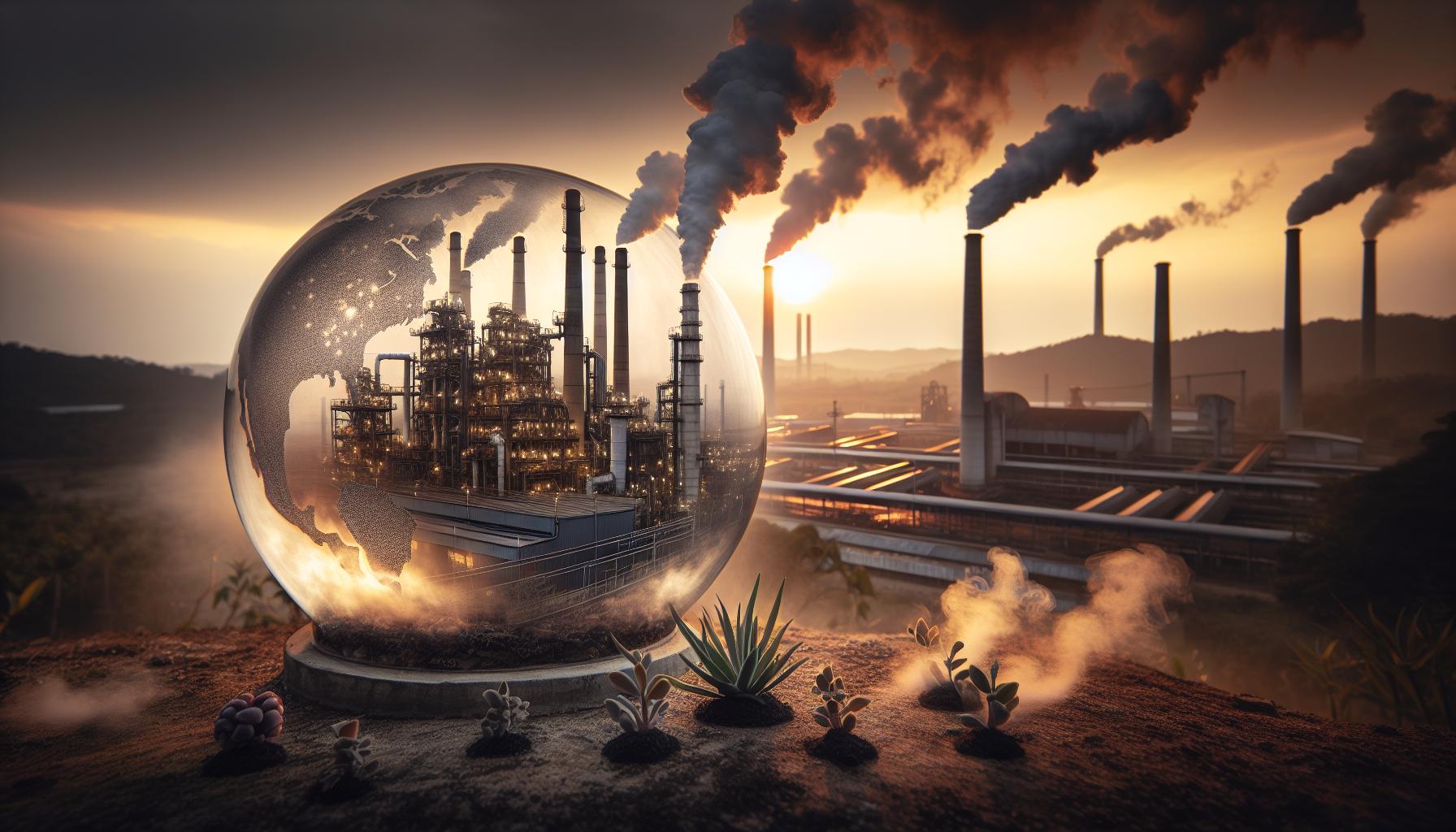
The intricate dance of greenhouse gases (GHGs) in our atmosphere plays a pivotal role in shaping the planet’s climate. Inextricably linked to global warming, these gases trap heat that would otherwise escape into space, leading to an increase in average temperatures. A telling statistic is that the concentration of carbon dioxide, one of the most significant GHGs, has surged by over 40% since the pre-industrial era. This rise is not merely a number; it translates into real-world impacts, including intensified weather events, droughts, and the melting of polar ice – manifestations that we can observe and feel in our daily lives.
Key Greenhouse Gases and Their Sources
Different greenhouse gases vary in their heat-trapping abilities. While carbon dioxide (CO2) is the most prevalent, other gases such as methane (CH4) and nitrous oxide (N2O) are considerably more potent in their warming potential. For instance, methane, although present in smaller quantities, has over 25 times the heat-trapping power of CO2 over a 100-year period. Major sources of these gases include:
- Fossil Fuel Combustion: This is the biggest contributor to CO2 emissions, accounting for around 75% of global emissions globally. Power generation, transportation, and industrial activities primarily drive this.
- Agriculture: Methane released from livestock digestion and nitrous oxide from fertilized fields significantly contribute to GHGs. Sustainable practices can mitigate these emissions.
- Waste Management: Landfills produce methane as organic waste decomposes. Proper waste management and recycling can reduce this source.
Practical Actions for Mitigation
Addressing the challenges posed by GHGs requires a multifaceted approach that involves individuals, communities, and governments. Here are practical steps that can lead to significant outcomes:
- Embrace Renewable Energy: Transitioning to solar, wind, and hydroelectric power can drastically reduce reliance on fossil fuels, thus minimizing CO2 emissions.
- Practice Sustainable Agriculture: Adopting techniques such as crop rotation, reduced tillage, and organic farming can lower emissions from agricultural practices.
- Reduce, Reuse, Recycle: Effective waste management and decreasing consumption can prevent excessive greenhouse gas emissions from landfills.
Collectively, these actions contribute not only to mitigating climate change but also to enhancing local economies and ecosystems. By understanding the role of greenhouse gases and actively participating in emission reduction strategies, we can work towards a sustainable future. The choices made today resonate into tomorrow-making it imperative to act now.
Deforestation: A Major Contributor to Climate Change
Every year, the world loses millions of acres of trees, which play a vital role in absorbing carbon dioxide from the atmosphere. Deforestation is responsible for approximately 10% of global greenhouse gas emissions. This alarming statistic underscores the urgent need to understand deforestation’s contributions to climate change and explore pathways toward sustainable practices. As trees are cleared for agriculture, logging, and infrastructure, the carbon stored in their biomass is released back into the atmosphere, exacerbating the greenhouse effect and accelerating global warming.
Impact on Carbon Storage
Forests serve as critical carbon sinks, with the ability to absorb vast amounts of CO2 through photosynthesis. When forests are removed, not only is this carbon absorption interrupted, but the stored carbon is also released during the burning or decay of cleared trees. For instance, it is estimated that tropical deforestation alone contributes around 1.1 billion tons of CO2 emissions annually. This process not only impacts atmospheric concentrations of greenhouse gases but also disrupts local ecosystems, leading to a loss of biodiversity and altered weather patterns.
Practical Steps Towards Reforestation
Addressing deforestation requires concerted efforts from individuals, businesses, and governments. Here are some proactive strategies to combat the effects of tree loss:
- Support Sustainable Products: Choose products that are certified as sustainably sourced, such as those marked with the Forest Stewardship Council (FSC) label, ensuring that they contribute to responsible forest management.
- Engage in Reforestation Initiatives: Participate in or donate to organizations dedicated to replanting trees and restoring degraded forest areas. Every tree planted contributes to CO2 absorption and restores vital habitats.
- Advocate for Policy Changes: Support policies at the local, national, and international levels aimed at reducing deforestation and promoting conservation efforts, such as stricter regulations on logging and land use.
With a collective commitment to sustainable forestry practices and responsible consumption, we can begin to turn the tide on deforestation and its impacts on climate change. By understanding our role as consumers and advocates, we can help safeguard our forests for future generations while mitigating the severity of climate change.
Industrialization and Its Effects on the Climate
As the world transitioned from agrarian societies to industrialized nations, the impact on the climate became profoundly evident. Industrialization has driven remarkable economic growth and improvements in living standards; however, it has also been a significant contributor to climate change, primarily through the release of greenhouse gases. The manufacturing processes, energy generation, and transport systems that fuel modern civilization heavily rely on fossil fuels like coal, oil, and natural gas. This reliance has resulted in unprecedented levels of carbon dioxide and other pollutants entering our atmosphere.
Fossil Fuel Dependence
The combustion of fossil fuels for electricity and heat is the largest single source of global greenhouse gas emissions. In 2021, fossil fuel combustion accounted for approximately 75% of total greenhouse gas emissions in the United States alone. Such emissions trap heat in the atmosphere, leading to an increase in global temperatures. For example, coal-fired power plants, often a backbone of industrial energy, emit significant amounts of CO2 and other harmful substances, contributing to smog and respiratory diseases in nearby communities. Transitioning to cleaner energy sources, such as wind or solar, presents a promising pathway to mitigate these emissions.
Transportation Challenges
Transportation-an essential tool for industry-adds another layer of complexity to the climate crisis. The sector is responsible for roughly 14% of global greenhouse gas emissions, primarily from gasoline and diesel used in cars, trucks, planes, and ships. Urban sprawl and the increase in personal vehicle ownership have exacerbated this issue. To counteract these trends, cities can invest in public transport systems, develop bike lanes, and promote electric vehicles as alternatives.
Practical Strategies for Greener Industrial Practices
Businesses play a crucial role in combating climate change through adopting sustainable practices. Here are actionable strategies that industries can implement:
- Enhance Energy Efficiency: Industrial operations should strive to use energy-efficient technologies and practices, which can dramatically reduce energy consumption and emissions. Upgrading machinery and adopting smart technologies can lead to significant savings.
- Utilize Renewable Energy: Exploring options like solar panels, wind turbines, or purchasing renewable energy certificates helps transition away from fossil fuels and lowers carbon footprints.
- Adopt Circular Economy Principles: Implementing recycling and waste-reduction strategies not only minimizes waste but also decreases the energy required for production, further reducing emissions.
In conclusion, while industrialization has embossed the fabric of globalization and economic development, it has also necessitated a critical examination of its effects on the planet’s climate. By fostering innovations in energy efficiency and transitioning to sustainable practices, industries can significantly reduce their environmental impact, paving the way for a cleaner, more sustainable future. It’s a shared responsibility that requires concerted efforts from governments, corporations, and individuals alike.
Agriculture: Land Use and Emissions Explained
Agriculture plays a pivotal role in shaping our environment, and its impact on climate change is both significant and complex. Due to intensive land use practices, farming is responsible for nearly 25% of global greenhouse gas emissions. The process of turning forests and grasslands into farmland releases large amounts of carbon dioxide, while practices such as rice cultivation and livestock farming emit methane and nitrous oxide-two potent greenhouse gases. For instance, methane released from enteric fermentation in ruminant animals, like cows, is over 25 times more effective at trapping heat in the atmosphere than carbon dioxide over a 100-year period.
One major aspect of agriculture contributing to climate change is deforestation. Clearing forests for crops or grazing lands not only releases stored carbon but also diminishes the planet’s capacity to absorb CO2. On the other hand, regenerative agricultural practices, such as agroforestry and cover cropping, can enhance soil health and capture carbon dioxide, providing a vital countermeasure to the emissions generated by conventional farming.
Innovative Practices to Mitigate Emissions
Farmers have the power to implement several strategies to decrease greenhouse gas emissions and foster a more sustainable agricultural system. Here are some effective practices:
- Crop Rotation and Diversity: Growing a variety of crops can enhance soil health and reduce dependency on chemical fertilizers, which can release nitrous oxide into the atmosphere.
- Precision Agriculture: Utilizing technology to monitor and optimize resource use minimizes waste and reduces emissions. For example, sensors can determine the exact amount of water and fertilizer needed for crops, significantly lowering the environmental impact.
- Livestock Management: Innovations in feed composition can reduce methane emissions from livestock. Incorporating seaweed into cattle feed has shown promise in cutting methane emissions by up to 80%.
By adopting these sustainable practices, farmers can not only combat climate change but also improve their productivity and resilience against environmental challenges. The transition towards a more sustainable agricultural system is a shared responsibility that involves governments, communities, and individuals alike, making it essential for all stakeholders to engage in and support these efforts.
Transportation: The Hidden Climate Culprit
The transportation sector is an often-overlooked contributor to climate change, accounting for nearly 25% of global greenhouse gas emissions. The reliance on fossil fuels for cars, trucks, airplanes, and ships leads to substantial emissions of carbon dioxide (CO2), nitrous oxide (N2O), and methane (CH4). For instance, a single passenger vehicle emits about 4.6 metric tons of CO2 per year, based on average fuel economy and miles driven. As urban areas grow and populations expand, the demand for transportation increases, further exacerbating this issue.
To address the impact of transportation on climate change, several strategies can be implemented. These include:
- Transition to Electric Vehicles (EVs): EVs produce zero tailpipe emissions, which can significantly reduce greenhouse gases, especially when charged from renewable energy sources. For example, a 2020 report estimated that widespread adoption of EVs could cut emissions from road transport by up to 70% by 2050.
- Public Transport and Carpooling: Utilizing public transportation systems can dramatically reduce the number of vehicles on the road, decreasing congestion and emissions. An extensive study showed that public transit saves the U.S. about 45 million metric tons of CO2 annually. Carpooling, too, can help distribute the emissions responsibility among multiple passengers.
- Investment in Bicycle Infrastructure: Promoting cycling not only helps reduce emissions but also enhances public health and air quality. Cities like Amsterdam have shown that dedicated bike lanes can lead to a substantial increase in cycling, consequently lowering automobile dependency and emissions.
Another dimension of the transportation impact involves freight and shipping. The global shipping industry is responsible for around 3% of total greenhouse gas emissions, which illustrates the need for greener logistics practices. Implementing measures such as slow steaming (reducing speeds for vessels), utilizing cleaner fuels, and optimizing shipping routes can significantly lessen the environmental footprint of goods transport.
By adopting these measures, individuals and governments alike can combat the transportation sector’s contribution to climate change, paving the way for a more sustainable future. The shift towards cleaner, more efficient transportation options reflects not only environmental leadership but also economic opportunities, aligning progress with responsible stewardship of our planet.
Energy Production: Fossil Fuels vs. Renewables
Energy production plays a pivotal role in driving climate change, primarily due to the reliance on fossil fuels, which are the leading source of greenhouse gas emissions. In fact, burning fossil fuels such as coal, oil, and natural gas for electricity and heat accounts for about 70% of global greenhouse gas emissions. This stark reality underscores the urgent need for a transition to renewable energy sources that can help mitigate climate change while ensuring energy security and economic viability.
The Impact of Fossil Fuels
Fossil fuels have fueled industrial growth and economic development for centuries, but the environmental toll is profound. The carbon dioxide released during the combustion of fossil fuels contributes significantly to the greenhouse gas effect, leading to global warming. For instance, the average coal-fired power plant emits approximately 2.2 pounds of CO2 per kilowatt-hour of electricity generated, making coal the dirtiest source of energy. Moreover, fossil fuel extraction processes, such as fracking and drilling, often lead to land degradation, water pollution, and adverse health effects on local communities.
Renewable Energy Solutions
The transition to renewable energy is not only essential but also increasingly feasible. Renewable sources such as solar, wind, hydroelectric, and geothermal energy produce little to no emissions during operation and can significantly reduce our reliance on fossil fuels. For example, the Global Wind Energy Council reported that the wind power sector alone could supply nearly 20% of the world’s electricity by 2030 if current trends continue.
- Solar Energy: Solar technologies harness sunlight to create electricity and heat. A residential solar panel system can cut a household’s carbon footprint significantly, and widespread adoption could lead to a 60% reduction in electricity-related emissions by 2070.
- Wind Power: Wind farms can be installed onshore and offshore, taking advantage of natural wind currents. In 2021, the U.S. wind sector offset about 329 million metric tons of CO2, equivalent to the emissions from over 70 million passenger vehicles.
- Hydropower: Utilizing water flow to generate electricity, hydropower is a mature technology that provides approximately 16% of the world’s electricity and plays a critical role in reducing dependency on fossil fuels.
The Path Forward
Adopting renewable energy presents not only an environmental imperative but also an economic opportunity. Investments in renewables could create millions of jobs globally. Transitioning to wind and solar energy, for example, will require a skilled workforce for installation and maintenance, potentially offering new careers for those in fossil fuel industries seeking to reskill.
By embracing clean energy technologies and policies that promote sustainability, we can combat the detrimental effects of climate change, while fostering economic growth and creating a healthier planet for future generations. As individuals and communities, supporting local renewable energy initiatives, advocating for policy changes, and investing in green technologies are crucial steps we can take today.
Waste Management: How Waste Contributes to Emissions
Every year, billions of tons of waste are generated globally, with a staggering amount ending up in landfills or incinerated-processes that contribute significantly to greenhouse gas emissions. In fact, the waste sector is responsible for approximately 5-10% of global emissions, primarily through the release of methane, a potent greenhouse gas with a global warming potential many times that of carbon dioxide. As decomposition occurs in landfills, organic materials such as food waste produce methane, which, if not captured, escapes into the atmosphere, exacerbating climate change.
The Lifecycle of Waste
The journey of waste doesn’t start and end with disposal; it’s important to consider its entire lifecycle. From production to consumption and finally disposal, every stage generates emissions. For instance, the extraction of raw materials for packaging, the manufacturing processes, and transportation all contribute to the overall carbon footprint. Consequently, waste management practices that emphasize reduction, reuse, and recycling can have a cascading effect on emissions reduction. Encouraging communities to adopt waste sorting habits can lead to increased recycling rates, diverting materials from landfills and reducing the demand for new raw materials.
Innovative Solutions in Waste Management
To tackle the emissions from waste effectively, innovative strategies must be employed. Composting is one such method that transforms organic waste into nutrient-rich soil, significantly cutting down methane emissions from landfills. By investing in community composting programs, municipalities can reduce landfill reliance while promoting sustainable agriculture practices. Moreover, technologies such as anaerobic digestion can convert food waste into biogas, providing a renewable energy source and further mitigating emissions.
- Reduce, Reuse, Recycle: Promote a culture of minimizing waste generation by choosing reusable products and recycling whenever possible.
- Food Waste Reduction: Encourage meal planning and responsible purchasing to minimize food going to waste.
- Support Local Initiatives: Engage with and support local organizations focused on sustainable waste management practices.
Community and Individual Action
Beyond local governments and organizations, individuals also play a vital role in waste management. Simple actions such as opting for products with minimal packaging, composting at home, and participating in community clean-up efforts can collectively make a significant difference. Educating peers about the impact of waste on climate change fosters a sense of community responsibility and inspires others to take actionable steps toward reducing waste. As we navigate the complexities of climate change, addressing waste management remains a critical lever for action, offering an array of engaging and effective pathways for positive environmental impact.
Urbanization: The Impact of Growing Cities
Rapid urbanization has transformed the landscape of cities around the globe, with more than half of the world’s population now living in urban areas. This trend not only reflects changing lifestyles but also contributes significantly to climate change. Cities, while centers of economic activity and culture, are major sources of greenhouse gas emissions, accounting for approximately 70% of global carbon emissions. The challenge lies in balancing urban growth with sustainable practices to mitigate the environmental impact.
As cities expand, the demand for energy, construction, and transportation escalates. The construction of new buildings often relies on heavy materials and energy-intensive processes, which add to the carbon footprint. Furthermore, urban areas tend to concentrate vehicles, leading to increased air pollution and traffic congestion. For instance, a bustling city like Los Angeles emits significant amounts of carbon dioxide due to high vehicle usage and sprawling infrastructure. Transitioning to more efficient public transportation systems can drastically reduce emissions associated with commuting, offering a viable solution for urban planners.
Strategies for Sustainable Urban Development
To combat the climate impact of urbanization, municipalities can implement a range of sustainable strategies. These include:
- Green Building Practices: Incorporating sustainable materials and energy-efficient designs can minimize the environmental footprint of new constructions. Green roofs, solar panels, and efficient insulation are examples of technologies that can significantly reduce energy consumption.
- Urban Green Spaces: Creating parks and green belts within cities not only helps absorb carbon dioxide but also enhances the quality of life for residents. Urban forests can mitigate heat islands, improving air quality and providing habitats for wildlife.
- Integrated Transport Systems: Investing in reliable and accessible public transportation systems alongside bike and pedestrian paths can decrease dependency on personal vehicles, cutting emissions while promoting healthier lifestyles.
Public engagement is also crucial. Communities can be empowered to adopt sustainable practices through education and local initiatives, such as community gardens and recycling programs. By fostering a culture of sustainability, urban dwellers can play a significant role in reducing the overall carbon footprint of their cities.
Addressing the challenges posed by urbanization is not only necessary but also an opportunity for innovation and resilience. By embracing sustainable practices today, cities can become models for environmental stewardship and social equity, paving the way toward a more sustainable future while addressing the pressing issues of climate change.
Feedback Loops: How Climate Change Escalates
One of the most alarming aspects of climate change is how it can trigger feedback loops-self-reinforcing cycles that can accelerate the warming process and amplify the effects of climate change. For example, as global temperatures rise, ice caps and glaciers melt. This not only adds more water to the oceans but also uncovers darker land and ocean surfaces that absorb more heat, further accelerating global warming. The less reflective the earth becomes, the more heat it retains, leading to even higher temperatures in a rapid cycle that is difficult to reverse.
Another critical feedback loop involves the thawing of permafrost, which contains large amounts of frozen carbon dioxide and methane. When this permafrost thaws due to warmer temperatures, these greenhouse gases are released into the atmosphere, enhancing the greenhouse effect. This, in turn, raises temperatures even more, causing further thawing. A study from the National Oceanic and Atmospheric Administration (NOAA) estimates that the thawing of permafrost could release as much as 190 gigatons of carbon dioxide and 26 gigatons of methane by the end of the century, significantly impacting global temperatures.
Deforestation is another component of climate feedback loops. Trees play a vital role in absorbing carbon dioxide from the atmosphere; when forests are cut down for agriculture, urban development, or logging, that stored carbon is released back into the atmosphere. Furthermore, without trees, the soil can dry out and degrade, reducing its ability to store carbon long-term. The combination of increased atmospheric carbon and a diminished capacity to absorb it creates a vicious cycle that exacerbates climate change.
To combat these escalating feedback loops, it is essential to implement strategies that break these cycles. Solutions such as reforestation, improved land management practices, and investment in renewable energy can mitigate the effects of climate change and help stabilize the climate system. Public awareness and community action are equally vital; educating local populations about the impacts of climate change can foster engagement and drive sustainable practices that work against these feedback mechanisms. By understanding how these loops operate, individuals and communities can take meaningful action to combat not just the causes of climate change but also its most dangerous consequences.
The Future of Climate Impact: Predictions and Models
The climate crisis presents a formidable challenge, with predictions indicating that without significant intervention, global temperatures could rise by as much as 2 to 4 degrees Celsius by the end of this century. This rise would have dire implications for ecosystems, human health, and economies worldwide. Climate models, which incorporate data on human activities, natural phenomena, and feedback loops, allow scientists to project various scenarios based on current trends. For instance, the Intergovernmental Panel on Climate Change (IPCC) frequently updates its models to reflect the latest data and scientific understanding, underscoring the urgent need for global emissions reduction strategies.
The Role of Climate Models
Climate models are essential tools for understanding potential future climate impacts. They simulate how different variables-such as greenhouse gas emissions, land use changes, and societal behaviors-interact over time. Two primary types of models are used: *integrated assessment models* (IAMs), which combine physical, social, and economic data, and *climate system models*, focused on atmospheric physics and chemistry. These models help us assess not only the climate’s response to current emission trajectories but also the effectiveness of proposed mitigation strategies. For instance, scenarios that highlight rapid decarbonization can illustrate the potential to stabilize temperatures and reduce extreme weather events.
Strategies for a Resilient Future
To envision a sustainable future, it’s crucial to adopt proactive measures now. Specific strategies include:
- Transitioning to Renewable Energy: Renewable sources like solar and wind must be scaled up significantly. For example, countries such as Denmark aim to generate 50% of their energy from wind by 2030, serving as a model for global commitments.
- Enhancing Energy Efficiency: Improvements in energy efficiency across sectors-including buildings, transportation, and manufacturing-can lead to substantial emissions reductions. Retrofitting buildings for better insulation, for instance, can cut heating and cooling demands significantly.
- Investing in Carbon Capture Technology: Developing and implementing carbon capture and storage (CCS) technology can help mitigate emissions from the most challenging sectors, like cement and steel production.
- Promoting Sustainable Agriculture: Innovative farming practices, such as agroforestry and improved crop management, can enhance carbon sequestration while also improving food security.
As we look forward, it becomes imperative to not only refine our understanding of climate impacts through these models but to actively engage in building resilience against them. Initiatives at local, national, and global levels must prioritize sustainability and equity in policymaking, ensuring that the most vulnerable communities are protected and empowered in the face of climate change. Real-world examples showcase that through collective action and informed decision-making, we can forge a path toward a more sustainable future, mitigating the worst impacts of climate change.
Combating Climate Change: Solutions and Strategies
There is a growing consensus that the battle against climate change hinges on our ability to adopt innovative solutions and strategies that can dramatically curb greenhouse gas emissions. As we confront the urgent need to transition to a sustainable future, understanding how our everyday decisions contribute to climate change is vital. By taking concerted actions across various sectors, we can not only mitigate the impacts of climate change but also foster economic development and social equity.
H3: Transitioning to Renewable Energy
One of the most impactful strategies involves transitioning away from fossil fuels to renewable energy sources. Solar and wind power are at the forefront of this shift. For instance, Denmark is setting an ambitious goal to derive 50% of its energy from wind by 2030, a benchmark for other countries aiming to reduce their carbon footprints. By investing in renewable energy infrastructures, we can reduce reliance on carbon-intensive energy sources, leading to cleaner air and significant reductions in greenhouse gas emissions.
H3: Enhancing Energy Efficiency
Improving energy efficiency is another critical strategy. This can be achieved in a multitude of ways: from retrofitting buildings to enhance insulation, to utilizing energy-efficient appliances and lighting. The U.S. Department of Energy estimates that energy efficiency measures can reduce energy consumption by up to 30%, resulting in lower carbon emissions and reduced energy bills. Manufacturers can also play a pivotal role by adopting processes that minimize energy use and waste.
H3: Sustainable Transportation Solutions
Transportation is a major contributor to carbon emissions, making it imperative to shift towards sustainable modes of transport. Public transportation systems, biking infrastructure, and electric vehicle incentives can significantly reduce emissions. For example, cities that prioritize cycling infrastructure often report a decrease in vehicle emissions and improved air quality. Moreover, the rise of electric vehicles, coupled with the expansion of charging networks, is essential for decreasing reliance on gasoline-powered cars.
H3: Promoting Sustainable Agriculture
Lastly, sustainable agricultural practices can play a pivotal role in combating climate change. Initiatives like agroforestry, crop rotation, and organic farming enhance soil health and promote biodiversity while ensuring food security. Studies have shown that these practices not only sequester carbon but can also lead to more resilient food systems capable of withstanding climate impacts. By supporting localized food systems and reducing food waste, both consumers and producers can contribute to a more sustainable agricultural sector.
Embracing these solutions not only requires commitment from policymakers and industries but also active participation from individuals at the grassroots level. By fostering awareness, advocating for change, and making conscious choices in our daily lives, we can collectively address the causes of climate change and pave the way for a sustainable future. The path forward is illuminated by informed optimism and a clear commitment to change; every action counts, and together, we can make a difference.
Frequently Asked Questions
Q: What are the primary human activities that contribute to climate change?
A: The primary human activities contributing to climate change include burning fossil fuels for energy and transportation, deforestation for agriculture or urban development, and industrial processes that release greenhouse gases. For more insights, refer to sections on “Human Activities Driving Climate Change” and “Energy Production” in the main article.
Q: How does agriculture affect climate change?
A: Agriculture affects climate change primarily through methane emissions from livestock, nitrous oxide from fertilizers, and land use changes that reduce carbon sequestration. To explore more about this, check the “Agriculture: Land Use and Emissions Explained” section.
Q: What role do greenhouse gases play in climate change?
A: Greenhouse gases trap heat in the Earth’s atmosphere, leading to global warming and climate change. The main gases include carbon dioxide, methane, and nitrous oxide, stemming from various human and natural processes. For specific details, refer to “The Role of Greenhouse Gases in Climate Impact.”
Q: Why is deforestation a significant cause of climate change?
A: Deforestation is significant because it decreases the number of trees that can absorb carbon dioxide, thus increasing greenhouse gas levels in the atmosphere. This topic is elaborated on in “Deforestation: A Major Contributor to Climate Change.”
Q: How does urbanization contribute to climate change?
A: Urbanization contributes to climate change through increased energy consumption, vehicle emissions, and changes in land use that undermine natural carbon sinks. For a deeper understanding, refer to the “Urbanization: The Impact of Growing Cities” section of the article.
Q: What feedback loops amplify climate change effects?
A: Feedback loops, such as increased temperatures causing ice melt which reduces the Earth’s reflectivity (albedo effect), amplify climate change effects. This complex relationship is addressed in the “Feedback Loops: How Climate Change Escalates” section.
Q: When did climate change become a major concern globally?
A: Climate change became a major global concern in the late 20th century as scientific evidence mounted, particularly after key reports in the 1990s and the establishment of the Intergovernmental Panel on Climate Change (IPCC). For historical context, see “The Future of Climate Impact: Predictions and Models.”
Q: Where can I learn about solutions to combat climate change?
A: Solutions to combat climate change can be found in various approaches, including renewable energy adoption, improved waste management, and sustainable agricultural practices. For comprehensive strategies, refer to “Combating Climate Change: Solutions and Strategies” in the article.
To Conclude
Understanding the 20 causes of climate change is just the beginning of your journey towards making a meaningful impact. Each factor we explored plays a crucial role in shaping our planet’s climate, and with that knowledge, you have the power to drive change. Don’t let this knowledge sit idle; act now! Start by exploring our related articles on sustainable living tips and renewable energy solutions to deepen your understanding and take actionable steps.
If you’re looking to stay informed about climate change developments, consider signing up for our newsletter for the latest insights and resources. Remember, every small change contributes to a bigger impact, and your voice matters in this critical conversation about our environment. Explore more about climate adaptation strategies and how you can make a difference today. Together, we can combat climate change and build a more sustainable future. Share your thoughts or questions below, and let’s keep the conversation going!