Climate change is not just a distant threat; it’s a rapidly unfolding reality that affects us all. With global greenhouse gas levels reaching unprecedented highs and record-breaking temperatures becoming the norm, understanding the consequences of climate change is essential for our future survival and well-being. This article explores four critical consequences that underscore why immediate action is vital. From rising sea levels threatening coastal communities to more frequent and severe weather patterns disrupting agriculture and infrastructure, these impacts resonate with everyday concerns. As we delve deeper, you’ll discover how these changes also present opportunities for innovation and resilience. Join us in examining these challenges and exploring actionable steps we can take to mitigate risks and foster sustainability for generations to come.
The Global Temperature Rise: Understanding the Impact
The unprecedented rise in global temperatures over recent decades is not merely a statistic; it represents a pivotal shift that affects every aspect of life on Earth. As the World Meteorological Organization (WMO) predicts temperatures are expected to remain near or at record levels for the next five years [1], understanding the broader impacts of this phenomenon becomes crucial. Warming temperatures accelerate the melting of ice caps and glaciers, disrupt weather patterns, and contribute to an increase in extreme weather events, all of which have profound consequences for societies globally.
As temperatures rise, ecosystems struggle to adapt. Species that cannot cope with changing climates or altered habitats face extinction. This biodiversity loss can destabilize entire ecosystems, which depend on the balance of various species for their health and resilience. For example, coral reefs, which are highly sensitive to temperature changes, are experiencing widespread bleaching and mortality due to elevated sea temperatures. This not only threatens marine biodiversity but also the livelihoods of communities dependent on fishing and tourism.
Moreover, the economic implications of rising global temperatures are substantial. Areas that traditionally relied on stable climates for their agriculture are increasingly vulnerable to disruptions such as droughts and floods. The WMO underscores the urgency of this situation, emphasizing the economic costs associated with inaction on climate change, which includes damage to infrastructure, loss of productivity, and increased healthcare costs due to rising health risks [2]. For instance, farmers may need to invest in more resilient crops or technologies to cope with erratic weather, which can strain financial resources and lead to food insecurity.
In response to these challenges, individuals, communities, and governments have a critical role to play in mitigating the impacts of temperature rise. Transitioning to renewable energy sources, enhancing energy efficiency, and promoting sustainable agricultural practices can collectively lower greenhouse gas emissions and foster a healthier planet. By staying informed and actively participating in local environmental initiatives, individuals can make a significant impact on global efforts to combat climate change. The reality is that while the path ahead is fraught with challenges, proactive engagement can lead to meaningful change and a more sustainable future for all.
Extreme Weather Events: How Climate Change Intensifies Disasters
Rising global temperatures are reshaping the frequency and intensity of extreme weather events, transforming the landscape for communities worldwide. For instance, the World Meteorological Organization (WMO) has documented an alarming increase in the occurrence of record-breaking heatwaves, floods, and hurricanes, all tied to climate change. In 2023, the world witnessed unprecedented levels of greenhouse gases, temperature surges, and oceanic heat, contributing to devastating consequences, including increased displacements and food insecurity, particularly in vulnerable regions like Africa, where higher temperatures lead to intensified droughts and floods, exacerbating existing humanitarian crises [2].
Extreme weather events, such as hurricanes and wildfires, are no longer isolated incidents; they have become catalyzed by changing climate patterns that impact millions of lives and cause immense economic damage. These situations are particularly complex because the effects ripple through multiple sectors. For example, when a hurricane devastates a coastal community, not only do homes face destruction, but local businesses also suffer, resulting in job losses and long-term economic downturns. Furthermore, infrastructure damage increases community vulnerability, requiring significant investments for recovery, which can strain local and national budgets.
The economic consequences of inaction on climate change are becoming increasingly clear. According to the WMO, untreated climate-related events lead to lost productivity, rising healthcare costs, and the necessity of adapting agricultural practices to enhance resilience against unpredictable weather. Communities can mitigate these impacts by investing in preparedness and resilience initiatives, like improved drainage systems, climate resilience training for farmers, and early warning systems for severe weather. For instance, investing in green infrastructure, such as wetlands restoration, can help buffer against flooding while providing vital ecosystems benefits.
To create a proactive approach in reducing the impact of extreme weather events, engaging communities in planning and response can foster shared responsibility and resilience. Participating in local environmental initiatives, establishing community disaster funds, and leveraging technology for better forecasting can empower individuals and local governments to adapt and respond effectively to the increasing threats posed by climate change. By recognizing that we all have a role to play, we can collectively mitigate risks and build a more resilient future.
Threats to Biodiversity: The Ripple Effects on Ecosystems
The intricate web of life on Earth is facing unprecedented threats, and climate change is acting as a significant disruptor. As atmospheric temperatures rise, ecosystems-both terrestrial and aquatic-are being altered in fundamental ways. Changes in climate not only challenge individual species but also disrupt the delicate balance of interactions among them, leading to cascading effects throughout food webs and habitats. For instance, warmer temperatures can cause shifts in species distributions, altering the natural dynamics of ecosystems and potentially leading to local extinctions.
Habitat Loss and Fragmentation
One of the most profound consequences of climate change is habitat loss, which affects biodiversity at alarming rates. As weather patterns shift-resulting in droughts, floods, or wildfires-many species find their natural habitats becoming inhospitable. For example, coral reefs are particularly vulnerable to rising sea temperatures and acidification, leading to coral bleaching events that jeopardize entire marine ecosystems. Similarly, migratory patterns of birds and terrestrial animals are affected, disrupting breeding and feeding grounds.
In addition to direct impacts on habitats, the fragmentation of ecosystems creates isolated environments that hinder the movement of species. This isolation limits genetic diversity and reduces populations’ resilience to environmental changes. Conservation strategies that focus on connecting fragmented habitats can help mitigate these impacts, allowing species to migrate and adapt to changing conditions.
Impacts on Food Chains
Climate change also poses significant risks to food chains, where each species plays a critical role in maintaining ecosystem health. For instance, as temperatures rise, phytoplankton-the foundation of marine food webs-may decline. This decline leads to decreased fish populations, which affect not only marine biodiversity but also human communities that rely on fishing for their livelihoods. Predatory species, such as larger fish and marine mammals, may also suffer due to the collapse of their prey base, resulting in a ripple effect throughout the ecosystem.
To counter these effects, a multi-faceted approach is essential. Investing in marine protected areas (MPAs) can enhance ecosystem resilience by providing sanctuaries for species to thrive. Similarly, implementing sustainable agricultural practices can promote biodiversity on land by reducing reliance on chemicals and fostering healthier habitats alongside farming activities.
Community Engagement and Restoration
Communities play a vital role in addressing biodiversity threats through grassroots initiatives. Engaging local populations in conservation efforts can lead to innovative solutions that respect both human needs and environmental sustainability. For example, rewilding projects-where lands are restored to their natural states-can help revive ecosystems and promote biodiversity. Communities that actively participate in these processes not only protect their environment but also foster a sense of stewardship and responsibility.
As we navigate the complexities of climate change, fostering biodiversity remains critical. Collaborative ecosystems management-where urban planners, conservationists, and local communities work together-can create adaptive strategies that bolster resilience, enhance biodiversity, and ultimately support the health of our planet. By recognizing the interconnectedness of all life and prioritizing biodiversity in our responses to climate change, we can forge a path towards a more sustainable and harmonious future.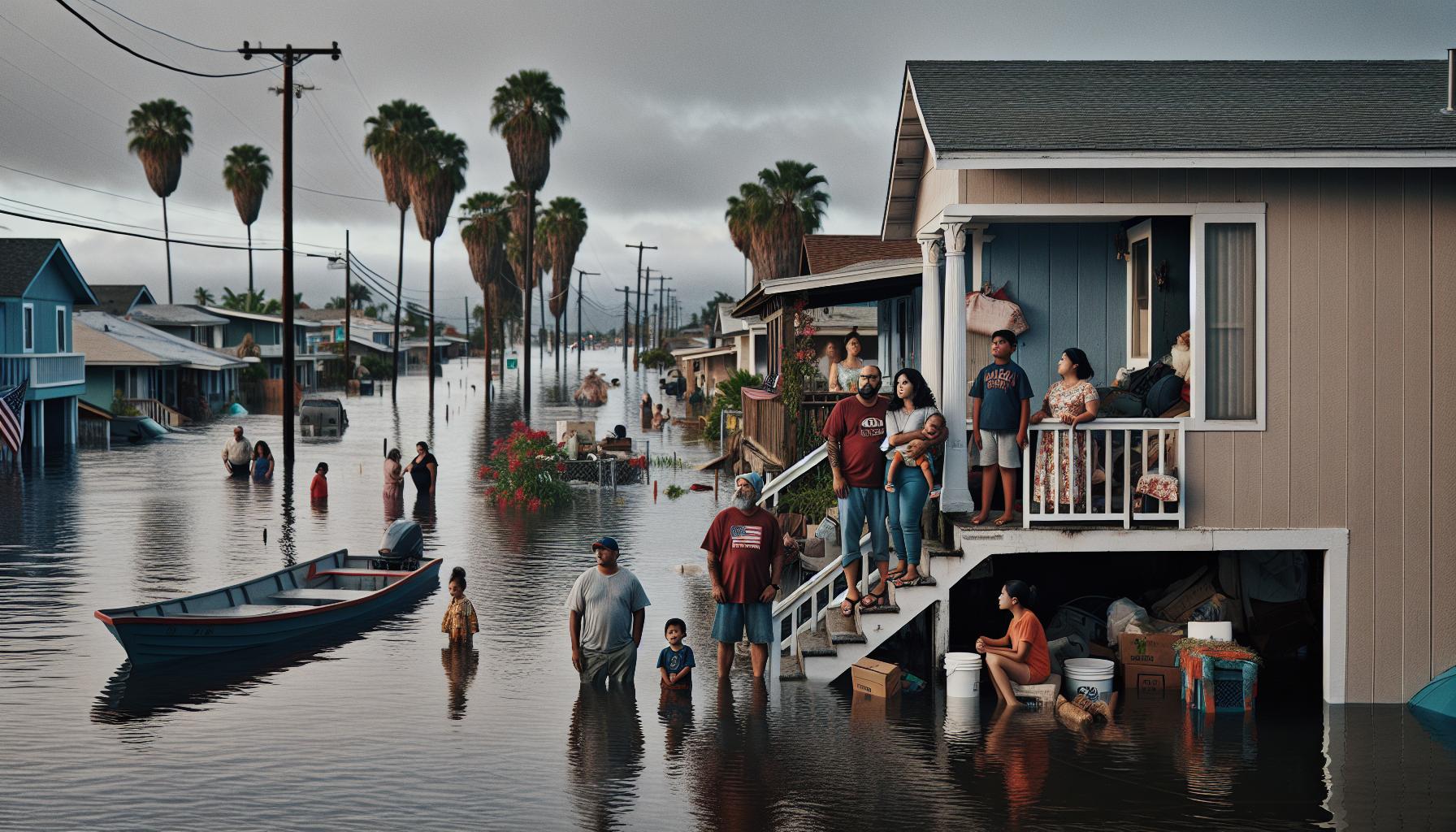
Rising Sea Levels: What It Means for Coastal Communities
As global temperatures rise, so too do ocean levels, posing a grave threat to coastal communities worldwide. According to recent findings, many areas are witnessing an alarming increase in sea levels that exceed historical averages. This phenomenon not only jeopardizes homes and infrastructure but also disrupts local economies and ecosystems that depend on a stable shoreline. For instance, regions like Miami are experiencing chronic flooding during high tide events, a stark indicator of the looming reality millions of coastal residents will face if immediate action is not taken.
Coastal areas are particularly vulnerable due to their proximity to the sea and their reliance on marine ecosystems. As sea levels rise, saltwater intrusion into freshwater supplies threatens drinking water availability and agricultural viability. This is especially critical in low-lying areas such as Bangladesh, where communities are already grappling with the consequences of saline soil and diminishing freshwater resources. Families in these regions are often forced to adapt their livelihoods, shifting from rice farming to saline-resistant crops, showcasing the resilience that communities can muster in the face of adversity.
To mitigate these impacts, coastal regions are adopting innovative strategies that combine traditional knowledge with modern science. One effective approach involves restoring natural barriers, such as mangroves and wetlands, which can absorb storm surges and reduce erosion. These natural ecosystems are not only essential for biodiversity but also provide vital services that protect communities from the adverse effects of climate change. Another practical solution is investing in green infrastructure, such as living shorelines, which utilize natural materials to stabilize coastlines while enhancing habitat areas for wildlife.
Community engagement is crucial in these efforts. Local populations must be informed and involved in resilience planning, ensuring that their voices resonate in decision-making processes. Programs that facilitate citizen participation in restoration projects or educational initiatives on climate preparedness can empower individuals and foster a sense of shared responsibility towards environmental stewardship. By harnessing local knowledge and experiences, communities can craft tailored solutions that not only protect against rising sea levels but also enhance the socio-economic fabric of coastal life, paving the way for a sustainable and resilient future.
Economic Consequences: The Cost of Inaction on Climate Change
As global temperatures continue to rise, the economic consequences of inaction on climate change are becoming increasingly dire. The costs associated with climate-related disasters are projected to reach staggering figures, with estimates suggesting that the global economic impact could exceed $2.5 trillion annually by 2030 if significant measures are not taken. This projection encompasses losses from more frequent and severe weather events, disruptions in supply chains, and the strain on healthcare systems necessitated by the rise in climate-related health issues.
One striking example is the insurance industry, which has seen a significant uptick in claims due to natural disasters exacerbated by climate change. In the United States alone, insured losses from catastrophic events like hurricanes, wildfires, and floods have skyrocketed, reaching approximately $104 billion in 2021. This growing financial burden on insurers not only drives up premiums for homeowners and businesses but also risks creating a cycle where comprehensive coverage becomes increasingly unaffordable, leaving many vulnerable to financial ruin following disasters.
Investing in Resilience
Despite the daunting challenges, there is a pathway forward that emphasizes proactive investment in resilience and sustainability. By reallocating resources to climate mitigation strategies-such as renewable energy projects, sustainable agriculture, and infrastructure upgrades-governments can significantly lower long-term costs. For instance, investing $1 in climate adaptation measures can yield up to $8 in economic benefits through reduced disaster recovery costs and enhanced economic stability.
Here are several specific strategies for economically mitigating the impact of climate change:
- Renewable Energy Expansion: Transitioning to solar and wind energy can reduce dependence on fossil fuels and create jobs in emerging markets.
- Infrastructure Resilience: Retrofitting existing infrastructure to withstand climate impacts can save money on future repairs and improve public safety.
- Regenerative Agriculture: Investing in sustainable farming practices can enhance food security while promoting soil health, leading to long-term productivity.
A Call to Action
The stark reality is that the cost of inaction goes far beyond mere dollars and cents; it encompasses social and environmental deterioration that can hinder future generations. By prioritizing investments in sustainable practices and collaborative community planning, we can cultivate an economy that is not only resilient to climate change but robust enough to thrive amid its challenges. The shift towards a more sustainable economic framework is both an opportunity and a necessity-one that requires collective responsibility and action today to secure a livable future.
Human Health Risks: The Unseen Impact of a Warming Planet
As global temperatures continue to rise, the hidden health consequences of a warming planet become increasingly apparent. Climate change is not just an environmental issue; it directly impacts human health through various channels. For instance, with rising temperatures, the incidence of heat-related illnesses, such as heat exhaustion and heatstroke, is expected to escalate, particularly among vulnerable populations like the elderly, children, and those with preexisting health conditions. Extremes in temperature can also exacerbate existing health problems, leading to increased hospitalizations and mortality rates.
In addition to heat-related issues, climate change has been linked to the spread of infectious diseases. Warmer temperatures can expand the habitats of disease-carrying vectors, such as mosquitoes and ticks, which can result in the spread of illnesses like malaria, dengue fever, and Lyme disease. As shown in case studies from various regions, areas previously considered low-risk are experiencing outbreaks, creating new health challenges for public health officials. Consequently, communities need to strengthen their healthcare infrastructure and preparedness to combat these emerging threats.
Moreover, air quality is adversely affected by climate change, which poses a significant risk to respiratory health. Changes in climate conditions contribute to higher levels of pollutants like ground-level ozone, leading to increased rates of asthma, bronchitis, and other chronic respiratory conditions. Particularly in urban areas, where pollution levels are already a concern, this emerging threat can have dire public health implications. It is essential that policymakers prioritize clean air initiatives and invest in sustainable practices that reduce emissions to mitigate these effects.
While these health risks present daunting challenges, communities can take practical steps to bolster their resilience. Investing in public health initiatives, promoting active transportation, and enhancing green spaces can improve overall health while also addressing climate change. For example, cities that develop more parks and green areas not only enhance community well-being but also absorb greenhouse gases. By taking proactive measures, individuals and communities can mitigate the unseen impacts of a warming planet and pave the way for a healthier future.
Food Security Challenges: Agriculture in a Changing Climate
As the planet continues to warm, the implications for global food security become increasingly dire. Climate change disrupts agricultural systems, creating a cascade of challenges that can lead to food shortages and increased prices. Higher temperatures, shifting rainfall patterns, and increased frequency of extreme weather events are all contributing to reduced crop yields. For instance, staple crops such as wheat, rice, and maize are expected to face significant yield reductions in many regions, particularly in tropical and subtropical areas where vulnerability is already high.
Impact on Crop Production
Changing climate conditions directly affect soil health and the ability to grow food. Increased temperatures can lead to heat stress in crops, while erratic rainfall can cause both droughts and flooding. Consequently, agricultural productivity becomes unstable. Farmers may struggle to maintain consistent yields, driving up costs and decreasing availability. For example, regions in East Africa have reported severe droughts that have crippled coffee production, leading to economic hardships for local farmers reliant on the crop for their livelihood.
To combat these challenges, adopting resilient agricultural practices is essential. This can include crop rotation, the use of drought-resistant seed varieties, and effective irrigation techniques. Investing in soil health through organic farming methods not only helps increase productivity but also enhances biodiversity, contributing to overall ecosystem resilience. Governments and organizations can aid in this transition by providing farmers with knowledge, resources, and support to implement sustainable practices effectively.
Food Security and Nutrition
The qualitative aspect of food security is equally concerning. As climate change affects food production, the nutritional quality of what is available may decline. Higher levels of CO2 in the atmosphere can lower the nutrient content of staple crops, reducing essential minerals like iron and zinc in food supplied to vulnerable populations. This poses a significant risk, particularly for communities that rely heavily on a few staple foods for nutrition.
Moreover, reliance on imported processed foods increases as local agricultural production falters, leading to a higher intake of unhealthy foods. This pattern exacerbates the rise of noncommunicable diseases, further straining health systems in regions least equipped to manage such crises. To offset these risks, communities can focus on diversifying their food systems by incorporating a variety of nutrient-rich crops, thereby improving overall health and resilience against climate fluctuations.
By recognizing the interconnected challenges of climate change and food security, stakeholders can create targeted strategies that not only address immediate needs but foster a robust food system for the future. Empowering farmers through education and innovation, alongside promoting sustainable agricultural practices, will be crucial in developing resilience in an era of changing climates.
Water Scarcity: The Growing Threat to Supplies and Communities
As climate change accelerates, water scarcity emerges as one of the most pressing challenges facing communities across the globe. Currently, around 2 billion people live in countries experiencing high water stress, a number projected to rise significantly in the coming decades. This crisis is driven not only by increasing temperatures but also by altered precipitation patterns, leading to both droughts in some areas and flooding in others. The consequences of these changes are profound, affecting everything from agricultural output and food security to community health and economic stability.
Impacts of Water Scarcity
Water scarcity manifests in several ways, primarily influencive in agricultural regions. Dry spells can drastically reduce crop yields, forcing farmers to turn to more water-intensive crops or face devastating losses. For example, California, which is recognized for its agricultural bounty, has faced recurring droughts that have prompted widespread water restrictions and forced farmers to fallow historically productive lands. In a world where food insecurity is escalating, such water shortages can exacerbate the already delicate balance of food supply chains.
Strategies for Mitigation
To combat water scarcity, communities and governments can enact a variety of innovative strategies aimed at water conservation and sustainable management. Here are some actionable practices that can make a difference:
- Rainwater Harvesting: Implementing systems that collect and store rainwater can help alleviate water shortages. This approach is particularly beneficial in regions where seasonal rains occur but are not enough to meet year-round needs.
- Efficient Irrigation Techniques: Transitioning to drip irrigation or sprinkler systems allows for more precise water application, thereby decreasing waste and ensuring that crops receive adequate hydration without excess runoff.
- Water Recycling: Communities can adopt water recycling practices, treating and reusing wastewater for agricultural or landscaping purposes. This not only conserves fresh water but also reduces the environmental burden on local water bodies.
Community Engagement and Awareness
Beyond technical solutions, raising awareness about water conservation among residents is crucial. Educational campaigns can empower individuals to adopt water-saving habits, from fixing leaks to using water-efficient appliances. Additionally, fostering community stewardship initiatives, such as local clean-up days for rivers and lakes, can enhance community involvement in water management.
The urgent issue of water scarcity underscores the necessity for collective action. While the challenges are daunting, they also present opportunities for innovation and cooperation. By embracing sustainable water management practices and promoting public engagement, we can build resilient communities that thrive despite the changing climate, ultimately contributing to a balanced ecosystem for future generations.
Social and Political Disruption: Climate Change as a Catalyst for Conflict
As climate change progresses, it’s increasingly clear that environmental shifts are not merely ecological but also social and political catalysts, driving conflict and instability across regions. The interconnection between resource scarcity – particularly water and arable land – and rising tensions is more pronounced than ever. A staggering 40% of the world’s population live in river basins where water sources are becoming more unpredictable due to climate variability. Such water stress is not only a potential trigger for local disputes but can also escalate to broader regional conflicts.
In regions like the Middle East and North Africa, water scarcity has already led to increased tensions among nations and communities vying for limited resources. For instance, competition over the shared waters of the Nile has stirred disputes among countries, with Egypt, Sudan, and Ethiopia at odds over dam projects that impact water flow. Similarly, in Syria, prolonged drought conditions exacerbated existing political and economic grievances, contributing to the unrest that spiraled into civil conflict in 2011. The UN has highlighted that climate-related factors can amplify pre-existing social divisions, complicating efforts for peace and stability as communities face the dual challenges of resource depletion and geopolitical strife.
Strategies for Conflict Prevention
Addressing the climate-conflict nexus requires proactive, collaborative strategies focused on sustainable resource management and community resilience. Here are several actionable steps:
- International Cooperation: Countries can engage in dialogue mediated by international organizations to promote shared water management agreements, similar to the Indus Waters Treaty between India and Pakistan. Such frameworks help clarify rights and responsibilities over vital water resources.
- Community Engagement: Local governments and NGOs can facilitate community dialogues that address resource management and equitable distribution. Programs that include local voices in decision-making processes can foster collaborative solutions and build trust among disparate groups.
- Resilience Initiatives: Investing in climate resilience projects, such as sustainable agriculture practices and infrastructure improvements, can mitigate impacts of climate change. These initiatives not only improve food security but also decrease competition for dwindling resources.
By fostering understanding and cooperation in regions most acutely affected by climate change, stakeholders can create a pathway toward reducing conflict potential. Recognizing that climate change acts as a threat multiplier, it becomes essential for governments, local leaders, and civil society to work together in crafting solutions that address both environmental concerns and social justice to prevent future conflicts.
Transitioning to Renewable Energy: Solutions to Mitigate Consequences
The transition to renewable energy is not just an environmental necessity; it’s a critical pathway to mitigating the dire consequences of climate change. As we witness the tangible impacts of rising global temperatures, it becomes clear that shifting our energy systems away from fossil fuels towards renewable sources like solar, wind, and hydroelectric power is essential for safeguarding our planet and future generations. For example, the International Renewable Energy Agency (IRENA) reports that doubling the share of renewables in the global energy mix by 2030 could help maintain temperature rise below 2 degrees Celsius, aligning with the goals of the Paris Agreement.
An effective transition to renewable energy involves a multi-faceted approach that incorporates policy changes, technological innovation, and community engagement. Governments can play a pivotal role by implementing supportive policies such as tax incentives for renewable energy projects, grants for research and development, and regulations that phase out fossil fuel subsidies. For instance, Germany’s Energiewende, or “energy transition,” has seen the country invest heavily in renewables while gradually shutting down coal and nuclear power plants, successfully increasing the renewable energy share to over 40% of its gross electricity consumption.
To empower communities and businesses, it’s crucial to foster public-private partnerships that enable local investment in renewable energy projects. Community solar initiatives, for example, allow residents to invest in or purchase a share of a solar power installation, providing access to clean energy without the need for individual rooftop installations. This model not only democratizes energy access but also enhances local resilience by encouraging a decentralized energy grid that can better withstand extreme weather events linked to climate change.
Lastly, education and awareness campaigns are vital in promoting the benefits of renewable energy. As consumers become more informed about the financial savings and environmental benefits of renewables, their support can drive demand for cleaner energy. Like Spain, which has seen a significant drop in its solar energy costs, increasing public acceptance can further accelerate the deployment of renewable technologies. In conclusion, transitioning to renewable energy is not merely an option; it’s a transformative strategy to address the multifaceted challenges posed by climate change, supporting not just environmental sustainability but also economic growth and social equity.
Engaging Communities: The Role of Public Action in Climate Response
Building a sustainable future requires not just the efforts of governments and organizations, but a collective commitment from individuals and communities everywhere. The impacts of climate change-rising sea levels, extreme weather, biodiversity loss, and economic disruption-are profound and multifaceted, urging every sector of society to engage in public action. Communities have the power to enact significant changes through localized initiatives, educational campaigns, and grassroots movements that foster a culture of environmental stewardship.
One effective method for community engagement is the establishment of climate action groups that bring together residents to brainstorm and implement solutions tailored to local needs. These groups can organize events like neighborhood clean-up days, tree planting initiatives, and educational workshops that raise awareness about climate-related issues and motivate local action. For example, the Transition Towns movement, which started in the UK, encourages communities to develop resilience through local food systems, renewable energy projects, and shared resources. By fostering a sense of collective responsibility, communities can amplify their voices in advocating for policies that address climate change.
Utilizing technology also offers a significant avenue for public engagement. Online platforms can facilitate discussions, share resources, and track community progress on climate goals. For instance, apps such as “Nextdoor” allow neighborhoods to organize and promote sustainable practices-like carpooling or community gardening-creating both social bonds and practical solutions. Additionally, simple tools, such as a community dashboard displaying real-time data on carbon footprints or local climate impacts, can empower residents to take actionable steps toward improvement based on transparent information.
Education remains a cornerstone of effective community engagement. Schools and educational institutions can partner with local governments and organizations to integrate climate education into curricula, helping young people understand their role in addressing global challenges. Program examples include student-led projects designed to reduce school emissions or field trips focused on local eco-systems. When youth are informed and inspired, they become advocates for change within their families and communities, fostering a generational shift towards sustainability.
As communities become increasingly engaged in climate action, the ripple effects can lead to broader societal change. By harnessing local knowledge, resources, and creativity, communities can not only mitigate the impacts of climate change but also ensure a more resilient and equitable future for all. Through collaborative efforts and a shared vision, public action can transform challenges into opportunities, paving the way for a sustainable planet.
Future Projections: What the Next Decades Hold for Our Planet
Research indicates that within the next few decades, the consequences of climate change will become increasingly pronounced, reshaping our planet in fundamental ways. Projections show that global temperatures are likely to rise significantly, with estimates suggesting an average increase of up to 1.5°C or more above pre-industrial levels by the mid-2030s if current trends continue. This warming trend is not merely a statistical anomaly; it will manifest in severe weather patterns, rising sea levels, and disruptions to ecosystems that put countless lives at risk.
Global Economic Implications
As temperatures rise, the economic consequences will also escalate. The World Meteorological Organization warns that these shifts can lead to increased frequency and intensity of extreme weather events, resulting in significant damage to infrastructure and agriculture. For instance, heatwaves and droughts threaten food security, leading to fluctuating prices and potential shortages. A projected 20% decline in agricultural yields could significantly affect global food markets, forcing societies to adapt quickly or face widespread food insecurity.
Environmental and Biodiversity Challenges
Moreover, climate change poses a critical threat to biodiversity. The habitats of numerous species are shifting, which may lead to increased extinction rates if species cannot adapt or migrate. Coral reefs, which provide essential ecosystems and services, are predicted to suffer from severe bleaching events, potentially leading to the loss of entire marine ecosystems. Future ecosystem studies project that up to one-third of species could face extinction by 2050 if global temperatures rise by 1.5°C or more, drastically altering the balance of our natural world.
Social and Political Consequences
The social fabric of societies will also experience strain as climate change exacerbates existing inequalities. Vulnerable populations, particularly in developing countries, are likely to face harsher impacts, including displacement due to sea-level rise and increased conflict over dwindling resources. The migration of people from climate-affected regions can lead to political instability in host countries, igniting conflicts over resources and potentially creating a cycle of displacement and unrest.
Practical Steps Forward
Addressing these challenges requires immediate and informed action on multiple fronts. Communities and governments must prioritize the transition to renewable energy sources to mitigate greenhouse gas emissions. Localized initiatives focused on sustainable agriculture can also help you adapt to changing climate conditions. Individuals can contribute by reducing their carbon footprints through energy-efficient practices and supporting policies that aim for sustainable development.
By understanding the impending changes and proactively working to mitigate their effects, we can create a path toward a more resilient and sustainable future. Engaging with local groups, advocating for policy changes, and participating in climate education can empower individuals and communities to enact meaningful change. The urgency of the climate crisis calls for immediate collective action to safeguard our planet for future generations.
Q&A
Q: What are the main consequences of climate change?
A: The main consequences of climate change include rising temperatures, extreme weather events, loss of biodiversity, and rising sea levels. Each of these impacts threatens ecosystems, human health, and global economies.
Q: How does climate change affect human health?
A: Climate change negatively impacts human health through increased heat-related illnesses, respiratory issues from air pollution, the spread of infectious diseases, and food and water scarcity. Vulnerable populations are disproportionately affected by these health risks.
Q: What is the economic impact of climate change?
A: The economic impact of climate change is significant, leading to increased costs related to disaster recovery, healthcare, and infrastructure damage. Businesses may face disruptions that threaten their viability, and economies are at risk from loss of productivity in various sectors.
Q: Why is biodiversity declining due to climate change?
A: Biodiversity is declining because climate change alters habitats, disrupts food chains, and leads to species extinction. Ecosystems struggle to adapt to rapidly changing climates, resulting in loss of plant and animal species and the services they provide.
Q: How does rising sea level affect coastal communities?
A: Rising sea levels pose a significant threat to coastal communities by increasing flooding risks, eroding shorelines, and contaminating water supplies with saltwater. Communities must invest in adaptation strategies to protect their infrastructure and mitigate potential disasters.
Q: What are the social and political implications of climate change?
A: Climate change can lead to social and political unrest as resources become scarce, leading to conflicts over water, food, and habitable land. Displacement of populations due to environmental changes may also exacerbate tensions and create humanitarian crises.
Q: How do food security challenges arise from climate change?
A: Climate change creates food security challenges by affecting crop yields, disrupting supply chains, and making agricultural practices less predictable. Increased weather extremes and shifting climatic conditions threaten the stable production of food globally.
Q: What can individuals do to mitigate the impacts of climate change?
A: Individuals can mitigate climate change impacts by reducing energy consumption, supporting renewable energy initiatives, practicing sustainable agriculture, and advocating for policies aimed at reducing carbon emissions. Small, collective actions can lead to significant change.
In Conclusion
Understanding the critical consequences of climate change is just the beginning. The urgency to act cannot be overstated, as global temperatures continue to rise, impacting our health, ecosystems, and economies. You have the power to make a difference today-explore our resources on sustainable living and discover actionable steps to reduce your carbon footprint.
Don’t miss out on our related articles, such as “How to Offset Your Carbon Emissions” and “Community Actions Against Climate Change,” which provide further insights and practical solutions. Join the conversation and share your thoughts below-what steps are you taking to address the climate crisis? For more updates and expert insights, consider signing up for our newsletter. Together, we can tackle climate change head-on and inspire a sustainable future for generations to come.