As the Caribbean faces increasingly severe weather patterns and rising sea levels, climate change poses profound risks that threaten its beautiful landscapes, diverse ecosystems, and vibrant communities. With predictions indicating that global temperatures could remain at record highs in the coming years, the region must confront challenges such as intensified hurricanes, coastal erosion, and food insecurity. These issues not only affect the environment but also impact the livelihoods and safety of millions who call the Caribbean home. Understanding these risks is vital for local communities, policymakers, and global citizens alike, as we seek solutions to safeguard both our planet and our future. Join us as we explore the multifaceted threats posed by climate change in the Caribbean and the proactive strategies that can foster resilience in this unique region.
What Are the Key Climate Change Risks for the Caribbean?
The Caribbean is facing a multitude of climate change risks, each deeply intertwined with the region’s unique geography and economy. A striking statistic illustrates the urgency of this issue: many Caribbean nations are experiencing sea level rise at rates exceeding the global average, threatening coastal communities that rely heavily on tourism, fishing, and agriculture. In some places, sea levels have risen by as much as 3-5 millimeters per year, resulting in increased flooding and erosion that jeopardizes infrastructure and natural habitats.
One of the most immediate threats is the increased frequency and intensity of hurricanes. Data show that the Caribbean has seen a surge in Category 4 and 5 storms, which not only devastate local economies but also displace communities and disrupt vital services such as healthcare and education. The 2017 hurricane season, marked by devastating storms like Irma and Maria, serves as a chilling reminder of the potential for climate-driven disasters to wreak havoc on these vulnerable islands.
Moreover, biodiversity in the Caribbean is under siege. The region harbors unique ecosystems, such as coral reefs and mangroves, which are sensitive to temperature changes and acidification. Marine heatwaves, driven by climate change, are leading to coral bleaching events that threaten fisheries essential for local livelihoods. Protecting these ecosystems requires adaptive strategies and active conservation efforts.
In addressing these challenges, local communities are not standing idly by. They are exploring innovative adaptation strategies, from investing in resilient infrastructure to restoring natural barriers like mangroves, which can mitigate storm surges. Collaborative efforts amongst nations and international partners are also vital for sharing resources and knowledge, further spotlighting the need for a united front against the climate crisis. By leveraging renewable energy solutions, such as solar and wind power, Caribbean nations can reduce their dependency on fossil fuels and mitigate further climate change impacts, paving the way for a more sustainable future.
Impact of Rising Sea Levels on Coastal Communities
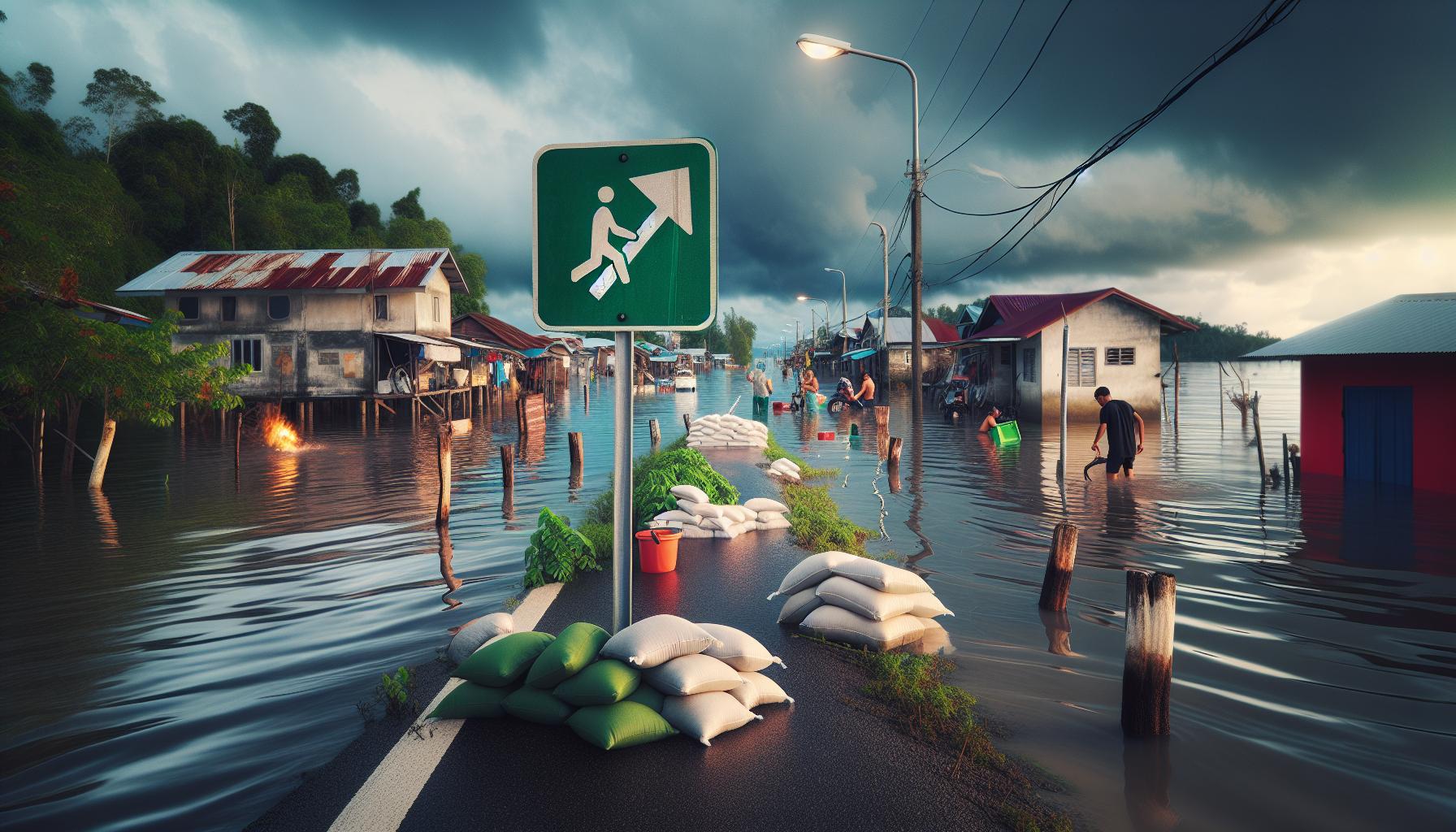
The Caribbean is experiencing rising sea levels at alarming rates, which pose significant threats to coastal communities. Currently, some areas are witnessing increases of 3-5 millimeters per year, surpassing global averages and leading to dire consequences. Coastal towns, heavily reliant on fishing, tourism, and agriculture, are increasingly vulnerable as saltwater intrusion compromises freshwater supplies and risks agricultural productivity. For communities already grappling with socioeconomic challenges, these changes can exacerbate poverty and inequality, prompting urgent discussions about resilience and adaptation.
To illustrate, consider the case of the Bahamas, where low-lying islands face the danger of submersion over the coming decades. The impact of rising sea levels is tangible-beaches are eroding, their shoreline retreating, and in severe storms, flooding disrupts infrastructure, including homes, schools, and critical services. To combat these issues, local governments and organizations are spearheading initiatives that encompass both infrastructural resilience and community engagement. These initiatives include investing in seawalls, restoring mangroves to reduce wave impacts, and establishing early warning systems for extreme weather events.
Moreover, the economic implications of sea level rise extend beyond immediate physical damage. The Caribbean tourism sector, which contributes significantly to local economies, is under threat. Destinations that traditionally draw visitors for their pristine beaches face the prospect of losing these attractions as rising tides erode coastlines. A study highlighted that an increase in sea levels by only a few centimeters could dramatically shift visitor habits and, subsequently, economic stability in these regions.
Addressing these challenges requires a multifaceted approach. Local communities are learning from each other’s experiences, adopting best practices, and seeking partnerships with international bodies for technical and financial support. Forward-thinking solutions include investing in sustainable tourism that emphasizes environmental stewardship, alongside leveraging renewable energy sources to reduce dependency on fossil fuels. By implementing both reactive and proactive measures, coastal communities can work towards not just surviving but thriving in the face of climate change, creating a legacy of resilience for future generations.
Increased Frequency and Intensity of Hurricanes

The Caribbean is becoming increasingly vulnerable as climate change fuels a worrisome trend: the frequency and intensity of hurricanes are on the rise. Scientists report that warming ocean waters, a direct consequence of climate change, are significantly increasing the likelihood of more severe cyclones, particularly Category 4 and 5 hurricanes. This reality can be seen through the escalating devastation wrought by recent storms, which have led to catastrophic damage and displacement across numerous islands. For example, Hurricane Dorian in 2019 resulted in severe destruction in the Bahamas, displacing thousands and causing billions in damages.
Changing Patterns of Hurricanes
Over the past few decades, the Caribbean has consistently experienced shifts in hurricane patterns. The region now faces approximately 15% more hurricanes annually compared to historical averages, with a significant uptick in their intensity. This transformation has far-reaching implications. Not only do stronger storms lead to immediate loss of life and property, but they also disrupt critical services, such as healthcare and education, leading to long-term socio-economic challenges. Communities may find themselves grappling not just with physical destruction but also with the psychological impact of recurring disasters, as well as the strains on local economies already burdened by limited resources.
Preparing for the Future
In light of these challenges, proactive measures are essential. Communities across the Caribbean are implementing a range of strategies to enhance their resilience against hurricanes. These include improving infrastructure to withstand severe flooding, such as constructing elevated buildings and reinforcing roads, as well as investing in robust emergency response systems. Furthermore, local governments and organizations are promoting community education programs that focus on disaster preparedness, disseminating information on evacuation routes and emergency supplies.
Adopting sustainable practices can also play a critical role in mitigating the impacts of hurricanes. For example, restoring coastal ecosystems, such as mangroves and wetlands, can act as natural buffers against storm surges, helping to protect inland areas from flooding. By fostering a deeper connection to their environment and emphasizing sustainable land use, Caribbean communities can enhance their resilience to the increasingly unpredictable nature of hurricanes, safeguarding their futures and preserving their rich cultures amidst the challenges posed by climate change.
Threats to Biodiversity and Marine Ecosystems

The Caribbean’s stunning biodiversity, home to unique ecosystems and marine life, is increasingly threatened by the effects of climate change. Rising sea temperatures, ocean acidification, and extreme weather events are jeopardizing coral reefs, fisheries, and a host of other species critical to the region’s ecological balance and economic stability. For instance, coral reefs, often referred to as the “rainforests of the sea,” provide not just habitat but also protection for coastlines and are integral to local tourism and fishing industries. However, warmer water temperatures lead to coral bleaching-a stress response in corals that ultimately results in their death if conditions do not improve.
Additionally, ocean acidification, resulting from increased levels of CO2 in the atmosphere, poses a significant risk to marine ecosystems. As the oceans absorb more carbon dioxide, the water becomes more acidic, affecting organisms such as shellfish and plankton that are crucial for the marine food web. This change can disrupt local fisheries and food sources for communities that rely on fishing as a primary livelihood. The cascading effects on marine biodiversity threaten not only individual species but entire marine habitats, making the region’s ecosystems less resilient to future changes.
The impact on biodiversity goes beyond the sea; terrestrial ecosystems linked to coastal areas are also feeling the strain. Increased frequency of hurricanes and rising sea levels lead to habitat loss and altered species distribution. To combat these challenges, local communities are exploring innovative approaches, such as promoting sustainable fishing practices and employing marine protected areas to foster recovery. Moreover, restoration efforts for vital coastal ecosystems, such as mangroves and seagrasses, are being prioritized since they provide natural barriers against storm surges and support biodiversity.
Practical Steps for Conservation
- Sustainable Fishing: Implementing and adhering to quotas and seasonal closures can protect fish populations and allow ecosystems to recover.
- Restoration Projects: Engaging local communities in the restoration of coral reefs and mangroves can enhance biodiversity and bolster resilience to climatic stresses.
- Marine Protected Areas (MPAs): Expanding MPAs helps safeguard critical habitats, ensuring their preservation and supporting the recovery of fish stocks.
Ultimately, elevating public awareness and fostering community involvement in conservation initiatives can empower Caribbean nations to not only mitigate the risks posed by climate change but also promote a future where biodiversity thrives amid environmental challenges. With combined efforts in education, sustainable practices, and international cooperation, there is hope for preserving the Caribbean’s incredible marine and terrestrial biodiversity for generations to come.
Economic Consequences: A Deep Dive into Tourism

The tourism industry in the Caribbean is not just a significant economic pillar; it is often the lifeblood of many island nations, heavily reliant on the influx of travelers who come to experience its pristine beaches, vibrant cultures, and unparalleled biodiversity. However, climate change poses stark threats that can dramatically reshape this landscape. From the devastating impacts of hurricanes to the slow and relentless rise of sea levels, the key risks to tourism are becoming increasingly evident. For instance, the Caribbean, which is already one of the most hurricane-prone regions in the world, faces predictions of more frequent and intense storms, resulting in severe damage to infrastructure, increased insurance costs, and declining visitor numbers during peak seasons.
The economic implications extend beyond immediate disruptions. As coastal communities grapple with the realities of climate change, tourism-dependent economies may see fluctuating visitor trends and dwindling revenues. Researchers estimate that adaptation investment needs for the Caribbean amount to more than $100 billion, showcasing the urgency for action to protect tourism assets and infrastructure that are increasingly vulnerable to climate impacts [[2]]. The financial strain is compounded by the potential loss of biodiversity and natural attractions, such as coral reefs, which are critical to marine tourism and snorkeling experiences. Coral bleaching caused by rising sea temperatures can result in the deterioration of these ecosystems, ultimately impacting the overall appeal of the region to tourists.
Practical Strategies for Resilience
Tourism stakeholders can adopt several strategies to mitigate these risks and foster resilience. First, investing in sustainable tourism practices can help safeguard natural resources while enhancing visitors’ experiences. For instance, eco-tourism initiatives that promote environmental education and conservation can not only attract visitors but also contribute to the preservation of fragile ecosystems. Additionally, collaborative efforts between governments and the private sector can lead to the development of resilient infrastructure. This includes reinforcing buildings to withstand extreme weather and creating green spaces that can absorb excess rainwater, protecting coastal areas from flooding.
Moreover, diversifying tourism offerings can reduce reliance on traditional models vulnerable to climate disruptions. Exploring alternative attractions, such as cultural heritage sites and eco-adventures in nature reserves, can provide travelers with enriching experiences that are less dependent on the pristine shoreline. By pivoting towards such sustainable models, Caribbean nations can leverage their unique assets without jeopardizing their natural environments.
In conclusion, while climate change poses significant challenges to tourism in the Caribbean, proactive and innovative strategies can pave the way for a resilient future. Stakeholders must prioritize sustainable practices, invest in infrastructure that can withstand climatic events, and diversify tourism offerings. By doing so, not only can they protect their vital economic interests, but they can also contribute to the preservation of the Caribbean’s unparalleled natural beauty for generations to come.
Public Health Risks: Heatwaves and Waterborne Diseases
The Caribbean faces an escalating public health crisis as climate change continues to push temperatures higher and alter weather patterns. Heatwaves are becoming more frequent and intense, presenting immediate health risks, especially for vulnerable populations such as the elderly, children, and those with pre-existing conditions. For instance, the rise in temperatures can lead to heat-related illnesses ranging from heat exhaustion to heat stroke. This trend requires urgent action from governments, communities, and health care providers to implement effective heat management strategies.
There are several practical steps that can be taken to combat these public health threats. First, local authorities could enhance public awareness campaigns about recognizing and responding to heat-related illnesses, providing information on hydration, and the importance of staying indoors during peak temperatures. Additionally, creating more shaded public spaces and ensuring access to cooling centers can mitigate the adverse effects of heatwaves. Communities might also embrace green infrastructure, such as urban forests and green roofs, which can significantly reduce heat in densely populated areas.
Moreover, waterborne diseases pose a significant threat as climate change impacts ocean temperatures and rainfall patterns. Warmer waters can lead to the spread of waterborne pathogens, while heavy rainfall can result in increased runoff and contamination of drinking water sources. Regions that maintain proximity to coastal areas may witness a rise in diseases such as cholera and leptospirosis. Enhancing water quality monitoring and improving sanitation infrastructure are critical steps needed to protect public health.
Building resilient health systems that can withstand climate-induced health risks is essential. This might involve training health care professionals to recognize climate-related health issues, investing in research to better understand the link between climate change and health, and ensuring that health facilities are equipped with the necessary resources to respond to heat emergencies and outbreaks of disease. Collaboration between governments, non-governmental organizations, and international agencies can foster comprehensive approaches that integrate climate change adaptation into health policy, ultimately safeguarding public health in the Caribbean.
By forging a path toward community resilience and health equity, the Caribbean can better navigate the health challenges that climate change presents, transforming threats into opportunities for innovation in public health.
Food Security Challenges: Agriculture Under Threat
Climate change poses a severe risk to food security across the Caribbean, an area already marked by its vulnerability to natural disasters. Given that agriculture is a backbone of many Caribbean economies and is intrinsically linked to both livelihoods and local food systems, the implications of more erratic weather patterns, rising temperatures, and shifting precipitation are profound. As the region witnesses increased droughts and more intense rainfall, farmers face unpredictable growing seasons, which can disrupt the timely cultivation and harvest of staple crops such as sugar, bananas, and cassava.
One major consequence of climate change is decreased agricultural productivity. For instance, studies show that every degree Celsius of warming could reduce crop yields by 10% for major staples. Farmers in the Caribbean already contend with salinization due to rising sea levels and saltwater intrusion, which compromises soil quality. This not only affects crop yields but also impacts the nutritional quality of food produced. Local farmers may find themselves struggling to adapt as traditional farming methods become less effective, leading to potential food shortages and increased reliance on imported goods.
To combat these challenges, several strategies can be implemented. Firstly, adopting climate-smart agriculture practices-such as crop rotation, improved irrigation systems, and the use of drought-resistant crop varieties-can enhance resilience. For example, farmers in Jamaica have started using drip irrigation, which conserves water and increases efficiency, leading to better yields even during dry spells. Furthermore, training programs that educate farmers about sustainable practices and climate adaptation strategies can empower local communities and improve food resilience.
Community Initiatives and International Support
Engaging local communities in decision-making regarding agricultural practices is crucial. By facilitating workshops and discussions, communities can share knowledge about local conditions and viable adaptations. Additionally, leveraging international cooperation can provide critical resources. Assistance from organizations focused on climate adaptation can help fund projects that aim to bolster food security, such as establishing local seed banks or investing in sustainable farming technologies.
Ultimately, addressing food security challenges in the Caribbean requires a multifaceted approach combining local knowledge, innovative agricultural practices, and supportive policies. The integration of these strategies into a cohesive action plan will be essential for building a resilient food system capable of withstanding the impacts of climate change. Embracing this challenge not only safeguards local food supplies but also secures the economic wellbeing of communities across the Caribbean.
Social and Political Implications of Climate Migration
The Caribbean region is facing a profound crisis not only from the direct impacts of climate change but also from the social and political upheaval that climate migration may provoke. As rising sea levels overwhelm low-lying coastal areas, and increasing temperatures exacerbate the frequency of droughts and storms, the likelihood of displacement increases dramatically. Millions may be forced to leave their homes, seeking refuge in more stable regions, leading to a significant population shift that could challenge social cohesion and governance structures.
In many Caribbean nations, where local economies heavily rely on tourism and agriculture, the influx of climate migrants can strain resources, potentially leading to competition over jobs, housing, and social services. Poorly planned urbanization and inadequate infrastructure in receiving areas can heighten tensions, where new inhabitants and longstanding residents may clash over limited resources. Understanding and addressing the root causes of migration rather than simply responding with emergency measures will be vital for maintaining social harmony.
Adapting to New Realities
To mitigate the risks associated with climate migration, proactive strategies must be instituted. Governments in the Caribbean can implement policies that promote migration as a choice rather than a necessity. This includes investing in disaster-resilient infrastructure to protect vulnerable populations, encouraging sustainable livelihoods through training and education, and establishing clear frameworks for how to manage increased migration flows.
Creating regional agreements among Caribbean nations could facilitate the orderly movement of people and resources. For instance, programs that allow for information sharing and resource pooling can reduce the likelihood of conflict and foster collaboration. Furthermore, involving local communities in discussions about climate policy and migration rights can empower them to be part of the solution, helping to maintain social fabric amid change.
International Responsibility
The international community also has a crucial role to play. Donor nations and organizations should prioritize funding for climate adaptation initiatives that directly address migration challenges. This support might include developing sustainable housing for migrants and enhancing local capacity to absorb new populations without destabilizing existing social structures.
Overall, while climate migration poses significant risks to social and political stability in the Caribbean, it also presents an opportunity for transformative change. By fostering resilience, strengthening communities, and promoting collaborative strategies at local and international levels, the Caribbean can navigate these challenges effectively, ensuring a more secure future for all its inhabitants.
Infrastructure Vulnerability: Preparing for Extreme Weather
The Caribbean is at the forefront of experiencing the devastating impacts of climate change, particularly when it comes to infrastructure vulnerability. With projections indicating an increase in the severity and frequency of extreme weather events-such as hurricanes, floods, and droughts-there’s an urgent need for Caribbean nations to bolster their infrastructure and enhance their resilience.
Adaptation strategies must focus on reinforcing existing structures and developing new, more resilient systems. For instance, many coastal towns depend on road networks and bridges that can quickly become compromised during storms. Countries can prioritize the use of sustainable building materials and techniques, such as elevated construction to mitigate flooding risks, to ensure these infrastructures withstand severe weather.
Moreover, innovative solutions like smart technology can play a crucial role. Implementing sensor technologies and real-time monitoring of infrastructural integrity allows for immediate responses to weather events, reducing damage and enhancing recovery efforts. For example, Barbados has begun to adopt these practices to monitor its coastal vulnerabilities proactively.
Funding these adaptations often requires collaboration among governments, private sectors, and international donors. By investing in comprehensive climate-risk assessments and long-term urban planning, Caribbean nations can align their infrastructure projects with climate resilience goals. Employing practices such as community involvement in design processes not only fosters local support but also ensures that the infrastructure meets the real needs of those most affected.
In conclusion, while the Caribbean faces significant challenges from climate change-induced extreme weather, a balanced and proactive approach can pave the way for sustainable development. By leveraging both innovative technologies and community-led initiatives, the region can not only protect itself against immediate threats but also create a model of resilience for others facing similar fates.
Local Adaptation Strategies: How Communities Are Responding
The Caribbean region is not just facing climate change; it’s standing at the frontline of an environmental battle that demands immediate and innovative responses. Communities across the islands are developing a myriad of local adaptation strategies aimed at combating the increasing risks posed by climate change, from rising sea levels to more intense hurricanes. These grassroots efforts highlight the resilience and resourcefulness of Caribbean populations in addressing their unique challenges.
Community-Led Initiatives
Many Caribbean communities are taking charge of their adaptation strategies. For example, in the Bahamas, local fishing communities are implementing mangrove restoration projects. Mangroves serve as natural barriers against storm surges and also provide essential habitats for marine life. This dual benefit not only protects coastal areas but also boosts local fisheries, illustrating a sustainable approach to climate adaptation.
Additionally, in places like Dominica, community members have engaged in agroforestry practices that combine traditional farming with tree planting. This rejuvenates the land, protects against soil erosion, and enhances biodiversity. These practices also improve crop resilience against droughts and heavy rains, thereby securing food sources essential for local economies.
Public Education and Awareness
Education plays a pivotal role in the Caribbean’s adaptation strategies. Many organizations, such as the Caribbean Network for Urban Land and Shelter (C-NULS), conduct workshops and training sessions that inform communities about climate risks and sustainable practices. These programs empower individuals to take proactive steps, such as building rainwater harvesting systems or creating community gardens that not only support food security but also foster a sense of community resilience.
Collaboration and Funding
Collaboration among various stakeholders has proven vital for successful adaptation initiatives. Governments, NGOs, and international organizations often pool resources and expertise to implement climate action plans. For instance, the Caribbean Community Climate Change Centre (CCCCC) works with local governments to develop climate resilience strategies that are tailored to specific community needs. By combining local knowledge with scientific research, these partnerships ensure that strategies are both practical and effective.
Funding for these adaptation projects often comes from climate financing mechanisms, like the Green Climate Fund, which supports projects in developing nations. Caribbean countries are increasingly accessing these funds to invest in renewables, enhance infrastructure, and develop comprehensive disaster preparedness plans.
Through innovative, community-focused actions, Caribbean nations are not just surviving the impacts of climate change; they are actively shaping their futures by fostering resilience while serving as models for other vulnerable regions worldwide.
The Role of International Cooperation in Mitigation
International collaboration plays a crucial role in the Caribbean’s battle against climate change, as the region faces some of the most pressing environmental challenges on the planet. With its unique geography and vulnerability to extreme weather phenomena, the Caribbean relies on partnerships and cooperative strategies to enhance resilience and mitigate the impacts of climate change. For instance, recent forecasts suggest that by 2050, global sea levels could rise by more than two feet-an alarming prospect for densely populated coastal areas across the islands that are key to the region’s socio-economic fabric.
Strong international frameworks like the Paris Agreement set the stage for cooperative action, encouraging Caribbean nations to commit to reducing greenhouse gas emissions and implementing sustainable practices. Additionally, partnerships with developed nations can provide much-needed technical and financial support for climate adaptation initiatives. For example, the implementation of early warning systems for hurricanes and flooding can be significantly bolstered through collaboration with international meteorological organizations and funding from climate financing institutions.
Moreover, regional cooperation plays a vital role in enhancing climate resilience. The Caribbean Community (CARICOM) offers a platform for member states to share best practices, coordinate disaster response efforts, and develop collective strategies for climate adaptation. Collaborative projects-such as joint fisheries management and conservation initiatives-serve not only to protect vital natural resources but also to strengthen local economies against the adverse impacts of climate change.
On-the-ground examples illustrate the power of global cooperation; initiatives like the Caribbean Climate-Smart Agriculture Initiative (CCSAI) bring together scientists, farmers, and policymakers to promote sustainable agricultural practices that withstand changing weather patterns. By leveraging knowledge, resources, and expertise from various international partners, the Caribbean can effectively address immediate challenges while planning for a sustainable future that respects both the environment and the communities that depend on it.
Innovative Solutions: Harnessing Renewable Energy in the Caribbean
The Caribbean region stands at a crossroads, where innovative energy solutions can not only combat the pressing threat of climate change but also pave the way for economic growth and sustainability. With energy costs soaring and traditional fossil fuels posing both environmental and economic challenges, the adoption of renewable energy sources presents a viable pathway toward resilience. For instance, estimates indicate that transitioning to renewables could decrease energy costs for Caribbean nations by up to 50%. This transition is imperative as renewable energy systems like solar and wind are increasingly cost-effective and technologically advanced.
Harnessing Solar Energy
The Caribbean is endowed with abundant sunshine, making it an ideal candidate for solar energy solutions. Numerous islands are already investing in solar photovoltaic (PV) systems, which convert sunlight into electricity. For example, Dominica has embraced solar energy, with initiatives like the installation of solar farms serving both residential and commercial sectors, significantly reducing dependence on imported fossil fuels. Furthermore, solar microgrid projects are gaining traction, enabling remote communities to access clean energy, fostering not only energy independence but also job creation in installation and maintenance.
Exploring Wind and Geothermal Options
Wind energy is another promising area, particularly for islands with favorable wind conditions. Countries like Jamaica are exploring onshore and offshore wind farms to supplement their energy supply. Wind energy reduces reliance on diesel imports and diversifies the energy mix, enhancing security against price volatility.
Additionally, geothermal energy offers immense potential, particularly in volcanic islands like St. Lucia and Dominica. Utilizing geothermal resources can provide a consistent and reliable energy supply, drastically lowering electricity costs and contributing to national energy security. Geothermal systems require substantial initial investments but promise long-term benefits in sustainability and economic resilience.
Community-Driven Initiatives and Policy Support
Community involvement in renewable energy projects not only empowers local populations but also enhances the sustainability of such efforts. Local cooperatives in places such as Grenada have begun to develop community solar projects, which engage residents in both ownership and the benefits of renewable energy generation.
Supportive policy frameworks are essential to enable this energy transition. Caribbean governments can lead by establishing clear regulatory guidelines, incentivizing renewable energy investments, and promoting research and innovation in energy technologies. Access to international financing and partnerships with organizations dedicated to climate action are also critical to scaling up renewable initiatives.
In summary, leveraging renewable energy sources provides the Caribbean with a robust strategy to mitigate climate risks while driving future development. By incorporating local resources, fostering community engagement, and supporting innovative policies, the region can emerge as a leader in sustainable energy solutions, setting a powerful example for climate resilience globally.
Future Scenarios: Projecting Climate Impacts Over Time
Emerging research predicts that the Caribbean, often dubbed the “island paradise,” may face a starkly different reality as climate change intensifies. By the year 2050, rising sea levels are projected to potentially submerge up to 10% of the low-lying coastal areas of islands like the Bahamas and Trinidad, disrupting livelihoods, homes, and ecosystems. This scenario paints a grim picture for millions of residents who rely on coastal resources for their economic activities, including fisheries and tourism.
An Increase in Extreme Weather Events
Alongside rising sea levels, the frequency and intensity of hurricanes are expected to escalate due to climate change. Studies indicate that storms that were once categorized as a one-in-a-hundred-year events could occur every decade, significantly affecting infrastructure, agriculture, and public health. For instance, Hurricane Maria in 2017 devastated Puerto Rico, and projections suggest that future storms could pack even stronger winds and heavier rainfall, leading to further economic losses and a protracted recovery period.
Threats to Biodiversity
The unique biodiversity of the Caribbean islands is also under severe threat from climate-related impacts. The increase in sea surface temperatures threatens coral reefs, which are already facing bleaching events. Healthy coral reefs are vital to marine life and tourism; they provide natural barriers against storm surge and coastal erosion. Without significant intervention, many species may face extinction, leading to further diminishing resource availability for local communities that depend on them for fishing and ecotourism.
Long-term Food Security Concerns
Agriculture, the backbone of food supply in many Caribbean nations, could face intensified challenges. Changes in rainfall patterns may lead to droughts in some areas while causing devastating floods in others, threatening crop yields and food security. Regions like Haiti could see further exacerbation of food scarcity issues, leading to increased reliance on imports and vulnerability to global market shifts, which could hinder access to nutritious food.
To prepare for these impending challenges, Caribbean nations are beginning to prioritize community-led adaptation strategies. Initiatives such as mangrove restoration not only provide protection against storm surges but also serve as crucial habitats for fish. Sustainable farming practices and diversification of crops are being promoted to enhance resilience against climate impacts. By learning from past events and adapting accordingly, communities can work together to mitigate the socio-economic effects of climate change, ensuring they thrive in the face of adversity.
In conclusion, the future scenarios projected for the Caribbean due to climate change present a daunting challenge, demanding urgent and collaborative action. By fostering innovation, implementing sustainable practices, and preparing for new climate realities, the region can navigate these risks and build a resilient future.
Faq
Q: What are the long-term effects of climate change on Caribbean agriculture?
A: Climate change poses significant risks to Caribbean agriculture, including increased droughts, shifting rainfall patterns, and soil degradation. These changes threaten food security and the livelihoods of farmers. Adapting through sustainable practices and crop diversification is crucial for resilience against these challenges.
Q: How does climate change impact freshwater resources in the Caribbean?
A: Climate change exacerbates water scarcity in the Caribbean due to increased evaporation and altered precipitation patterns. This affects freshwater availability for drinking, agriculture, and industry. Implementing water conservation and management strategies can help mitigate these impacts and ensure sustainable water use.
Q: What role does tourism play in climate change resilience for the Caribbean?
A: Tourism is vital for Caribbean economies but is highly susceptible to climate impacts like hurricanes and rising sea levels. Sustainable tourism practices that promote environmental conservation and community engagement are essential for building resilience and protecting this key sector.
Q: How are Caribbean governments responding to the risks of climate change?
A: Caribbean governments are increasingly recognizing climate change risks and are implementing policies aimed at adaptation and mitigation. This includes investing in renewable energy, enhancing disaster preparedness, and enforcing building regulations to withstand extreme weather events, helping communities to better cope with climate impacts.
Q: What specific threats do rising sea levels pose for Caribbean island communities?
A: Rising sea levels threaten Caribbean island communities by inundating coastal areas, eroding shorelines, and worsening flooding. This leads to displacement, loss of infrastructure, and impacts on freshwater resources. Communities must adopt integrated coastal zone management strategies to mitigate these risks and plan for sustainable development.
Q: How does climate change affect the health of Caribbean populations?
A: Climate change increases health risks in the Caribbean, including heat-related illnesses, as well as vector-borne diseases. Poor air and water quality from extreme weather can exacerbate health issues. Public health initiatives focused on educating communities about prevention and resilience are essential for addressing these threats.
Q: What are the economic risks of climate change for Caribbean fishing communities?
A: Climate change threatens fishing communities in the Caribbean through warmer ocean temperatures, coral bleaching, and altered fish migration patterns. These changes can diminish fish stocks and livelihoods. Sustainable fishing practices and management of marine resources are crucial to adapt to these economic challenges.
Q: Why is international cooperation important for Caribbean climate resilience?
A: International cooperation is vital for Caribbean climate resilience as risks often exceed local capacities to respond. Collaborative efforts can provide resources, technological support, and knowledge sharing necessary to implement effective adaptation strategies. Engaging in global and regional partnerships strengthens the capacity to tackle climate impacts effectively.
Insights and Conclusions
As we’ve explored, the Caribbean faces significant risks from climate change, including rising sea levels, disrupted ecosystems, and increased frequency of severe weather. With these challenges, it’s crucial for individuals and communities to take action now to safeguard our future. Understanding these impacts not only empowers you but also encourages proactive measures that can lead to resilience and sustainability.
To delve deeper into how communities are building climate resilience, check out our article on the Caribbean’s response strategies here. For insights on the social and economic ramifications, see our discussion on maintaining agricultural viability under changing conditions here.
Don’t let the urgency of climate change slip away. Subscribe to our newsletter for the latest updates and strategies, and join the conversation by sharing your thoughts in the comments. Together, we can take meaningful steps toward protecting the Caribbean for future generations while staying informed about pressing issues like climate trends and environmental impacts.