
In today’s interconnected world, crowdfunding has become a lifeline for individuals and communities facing financial challenges, with platforms like GoFundMe leading the charge. But what exactly classifies GoFundMe within the broader spectrum of crowdfunding? This article demystifies the platform, highlighting its unique features and the ways it empowers users to fund personal causes, medical emergencies, or community initiatives. By understanding GoFundMe’s classification, readers can make informed decisions about using this powerful tool to support their own needs or those of others. Join us as we explore the impact of GoFundMe on modern fundraising and how it helps transform personal stories into collective action.
Understanding Crowdfunding: A Brief Overview
Crowdfunding has emerged as a transformative force in the fundraising landscape, providing individuals and organizations with the means to harness the power of collective support. This innovative approach allows anyone with a compelling story, project, or need to present their cause to a global audience via online platforms. Whether it’s funding a creative endeavor, covering medical expenses, or supporting charitable initiatives, crowdfunding democratizes access to financial resources.
At its core, crowdfunding involves soliciting small amounts of money from a large number of people, typically through internet platforms. Popularized by sites like GoFundMe, Kickstarter, and Indiegogo, this model often leverages social media and online communities to amplify reach and engagement. What sets crowdfunding apart is its ability to connect contributors directly with fundraisers, facilitating a sense of personal investment and community involvement. Moreover, success stories abound, proving that with the right strategy, even modest campaigns can yield significant financial backing.
The classification of crowdfunding platforms plays a pivotal role in understanding which service best suits specific fundraising goals. Crowdfunding can generally be divided into four main types: donation-based, reward-based, equity-based, and debt-based. Each category serves different purposes and attracts different types of contributors. For instance, donation-based platforms like GoFundMe focus on altruistic contributions, where backers expect no financial return. In contrast, equity-based platforms enable investors to buy stakes in a company, illustrating the diverse options available for users depending on their needs and objectives.
To maximize the potential of crowdfunding initiatives, it’s essential for fundraisers to consider the unique features and requirements of each platform. Successful campaigns often combine storytelling with visual elements, targeting social media for outreach. By engaging their networks and emphasizing the impact of contributions, individuals can create compelling narratives that resonate with potential backers. This robust interplay of technology and human connection illustrates the dynamism and adaptability that define modern crowdfunding practices, setting the stage for future innovations and opportunities in the sector.
The Rise of GoFundMe: A Crowdfunding Pioneer
With its inception in 2010, GoFundMe has emerged as a leading force in the crowdfunding landscape, offering a direct avenue for individuals seeking to garner financial support for personal causes, medical expenses, education, and more. Unlike traditional fundraising methods that often require extensive planning and networks, GoFundMe democratizes the process, allowing anyone with a compelling story to create a campaign in minutes. This shift has reshaped how many people think about fundraising, turning it into a grassroots, community-driven effort fueled by social sharing and emotional connection.
The platform primarily operates on a donation-based model, allowing backers to contribute without expecting anything in return. This characteristic sets GoFundMe apart from reward-based platforms like Kickstarter, where contributors receive products or rewards for their financial support. Instead, GoFundMe thrives on elevating personal stories-each campaign reflects real-life challenges faced by everyday individuals. This deeply personal approach often resonates with potential donors, fostering a sense of empathy and community support. For example, a campaign to cover medical bills for a rare illness can garner widespread attention, igniting a shared desire to help a fellow human in need.
Effective use of storytelling is essential on GoFundMe. Campaign pages that combine emotional narratives with engaging visuals typically see higher engagement and donations. Fundraisers can enhance their campaigns by clearly articulating their needs and the impact the contributions will have. This connection is crucial; donors are more likely to contribute when they feel personally invested in the story being told. Additionally, leveraging social media to share these stories further expands the reach, often leading to viral campaigns that tap into broader networks of support.
As a pioneer in the crowdfunding sector, GoFundMe has set trends that have influenced the entire industry. It has not only paved the way for similar platforms but also established benchmarks for how fundraising can be approached in the digital age. Through its user-friendly interface and focus on community-driven contributions, GoFundMe demonstrates the power of collective action, proving that in times of crisis or need, a crowd can come together to provide meaningful support.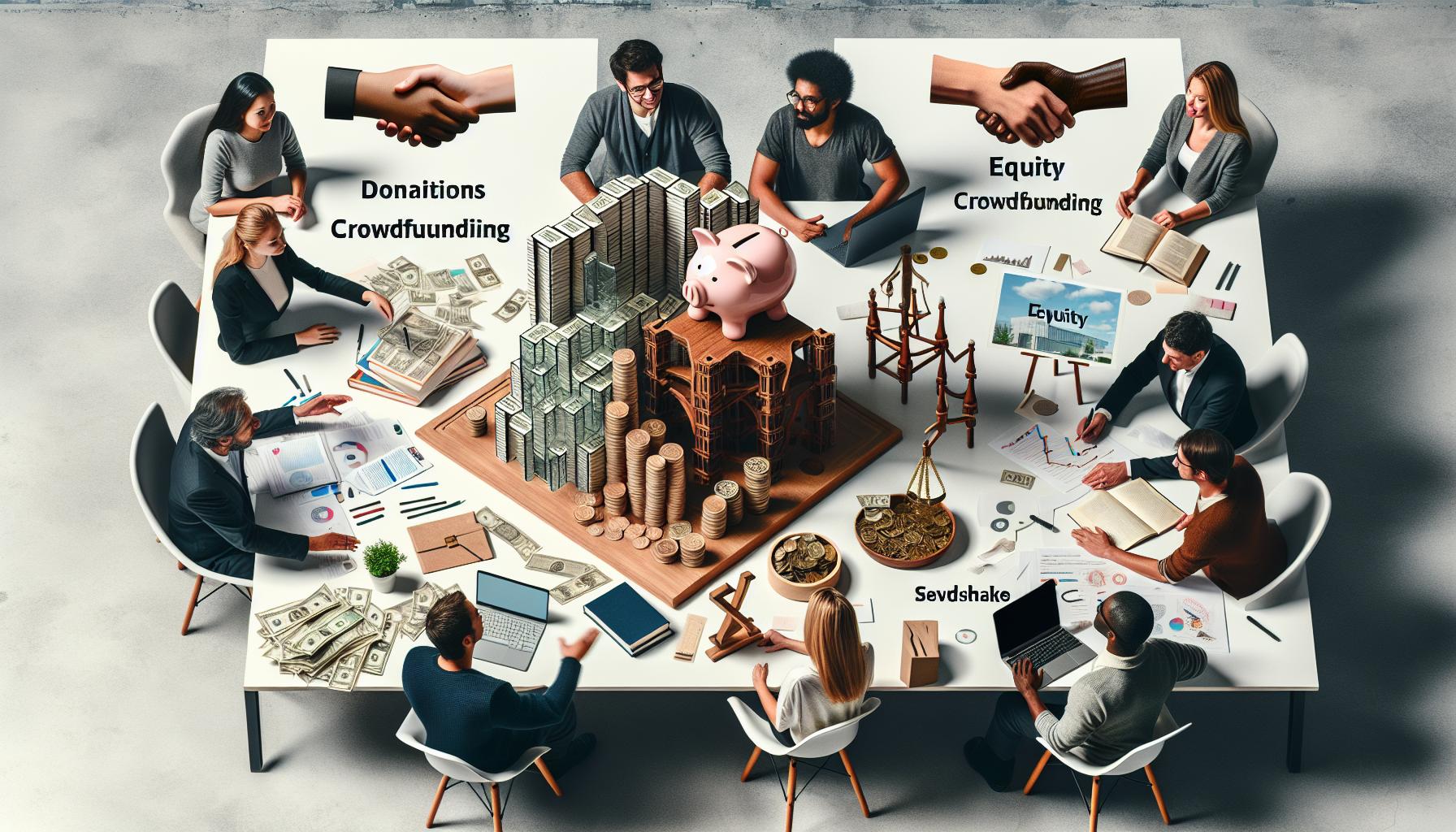
Types of Crowdfunding Platforms: Classification Explained
Crowdfunding has taken the fundraising landscape by storm, providing innovative solutions for individuals and organizations seeking financial backing. Understanding the types of crowdfunding platforms available allows potential fundraisers to choose the right approach for their needs. In general, crowdfunding platforms can be categorized into four main types: donation-based, reward-based, equity-based, and debt-based crowdfunding.
Donation-Based Crowdfunding
This model is epitomized by platforms like GoFundMe, where contributors give funds to support personal, charitable, or community-driven projects without expecting any financial return. Campaigns typically focus on emotional narratives that convey the urgency and significance of the cause-such as medical expenses, disaster relief, or community projects. The ease with which one can create a campaign, combined with the powerful motivation of altruism, makes donation-based platforms incredibly popular among individuals seeking to share their stories and gather support.
Reward-Based Crowdfunding
Conversely, reward-based platforms like Kickstarter or Indiegogo cater to creators and entrepreneurs looking to fund projects in exchange for tangible rewards. Backers may receive a product, exclusive experiences, or other incentives depending on their contribution level. This model is especially beneficial for startups, as it allows them to gauge interest and secure funding without giving away equity. Businesses can use these platforms not only to raise funds but also to build a community of supporters who are invested in the project’s success.
Equity-Based Crowdfunding
This type shifts the focus from donations to investment, allowing individuals to invest in early-stage companies in exchange for equity stakes. Platforms like SeedInvest or Crowdcube facilitate investments in startups, democratizing access to investment opportunities previously reserved for wealthy individuals or venture capitalists. Equity crowdfunding enables startups to capitalize on a larger pool of investors while giving backers a chance to earn returns as the company grows. This model encourages a sense of partnership between entrepreneurs and investors.
Debt-Based Crowdfunding
Finally, debt-based crowdfunding, often referred to as peer-to-peer lending, enables individuals or businesses to borrow money from multiple lenders. Platforms like Prosper and LendingClub allow borrowers to secure loans at potentially lower interest rates than traditional financial institutions. This method helps funders earn interest on their contributions while providing borrowers with accessible capital for personal expenses or business needs. This option can be beneficial for those who may struggle to secure conventional loans due to credit history or other factors.
Understanding these distinctions empowers individuals and organizations to navigate the crowdfunding landscape effectively. By selecting the appropriate platform, fundraisers can significantly increase their chances of success and connect more meaningfully with potential supporters. As the world continues to evolve, the landscape of crowdfunding grows more both complex and rich, offering myriad opportunities for innovative funding solutions.
GoFundMe vs. Other Crowdfunding Platforms: Key Differences
GoFundMe stands out in the crowdfunding landscape as a platform solely dedicated to donation-based fundraising. Unlike other platforms that offer rewards, equity, or loans in exchange for backing a project, GoFundMe allows users to raise funds for personal causes, charitable endeavors, and community projects without the expectation of financial returns. This model hinges on emotional storytelling, making it particularly suited for campaigns addressing urgent needs like medical expenses or disaster recovery. A striking feature of GoFundMe is its simplicity: fundraisers can set up a campaign in mere minutes and immediately share their story with a wide audience, fostering a rapid connection and engagement with potential donors.
One of the most significant differentiators is the absence of platform fees for organizers, a feature not commonly found in other crowdfunding models. While some platforms, such as Kickstarter or Indiegogo, retain a percentage of the funds raised as part of their business model, GoFundMe allows fundraisers to dedicate a more considerable portion of the contributions directly to their cause. This approach not only encourages more users to start campaigns but also reinforces the altruistic nature of donation-based crowdfunding. Furthermore, GoFundMe’s flexibility regarding withdrawal options enables fundraisers to access funds quickly as needed, a crucial aspect for those raising money for emergencies.
When comparing GoFundMe to other crowdfunding platforms, it is essential to consider user demographics and campaign types. While platforms like Kickstarter attract entrepreneurs looking to launch innovative products, GoFundMe appeals primarily to individuals seeking support for personal or social issues. The narrative-driven nature of campaigns on GoFundMe fosters a deep sense of community, as friends, family, and even strangers rally around the fundraiser, often sharing personal connections to the cause. In contrast, the reward-based platforms typically emphasize transactional relationships, where backers expect something tangible in return for their contributions.
The success of GoFundMe can also be attributed to its robust community engagement and social media integration. Users are encouraged to share their campaigns on various social networks, amplifying reach and visibility. This viral potential creates a feedback loop where emotional stories resonate deeply, motivating others to contribute. Additionally, GoFundMe’s support resources, including best practices for storytelling and promotional strategies, empower users to maximize their campaigns’ impact, setting it apart from alternatives that may not provide such extensive guidance.
In summary, GoFundMe’s unique focus on donation-based crowdfunding, coupled with its user-friendly setup, zero fees for organizers, and strong community ties, positions it as a distinctive and powerful option for individuals looking to fundraise for personal causes or charitable needs.
User Experience on GoFundMe: Features and Benefits
The ease of use and supportive features provided by GoFundMe make it a standout choice for those looking to raise funds through crowdfunding. With just a few simple steps, users can create a campaign that highlights their story, compellingly presenting their cause to a broad audience. This straightforward setup is not just about convenience; it allows fundraisers to quickly mobilize support in times of personal or community crises. The platform’s emphasis on emotional narratives resonates deeply with potential donors, converting sympathy into action.
Features that Enhance User Experience
GoFundMe offers several key features that enhance the user experience, setting it apart from other crowdfunding platforms:
- No Platform Fees: Unlike many competitors, GoFundMe does not charge fees to its organizers, allowing fundraisers to keep more of the donations they collect. This policy encourages participation, especially for those in need of urgent support.
- Flexible Withdrawal Options: Organizers can access their funds directly to handle pressing expenses, providing peace of mind during challenging situations.
- Social Media Integration: Users can easily share their campaigns across various social networks, significantly increasing visibility and encouraging community engagement.
- Guidance and Resources: GoFundMe offers best-practice tips for storytelling and sharing, empowering fundraisers to craft compelling narratives that attract donors.
Real-World Impact
Consider the story of a family raising funds for a major medical expense; they set up their GoFundMe campaign and receive immediate support from friends and family. As they share their journey on social media, more people become aware and contribute, creating a ripple effect that extends well beyond their immediate connections. This kind of community support exemplifies how GoFundMe fosters deeper relationships among users, connecting them through shared human experiences.
The platform does not only facilitate fundraising; it cultivates a caring and supportive environment where individuals can come together to help each other in times of need. By streamlining the process and enhancing the experience for users, GoFundMe reinforces the principles of compassion and community, essential elements of effective crowdfunding.
Successful Campaigns on GoFundMe: Case Studies and Insights
Among the many crowdfunding platforms, GoFundMe stands out not only for its accessibility but also for the inspirational stories of individuals and communities coming together to support one another. The success of various campaigns on this platform illustrates the profound impact that crowdfunding can have on real-life challenges. These successful ventures often share common strategies and emotional narratives that resonate deeply with potential donors, influencing their willingness to contribute.
Consider the campaign launched by a young girl in need of a life-saving medical procedure. Her family created a GoFundMe page, tapping into the power of their local community. By sharing heartwarming updates and personal stories about her journey, they were able to connect with a wide audience. This campaign went viral not only among friends and family but also extended to a broader network, ultimately raising over $100,000. The family’s transparency and emotional engagement transformed empathy into action, showcasing how personal stories can galvanize community support.
Another notable example is a community-driven fundraising effort to support local businesses impacted by a natural disaster. Organizers pooled resources and created a GoFundMe campaign to stabilize affected livelihoods. By emphasizing community spirit, collective action, and tangible benefits for contributors-like gift cards or service offerings-the campaign attracted not only local donations but also support from those afar, leading to a successful recovery fund that exceeded initial goals.
These case studies reflect the key insights that aspiring fundraisers can adopt to improve their own crowdfunding campaigns. They should focus on crafting a compelling narrative, maintaining transparency with supporters, and actively engaging through regular updates. Additionally, integrating social media can amplify outreach, allowing stories to reach a wider audience. As GoFundMe continues to evolve in the realm of crowdfunding, these examples serve as beacons of hope and strategies for anyone looking to harness the power of community support effectively.
The Role of Community in GoFundMe Fundraising
In the heart of every successful GoFundMe campaign lies a vibrant community, acting as both a support system and a catalyst for fundraising success. The platform’s design hinges on the idea that collective action can make a significant difference in individuals’ lives. Community involvement is not just beneficial; it’s often essential for reaching and exceeding fundraising goals. By leveraging shared connections, stories, and compassion, fundraisers can convert their immediate social circles into expansive networks of support.
To harness the power of community effectively, campaign organizers should focus on crafting compelling narratives that resonate on a personal level. When a campaign tells a relatable and heartfelt story-like a local family’s battle with a medical crisis or a community rallying after a disaster-it generates emotional investment from potential donors. Regular updates that showcase journey milestones or express gratitude can further strengthen these bonds, making donors feel involved in the cause. This transparency not only builds trust but also keeps supporters engaged, turning them into advocates who share the campaign within their own networks.
Moreover, community fundraising benefits from strategic outreach. Social media platforms are invaluable tools for amplifying a campaign’s reach. By encouraging supporters to share the campaign on their profiles, fundraisers can tap into broader audiences that they might not have access to otherwise. Organizing local events or gatherings can also foster deeper connections and encourage face-to-face engagement, enriching the communal spirit. These efforts can transform a single campaign into a community movement, galvanizing individuals and inspiring collaborative contributions for a collective goal.
Ultimately, the strength of community in GoFundMe fundraising underscores the reality that people are more likely to give when they feel a personal connection to a cause. Whether it’s through shared experiences, emotional narratives, or grassroots initiatives, fostering a sense of community helps transcend mere transactions, turning donations into meaningful support that resonates beyond financial contributions.
Regulatory Considerations for Crowdfunding Platforms
Navigating the landscape of crowdfunding can feel daunting, particularly when considering the various regulations that govern these platforms. Given the rise of crowdfunding services like GoFundMe, understanding the regulatory framework is essential for both fundraisers and donors. In many jurisdictions, crowdfunding activities are subject to applicable laws that aim to protect both the contributors and the creators of campaigns, ensuring transparency, accountability, and ethical fundraising practices.
One of the primary regulatory considerations involves the classification of the funds being raised. Crowdfunding platforms often fall into categories such as donation-based, rewards-based, equity-based, and debt-based crowdfunding. Each type has distinct regulatory implications. For instance, donation-based models, like those on GoFundMe, generally face fewer regulations compared to equity-based platforms, which need to comply with securities regulations. In the U.S., for example, the Securities and Exchange Commission (SEC) regulates offerings of equity to protect investors. Thus, platform operators must be vigilant about which type of crowdfunding model they offer and adhere to relevant regulations to avoid penalties.
In addition to federal regulations, state laws can also significantly impact crowdfunding activities. States have unique rules regarding fundraising limits, tax implications, and registration requirements. For individuals and organizations looking to run a campaign, it is crucial to be aware of the legal environment in their specific state. This may involve checking whether they need to register their fundraising efforts or comply with specific financial disclosures. Failure to comply with these regulations could lead to legal challenges or the forced return of funds raised.
Furthermore, as technology evolves, regulators are increasingly focused on consumer protection in the digital fundraising space. This includes the need for robust data protection policies to safeguard personal information collected during the fundraising process. Fundraisers must implement best practices for data security and consider implementing measures like secure payment processing and transparent privacy policies. Not only do these actions ensure compliance with regulatory requirements, but they also foster trust among potential donors-an invaluable asset for any fundraising campaign.
In conclusion, understanding and complying with the regulatory landscape of crowdfunding platforms like GoFundMe is vital for anyone involved in fundraising. By ensuring that campaigns adhere to both federal and state regulations while prioritizing donor protection and privacy, fundraisers can create a trustworthy, effective fundraising experience.
Analyzing GoFundMe’s Impact on Charity and Fundraising
The rise of digital fundraising platforms has revolutionized the way charities and individuals raise money for causes they care about, and GoFundMe stands at the forefront of this transformation. Launched with the goal of democratizing fundraising, GoFundMe has empowered countless individuals to leverage the power of their personal networks and social media to raise funds efficiently. By allowing anyone with a compelling story to set up a campaign, GoFundMe has opened doors that may have previously been shut due to traditional fundraising barriers.
Organizations and individuals alike have harnessed GoFundMe’s platform for various charitable efforts ranging from medical expenses to disaster relief, education funds, and community support initiatives. For example, during the COVID-19 pandemic, thousands of users created campaigns to support frontline workers and those affected by the crisis, showcasing the platform’s ability to foster community support in urgent times. This flexibility not only drives fundraising efforts but also builds a sense of solidarity and shared purpose among contributors, highlighting GoFundMe’s role in amplifying community voices and efforts.
In analyzing GoFundMe’s impact on charity, it’s essential to recognize both its strengths and potential challenges. On one hand, the platform democratizes fundraising by eliminating strict entry barriers, allowing people without extensive networks or resources to gain visibility for their causes. However, this openness can also lead to oversaturation, where worthy causes might struggle to stand out amid a plethora of campaigns. To navigate this landscape, successful fundraisers often utilize storytelling techniques-sharing personal narratives that resonate with potential donors on an emotional level. Practical strategies such as updating supporters with progress reports, commonly seen in successful campaigns, can enhance engagement and donor loyalty.
Moreover, the financial implications of GoFundMe extend into socio-economic realms. The movement of smaller economic units through grassroots campaigns can stimulate local economies and directly impact community resilience. Donors frequently appreciate the transparency associated with these platforms, where they can see exactly how their contributions are being utilized. While GoFundMe charges fees, which can be considered a drawback, empowering individuals and non-profits to connect directly with supporters often outweighs these costs, ensuring funds reach those in need efficiently.
In essence, GoFundMe’s role in reshaping the charity landscape speaks to a broader trend of empowerment through technology. As digital fundraising continues to evolve, understanding these dynamics will be essential for anyone looking to leverage crowdfunding effectively.
Common Misconceptions About Crowdfunding
Despite the growing popularity of crowdfunding, several misconceptions can hinder people’s understanding and participation in this innovative fundraising model. One of the most common myths is that crowdfunding is only effective for creative projects or startups. In reality, platforms like GoFundMe have successfully raised funds for a diverse range of causes, from medical bills and personal emergencies to educational expenses and community initiatives. This adaptability underscores that crowdfunding can serve anyone in need, not just entrepreneurs.
Another prevalent misunderstanding is the belief that financial success in crowdfunding is guaranteed simply by launching a campaign. Many assume that the act of creating a campaign will automatically attract donations. However, successful fundraising requires strategic planning, compelling narratives, and ongoing engagement with potential donors. Campaign creators often need to employ various marketing techniques, such as social media outreach and regular updates, to build momentum and trust within their networks. This proactive approach is essential to counteract the saturation of worthy causes that can make it difficult for individual campaigns to gain visibility.
Furthermore, some people think that crowdfunding is synonymous with charity, neglecting the fact that it can also encompass investment-based models, such as equity crowdfunding. While platforms like GoFundMe typically focus on donations, others allow contributors to invest in businesses and earn returns, appealing to different motivations and goals. Understanding these distinctions helps clarify the broader landscape of crowdfunding, facilitating more informed decisions among potential fundraisers and donors alike.
It’s also crucial to address the misconception that crowdfunding is entirely free. While many platforms do not charge upfront fees, they typically take a percentage of the funds raised. This financial aspect can be a deterrent for some, yet it is important to recognize that many platforms offer valuable tools, resources, and community support that can significantly enhance fundraising efforts. Evaluating the total cost versus the potential benefits of using such platforms can lead to a more balanced view of the crowdfunding ecosystem.
Future Trends in Crowdfunding: What to Expect
The landscape of crowdfunding is poised for significant evolution, driven by technological advancements, shifting social dynamics, and an increasing focus on community engagement. As crowdfunding continues to mature, platforms like GoFundMe will play a pivotal role in shaping future fundraising practices and other platforms will likely diversify their offerings to meet emerging needs.
Emerging technologies, particularly in mobile and blockchain, will likely revolutionize how people engage in crowdfunding. Mobile accessibility is expected to become even more crucial, enabling users to launch and support campaigns on-the-go. This accessibility empowers diverse demographics to participate in fundraising efforts, ensuring that campaigns reach wider audiences. Meanwhile, blockchain technology may enhance transparency in transactions on crowdfunding platforms, allowing donors to track where their funds are allocated. This transparency can foster trust and increase contributions, especially for causes that may have previously faced skepticism.
Another trend to watch is the integration of social media into crowdfunding efforts. Campaigns that harness the power of platforms like Instagram, TikTok, and Facebook can tap into existing social networks to drive donations more effectively. By leveraging influencers and user-generated content, these campaigns can create viral momentum, drastically increasing visibility and support. Engaging storytelling-using visuals and relatable narratives-will remain paramount in appealing to potential donors.
The Growing Importance of Community Engagement
As the crowdfunding ecosystem evolves, community involvement is becoming increasingly vital. Successful campaigns often emerge from grassroots efforts where local supporters feel personally connected to the causes. To cultivate a sense of community, campaign creators should focus on building relationships and open lines of communication with supporters. Regular updates, acknowledgment of contributions, and the sharing of success stories can enhance this connection.
Moreover, the trend towards cause marketing is gaining traction, where businesses partner with crowdfunding initiatives to engage their customer base in philanthropic efforts. This not only provides additional funding but also aligns brands with social causes, appealing to consumers’ growing desire to support companies that prioritize corporate social responsibility.
In conclusion, as crowdfunding platforms adapt to new technologies and increasingly prioritize community engagement, the opportunities for fundraising will expand, making it easier for individuals and organizations to mobilize support. By embracing these trends, campaign creators can strategically position themselves for success, maximizing their impact and reaching their goals in a dynamic fundraising landscape.
Tips for Running a Successful GoFundMe Campaign
To effectively harness the power of GoFundMe for fundraising, it’s crucial to understand not only how to create your campaign but also how to engage potential donors meaningfully. A well-structured approach can significantly increase your chances of success. Start with a compelling story-share your unique experience or the motivation behind your campaign. Research shows that emotional narratives resonate more with donors, making your plea more relatable and impactful.
Engagement Strategies
- Create a Strong Title and Captivating Image: The first impression matters. Use an eye-catching title that clearly conveys your cause, paired with a high-quality image that showcases the need or your mission. This will draw in potential donors immediately.
- Set a Realistic Goal: Fundraising goals should be specific and achievable. If people perceive your target as reasonable, they are more likely to donate. Explain what the funds will specifically be used for to provide transparency.
- Utilize Social Media: Promote your GoFundMe campaign through social media platforms. Share updates, behind-the-scenes insights, and thank you acknowledgments to keep supporters engaged. Posts that include visuals and stories tend to attract more attention.
- Regular Updates: Keep your donors informed about the progress of your campaign and how their contributions are making a difference. This builds community and encourages ongoing support.
Setting the right tone and demonstrating genuine gratitude can have a significant impact on your fundraising efforts. A study revealed that campaigns expressing thanks tend to perform better. Not only does this show that you value the contributions of others, but expressing gratitude often encourages further donations as supporters feel appreciated.
Another effective strategy is leveraging your personal networks. Share your campaign with friends and family first; their support can provide the initial push that attracts more donors. Word-of-mouth can work wonders, especially if those supporters share your campaign on their social platforms.
In summary, combining an emotional appeal with strategic engagement practices can elevate your GoFundMe campaign. By creating a compelling narrative, setting achievable goals, and actively communicating with your supporters, you can maximize your chances of reaching-and surpassing-your fundraising objectives.
Faq
Q: What type of crowdfunding is GoFundMe considered?
A: GoFundMe is considered a donation-based crowdfunding platform. It enables individuals and organizations to raise money for personal causes, such as medical expenses or educational projects, without the need to repay contributors. This distinguishes it from equity or lending crowdfunding models.
Q: How does GoFundMe differ from traditional fundraising methods?
A: GoFundMe simplifies the fundraising process by providing a digital platform for individuals to share their stories and reach a wider audience. Unlike traditional methods, which often rely on in-person events or donations, GoFundMe allows online sharing, making it easier to gather support from anywhere in the world.
Q: What types of campaigns are most successful on GoFundMe?
A: Campaigns that evoke empathy and a personal connection tend to be most successful on GoFundMe. Common successful campaign types include medical emergencies, education expenses, memorials, and community projects. Sharing compelling stories can significantly enhance fundraising efforts.
Q: Is GoFundMe a reliable platform for crowdfunding?
A: Yes, GoFundMe is considered a reliable platform due to its user-friendly interface and strong community support. It has a solid track record, having helped millions raise funds for various causes. However, users should verify the legitimacy of campaigns to ensure they are contributing to worthy causes.
Q: What fees does GoFundMe charge for fundraising?
A: GoFundMe does not charge a platform fee for personal fundraising campaigns, allowing users to retain most of the funds raised. However, standard payment processing fees will apply, which are typically around 2.9% plus $0.30 per donation. This fee structure is transparent and supports the operational costs of the platform.
Q: Can businesses use GoFundMe for fundraising?
A: GoFundMe is primarily designed for personal causes and charitable fundraising rather than business purposes. However, small businesses can use it for community support projects or charity-related endeavors, provided they clearly outline their intentions and comply with platform guidelines.
Q: How can I ensure my GoFundMe campaign is successful?
A: To improve the success of your GoFundMe campaign, create a compelling narrative that connects emotionally with potential donors. Utilize high-quality images and videos, regularly update supporters, and actively share your campaign on social media platforms to maximize visibility and engagement.
Q: What distinguishes GoFundMe from other crowdfunding platforms?
A: GoFundMe is distinct in its focus on personal causes and humanitarian efforts, whereas other platforms may emphasize business ventures or equity investments. Additionally, GoFundMe offers a straightforward setup process and fosters direct donor support without requiring repayment, making it accessible for everyone.
To Conclude
In conclusion, understanding how GoFundMe fits into the crowdfunding landscape is vital for anyone looking to raise funds, whether for personal needs, charitable causes, or community projects. This platform not only provides an accessible avenue to achieve your financial goals but also builds a community of support through shared stories and causes. Striking while the iron is hot, now is the perfect time to start your GoFundMe campaign and tap into this powerful tool by visiting our detailed guide on starting a fundraiser.
Have more questions about crowdfunding or want to learn about similar platforms? Check out our articles on best crowdfunding practices and navigating online fundraising options. Don’t let uncertainties hold you back; explore these resources and empower yourself to make a positive impact today! Share your thoughts in the comments below or let us know how we can help you further in your fundraising journey. Your story matters, and we’re here to support you every step of the way!