
Did you know that littering not only affects the beauty of our surroundings but also contributes to climate change? While tossing a wrapper may seem harmless, improper waste disposal has far-reaching consequences, including pollution and ecosystem degradation. This article delves into the relationship between littering and climate change, exploring how seemingly small behaviors can lead to larger environmental challenges. Understanding this connection is vital for fostering responsible actions that protect our planet and ensure a sustainable future. Join us as we uncover the impact of littering and how each of us can make a difference in combating climate change.
Impact of Littering on the Environment
Littering is not just an eyesore; it has far-reaching consequences that extend deep into our ecosystems and the global climate. Every piece of waste that we carelessly discard contributes to a cascade of environmental issues. For instance, litter like plastic can persist in nature for hundreds of years, breaking down into microplastics that contaminate soil and waterways. This plastic pollution has dire implications for terrestrial and marine life and ultimately disrupts ecological balance, affecting biodiversity and threatening various species with extinction.
When we consider the connection between littering and climate change, it’s crucial to understand how our waste contributes to greenhouse gas emissions. Litter commonly ends up in landfills, where organic materials decompose anaerobically, releasing methane-a greenhouse gas far more effective at trapping heat in the atmosphere than carbon dioxide. As we continue to produce and carelessly discard waste, the volume of these emissions rises, exacerbating global warming concerns. People often underestimate the impact of small, seemingly harmless items, such as plastic bags and food wrappers, which together create a significant cumulative effect on our climate.
Moreover, the process of manufacturing, transporting, and disposing of the waste we create adds layers of greenhouse gas emissions. This includes everything from the carbon footprint of producing new products to the emissions from vehicles transporting waste to landfills or recycling centers. Real-world actions, such as reducing our reliance on single-use plastics and engaging in community clean-up efforts, can serve as powerful strategies in mitigating environmental damage. They not only help to keep our surroundings clean but also reduce the overall carbon footprint associated with waste management. By fostering a culture of responsibility in waste disposal, we can collectively turn the tide against litter-related climate impacts.
In conclusion, addressing littering requires not just a focus on cleaning our streets but also a broader understanding of how waste management intersects with climate health. Engaging in proactive community initiatives-like organizing clean-up days, promoting recycling, or advocating for stricter littering regulations-can significantly alter the landscape of our environment. With aware and informed actions, we can contribute to a sustainable future, ultimately benefiting both our ecosystems and our climate.
How Litter Contributes to Climate Change
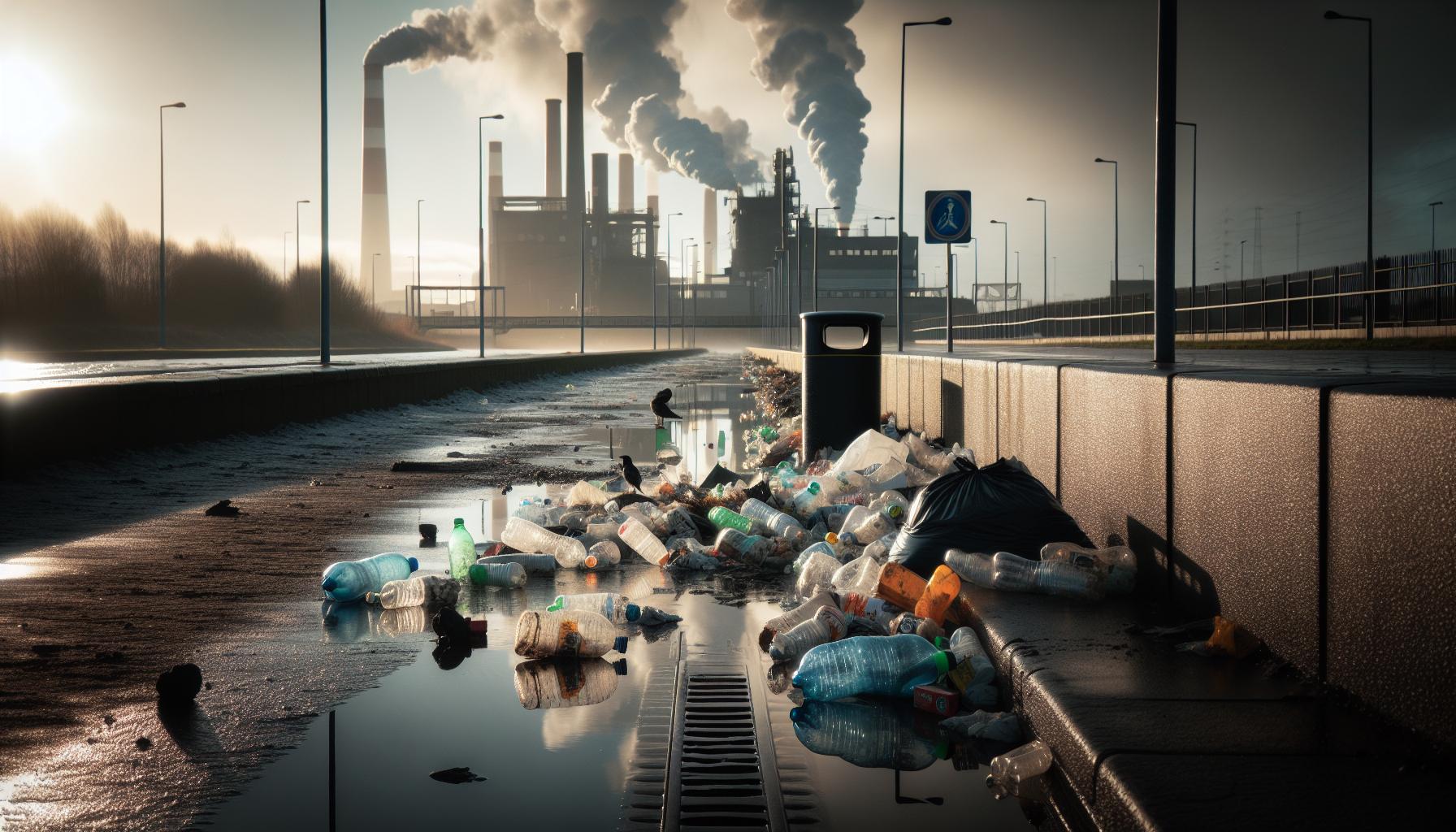
Littering is often viewed as a local nuisance, but its environmental impact stretches far beyond immediate surroundings, contributing significantly to climate change. One startling fact is that the decomposition of litter-especially organic material-occurs in ways that generate harmful greenhouse gases. When organic waste such as food scraps ends up in landfills, it breaks down anaerobically (in the absence of oxygen), producing methane, a greenhouse gas that is over 25 times more potent than carbon dioxide over a 100-year period. This means that every discarded sandwich or banana peel is not just waste; it’s a contributor to global warming.
In addition to methane emissions from landfills, the lifecycle of litter itself creates extra greenhouse gases. From the production and distribution of goods to the disposal processes, littering indirectly increases carbon footprints at every stage. For example, manufacturing plastic involves fossil fuel combustion, which releases CO2. Moreover, transporting waste to landfills or recycling centers utilizes energy and fuels that further emit greenhouse gases. To put it simply, every convenience product like plastic bags or single-use containers adds to a growing problem that compounds climate change.
Ways to Mitigate the Impact of Littering
To combat the climate implications of littering, individuals can adopt practical strategies that not only reduce waste but also promote a healthier environment:
- Reduce Single-Use Plastics: Opt for reusable alternatives such as metal straws, cloth bags, and glass containers.
- Engage in Community Clean-ups: Participating in or organizing community events not only cleans local areas but fosters awareness about litter’s impact on climate.
- Advocate for Better Waste Management Policies: Lobbying for local regulations that focus on reducing litter and improving recycling programs can significantly help.
- Educate Others: Sharing knowledge about the connection between littering and climate change can inspire wider community involvement.
Taking these steps contributes to a culture of responsibility and environmental stewardship, ultimately aiding in the fight against climate change. Every small action can accumulate into significant change, underscoring the importance of responsible waste disposal in preserving our planet for future generations.
Connection Between Plastic Waste and Global Warming
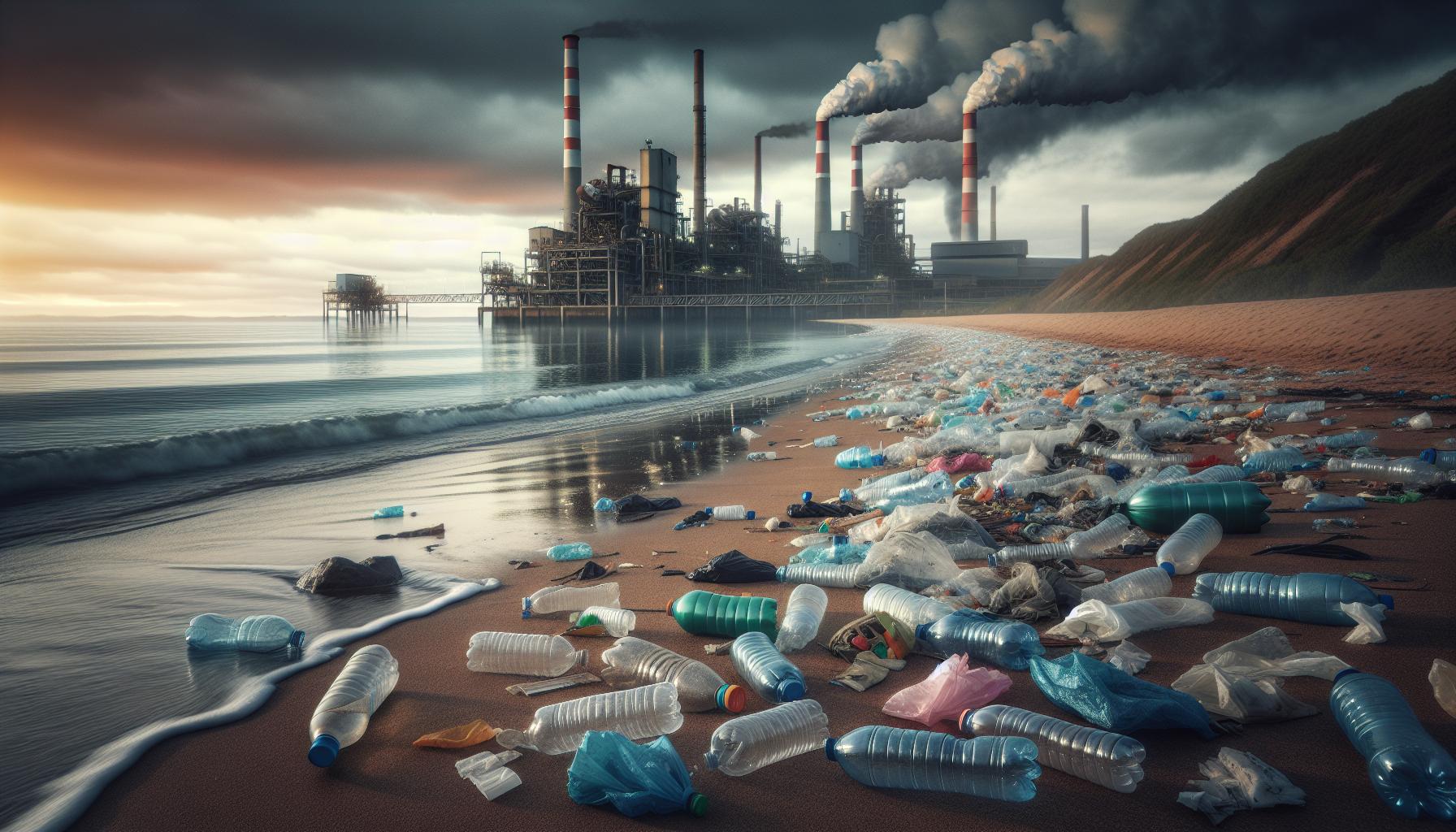
The staggering amount of plastic waste generated globally has reached crisis levels, significantly impacting our environment and contributing to global warming. Each year, millions of tons of plastic end up in landfills and oceans, breaking down into harmful microplastics and releasing potent greenhouse gases throughout their life cycle. A recent study estimates that plastic production, use, and disposal could account for over 1.3 billion metric tons of greenhouse gas emissions by 2030, nearly equal to the emissions of more than 295 new 500-megawatt coal-fired power plants, if current trends continue.
The extends beyond its disposal. The production of plastic itself, primarily derived from fossil fuels, emits a significant amount of carbon dioxide and other greenhouse gases. For instance, creating just one kilogram of polyethylene, the most common plastic, can release around 2.5 kilograms of carbon dioxide. Moreover, once plastic products are discarded, their decomposition emits methane-a greenhouse gas that is up to 84 times more potent than carbon dioxide in the short term-especially in landfill environments where oxygen is scarce.
To combat this issue, we can take several proactive approaches to minimize plastic waste and its associated emissions. One effective strategy is to shift towards a circular economy by supporting products designed for longevity and recycling. Engaging in grassroots initiatives like community clean-up days can not only physically remove plastics from the environment but also foster a culture of awareness and responsibility for waste management. Additionally, advocating for local policies that encourage sustainable practices, such as bans on single-use plastics and incentives for recycling, can create long-term changes that reduce our plastic footprint.
In the fight against plastic pollution and climate change, education plays a critical role. By sharing information about the environmental impacts of plastic production and waste with friends and community members, we can inspire collective action and empower individuals to make informed choices. Small steps-like opting for reusable containers, shopping from zero-waste stores, or supporting legislation aimed at reducing plastic use-can lead to considerable shifts in both consumer behavior and environmental health. Adopting these habits not only helps curb climate change but also contributes to a healthier planet for generations to come.
The Role of Landfills in Greenhouse Gas Emissions
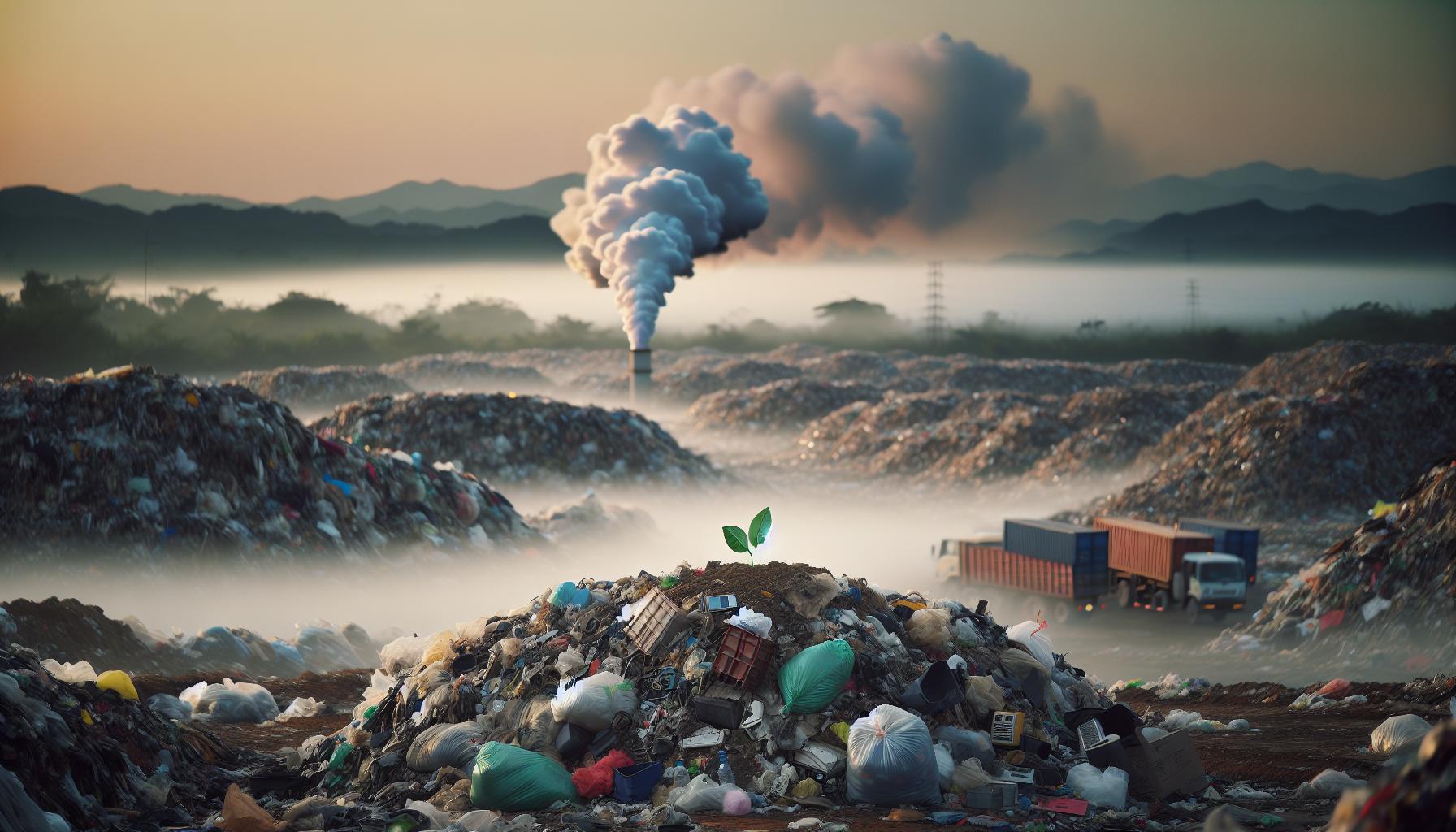
Landfills are often seen as a necessary part of waste management, but they come with significant environmental costs, particularly when it comes to greenhouse gas emissions. A staggering percentage of the waste we generate ends up in these repositories, where it decomposes over time. However, the anaerobic conditions found in many landfills lead to the production of methane, a gas that is over 25 times more potent than carbon dioxide in terms of its global warming potential over a century. With landfills being one of the largest sources of methane emissions, understanding their role is crucial in the fight against climate change.
Waste decomposition in landfills varies based on the materials present. Organic matter, when it breaks down, creates methane alongside carbon dioxide. This is particularly concerning given the rising quantities of organic waste, including food scraps, which contribute significantly to landfill mass. In fact, according to the Environmental Protection Agency (EPA), landfills accounted for about 14.7% of all methane emissions in the United States in 2019. Beyond methane, poorly managed landfills can also release other harmful pollutants, compounding their negative effects on both climate and human health.
One promising solution involves improving landfill management practices. Capture and utilize the methane produced can help mitigate these emissions. This approach not only reduces greenhouse gases but also allows for the recovered methane to be used as a renewable energy source, thus converting waste into a resource. Furthermore, enhancing waste segregation at the source-ensuring that organic waste is composted rather than disposed of in landfills-could significantly decrease the volume of methane produced.
Communities can take specific actions to lessen landfill contributions to climate change. Establishing composting programs, increasing recycling rates, and promoting waste-to-energy technologies are practical steps that local governments and residents can adopt. By fostering a more sustainable waste management system, we can collectively lessen our reliance on landfills and diminish their impact on greenhouse gas emissions, ultimately helping to combat climate change more effectively.
Microplastics and Their Effects on Climate
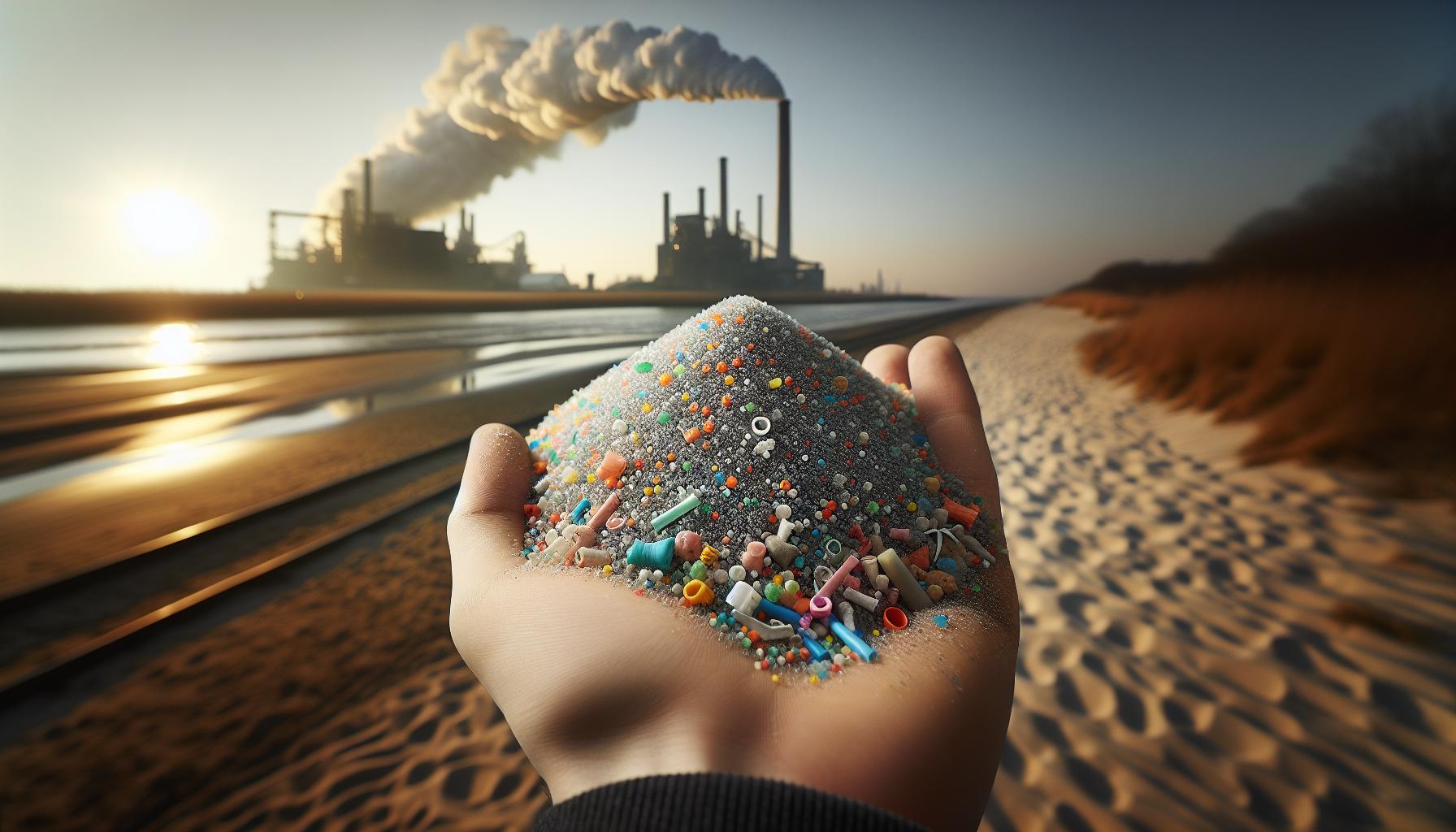
Microplastics, tiny plastic particles less than five millimeters in size, have infiltrated every corner of our planet, from the deepest oceans to the highest mountains. A staggering estimate suggests that over 4.8 million metric tons of plastic waste enter our oceans each year, breaking down into microplastics that disrupt ecosystems and pose significant risks to wildlife and human health. But their impact doesn’t stop there; microplastics also have critical implications for climate change that are often overlooked.
When microplastics are released into the environment, they affect carbon cycling and sequestering in complex and often harmful ways. One of the primary pathways is through oceanic absorption. The oceans store about 30% of atmospheric carbon dioxide, and microplastics can interfere with the natural processes of carbon sequestration. As marine organisms ingest these particles, the effectiveness of their biological carbon pumps diminishes, reducing the oceans’ capacity to absorb CO2 and exacerbating the greenhouse gas effect. Studies have shown that when microplastics settle on ocean floors, they can harm the microorganisms responsible for carbon cycling, leading to a potential increase in atmospheric CO2 levels.
Moreover, the production and disposal of plastics contribute significantly to greenhouse gas emissions. The petroleum extraction, refining, and manufacturing processes required to create plastic products release vast amounts of carbon dioxide and other pollutants into the atmosphere. Additionally, as plastics break down into microplastics and ultimately accumulate in landfills or oceans, they can release hazardous chemicals, including greenhouse gases like methane and ethylene, which further contribute to global warming. A research study highlighted that the cumulative emissions from plastic production could account for 1.3 gigatons of CO2 equivalent by 2030 if current trends continue.
The connection between microplastics and climate change holds a strong call to action. Here are some practical steps individuals and communities can adopt to tackle this pressing issue:
- Reduce plastic consumption: Commit to using reusable bags, bottles, and containers to minimize plastic waste.
- Support clean-up initiatives: Participate in local clean-up events to remove litter, preventing plastics from breaking down into microplastics.
- Advocate for policies: Encourage governmental policies that limit plastic production and promote recycling and alternatives.
- Educate others: Raise awareness about the effects of microplastics on climate change and the environment within your community.
By taking these steps, we can collectively combat the spread of microplastics and their detrimental impact on our climate, paving the way for a healthier planet. Addressing littering not just protects our natural surroundings but also plays a pivotal role in mitigating climate change, making every action towards reducing waste count.
Tackling Littering: Environmental Policies and Solutions
To combat littering effectively, robust environmental policies and grassroots solutions must align to address not only the immediate cleanliness of our communities but also the broader implications for climate change. In many regions, comprehensive legislation targeting littering and plastic waste is gaining traction. For example, single-use plastic bans paired with incentives for recycling programs significantly reduce overall waste entering landfills and oceans. Research shows that areas implementing such measures experience a marked decrease in litter, which directly benefits both local ecosystems and our climate.
Effective Regulations and Community Engagement
Local governments play a crucial role in enhancing litter management through effective regulations. Policies that impose fines for littering can deter careless disposal of waste. Additionally, community engagement initiatives-such as litter clean-up drives and educational campaigns-foster a culture of environmental stewardship. The Keep America Beautiful organization exemplifies this, mobilizing volunteers to clean up parks and shorelines while promoting the importance of responsible waste disposal. Such actions not only beautify communities but also reduce the risk of greenhouse gases being emitted from decaying litter.
Corporate Responsibility and Innovations
Corporate collaboration also offers innovative pathways to tackle littering. Companies can be urged to adopt circular economy principles, where products are designed for reuse, recycling, or composting. These practices not only minimize waste but also lessen the environmental impact of production. For instance, brands like Coca-Cola and Unilever are committing to sustainable packaging goals that include reducing plastic usage and increasing the recyclability of materials. Encouraging similar commitments across industries can significantly reduce the overall plastic footprint and its associated emissions.
Practical Community Initiatives
Implementing grassroot initiatives is vital for tangible impact. Communities can establish permanent recycling bins in high-traffic areas, alongside regular educational programs highlighting the connection between littering and climate change. Furthermore, engaging schools in environmental education campaigns helps instill lifelong values regarding waste management in young individuals. Here are some actionable steps communities can take:
- Organize Regular Clean-Up Events: Foster a spirit of teamwork and responsibility by scheduling monthly clean-up days at local parks and beaches.
- Develop Youth Programs: Create clubs that focus on environmental advocacy, teaching children the principles of sustainability and the impact of littering.
- Promote Local Recycling Efforts: Collaborate with local businesses to increase recycling options and educate the public on correct disposal methods.
By implementing effective policies, encouraging corporate responsibility, and initiating local community projects, we can create a culture where littering is actively discouraged. Each effort taken not only helps reduce the visible litter but also plays a critical role in mitigating the climate change impacts associated with waste disposal. Collectively, these strategies pave the way for cleaner environments and a healthier planet.
Community Initiatives to Reduce Litter Impact
Taking collective responsibility for littering can have a profound impact on our environment and climate. In cities and towns where community initiatives thrive, the reduction in litter is not just about cleaner streets; it’s about making significant strides against climate change. Research indicates that localized litter management can drastically lower greenhouse gas emissions resulting from waste decomposition and transportation, making proactive community engagement essential.
Engaging Community-Led Solutions
One effective strategy is to cultivate a culture of stewardship among residents. Communities can host regular clean-up events, inviting volunteers to participate in efforts to collect litter from parks, rivers, beaches, and streets. These events do not only yield immediate environmental benefits but also foster community spirit and environmental awareness. Studies show that when people actively participate in litter clean-up, they become more invested in keeping their communities clean, creating a virtuous cycle of responsibility and engagement.
Educational Campaigns and Youth Initiatives
Involving youth is another powerful avenue for change. Establishing programs in schools that focus on environmental education can instill lifelong values regarding sustainability and littering. By implementing youth advocacy clubs, children and teenagers can learn about the environmental impacts of litter while engaging in fun, hands-on projects. For example, students could create art installations from recycled materials or launch awareness campaigns that encourage their peers to reduce waste.
Partnerships with Local Businesses
Collaboration with local businesses can enhance recycling efforts and reduce litter. Communities can organize plastic-free challenges that encourage businesses to minimize single-use plastics and offer incentives for customers who participate. By promoting initiatives like this, not only do businesses benefit from improved community reputation, but they also contribute to reducing plastic waste-a key component of litter that deteriorates local environments.
Using Technology and Social Media
Utilizing technology and social media platforms can also mobilize communities toward impactful action. Creating apps or online platforms that allow residents to report litter hotspots can streamline clean-up efforts and engage community members in real-time. Furthermore, leveraging social media for awareness campaigns can draw attention to litter issues and invite broad participation. Hashtags and challenges can inspire collective action, helping to spread the message that littering is associated with climate change impacts.
By actively engaging in these community initiatives, residents not only address the visible signs of litter but also significantly contribute to mitigating the climate crisis. Each action, no matter how small, brings us one step closer to a cleaner, healthier environment. Ultimately, empowering communities through participation, education, and collaboration can catalyze a broader societal shift towards sustainability.
The Psychological Factors Behind Littering Behavior
Factors influencing littering behavior are often deeply rooted in psychology, reflecting a complex interplay of environmental cues, social norms, and individual attitudes. A fascinating study found that people are more likely to litter in environments that are already polluted. This phenomenon, known as the “broken windows theory,” suggests that a littered space creates a social cue that signals to others that littering is acceptable, thus perpetuating the cycle. Conversely, clean environments tend to encourage responsible disposal behaviors, illustrating how our surroundings shape our actions.
Understanding the motivations behind littering also involves examining psychological concepts such as “temporal discounting,” where individuals prioritize immediate convenience over long-term consequences. For instance, when someone discards a beverage container on the street instead of finding a bin, they may undervalue the environmental impact of their action. By making the negative effects of littering more tangible-such as highlighting its contribution to climate change-communities can instill a greater sense of responsibility. This approach has been shown to increase pro-social behaviors, encouraging people to consider the implications of their choices on the environment.
Inspiring positive change requires addressing these psychological barriers head-on. Community initiatives that foster a sense of ownership can be particularly effective. Programs like “adopt-a-spot,” where residents take responsibility for keeping specific areas clean, can shift mindsets from passive observation to active participation. These initiatives not only mitigate littering but also build community pride and connection to the local environment. Furthermore, educational campaigns that appeal to emotions and moral responsibility can amplify awareness about the link between littering and climate change, motivating individuals to reject littering in favor of sustainable practices.
Lastly, leveraging social proof can play a profound role in reducing littering behaviors. When individuals see their peers engaging in clean-up efforts or sharing their commitment to environmental stewardship on social media, they are more likely to mimic those behaviors. By creating visibility around community actions and encouraging public commitments to reduce littering, we can transform the narrative, showing that caring for our environment is not just an individual act but a shared community value. Each effort contributes to a larger movement toward sustainable living and highlights the crucial connection between our daily actions and the broader fight against climate change.
Comparative Analysis: Clean vs. Littered Environments
In environments where cleanliness prevails, communities often experience heightened well-being and security. Clean spaces tend to foster a sense of pride and responsibility among residents, encouraging them to maintain their surroundings and engage in pro-environmental behaviors. Conversely, littered environments not only detract from aesthetic appeal but also signal neglect, prompting further littering-a phenomenon dubbed the “broken windows theory.” This observable cycle illustrates how visible disorder can affect social norms and behaviors, making littered areas more susceptible to additional debris and waste.
Research has shown that littered environments can exacerbate stress levels among community members. A study found that individuals living in neighborhoods with significant litter and waste reported lower life satisfaction and feelings of safety compared to those in well-maintained areas. This emotional impact is crucial; when individuals perceive their environment as chaotic or disordered, it can lead to apathy toward caring for the community, resulting in a feedback loop that contributes to greater problems of littering and pollution.
The implications extend beyond emotional and social aspects; litter contributes to tangible environmental issues. For example, decomposing waste can release greenhouse gases such as methane, which are far more potent than carbon dioxide, directly affecting climate change outcomes. Moreover, marine litter poses severe threats to biodiversity and marine ecosystems, impacting both local economies dependent on clean environments and global climates due to the intricate links between ocean health and climate stability [[1]](https://www.onebeautifulplanet.org/action/litter-and-climate-change).
To counteract these challenges, communities can adopt proactive strategies. Initiatives like community clean-up days not only address the immediate problem of litter but also cultivate a communal sense of stewardship. Education campaigns can inform residents about the environmental impacts of their littering behavior, making them more conscious and fostering a culture of care. Activation of local pride through clean-up events can ultimately lead to lasting behavioral shifts that promote environmental health and tackle climate change, showcasing the power of clean versus littered environments in shaping community values and actions.
Real-Life Stories: Successful Litter Reduction Campaigns
One striking example of successful litter reduction can be found in the city of San Francisco, which has implemented an ambitious Zero Waste goal aiming to divert 100% of its waste from landfills by 2030. Central to this initiative is the city’s comprehensive public education campaign focusing on proper waste disposal and recycling. By utilizing clear signage and engaging local communities, San Francisco has seen a substantial reduction in littering. In 2019, the city reported a 15% decrease in illegal dumping, attributed to these educational efforts that emphasized the environmental impact of litter not only on local neighborhoods but also on global issues like climate change.
Another notable case is the “Keep Britain Tidy” campaign, which has brought together communities, businesses, and local governments under a united goal to reduce littering across the UK. This campaign has used high-profile events such as the “Great British Spring Clean,” encouraging volunteers to participate in clean-up activities. Such initiatives have proven to significantly enhance community spirit and participation-over 500,000 volunteers took part in 2021 alone, collecting millions of pieces of litter. The campaign also emphasizes the broader implications of littering, linking it to climate change by addressing how litter breaks down over time to release harmful greenhouse gases.
Engaging Local Communities
Engaging with local residents is another effective strategy to reduce litter. In Australia, the “Clean Up Australia Day” initiative has empowered communities to take ownership of their local environments. By involving schools, businesses, and local councils, this movement has raised awareness of the environmental repercussions of litter. For instance, in its latest clean-up event, participants collected over 15,000 tonnes of rubbish, strengthening community ties while showcasing the direct link between litter management and climate change impacts.
Such grassroots movements demonstrate the power of collective action in altering community behavior around waste. By fostering local pride and responsibility towards shared spaces, these initiatives not only lead to cleaner environments but also encourage sustainable practices that combat the larger issues tied to climate change. As evidenced by these campaigns, localized efforts can yield significant changes, creating a ripple effect that inspires responsible behavior towards litter and ultimately helps mitigate climate-related challenges.
Practical Steps to Combat Littering in Your Area
Implementing effective strategies to combat littering can significantly influence both local environments and the broader global challenge of climate change. Engaging actively in eliminating litter not only beautifies communities but also lessens greenhouse gas emissions associated with waste decomposition and the recycling process. By taking personal and collective responsibility, individuals can create a cleaner world and contribute to climate solutions.
Start by organizing community clean-up events. These gatherings leverage the power of teamwork to remove litter and instill a sense of pride in shared spaces. For instance, local groups can collaborate with schools, businesses, and organizations to host regular clean-up days. Beyond cleaning, these events can serve as educational platforms, emphasizing the environmental impact of litter on climate change. Incorporate interactive activities for participants, such as learning about proper recycling techniques or discussing the effects of litter on local wildlife and ecosystems.
Another powerful approach is to advocate for and support litter prevention campaigns. Many regions launch initiatives that promote the responsible disposal of waste, such as providing more trash bins in public areas or implementing stricter penalties for littering. Supporting local policies that encourage sustainable practices can create a ripple effect, influencing individuals to adopt more environmentally friendly behaviors. For example, cities like San Francisco, with its Zero Waste program, showcase the tangible benefits of proactive waste management through public education and clear disposal systems.
In addition, leveraging social media can be an effective tool for raising awareness and inspiring action. Share stories and pictures of litter-free areas to showcase the positive impact of collective effort. Platforms can be used to organize challenges, encouraging friends and family to participate in litter clean-ups, thus expanding the impact beyond just one community. Highlighting personal stories and community heroes who regularly engage in litter reduction can inspire others to follow suit and act with greater responsibility toward their environments.
By embracing these strategies-community clean-ups, supporting prevention campaigns, and utilizing social media-individuals and communities can take meaningful steps to combat littering. The collective action not only leads to a cleaner environment but also plays a vital role in mitigating climate change, showcasing how local efforts can contribute to global solutions.
Future Implications: What Happens if We Don’t Act
Ignoring the pervasive issue of littering has profound consequences that extend far beyond unsightly landscapes. If we fail to act decisively, the ramifications for the environment and climate could be devastating. For instance, the decomposition of litter, particularly organic waste, releases greenhouse gases such as methane, which is significantly more potent than carbon dioxide in terms of its heat-trapping ability. This could exacerbate global warming while further destabilizing our fragile ecosystems [[1](https://www.trashbutler.com/facts-about-littering/)].
The Ripple Effects of Inaction
Failure to tackle littering doesn’t just affect immediate surroundings; it paves the way for a cascade of negative effects on wildlife and human health. Marine litter, composed of plastics and other debris, severely impacts oceanic life. As marine animals ingest or become entangled in litter, food chains are disrupted, potentially leading to species extinction. This, in turn, affects fishing industries and local economies reliant on healthy ecosystems. The intertwined threats of marine litter and climate change might create a scenario where the damage is compounded, manifesting in severe weather patterns and declining biodiversity [[2](https://pubmed.ncbi.nlm.nih.gov/35525371/)].
Moreover, as litter accumulates in landfills, the production of greenhouse gases is further cause for concern. Landfills, already significant sources of emissions, can intensify climate change as they continue to fill with refuse that continues to emit harmful gases as it decomposes [[3](https://www.forgerecycling.co.uk/blog/does-litter-cause-climate-change/)]. If we do not adopt proactive waste management strategies and move towards a culture of recycling and responsible waste disposal, the future could hold increased health hazards for populations, including respiratory diseases linked to air quality degradation due to increased emissions.
Inspiring Action and Change
The time to act is now. Communities must recognize that littering is not merely a local nuisance but a global challenge that intertwines with the climate crisis. By fostering a culture of clean environments through educational campaigns, community initiatives, and stricter policies, we can begin to reverse the daunting trajectory we are on. Encouragingly, cities that have implemented comprehensive waste reduction strategies have seen significant improvements-pointing to effective policies as a hopeful pathway for others to follow.
In summary, neglecting the issue of litter results in a situation where both our environment and climate face dire consequences. Through collective action and community engagement, we hold the power to initiate meaningful change, curbing littering’s adverse effects and contributing positively to climate stability. The future depends on our willingness to confront this challenge today.
FAQ
Q: How does litter impact global warming?
A: Litter contributes to global warming primarily through the release of greenhouse gases when it decomposes. Organic waste in landfills emits methane, a potent greenhouse gas. Reducing litter not only helps the environment but also mitigates the effects of climate change. For more insights, refer to the section on the Role of Landfills in Greenhouse Gas Emissions.
Q: What types of litter are most harmful to the environment?
A: Plastics, food waste, and hazardous materials are among the most harmful types of litter. Plastics can take hundreds of years to decompose, leading to microplastics pollution, while food waste generates methane in landfills. For a deeper understanding, see the section on Microplastics and Their Effects on Climate.
Q: Can littering increase marine pollution?
A: Yes, littering significantly increases marine pollution, as man-made litter enters waterways through runoff from land-based sources. This not only harms marine life but also disrupts ecosystems. Check out the Impact of Littering on the Environment to learn more.
Q: How do landfills worsen climate change?
A: Landfills worsen climate change as they are significant sources of methane emissions from decomposing organic materials. Effective waste management and reduction of litter can help alleviate this issue. For strategies on tackling waste, see Tackling Littering: Environmental Policies and Solutions.
Q: What are the effects of plastic litter on marine habitats?
A: Plastic litter causes alterations in marine habitats, leading to biodiversity loss and impacting key species that come into contact with it. Solutions for reducing plastic waste can be found in the Community Initiatives to Reduce Litter Impact section.
Q: Why is it important to prevent littering?
A: Preventing littering is crucial as it preserves ecosystems, reduces greenhouse gas emissions, and protects wildlife. Small actions, like using recycling bins and participating in clean-up campaigns, can make a big difference. For actionable steps, refer to Practical Steps to Combat Littering in Your Area.
Q: What role do public behaviors play in littering?
A: Public behaviors significantly influence littering rates; areas with low public awareness or engagement often see higher litter accumulation. Educating communities about litter impact can foster more responsible behaviors. To explore this further, see The Psychological Factors Behind Littering Behavior section.
Q: How can communities effectively combat littering?
A: Communities can combat littering through campaigns, education, and stricter enforcement of anti-littering laws. Sustainable community initiatives and local clean-up events can significantly reduce litter. For real-life examples, check out Real-Life Stories: Successful Litter Reduction Campaigns.
To Wrap It Up
As we’ve explored, littering has profound implications, not just for our immediate surroundings but also for the broader climate. By keeping our environments clean, we contribute to healthier ecosystems that can better withstand climate change impacts. It’s crucial to recognize that every small action counts; instead of discarding waste carelessly, let’s prioritize responsible disposal to protect our planet.
Ready to take action? Start by implementing simple habits like using reusable containers or participating in local clean-up events. Want to dive deeper? Learn more about the effects of littering on wildlife and ecosystems in our article here and discover effective strategies for waste reduction here. Join the conversation-share your thoughts in the comments below, and don’t forget to sign up for our newsletter for more tips on promoting environmental sustainability. Together, we can make a difference!
Get our latest guides, news, and insights highlighted in your Google Search & AI Overviews.