As the effects of climate change become increasingly evident, international cooperation is vital to fund sustainable development initiatives. One key avenue for this collaboration is the Green Climate Fund (GCF), which aims to assist developing countries in their fight against climate change. A pertinent question arises: Has China, a major global player and significant emitter of greenhouse gases, contributed to this fund? Understanding China’s financial involvement not only highlights its commitment to climate action but also influences global efforts toward sustainability. By exploring this topic, we can uncover the broader implications of national commitments on global climate initiatives, addressing a key concern for many who are passionate about the environment and the future of our planet. Join us as we delve into the details of China’s contributions to the GCF and what it means for global climate cooperation.
Did China Contribute To Green Climate Fund Yet?
As one of the largest emitters of greenhouse gases, China has a critical role in the global effort to combat climate change. The Green Climate Fund (GCF) was established to assist developing countries in adaptation and mitigation practices to counter climate change. China’s participation in this fund is a significant indicator of its commitment to global climate finance. However, the question remains: has China made contributions to the GCF?
Yes, China has contributed to the Green Climate Fund, although its contributions have been part of a broader, complex relationship with global climate initiatives. As of recent updates, China pledged $10 million to the GCF, showcasing its recognition of the importance of international collaboration on climate issues. This financial support is more than just a monetary contribution; it signifies China’s evolving stance on climate leadership, shifting from a recipient of climate funds to a contributor and partner in global efforts to address environmental challenges.
Furthermore, China’s involvement in these funding mechanisms often aligns with its domestic priorities, such as pursuing sustainable development and green energy projects. This investment not only aids other countries but also enhances its national reputation as a proactive player in the global climate arena. By integrating its financial contributions with its ambitious domestic goals-like achieving carbon neutrality by 2060-China illustrates a strategic alignment between global responsibilities and national development plans.
As both a major emitter and contributor to green climate efforts, China’s actions in the GCF reflect its growing ambition to influence global climate policy while addressing its own environmental challenges. Its continued contributions to the GCF will be a crucial part of the narrative surrounding its international climate commitments and will influence perceptions of its leadership in global environmental issues.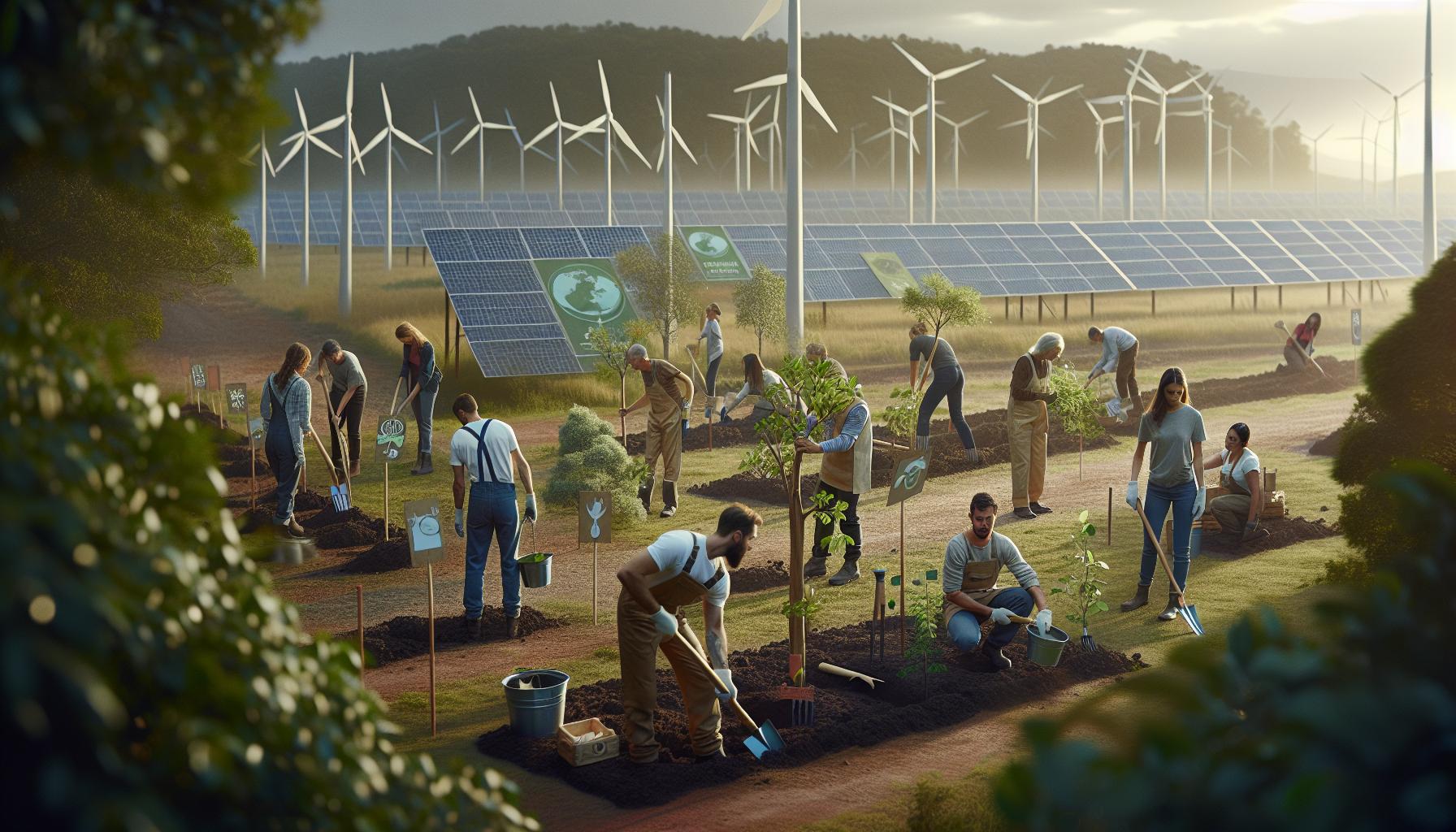
Understanding the Green Climate Fund’s Purpose
The Green Climate Fund (GCF) serves a pivotal role in global efforts to combat climate change, channeling funds specifically towards the needs of developing countries. Established under the United Nations Framework Convention on Climate Change (UNFCCC), its mission is to promote a paradigm shift towards low-emission and climate-resilient development. By mobilizing financial resources, the GCF aims to support projects and programs that enhance the adaptive capacities of vulnerable communities while reducing greenhouse gas emissions through innovative and sustainable practices.
One of the GCF’s core functions is to provide financial assistance for a variety of sectors and initiatives. These include renewable energy projects, sustainable agriculture, and infrastructure resilience against climate impacts. For instance, countries can leverage GCF funding to implement strategies that not only bolster their own environmental targets but also meet global commitments such as the Paris Agreement. The expectation is that these efforts will ultimately lead to a significant reduction in global emissions and foster economic growth in a sustainable manner.
Moreover, the GCF operates with an inclusive approach that seeks to ensure equal participation from both developed and developing nations in decision-making processes. This balanced governance structure underscores the Fund’s mission to address historical inequities in climate financing, wherein developing countries often bore the brunt of climate change effects without adequate resources for adaptation and mitigation. By facilitating access to finance, the GCF empowers these countries to actively engage in the global climate agenda.
In the context of China’s contributions, its financial commitment to the GCF highlights a shift in its role from merely a recipient of international climate aid to an active contributor. This transformation reflects a broader understanding of global climate dynamics and positions China not only as a key player in domestic green initiatives but also as a responsible member of the international community striving for collaborative climate solutions.
China’s Role in Global Climate Finance
Recognized as the largest emitter of greenhouse gases globally, China has increasingly positioned itself as a critical player in the arena of global climate finance. This shift is evidenced by its participation in the Green Climate Fund (GCF), which aims to assist developing countries in combating climate change through financial support. Although its contributions to the GCF have been relatively modest compared to its economic size, China’s role is pivotal in shaping a more sustainable future. By taking on a dual role as both a contributor and a recipient, China is navigating a unique path that reflects its evolving stance on global environmental governance.
China’s engagement with the GCF can be viewed through various lenses, including its domestic commitments to enhance green technology and renewable energy resources. The country has invested heavily in solar and wind energy, becoming a global leader in renewable energy production. For instance, as of 2021, over one-third of the world’s total renewable energy capacity was located in China. This domestic emphasis on clean energy has also propelled Chinese companies to the forefront of global green technology, enabling them to extend their influence and partnerships in developing markets.
Moreover, the Chinese government has been vocal in advocating for increased global climate action, often emphasizing the need for a balanced approach that allows developing countries to transition towards sustainable economies without stifling their growth. In this context, China’s contributions to the GCF are symbolic as a demonstration of its commitment to assist other nations while aligning its own economic interests with environmental sustainability. Critics, however, argue that China must elevate its financial contributions to match its economic status and capabilities, reflecting an even greater responsibility in the international community.
While challenges remain-including navigating perceptions around its historical status as a developing country and addressing its current emissions levels-China’s overall strategy in global climate finance appears to be one of cooperation and leadership. By actively participating in initiatives like the GCF, China not only showcases its commitment to fighting climate change but also seeks to reshape global climate governance in a way that reflects its interests and innovations.
Historical Contributions of China to Climate Initiatives
As one of the largest and most influential economies in the world, China’s historical contributions to climate initiatives reflect a complex blend of responsibility and development. Over the past two decades, China has evolved from being primarily a recipient of international climate funding to a pivotal player in global climate finance, participating actively in platforms like the Green Climate Fund (GCF). This transformation is not only indicative of China’s growing economic stature but also tied to its unique position facing both domestic pollution challenges and international climate commitments.
In recent years, China has allocated significant resources towards green technology and climate resilience, with investments in renewable energy projected to exceed over $400 billion annually. The country is the world’s leading producer of solar panels, wind turbines, and electric vehicles, demonstrating a commitment to reduce its carbon footprint and transition towards a more sustainable economy. Furthermore, China has initiated several bilateral and multilateral partnerships aimed at enhancing climate action, such as the Belt and Road Initiative that emphasizes sustainable infrastructure development in participating countries.
In 2021, China’s contributions to the GCF amounted to $100 million, a modest figure in the context of its economic output but a step toward its obligation as a major global emitter. This funding is part of China’s broader commitment to support developing countries in mitigating climate change impacts. However, critics argue that this amount does not fully align with China’s economic capacity and emphasize that increased contributions could enhance both its international standing and reinforcing its leadership role in climate governance.
As China continues to navigate these challenges, the interplay of its historical contributions, economic capabilities, and growing pressure for accountability from the global community will play a critical role in shaping its approach to climate finance. This evolving landscape not only affects China’s own environmental policies but also influences global efforts to combat climate change effectively. Through a balanced strategy that includes ramping up financial contributions and fostering sustainable development, China aims to position itself as both a leader and a partner in global climate initiatives.
Recent Developments in China’s Climate Funding
As the world’s largest emitter of greenhouse gases, China’s commitment to climate funding has drawn significant attention, especially in relation to the Green Climate Fund (GCF). In 2021, China contributed $100 million to the GCF, marking an important step in its transition from a primarily recipient nation to a contributing player in global climate finance. This contribution, while considered modest compared to the scale of China’s economy, aligns with its obligations to support developing countries in addressing climate change.
One of the notable is the strategic shift towards renewable energy investments. The country has been channeling over $400 billion annually into green technologies such as solar energy, wind power, and electric vehicles. These investments not only aim to mitigate domestic pollution but also position China as a leader in the global energy transition. For instance, with its dominance in solar panel production and electric vehicle manufacturing, China is setting the pace for innovation in sustainable technologies, contributing both to its economy and to global emissions reduction efforts.
Moreover, China’s involvement in international climate initiatives extends beyond financial contributions. The country is actively engaged in various bilateral and multilateral partnerships, emphasizing the importance of sustainable infrastructure projects under initiatives like the Belt and Road Initiative. By incorporating green practices into infrastructure development, China aims to enhance resilience against climate impacts in participating countries, building a cooperative model that integrates climate goals with economic development.
As China continues to augment its funding allocated to the GCF, there are calls for increased transparency and accountability, particularly regarding how these funds are utilized. A balanced approach that includes not only financial contributions but also collaborative projects with affected countries can enhance China’s standing as a responsible global climate actor, fostering a more inclusive and effective response to the urgent challenges posed by climate change.
Investment Strategies: China’s Green Energy Projects
China’s aggressive shift toward renewable energy reflects its urgent need to transition to a more sustainable economic model, particularly as it navigates the dual challenges of climate change and energy security. Investing over $400 billion annually, China has charted a comprehensive strategy focusing on innovative energy solutions, which is crucial not only for domestic pollution reduction but also for establishing itself as a global leader in the green economy.
A pivotal element of this strategy includes harnessing the vast potential of solar energy. China has become the world’s largest producer of solar panels, dominating about 70% of the global market. This leadership in solar technology is not merely about production; it encompasses significant investments in research and development to improve efficiency and lower costs. For instance, companies like Longi Solar and JinkoSolar are continuously innovating, which serves to further decrease reliance on coal and fossil fuels.
In parallel, China’s substantial investments in wind energy are noteworthy. The country boasts the largest installed wind capacity globally, with figures exceeding 280 gigawatts. The government’s ambitious targets for wind energy are supported by initiatives such as the Wind Power Planning to 2020, which has fueled diverse projects across coastal and inland regions. This not only diversifies China’s energy portfolio but also creates millions of jobs, linking environmental sustainability with economic growth.
Furthermore, electric vehicles (EVs) are transforming China’s transport sector, with supportive policies driving remarkable growth in domestic EV production. In 2021, China accounted for over 50% of the global EV market, with manufacturers like BYD and NIO pushing the envelope on innovation and accessibility. The government aims for new energy vehicles (which include EVs) to reach 20% of all car sales by 2025, underscoring the comprehensive approach being taken toward sustainability.
Through these diverse avenues-including solar, wind, and electric vehicles-China’s investment strategies illustrate a multi-faceted approach to tackling climate change while enhancing energy security and economic resilience. By integrating these green technologies into its economy, China not only aims to meet its domestic needs but also position itself as a significant player on the world stage, supporting sustainable development goals globally. This holistic strategy fosters a transition that could positively affect global emissions, showcasing the potential for cooperation in international climate finance, such as contributions to initiatives like the Green Climate Fund.
Impact of China’s Contributions on Global Emissions
China’s burgeoning green infrastructure is not merely a domestic initiative; it significantly influences global emissions and climate dynamics. With its ambitious renewable energy projects, China is positioned as a vital player in the fight against climate change. As the world’s largest emitter of carbon dioxide, any shift in China’s energy policies reverberates across the globe. For instance, reports suggest that China’s investments in solar and wind energy can potentially offset billions of tons of CO2 emissions over the coming decades, underscoring the critical nature of its contributions to global climate goals.
By actively participating in international climate finance mechanisms like the Green Climate Fund (GCF), China’s impact can escalate even further. The GCF aims to support developing nations in combating climate change, and China’s financial backing could enhance the fund’s capacity to implement effective projects. Moreover, China’s emphasis on green technology not only reduces emissions domestically but also exports knowledge and technology to other nations, amplifying the global response to climate challenges.
Key Areas of Impact
- Renewable Energy Investment: China’s commitment to investing heavily in renewable energy has led to a dramatic increase in the global energy supply from clean sources. Reports indicate that investments in solar and wind energy have the potential to cut emissions by over 1.5 gigatons annually.
- Technological Innovation: Companies like Longi Solar and BYD are not just leading the charge in China’s transition to clean energy; they are setting industry standards that could reduce production costs and improve efficiency worldwide. These advancements allow other countries to adopt greener technologies at a lower barrier of entry.
- Policy Influence: China’s active participation and commitments in significant international climate agreements have the power to sway other nations. By meeting and exceeding its own renewable energy targets, China sets an example that may encourage other countries to intensify their climate efforts.
Looking Ahead
As China continues to integrate sustainable practices into its economic framework, its role in shaping global emissions and climate finance will likely grow. The challenges remain substantial, particularly in balancing industrial growth with environmental stewardship. However, the momentum created by China’s green initiatives can catalyze international cooperation, providing a template for how large, developing economies can contribute to a more sustainable future.
Ultimately, China’s contributions to initiatives like the Green Climate Fund could significantly enhance the collective global response to climate change, driving down emissions and fostering a cleaner, healthier planet for future generations.
Challenges Faced by China in Climate Funding
Navigating the landscape of climate funding presents significant hurdles for China, particularly in its engagement with the Green Climate Fund (GCF). As one of the largest emitters of greenhouse gases globally, China’s participation in international climate finance is scrutinized against the backdrop of its own developmental strategy and energy needs. A crucial challenge lies in balancing its rapid economic growth with environmental protection, which often means prioritizing infrastructure and industrial activity over climate commitments.
One major obstacle is the complexity of domestic policies that sometimes clash with international obligations. For instance, while the Chinese government has pledged to achieve peak carbon emissions before 2030 and carbon neutrality by 2060, the reality of transitioning a heavily coal-dependent economy poses logistical and political challenges. The procurement of adequate funding and resources can also be a bottleneck. Many potential projects eligible for GCF support require considerable upfront investment, and securing these finances from both domestic and international sources remains a daunting task for local governments and organizations.
Moreover, political dynamics play a significant role in China’s contributions to the GCF. The funding landscape is affected by the interplay of national interests and international relations, which can lead to hesitance in making financial commitments. For example, if China perceives that its contributions may not enhance its diplomatic standing or lead to reciprocal support from other countries, it might prioritize domestic development over international funding initiatives. This viewpoint can hinder the potential for broader international cooperation on climate finance, particularly as pressure mounts for developing countries to take a more proactive role in mitigating climate change.
To navigate these challenges effectively, China must consider innovative funding mechanisms, such as public-private partnerships, which can leverage private sector investments to alleviate some of the financial burdens of clean energy projects. Additionally, improving transparency and communication regarding funding strategies could enhance confidence among stakeholders, enabling smoother collaboration with international partners. These steps will not only solidify China’s contributions to the GCF but also reinforce its position as a leader in global climate initiatives.
Comparative Analysis: China vs. Other Major Contributors
While China remains a leading global emitter of greenhouse gases, its role in the Green Climate Fund (GCF) marks a shifting dynamic in international climate finance. To understand how China stacks up against other major contributors, it’s essential to examine not just the financial contributions but also the commitment levels, strategic approaches, and broader impacts on global climate goals.
Funding Contributions
China’s financial contributions to the GCF have lagged compared to leading developed nations. For instance, as of recent reports, countries like Germany and the United States have made substantial commitments aimed at funding climate adaptation and mitigation projects in developing countries. In contrast, China’s contributions, while significant, often reflect a reluctance to emerge as a top donor amidst its own developmental needs and emissions targets. This creates a complex interplay where China must balance internal economic priorities with international responsibilities.
Strategic Focus on Development
Another crucial aspect to consider is how contributions are aligned with broader socioeconomic strategies. Developed nations typically channel funds toward specific climate projects, often coupled with strict accountability measures. Conversely, China often integrates its climate funding within its Belt and Road Initiative, linking financial aid with infrastructure development in partner countries. This dual approach enhances its diplomatic ties but raises questions regarding the sustainability and environmental integrity of such projects.
Impact on Global Climate Goals
When evaluating impact, China’s significant investments in renewable energy technologies-like solar and wind-offer a mixed bag. While contributing to renewable energy expansion internationally, these investments can also drive emissions domestically due to increased industrial activity. Comparatively, countries like Norway or Sweden, with smaller but strategically significant contributions, emphasize sustainable practices that align more closely with the goals of the Paris Agreement.
- Country Contributions: Compare total monetary contributions to the GCF.
- Impact Analysis: Assess how funds are being utilized and their effectiveness in achieving climate targets.
- Strategic Approaches: Examine how each country’s political and economic strategies influence their funding decisions.
On the international stage, while China’s participation brings necessary resources to climate initiatives, its dual role as both a major emitter and a developing contributor complicates the landscape of global climate finance. Continued collaboration with other nations and improved transparency in funding approaches may bolster China’s position in climate leadership while fostering trust within the international community.
Public Perception of China’s Climate Financial Efforts
The evolving reflects a complex tapestry of admiration, skepticism, and hope among global stakeholders. As the world’s largest emitter of greenhouse gases, China’s actions in climate finance, particularly concerning the Green Climate Fund (GCF), carry substantial weight in shaping international responses to climate change. While many recognize China’s significant investments in renewable energy and infrastructure, there is ongoing debate about the genuineness and effectiveness of its contributions to global climate initiatives.
Critics often point to China’s relatively modest financial contributions to the GCF compared to other developed nations. For instance, countries like the United States and Germany have made larger commitments designed to support climate projects in developing regions. This discrepancy fuels perceptions of China as being reluctant to fully embrace its role as a leader in climate finance, especially when domestic economic challenges still loom large. The public often questions whether China’s climate funding is a genuine effort to mitigate global warming or a strategic move to bolster its diplomatic relationships through initiatives like the Belt and Road, which intertwines financial aid with infrastructure development.
However, there is also a growing appreciation for China’s advancements in renewable energy technologies, such as solar and wind power. These investments have not only contributed to China’s energy transition but have also catalyzed similar shifts in developing countries, where affordable renewable solutions are increasingly in demand. For many observers, this dual role of China-as both a leading emitter and a potential driver of climate solutions-offers a narrative of hope, illustrating that even amidst significant challenges, there are pathways for cooperative engagement in climate action.
Overall, the perception of China’s climate financial efforts is shaped by both its domestic ambitions and its international commitments. Greater transparency in funding initiatives and more proactive engagement with global climate goals could enhance China’s reputation and bolster trust among other nations. As the world grapples with urgent climate challenges, a balanced view that recognizes both the complexities and advancements in China’s climate finance efforts will foster a collaborative spirit necessary for collective action against climate change.
Future Outlook: China’s Commitment to Climate Goals
While China remains the largest emitter of greenhouse gases, its future commitment to global climate goals presents both challenges and opportunities that are crucial for the international community. As the world gears up for more intensive climate action, China’s role in initiatives like the Green Climate Fund (GCF) will be an indicator of its willingness to transition from its traditional heavy reliance on fossil fuels to a leadership position in renewable energy and climate financing.
China’s substantial investments in renewable energy technologies, particularly in solar and wind power, showcase a commitment to green energy that cannot be overlooked. The nation has rapidly become a leader in manufacturing solar panels and wind turbines, and these advancements serve not only its domestic energy requirements but also export potential. As demonstrated in multiple international forums, China has increasingly emphasized the significance of sustainable development goals. The future outlook hinges on how effectively China can leverage these technologies to contribute financially to the GCF and with projects that benefit other developing nations facing similar climate challenges.
Moreover, transparency in China’s climate funding is essential to build trust among global partners. Increasingly, experts advocate for enhanced reporting standards concerning climate finance flows, enabling better assessment of the impact and efficacy of these funds. For China to secure its position as a credible player in climate finance, it must prioritize a multi-faceted strategy that not only includes financial contributions but also emphasizes knowledge sharing and technology transfer.
In practical terms, the future of China’s climate commitments can be further bolstered by fostering cooperation with other nations. Collaborative initiatives that align bilateral investments with climate goals could create a robust framework. For instance, partnerships with African nations where renewable energy infrastructure is burgeoning could establish models for effective climate finance usage-demonstrating that both the recipient and the provider can reap significant benefits through thoughtful planning and cooperation.
As the global community faces increasingly urgent climate challenges, China’s potential to pivot from being perceived merely as a leading emitter to a beacon of innovative climate finance solutions will be pivotal. Those observing China’s actions must remain hopeful yet vigilant, understanding that real change requires sustained efforts towards greater accountability and substantive contributions on platforms such as the GCF, ensuring both domestic and international climate objectives are met.
Innovative Solutions for Climate Funding in China
In the quest for innovative funding solutions to combat climate change, China finds itself at a pivotal crossroads, balancing its immense industrial activity with a profound commitment to sustainability. As the world looks to lead the transition away from fossil fuels, China’s engagement in green finance must evolve beyond rhetoric to actionable financial support, particularly in relation to the Green Climate Fund (GCF). To accomplish this, the nation can leverage several strategies that not only enhance its own climate resilience but also contribute significantly to global efforts.
One promising avenue is the establishment of green finance mechanisms that align public and private sector investments with sustainable development goals. For instance, the recent issuance of green bonds has gained traction in China, enabling government and corporations to raise funds specifically for environmentally beneficial projects. These bonds can finance renewable energy installations, energy efficiency upgrades, and even climate adaptation initiatives in developing nations. By promoting and expanding such practices, China could harness its financial markets to bolster climate funding comprehensively.
Moreover, China has made strides in leveraging its technological advancements to facilitate knowledge transfer and capacity building in developing countries. Collaborative frameworks with nations in Africa and Southeast Asia, for example, could involve sharing expertise in renewable energy technologies or infrastructure. Chinese companies are increasingly engaging in joint ventures abroad that include technology sharing, which not only enhances local capabilities but also creates a robust chain of sustainable practices that can contribute to the GCF’s objectives.
To maximize the impact of its contributions, China’s climate funding should focus on impact-driven projects that clearly demonstrate measurable results. Setting up a transparent impact assessment framework allows for the rigorous evaluation of funded projects, thus ensuring that resources are utilized efficiently. This transparency builds trust with international partners and encourages further collaboration, vital for sustaining long-term financial commitments to the GCF.
As climate change remains an urgent global issue, the potential for innovative financing solutions within China is vast. By increasing the integration of green finance into its national policies, fostering international cooperation, and ensuring transparency in all climate-related investments, China can transform its role from a major emitter to a leader in global climate finance. This transition is not merely beneficial for China’s reputation; it is essential for achieving collective global climate goals and ensuring a sustainable future for all.
Frequently Asked Questions
Q: What is the Green Climate Fund and its significance?
A: The Green Climate Fund (GCF) aims to support developing countries in reducing greenhouse gas emissions and adapting to climate change. Its significance lies in mobilizing financial resources to help nations transition towards low-emission and climate-resilient development, aligning with global climate goals.
Q: Has China made any financial commitments to the Green Climate Fund?
A: Yes, China has contributed to the Green Climate Fund. As part of its climate financing strategy, China supports various initiatives through the GCF, aimed at promoting sustainable development and enhancing resilience against climate impacts.
Q: How much has China contributed to the Green Climate Fund?
A: Specific figures on China’s contributions to the Green Climate Fund may vary, but recent reports indicate that China has pledged significant financial resources, reflecting its commitment to addressing climate change and supporting developing countries.
Q: What are China’s responsibilities as a contributor to the Green Climate Fund?
A: As a contributor, China is responsible for providing financial resources and supporting projects that help reduce emissions and promote sustainability in developing countries. This includes technical support for green projects and active participation in fund governance.
Q: How does China’s contribution to the GCF compare to other countries?
A: China’s contributions to the GCF are substantial but vary compared to other major contributors like the US and EU. Understanding these differences is crucial for analyzing global climate finance dynamics and the challenges in meeting climate goals.
Q: What projects has China funded through the Green Climate Fund?
A: China has engaged in various projects through the GCF, focusing on renewable energy, biodiversity conservation, and climate resilience in vulnerable regions. These projects aim to enhance sustainable development while addressing environmental challenges.
Q: Why is China’s role in the Green Climate Fund important?
A: China’s role is vital as it is one of the largest emitters of greenhouse gases. Its financial involvement can significantly impact global climate action, supporting developing nations to meet their climate goals and fostering international cooperation in climate strategies.
Q: When will China’s next contributions to the Green Climate Fund be announced?
A: Future contributions from China to the Green Climate Fund may be announced during climate conferences or international meetings. Keeping an eye on events like the UN Climate Change Conferences will provide updates on funding commitments.
In Retrospect
As we explore China’s involvement with the Green Climate Fund, it’s clear that international collaboration is crucial for addressing climate challenges effectively. Understanding such contributions not only informs us about global commitments but also empowers us to advocate for sustainable practices. If you’re eager to learn how these financial commitments translate into real-world climate action, check out our detailed exploration of the GCF’s project portfolio and see how funds are mobilized for impact.
Take your engagement a step further: consider subscribing to our newsletter for the latest insights on climate finance and action, or dive into related topics like adaptation strategies for vulnerable countries. Your voice matters-share your thoughts in the comments below and join the conversation! Together, we can push for a more sustainable future.