Climate change poses one of the most daunting challenges of our time, threatening not only our environment but also global food security, public health, and economies. The United Nations has mobilized significant financial resources to combat this crisis, allocating funds to support projects aimed at reducing emissions, enhancing resilience in vulnerable communities, and promoting sustainable development. Understanding whether these efforts are effectively addressing climate change is crucial for individuals and nations alike, as our collective future hinges on our success in mitigating its impacts. Join us as we explore the UN’s financial commitments in this battle, uncovering the successes, challenges, and opportunities that lie ahead. By grasping these complexities, every reader can contribute to a more sustainable future and advocate for responsible action in their own communities.
Assessing the Role of the UN in Climate Finance
The United Nations plays a pivotal role in global climate finance, acting as a facilitator and distributor of funds aimed at combating climate change worldwide. One of the key mechanisms for this is the Green Climate Fund (GCF), established to support developing countries in their efforts to limit or reduce greenhouse gas emissions and adapt to climate change. As of now, the GCF has approved funding for various projects that align with the goals set in the Paris Agreement, emphasizing the UN’s commitment to climate action.
Financial Mechanisms and Disbursement
The UN employs several financial instruments to channel funds effectively. These include grants, loans, and guarantees that target specific projects that address climate mitigation and adaptation. Through collaborative efforts with various stakeholders, including private sectors and civil society, the UN enhances the effectiveness of its funding. This multifaceted funding approach ensures that resources reach those who need them most, thus facilitating sustainable development initiatives that align with broader environmental goals.
Impactful Projects and Collaboration
Several initiatives funded by the UN demonstrate tangible impacts in combating climate change. For instance, the UN Development Programme (UNDP) has launched initiatives that equip vulnerable communities with renewable energy technologies, significantly reducing their reliance on fossil fuels and minimizing their carbon footprint. By prioritizing projects that build resilience among communities, the UN’s funding not only addresses immediate environmental needs but also contributes to long-term sustainable development.
Challenges in Climate Fund Allocation
Despite the successes, the UN faces several challenges in climate fund allocation, including bureaucratic hurdles, the complexity of fund administration, and discrepancies in reporting. These challenges can hinder the effective distribution of funds and delay implementing necessary climate initiatives. Addressing these obstacles requires streamlined processes and enhanced transparency to build trust among stakeholders, ensuring that resources are utilized efficiently.
In conclusion, the UN’s role in climate finance is crucial in mobilizing resources for combating climate change. Through innovative funding strategies, impactful projects, and collaboration with various entities, the UN is making strides toward a sustainable and resilient future. The continued assessment and adaptation of its funding mechanisms will be key to meeting global climate challenges head-on.
Understanding the UN’s Climate Change Agenda
The United Nations (UN) has established a robust climate change agenda that sets a global framework for addressing one of humanity’s most significant challenges. This agenda is driven by a shared recognition that climate change transcends national borders and demands collaborative efforts to mitigate its impacts. Through various treaties, agreements, and initiatives, such as the Paris Agreement, the UN has prioritized sustainable development, urging nations to commit to reducing greenhouse gas emissions and protecting vulnerable communities from climate-related risks.
The influence of the UN in climate finance is evident through mechanisms like the Green Climate Fund (GCF), which aims to support developing countries in their transition toward low-emission and climate-resilient development. By providing financial support and resources, the GCF plays a critical role in enabling nations to implement transformative projects that might otherwise be beyond their reach. These efforts include everything from funding renewable energy projects to enhancing sustainable agricultural practices, each intended to play a part in the larger fight against climate change.
A notable example of the UN’s impact is its collaboration with local communities for conserving biodiversity. In regions such as the Amazon basin, the UN has facilitated funding for sustainable management practices that integrate local knowledge with modern technology. This approach not only promotes environmental stewardship but also empowers communities economically and socially-demonstrating that effective climate action can simultaneously address developmental challenges.
However, understanding the intricacies of the UN’s climate change agenda also involves recognizing the challenges encountered in fund allocation and project implementation. Stakeholders often express concerns regarding the pace and efficiency of fund disbursement, underscoring the need for improved transparency and streamlined processes. The UN is actively working on these fronts, aiming to bolster trust and ensure that investments in climate initiatives yield tangible benefits for those most affected by climate change.
By engaging with this agenda, each of us can become part of the solution to climate change. Citizens around the globe are encouraged to support local initiatives aligned with the UN’s goals, advocate for robust climate policies, and contribute to community-based projects that not only mitigate climate impacts but also foster resilience against future challenges. Together, through informed actions and persistent advocacy, we can contribute to a sustainable future that protects both the planet and its people.
Allocation of Funds: UN vs. Other Organizations
The financial landscape for combating climate change is intricate, marked by the interplay between various organizations, including the United Nations (UN) and non-UN entities. Each plays a distinct role in facilitating access to climate finance, yet their approaches and funding mechanisms can differ significantly. The UN has established a framework that emphasizes collaborative efforts through mechanisms like the Green Climate Fund (GCF), designed to provide vital financial resources to developing nations seeking to adopt low-carbon and climate-resilient strategies.
In contrast, other organizations such as the World Bank and regional development banks often focus on providing funding through loans and credits. While these institutions also target climate projects, their methods can sometimes lead to higher debt burdens for developing countries. In comparison, the GCF operates primarily on grants and concessional loans, aimed explicitly at reducing vulnerabilities and enhancing adaptive capacity without imposing significant financial burdens on recipient nations.
The allocation of funds within the UN framework tends to follow the principle of “common but differentiated responsibilities.” This principle acknowledges that developed countries bear a greater historical responsibility for climate change and thus offers them a role in supporting developing nations through financial assistance. For example, the UNFCCC encourages and monitors these contributions, ensuring that funds allocated through the GCF and other initiatives are directed toward projects that can yield impactful and sustainable outcomes.
Moreover, the efficacy of UN-funded projects can be seen in real-world case studies, such as the restoration of mangroves in coastal regions vulnerable to flooding. These projects, financed through UN channels, not only help safeguard local communities but also contribute to biodiversity conservation and carbon sequestration. The collaborative model of the UN promotes a participatory approach, empowering local stakeholders and ensuring that solutions are tailored to the unique challenges faced by different regions.
As citizens, understanding these differences allows for more informed advocacy and support for initiatives aligned with sustainable practices, whether they are driven by the UN or other organizations. Engaging with funding opportunities, supporting transparency in allocations, and advocating for greater efficiency can amplify the positive impacts of these climate finance mechanisms on both local communities and the environment.
Key Initiatives Funded by the UN for Climate Action
Significant strides are being made by the United Nations through various initiatives aimed at combating climate change, demonstrating a firm commitment to fostering sustainable development across the globe. One of the most notable mechanisms is the Green Climate Fund (GCF), designed to enhance the ability of developing countries to respond to the challenge of climate change. This fund plays a critical role in channeling investments towards projects that not only reduce greenhouse gas emissions but also enhance resilience to climate impacts. For instance, funding has been allocated for renewable energy projects in countries like Kenya, where solar energy initiatives are reducing reliance on fossil fuels while empowering local communities.
Additionally, the UN supports efforts in sustainable land management and forest conservation through the United Nations Environment Programme (UNEP). Initiatives such as the Bonn Challenge aim to restore 150 million hectares of deforested and degraded lands by 2020, helping to sequester carbon and restore biodiversity. Countries like Brazil and Ethiopia have engaged in these restoration projects, seeing tangible benefits in carbon capture and improved livelihood opportunities for local farmers.
Moreover, the UN has launched the Climate Promise, a global initiative that supports countries in enhancing their climate commitments under the Paris Agreement. By providing technical assistance and funding for policy reforms, this initiative enables nations to adopt ambitious climate action plans. For example, countries in the Caribbean have benefited from this support, allowing them to create robust frameworks for disaster risk reduction and climate resilience, which are crucial in the face of increasing climate-related disasters.
Through these initiatives and funded projects, the UN exemplifies a forward-thinking approach to climate finance, emphasizing not just mitigation measures but also adaptation and resilience-building. By aligning financial resources with global climate goals, the UN continues to play a pivotal role in supporting countries as they navigate the complex challenges posed by climate change.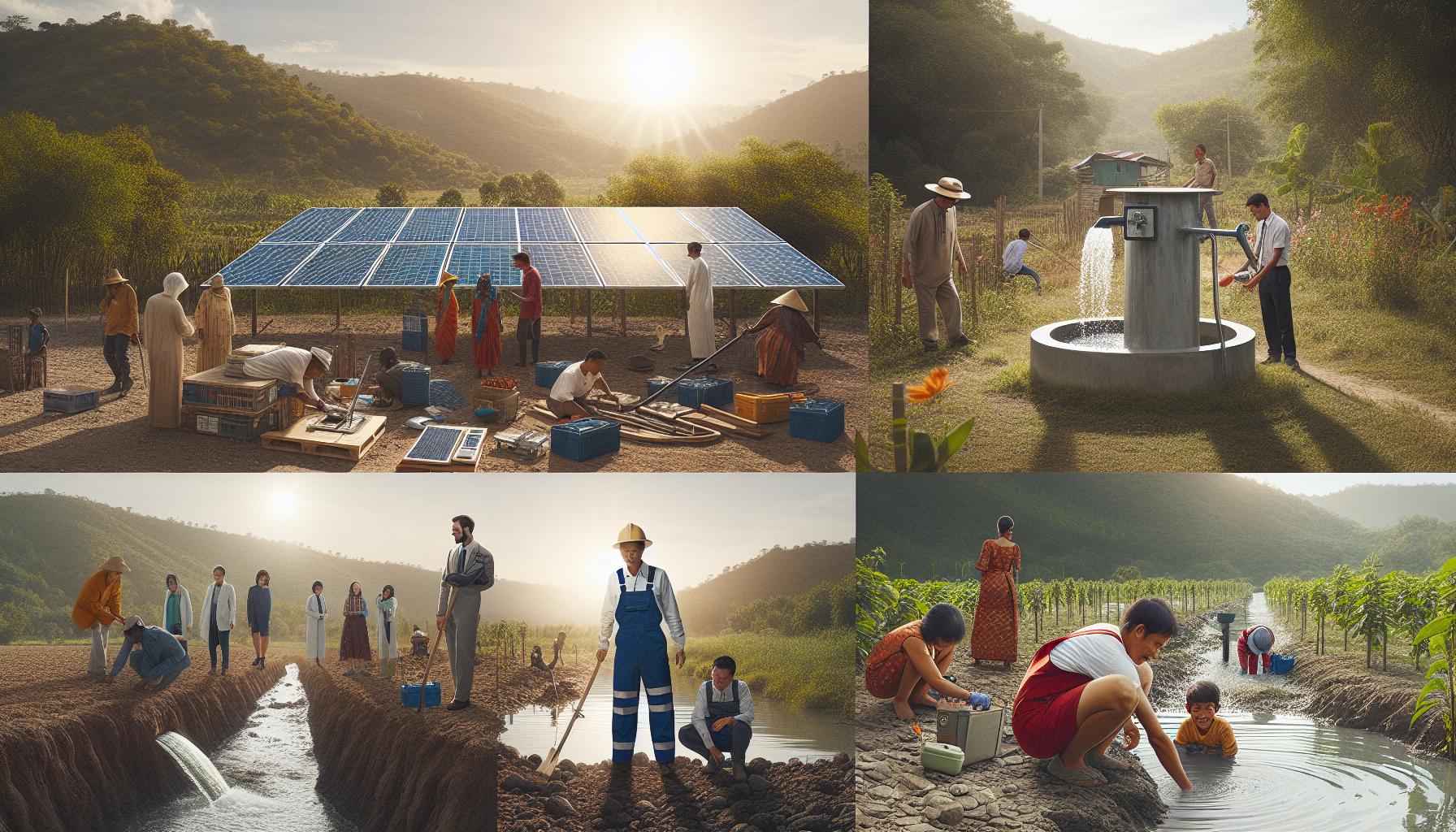
Success Stories: How UN Funding Has Made an Impact
Investing in a sustainable future, the United Nations has effectively harnessed its funding mechanisms to support groundbreaking climate action initiatives worldwide. One standout example is the Green Climate Fund (GCF), which channels financial resources to developing nations to bolster their resilience against climate change. In Kenya, for instance, UN funding has facilitated the rollout of solar energy projects that not only reduce reliance on fossil fuels but also empower local communities by delivering clean and affordable energy sources. These initiatives are critical as they address both energy poverty and environmental sustainability simultaneously.
Transformative Projects in Land Management and Conservation
Moreover, projects supported by the United Nations Environment Programme (UNEP) have made substantial strides in promoting sustainable land management and forest conservation. The Bonn Challenge, aimed at restoring 150 million hectares of degraded land by 2020, is a prime example. Countries like Brazil and Ethiopia have embraced this initiative, leading to increased carbon sequestration and enhancing biodiversity. The restoration efforts have also provided new economic opportunities for local farmers, showcasing how environmental restoration can directly benefit communities.
Empowering Nations through the Climate Promise
The UN’s Climate Promise initiative demonstrates a comprehensive approach to climate finance, empowering nations to enhance their climate commitments under the Paris Agreement. Through targeted technical assistance and funding, Caribbean countries have developed robust frameworks for disaster risk reduction and climate resilience. This is particularly important as these nations face heightened vulnerability to climate-related disasters. By equipping them with the necessary tools and strategies, the UN has not only amplified their climate action efforts but also fostered a culture of sustainability.
In summary, the success stories of UN-funded projects reveal a dynamic interconnection between funding and real-world benefits. From providing renewable energy to restoring ecosystems and enhancing national capacities for climate resilience, these stories are not just about numbers; they represent the lives being changed and communities being empowered in the face of climate change. As the UN continues its commitment to climate finance, these examples inspire hope and highlight the crucial role of international cooperation in combating global challenges.
Challenges Faced by the UN in Climate Fund Allocation
The challenges surrounding the allocation of climate funds by the United Nations are as complex as the global climate crisis itself. Despite the UN’s pivotal role in spearheading global initiatives like the Green Climate Fund (GCF), various obstacles hinder its effectiveness. Financial shortfalls can significantly impede progress. In 2022, developed countries finally met their longstanding commitment to mobilize $100 billion annually for developing countries, yet this figure is still considered insufficient given the growing impacts of climate change. The demand for financial resources far outstrips the available funding, leaving many projects underfunded or entirely unsupported, which could thwart critical adaptation and mitigation strategies in vulnerable countries.
Another hurdle lies in the bureaucratic processes that govern fund distribution. The application, approval, and disbursement of funds often involve lengthy procedures that can inadvertently delay essential projects. For instance, local governments and NGOs may face bureaucratic hurdles that prevent them from accessing funds quickly enough to address urgent climate-related challenges, such as extreme weather events or ecological degradation. This can lead to a disconnect between the urgent needs on the ground and the slower, more methodical pace of fund allocation, undermining the potential impact of much-needed financial assistance.
Moreover, there is often a lack of alignment between donor priorities and the actual needs of recipient countries. Developed nations may focus on projects that align with their own climate policies or strategic interests, sometimes neglecting the most pressing needs of the recipients. This misalignment can result in investments that do not adequately address local contexts or build the resilience that communities urgently require. For example, while renewable energy projects may be a priority for donors, some nations might need immediate funding for disaster response and recovery instead.
The transparency and accountability of the UN’s climate financing mechanisms also come under scrutiny. Many stakeholders-ranging from donor nations to civil society organizations-demand greater visibility into how funds are being allocated and utilized. A lack of clear tracking can lead to skepticism regarding the effective use of public money. Ensuring that funding is allocated transparently and that beneficiaries are accountable for their use of resources will be crucial for maintaining trust in these global financing efforts.
In conclusion, while the UN has established a framework for international climate finance, effectively overcoming these challenges requires a multifaceted approach. Collaborative solutions-such as simplifying funding processes, aligning donor priorities with local needs, and enhancing transparency-are essential. By addressing these issues head-on, the UN can better equip countries to confront climate change’s daunting challenges, ultimately saving lives and protecting livelihoods.
Public Perception: Trust in UN Climate Spending
The effectiveness of the United Nations in utilizing climate finance to combat climate change is an ongoing topic of discussion, particularly when considering public perception and trust. A recent survey revealed that a staggering 74% of people believe that international climate finance is critical for developing countries to tackle the adversities induced by climate change. This sentiment highlights a widespread understanding of the UN’s role but also underscores a lingering skepticism regarding how funds are allocated and utilized. Citizens globally are increasingly aware of the value of climate action but demand accountability and transparency from large organizations like the UN.
Building Trust through Transparency
To foster trust in UN climate spending, transparency is essential. Stakeholders call for clearer tracking mechanisms that outline how funds are distributed and monitored. For instance, making real-time updates available on funded projects not only satisfies public curiosity but also enhances the credibility of international financing bodies. Countries benefiting from UN funding need to publish detailed reports on the use of these resources, including project outcomes and financial audits. This could bridge the gap between the intended goals of funding initiatives and the actual benefits experienced by communities.
Real-World Impact and Success Stories
Real stories of communities thriving due to UN-funded initiatives can also influence public perception positively. For example, the UN’s Green Climate Fund has facilitated projects in countries like Bangladesh, helping local farmers adopt climate-resilient agricultural practices. These tangible success stories can resonate more deeply with the public, reinforcing the idea that funded initiatives deliver measurable benefits. When citizens can connect financial allocations to improved livelihoods, they are more likely to support and trust the funding processes.
By prioritizing transparency and showcasing successful endeavors, the UN can work towards building a narrative that not only celebrates achievements but also acknowledges challenges. This balanced representation fosters a more informed public, capable of engaging critically with the complexities surrounding climate finance. As citizens understand that international climate actions require their involvement and scrutiny, they can play an active role in holding institutions accountable, ensuring that funds are used effectively for climate action.
In this evolving landscape of climate finance, the UN has the opportunity to reshape public perception by demonstrating commitment to responsible management of resources, engaging in two-way communication with the public, and consistently reporting on both success and lessons learned.
Comparing UN Climate Funds with National Efforts
When it comes to climate finance, the United Nations (UN) plays a crucial role by mobilizing resources and coordinating international efforts. However, reveals distinct approaches and challenges that shape global climate action. For instance, countries often rely on domestic funding mechanisms, which can vary significantly in both scale and focus. While national governments may prioritize immediate economic growth or infrastructure development, the UN, through entities like the Green Climate Fund, aims to fund long-term resilience projects that consider the broader implications of climate change.
National efforts may often be limited by budget constraints or short-term political agendas, while UN initiatives are frequently designed to pool resources from multiple nations, creating a more extensive funding base to tackle global challenges. To illustrate this, consider that the Green Climate Fund has pledged billions to build adaptive capacity in vulnerable countries, while some national governments struggle to allocate even a fraction of their budgets to climate-related initiatives. Furthermore, the UN’s multilateral approach can facilitate collaboration among countries, promoting knowledge sharing and best practices that individual nations may overlook due to their localized focus.
Understanding Financial Allocations
In examining how funds are allocated, key differences emerge between the UN and national frameworks. National governments may concentrate funding in specific sectors, such as renewable energy, but often lack the comprehensive strategies that characterize UN projects. For example, many UN-funded projects emphasize integrated approaches, combining climate adaptation with social development, thus addressing root causes of vulnerability. This holistic view can lead to sustainable outcomes that individual national efforts might fail to achieve, especially in middle- and low-income nations that face greater climate risks.
Real-World Applications and Case Studies
One compelling case is the UN’s work in Kenya, where investments have facilitated the development of sustainable agricultural practices. In this instance, the UN, through its funding mechanisms, enabled a broader coalition of stakeholders, including local farmers, NGOs, and governmental agencies, to work together towards shared goals. This contrasts with regions where national funds are diverted or inadequately monitored due to political instability, resulting in limited effectiveness.
To better illustrate the impact, consider compiling a comparative table:
| Aspect | UN Climate Funds | National Climate Funds |
|---|---|---|
| Scope of Funding | Global/local integration with multiple stakeholders | Sector-specific, often short-term focus |
| Types of Projects | Resilience-building, capacity enhancement, holistic | Infrastructure, renewable energy, limited integration |
| Risks Addressed | Climate mitigation/adaptation, socio-economic factors | Primarily economic impacts, less often social vulnerabilities |
| Flexibility and Adaptation | Highly adaptive to emerging needs and risks | Rigid, often tied to political cycles and priorities |
Ultimately, while both UN climate funds and national efforts aim to combat climate change, their methods and implementations differ significantly. By integrating lessons learned from UN initiatives and fostering a culture of cooperation, countries can enhance the impact of their national funding strategies, ultimately creating a more robust global response to climate challenges.
The Future of UN Funding in Climate Strategy
The UN’s engagement in climate finance is more critical than ever, particularly as the world grapples with increasingly severe climate impacts. With recent advancements in financial frameworks and emerging accountability mechanisms, a future-focused approach to UN climate funding is essential for success. For instance, the 2022 commitment from developed nations to meet the $100 billion annual goal for climate finance to developing countries underscored a global shift towards more reliable and effective funding strategies, achieving a total of $115.9 billion in support[[2](https://www.un.org/en/climatechange/raising-ambition/climate-finance)].
Innovative Financing Mechanisms
Looking ahead, the UN is exploring innovative financing mechanisms that not only attract more funds but also ensure that they are directed toward impactful solutions. This includes promoting blended finance models that combine public and private resources, such as green bonds and climate risk insurance. By understanding and leveraging these financial instruments, the UN can enhance its ability to address the diverse needs of vulnerable communities. For example, the UN’s initiatives could tap into the growing market for green securities, allowing countries to raise capital for renewable energy projects while contributing to global climate goals.
Strengthening Collaborative Agreements
Collaboration will play a vital role in the future of UN funding strategies. By fostering partnerships between countries, NGOs, and private sectors, the UN can create synergies that amplify the effectiveness of funded projects. A vivid illustration of this principle can be seen in the UN’s work on the Climate Promise, where countries receive tailored support to enhance their Nationally Determined Contributions (NDCs) under the Paris Agreement. By aligning projects with both local needs and international commitments, the UN can promote sustainable development that resonates with community values while generating a deeper trust among stakeholders.
Enhancing Transparency and Accountability
Moreover, the future of UN funding hinges on transparency and accountability in climate finance. Implementing robust monitoring and reporting systems will be crucial to building public trust and ensuring that funds are used appropriately and effectively. Utilizing innovative technologies like blockchain could provide secure pathways for tracking funding flows and project outcomes, thus enhancing confidence among donor nations and encouraging greater investment[[2](https://www.un.org/en/climatechange/why-finance-climate-action)].
In conclusion, by embracing innovative financing, fostering collaboration, and enhancing transparency, the UN is poised to play a pivotal role in combating climate change globally. As stakeholders work together to adapt and thrive in a changing world, the effectiveness of UN funding initiatives will depend on their ability to mobilize resources, create impactful partnerships, and maintain accountability for the outcomes that matter most to vulnerable communities around the globe.
How Citizens Can Get Involved with UN Initiatives
Climate change is a global challenge that requires collective efforts from every corner of society, including citizens. With the UN spearheading various initiatives aimed at climate action, there are numerous ways individuals can engage and contribute to these efforts. Enhancing your involvement not only supports international climate goals but also fosters a community of awareness and action around pivotal environmental issues.
One effective way to participate is by advocating for local climate initiatives that align with UN goals. This can take the form of engaging in grassroots movements, attending town hall meetings, or joining environmental organizations that are in sync with the UN’s frameworks. For instance, by participating in local reforestation projects or clean-up drives, citizens can amplify the UN’s objectives at their community level. Additionally, signing petitions for stronger climate policies and communicating directly with local representatives can elevate these issues on the political agenda.
Education and Awareness are also crucial components in the fight against climate change. Citizens can become climate ambassadors by sharing knowledge about climate issues and UN initiatives through social media or community workshops. Staying informed about the UN’s climate financing strategies enables individuals to discuss and promote responsible funding allocation. The UN’s various reports and publications provide valuable insights that can be shared to raise awareness about how funds are being utilized for climate projects globally.
Finally, consider contributing to organizations that support UN climate initiatives financially. Even small donations can significantly impact projects aimed at mitigating climate change in vulnerable communities. Initiatives such as the UN Green Climate Fund leverage contributions from citizens to support projects worldwide, providing essential resources for developing nations to combat the impacts of climate change. By connecting personal financial decisions to environmental actions, individuals can empower collective efforts for a sustainable future.
For anyone looking to make a difference, approaching these challenges with enthusiasm and dedication can inspire others to join in, creating a ripple effect that enhances the effectiveness of global climate strategies. In conclusion, citizen involvement is a vital cornerstone of the UN’s climate initiatives, and every action, whether small or large, plays an essential role in the fight against climate change.
Exploring Transparency in UN Climate Financing
Understanding how funds are utilized for climate initiatives is crucial for ensuring accountability and effectiveness in the fight against climate change. Transparency in UN climate financing serves as a cornerstone for building trust among stakeholders, from governments and NGOs to individual citizens. The UN has established frameworks to enhance visibility over its financial contributions aimed at climate action, crucial for assessing impact and efficiency.
One of the prominent mechanisms employed by the UN to ensure transparency is the UN Green Climate Fund (GCF). This fund is dedicated to supporting developing countries in their efforts to combat climate change by providing necessary financial resources. To facilitate clarity, the GCF publishes detailed reports that outline the allocation of funds, project goals, and expected outcomes. These documents can serve not only as accountability measures but also as invaluable resources for NGOs, governmental organizations, and community leaders aiming to understand the flow of money and its intended impacts.
In practical terms, citizens can enhance their understanding of UN financing through dedicated platforms that track expenditures and project success stories. For instance, the GCF’s website provides interactive dashboards that allow users to visualize funding across various regions and projects. Furthermore, independent watchdog organizations often analyze and report on how these funds are being used, highlighting both successes and areas needing improvement. Engaging with these resources empowers individuals and communities to advocate for transparency and effective climate action within their respective locales.
The conversation around transparency in UN climate financing also highlights the importance of citizen engagement. By pushing for accountability, individuals can demand that funds are directed toward projects that yield real, measurable outcomes in their communities. Decisions made today regarding climate financing will influence future generations, making it imperative that stakeholders remain actively involved in monitoring progress and advocating for responsible, equitable fund management.
Frequently Asked Questions
Q: How does the UN finance climate change projects?
A: The UN finances climate change projects through various mechanisms, including the Green Climate Fund and the Global Environment Facility. These initiatives aim to channel funds from developed to developing countries, supporting projects that mitigate climate impacts and promote sustainable development.
Q: What types of climate projects does the UN support?
A: The UN supports a wide range of climate projects, focusing on renewable energy, reforestation, adaptation strategies, and technology transfer. These projects aim to reduce greenhouse gas emissions and enhance climate resilience in vulnerable communities.
Q: How effective is UN funding in combating climate change?
A: UN funding has played a crucial role in several successful climate initiatives, helping countries implement policies and practices that reduce carbon emissions. The effectiveness varies by project, but many have led to measurable improvements in local environmental conditions and capacity building.
Q: Are UN climate funds transparent?
A: The UN strives for transparency in climate funding through regular reporting and evaluation. Initiatives like the Climate Finance Integrity Guidelines help ensure accountability and track where and how funds are used, although challenges remain in data access and project visibility.
Q: What challenges does the UN face in climate fund allocation?
A: The UN faces various challenges in climate fund allocation, including bureaucratic inefficiencies, political instability in recipient countries, and competition for limited resources. These factors can hinder timely funding disbursement and effective project implementation.
Q: How does UN climate funding compare to national funding initiatives?
A: While UN climate funding complements national efforts, it often focuses on larger, cross-border initiatives, whereas national funding typically addresses local and immediate needs. Both are essential for comprehensive climate action, yet they face different constraints and scopes.
Q: How can individuals contribute to UN climate initiatives?
A: Individuals can contribute to UN climate initiatives by supporting organizations affiliated with the UN, raising awareness about climate issues, and advocating for policies that promote sustainable practices. Engaging in local sustainability efforts can also amplify global impacts.
Q: What is the future outlook for UN climate funding?
A: The future of UN climate funding is focused on increasing financial flows to developing countries, enhancing partnerships with private sectors, and prioritizing innovative solutions. As global awareness of climate issues grows, so too does the potential for increased funding and impact.
In Summary
As we conclude our exploration of whether the UN has effectively used funds to combat climate change, it’s clear that the intersection of finance and sustainability holds great promise. Understanding how international funds are utilized can empower you to advocate for responsible policies and climate action. If you’re eager to dive deeper into related topics, consider reading our piece on successful climate initiatives or exploring how personal actions can contribute to global efforts.
Stay informed-subscribe to our newsletter for the latest insights on sustainability and finance. Engaging in discussions around these vital topics can spark change, so we encourage you to share your thoughts in the comments below or share this content with friends. Remember, every action counts, and your involvement can inspire a ripple effect towards a sustainable future. Let’s keep the conversation going and continue exploring how we can collectively address climate challenges!