As the world grapples with the escalating impacts of climate change, the Green Climate Fund (GCF) emerges as a pivotal player in global efforts to finance sustainable development. Founded to support developing countries in their transition to low-emission and climate-resilient pathways, the GCF is at a critical juncture in 2025. With recent board meetings setting ambitious agendas and budgets, many are left wondering: is the GCF effectively meeting its goals? This exploration not only examines the financial strategies and outcomes of the Fund in this new year but also addresses pressing concerns about transparency, impact, and sustainability. Understanding the GCF’s performance is crucial for anyone invested in the future of climate action, as it influences both policy decisions and funding allocations worldwide. Join us as we delve into the accomplishments and challenges facing the GCF, providing insights that can shape the global climate narrative for years to come.
Current Status of the Green Climate Fund in 2025

As of 2025, the Green Climate Fund (GCF) is navigating a complex landscape in the fight against climate change, particularly focusing on aiding vulnerable economies. With its mission to channel financial resources to developing countries for climate-related projects, the GCF has seen progressive engagement from various stakeholders, fostering a collaborative environment essential for impactful climate action. The Fund recently hosted the 6th Annual GCF Private Investment for Climate (GPIC) conference in Nairobi, which attracted over 400 participants and facilitated discussions surrounding nearly USD 2 billion worth of innovative climate project ideas. This reflects a growing recognition of the necessity for finance in driving sustainable development, especially in fragile regions where the risk is often perceived as too high by traditional financiers [[1]](https://www.greenclimate.fund/annual-report-2023).
Despite these promising developments, the GCF faces several challenges that temper its current success. Chief among these is the hesitance of financial institutions to invest in high-risk environments, which can stall projects that are crucial for environmental sustainability and resilience. Furthermore, the ongoing impacts of global economic shifts and climate events often strain available resources, complicating the Fund’s efforts to maintain momentum and ensure that financing reaches the most vulnerable communities. Addressing these hurdles is essential for enhancing the Fund’s efficacy and ensuring equitable access to climate finance [[1]](https://www.greenclimate.fund/annual-report-2023).
Recognizing the critical need for targeted funding approaches, the GCF is increasingly prioritizing locally led climate action initiatives, which allow communities to play an active role in decision-making and project implementation. This strategy not only enhances local ownership and accountability but also leads to more tailored and effective interventions. For instance, by balancing finance strategies with comprehensive stakeholder engagement, the GCF is working towards a more equitable distribution of resources that reflects the localized needs of vulnerable populations [[3]](https://www.greenclimate.fund/publications).
In this complex and evolving environment, the GCF must leverage its current successes while remaining agile to adapt to emerging challenges. The Fund’s journey so far underscores the importance of innovative financing mechanisms and strong partnerships in confronting the daunting climate crises ahead.
Key Achievements of the Green Climate Fund
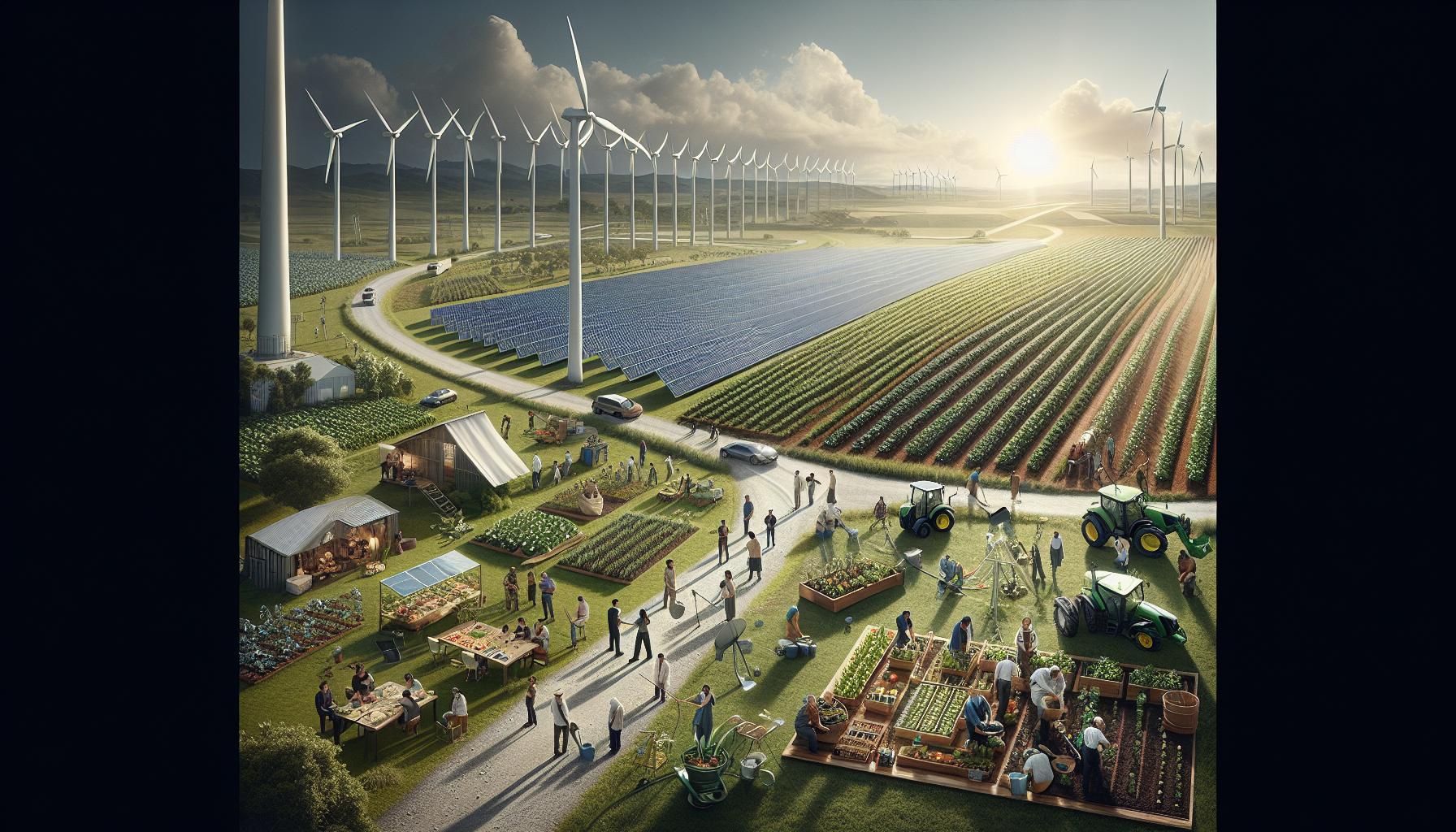
The Green Climate Fund (GCF) has made considerable strides in its mission to support climate action in developing countries, and these achievements reflect its pivotal role in the global fight against climate change as of 2025. One of the standout successes is the GCF’s ability to mobilize funds and foster innovative projects aimed at reducing emissions and enhancing resilience. In the past year alone, the GCF has channeled nearly USD 2 billion into over 300 projects across various sectors, including renewable energy, sustainable agriculture, and climate-resilient infrastructure. These initiatives not only address immediate environmental challenges but also contribute to long-term sustainable development goals.
Innovative Financing Mechanisms
A key achievement of the GCF has been its development of innovative financing strategies that appeal to a wider array of stakeholders, including private investors. By implementing a blend of grants, loans, and equity investments, the GCF has successfully attracted private capital to co-finance large-scale projects. This diverse funding approach enhances the financial viability of projects in high-risk regions, thus enabling countries to undertake ambitious climate initiatives that were previously deemed too risky for conventional financial institutions.
Local Empowerment and Engagement
Equipping local communities remains at the forefront of the GCF’s accomplishments. The fund has increasingly prioritized community-driven projects, recognizing that local actors understand their needs best and can effectively implement solutions tailored to their specific contexts. By empowering local organizations and governments to lead climate strategies, the GCF fosters ownership and accountability, ensuring that interventions are relevant and sustainable. For example, projects that support farmers in adopting climate-smart agricultural practices not only improve food security but also enhance community resilience to climate impacts.
Collaborative Partnerships
The establishment of partnerships with various stakeholders is another hallmark of the GCF’s success. By collaborating with multilateral development banks, civil society, and academic institutions, the GCF enhances its capacity to disseminate knowledge and best practices, ultimately amplifying the impact of its funded projects. The recent GCF Private Investment for Climate (GPIC) conference in Nairobi exemplified this trend, bringing together over 400 participants to discuss innovative financing solutions and share project ideas that collectively aim to combat climate change.
Overall, the GCF’s key achievements underscore its commitment to leveraging financial resources for transformative climate action, ultimately improving outcomes for vulnerable populations around the world.
Challenges Facing the Green Climate Fund Today
Despite the significant achievements of the Green Climate Fund (GCF) in mobilizing resources and empowering local communities, it faces several pressing challenges that could hinder its effectiveness in combating climate change. One major concern is the reliance on loan-based investments, which some critics argue contradicts the spirit of the Paris Agreement aimed at providing grants for climate adaptation and mitigation. The heavy investment in loans raises questions about the long-term sustainability and accessibility of funding for the most vulnerable countries, which often lack the fiscal capacity to repay these loans. This financial dynamic could exacerbate inequalities in global climate finance, leaving the least developed nations at a greater disadvantage when addressing their climate crises.
Additionally, the GCF grapples with the difficulty of efficiently allocating its resources amid increasing demand for climate financing. As extreme climate events become more frequent and severe, the number of project proposals submitted to the GCF has surged. However, the fund’s bureaucratic processes can delay approvals, hindering timely action. For instance, while funding is needed urgently to address droughts or floods impacting communities, lengthy assessment periods can result in missed opportunities for effective intervention. Streamlining processes while maintaining accountability and oversight is essential for improving responsiveness.
Moreover, transparency and stakeholder engagement remain vital issues. Many local communities and organizations still struggle to access information about GCF projects and funding opportunities, which can lead to a lack of trust and active participation in climate initiatives. Engaging with grassroots organizations is critical not only for project success but for fostering broader support for climate action. Without inclusivity and clear communication, the GCF risks alienating those it aims to support, undermining its mission.
To overcome these challenges, the GCF must adopt more flexible financing models, improve operational efficiency, and enhance stakeholder engagement strategies. Implementing mechanisms that prioritize climate justice and equitable financial models will ensure that those most affected by climate change can access the resources they need to build resilience. As the global community continues to confront the realities of climate change, addressing these challenges with urgency and innovation will be fundamental to the GCF’s continued effectiveness.
Funding Allocation Trends: Where Does the Money Go?

The Green Climate Fund (GCF) has garnered significant financial resources to tackle the increasingly urgent climate concerns faced by developing countries. As of 2023, the Fund has made impressive strides, committing $2.1 billion towards 34 new projects and disbursing $930 million to support 110 ongoing initiatives. However, the allocation of these funds reveals critical trends that can shape future climate action strategies.
In 2025, funding allocation trends indicate a focused approach towards both mitigation and adaptation efforts. A notable statistic is that approximately 45% of the funds allocated so far have been directed towards adaptation projects, underscoring a commitment to enhancing resilience in the most vulnerable communities worldwide [[3]]. This trend reflects an understanding that merely reducing greenhouse gas emissions is insufficient; developing nations also require support to adapt to the realities of climate change, such as extreme weather events and rising sea levels.
While loans represent a substantial part of financing, there is a growing emphasis on grants, especially for adaptation initiatives. This shift aims to alleviate concerns about the fiscal sustainability for the least developed countries, ensuring that those who cannot repay loans can still access vital funds. Such allocations are essential to prevent exacerbation of inequalities in climate finance, allowing broader access to climate solutions and promoting inclusivity.
Furthermore, innovative funding models are emerging through the GCF’s engagement with the private sector. In 2023, about 44% of GCF’s programming volume was committed to private sector projects, highlighting a strategy to leverage additional financial resources by attracting private investment [[2]]. This approach not only increases the overall financing available for climate action but also encourages the implementation of cutting-edge technologies and practices that can have a wider impact.
Ultimately, the GCF’s funding allocation trends illustrate a balanced approach aimed at addressing the multifaceted challenges of climate change. By blending grants and loans, prioritizing adaptation, and engaging the private sector, the GCF endeavors to empower developing nations, fostering resilience while also mitigating future climate risks. This strategic allocation underlines a commitment to comprehensive climate action that aligns with global goals, promoting a sustainable future for all.
Impact Assessment: The Fund’s Effectiveness So Far
In the ever-evolving landscape of climate action, the Green Climate Fund (GCF) has emerged as a pivotal player in supporting developing nations. As of 2025, the assessment of its effectiveness reveals a tapestry of achievements intertwined with lessons learned, offering valuable insights for future initiatives. Over the past few years, the GCF has allocated substantial financial resources totaling over $2.1 billion to various projects aimed at reducing greenhouse gas emissions and enhancing climate resilience. Notably, approximately 45% of these funds have been directed toward adaptation efforts, highlighting a robust commitment to empowering the most vulnerable populations facing climate-change challenges [[3]].
Real-World Impact
The effectiveness of the GCF can be illustrated through specific projects that have made significant strides toward sustainable development. Consider the adaptation initiatives in rural Bangladesh, where GCF-funded projects have implemented flood-resistant farming methods. This has not only improved food security for local communities but also increased their resilience to seasonal flooding-a primary concern exacerbated by climate change. Such case studies echo the broader narrative of the GCF’s impact: tangible improvements in livelihoods, enhanced community resilience, and a strengthened capacity for local governance to address environmental challenges.
Moreover, the GCF’s collaborative approach with the private sector has facilitated innovative financing models that extend beyond traditional funding mechanisms. For instance, partnerships with local businesses in Kenya have led to the development of solar energy solutions tailored for off-grid communities. These initiatives not only drive economic growth but also contribute to reducing greenhouse gas emissions, showcasing the dual benefits of GCF-funded projects.
Strategies for Success
To further enhance its effectiveness, the GCF can focus on several strategies. First, increasing stakeholder engagement-especially with local communities-will ensure that projects align with grassroots needs and priorities. Incorporating local knowledge in project design is crucial for fostering ownership and sustainability. Additionally, integrating rigorous monitoring and evaluation frameworks will provide clearer insights into project outcomes, enabling the Fund to adapt strategies based on real-world results.
Furthermore, the GCF should prioritize capacity-building initiatives that empower local institutions. By strengthening local governance and aiding in the development of effective climate strategies, the Fund can leave a lasting legacy that extends beyond financial aid, ensuring that communities are better equipped to tackle future climate challenges independently.
In summary, the GCF has demonstrated significant effectiveness through its funding strategies, innovative partnerships, and impactful projects. By learning from these experiences and continuously adapting its approach, the Fund is well-positioned to not only respond to immediate climate needs but also to foster long-term resilience and sustainable development across the globe.
Stakeholder Perspectives: Voices from the Ground
Listening to local voices reveals remarkable insights into the tangible effects of the Green Climate Fund (GCF) initiatives on the ground. Community leaders, farmers, and local NGOs articulate a mix of hope and ambition, embodying the resilience required to tackle the climate crisis while underlining the critical connection between funding and local adaptation strategies. For instance, in rural Kenya, a farmer named Amani described how GCF support has enabled the introduction of drought-resistant crops and efficient irrigation systems. “Before we received funding, our harvests were diminishing due to erratic weather patterns,” Amani explained. “Now, not only do we farm sustainably, but we also have food security for our families and can even sell surplus in our community.”
The GCF’s approach to engaging stakeholders underscores the importance of collaboration in climate action. Local NGOs, such as EcoDefenders in Ghana, have partnered with the GCF to implement reforestation projects that enhance biodiversity and empower community members. According to their director, Kwame Mensah, “These projects have transformed our environment and created job opportunities. The funding we receive directly impacts our ability to sustain these efforts.” By ensuring that financial resources are aligned with local needs, the GCF has fostered a sense of ownership among communities, encouraging them to take the lead in tackling climate challenges.
Despite the successes, stakeholders emphasize that ongoing engagement and responsiveness to community feedback are crucial. Many local leaders contend that while the GCF has made strides, there is still room for improvement. For example, Maria Lopez, a community organizer from Nicaragua, noted, “We appreciate the support, but sometimes projects do not reflect our actual needs. We urge the GCF to facilitate more dialogues with local communities to tailor solutions effectively.” This feedback highlights a vital lesson for effective climate financing: the need for continuous dialogue and adaptability to local contexts, ensuring that initiatives truly resonate with the people they aim to support.
In essence, the perspectives from the ground reveal that the GCF is making significant progress but must remain vigilant in its commitment to inclusivity and adaptability. By amplifying these local voices and incorporating their insights into decision-making processes, the GCF can enhance its impact, foster resilience, and drive sustainable development in communities most at risk from climate change. Through this collaborative approach, the Fund not only empowers those on the front lines of climate action but also paves the way for scalable solutions that can be adapted globally.
Comparative Analysis: GCF vs. Other Climate Funds
The Green Climate Fund (GCF) stands as a central figure in the global effort to combat climate change, distinguished by its ambitious goals to support low-emission and climate-resilient development pathways in developing countries. However, how does it measure up against other climate financing mechanisms? A comparative analysis reveals both strengths and weaknesses, illustrating the GCF’s unique position amid a landscape of diverse funding sources.
One of the GCF’s notable strengths is its commitment to large-scale funding-over USD 686 million approved recently for various climate initiatives illustrates this capacity.[1] In contrast, many regional funds, like the Adaptation Fund, typically handle smaller grants and have a narrower focus on adaptation projects. The GCF’s broader mandate encompasses both mitigation and adaptation, enabling a more integrated approach to climate challenges. This holistic vision not only attracts a wider array of project proposals but also allows for a more comprehensive resource allocation.
Moreover, the GCF is designed to foster partnerships, linking various stakeholders-from governments to NGOs-within its project framework. This contrasts with funds like the Global Environment Facility (GEF), which, despite also engaging multiple parties, often leans more heavily on established institutions, which can limit innovative grassroots initiatives. Success stories from GCF projects, such as reforestation efforts supported by local NGOs in Ghana, demonstrate how blending local knowledge with financial support enhances project effectiveness and community engagement.[3]
However, challenges remain. The GCF often faces criticism regarding its bureaucratic processes, which can hinder swift funding disbursement compared to faster-acting initiatives in the climate finance arena. For example, the Green Fund for the Amazon has been praised for its quick allocation mechanisms, allowing communities to react promptly to environmental crises. As the GCF navigates its operational complexities, the need to streamline procedures and enhance responsiveness to local needs is critical.
Ultimately, while the GCF holds significant advantages in scale and collaborative potential, it must also learn from the dynamism exhibited by other climate funds. Continual adaptation and an openness to innovative practices will be key as GCF strives to enhance its role in global climate finance by mobilizing resources effectively and ensuring that its support translates into meaningful and timely impacts on the ground.
Innovative Projects Supported by the Fund
Innovative projects are at the heart of the Green Climate Fund’s mission to drive sustainable development and combat climate change in developing countries. The GCF enables transformational change through a diverse array of initiatives designed not merely to fund projects, but to catalyze real, on-the-ground impacts that echo the needs of vulnerable communities.
One standout example is the GCF’s support for reforestation initiatives in Brazil, where local communities and NGOs collaborate to restore degraded forests. These projects not only sequester carbon but also enhance biodiversity and promote sustainable livelihoods. The approach exemplifies how local knowledge and traditional practices can be harmoniously integrated with scientific insights to create solutions that are effective and culturally relevant.
Technology-Driven Solutions
Beyond traditional conservation efforts, the GCF is backing technology-driven projects that aim to maximize efficiency and resilience. For instance, the “Climate-Smart Agriculture” initiative in Kenya employs precision farming techniques to optimize water use and increase crop yields in the face of climate variability. By leveraging mobile technology, farmers receive real-time information on weather and soil conditions, enabling them to make informed decisions that enhance food security while minimizing environmental impact.
Empowering Local Communities
The GCF also champions projects that empower local communities through education and capacity building. In the Pacific Islands, a project funded by the GCF has established training programs focused on climate resilience, equipping communities with the skills necessary to adapt to rising sea levels and extreme weather events. This model not only fosters empowerment but also creates a community-driven approach to climate adaptation, ensuring that strategies are locally relevant and supported.
Conclusion
These innovative projects illustrate the GCF’s commitment to fostering resilience and sustainable development in the world’s most vulnerable regions. By prioritizing local engagement, technological integration, and capacity building, the GCF is not only addressing the immediate challenges posed by climate change but also laying the groundwork for a more sustainable future. The success of these initiatives serves as a testament to the potential of funding mechanisms like the GCF to make a meaningful impact in the global fight against climate change.
Future Outlook: What Lies Ahead for the GCF?
The Green Climate Fund (GCF) is at a pivotal juncture as it navigates the complexities of climate finance in 2025. With the urgency of climate action underscored by increasingly severe weather events and the latest scientific reports, the GCF’s role is more critical than ever. Moving forward, the fund is poised to enhance its strategic focus on fostering resilience and adaptation in vulnerable communities while amplifying its support for innovative, scalable climate solutions.
To ensure sustainable progress, the GCF will actively seek to strengthen partnerships with a diverse array of stakeholders, including governments, NGOs, and the private sector. By fostering collaborations that leverage unique resources and expertise, the GCF can optimize resource allocation and amplify the impact of its funding. This collaborative approach not only enhances project effectiveness but also aligns with the growing recognition that climate change mitigation requires cohesive, multi-sectoral strategies.
Furthermore, the GCF is likely to increase its emphasis on measuring impact and promoting accountability. By adopting robust metrics to assess the effectiveness of funded projects, the GCF can demonstrate progress and secure additional funding from both public and private sources. This transparency can build trust with stakeholders and encourage more comprehensive participation in climate initiatives.
Another area of focus will be the integration of emerging technologies into project designs. Utilizing advancements such as artificial intelligence, geospatial data, and blockchain can optimize project outcomes and ensure efficient funding distribution. For instance, deploying AI-driven predictive analytics can enhance climate risk assessments, guiding investments towards the most vulnerable regions.
Finally, continued community engagement will be essential. By amplifying the voices of those directly affected by climate change, the GCF can ensure that funded projects reflect local needs and conditions. Investing in education and capacity-building initiatives will empower communities to lead their adaptation strategies, fostering a more resilient global society equipped to tackle climate challenges head-on.
In summary, the future of the Green Climate Fund looks promising as it adapts to the shifting landscape of international climate finance. Through strategic partnerships, a focus on measurable impact, technological integration, and community empowerment, the GCF can further its mission of mobilizing funds to mitigate the effects of climate change and support sustainable development.
Engagement and Responsiveness to Climate Needs
In an era marked by increasing climate volatility, the ability of organizations like the Green Climate Fund (GCF) to engage effectively with communities is paramount. By understanding and responding to the specific climate needs of vulnerable populations, the GCF fosters not just resilience but also an inclusive approach to climate finance. One remarkable aspect of the GCF’s recent initiatives is its commitment to co-designing projects with local stakeholders, ensuring that the voices of those most affected by climate change are heard and considered in the planning and implementation phases.
Active Community Engagement
The GCF has taken significant strides to enhance its engagement through grassroots outreach. For example, the fund employs a model of participatory project development where local communities are invited to share their experiences and perspectives on climate impacts. This process can include workshops, surveys, and direct discussions, mirroring effective community development practices observed worldwide. By integrating local knowledge, the GCF can develop projects that are not only technically sound but also culturally appropriate and more likely to succeed.
Practical Examples of Engagement
Several successful GCF-funded projects exemplify this approach:
- Renewable Energy Initiatives: In various regions, the GCF has supported solar microgrid projects where local residents were involved in both the design and maintenance. This not only provides them with sustainable energy but also creates jobs, fostering economic resilience.
- Adaptation Strategies for Agriculture: Through direct dialogues with farmers, the GCF has funded initiatives focused on climate-resilient agricultural practices. These projects aim to develop crop varieties that withstand drought and flooding, directly addressing the needs articulated by the farming communities.
Responsiveness to Emerging Needs
Staying responsive is not just about initial engagement; it also involves ongoing dialogue as climate conditions evolve. The GCF embraces adaptive management strategies, regularly reassessing funding priorities and project effectiveness in light of new scientific data and community feedback. This dynamic approach allows for flexible responses to unforeseen climatic events, such as implementing rapid funding mechanisms in response to natural disasters.
In addition, the GCF is leveraging technology to enhance responsiveness. For instance, the incorporation of data analytics and climate modeling tools aids in tracking real-time climate shifts, enabling the fund to adjust its strategies proactively rather than reactively.
By fostering strong relationships with local stakeholders and emphasizing community-led solutions, the GCF positions itself not merely as a financier but as a partner in the fight against climate change. Such an engaged and responsive strategy not only addresses immediate needs but also builds long-term capacity within communities, empowering them to navigate the climate crisis effectively.
Measuring Success: Metrics and Accountability
Evaluating the effectiveness of the Green Climate Fund (GCF) is crucial as we assess its progress in combating climate change by 2025. This assessment relies heavily on robust metrics and accountability systems that provide insight into project performance, funding impact, and long-term sustainability. To truly gauge success, we must look beyond mere financial disbursement figures and delve into how the GCF aligns its activities with tangible climate outcomes.
A key aspect of measuring the Fund’s success lies in its implementation of a results-based management (RBM) approach. This framework facilitates the continuous monitoring of project performance against clearly defined indicators. For instance, through this method, the GCF tracks metrics related to greenhouse gas emissions reduced, populations served by climate adaptation and resilience initiatives, and the scale of renewable energy deployment achieved across various regions. By establishing a set of quantifiable targets, stakeholders can better assess whether the Fund’s investments are yielding the intended climate and developmental benefits [1].
Moreover, the impact assessments conducted by the GCF provide a critical data foundation, allowing for real-time adjustments in strategy and resource allocation. These assessments engage both quantitative metrics-like the amount of GCF funding disbursed, which has reached USD 16.0 billion for numerous projects [2]-and qualitative evaluations, incorporating feedback from the communities involved. This dual approach ensures a holistic view of success, where the voices of local stakeholders not only inform current practices but also spark ideas for future initiatives.
Additionally, transparency and accountability frameworks are essential for building trust and ensuring responsiveness in funding activities. The GCF actively publishes reports and metrics demonstrating how funds are used and the resultant societal impacts, which empowers stakeholders-from governments to civil society-to hold the Fund accountable for achieving its mission. Such openness encourages a collaborative environment where continued feedback and dialogue can enhance project effectiveness and community engagement [3].
By employing comprehensive metrics and accountability systems, the GCF is not only measuring success but also defining it in real terms, ensuring impactful actions are sustained and scaled to meet the urgent challenges posed by climate change.
How to Get Involved with the Green Climate Fund
Engagement with the Green Climate Fund (GCF) can take many forms, and your involvement could significantly contribute to advancing the global fight against climate change. Whether you represent a government, private sector entity, non-governmental organization, or local community group, there are multiple avenues to engage and enhance the Fund’s mission of promoting low-emission, climate-resilient development.
To get started, consider exploring the GCF’s project portfolio to identify initiatives that resonate with your organization’s aims or geographic focus. You can access detailed project information, including objectives, funding amounts, and expected impacts. This exploration can reveal partnership opportunities or inspire similar initiatives within your community. For instance, local NGOs that work on renewable energy projects can leverage the GCF’s model to seek similar funding or technical assistance for their own efforts.
Participate in Funding Proposals
One of the most impactful ways to engage is by applying for funding directly. The GCF offers resources for developing project concept notes, with a dedicated readiness program designed to assist entities in preparing funding proposals. Collaborative proposals that involve multiple stakeholders often stand a better chance of approval, so consider forming partnerships with other organizations, including academic institutions or private enterprises. This collaborative approach not only strengthens the proposal but also builds a network of climate action advocates.
Stay Informed and Advocate
Staying informed about GCF activities through its publications and communications is essential. Subscribing to newsletters and following their social media channels can provide timely updates on funding calls and policy shifts. As an advocate for climate finance in your sector, you can amplify awareness of the GCF’s goals and successes in your community, encouraging others to engage as well. For instance, promoting success stories from funded projects can highlight the Fund’s effectiveness and key achievements, inspiring action from others.
Additionally, consider participating in GCF dialogues and forums, which often seek stakeholder input on strategies and priorities. Engaging in these discussions not only provides valuable insights to the GCF but also allows you to influence its direction and share your expertise on local climate challenges.
By leveraging these strategies, you can actively contribute to the Green Climate Fund’s mission, fostering a collaborative environment that transforms financial investments into tangible climate action. Your involvement is crucial for transforming global climate commitments into local realities, ensuring that vulnerable communities benefit from sustainable development initiatives.
FAQ
Q: What is the current financial status of the Green Climate Fund in 2025?
A: In 2025, the Green Climate Fund (GCF) continues to manage substantial commitments, focusing on disbursing funds effectively to combat climate change. Current financial reports indicate a steady inflow of pledges and support from various nations, bolstering its financial health as it meets critical global climate goals.
Q: How is the Green Climate Fund addressing global climate challenges in 2025?
A: The GCF is taking proactive steps to tackle significant climate challenges by funding innovative projects and fostering resilience in vulnerable communities. In 2025, it aligns its funding strategies with the latest climate science and local needs, ensuring impactful interventions where they are most needed.
Q: What are the success metrics used by the Green Climate Fund in 2025?
A: The GCF employs various success metrics including project impact assessments, financial sustainability, and stakeholder engagement levels. These metrics help gauge the effectiveness of funded initiatives and their contribution to global climate goals, ensuring accountability and transparency in operations.
Q: Are there any notable projects funded by the Green Climate Fund in 2025?
A: Yes, in 2025, the GCF has funded several innovative projects, ranging from renewable energy initiatives in underserved regions to climate-resilient agriculture programs. These projects demonstrate the fund’s commitment to promoting sustainable development and mitigating climate change impacts.
Q: How does the Green Climate Fund compare to other climate funding sources in 2025?
A: The GCF is distinguished by its focus on tailored support for developing countries, diverse funding mechanisms, and transparent processes. Compared to other climate funding sources in 2025, it emphasizes stakeholder participation and innovative approaches, making significant strides in climate finance.
Q: What challenges does the Green Climate Fund face in 2025?
A: In 2025, the GCF faces challenges such as fluctuating global politics, the need for increased contributions from developed nations, and ensuring efficient fund allocation. Addressing these challenges is crucial for sustaining its operations and achieving its climate objectives.
Q: How can individuals contribute to the Green Climate Fund in 2025?
A: Individuals can contribute to the GCF by engaging with advocacy groups, participating in awareness campaigns, and providing feedback on climate initiatives. Additionally, supporting fundraising events and initiatives can amplify the GCF’s efforts in funding climate-positive projects.
Q: What future prospects does the Green Climate Fund have beyond 2025?
A: Looking beyond 2025, the GCF aims to evolve its funding strategies to respond to emerging climate challenges and technology advancements. By fostering partnerships and integrating local knowledge, it seeks to enhance its effectiveness and impact on global climate action.
Concluding Remarks
As we reflect on whether the Green Climate Fund is thriving in 2025, it’s clear that its impact on low-emission, climate-resilient development grows stronger. With nearly USD 2 billion in climate project ideas discussed at the recent GPIC conference, the Fund’s influence in fragile economies is vital. Your engagement is crucial in fostering meaningful change-consider exploring more about how you can access funding for climate projects through the GCF’s valuable resources.
Stay informed and ready to act by signing up for our newsletter and discovering related topics, such as the latest on sustainable investment strategies and the urgent need for climate action. Join the conversation-share your thoughts below and empower others to participate in this global endeavor. Together, we can ensure that the Green Climate Fund not only continues to do well but also helps pave the way toward a sustainable future.