As climate change intensifies, understanding how countries contribute to the Paris Climate Funds becomes crucial for our collective future. With a target of mobilizing $100 billion annually to support climate action, knowing which nations are stepping up and how their contributions are determined is vital for transparency and accountability. Not only does this funding help developing nations transition to sustainable practices, but it also addresses the urgent need for global cooperation in mitigating climate impacts. Many are concerned about which countries will uphold their financial commitments while others speculate on the fairness of their contributions. Continuously engaging in discussions around these funds not only sheds light on financial trends but also empowers us to hold our leaders accountable in the fight against climate change. So, which countries are committed to paying into these crucial funds, and what does it mean for global climate initiatives? Let’s explore the dynamics of climate finance and its pivotal role in shaping a sustainable future for all.
Countries Committed to the Paris Climate Funds
Countries around the globe have committed to participating in the Paris Climate Funds, recognizing the urgent need to collaboratively address climate change. This commitment materializes through financial contributions aimed at supporting effective climate action in developing nations. A significant aspect of this effort is governed by the Green Climate Fund (GCF), which was established to assist developing countries in achieving their Nationally Determined Contributions (NDCs) under the Paris Agreement. The GCF aims to facilitate financial flows to stabilize greenhouse gas emissions and strengthen climate resilience through a mix of grants, loans, and other financial instruments [2].
Developed countries typically bear a larger share of the funding responsibilities, reflecting their historical contributions to greenhouse gas emissions. These nations are urged toprovide substantial financial resources, with the goal of collectively mobilizing $100 billion per year by 2020, continuing on an upward trajectory thereafter. Some major players in this arena include countries such as Germany, the United Kingdom, and France, which have pledged significant sums to support global climate initiatives. In contrast, developing countries are expected to contribute financially to a lesser extent, often focusing instead on implementing projects that build endurance against climate impacts [1].
Emerging contributors are also stepping forward, with nations like China and India, albeit to a small degree relative to their size and capabilities, now making financial contributions to climate funds. This shift reflects an increasing recognition of the dual threat posed by climate change and non-communicable diseases, urging even the least expected players to contribute toward a more stable environmental future. As countries work to honor their commitments, it is essential for them to also focus on transparency and accountability, ensuring that funding is used effectively and reaches those most in need [3].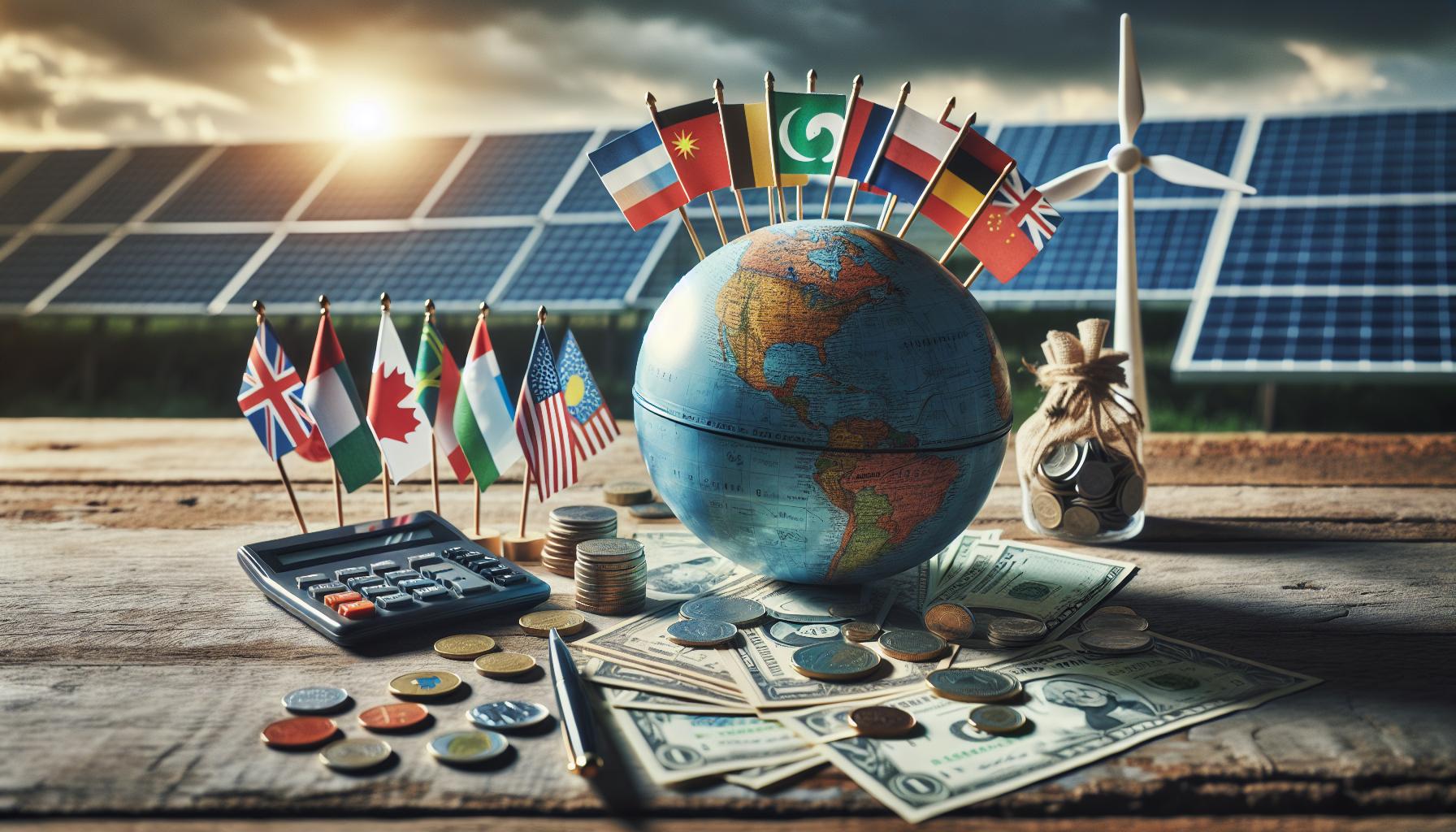
Understanding the Paris Climate Agreement and Its Financial Mechanisms
The Paris Climate Agreement represents a global commitment to addressing climate change, with a primary goal of limiting global warming to well below 2 degrees Celsius above pre-industrial levels. A crucial aspect of this effort is the financial mechanisms established to support nations in implementing climate action, particularly in developing countries. Understanding how these financial mechanisms operate is vital for grasping the larger context of international climate finance and the roles different countries play in this collaborative effort.
At the heart of climate funding is the Green Climate Fund (GCF), which aims to facilitate financial flows from developed to developing countries to help them achieve their Nationally Determined Contributions (NDCs) under the agreement. This fund supports a variety of projects designed to reduce greenhouse gas emissions and enhance climate resilience. Developed countries, largely responsible for historical emissions, are expected to contribute significantly to the GCF’s goal of mobilizing $100 billion annually, a commitment that reinforces the principle of “common but differentiated responsibilities” acknowledged in the agreement.
Achieving these financial targets requires transparency and accountability, facilitating trust among nations. Developed nations such as Germany, the United Kingdom, and France have taken on leading roles by committing substantial funds, while emerging economies, including China and India, have also begun making contributions, albeit at lower levels. This evolving landscape illustrates a crucial shift toward a more inclusive approach to climate finance, highlighting the interconnectedness of global efforts to combat climate issues and the shared responsibility of all nations to contribute to a sustainable future.
As developed countries fulfill their financial obligations, developing nations benefit from critical investments in clean energy, sustainable agriculture, and infrastructure, which can transform vulnerable economies and communities. Ensuring effective use of these funds not only mitigates climate change impacts but also fosters social and economic resilience-proving that informed financial decisions today can lead to a more sustainable tomorrow. This comprehensive approach to climate finance not only aids nations in their local contexts but also helps meet global climate goals that resonate with all humanity.
Key Criteria for Contributions to Climate Funds
In the dynamic landscape of climate finance, understanding the criteria guiding contributions to climate funds is crucial for fostering effective international cooperation. These contributions are generally shaped by two key principles: the capacity of countries to contribute and the historical responsibility for emissions. Countries that have enjoyed significant economic development and, consequently, contributed heavily to global greenhouse gas emissions are expected to lead funding efforts. This prioritizes developed nations, whose financial commitments are essential to support developing countries, particularly those that face acute vulnerabilities to climate change.
The concept of “common but differentiated responsibilities” serves as a guiding principle, stating that while all countries must engage in climate action, they possess different capacities and responsibilities based on their development status. This framework often translates into expected criteria for contributions:
- Economic Capacity: Wealthier nations are typically urged to provide more substantial financial resources due to their greater financial capacity.
- Historical Emissions: Countries with high historical emissions are expected to contribute significantly, acknowledging their role in the current climate scenario.
- Equitable Support for Vulnerable Nations: Contributions should be directed toward nations that are particularly vulnerable to the impacts of climate change, especially least developed countries and small island states.
For example, the Green Climate Fund (GCF) encourages developed nations to mobilize $100 billion annually, a goal that emphasizes the importance of significant financial backing. Countries like Germany, France, and the UK have consistently been at the forefront of this effort, pledging notable contributions to assist developing nations in implementing their Nationally Determined Contributions (NDCs). Emerging economies, including China and India, are also beginning to engage more actively, albeit at levels reflecting a balance of their capacities and historical responsibilities.
By aligning contributions with these criteria, the global climate finance framework not only supports immediate climate action but also fosters long-term resilience in developing nations, ensuring that funding is directed where it can make the most impact. This collaborative approach enhances the potential for transformative outcomes, reinforcing the interconnectedness vital for tackling climate change effectively.
The Role of Developed versus Developing Countries
The stark divide between developed and developing countries in the context of climate finance reveals profound implications for global efforts to combat climate change. Developed nations, often termed “Annex I” countries under international climate agreements, have historically benefited from industrialization that contributed significantly to global greenhouse gas emissions. This legacy positions them as the principal financiers of climate initiatives aimed at aiding vulnerable countries, which typically bear the brunt of climate impacts despite contributing less to the problem. The Paris Agreement’s mechanisms underscore this obligation, promoting the idea that those with greater financial capabilities and historical responsibilities must take the lead in funding climate solutions.
Developed countries are expected to contribute substantially to climate finance through mechanisms such as the Green Climate Fund (GCF), which aims to mobilize $100 billion annually. Countries like the USA, Germany, and the UK have committed to significant financial contributions, channeling resources to help developing nations meet their Nationally Determined Contributions (NDCs) and enhance their resilience to climate-related impacts. These financial flows often support projects geared toward sustainable development, such as renewable energy installations and infrastructure improvements tailored to withstand climate disruptions.
Conversely, developing countries face unique challenges in engaging with international climate financing. While many emerging economies, such as India and China, have started to allocate funds towards climate initiatives, the scale of their contributions remains limited compared to their developed counterparts. The disparity in financial resources often forces these nations to rely on external funding to address their climate vulnerability. Moreover, their contributions are impacted by socio-economic factors, including poverty levels and economic instability, which hinder their capacity to commit funds to climate action.
To bridge this gap, it is essential for developed nations to foster partnerships with developing countries that not only provide financial support but also include technology transfer and capacity building. Empowering developing nations through technical assistance and shared knowledge can enhance their ability to effectively utilize funds and implement climate solutions. This collaborative approach is critical in fulfilling global climate commitments and creating a sustainable future for all, regardless of their historical emissions or current economic status.
Major Players: Countries Leading the Funding Effort
A pivotal aspect of global efforts to combat climate change lies in the financial commitments made by various nations to support the Paris Climate Funds. Developed countries, historically responsible for the majority of greenhouse gas emissions, bear a significant obligation to provide financial resources to aid developing nations in their climate transition. Key players in this funding effort include prominent economies like the United States, Germany, and the United Kingdom, which have pledged substantial contributions aimed at facilitating climate resilience and sustainable development across vulnerable regions.
Leading Contributors to Climate Finance
The United States, being one of the largest historical emitters, has faced scrutiny for its climate financing efforts. Recent administrations have varied in their commitment levels, but current plans aim to bolster funding toward international climate initiatives, recognizing the necessity of global cooperation. Germany has consistently positioned itself as a leader in climate finance, investing billions through various channels including the Green Climate Fund (GCF) to support projects in renewable energy and technological innovation. Meanwhile, the United Kingdom has committed to significant funding as part of its international climate finance strategy, prioritizing initiatives that enhance climate resilience in developing nations.
Other notable contributors include France and Japan, both of which play essential roles in the collective effort to mobilize $100 billion annually for climate action. These countries not only provide direct financial support but also leverage their financial institutions to encourage private sector investment in climate-friendly projects. By utilizing mechanisms like blended finance, these nations can draw in additional resources, multiplying the impact of their direct contributions.
Encouraging Private Sector Involvement
The mobilization of funds from private sectors is equally crucial. Countries leading the funding effort are creating frameworks that incentivize businesses to invest in climate solutions. For example, through guarantees and concessional loans, initiatives aim to lower the risk for investors interested in opportunities that contribute to Nationally Determined Contributions (NDCs) in developing countries.
By emphasizing transparency, accountability, and collaborative approaches, these nations are not only fulfilling their obligations under the Paris Agreement but also setting an example of proactive leadership in the face of global challenges. As the climate crisis escalates, the commitment to fund climate initiatives will be instrumental in ensuring sustainable and equitable growth for all nations involved.
Emerging Contributors: Surprising Nations Joining the Initiative
Countries that traditionally may not be viewed as major players in climate finance are stepping up to contribute to the Paris Climate Funds. This shift is not only encouraging but also essential for achieving collective climate goals. For example, nations like South Korea and China, while primarily known as developing economies, have begun to allocate significant resources towards international climate finance. South Korea has made notable commitments via the Green Climate Fund, reflecting its growing role as a financial supporter in global climate initiatives.
The inclusion of emerging economies highlights a broader trend where middle-income and developing countries recognize their responsibilities in combating climate change. Mexico, often underappreciated in discussions around climate finance, has pledged to increase its contributions, motivated by both environmental urgency and the potential for economic advancement through green technologies. This proactive stance facilitates a more diverse funding base, which is crucial given the significant financial needs identified in climate action plans.
Furthermore, nations like India are navigating the delicate balance between developmental aspirations and climate responsibilities. Recently, India has signaled its intent to increase participation in financing mechanisms, showcasing an understanding that sustainable development pathways must incorporate significant climate investments. Initiatives such as India’s International Solar Alliance illustrate how a country with the world’s second-highest population can lead by example, driving investment in renewable energy not just domestically but also across developing nations.
The evolving landscape of financial contributions to the Paris Climate Funds demonstrates that even nations facing their own socio-economic challenges are recognizing the need to invest in climate resilience. This collective participation is monumental; it ensures that diverse voices and experiences inform climate strategies, ultimately leading to more effective and inclusive global efforts against climate change.
Assessing the Financial Impact of Climate Fund Contributions
Recognizing the financial impact of contributions to the Paris Climate Funds is crucial in understanding how international climate efforts can translate into real-world change. While pledges from nations are important, their financial results can significantly influence the pace and effectiveness of climate initiatives globally. For instance, the contributions made to the Green Climate Fund (GCF) are not merely symbolic; they are designed to catalyze investment in sustainable technologies and infrastructure across various countries, particularly in the Global South, where climate change impacts are most acutely felt.
One compelling example is the $10 billion commitment from Germany, which has been pivotal in supporting renewable energy projects in developing nations. Through such contributions, countries are not just donating money, but they are also fostering job creation and technology transfer. This dual benefit means that financial support acts as a catalyst for economic growth while simultaneously addressing climate goals. According to several studies, each dollar invested in climate adaptation and mitigation can yield multiple returns in terms of job creation and long-term economic resilience.
Moreover, the financial contributions help in matching and unlocking additional investments from the private sector. For instance, South Korea’s involvement in climate finance not only strengthens its leadership role but also influences companies to align their investments with sustainability targets. By establishing clear financial frameworks and targets, nations can attract private investors who are increasingly looking to support green initiatives.
In assessing the overall financial impact, it is also essential to consider the transparency and accountability attached to the use of these funds. This ensures that the money is spent effectively and leads to measurable outcomes. Countries that adopt rigorous tracking mechanisms can provide insights into how their contributions are being utilized, fostering trust and encouraging even greater participation from both governmental and non-governmental stakeholders. As nations commit to the Paris Climate Funds, a shared understanding of financial accountability will bolster the trust necessary for collaborative global action against climate change.
Challenges Faced by Countries in Meeting Financial Goals
Meeting the financial commitments established by the Paris Climate Agreement poses a multifaceted challenge for many nations around the globe. This complexity arises from a combination of economic constraints, political will, and varying levels of development, all of which can hinder a country’s ability to fulfill its pledges to climate funds. A significant roadblock is the competing financial priorities that governments face. Many developing nations struggle with pressing domestic issues such as health care, education, and infrastructure needs, which can overshadow climate commitments. For instance, a country dealing with a healthcare crisis may prioritize funding for hospitals over allocating necessary resources for environmental projects.
Moreover, the fluctuating economic conditions caused by global market uncertainties can impact the ability of countries to make consistent contributions. Economic downturns can lead to reduced government revenues, making it difficult for governments to allocate funds to climate initiatives without sacrificing other essential services. Countries often find themselves caught in a vicious cycle: a lack of financial commitment to climate efforts leads to inadequate preparation for climate impacts, subsequently resulting in greater economic losses in the long run.
Global Disparities and Accountability
The disparity in capabilities between developed and developing nations is another critical challenge. Developed nations typically have more robust economies and thus greater financial resources to commit to climate funds. In contrast, many developing countries depend on international support to meet their climate goals. Unfortunately, political instability and corruption in certain regions can further complicate this scenario, leading to inefficiencies and inequities in fund distribution. Countries are left with the burden of proving they can manage these funds responsibly, leading to a cautious approach from potential contributors.
Moreover, the topic of transparency and the need for stringent accounting measures is increasingly important in fostering trust among contributors. The fear of misallocation or ineffective use of funds can deter nations from committing their money. Therefore, establishing clear, transparent mechanisms for tracking donations and evaluating the effectiveness of funded projects is critical. For instance, countries that have adopted robust national climate finance frameworks tend to attract more substantial investments, demonstrating the connection between accountability and successful financial contributions.
Ultimately, to overcome these challenges, nations must prioritize collaborative efforts, emphasizing resilience and sustainability while navigating their financial landscapes. Developing clear communication strategies and fostering partnerships can also inspire responsible action, motivating both public and private sectors to join in the climate financing efforts. With informed optimism, nations can work toward overcoming these barriers and fulfill their commitments to the Paris Climate Funds effectively.
The Importance of Transparency and Accountability in Climate Funding
The effectiveness of climate funding largely hinges on the principles of transparency and accountability. When countries commit financial resources to initiatives aimed at combating climate change, they essentially enter a partnership with the global community. Stakeholders, including governments, non-governmental organizations, and citizens, must feel confident that these funds will be used appropriately and lead to tangible outcomes. In fact, studies have shown that when there is a high level of transparency in how climate funds are managed, countries are more likely to receive sustained financial support from other nations and organizations.
Establishing Trust Through Transparency
Transparency can take many forms, from clear reporting on how funds are allocated to detailed assessments of project outcomes. For example, the Green Climate Fund (GCF), a key entity established under the Paris Agreement, has implemented strict guidelines for financial reporting and project evaluations. By publishing comprehensive data on the allocation and impact of funds, they enhance trust among contributors and encourage more countries to participate in climate finance efforts. Moreover, when developed nations can see a measurable impact from their investments, it strengthens their resolve to meet and even exceed their funding commitments.
Accountability Mechanisms
Accountability goes hand-in-hand with transparency. It is not enough for countries to merely report their spending; they must also establish systems that hold them accountable for the successful implementation of funded projects. This can be achieved through regular audits, independent evaluations, and community feedback mechanisms that allow local populations to voice their experiences with climate projects. For instance, some nations have adopted participatory budgeting approaches where local stakeholders play a role in deciding how climate funds are used in their communities. This not only improves the allocation of resources but also empowers communities and reinforces their commitment to climate goals.
Furthermore, less predictable political climates or corruption scandals can jeopardize the flow of climate funding. Investors and contributing nations might hesitate to commit resources if they perceive a high risk of mismanagement. Thus, implementing rigorous anti-corruption measures and ethical guidelines is essential. Countries that have demonstrated strong institutional frameworks for governance are often more successful in attracting climate investments.
By prioritizing transparency and accountability, nations can effectively build a robust framework for climate financing that fosters global collaboration. This proactive approach not only enhances cooperation between developed and developing countries but also ensures that financial contributions translate into meaningful environmental impact, progressively guiding the world towards a sustainable future.
Future Trends: What to Expect in Climate Financing
The landscape of climate financing is continually evolving, driven by an urgent global response to climate change and an increasing understanding of the financial mechanisms needed to support mitigation and adaptation efforts. As nations commit to funding initiatives under the Paris Climate Agreement, several trends are emerging that could significantly shape the future of climate financing.
Investments in green technologies are poised to dominate funding strategies. The transition to renewable energy sources, such as solar and wind, will not only require substantial upfront financial commitments but also foster innovations that lower costs and increase efficiency. Countries are recognizing the potential for green finance to stimulate economic growth while addressing climate goals. For instance, nations that invest heavily in green technologies can generate job opportunities and enhance energy security, positioning themselves as leaders in the emerging low-carbon economy.
Moreover, the importance of blended finance-a combination of public and private funding-will continue to grow. By mitigating risks through guarantees and concessional loans, countries can attract private sector investments into climate projects that would otherwise be deemed too risky. This approach not only scales up funding but also encourages collaboration between various stakeholders, from governments to private investors and civil society. For example, the Green Climate Fund (GCF) utilizes blended finance to support developing nations in their climate strategies, showcasing how collaborative funding models can enhance resilience and promote sustainable development.
Emerging Financial Instruments
The introduction of new financial instruments tailored for climate financing, such as green bonds and carbon credits, will become commonplace. Green bonds, in particular, have gained traction as they allow investors to support environmentally friendly projects while earning returns on their investments. As more countries adopt policies that favor sustainable financial practices, the market for these instruments is expected to expand, providing additional pathways for mobilizing resources for climate action.
In addition, public and private sectors will face increasing pressure to enhance transparency and accountability in climate finance. As stakeholders demand more information on how funds are utilized and the impacts achieved, countries must adopt rigorous reporting practices and outcome evaluations. Such measures not only build trust among contributors but also ensure effective allocation of resources. Participatory models that incorporate feedback from local communities into project planning and evaluation will be critical in meeting this demand for transparency.
Ultimately, as the world grapples with the complex challenges of climate change, proactive engagement in these emerging trends will equip countries to not only meet their commitments under the Paris Agreement but also pave the way for a sustainable and resilient future.
Case Studies: Successful Contributions and Their Outcomes
Countries around the globe are stepping up to the challenge of climate funding, demonstrating how collaborative financial efforts can lead to impactful environmental change. A notable example comes from Germany, which has been a leader in committing substantial funds to the Green Climate Fund (GCF). Over recent years, Germany has pledged upwards of €1 billion to support developing nations in their transition to low-carbon economies. This investment has funded numerous projects, including renewable energy initiatives in African nations that aim to enhance local energy security and reduce reliance on fossil fuels.
Similarly, the United Kingdom has played a critical role in climate financing through its commitment of £11.6 billion over five years, primarily aimed at supporting developing countries in mitigating and adapting to climate change. The UK’s investments have led to successful outcomes, such as solar energy projects in India and flood resilience programs in Bangladesh, providing vital resources for communities most affected by climate impacts. These projects not only help to combat climate change but also empower local populations through job creation and increased energy access.
Furthermore, emerging contributors such as India showcase the shifting landscape of climate funding. Despite being a developing country, India has committed to its own Green Climate Fund contributions while mobilizing private sector investments. This is evident in its ambitious renewable energy targets, particularly its goal to install 450 GW of renewable energy capacity by 2030. By leveraging both national and international funds, India is paving the way for sustainable development while fulfilling its climate commitments under the Paris Agreement.
In the context of transparency and accountability, these case studies underscore the importance of robust reporting frameworks that track the progress and impacts of climate financing. By sharing success stories and best practices, countries can inspire others to contribute meaningfully to global climate objectives. This collaborative spirit is essential in navigating the complexities of climate change and ensuring that financial commitments translate into tangible environmental benefits.
Engagement from various stakeholders, including governments, non-profits, and the private sector, is crucial for expanding the reach of successful contributions to climate funds. With continued dedication and shared strategies, nations can transform financial pledges into impactful actions that address the urgent climate crisis we collectively face.
How Individual Citizens Can Support Climate Fund Efforts
Taking action against climate change is a collective responsibility, and individuals play a critical role in supporting the financial mechanisms behind global climate funds. By understanding how personal choices and actions contribute to broader climate goals, citizens can become powerful advocates for funding efforts that help mitigate climate change impacts. Engaging in climate finance does not require being a policy expert; it can start with small, meaningful actions that ripple outwards toward larger systemic change.
One effective way individuals can support climate fund efforts is by actively engaging in community initiatives that promote sustainability. Participating in or organizing local events, such as tree planting drives or clean-up campaigns, can help illustrate the direct impact of grassroots efforts on climate resilience. Individuals can also advocate for stronger climate policies at the local and national levels by contacting their representatives or joining advocacy groups. Mobilizing community support for sustainability measures can create pressure for government allocations to climate funds that are essential for global initiatives.
Additionally, making informed consumer choices is crucial. Opting for products and services from companies that prioritize environmental sustainability-such as those that invest in renewable energy or demonstrate transparent supply chains-sends a strong message. Supporting local businesses that focus on sustainable practices not only boosts local economies but also reduces carbon footprints associated with transportation and resource extraction. Advocating for businesses to donate a percentage of their profits to climate funds, or choosing to support those already doing so, amplifies individual efforts and aligns personal economic actions with global climate goals.
It’s also worthwhile to consider making direct contributions to organizations focused on climate funding. Many NGOs and climate-focused groups allow individuals to donate to specific projects that align with personal values, such as renewable energy initiatives, conservation efforts, or community resilience programs. This financial support can go directly toward implementation and successful outcomes in vulnerable regions, enhancing the overall impact of the Paris Climate Agreement.
Through these actions, each person can contribute to a larger movement toward climate accountability and transparency. Engaging with climate finance on an individual level, in community settings, and through informed consumer behavior transforms the often-intimidating realm of global agreements into something tangible and actionable. As citizens connect their daily choices with global imperatives, their contributions can help ensure that countries meet their climate commitments and effectively utilize funds to protect the planet.
Q&A
Q: Which countries are major contributors to the Paris Climate Fund?
A: Major contributors to the Paris Climate Fund include developed nations such as the United States, Germany, and the United Kingdom. These countries have pledged significant financial support to help developing nations combat climate change, aligning with the principles of the Paris Agreement.
Q: How much funding do countries need to commit to the Paris Climate Funds?
A: Countries are encouraged to commit to funding based on their economic ability and historical contributions to global emissions. The goal is for developed countries to provide $100 billion annually by 2020, a target that continues to shape funding commitments today.
Q: Why do developed countries pay more into the Paris Climate Fund?
A: Developed countries pay more as they bear greater historical responsibility for greenhouse gas emissions. Their contributions help support developing nations in implementing climate actions, technologies, and adaptation strategies, ensuring equity in global climate efforts.
Q: What criteria determine how much countries will contribute to the Paris Climate Funds?
A: Contributions are based on various criteria, including GDP, historical emissions, and specific national circumstances. This ensures a fair assessment of each country’s capacity to contribute to international climate finance initiatives.
Q: Are there penalties for countries that fail to contribute to the Paris Climate Funds?
A: While there are no formal penalties for non-compliance, lack of contribution can affect a country’s reputation and its ability to access future climate financing. Continuous engagement is crucial for maintaining international relations and support from the global community.
Q: How does the Paris Climate Fund distribute financial aid to countries?
A: The Paris Climate Fund distributes aid through a transparent, governed framework that evaluates project proposals from developing countries. Funding is allocated based on project viability, potential impact, and alignment with climate goals, ensuring effective use of resources.
Q: Which countries are expected to increase their contributions to the Paris Climate Fund in the coming years?
A: Countries like China and India, traditionally viewed as developing nations, are increasingly expected to enhance their contributions as their economies grow and their emissions rise. The evolving international dynamics are pushing for broader participation in climate financing.
Q: What role do emerging economies play in the Paris Climate Fund?
A: Emerging economies are starting to play a significant role by acknowledging their growing emissions and economic capabilities. These nations, such as Brazil and South Africa, are increasingly participating in climate finance mechanisms, complementing contributions from developed countries.
In Summary
As we conclude our exploration of the countries contributing to the Paris Climate Funds, it’s clear that every nation’s commitment plays a crucial role in combating climate change. Understanding these financial flows empowers you to advocate for meaningful action in your community and beyond. If you’re eager to dive deeper into related topics, don’t miss our articles on the impact of climate finance or how international agreements shape environmental policies.
Ready to take the next step? Sign up for our newsletter to stay updated on critical developments in climate action and economic strategies. We value your voice-share your thoughts or questions in the comments below, and join a community passionate about making a difference. Together, we can ensure that financial decisions reflect our world’s pressing climate needs. Explore more on our site to learn how you can be a part of this vital conversation!