Did you know that the earliest human practices, such as agriculture and deforestation, fundamentally changed our planet’s climate? In “How Did Humans First Alter Global Climate Patterns,” we explore how these initial actions set the stage for the environmental challenges we face today. Understanding these historical shifts is crucial for recognizing our role in climate change and realizing the power we hold to steer future solutions. As global climate patterns continue to evolve, examining our past offers valuable insights that can guide current and future actions. Join us on this journey to discover the intricate relationship between humanity and the planet, and how our choices have long-lasting effects on the environment. Your awareness and understanding can inspire responsible actions that support both our planet and future generations.
The Early Signs of Human Climate Influence
Human activity has been reshaping the planet’s climate for centuries, with roots tracing back to early agricultural practices and land use changes. The emergence of agriculture around 10,000 years ago marked the first significant human influence on climate, as clearing land for crops and livestock led to deforestation and the alteration of natural landscapes. This not only changed local ecosystems but also contributed to variations in atmospheric conditions. For example, the rise of agricultural methods such as slash-and-burn, employed by various prehistoric cultures, released carbon stored in trees, fostering a gradual increase in greenhouse gases that would ultimately impact global warming.
As civilizations progressed, actions such as urbanization and industrialization further accelerated climate change. Notably, the Industrial Revolution in the 18th century dramatically increased fossil fuel consumption, which fueled industrial growth and led to unprecedented levels of carbon emissions. This period marked a turning point, as industries released vast amounts of carbon dioxide into the atmosphere, contributing to the greenhouse effect and creating conditions for climate shifts that would reverberate throughout the centuries. Historical records reveal that the concentration of CO2 in the atmosphere began to rise sharply during this period, underscoring the link between human innovation and environmental impact.
Understanding these early influences is critical not only for recognizing the extent of human-induced climate change but also for addressing current climate challenges. Tasks like sustainable land management, reforestation, and innovative agricultural techniques can help mitigate some of these early impacts. By learning from the past, we can foster a more sustainable future that honors both human progress and environmental integrity. It’s essential to implement practical strategies today, using lessons from history to inform our actions and adapt our approaches to ensure that the climate implications of modern lifestyles are minimized.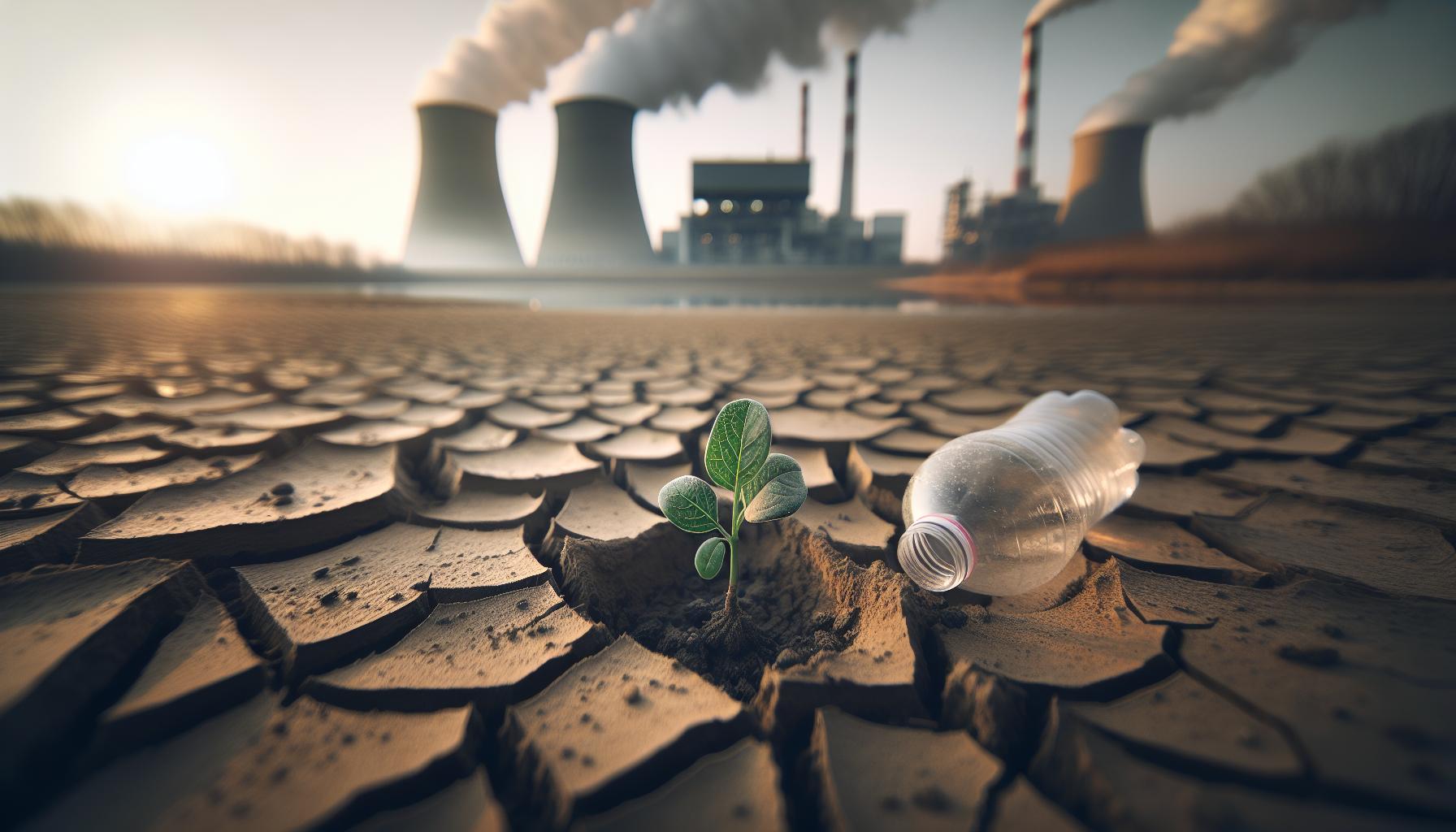
Agricultural Practices and Their Climate Impacts
The transformation of agriculture over millennia has profoundly influenced the global climate, often in ways that are not immediately apparent. As societies transitioned from nomadic lifestyles to settled communities around 10,000 years ago, early agricultural practices such as cropping and animal husbandry not only fed growing populations but also significantly altered atmospheric compositions. Methods like slash-and-burn agriculture, utilized by various ancient civilizations, directly contributed to an increase in greenhouse gases. When land is cleared for cultivation, carbon stored in trees and soil is released into the atmosphere, prompting a gradual rise in global temperatures.
As agricultural techniques evolved, so too did their environmental impact. Traditional practices often involve the overuse of fertilizers and pesticides, which can lead to soil degradation and a decline in biodiversity. These practices not only affect local ecosystems but also contribute to wider climate issues. For instance, nitrogen fertilizers release nitrous oxide, a potent greenhouse gas that influences global warming. Understanding how these agricultural methods alter climates can empower modern farmers to adopt more sustainable practices, such as incorporating organic farming, crop rotation, and agroforestry, which can enhance soil health and mitigate harmful emissions.
Moreover, with a global population projected to reach nearly 10 billion by 2050, the agricultural sector must adapt to meet increasing food demands while reducing its carbon footprint. Embracing innovative approaches such as precision farming, which leverages technology to optimize field-level management, can lead to more efficient water usage and reduced inputs, ultimately minimizing environmental impact.
The integration of sustainability into agricultural practices is not merely an environmental necessity but also a pathway toward resilience. By drawing from traditional knowledge and employing modern techniques, farmers can better manage their resources, ensure food security, and contribute positively to climate mitigation. It is crucial for policymakers, scientists, and agricultural stakeholders to collaborate in creating frameworks that support sustainable agricultural development, thus bridging the past impacts of farming practices with future climate goals.
Deforestation’s Role in Climate Change
The act of clearing forests to make way for agriculture, urbanization, and other human activities has been a profound catalyst for climate change, altering the very balance of our planet’s ecosystem. Deforestation contributes significantly to an increase in greenhouse gases, primarily by releasing the carbon stored in trees and soil, a process that has accelerated since the dawn of agriculture more than 10,000 years ago. According to the Food and Agriculture Organization (FAO), deforestation accounts for nearly 10-15% of global greenhouse gas emissions, making it one of the largest contributors to climate change.
When forests are removed, not only is the carbon dioxide absorbed by the trees released back into the atmosphere, but the land also becomes less capable of absorbing new carbon emissions due to the loss of vegetation. In addition, the disruption of local climates can create a feedback loop that worsens extreme weather patterns, such as droughts and floods, further exacerbating the negative effects on both the environment and agriculture. For instance, the clearing of forests can lead to increased runoff, reducing groundwater recharge and impacting water quality-issues that deeply affect agricultural productivity and biodiversity.
Innovative Solutions and Sustainable Practices
The good news is that numerous sustainable practices can be adopted to mitigate the impact of deforestation. Reforestation and afforestation are critical strategies that involve planting trees to restore forests that have been lost or creating new forested areas. Communities can actively engage in programs that focus on regenerative agriculture, which prioritizes the health of the soil and surrounding ecosystems, ultimately making agricultural systems more resilient to climate change.
Key strategies for reducing deforestation include:
- Agroforestry: Integrating trees within agricultural landscapes not only provides food and timber but also enhances biodiversity and improves carbon storage.
- Sustainable logging practices: Implementing selective logging methods helps ensure that forests can regenerate while still meeting timber needs.
- Community management: Involving local communities in forest management decisions connects economic needs with ecological stewardship, empowering people to protect their environment.
Real-life examples of successful reforestation can be found worldwide. For instance, the Bonn Challenge is a global effort aiming to restore 150 million hectares of degraded and deforested land by 2020, with countries like Rwanda and China leading the way in massive reforestation initiatives.
As stewards of the planet, individuals and organizations can play a crucial role in curtailing deforestation and fostering a sustainable future. Whether through supporting sustainable products, advocating for policies that protect forests, or participating in local reforestation efforts, every action counts in the quest for a healthier, more balanced ecosystem. By recognizing the importance of forests not only for biodiversity but also as essential allies in the fight against climate change, society can align its goals toward responsible environmental management.
The Industrial Revolution: A Turning Point
The Industrial Revolution marked a seismic shift in human activity that immensely impacted global climate patterns. Beginning in the late 18th century, this period was characterized by advancements in manufacturing processes and the extensive use of fossil fuels-particularly coal, oil, and natural gas. The emergence of steam engines and mechanized production not only revolutionized industries but also initiated unprecedented levels of carbon dioxide emissions into the atmosphere. This transition laid the groundwork for a new economic era, but it came at a significant environmental cost, contributing significantly to climate change.
During this transformative period, urbanization accelerated as people left rural areas in search of jobs in factories, leading to the growth of cities. This rapid urban growth necessitated the expansion of infrastructure and the increased demand for energy, all of which further drove the consumption of coal. By burning coal for energy, we released vast amounts of carbon dioxide-one of the primary greenhouse gases-into the atmosphere. Historical records suggest that carbon dioxide levels rose dramatically, a trend that has continued into the modern era. As cities expanded, so did the impervious surfaces, which disrupted natural water cycles and increased urban heat islands, thus intensifying and altering local climates.
Lessons from the Industrial Revolution
A critical takeaway from the Industrial Revolution is understanding that technological advancement must align with environmental stewardship. Innovative practices from this period, such as the rise of the factory system, showed how human ingenuity could drive economic growth; however, they also illustrate the importance of sustainable practices. As we reflect on that time, it becomes clear that adopting cleaner energy solutions today is essential to mitigate the legacy of pollution and greenhouse gas emissions.
To address these challenges, incorporating strategies such as the transition to renewable energy sources, promoting energy efficiency, and enhancing public transportation could substantially reduce our carbon footprint. Community engagement in sustainability practices can foster a sense of responsibility and action, encouraging individuals to adopt environmentally friendly choices in their daily lives.
In conclusion, understanding the impact of the Industrial Revolution on climate change empowers us to take informed actions today. By recognizing the lessons of the past, we can inspire a new wave of innovative, sustainable practices that prioritize both economic growth and environmental resilience.
Urbanization and Its Climatic Consequences
As urbanization surged in the 19th and 20th centuries, it catalyzed profound alterations to our planet’s climate systems. Today’s urban environments cover just 3% of Earth’s land, yet they are responsible for nearly 70% of global greenhouse gas emissions. This striking fact serves as a reminder of how concentrated human activities in urban settings can significantly impact the climate. Urban areas generate substantial heat through transportation, building energy use, and industrial production, forming what is known as the urban heat island effect. This phenomenon leads to higher local temperatures, which not only exacerbate energy consumption for cooling purposes but also disrupt regional climate patterns.
The expansion of cities frequently involves the replacement of natural landscapes with concrete and asphalt, resulting in increased surface runoff and decreased natural water absorption. This alteration significantly affects the hydrological cycle, causing greater frequency and severity of floods, as urban areas struggle to manage stormwater effectively. This scenario emphasizes an urgent need for integrated urban planning that prioritizes green spaces and sustainable infrastructure, such as permeable pavements and urban forests, which can help manage rainwater and reduce temperatures.
Strategies for Sustainable Urban Development
To mitigate the climatic consequences of urbanization, several strategies can be adopted:
- Investing in Green Infrastructure: Cities can enhance climate resilience by integrating parks, green roofs, and urban forests. These areas not only absorb carbon but also help lower temperatures and improve air quality.
- Implementing Sustainable Transportation: Promoting public transit, cycling, and pedestrian pathways can significantly reduce vehicular emissions. Successful examples include cities like Copenhagen that emphasize bike-friendly infrastructure.
- Adopting Energy Efficiency Measures: Retrofitting buildings to reduce energy consumption is critical. According to the American Council for an Energy-Efficient Economy, energy-efficient buildings can cut energy use by 30-50%.
In light of these challenges, it is imperative to view urbanization not merely as a driver of climate change but as a potential ally in the pursuit of sustainability. By rethinking the design and function of our urban landscapes, we can shift towards models that harmonize human activity with environmental stewardship, thus fostering a more sustainable future.
Historical Case Studies of Climate Alteration
Human influence on climate patterns can be traced back thousands of years, with various cultures implementing practices that unknowingly shifted the global climate. One striking example is the widespread agricultural practices of early civilizations. As societies transitioned from nomadic lifestyles to settled agriculture, they began to clear vast landscapes for farming. The deforestation associated with this shift not only altered local ecosystems but also contributed to atmospheric changes. For instance, studies have shown that land clearance in regions like the Amazon rainforest has profound implications for carbon dioxide levels, as fewer trees mean less carbon stored and more CO2 released into the atmosphere.
Another significant historical case is the impact of the Industrial Revolution, which marked a substantial turning point in how human activities affected the climate. Beginning in the late 18th century, this period saw the introduction of fossil fuels like coal and oil into manufacturing processes. Industries began emitting unprecedented quantities of greenhouse gases, significantly altering atmospheric conditions and contributing to global warming. The use of steam engines and later, internal combustion engines, transferred energy consumption patterns to a scale never before seen, setting the stage for the climate challenges we face today.
Looking at urbanization further illustrates this point. In the 19th century, cities expanded rapidly, leading to increased energy demands and emissions. The heat produced in these bustling urban centers contributed not only to localized warming but also altered weather patterns. For instance, cities like London and New York City experienced the urban heat island effect, where metropolitan areas become markedly warmer than their rural surroundings, thus changing localized climates.
These historical case studies reinforce the urgent need for reflective environmental practices as we continue to develop. By understanding the implications of past human actions on climate, current and future generations can adopt more sustainable practices that prioritize ecological balance. Emphasizing afforestation, renewable energy, and smart urban planning can mitigate the carbon footprint left by earlier practices, reaffirming humanity’s potential to shift course toward a more sustainable future. By learning from history, we can take actionable steps to ensure that development aligns with environmental stewardship.
The Relationship Between Population Growth and Climate
As the global population has surged from just over 1 billion in 1800 to nearly 8 billion today, patterns has become a pressing concern. This rapid increase in human numbers inevitably leads to higher demand for resources such as food, water, and energy. Consequently, the strain on the environment amplifies, resulting in significant alterations to climate systems. For instance, larger populations require more land for agriculture, which in turn escalates deforestation rates and carbon emissions. Each person contributes to the ecological footprint, making it essential to understand how our choices and lifestyles directly influence the planet’s climate.
The Greener Choices We Can Make
Shifting towards sustainable practices is crucial in mitigating the effects of population growth on climate change. *One effective strategy includes adopting sustainable agricultural methods*, such as permaculture or agroecology, which not only increase crop yields but also enhance soil health and biodiversity. These practices require fewer resources while reducing greenhouse gas emissions tied to traditional farming techniques. Moreover, supporting local food systems can minimize transportation emissions, thereby lessening the overall carbon footprint of food production.
Additionally, embracing renewable energy sources, such as solar and wind power, can significantly lower fossil fuel dependency. Investing in energy-efficient technologies within our homes and communities can further contribute to this effort. For example, LED lighting, high-efficiency appliances, and smart grid technologies represent actionable steps that individuals and municipalities can adopt to decrease energy consumption.
Collective Action Equals Change
Population growth’s impact on climate is not just a matter of individual actions; it demands collective efforts at various scales. Governments can implement policies that promote sustainable urban planning, enhance public transportation systems, and support population stabilization measures, all of which can help alleviate pressing environmental pressures. Participating in community initiatives focused on conservation or climate education can empower citizens and foster greater awareness of individual roles in climate change.
By recognizing the interconnectedness of population dynamics and climate change, we can inform critical decisions about resource use and environmental stewardship. An informed and engaged population can drive systemic changes, advocating for regulations that prioritize sustainability and resilience against climate impacts. Through education and proactive measures, we can cultivate a societal ethos focused not solely on growth but on sustainability, ensuring that the footprint we leave behind on our planet is a responsible and regenerative one.
Cultural Practices That Changed the Environment
Cultural practices have long been woven into the fabric of human life, guiding not just social norms but also the ways we interact with our environment. From ancient agricultural techniques to modern urban development, these practices can profoundly affect climate patterns and ecosystems. The shift from nomadic lifestyles to settled agriculture over 10,000 years ago marked one of the earliest instances of humans altering their environment. The domestication of crops and livestock led to landscapes transformed by fields and farms, fundamentally changing local ecosystems and their carbon balances.
One notable example is the practice of slash-and-burn agriculture, prevalent among indigenous communities throughout the Amazon and other forested areas. This method involves cutting down trees and burning the vegetation to clear land for cultivation, leading initially to fertile soils. However, repeated cycles of this practice can result in deforestation and loss of biodiversity, contributing to carbon emissions that exacerbate climate change. Similarly, the traditional practice of rice farming in flooded fields has been shown to release methane, a potent greenhouse gas, while yielding essential food supplies. Understanding the trade-offs involved in such practices is crucial for developing sustainable agricultural methods.
In more recent history, as industrialization took hold, cultural priorities shifted towards efficiency and production, often at the expense of environmental health. The rise of consumer culture led to increased resource extraction and energy use, significantly altering climatic conditions. Cities expanded rapidly, and with them, a plethora of cultural practices emerged that emphasized convenience, such as increased reliance on automobiles and disposable goods. This focus on short-term gains often ignored the long-term impact on planetary health, contributing to the climate crisis we face today.
The path forward requires a re-examination of cultural practices with an eye toward sustainable development. Transitioning to regenerative practices, such as permaculture or agroforestry, can restore and enhance ecological health while meeting human needs. Communities and individuals can engage in local sustainability efforts, such as urban gardening or conservation programs, fostering a collective cultural shift towards environmental stewardship. By understanding and addressing the cultural roots of environmental change, we can craft a future that honors both human needs and the health of our planet.
Modern Perspectives: How We View Early Climate Actions
Recognizing the profound impact of early human activities on climate patterns has become increasingly critical as we navigate the complexities of our current environmental crises. Historical actions-ranging from ancient agricultural techniques to early industrial activities-have laid the groundwork for the contemporary understanding of climate change. As we look back, it’s essential to examine how our ancestors’ choices can inform today’s sustainable practices and policies.
One of the pivotal perceptions of early climate actions is the transformation of landscapes through agriculture. For instance, the advent of farming approximately 10,000 years ago not only enabled civilizations to prosper but also marked the beginning of significant environmental alterations. As communities shifted from hunter-gatherer lifestyles to settled agricultural practices, they began to clear vast areas of land, leading to deforestation and altered carbon cycles. Such historical insights prompt the question: how can modern agricultural practices be re-envisioned to balance productivity with ecological preservation? Techniques like permaculture and agroforestry serve as modern responses, promoting biodiversity and reducing carbon footprints.
Furthermore, the narrative of industrialization reveals a critical turning point in climate influence. Early factories, with their reliance on coal and fossil fuels, not only accelerated economic growth but also initiated unprecedented levels of pollution and greenhouse gas emissions. Today, as we face the ramifications of this rapid growth, a significant focus is on the transition to renewable energy sources. This historically rooted perspective emphasizes the importance of learning from past mistakes, advocating for clean energy initiatives that aim to reverse some of the damage inflicted on our planet.
In examining early climate actions, it becomes clear that cultural practices are deeply intertwined with environmental outcomes. For example, indigenous practices often emphasized harmony with nature, contrasting sharply with more extractive Western approaches. By revisiting these sustainable methods and advocating for their integration into modern practices, communities can foster a culture of environmental stewardship. It’s about promoting a collective cultural shift-where local actions, such as urban gardening and community conservation efforts, encourage responsible interaction with our ecosystem.
Ultimately, a modern perspective on early climate actions isn’t just about reflection; it’s about empowerment and actionable change. By understanding how our historical choices shaped today’s climate systems, we can make informed decisions that prioritize sustainability for future generations. Engaging with these lessons fosters a renewed commitment to protecting our planet while recognizing the significant role of each individual in this ongoing journey toward ecological balance.
Science Behind Human-Induced Climate Change
Human activities have consistently shaped global climate patterns, a legacy that counteracts the natural equilibrium maintained by Earth’s systems. One key aspect contributing to this transformation is the emission of greenhouse gases, which primarily arise from varied sectors like agriculture, deforestation, and industrialization. For example, as the population grew and societies advanced, reliance on fossil fuels increased dramatically, particularly since the Industrial Revolution. The burning of coal, oil, and natural gas has exponentially heightened carbon dioxide levels in the atmosphere, disrupting long-standing climate balances.
The can be illustrated through a combination of data-driven insights and real-world examples. Carbon dioxide (CO2) is a major contributor, capturing heat within the atmosphere in a process known as the greenhouse effect. This increase in greenhouse gases from human activities, such as the use of fertilizers in farming or emissions from factories, directly correlates with rising global temperatures. For instance, NASA data shows that since the late 19th century, the average global temperature has risen by approximately 1.2 degrees Celsius, a trend attributed largely to human activities.
Impact of Agricultural Practices
The impact of agricultural practices on climate has become increasingly apparent. Traditional methods often involve land clearance, which not only releases stored carbon when forests are cut down but can also lead to soil degradation. Moreover, the use of nitrogen-based fertilizers contributes to nitrous oxide emissions, another potent greenhouse gas. Transitioning to sustainable techniques like no-till farming and crop rotations can mitigate these adverse effects, fostering both productivity and ecological balance.
Deforestation and Urbanization
Deforestation, driven by the demand for land, timber, and agricultural products, significantly contributes to climate change. Forests act as carbon sinks, absorbing CO2 from the atmosphere; their destruction releases this carbon back, exacerbating the greenhouse effect. Urbanization compounds these issues, as cities often replace natural landscapes with buildings and roads, leading to altered local climates and increased energy consumption. Cities characteristically show the “urban heat island” effect, where asphalt and concrete surfaces contribute to higher temperatures compared to surrounding rural areas.
Adopting holistic strategies that integrate eco-friendly practices can empower individuals and communities. Solutions like reforestation projects, renewable energy investments, and sustainable agricultural practices not only combat climate change but also enhance biodiversity. Addressing historical choices through conscious, contemporary actions is crucial. An informed approach to resource management can ultimately ensure that future generations inherit a healthier planet.
Strategies for Sustainable Future Climate Actions
The pathway towards a sustainable future hinges on our ability to implement actionable strategies that mitigate climate change while promoting ecological balance. Understanding the historical context of climate alteration by human activity provides critical insights into how we can forge a new, sustainable path forward. One compelling approach is the integration of renewable energy sources. By shifting away from fossil fuels towards solar, wind, and hydroelectric power, communities can significantly reduce greenhouse gas emissions. For instance, countries like Denmark and Germany have successfully harnessed wind energy to supply a substantial part of their national energy needs, demonstrating that a transition is not only viable but also economically beneficial in the long term.
Promoting Sustainable Agricultural Practices
Another crucial strategy lies in rethinking our agricultural practices. The adoption of sustainable farming techniques, such as agroecology and organic farming, can reduce reliance on chemical fertilizers and pesticides that contribute to greenhouse gas emissions and soil degradation. For example, implementing cover cropping and crop rotation can enhance soil health and biodiversity while sequestering carbon. Successful initiatives in places like Brazil, where agroforestry practices have been adopted, show clear benefits-improving soil quality and increasing yields compared to conventional methods.
Community Engagement and Education
Empowering communities through education and engagement is essential for fostering a culture of sustainability. Informing citizens about waste reduction, resource management, and the benefits of local food systems can lead to collective action. Involving local stakeholders in decision-making processes, such as urban planning and resource allocation, ensures that the implemented strategies reflect the community’s needs and priorities. Programs in cities like Portland, Oregon have effectively engaged residents in climate initiatives that promote green infrastructure and community gardens, resulting in enhanced local resilience and environmental stewardship.
Innovative Policies and Investments
To promote sustainable actions, innovative policies must be introduced that incentivize both individuals and businesses to reduce their carbon footprint. This can include tax credits for renewable energy installations, subsidies for sustainable agriculture, and strict regulations on emissions. Countries investing in green technology not only take a leadership role in global climate efforts but also open up new economic opportunities through job creation in emerging industries. Sweden’s commitment to carbon neutrality by 2045 exemplifies how visionary policy frameworks can catalyze significant change while enhancing economic stability.
By fostering these strategies and embracing holistic approaches, society can effectively counteract the historical trends of climate alteration. It is imperative to instill hope and demonstrate that a sustainable future is possible through collective efforts, informed choices, and innovative strategies that prioritize the health of our planet for generations to come.
Lessons from History: Avoiding Past Mistakes
The significant changes humans have made to the climate over the past centuries serve as important lessons for the future. With each industrial advance, the effects of our actions on the planet became increasingly evident, leading to a stark realization: the methods of progress adopted in the past may not serve our better interests moving forward. One of the most crucial lessons centers around a balanced relationship with the environment; the pursuit of economic growth should not come at the cost of ecological degradation. Sustainability must be woven into the fabric of all future endeavors to ensure harmony between human activity and natural systems.
To avoid the pitfalls that have marked previous eras, we must reflect on historical agricultural practices that intensified soil degradation and habitat destruction. For example, the Green Revolution increased food production but also led to overreliance on chemical fertilizers and pesticides, contributing significantly to soil and water pollution. Moving forward, agricultural techniques must prioritize environmental health, embracing organic farming, permaculture, and regenerative practices that enhance rather than deplete the earth’s resources. By adopting sustainable agriculture, we not only mitigate climate impact but also support local economies and bolster food security.
Moreover, the lessons of urbanization reveal the need for planned growth that considers environmental impacts. Rapid urban expansion has frequently resulted in the loss of green spaces and increased emissions from transportation and energy consumption. Cities like Copenhagen showcase how integrating green infrastructure-such as parks, green roofs, and urban forests-can enhance both livability and ecological function. Encouraging pedestrian-friendly public transport methods, while supporting local urban agriculture, can significantly reduce the carbon footprint of urban areas.
Finally, embracing educational initiatives that promote understanding of climate science among the general populace is critical. By equipping communities with knowledge about the causes and consequences of climate change, we can foster collective action and informed decision-making. Programs that engage citizens in sustainability efforts, like community gardens and local clean-up drives, not only cultivate environmental awareness but also strengthen community ties. In essence, learning from our past means reshaping our future with a focused, collective commitment to sustainable practices that respect both humanity and the planet.
Frequently Asked Questions
Q: How did early agricultural practices affect climate patterns?
A: Early agricultural practices, such as slash-and-burn techniques, significantly altered local climates by removing vegetation. This led to increased carbon emissions and changes in soil composition, impacting climate systems over time. For a deeper understanding, check the section on “Agricultural Practices and Their Climate Impacts” in the main article.
Q: What role did deforestation play in changing early climates?
A: Deforestation contributed to climate change by releasing stored carbon dioxide into the atmosphere, typically from forests cleared for farming or urban expansion. This not only decreased biodiversity but also affected rainfall patterns. Explore more in the article section “Deforestation’s Role in Climate Change.”
Q: When did human activities first begin to influence global temperatures?
A: Human activities began influencing global temperatures as early as the Neolithic period with the advent of agriculture. This period marked significant land-use changes that started affecting the Earth’s climate systems. For additional details, refer to the “The Early Signs of Human Climate Influence.”
Q: What was the impact of the Industrial Revolution on global climate?
A: The Industrial Revolution marked a crucial turning point that drastically increased fossil fuel consumption, leading to high carbon emissions. This period saw rapid industrialization, contributing to global warming with lasting climate effects. Review the insights in “The Industrial Revolution: A Turning Point.”
Q: How does urbanization impact climate patterns today?
A: Urbanization increases heat generation, modifies local weather patterns, and heightens greenhouse gas emissions due to concentrated energy use. Urban areas often create heat islands, exacerbating temperature increases. For more on the topic, see the section “Urbanization and Its Climatic Consequences.”
Q: Why is understanding historical climate alteration crucial for today’s climate actions?
A: Learning from historical climate alterations helps inform current strategies for sustainable actions and prevention of past mistakes. By analyzing what has worked or failed, we can apply these lessons to mitigate future climate impacts. Check “Lessons from History: Avoiding Past Mistakes” for more insights.
Q: What are the long-term effects of early human environmental changes?
A: Long-term effects of early human environmental changes include biodiversity loss, altered water cycles, and increased greenhouse gas concentrations. These factors have paved the way for contemporary climate challenges. Explore historical contexts in “Historical Case Studies of Climate Alteration.”
Q: How has population growth contributed to climate change throughout history?
A: Population growth has intensified land use and resource consumption, leading to more significant environmental changes and climate impacts. Increased demand for food, housing, and energy drives deforestation, pollution, and greenhouse gas emissions. Delve deeper in “The Relationship Between Population Growth and Climate.”
To Wrap It Up
As we’ve explored how humans have historically altered global climate patterns, it’s clear that our actions have lasting consequences on our environment. Understanding this dynamic is crucial for taking informed steps toward a more sustainable future. Don’t wait-start your journey today by checking out our resources on renewable energy alternatives and strategies for reducing your carbon footprint.
If you found this discussion enlightening, consider diving deeper into our related articles on climate change mitigation and the impacts of industrialization on ecosystems. Engage with us by sharing your thoughts below or signing up for our newsletter to stay updated on the latest insights in climate science and sustainability. Together, we can learn how to make impactful changes and foster a healthier planet. Your voice matters-let’s keep the conversation going!