Climate change is a pressing global challenge that affects us all, and understanding how scientists study it is crucial for informing effective action. For instance, recent research highlights that our overheating planet could experience an alarming increase of 57 extreme heat days a year, underscoring the urgency for comprehension and response. Scientists employ a variety of methods to monitor climate trends, analyze data, and predict future scenarios-tools that are essential for developing sustainable solutions. By exploring how these studies illuminate the complexities of climate dynamics, we empower ourselves to engage in meaningful conversations and actions. Whether you’re concerned about rising temperatures, shifting weather patterns, or the impacts on wildlife and communities, this exploration into the methodologies of climate science will enhance your understanding and inspire proactive approaches to a more sustainable future. Join us on this journey to uncover how experts dissect the climate crisis, offering insights that could shape both policy and personal choices for a healthier planet.
How Scientists Gather Climate Data: Methods and Technologies
To understand the complexities of climate change, scientists utilize a diverse array of methods and technologies to gather, analyze, and interpret climate data. One of the most prevalent tools is the use of weather stations strategically positioned across the globe. These stations routinely collect data on temperature, humidity, wind speed, and precipitation, which then contribute to an extensive global database. For example, the National Oceanic and Atmospheric Administration (NOAA) operates a network of over 1,200 active stations in the United States alone, highlighting the importance of localized data in understanding regional climate patterns.
Advanced Technologies in Climate Data Collection
Technological advancements have significantly enhanced climate data collection processes. Remote sensing technology, particularly through satellites, plays a crucial role in monitoring vast areas of the Earth’s surface and atmosphere. Satellites equipped with various sensors can measure land surface temperatures, track cloud movement, and gather data on greenhouse gases. For instance, NASA’s MODIS (Moderate Resolution Imaging Spectroradiometer) provides critical data on vegetation cover and land surface changes, which are vital for understanding carbon sequestration and emissions.
- Climate Modeling: By simulating Earth’s climate systems, climate models help predict future climate conditions based on various greenhouse gas emission scenarios.
- Field Studies: Scientists conduct field research in diverse ecosystems to observe real-time climate impacts, integrating ground-level data with broader statistical models.
- Oceanographic Research: Studies of ocean currents and temperatures not only reveal patterns affecting marine life but also impact global climate systems.
The collaboration between different science disciplines also enhances data gathering, making it more robust. Interdisciplinary approaches-for example, combining meteorology, oceanography, and ecology-allow for a more comprehensive understanding of climate interactions. Furthermore, the rise of citizen science projects encourages public participation in data collection, often expanding the reach of research efforts to remote areas or diverse populations. By empowering individuals to contribute to climate data, it fosters a greater collective responsibility towards understanding and combatting climate change.
Ultimately, addressing climate change is complex and requires a concerted effort combining traditional data collection methods with emerging technologies. By effectively utilizing these tools and engaging various sectors of society, scientists continue to refine their understanding of climate dynamics, guiding informed actions towards sustainability and resilience.
The Role of Climate Models in Predicting Change
Climate models are indispensable tools for understanding future climate scenarios, helping scientists predict how factors like greenhouse gas emissions and land-use changes can affect our planet’s climate. By simulating Earth’s complex climate systems, these models provide insights into potential future conditions, giving policymakers, businesses, and individuals the information they need to make informed decisions about environmental impacts and sustainability efforts.
One of the notable strengths of climate models is their ability to incorporate a vast array of variables, including atmospheric chemistry, ocean currents, and vegetation dynamics. For instance, General Circulation Models (GCMs) use physical laws to simulate the atmosphere and ocean’s movements, allowing for accurate long-term forecasts. Researchers often run these models under different scenarios based on potential future emissions pathways. This approach enables stakeholders to visualize a range of possible futures; a crucial element in climate planning. For example, the Intergovernmental Panel on Climate Change (IPCC) utilizes these models to create comprehensive reports that guide global climate policy.
Moreover, climate modeling is an evolving field, continuously enhanced by emerging technologies and data. As computational power increases, so does the ability to run more sophisticated models that capture finer details of climate interactions. This leads to better resolution and accuracy in predictions, particularly in localized areas that are critical for regional policy-making. For instance, localized climate models have been refined to examine specific impacts like heatwaves or floods, facilitating targeted adaptation strategies for communities susceptible to these extreme weather events.
The integration of historical and real-time data further boosts the credibility of climate models. By calibrating models against past climate data, scientists can refine predictions and increase confidence in future scenarios. This robust framework not only informs climate adaptation and mitigation strategies but also encourages collaborative research across disciplines, fostering a more comprehensive understanding of climate dynamics. In a rapidly changing world, effective use of climate models is essential for navigating the uncertainties of climate change and paving the way for a sustainable future.
Field Studies: Observing Climate in Real-Time
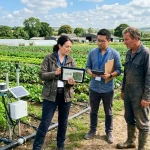
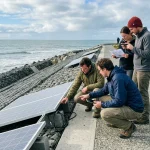
Field studies play a pivotal role in observing climate change as it unfolds, allowing scientists to gather invaluable real-time data directly from the environment. These studies often take place in diverse ecosystems, from the polar regions to tropical forests, enabling researchers to monitor how various components of the climate system respond to changing conditions. For instance, scientists conduct field observations to assess temperature variations, precipitation patterns, and the physiological responses of plants and animals to shifting climates. Such detailed observations help bridge the gap between theoretical climate models and real-world impacts.
Utilizing tools like automated weather stations, researchers collect continuous data on temperature, humidity, wind speed, and solar radiation. These data are crucial for validating climate models and understanding local variations in climate change impacts. For example, projects like the Long-Term Ecological Research (LTER) Network in the United States emphasize the importance of long-term data collection to track ecological responses to climate fluctuations over time. Observing how specific species adapt, migrate, or decline due to changing environmental conditions provides insights into broader ecological trends and helps predict future responses.
Moreover, field studies often involve collaboration between scientists and local communities. By engaging citizens in data collection-perhaps through initiatives that encourage local residents to report weather conditions or participate in biodiversity surveys-researchers gather more extensive data sets. This citizen science approach not only enriches the data pool but also fosters a deeper understanding and connection between communities and the global climate narrative.
Through these real-time observations, field studies contribute essential knowledge that informs policy-making and conservation efforts. They establish a basis for understanding how ecosystems respond to stressors like temperature rises and extreme weather, guiding sustainable practices and climate adaptation strategies. As we confront the challenges posed by climate change, the insights gained from these field-based investigations empower both scientists and the public to take informed action in safeguarding our planet’s future.
Satellite Technology: Monitoring Earth’s Atmosphere
Advancements in satellite technology have revolutionized the way scientists monitor and understand Earth’s atmosphere, providing a bird’s-eye view that is crucial for climate research. With a network of satellites orbiting the planet, researchers now have the capability to collect vast amounts of data on atmospheric conditions, land use changes, sea surface temperatures, and greenhouse gas emissions from remote locations. This technical proficiency helps fill the gaps in our knowledge of climate dynamics that cannot be captured by ground-based observations alone.
Satellite instruments such as the Atmospheric Infrared Sounder (AIRS) on NASA’s Aqua satellite enable scientists to measure temperature, humidity, and air pressure at various altitudes in the atmosphere. These measurements allow for an improved understanding of weather patterns and long-term climate trends. For example, satellite data is instrumental in tracking the movement and intensity of storms, which is vital not only for forecasting but also for disaster management and adaptation strategies.
Moreover, satellites play a significant role in monitoring land use and vegetation changes that are essential for carbon cycle research. By employing remote sensing technology, scientists can assess deforestation rates, urban expansion, and agricultural practices globally. The European Space Agency’s Copernicus program is a prime example, utilizing satellites to provide free and open data that aids in environmental monitoring and climate adaptation efforts across multiple sectors, from agriculture to urban planning.
The integration of satellite data with computational modeling further enhances predictive capabilities concerning climate change impacts. By combining real-time observations with historical climate data, researchers can create more accurate models to forecast future climatic conditions. Such information is not only critical for scientists but also for policymakers and communities as it informs effective strategies to mitigate and adapt to the potential repercussions of climate change. Initiatives like these reinforce the importance of collaborative efforts to monitor our planet and protect it for future generations.
The Impact of Ocean Research on Climate Understanding
The oceans cover more than 70% of our planet’s surface and play a crucial role in regulating climate conditions and weather patterns globally. As a vast reservoir of carbon, heat, and moisture, the ocean is integral to understanding climate change. Recent research shows that the world’s oceans are absorbing approximately 30% of carbon dioxide from human activities, which mitigates the impacts of greenhouse gas emissions but also leads to ocean acidification, threatening marine life and ecosystems.
Understanding Ocean Currents and Climate Regulation
Ocean currents are like the planet’s conveyor belt, transferring warm and cold water around the globe. These currents significantly influence weather systems and climate variation. For instance, the Gulf Stream brings warm water from the tropics to the North Atlantic, which has a profound effect on climate in Europe and North America. By studying the dynamics of these currents, scientists can predict weather patterns more accurately and understand shifts like El Niño and La Niña, which cause major global climate events, from droughts to heavy precipitation.
Research expeditions, such as those undertaken by the Global Ocean Observing System (GOOS), collect valuable data on ocean temperatures, salinity, and currents. Instruments like buoys and autonomous underwater vehicles (AUVs) provide real-time information that helps scientists visualize and model the vast and complex interactions between the ocean and the atmosphere. This understanding is critical for forecasting extreme weather events, as well as for developing effective strategies for climate adaptation and mitigation.
Impact of Marine Ecosystems on Climate
Marine ecosystems also play a pivotal role in climate regulation. For instance, phytoplankton-microscopic plants in the ocean-perform photosynthesis and produce a significant portion of the world’s oxygen while absorbing carbon dioxide. Protecting these ecosystems is vital; their health directly impacts global carbon cycles and the capacity of the oceans to act as a buffer against climate change. Initiatives focusing on the preservation of coral reefs and mangroves not only protect biodiversity but also enhance the ocean’s ability to sequester carbon, thus contributing to climate stability.
To optimize our understanding of these processes, multidisciplinary research combining oceanography with climate science, biology, and technology is crucial. Engaging with these scientific insights allows policymakers to craft informed environmental policies that consider the multifaceted benefits of healthy marine ecosystems, ultimately leading to sustainable ocean management practices that resonate across geographic and economic boundaries.
By acknowledging and acting on the insights derived from ocean research, we can better equip ourselves to face the challenges posed by climate change and work toward a resilient and sustainable future.
Integrating Historical Data to Track Climate Patterns
Climate patterns can often seem like an intricate puzzle, but scientists possess a powerful tool to decode these trends: historical data. By examining records that span decades, centuries, or even millennia, researchers not only identify baseline climate conditions but also understand how various factors-natural and anthropogenic-have shaped our environment over time. The ability to track these changes is crucial for predicting future climate shifts, particularly as we face unprecedented global warming.
One of the primary sources of historical climate data comes from natural archives such as tree rings, ice cores, and sediment layers. For instance, tree rings can reveal annual growth patterns influenced by temperature and precipitation, providing insights into climate conditions over hundreds of years. Ice cores, extracted from glaciers, trap air bubbles that hold clues to the atmospheric composition of past eras. By analyzing these samples, scientists can reconstruct temperatures and greenhouse gas concentrations from times long before modern instruments were invented. This data is critical as it allows researchers to place current climate changes in a broader historical context, highlighting the speed and scale of contemporary shifts in comparison to natural variability.
Practical Applications of Historical Data
The integration of historical data into climate models enhances the accuracy of forecasts and assessments. For example, by understanding past ocean temperature changes and chemical compositions, scientists can better predict how marine ecosystems will react to current warming trends. Similarly, agricultural studies utilize historical climate data to inform crop management practices, enabling farmers to adapt to shifting weather patterns.
Engaging various disciplines, from geology to environmental science, enriches the analysis of historical data. This interdisciplinary approach allows scientists to create comprehensive models that consider not only climatic factors but also social and economic impacts. By correlating historical data with modern observations, researchers can illustrate how past events, such as volcanic eruptions or industrial policies, have shaped our current climate landscape. Such insights empower policymakers and communities to implement targeted strategies aimed at climate resilience and mitigation.
Ultimately, the integration of historical data serves as a vital navigational tool, guiding our preparations for the challenges posed by climate change. By learning from the past, we can foster informed responses that enhance both environmental stewardship and societal adaptation in a rapidly evolving climate landscape.
Collaborative Research: Global Efforts in Climate Science
Scientific understanding of climate change is often bolstered by collaboration across borders, fields, and disciplines. When researchers from various nations and backgrounds unite, they can gather diverse data, share best practices, and develop holistic solutions to climate-related challenges. Notably, projects like the Intergovernmental Panel on Climate Change (IPCC) serve as prime examples of how collaborative research results in comprehensive assessments of climate science that inform global policy decisions. These efforts are crucial, especially as climate change knows no borders, and its effects can be felt globally.
One of the core elements of collaborative research is data sharing. Scientists from different countries and institutions contribute vast amounts of data that can enhance our understanding of climate patterns. For instance: International climate databases compile oceanographic measurements, atmospheric conditions, and land-use changes, enabling researchers to conduct large-scale analyses that would be impossible within a single-region framework. Such shared datasets foster consistent methodologies and standards, ensuring that findings are reliable and applicable to various contexts.
Moreover, cross-disciplinary initiatives are reshaping the climate research landscape. Collaborating with social scientists, economists, and other experts can yield more comprehensive strategies to address climate issues. By integrating perspectives from behavioral science, researchers can better understand how communities perceive and respond to climate risks, leading to more effective communication and policy implementation strategies. For example, combining climate modeling with socioeconomic data allows scientists to predict how climate impacts, such as sea-level rise or extreme weather events, will affect different communities, thereby guiding more equitable resource allocation and disaster preparedness measures.
In addition to formal collaborations, citizen science has emerged as a powerful component of climate research. Engaging the public in data collection-such as through apps that allow individuals to report local weather phenomena-provides scientists with extensive real-time data while fostering awareness and community involvement. This democratization of science not only enhances research outcomes but also empowers individuals to take proactive steps in their local environments.
Ultimately, collaborative research in climate science embodies a belief in shared responsibility and action. By recognizing the interconnectedness of our world and leveraging collective expertise, we can cultivate informed solutions to combat the climate crisis while inspiring a global movement toward sustainability. Through these collective efforts, scientists can engage with policymakers and communities more effectively, facilitating the transitions necessary to address the pressing challenges of climate change.
Citizen Science: Engaging the Public in Climate Studies
Engaging the public in climate studies transforms how science is conducted and understood. By involving individuals in the data collection process, scientists benefit from a vast array of observations that would otherwise be challenging due to resource constraints. Citizen science initiatives have dramatically expanded the scope of data available for climate research, allowing for more comprehensive analyses and fostering a deeper connection between communities and environmental stewardship.
One effective example of citizen science in action is the use of mobile applications that enable users to report local weather patterns, wildlife sightings, or pollution levels. These straightforward tools not only supply researchers with critical on-the-ground data but also serve to educate the public about local environmental issues. Programs like iNaturalist and eBird encourage thousands of volunteers to share their observations, contributing to databases that researchers utilize for broader analyses, such as tracking shifts in biodiversity linked to climate change.
Moreover, citizen science fosters a sense of ownership and agency in environmental issues. When individuals are actively involved in scientific processes, they become advocates for change within their communities. For instance, initiatives like the Center for Citizen Integration amplify citizen reports addressing climate concerns, ensuring validated information reaches relevant authorities. This network empowers citizens, giving them a voice in policy discussions and facilitating informed action on local environmental matters.
To maximize the impact of citizen science, it’s important to provide clear instructions and support to participants, ensuring their contributions are meaningful and accurate. Researchers can establish training sessions or online resources to guide citizen scientists, helping them understand the scientific processes and the significance of their roles. Collaborative efforts that bridge the gap between scientific research and public engagement not only enhance the quality of data collected but also inspire a unified endeavor toward sustainability. As communities rally around climate issues, the collective knowledge and action can drive significant progress in combating climate change.
Interdisciplinary Approaches: Combining Fields for Better Insights
To tackle climate change effectively, scientists are increasingly embracing interdisciplinary approaches that blend insights from various fields such as meteorology, ecology, sociology, and economics. This collaborative framework allows researchers to address the multifaceted challenges of climate change, ensuring a more comprehensive understanding and effective solutions. For instance, by combining climate modeling with economic analysis, scientists can predict the financial impacts of climatic shifts on agriculture, enabling better preparation and adaptation strategies for farmers.
Integrating knowledge across disciplines not only enriches research findings but also enhances policy-making. By uniting expertise from social sciences and environmental studies, scientists can better understand human behaviors and their environmental impacts. For example, when developing carbon reduction policies, insights from psychology can inform strategies that encourage community engagement and commitment to sustainability. This multifaceted analysis can generate tailored solutions that resonate with various stakeholders, ultimately fostering collective action against climate change.
Moreover, interdisciplinary research can stimulate innovation. Collaborative projects often lead to the development of new technologies or methods. For instance, data from satellite monitoring can be effectively combined with ground-level ecological studies, resulting in more precise models of biodiversity changes in response to shifting climatic conditions. Such partnerships not only broaden the scope of research but also facilitate the sharing of resources and expertise, maximizing the impact of scientific findings.
Ultimately, adopting an interdisciplinary approach enables researchers to capture the complexities of climate change and its various drivers more cohesively. By fostering collaboration between different scientific communities, we can gain richer insights, drive informed policy decisions, and create actionable strategies that address the pressing challenges of our time. This holistic perspective reflects a growing recognition that effective climate action necessitates engagement from all sectors of society, paving the way for a sustainable future.
Addressing Climate Change: Policy Implications of Research
As climate science progresses, the implications of research findings are increasingly critical in steering effective policy responses to the pressing challenges of climate change. For instance, a profound understanding of how extreme weather events are becoming more frequent can prompt governments to reassess their disaster preparedness strategies and infrastructure investments. Such data-driven insights are invaluable for crafting policies that not only address environmental issues but also promote economic resilience and social equity.
Informed Decision-Making
Scientific research sheds light on the intricate relationships between climate change, economic stability, and public health. Policymakers can utilize models that integrate these diverse factors to formulate comprehensive strategies. For instance, studies indicating that climate change exacerbates food insecurity can inform agricultural policies aimed at enhancing crop resilience. By prioritizing research areas that reveal the socio-economic impacts of climate shifts, governments can develop targeted interventions that mitigate adverse effects on vulnerable populations.
Integrating Climate Science into Policy Frameworks
Moreover, the integration of climate data into existing governance structures enhances the effectiveness of policymaking. For example, the 2024 report on the State of the Climate in Africa highlights alarming trends in hunger and displacement due to extreme weather conditions.[[2]] This evidence calls for a policy framework that not only addresses immediate humanitarian needs but also invests in long-term climate adaptation strategies. Countries can adopt a holistic approach, ensuring that environmental considerations are woven into sectors such as urban planning, transportation, and health care.
Fostering Collaborative Policy Approaches
Finally, fostering collaboration between governmental bodies, private sectors, and civil society can amplify the impact of climate research. Engaging diverse stakeholders allows for the sharing of innovative solutions and best practices. For example, public-private partnerships can mobilize resources for renewable energy projects, markedly reducing greenhouse gas emissions while stimulating economic growth. Such collaborative efforts are vital for achieving climate goals effectively and sustainably.
In summary, the findings from climate research are not merely academic; they provide a foundation for actionable policies that can significantly shape our future. By emphasizing the importance of interdisciplinary approaches and integrating scientific insights into policymaking, societies can better navigate the complexities of climate change and work towards a resilient and sustainable world.
Emerging Technologies: Innovations in Climate Research
The quest to understand and combat climate change is witnessing a surge of innovative technologies that enhance research capabilities and improve data accuracy. A striking example is the use of artificial intelligence (AI) in climate modeling. AI algorithms are now employed to analyze vast datasets, uncover patterns, and predict climate trends with remarkable precision. This technology allows scientists to simulate various scenarios, enabling them to foresee potential impacts of climate policies or natural events more accurately than traditional methods.
Moreover, the development of high-resolution climate models has revolutionized our understanding of localized climate phenomena. These models integrate diverse data sources, such as satellite observations and ground-based measurements, to provide a clearer picture of how climate change affects specific regions. For instance, cities can utilize these models to enhance urban planning by predicting how rising sea levels may impact infrastructure or how increased temperatures could exacerbate heatwaves.
Another frontier in climate research is the use of remote sensing technologies via satellites. Advanced satellite systems monitor atmospheric changes, land use transformations, and ocean health in real-time. Instruments like NASA’s MODIS (Moderate Resolution Imaging Spectroradiometer) provide invaluable data on vegetation dynamics and water quality, allowing researchers to track the effects of climate change on agriculture and natural ecosystems. As these technologies evolve, they become more accessible, enabling wider participation in climate monitoring and advocacy.
Finally, the rise of blockchain technology presents novel solutions for carbon tracking and emission reduction. By creating transparent and tamper-proof records of carbon credits and sustainability initiatives, blockchain enables businesses and consumers to engage in verified climate action. Such innovations not only promote accountability but also incentivize sustainable practices by facilitating market-based solutions for reducing greenhouse gases.
These emerging technologies are not just tools; they represent a fundamental shift in how we study and respond to climate change. By leveraging these advancements, scientists and policymakers can make more informed decisions that lead to effective climate mitigation strategies, fostering a collective movement towards a sustainable future.
Key Challenges in Climate Research and Study Methods
The landscape of climate research is daunting, characterized by rapidly evolving environments that present numerous challenges. Among these, one of the most pressing issues is the complexity of climate systems. Understanding how various elements-such as the atmosphere, oceans, and land surface-interact requires extensive data collection and analysis. Variability in data quality is another concern. Different regions may have inconsistent data collection methods or gaps in historical records, making it difficult to derive accurate climatic trends. Scientists must often piece together fragmented datasets, which can lead to uncertainties in climate models.
To tackle these issues, researchers employ a variety of collaborative strategies. By working together with international institutions and leveraging resources from global networks, scientists can access a broader pool of data and expertise. Initiatives like the Intergovernmental Panel on Climate Change (IPCC) and the World Meteorological Organization (WMO) facilitate data sharing and standardize practices across countries, enhancing the richness and reliability of research outcomes. Moreover, engaging citizen scientists has gained traction as a practical approach to gather localized data. This method not only broadens data collection but also raises public awareness and involvement in climate issues.
Despite advancements, funding remains a critical hurdle. Many climate research projects rely on grants and governmental support, which can be unstable and may hinder long-term studies. This financial uncertainty can limit the scope of research endeavors, impacting the overall understanding of climate change. To combat this, scientists are increasingly exploring diverse funding avenues, such as private partnerships and philanthropic contributions, to ensure continuity and stability in their research programs.
In summary, while the challenges in climate research are substantial-ranging from data variability and system complexity to funding constraints-innovative approaches and international collaboration offer pathways to overcoming these obstacles. By embracing these strategies, researchers can enhance the accuracy and breadth of their studies, ultimately leading to more effective solutions for mitigating climate change impacts.
Faq
Q: How do scientists use ice cores to study past climates?
A: Scientists analyze ice cores drilled from glaciers and ice sheets. These layers trap air bubbles and particles that provide historical climate data, such as temperature changes and atmospheric composition. The information gathered helps understand past climate conditions and predict future trends.
Q: What role do weather stations play in climate research?
A: Weather stations collect real-time data on temperature, humidity, and precipitation. This data is crucial for understanding local climate variations and trends. Researchers use this information alongside other methods to analyze climate change impacts over time.
Q: How do climate models forecast future climate scenarios?
A: Scientists use climate models to simulate the Earth’s climate system, incorporating variables like greenhouse gas emissions and ocean currents. These models help predict future climate scenarios, allowing policymakers to plan effective responses to climate change challenges.
Q: What methods do scientists use to communicate climate findings?
A: Scientists employ various strategies, including public presentations, social media, and scientific publications, to share their findings. Utilizing clear visuals and engaging storytelling can enhance public understanding and awareness of climate issues.
Q: How does satellite data enhance our understanding of climate change?
A: Satellites provide critical data on global temperatures, sea levels, and land use changes. This remote sensing technology allows scientists to monitor climate change on a large scale and study environmental shifts in real-time, improving research accuracy.
Q: Why is citizen science important in climate studies?
A: Citizen science engages the public in collecting climate data, such as rainfall or plant blooming times. This grassroots approach expands research capabilities and encourages community involvement, fostering a collective effort to understand and address climate change.
Q: How do researchers validate the accuracy of climate data?
A: Researchers validate climate data through cross-referencing. This includes comparing findings from multiple sources, such as satellite data, field studies, and historical records, which ensures reliability and strengthens the conclusions drawn about climate trends.
Q: What ethical considerations are involved in climate research?
A: Ethical considerations in climate research include the integrity of data collection, transparency in methodologies, and the implications of research findings. Scientists strive to communicate their results responsibly, ensuring that the information is accessible and informs public policy.
In Conclusion
Understanding how scientists study climate change is crucial for grasping the challenges we face and the actions we can take. As you reflect on the world of climate research-spanning observations, modeling, and real-world case studies-consider how this knowledge can empower you to make informed decisions. Don’t wait; explore our resources on Climate Data and Tools and How Climate Models Work to deepen your understanding and engage with this pressing issue.
Your journey doesn’t end here! Join our community by signing up for our newsletter, where we share the latest insights and practical strategies for contributing to climate solutions. Have thoughts or questions? We’d love to hear from you in the comments below. Remember, every action counts in our fight against climate change-let’s continue this important conversation together!
Get our latest guides, news, and insights highlighted in your Google Search & AI Overviews.