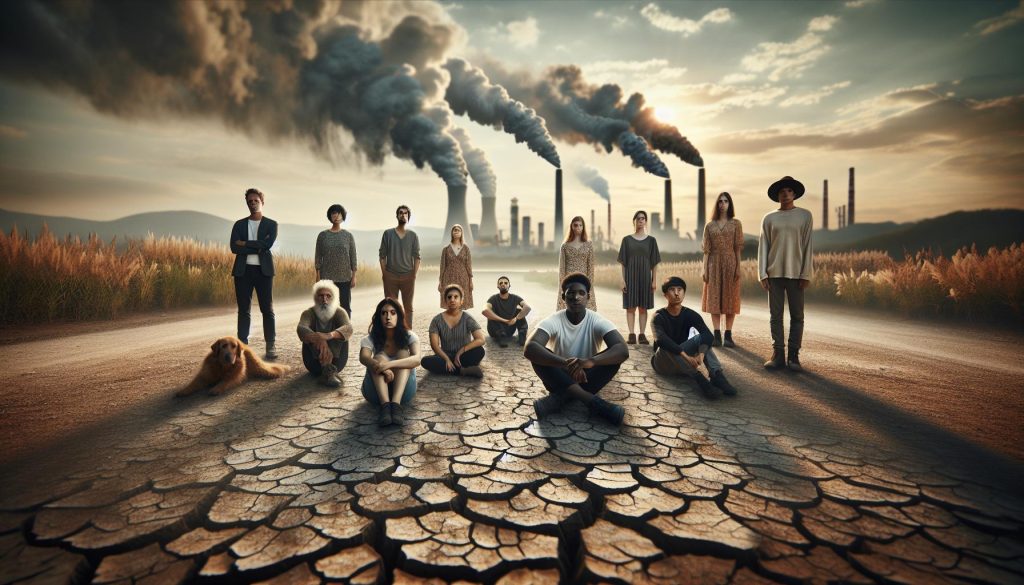
Every time we turn on a light or drive a car, we participate in a system that affects our planet’s climate. Burning fossil fuels-coal, oil, and natural gas-releases significant amounts of carbon dioxide, a leading greenhouse gas, into our atmosphere. This process accelerates global warming, leading to extreme weather, rising sea levels, and unpredictable climate patterns. Understanding how burning fossil fuels contributes to climate change is crucial for everyone; it impacts our health, economy, and future generations. As individuals and communities grapple with the realities of climate change, knowing the science behind fossil fuel consumption empowers us to make informed decisions. By exploring this topic, you’ll find not only the challenges we face but also practical steps we can take to foster a more sustainable world. Together, we can turn awareness into action and contribute to a healthier planet.
Impact of Fossil Fuel Combustion on Climate Change
The combustion of fossil fuels represents one of the most significant contributors to climate change, accounting for approximately 70% of global greenhouse gas emissions. Each time fossil fuels-such as coal, oil, and natural gas-are burned for energy, carbon dioxide (CO2) is released into the atmosphere. This increase in atmospheric CO2 contributes to the greenhouse effect, where certain gases trap heat, preventing it from escaping back into space and leading to a gradual rise in Earth’s average temperatures.
This warming process has widespread implications. As the planet heats up, polar ice melts and sea levels rise, threatening coastal communities and ecosystems. The increase in temperature can disrupt weather patterns, leading to more frequent and severe weather events, such as hurricanes, droughts, and floods. For instance, areas that traditionally received adequate rainfall may experience devastating droughts, while others may face intense flooding due to sudden heavy downpours.
The economic fallout of these changes is profound. Increased natural disasters lead to higher costs for infrastructure repair, health care for climate-related illnesses, and adaptive measures for communities at risk. Moreover, the agricultural sector faces declining yields due to shifting climate conditions, which can result in food scarcity and increased prices. Every year, the global economy suffers billions in damages linked to climate change, with estimates suggesting that without significant intervention, costs could escalate exponentially.
Transitioning to renewable energy sources, such as solar, wind, and hydroelectric power, presents a viable pathway to mitigate the impact of fossil fuel combustion. By investing in these alternatives, societies can curtail CO2 emissions, create green jobs, and alleviate some of the economic pressures associated with climate change. Additionally, implementing energy efficiency programs can result in immediate reductions in fuel consumption and emissions, showcasing the interconnectedness of energy practices and environmental health. Adopting a collaborative approach, where communities, businesses, and governments work together, can accelerate the shift toward a sustainable future, ultimately benefiting both people and the planet.
Understanding Carbon Emissions and Their Sources
The impact of fossil fuel combustion on our planet is profound and far-reaching, primarily due to the carbon emissions it generates. In fact, the energy sector, which relies heavily on fossil fuels like coal, oil, and natural gas, is responsible for approximately 70% of global greenhouse gas emissions. Each time these fuels are burned, carbon dioxide (CO2) is released, significantly contributing to the atmospheric CO2 levels that fuel climate change. This release of CO2 not only intensifies the greenhouse effect but also leads to lasting changes in our climate systems.
Sources of Carbon Emissions
Carbon emissions can be traced back to multiple sources, primarily resulting from the following activities:
- Electricity Generation: Coal-fired power plants are among the largest sources of CO2 emissions. Despite the rise of renewable energy, many regions still depend on coal and natural gas to meet energy needs.
- Transportation: The burning of gasoline and diesel in vehicles contributes significantly to carbon emissions. In fact, transportation accounts for nearly 29% of total greenhouse gas emissions in the United States.
- Industrial Processes: Sectors such as cement and steel manufacturing utilize fossil fuels to operate machinery and produce heat, resulting in substantial CO2 emissions.
- Residential and Commercial Heating: Many buildings still rely on fossil fuels for heating, using oil and natural gas, which adds to the carbon footprint.
Understanding these sources helps illuminate the pathways through which we can reduce our carbon emissions.
Strategies for Reducing Carbon Emissions
While the situation may seem dire, there are actionable steps individuals and industries can take to lessen their carbon footprint. Transitioning to renewable energy sources, such as wind, solar, and hydroelectric power, is crucial. Not only do these alternatives emit no CO2 during operation, but they also create numerous job opportunities in emerging sectors. Additionally, enhancing energy efficiency in homes and businesses can lead to immediate reductions in fuel consumption.
| Actionable Strategies | Potential Impact |
|---|---|
| Switch to renewable energy | Reduces reliance on fossil fuels and lowers CO2 emissions |
| Improve insulation and efficiency | Decreases energy consumption for heating and cooling |
| Use public transportation or carpool | Reduces emissions from vehicles |
| Advocate for policy changes | Supports broader systemic shifts towards sustainability |
By combining personal responsibility and systemic change, society can move towards a sustainable future where the harmful impacts of fossil fuel combustion on climate change are mitigated, ensuring a healthier environment for generations to come.
The Greenhouse Effect Explained: A Simple Overview
The greenhouse effect is a natural phenomenon that maintains the Earth’s temperature, but the combustion of fossil fuels has drastically altered this delicate balance. When fossil fuels such as coal, oil, and natural gas are burned for energy, they release significant amounts of carbon dioxide (CO2) and other greenhouse gases into the atmosphere. These gases act like a blanket, trapping heat from the sun and preventing it from escaping back into space, which leads to a gradual increase in global temperatures.
The process starts with solar radiation hitting the Earth’s surface, where some of this energy is absorbed and warms the planet. The Earth, in turn, emits this heat in the form of infrared radiation. The greenhouse gases absorb and re-radiate this energy, effectively warming the atmosphere. Data indicates that fossil fuels are responsible for over 75% of global greenhouse gas emissions, with CO2 being the largest contributor (approximately 90% of these emissions). This drastic increase in atmospheric CO2 levels is a primary driver of climate change, leading to a range of environmental and social challenges.
Aside from CO2, the burning of fossil fuels also emits other greenhouse gases, such as methane and nitrous oxide, which are even more effective at trapping heat in the atmosphere. For example, methane has over 25 times the heat-trapping ability of CO2 over a 100-year period. Additionally, fossil fuel combustion releases pollutants that can have direct health effects, such as respiratory illnesses and cardiovascular diseases, furthering the urgency to address air quality alongside climate change.
As we face the consequences of a warming planet, including extreme weather events, rising sea levels, and diminished air quality, it becomes increasingly essential for individuals, businesses, and governments to take action. Transitioning to renewable energy sources, enhancing energy efficiency, and advocating for policy changes can forge paths toward a sustainable future where the impacts of fossil fuel combustion are minimized. These strategies not only help mitigate climate change but also pave the way for healthier communities and a more vibrant natural world.
The Role of Fossil Fuels in Global Temperature Rise
The staggering reality of climate change can be traced back to one primary source: fossil fuel combustion. In fact, over 75% of global greenhouse gas emissions come from burning fossil fuels, fundamentally altering the climate system that sustains life on Earth. These fuels-coal, oil, and natural gas-are not only central to our energy production but also directly linked to the dramatic rise in global temperatures.
When fossil fuels are burned, they release enormous quantities of carbon dioxide (CO2) and other greenhouse gases into the atmosphere. To put this into perspective, approximately 90% of emissions from fossil fuel combustion are CO2, contributing significantly to the greenhouse effect, where gases trap heat like a blanket surrounding the Earth. The increase in atmospheric CO2 levels since the Industrial Revolution is alarming, with current concentrations standing significantly higher than in the pre-industrial era. For example, the atmospheric CO2 levels have surged from about 280 parts per million (ppm) to over 410 ppm, driving average global temperatures up by approximately 1.2 degrees Celsius since the late 19th century.
Consequences of Increased Temperatures
The consequences of rising temperatures are not theoretical; they manifest as extreme weather events, shifting climates, and sea level rise, impacting both natural ecosystems and human communities. Examples include unprecedented heatwaves, intensified storms, and prolonged droughts. Regions previously accustomed to stable weather patterns are now experiencing stark transformations, underscoring the urgency to address fossil fuel dependence.
Transitioning to Sustainable Solutions
What can be done to mitigate these impacts? Transitioning from fossil fuels to renewable energy sources is imperative. Practical steps include investing in solar, wind, and hydroelectric energy, which not only reduce greenhouse gas emissions but also promote job creation in green industries. Additionally, enhancing energy efficiency through better building designs and technologies can significantly decrease our reliance on fossil fuels.
These solutions are not just environmentally sound; they are economically advantageous as well. According to various studies, every dollar invested in renewable energy technologies generates more jobs compared to the fossil fuel industry. Cumulatively, this shift can foster a sustainable future, aligning economic growth with environmental stewardship and ultimately aiding in the stabilization of our climate. As individuals, businesses, and governments rally for a transition towards greener options, we not only empower ourselves but also safeguard the planet for future generations.
Consequences of Climate Change Triggered by Fossil Fuels
The impacts of climate change, predominantly driven by the combustion of fossil fuels, are profound, altering the very fabric of our environment and society. As global temperatures continue to rise, we are witnessing a cascade of consequences that include extreme weather events, sea level rise, and shifting ecosystems. For instance, recent studies indicate that every degree of temperature increase can lead to a 7% rise in atmospheric moisture, intensifying rainfall patterns and resulting in more severe floods. This relationship underscores not just the immediate, but also the escalating threats posed by climate change as fossil fuel use persists.
Among the most pressing concerns are the escalating frequency and intensity of natural disasters. Regions that have experienced mild weather for decades are now contending with unprecedented heatwaves, hurricanes, and droughts. These extreme weather patterns not only affect human health and safety, but also disrupt agricultural practices, leading to food shortages and economic instability. The 2021 floods in Germany and Belgium serve as a stark reminder of how climate-induced disasters can devastate communities, displacing thousands and causing billions in damages. Such events raise essential questions about our resilience in the face of climate change.
Ecologically, the consequences are equally alarming. Rising temperatures advocate shifts in habitats, pushing wildlife to migrate towards cooler areas, often leading to the endangerment or extinction of species that cannot adapt quickly enough. Coral reefs, vital to marine biodiversity, are dying due to warmer ocean temperatures, which also result in ocean acidification. This degradation not only impacts marine life but also the livelihoods of millions who depend on these ecosystems for food and tourism.
As policymakers and communities grapple with these challenges, it becomes increasingly clear that immediate action is necessary. Strengthening infrastructure to withstand extreme weather, investing in sustainable agricultural practices, and protecting natural habitats are critical steps. Moreover, fostering education on energy conservation and promoting community-based renewable energy projects can empower local populations to mitigate climate impacts while transitioning away from fossil fuels. The road ahead involves coordinated efforts that combine innovation, commitment, and community engagement to forge a sustainable future, ultimately serving both the planet and its inhabitants.
Air Quality Deterioration: Health Impacts and Solutions
The air we breathe is significantly compromised by the combustion of fossil fuels, resulting in a cascade of health effects that extend well beyond respiratory issues. According to the World Health Organization (WHO), air pollution caused by burning coal, oil, and gas leads to an estimated 7 million premature deaths annually. The fine particulate matter (PM2.5) and toxic compounds released during fossil fuel combustion infiltrate homes, schools, and workplaces, increasing the incidence of heart disease, asthma, and other chronic illnesses. Moreover, children and the elderly are particularly vulnerable, with studies linking air pollution exposure to developmental issues in children and exacerbated health problems in older adults.
### Understanding the Health Risks
The health impacts of air pollution are not merely academic; they are deeply personal. Consider the story of Maria, a mother living in an urban area with heavy traffic and nearby industrial facilities. Since her neighborhood is disproportionately affected by poor air quality, her children frequently suffer from respiratory infections and increased asthma attacks. These daily struggles highlight a broader public health crisis exacerbated by the reliance on fossil fuels. In many cities, children experience reduced lung function due to exposure to pollutants, affecting their educational outcomes and long-term well-being.
### Solutions and Community Actions
However, there are actionable steps we can take to address air quality deterioration and mitigate health impacts. Communities can implement strategies such as:
- Promoting Public Transportation: Expanding reliable public transport options can reduce the number of vehicles on the road, subsequently lowering emissions.
- Investing in Renewable Energy: Transitioning to solar, wind, and other renewable sources significantly decreases air pollutants compared to fossil fuels.
- Planting Urban Trees: Increasing green spaces not only enhances air quality but also improves mental health and fosters community interactions.
- Implementing Stricter Regulations: Local governments can enforce stricter emissions standards for industries and vehicles to improve air quality.
By engaging in these initiatives, communities can help reduce the health burden associated with air pollution. Education plays a crucial role as well; raising awareness about the sources and effects of air pollution encourages individuals to make environmentally friendly choices in their daily lives, whether it’s adopting alternative transportation methods or supporting local policies favoring clean energy solutions.
In summary, while the deleterious effects of fossil fuels on air quality and health are alarming, informed community actions can lead to improvements. Building coalitions of individuals, businesses, and policymakers committed to achieving cleaner air creates the foundation for a healthier future, emphasizing the crucial link between our environment and public health.
Shifts in Weather Patterns Linked to Fossil Fuel Use
The increasing reliance on fossil fuels is steering the planet towards an era marked by unpredictable weather patterns and extreme climate events. As we burn fossil fuels such as coal, oil, and natural gas, vast amounts of greenhouse gases, particularly carbon dioxide (CO2), are released into the atmosphere. This accumulation of greenhouse gases disrupts the delicate balance of the Earth’s climate systems, leading to significant alterations in global weather patterns.
One of the most noticeable effects of fossil fuel combustion is the increase in temperature extremes. Data from the National Oceanic and Atmospheric Administration (NOAA) indicates that the average temperature has risen by approximately 1.2 degrees Celsius since the late 19th century. This seemingly small increase has profound implications, contributing to more frequent heatwaves and altering precipitation patterns. For example, regions that previously enjoyed moderate rainfall are now facing drought conditions, while others experience deluges of rain, increasing the frequency and severity of flooding. According to the Intergovernmental Panel on Climate Change (IPCC), the intensity and duration of these extreme weather events are directly correlated with rising atmospheric temperatures caused by greenhouse gas emissions.
The Ripple Effect on Agriculture and Food Security
Changes in weather patterns also pose significant risks to agriculture. Farmers rely on stable climatic conditions to sow and harvest crops successfully. A study by the Food and Agriculture Organization (FAO) highlights that rising temperatures and erratic rainfall can lead to reduced crop yields, threatening food security globally. In regions like Sub-Saharan Africa, where subsistence farming is prevalent, these shifts could result in an increase in poverty and reduce access to vital nutrition. To combat these challenges, farmers are adopting new agricultural practices, such as drought-resistant crop varieties and advanced irrigation methods. These adaptations not only address immediate agricultural needs but also help create resilience against future climate variability.
Practical Steps for Individuals and Communities
While the challenge is formidable, there are steps individuals and communities can take to mitigate the impact of fossil fuels on weather patterns. Here are some actionable strategies:
- Reduce Individual Carbon Footprint: Limiting car travel, promoting energy efficiency in homes, and embracing public transportation can significantly lower personal emissions.
- Community Advocacy: Supporting and advocating for local policies that prioritize sustainable energy solutions and environmental protections can amplify awareness and drive systemic change.
- Participate in Climate Education: Engaging in community discussions about climate change helps foster a collective understanding of its implications and encourages proactive measures.
- Support Sustainable Agriculture: Choosing locally-sourced and sustainably-farmed food not only supports the economy but also helps reduce the carbon footprint of transport-related emissions.
The collective action of individuals, businesses, and governments is crucial in addressing the shifts in weather patterns caused by fossil fuel use. By making informed choices and supporting sustainable practices, we can not only reduce our impact on the climate but also contribute to a healthier, more stable environment for future generations.
Ocean Acidification: How It Relates to Burning Fossil Fuels
As the world continues to rely heavily on fossil fuels, a less visible but equally critical consequence arises: ocean acidification. When fossil fuels are burned, they release significant quantities of carbon dioxide (CO2) into the atmosphere. About 30% of this CO2 is absorbed by the oceans, leading to a chemical reaction that decreases the pH of seawater, making it more acidic. This process not only threatens marine ecosystems but also impacts global climate systems and the livelihoods of millions who depend on healthy oceans.
Marine organisms, particularly those with calcareous shells or skeletons, such as corals, mollusks, and some plankton species, are particularly vulnerable to increasing acidity. As the water becomes more acidic, it hampers their ability to produce calcium carbonate, the essential building block for their structures. For instance, reefs around the world, which support vast marine biodiversity, are suffering from bleaching and reduced growth rates due to acidification, and this can destabilize entire marine food webs. In fact, studies indicate that continued fossil fuel combustion could lead to a decline in shellfish populations, thereby threatening food sources and economies dependent on fisheries and aquaculture.
Addressing Ocean Acidification
To combat the effects of ocean acidification, active measures must be taken at both individual and collective levels. Here are some actionable strategies to help mitigate this critical issue:
- Support Renewable Energy Ventures: Transitioning from fossil fuels to renewable energy sources such as wind, solar, and hydroelectric power can significantly reduce CO2 emissions. Support local initiatives that promote clean energy solutions.
- Advocate for Marine Protected Areas: Creating and enforcing protected marine zones can help ecosystems recover from the effects of acidification and provide refuges for vulnerable species.
- Reduce Carbon Footprint: Individuals can contribute by minimizing energy consumption, using public transport, and advocating for policies that aim to limit greenhouse gas emissions.
- Engage with Research and Education: Participate in community programs that raise awareness about the impacts of ocean acidification and conservation efforts aimed at restoring marine health.
Protecting our oceans requires a concerted effort from governments, organizations, and individuals alike. By understanding the connection between fossil fuel combustion and ocean acidification, we can take informed actions to preserve marine ecosystems not just for our generation but for the future of our planet.
Impact on Biodiversity: Species Endangerment and Extinction
The alarming reality is that the continuous reliance on fossil fuels not only contributes to climate change but also poses an imminent threat to global biodiversity. Species around the globe are experiencing unprecedented stress due to habitat destruction, pollution, and shifting climate conditions, all largely exacerbated by the burning of fossil fuels. For instance, research suggests that approximately one million species currently face the risk of extinction, with climate change being a significant driver of this crisis. As temperatures rise, ecosystems adjust, but many species are unable to adapt quickly enough, leading to imbalances that threaten their existence.
One of the most striking examples of biodiversity loss linked to fossil fuel use can be seen in marine environments. As carbon dioxide levels rise in the atmosphere due to fossil fuel combustion, a portion is absorbed by oceans, leading to ocean acidification. This process adversely affects coral reefs, which are vital habitats for a multitude of marine species. The increasing acidity inhibits the ability of corals to produce calcium carbonate, essential for their growth and structural integrity. When coral reefs suffer, so does the rich biodiversity that depends on them, including thousands of species of fish, invertebrates, and marine mammals. This loss of biodiversity disrupts entire marine food webs and the resources that countless communities rely upon for their livelihoods.
Practical Strategies to Protect Biodiversity
To combat the biodiversity crisis exacerbated by fossil fuel consumption, there are several proactive steps individuals and communities can take:
- Promote Conservation Efforts: Support local and global initiatives dedicated to conserving habitats and protecting endangered species. This can involve volunteering, donating, or participating in awareness campaigns.
- Advocate for Sustainable Practices: Encourage businesses and industries to adopt environmentally friendly practices and reduce reliance on fossil fuels. This can range from supporting sustainable agricultural practices to advocating for green technologies in manufacturing.
- Participate in Restoration Projects: Join efforts to restore degraded ecosystems, such as reforestation initiatives or wetland restoration. Healthy ecosystems are better equipped to support a diverse range of species.
- Educate Yourself and Others: Understanding the interconnectedness of fossil fuel use and biodiversity loss is critical. Share knowledge and resources within your community to foster a culture of sustainability.
By implementing these strategies, we can contribute to the preservation of biodiversity and mitigate the impacts of climate change fueled by fossil fuel combustion. Protecting our planet’s diverse ecosystems is not just an environmental issue; it’s a moral imperative and a necessary step toward a sustainable future for all species, including humanity.
Economic Costs of Climate Change Due to Fossil Fuels
The economic repercussions of climate change driven by fossil fuel combustion are staggering, with estimates projecting global damages in the trillions of dollars annually by mid-century. To illustrate, a 2018 report from the Global Commission on the Economy and Climate estimated that the economic cost of climate change could reach $23 trillion by 2050 if current trends continue. This figure encompasses a range of impacts, including damage to property and infrastructure from extreme weather, increased healthcare costs due to pollution and heat-related illnesses, and disruptions to agriculture and food security.
As climate change accelerates, we are witnessing greater frequency and intensity of natural disasters, from hurricanes to wildfires, leading to significant expenditure in recovery efforts. The National Oceanic and Atmospheric Administration (NOAA) reported that in the United States alone, the costs of extreme weather events exceeded $95 billion in 2020 alone. Furthermore, businesses are not only facing rising insurance premiums due to increased risk but also supply chain disruptions and losses in productivity associated with extreme weather conditions. For instance, a major storm may halt operations at factories and disrupt logistics networks, leading to delayed deliveries and financial losses.
Shifting Economic Paradigms
Transitioning toward renewable energy sources not only mitigates climate change impacts but can also bolster economic resilience. Investments in clean energy technologies are projected to create millions of jobs in sectors such as solar and wind energy. A report from the International Renewable Energy Agency (IRENA) indicated that the renewable energy sector could employ over 24 million people globally by 2030. This transition presents a unique opportunity for economic growth while reducing the adverse effects associated with fossil fuel dependency.
Practical Steps for Economic Transition
To facilitate this shift and alleviate the economic burdens associated with fossil fuels, both individuals and communities can take proactive measures:
- Embrace Energy Efficiency: Households can reduce energy consumption through simple changes, like using energy-efficient appliances and implementing smart home technologies.
- Invest in Clean Energy: Individuals may consider investing in solar panels for their homes or supporting local renewable energy projects to stimulate green job creation.
- Support Policy Changes: Advocating for governmental policies that promote sustainability, such as tax incentives for businesses that adopt green practices, can shift the economic landscape toward more sustainable practices.
- Educate and Collaborate: Communities should promote awareness of the economic benefits of renewable energy transition through workshops, discussions, and collaborations with local businesses.
Addressing the economic costs of climate change necessitates a concerted effort toward transitioning away from fossil fuels. By recognizing and acting on these opportunities, we can foster a healthier planet while also enhancing economic stability and growth for future generations.
Transitioning to Renewable Energy: A Viable Solution
Shifting from fossil fuels to renewable energy sources represents not just an environmental necessity but an economic opportunity waiting to be seized. Consider this: transitioning to renewables could create upwards of 24 million jobs globally by 2030, according to the International Renewable Energy Agency (IRENA). This drastic job growth underscores the potential for economic resilience through green energy investments. As climate-related disasters escalate, so too does the urgency for sustainable alternatives left behind by traditional energy sources. Adopting renewable technologies isn’t merely about reducing carbon footprints; it’s also about fostering an innovative and robust economy that can withstand the shocks of climate change.
The relationship between renewable energy and local economies is mutually beneficial. For example, communities embracing solar or wind projects not only cut down on greenhouse gas emissions but also see improvements in local employment and energy independence. By investing in infrastructure to support renewable energy-think solar farms or wind turbine installations-communities can stimulate job creation in manufacturing, installation, maintenance, and research. There is tangible evidence showing that regions prioritizing clean energy initiatives often experience economic revitalization, attracting new businesses and better workforce engagement.
To move towards a greener future, individuals and communities can adopt several practical strategies. Households can start by improving energy efficiency; utilizing energy-efficient appliances and smart energy management systems can significantly reduce consumption and costs. Additionally, homeowners might consider investing in solar panels, which can decrease reliance on fossil fuels while potentially earning income through local energy credits. Communities can also promote awareness by organizing workshops focused on the benefits of sustainable practices, encouraging local businesses to adopt eco-friendly measures, which can further enhance community engagement in environmental initiatives.
By recognizing the tangible benefits of renewable energy-not only in environmental terms but also economic-individuals and communities can play a vital role in accelerating the transition away from fossil fuels. Through informed action and collaboration, we can champion a sustainable future while ensuring economic growth and stability for generations to come.
Policy Changes and Global Initiatives Addressing Fossil Fuels
Adopting strong policies and global initiatives addressing fossil fuels is crucial in the fight against climate change. Governments and international organizations are increasingly recognizing the serious consequences of fossil fuel combustion, which contributes significantly to greenhouse gas emissions and global warming. For instance, comprehensive climate action plans, like those set out in the Paris Agreement, aim to limit global temperature rise by promoting lower carbon emissions and guiding nations towards renewable energy investments.
Policy Frameworks and Strategies
Effective policy frameworks not only regulate emissions but also provide incentives for transitioning to cleaner energy sources. Many countries are implementing carbon pricing mechanisms, such as carbon taxes or cap-and-trade systems, that encourage businesses to reduce their carbon footprint. Reports suggest that global carbon pricing initiatives could generate significant revenue, which can be reinvested in sustainable infrastructure and community development projects aimed at reducing fossil fuel dependency. For example, Sweden’s carbon tax has been effective in cutting emissions while promoting economic growth.
International Collaborations and Initiatives
Global initiatives also play a vital role in addressing the challenges posed by fossil fuels. Collaborative efforts like the Carbon Neutrality Coalition and the Powering Past Coal Alliance bring together multiple stakeholders, including governments, cities, and businesses, committed to reducing reliance on coal and fossil fuels in energy production. These alliances aim to share best practices, technology, and resources to accelerate the transition toward renewable energy solutions. Nations involved often set ambitious targets to phase out fossil fuel use, showcasing a collective commitment to sustainable development.
Community Engagement and Local Policies
At the local level, policies that promote community engagement are essential for successful transition strategies. Citizen-led initiatives can drive demand for cleaner energy solutions, encouraging local governments to adopt more sustainable practices. Implementing community-led renewable energy projects, such as community solar farms, allows residents to actively participate in reducing fossil fuel use and offer them a direct return on investment through lower energy bills. These local movements not only enhance energy security but also foster a sense of responsibility and ownership among community members.
In conclusion, a combination of innovative policy frameworks, international collaboration, and community engagement is vital for tackling the negative impacts of fossil fuel combustion on climate change. By implementing effective regulations, setting ambitious goals, and involving local communities, we can accelerate the shift towards a sustainable energy future that mitigates climate risks while promoting economic resilience.
Q&A
Q: How do fossil fuels contribute to greenhouse gas emissions?
A: Fossil fuels release significant amounts of carbon dioxide (CO2) when burned, which is a major greenhouse gas. This process contributes to over 75% of global greenhouse gas emissions, highlighting the substantial impact of fossil fuel combustion on climate change [2].
Q: What are the long-term climate impacts of burning fossil fuels?
A: Burning fossil fuels leads to increased global temperatures and extreme weather events. These changes disrupt ecosystems, cause sea-level rise, and can result in severe economic and health issues, emphasizing the urgent need for a transition to cleaner energy sources [3].
Q: Are there alternatives to fossil fuels that can mitigate climate change?
A: Yes, transitioning to renewable energy sources like solar, wind, and hydroelectric power can significantly reduce greenhouse gas emissions. These technologies help decrease reliance on fossil fuels and combat climate change [2].
Q: How does fossil fuel combustion affect air quality?
A: Burning fossil fuels releases pollutants such as sulfur dioxide and nitrogen oxides, which degrade air quality and can lead to respiratory diseases. Improved air quality can be achieved by reducing fossil fuel use and investing in cleaner technologies [3].
Q: What role does carbon dioxide play in climate change?
A: Carbon dioxide is a greenhouse gas that traps heat in the atmosphere, leading to global warming. Its increasing concentration, primarily from fossil fuel combustion, is driving significant changes in climate patterns [1].
Q: How does burning fossil fuels impact biodiversity?
A: The combustion of fossil fuels contributes to habitat destruction and climate change, which threaten various species. Altered ecosystems result in species endangerment, showcasing the need for sustainable energy solutions [3].
Q: What economic costs are associated with climate change from fossil fuels?
A: The economic costs of climate change driven by fossil fuels include damage to infrastructure, increased health care expenses due to pollution, and loss of productivity from extreme weather events. Transitioning to renewable energy can mitigate these costs [2].
Q: How can individuals reduce fossil fuel use in their daily lives?
A: Individuals can reduce fossil fuel consumption by using public transportation, carpooling, adopting energy-efficient appliances, and supporting the use of renewable energy sources. Small personal changes can collectively lead to significant reductions in greenhouse gas emissions.
In Conclusion
Understanding how burning fossil fuels impacts global climate change is crucial for empowering individuals and communities to make informed choices. The urgent need for alternatives is evident as our planet faces increasing environmental threats linked to fossil fuel use. To delve deeper, check out our articles on the transition to renewable energy and actionable steps for enhancing energy efficiency in your daily life.
Take the next step today-join our newsletter to stay updated on sustainable practices and innovations that can create a positive impact. By staying informed, you can contribute to the collective effort to combat climate change. As you explore our resources, remember: every small action counts in building a low-carbon future. Share your thoughts in the comments below, and let’s engage in this vital conversation together!
Get our latest guides, news, and insights highlighted in your Google Search & AI Overviews.