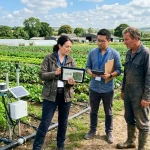
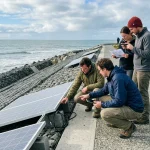
Did you know that funding for climate education in higher education can significantly enhance the quality and reach of academic programs? As institutions grapple with the pressing realities of climate change, financial support becomes crucial in developing curriculum, building infrastructure, and facilitating research initiatives that empower students and faculty alike. Understanding how funding impacts these educational opportunities not only addresses immediate concerns about environmental sustainability but also aligns with broader societal goals of fostering informed citizenship and innovative solutions. This exploration into the relationship between financial resources and climate education reveals a landscape where investments can lead to transformative educational practices, encouraging future generations to engage with and tackle global challenges. Join us as we delve into the intricacies of this vital connection and uncover the role that strategic funding plays in shaping climate-conscious scholars and practitioners.
Understanding Funding Sources for Climate Education
Rising global temperatures and extreme weather events bring an urgent spotlight on climate education, highlighting the critical role that diverse funding sources play in shaping educational programs. In higher education, funding for climate-related initiatives can emerge from various channels: government grants, private sector investments, and nonprofit organizations. These funding sources not only provide the necessary financial resources but also shape curriculum development and engagement strategies aimed at equipping students with the knowledge and tools to address climate challenges.
Government Grants
Government grants represent a significant source of funding for climate education. For instance, initiatives like New York’s Climate and Resilience Education Task Force advocate for state appropriations to support teaching about climate change. A modest request of $536,500 has garnered support from 83% of New Yorkers, showcasing public backing for educational investments in this area [[2]](https://www.cretf.org/policy). Targeted funding can facilitate the development of specialized programs that integrate climate studies into existing curricula, fostering an informed and engaged student body.
Private Sector Investments
The private sector is increasingly recognizing the importance of climate education, providing opportunities for innovative collaborations. Investments can take the form of sponsorships for educational programs, research grants, or partnerships with universities aimed at real-world application of sustainability practices. However, challenges exist, such as potential conflicts of interest or the need for transparency in the funding relationship. Institutions must carefully consider these factors when engaging with corporate donors to ensure educational integrity remains intact.
Influence of Nonprofits
Nonprofit organizations significantly shape the landscape of climate education funding by offering grants and fostering connections between educational institutions and grassroots movements. These entities often focus on cross-sector collaboration, enabling universities to access funding opportunities tailored to specific climate issues. For example, organizations like the Burroughs Wellcome Fund support interdisciplinary research linking climate change to public health, allowing institutions to expand their educational pursuits beyond traditional environmental science [[3]](https://www.bwfund.org/funding-opportunities/climate-change-and-human-health/).
Ultimately, understanding these funding sources is essential for educational institutions aiming to enhance their climate education offerings. By leveraging government support, collaborating with the private sector, and tapping into nonprofit resources, universities can create comprehensive programs that prepare students for the complexities of climate change, driving both local and global impact.
The Role of Government Grants in Higher Ed
Government grants play a pivotal role in enhancing climate education within higher education institutions, addressing one of the most pressing global issues of our time. Consider that in recent years, states like New York have successfully rallied public support for educational initiatives, such as the Climate and Resilience Education Task Force, which advocates for substantial government funding. For example, a request for $536,500 drew backing from over 83% of New Yorkers, illustrating a strong public mandate for investing in climate education [[2]](https://www.cretf.org/policy). This political and financial support is crucial in developing programs that not only teach climate science but also engage students in hands-on projects that promote sustainability and resilience.
Government grants can facilitate the creation of specialized curricula that dovetail with climate change education, blending theoretical knowledge with practical applications. These funds enable universities to develop innovative courses and research opportunities that prepare students for future careers in fields like renewable energy, environmental policy, and urban planning. Institutions can also leverage these grants to collaborate on interdisciplinary projects that incorporate elements from various academic departments, enriching the educational experience and broadening students’ understanding of climate issues.
Furthermore, the effectiveness of government funding extends beyond the classroom. Schools can utilize these resources to establish community outreach programs, where students engage with local challenges related to climate change. These initiatives not only foster a sense of responsibility among students but also strengthen community ties and promote public awareness. Ultimately, government grants serve as an essential backbone for climate education in higher ed, providing the necessary financial support to empower institutions, encourage innovation, and cultivate a knowledgeable citizenry prepared to tackle the challenges posed by climate change.
In summary, as the impacts of climate change escalate, the demand for government grants to support climate education will only grow. By aligning educational objectives with government funding initiatives, colleges and universities can spearhead a new wave of climate literacy that not only fosters academic achievement but also generates meaningful societal improvements.
Private Sector Investments: Opportunities and Challenges
Private companies are increasingly recognizing the urgent need to address climate change, creating a fertile ground for partnerships that can enhance climate education in higher education. Such investments not only bolster institutional curricula but also forge vital links between academia and industry, preparing students for future careers in a green economy. Companies like Google, Microsoft, and Tesla have not only provided financial support to universities but have also engaged in collaborative research projects, student internships, and curriculum development focused on sustainability and renewable technologies.
### Opportunities for Education
Private sector investment in climate education manifests in various forms, including:
- Financial Contributions: Corporations can provide funding for scholarships, research grants, or infrastructure development for sustainability programs, ensuring that initiatives are well-resourced.
- In-Kind Support: Companies may offer access to cutting-edge technologies, tools, and resources, enhancing practical learning experiences for students.
- Mentorship and Internship Programs: Partnerships between universities and businesses facilitate student internships, enhancing employability and providing real-world insights into sustainable practices.
These investments allow universities to develop innovative courses that reflect the latest industry trends while equipping students with the skills necessary to enter a rapidly evolving job market.
### Challenges Ahead
Despite the potential benefits, private sector involvement in climate education does not come without challenges. Concerns over influence and agenda-setting can arise, where corporations might prioritize their interests over academic integrity. For instance, a company focused on fossil fuels may disproportionately influence curriculum decisions related to energy policy, potentially sidelining renewables. Additionally, socioeconomic disparities might emerge if only certain institutions receive funding based on corporate interests, leaving smaller or underfunded colleges at a disadvantage.
Furthermore, navigating contracts and agreements can be cumbersome, leading to potential misalignments between educational goals and corporate objectives. Universities must ensure that such relationships are mutually beneficial, with clear expectations and safeguards in place to maintain academic autonomy and integrity.
### Moving Forward
To capitalize on the opportunities and mitigate the challenges associated with private sector investments, universities should focus on building transparent partnerships based on shared values and goals. Schools can outline specific educational objectives that align with corporate investments, ensuring that the partnership fosters a holistic approach to climate education. Also, maintaining open dialogue and evaluating partnerships regularly can help institutions adapt to the evolving landscape of climate education funding.
In summary, private sector investments hold the potential to revolutionize climate education in higher ed by bridging academic knowledge with practical application. By leveraging these investments responsibly, educational institutions can prepare a new generation of leaders equipped to combat the climate crisis.
How Nonprofits Influence Climate Education Funding
The influence of nonprofits on climate education funding is significant and multifaceted, acting as a catalyst for educational institutions to develop and expand programs in sustainability and environmental science. Nonprofit organizations play a crucial role not only in direct financial support but also in shaping the educational landscape through advocacy, research, and community engagement. For instance, organizations like the Environmental Defense Fund and the Sierra Club are instrumental in lobbying for increased funding towards climate education initiatives in public and private institutions. Their advocacy efforts often result in grants that specifically target university programs dedicated to climate science and sustainable practices.
Funding Mechanisms and Strategies
Nonprofits utilize various strategies to fund climate education in higher education, including:
- Grant Programs: Many nonprofits have established their own grant programs designed to fund innovative research and educational projects. These grants often focus on interdisciplinary approaches that combine technology, social justice, and climate science, fostering a holistic understanding of environmental issues.
- Partnerships with Educational Institutions: Nonprofit organizations frequently partner with universities to design curricula and training programs that align with current environmental challenges. For instance, an environmental nonprofit might collaborate with a university to create a certificate program in renewable energy technologies.
- Community Engagement Initiatives: By actively involving local communities and stakeholders in educational activities, nonprofits create opportunities for experiential learning that enrich university programs. These engagements not only enhance student learning experiences but also strengthen community ties and local resilience to climate change.
Transformative Impact on Curriculum and Research
The contributions of nonprofits go beyond financial support-they help shape the very curriculum that prepares future leaders in climate action. By providing resources and expert guidance, nonprofits ensure that educational institutions can offer up-to-date information and effective strategies to tackle climate-related issues. For example, the National Science Foundation has partnered with various nonprofit organizations to develop educational resources that integrate climate science into broader curricula, ensuring that students are not only learning theory but engaging with real-world applications.
Moreover, nonprofits often conduct research that highlights the importance of climate education, thereby influencing funding priorities among government and private sectors. Their reports and findings can serve as persuasive evidence to lobby for greater investment in climate-related academic programs, illustrating the link between education, research, and effective climate policy.
In closing, the role of nonprofits in funding climate education is indispensable. By leveraging their resources and networks, these organizations are paving the way for innovative educational pathways that equip students with the knowledge and skills needed to combat climate change and foster a sustainable future. Through strategic partnerships, grants, and advocacy, nonprofits serve as critical players in transforming the landscape of climate education in higher education.
Assessing the Impact of Funding on Curriculum Development
In recent years, the funding landscape for climate education in higher education has undergone considerable transformation, influencing how institutions develop their curricula. The availability of financial resources, whether through government grants, private sector investments, or philanthropic contributions, plays a pivotal role in shaping the courses offered, the research undertaken, and the overall institutional focus on sustainability and climate issues. Empowered by adequate funding, universities can not only introduce new classes but also enhance existing programs and foster interdisciplinary approaches that address complex environmental challenges.
Grants from both governmental and nonprofit sources serve as critical lifelines for developing innovative curricula. For example, the U.S. National Science Foundation provides grants aimed at integrating climate science into various fields, prompting universities to update their programs to include contemporary challenges such as climate change adaptation and mitigation strategies. This kind of funding supports the creation of hands-on learning experiences, allowing students to engage in real-world projects that enhance their understanding and capabilities in environmental stewardship. Such programs frequently cover essential topics like renewable energy, sustainable agriculture, and climate policy, equipping students with the knowledge necessary for future careers in these vital areas.
Moreover, when universities receive adequate funding, they can pursue comprehensive research initiatives that align with their curriculum, creating a symbiotic relationship between teaching and research. This interaction not only improves educational outcomes but also leads to groundbreaking findings that contribute to global climate discourse. For instance, dedicated funding for sustainability research can foster partnerships across disciplines, encouraging collaboration among environmental scientists, economists, and social scientists to produce integrated solutions to climate-related challenges.
Yet, while funding represents a powerful tool for enhancing curriculum development, there are inherent challenges and barriers that need to be addressed. Unequal access to funding can create disparities in the quality of climate education across institutions. Universities in affluent areas might secure substantial grants that allow for advanced research and program expansion, while those in less affluent regions struggle to meet even basic curriculum needs. To cultivate a more equitable funding landscape, institutions must advocate not only for increased funding but also for policies that ensure diverse and inclusive access to resources across all universities.
Ultimately, ongoing assessment of how funding impacts curriculum development in climate education reveals a dynamic interplay between financial resources and educational innovation. By leveraging available funds effectively, universities have the potential to lead in the cultivation of knowledgeable leaders who are well-equipped to address the pressing environmental issues facing our planet.
Barriers to Climate Education Funding in Academia
Securing funding for climate education in academia is often marred by significant barriers that hinder the development and implementation of vital programs. One of the most pressing issues is the disparity in funding access, where institutions in affluent areas can attract substantial financial resources, while those in less economically advantaged regions may struggle to secure even basic support. This uneven playing field creates a paradox: while universities in wealthier locales can invest in advanced research and innovative curricula, those in underserved communities often face challenges in delivering a comprehensive education on climate issues.
Another critical barrier is the lack of awareness and prioritization of climate education at the institutional level. Many universities may see climate education as a secondary concern rather than an essential part of their mission. This perception can lead to underinvestment or misplaced priorities, where funds are allocated to more traditional fields, leaving insufficient resources for climate-related programs. Moreover, some faculty members may feel unprepared to teach climate topics due to inadequate training or resources, which can perpetuate a cycle of neglect in the curriculum that impacts student learning outcomes.
In addition to institutional neglect, the complexity of grant applications can deter potential seekers from pursuing funding opportunities. Many institutions, especially smaller universities or community colleges, may lack the administrative support or expertise to successfully navigate the often-complicated application processes associated with governmental and private grants. This can lead to missed opportunities for vital funding that could have been used to enhance their climate education offerings.
Lastly, there is frequently a misalignment between funding opportunities and the practical needs of academic programs. Not all funding reflects the realities of contemporary climate education; for example, some grants may prioritize research over teaching, leaving educators with a lack of financial resources to develop engaging classroom experiences. This disconnection hampers the ability of universities to create a holistic approach to climate education that incorporates both theoretical knowledge and practical application.
To address these barriers, institutions must advocate for equitable funding practices and develop strategic partnerships with various stakeholders, including nonprofits, government agencies, and local businesses. By fostering a collaborative environment that emphasizes the importance of climate education, universities can better position themselves to tackle the challenges posed by climate change and prepare the next generation of leaders in sustainability.
Success Stories: Universities Thriving with Climate Grants
Climate education has been significantly transformed by targeted funding, with many universities showcasing innovative programs and sustainability initiatives that reflect the positive impact of grants and financial support. For example, the University of California, Berkeley, successfully secured multiple federal grants aimed at enhancing climate science research and education. This funding has facilitated the establishment of interdisciplinary programs that empower students to engage with real-world climate issues. Through hands-on projects, students work alongside faculty to develop sustainable agricultural practices that benefit local communities, demonstrating how funding translates into practical applications.
Furthermore, Northeastern University leveraged a substantial grant from a private foundation to create the “Northeastern Resilience Program,” which focuses on urban climate resilience. By integrating climate education into the curriculum, the university not only prepares its students with essential skills but also provides them opportunities to work with city planners and policymakers on climate adaptation strategies. This collaboration highlights the dual benefit of funding: empowering students while also contributing to community-wide efforts to address climate challenges.
To enhance understanding of the profound impact of these climate grants, it’s worth considering the multifaceted benefits they provide. Funding often leads to the development of new courses that incorporate the latest research in climate science, ensuring that students receive an education that is both relevant and current. Additionally, grants can facilitate internship opportunities, allowing students to gain valuable field experience that enriches their academic journey. These real-world connections not only bolster their job prospects upon graduation but also contribute to a more informed and proactive generation of climate advocates.
Overall, the stories from institutions like Berkeley and Northeastern illustrate the powerful effects of climate funding in higher education. As universities continue to thrive under the support of grants, they create a ripple effect-educating the next generation and driving progress toward a more sustainable future. By sharing these success stories, we inspire other institutions to pursue similar funding avenues, fostering a collaborative effort to combat climate change through education.
Engaging the Community: Funding Through Local Partnerships
Communities play a pivotal role in enhancing climate education funding, serving as crucial partners for higher education institutions. By forming local partnerships, universities can tap into a wealth of resources and knowledge that not only bolsters funding opportunities but also enriches the educational experience for students. For instance, collaborations with local governments, businesses, and nonprofit organizations can lead to projects that address specific community climate challenges while simultaneously providing students with hands-on learning experiences.
One remarkable example is the partnership between the University of Florida and local farmers focusing on sustainable agricultural practices. This collaboration enables students to engage directly with agronomists and community members, allowing them to apply classroom knowledge to real-world issues. The success of such initiatives often attracts additional funding from local grants or federal programs aimed at promoting sustainability initiatives. By establishing these connections, universities not only enhance their curriculum but also position themselves as leaders in community-focused climate solutions.
Additionally, universities can facilitate workshops and seminars in partnership with local organizations to raise awareness and educate community members about climate issues. This not only serves to build a more informed public but also demonstrates the university’s commitment to community engagement, often opening doors to further funding opportunities. Community-driven projects can also provide data and showcase results that support grant applications, illustrating the tangible impacts of enhanced climate education.
As these partnerships grow, universities can create a feedback loop where community needs inform curriculum development, leading to a richer educational landscape. This aligns educational institutions with local priorities, fostering a sense of shared responsibility for climate action. Thus, engaging with the community not only enhances funding avenues but creates a robust framework for impactful climate education that benefits students and society alike.
Evaluating the ROI of Climate Education Programs
Determining the return on investment (ROI) of climate education programs involves assessing both the monetary and intrinsic benefits derived from these initiatives. Beyond just the cost of implementation, the ROI of climate education needs to encompass the long-term impacts on students, communities, and the environment. Institutions can leverage various metrics to gauge their educational investments effectively.
One approach is to analyze the long-term career outcomes of students who participate in climate-focused programs. For instance, graduates equipped with knowledge in sustainable practices are increasingly sought after in various industries, demonstrating the financial value of their education. According to recent studies, alumni from programs that focus on environmental sustainability tend to secure higher-paying jobs and experience quicker career advancement. This enhances not only individual ROI but also reflects positively on the institution’s reputation and ability to attract future students.
Furthermore, universities can evaluate the efficacy of their climate education initiatives by examining student engagement and community impact. Metrics such as increased student participation in sustainability projects, partnerships with local governments, and participation in environmental advocacy can provide insight into the program’s reach and material benefits. Successful case studies, like that of the University of California, which implemented an extensive climate curriculum and saw a significant rise in student-led sustainability initiatives, showcase the potential for measurable gains in student engagement and local community enhancement.
Investing in climate education also extends to long-term environmental benefits that are often challenging to quantify in financial terms. However, by using frameworks that capture reductions in carbon footprints or improvements in local ecological conditions, universities can present a compelling case for the societal value of their programs. Establishing partnerships that track these outcomes can further strengthen ROI assessments. For example, collaborating with environmental organizations to monitor local biodiversity improvements can yield data essential for future funding applications and public reporting.
In essence, requires a comprehensive approach that includes financial returns, student engagement statistics, and a focus on community and environmental benefits. By translating these diverse impacts into clear, actionable insights, institutions can attract more funding, justify their climate education efforts, and ultimately prepare their students to be effective leaders in addressing global climate challenges.
Future Trends: The Evolving Landscape of Education Funding
Amid the escalating urgency of climate change, the landscape of education funding is undergoing significant transformation, creating new pathways for climate education in higher education. One compelling trend is the increasing alignment of educational funding with global sustainability goals. Institutions are beginning to connect their funding strategies with initiatives like the United Nations’ Sustainable Development Goals (SDGs), which encourages universities to focus resources on programs that promote sustainable practices, climate resilience, and social equity. This alignment not only enhances funding opportunities but also positions educational institutions as pivotal players in advancing global climate agendas.
Emergence of Impact Investing
Impact investing is gaining momentum, as investors seek to fund initiatives that yield measurable environmental benefits alongside financial returns. Universities are uniquely positioned to attract these investments, especially through partnerships that create shared value. For instance, case studies reveal that universities like Arizona State University have successfully engaged with local governments and private sector partners to launch sustainability projects funded through impact investments. By framing their initiatives to demonstrate potential returns in both financial and social metrics, institutions can access new funding streams while simultaneously addressing local and global climate challenges.
Public-Private Collaborations
Another significant shift is the rise of public-private partnerships designed to promote innovation in climate education. These collaborations often pool resources from government grants and private sector investments, leading to more robust educational programs. Schools that foster relationships with tech companies, for example, are able to integrate cutting-edge technologies into their climate education curricula, enhancing student engagement and practical learning experiences. Partnerships with companies specializing in renewable energy or environmental technology provide students with real-world applications of their studies, making them more competitively employable.
Adaptive Curriculum and Funding Models
As the climate crisis evolves, so too do the educational programs focused on sustainability. Universities are increasingly flexible in adapting their curricula to reflect real-time climate data and emerging research. Funding bodies are more likely to support programs that emphasize adaptive learning and relevance to current environmental challenges. Educational institutions that prioritize interdisciplinary approaches-drawing on resources from the sciences, social sciences, and the humanities-are better equipped to address the multifaceted nature of climate issues. For example, institutions incorporating climate justice into their curriculum not only address environmental concerns but foster societal change, thus attracting diverse funding sources aimed at promoting equity in education.
In conclusion, by strategically adapting to these trends-aligning with global goals, leveraging impact investments, forming public-private partnerships, and implementing adaptive curricula-educational institutions can enhance their funding landscapes, ensuring that climate education remains a priority. This proactive approach not only benefits the institutions themselves but plays a crucial role in shaping future leaders equipped to tackle climate challenges.
Advocating for Increased Funding in Climate Education
The crucial intersection of climate education and funding highlights a pressing need for increased investment in educational programs addressing climate change. As institutions strive to equip future leaders with the necessary tools to tackle environmental challenges, advocating for greater funding becomes not just important, but imperative. Research indicates that every dollar invested in climate education can yield significant returns in knowledge, sustainability practices, and community engagement, making a compelling case for increased financial support.
To successfully advocate for enhanced funding, educational institutions should employ a multi-faceted approach. First, building awareness at both the institutional and community levels about the urgent need for climate education is essential. This can include organizing workshops, public seminars, and engaging campaigns that inform stakeholders-students, faculty, local businesses, and policymakers-about the transformative potential of climate education. By showcasing local success stories, institutions can create a compelling narrative that resonates with funders. For instance, universities can highlight innovative research projects or partnerships that led to significant environmental improvements, thereby illustrating the tangible benefits of funding climate education.
Next, establishing strategic partnerships can enhance advocacy efforts. Collaborating with nonprofits, governmental agencies, and private sector players can amplify funding requests and widen the funding base. With a focus on shared goals and mutual benefits, these partnerships can lead to joint initiatives that demonstrate comprehensive educational programs aimed at climate resilience. For example, a partnership between a university and a local government to create sustainable urban designs can serve as a model for impactful climate education that stakeholders would be more eager to fund.
Moreover, it is crucial to leverage data to make a case for funding. Institutions should gather and present quantitative and qualitative data that highlights the outcomes of existing climate education programs. Metrics such as student engagement rates, community feedback, and measurable environmental impacts can be powerful tools to persuade funders of the effectiveness and importance of these initiatives. Clear reporting on the return on investment (ROI) of climate education can also make a significant difference, aligning educational outcomes with broader economic and environmental benefits.
In conclusion, fostering a culture of advocacy for increased funding in climate education is essential for cultivating future generations equipped to address and mitigate climate changes. Through raising awareness, strategic partnerships, and robust data-driven arguments, institutions can not only secure more resources but also elevate the importance of climate education within the broader societal context.
Mapping the Global Perspective on Climate Education Funding
In an era where climate change is reshaping economies and societies globally, the financial commitment to climate education has never been more critical. However, the allocation of resources varies significantly across different regions, influenced by local policies, economic conditions, and community engagement strategies. Understanding the global landscape of funding for climate education reveals both opportunities and challenges that higher education institutions must navigate.
One robust approach to funding climate education is through government initiatives that earmark financial resources for sustainability programs. For instance, many countries are now integrating climate change education into their national curricula, backed by strategic investments. These funds often support university-level research, community outreach, and innovation in teaching methodologies that incorporate climate science into various disciplines. In nations like Canada and Germany, government grants have successfully fostered interdisciplinary programs that combine sustainability with business, engineering, and social sciences, illustrating how proactive government involvement can energize academic programs.
In addition to government support, private sector investments are emerging as a vital source of funding. Businesses increasingly recognize that environmental sustainability can drive profitability and corporate responsibility. For instance, partnerships between universities and corporations have led to internships, scholarships, and co-funded research that focus on solutions for climate resilience. Such collaborations not only enhance educational resources but also provide students with practical experience and engagement in real-world challenges, bridging the gap between academia and industry.
Despite the promising avenues for funding, challenges remain. Many universities still struggle to secure stable resources, and disparities in funding often reflect broader socio-economic inequalities. Additionally, climate education initiatives may face bureaucratic hurdles or lack alignment with existing institutional priorities. Addressing these barriers requires comprehensive advocacy efforts that engage stakeholders at all levels-from local communities to international organizations.
Ultimately, underscores the importance of adaptability and collaboration. By leveraging diverse funding sources and building strategic partnerships, higher education institutions can craft impactful climate education programs that prepare students to be proactive stewards of the environment. As these programs continue to grow, they hold the potential not only to foster greater environmental literacy but also to drive substantial change in communities worldwide.
Q&A
Q: How does federal funding specifically enhance climate education programs in higher education?
A: Federal funding provides essential resources for universities to develop comprehensive climate education programs. It supports curriculum development, faculty training, and research initiatives, thereby enhancing overall educational quality and preparing students to address climate challenges effectively.
Q: What role do local partnerships play in funding climate education in colleges?
A: Local partnerships, including collaborations with businesses and community organizations, provide additional funding and resources for climate education programs. These partnerships facilitate real-world learning experiences, ensuring students can apply their knowledge while contributing to local environmental solutions. Check the “Engaging the Community” section for more insights.
Q: What challenges do universities face in securing funding for climate education?
A: Universities often face barriers such as competition for limited funds, bureaucratic red tape, and a lack of understanding about the importance of climate education. Addressing these challenges requires strategic advocacy and innovative funding approaches to maximize available resources.
Q: How can private sector investments improve climate education initiatives?
A: Private sector investments can boost climate education initiatives by providing financial support for research, technology integration, and program expansion. Companies often seek innovative solutions to enhance their sustainability efforts, aligning their interests with educational goals to foster impactful partnerships.
Q: In what ways does climate education funding impact student engagement?
A: Increased funding for climate education significantly boosts student engagement by facilitating hands-on projects, research opportunities, and interdisciplinary learning experiences. This active involvement helps students develop critical thinking skills and a stronger connection to environmental issues.
Q: Why is it essential to advocate for increased funding in climate education?
A: Advocating for increased funding is crucial to ensure that climate education remains a priority within academic institutions. This funding enables the development of modern curricula, supports faculty initiatives, and prepares future leaders to tackle pressing climate issues, thereby driving societal change.
Q: What metrics are used to evaluate the effectiveness of climate education funding?
A: Metrics to evaluate the effectiveness of climate education funding include student performance, engagement levels, program completion rates, and the number of community projects initiated. These indicators help assess the impact and success of funded initiatives in fostering environmental literacy.
Q: How does climate education funding address global environmental challenges?
A: Climate education funding plays a pivotal role in addressing global environmental challenges by equipping students with the knowledge and skills necessary to create sustainable solutions. Through interdisciplinary education and collaborative projects, graduates can drive innovations that mitigate climate change impacts worldwide.
In Summary
In conclusion, the impact of funding on climate education in higher education is profound and far-reaching. It not only enhances curriculum development and research but also empowers students to become informed advocates for sustainability within their communities. To make a tangible difference, it’s essential to act now-consider exploring funding options or initiatives that can help foster climate education at your institution.
For those looking to dive deeper, check out our articles on government funding resources for educational programs and successful case studies of institutions leading the charge in climate education. Additionally, sign up for our newsletter for the latest insights and updates on funding opportunities. Your contribution to this global challenge can inspire future generations, so join the conversation! Leave your thoughts below and share this article to spread awareness-together, we can make a lasting impact.
Get our latest guides, news, and insights highlighted in your Google Search & AI Overviews.