As the impacts of climate change become increasingly urgent, global cooperation on environmental issues is vital. The Green Climate Fund (GCF) plays a crucial role in this effort, seeking to mobilize significant funding for climate action, particularly in vulnerable regions. This raises an important question: how much does the European Union contribute to this fund? Understanding the EU’s financial commitments not only highlights its dedication to global climate goals but also empowers us to grasp the collective responsibility we all share in addressing climate challenges. By exploring the EU’s contributions, we can uncover the broader implications for sustainable development and climate resilience, prompting us to think critically about the support needed to protect our planet for future generations. Dive into this exploration to find out how these funds make a tangible difference in the fight against climate change.
The EU’s Financial Commitment to the Green Climate Fund
The European Union (EU) stands at the forefront of global climate finance, showcasing its robust commitment through substantial contributions to the Green Climate Fund (GCF). Since its inception, the EU has pledged billions to support developing countries in their efforts to combat climate change, exemplifying its leadership in international climate policy. For instance, during the 2019 climate summit in Madrid, the EU reaffirmed its commitment to the GCF, demonstrating a clear projection of up to €1 billion in contributions over several years. This financial backing not only aids vulnerable nations but also supports the global $100 billion annual climate finance target set at the Paris Agreement.
The European Union’s contributions to the GCF serve multiple objectives, addressing vulnerabilities in climate-affected regions while also fostering sustainable development practices. This funding is strategically tailored to enhance resilience in the most affected communities, enabling them to transition to low-emission and climate-resilient pathways. To illustrate, one successful project funded by the GCF in Africa focused on water resource management, which helped communities adapt to increased drought conditions exacerbated by climate change. Such investments underline the EU’s holistic approach to climate finance, integrating environmental sustainability with social and economic development.
Looking ahead, the EU aims to amplify its financial commitment, recognizing that the climate crisis is evolving rapidly and necessitates urgent action. The continuous engagement with GCF reflects a proactive stance not just in financing but also in facilitating capacity-building initiatives. By equipping developing nations with technical assistance alongside financial resources, the EU aims to foster long-term sustainable growth and resilience against climate adversities.
Overall, the EU’s strategic financial commitments to the Green Climate Fund signify a crucial element of its broader climate strategy, aligning economic support with genuine climate action on a global scale. This approach not only enhances the EU’s credibility as a climate leader but also creates a ripple effect, encouraging other nations to step up their contributions and take collective action toward mitigating climate change.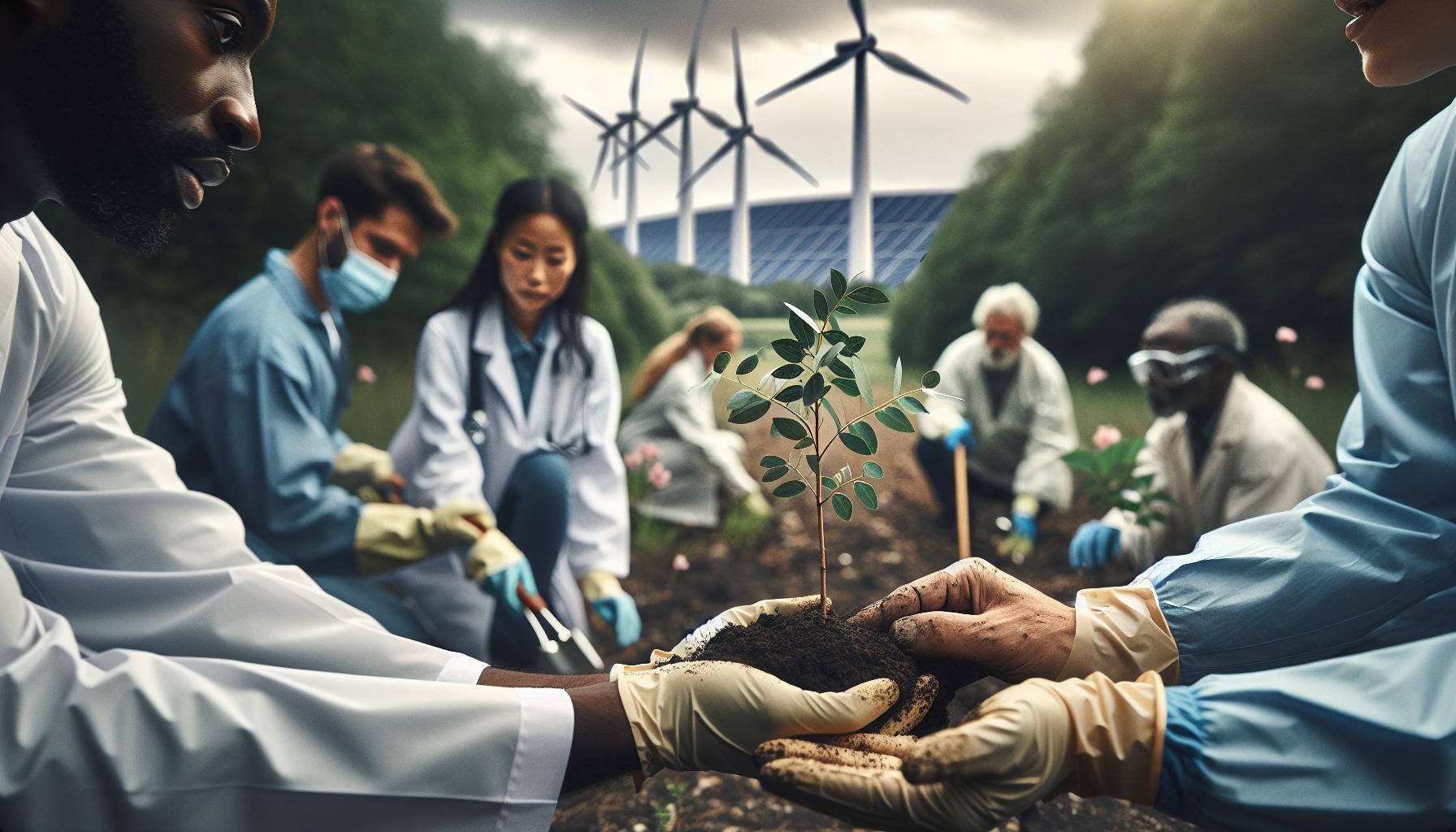
The Role of the Green Climate Fund in Climate Action
The Green Climate Fund (GCF) plays an essential role in global efforts to combat climate change, particularly by supporting developing countries that are disproportionately affected by climate impacts. Established in 2010 during the UN climate talks in Cancun, the GCF aims to limit or reduce greenhouse gas emissions and enhance climate resilience. This fund not only finances adaptation and mitigation projects but also fosters innovation and sustainable practices that address climate challenges.
By channeling financing to the most vulnerable communities, the GCF addresses urgent climate needs while also promoting long-term, sustainable development. For instance, projects funded by the GCF focus on renewable energy, improving water resources, and sustainable agriculture, helping communities transition to low-emission, climate-resilient pathways. One notable example includes investments in renewable energy projects across Africa that have successfully provided reliable electricity to off-grid communities, thus enhancing their economic opportunities while reducing dependence on fossil fuels.
The EU’s support for the GCF underlines its commitment to equitable climate action. With substantial contributions, the EU empowers the GCF to fund initiatives that might otherwise lack the necessary resources. This partnership not only aids developing nations but also inspires other affluent countries to contribute toward shared climate goals. As nations work collectively towards achieving the targets set by the Paris Agreement, the GCF acts as a crucial mechanism, bridging the funding gap and ensuring that climate action is accessible to all.
In addition to direct financial support, the GCF serves as a catalyst for capacity-building by providing technical assistance and resources to enhance governance and institutional frameworks in recipient countries. This holistic approach ensures that investments lead to significant, lasting changes, equipping vulnerable populations with the skills and knowledge to combat climate challenges independently. Through these efforts, the Green Climate Fund solidifies its pivotal role in fostering a more resilient and sustainable global community, reflecting the interconnected nature of climate action across borders.
Breakdown of EU Contributions: What’s Included?
The European Union has made substantial commitments to the Green Climate Fund (GCF), reflecting its dedication to combating climate change and supporting developing nations. As one of the largest contributors, the EU’s financial support is crucial for facilitating climate action and resilience in regions most affected by climate impacts. This investment not only encompasses direct monetary contributions but also includes technical assistance, capacity-building initiatives, and partnerships that enhance the effectiveness of funded projects.
An overview of the EU’s contributions reveals several key components that define its financial engagement with the GCF:
- Direct Financial Contributions: The EU allocates resources through multi-year pledges, which are crucial for maintaining the fund’s operational capabilities and ensuring consistent financing for climate projects.
- Technical Assistance: The EU supports initiatives that provide countries with necessary resources and expertise to implement effective climate strategies. This includes funding for training programs that build local capacities and governance frameworks.
- Collaborative Projects: The EU engages in joint projects with various international and local organizations, further amplifying the impact of its financial contributions. This collaboration helps tailor solutions that are culturally and environmentally appropriate for the regions in need.
- Support for Innovation: Part of the funding is directed towards innovative technologies and practices that enhance climate resilience, such as renewable energy solutions and water resource management systems.
Moreover, the EU’s strategic approach aims to address the most pressing climate challenges faced by the most vulnerable populations, particularly in Least Developed Countries (LDCs) and Small Island Developing States (SIDS). By investing in projects that focus on adaptation and mitigation, the EU not only contributes to immediate relief against climate impacts but also fosters sustainable development that benefits future generations. These efforts are critical in helping align global initiatives with the targets established by the Paris Agreement, reflecting a collaborative approach to a shared climate future.
In summary, the multifaceted contributions of the EU to the Green Climate Fund exemplify a comprehensive strategy that integrates financial support with sustainable development goals, empowering developing nations to build resilience against the ever-growing challenges posed by climate change.
Comparative Analysis: EU vs. Other Major Contributors
The European Union stands out as a leading contributor to the Green Climate Fund (GCF), but how does its commitment compare to other major financial players in the global arena? The GCF was established to assist developing countries in limiting or reducing their greenhouse gas emissions and adapting to climate change. While the EU has pledged billions towards this goal, other nations and alliances also play significant roles.
The EU has committed over €16 billion since the GCF’s inception, reflecting a robust strategy that integrates both financial resources and technical support. This contrasts with contributions from countries like the United States, which had historically been a top donor but significantly reduced its financial commitments under various administrations. In recent years, Japan and Canada have also increased their contributions, demonstrating the competitive landscape of climate finance. For instance, Japan promised around $1.5 billion in contributions in recent funding cycles, focusing on technologies that promote clean energy and adaptation efforts.
Comparing the EU’s approach to funding with that of major non-governmental donors, philanthropic organizations such as the Gates Foundation and the Rockefeller Foundation have emerged as crucial allies in climate finance. They often prioritize innovation and specific projects that align with their mission, which may complement governmental funding but also indicate a diverse funding structure for climate mitigation initiatives. Moreover, the EU collaborates closely with international organizations, leveraging its financial contributions with technical expertise to maximize effectiveness. This collaborative approach enables the EU to maintain its position as a vital player in the global climate finance system.
Ultimately, while the EU’s contributions to the GCF are substantial, the dynamics of climate finance are complex and evolving. Stakeholders are urged to consider not just the amounts contributed but the broader strategies and collaborating networks that enhance the impact of these funds on a global scale. This multi-faceted approach opens avenues for innovation, equity, and a more sustainable future, reinforcing the importance of shared responsibility in addressing climate change.
Insight into the EU’s Climate Financing Strategy
The European Union has established itself as a significant force in global climate finance, with a clear strategy aimed at not only committing funds but also ensuring their effective utilization in combating climate change. One of the primary tenets of this strategy is the emphasis on transformative investments that drive low-emission and climate-resilient development in vulnerable developing countries. By channeling over €16 billion into the Green Climate Fund since its inception, the EU is backing a diverse portfolio of initiatives designed to foster sustainability and adaptability in regions most affected by climate change.
A vital aspect of the EU’s approach involves partnerships and alliances, leveraging resources from both governmental and non-governmental entities. Collaborations with organizations such as the World Bank and various philanthropic foundations have allowed the EU to amplify its impact through innovative funding mechanisms that support community-based projects. For instance, EU funds often prioritize technology transfers that enable developing nations to adopt clean energy solutions, thus addressing the dual challenges of emissions reduction and economic growth.
Furthermore, the EU’s climate financing strategy integrates a focus on capacity-building and technical assistance. This means that beyond financial support, the EU invests in knowledge sharing and skills development to empower local communities. This approach not only increases the effectiveness of investments but also ensures long-term sustainability of the projects funded. As a result, communities are better equipped to manage the resources and adapt to climate impacts, creating a ripple effect that enhances societal resilience.
The EU’s commitment is also characterized by a proactive stance in seeking alignment with international climate agreements, constantly evaluating and adapting its funding strategies to reflect evolving global priorities. By doing so, the EU not only upholds its responsibility as a leading donor but also sets a precedent for other nations to follow, fostering a culture of accountability and solidarity in the global fight against climate change.
Impact of EU Contributions on Global Climate Goals
The European Union’s substantial contributions to the Green Climate Fund (GCF) play a pivotal role in shaping global climate goals and catalyzing action towards a sustainable future. By investing over €16 billion since the fund’s inception, the EU has emerged as a crucial player in the international arena, strategically aligning its funding with the needs of developing countries that are most vulnerable to the impacts of climate change. This investment is not merely financial; it represents a commitment to fostering resilience and sustainable development worldwide.
Funding from the GCF enables developing nations to implement critical projects that address climate adaptation and mitigation, which are essential for achieving the targets set by international agreements like the Paris Accord. For instance, projects funded by the GCF have led to increased capacity for renewable energy, with solar and wind power initiatives being rolled out across several nations. These projects are not just about energy; they underpin economic growth, create jobs, and contribute to the reduction of greenhouse gas emissions, directly impacting global climate goals.
Moreover, EU contributions help facilitate knowledge sharing and technology transfer, empowering local communities to implement sustainable practices. This not only ensures that financial contributions yield long-term benefits but also nurtures local ownership of climate initiatives. The EU’s commitment to funding is complemented by its rigorous framework for monitoring and evaluating the impact of funded projects. This systematic approach ensures that investments are continuous, adaptable, and aligned with emerging climate challenges and science-based solutions.
The ripple effect of the EU’s contributions extends beyond financial metrics; they provide a framework for other nations to follow suit. By setting a precedent for transparency and accountability, the EU reinforces the notion that substantial investments in climate finance are not just moral imperatives but also strategic economic decisions that yield global benefits. As countries begin to report on their climate actions and improve their resilience, the collective progress towards achieving climate targets becomes increasingly viable, underscoring the vital role of EU contributions in the broader landscape of climate action.
Evaluating the Effectiveness of the Green Climate Fund
Evaluating the impact of the Green Climate Fund (GCF) reveals the crucial role it plays in advancing global climate goals while showcasing the effectiveness of EU contributions. As the world’s first international fund dedicated entirely to supporting countries’ efforts to respond to climate change, the GCF allocates financial resources effectively, helping nations-especially the most vulnerable-build resilience and mitigate environmental risks.
Measurement of the GCF’s effectiveness can be divided into several key areas:
- Project Success Rates: The GCF has financed a multitude of projects across various sectors, including renewable energy, agriculture, and water management. For instance, by 2025, the fund aims to allocate up to $100 billion annually toward climate initiatives. Specific projects, like the financing of solar and wind energy projects in Africa and Asia, have not only boosted local economies but have also significantly reduced greenhouse gas emissions.
- Capacity Building: By investing in education and training, the GCF empowers local populations to implement sustainable practices independently. Successful projects have prioritized this capacity-building aspect, ensuring that communities can maintain and expand initiatives beyond initial funding periods.
- Innovation in Climate Solutions: The GCF encourages innovative approaches to climate adaptation and mitigation. One notable success is the incorporation of traditional ecological knowledge alongside modern technologies, leading to more culturally relevant and widely accepted climate solutions.
The GCF also emphasizes transparency and accountability, requiring recipient countries to provide regular updates on financial spending and project outcomes. This data-driven approach not only enhances trust but also allows for adaptive program management. As challenges arise or lessons are learned, the strategies employed can evolve in response, ensuring continued relevance and impact.
In summary, the effectiveness of the GCF in fulfilling its mission is evident in its project success rates, capacity-building efforts, and promotion of innovative solutions. EU contributions, amounting over €16 billion, have been instrumental in these successes, allowing the fund to leverage additional investments and set a global standard for climate finance initiatives that can adapt to ever-changing environmental challenges.
Challenges and Criticisms of EU Funding Initiatives
Despite the European Union’s substantial financial contributions to the Green Climate Fund (GCF), which exceed €16 billion, various challenges and criticisms highlight the complexities of international climate financing. One significant concern revolves around the allocation and efficacy of these funds, as many projects funded by the GCF face implementation delays and bureaucratic hurdles. These challenges often stem from the need to navigate a maze of compliance regulations and the varying capacities of recipient countries to manage the funds effectively. In some cases, essential resources that could have been directed to urgent climate initiatives are instead tied up in administrative red tape, leading to frustration among stakeholders and detracting from the fund’s primary goal of rapidly addressing climate change.
Moreover, there is an ongoing debate about the transparency and accountability mechanisms surrounding EU funding initiatives. Critics argue that while the GCF emphasizes the need for reporting and evaluation, the actual processes can be opaque. For instance, some civil society organizations have expressed concerns about the lack of access to detailed project data, which can hinder public oversight and engagement. This limited visibility can lead to questions regarding how well the funds are being utilized and whether they are making the intended impact on local communities and environments. Enhancing transparency not only strengthens public trust but also facilitates the sharing of best practices and lessons learned across projects.
In addition to operational setbacks, the EU faces criticism regarding its prioritization of funding initiatives. Some argue that the EU’s focus on large-scale projects often overlooks smaller, community-led initiatives that could provide transformative changes at a grassroots level. For example, localized programs targeting agricultural resilience or sustainable energy at the community level may receive less attention and funding compared to national projects. Striking a better balance between large and small projects could foster broader participation and create a more comprehensive approach to climate action.
Lastly, external geopolitical factors, such as shifting political landscapes and economic uncertainties, also pose challenges to the EU’s climate financing strategy. Fluctuating economic priorities can lead to changes in funding commitments, raising concern among developing nations that rely heavily on international support for their climate goals. Strengthening partnerships with these countries and ensuring long-term commitments can greatly enhance the efficacy of the EU’s funding initiatives, creating a more resilient global response to climate change. By addressing these challenges head-on with proactive strategies and enhanced stakeholder engagement, the EU can further its role as a leader in global climate financing, positively influencing global climate action and resilience-building efforts worldwide.
Future of EU Contributions to Climate Finance
The future trajectory of the EU’s contributions to climate finance, particularly to the Green Climate Fund (GCF), appears pivotal not only in supporting developing nations but also in establishing the EU’s leadership on global climate action. With the European Union already committing over €16 billion to the GCF, future funding strategies will likely evolve to enhance both transparency and overall impact. This proactive stance is essential, given the growing climate crisis and the urgent need for effective mobilization of resources.
To maximize the effectiveness of these contributions, the EU could consider several actionable strategies. First, increasing transparency in funding allocations through regular public reports can bolster stakeholder trust and public engagement. This can involve publishing detailed accounts of project outcomes, budget expenditures, and the social and environmental impacts made possible by the GCF funding. Greater visibility will enable civil society, local communities, and international partners to align their efforts, ensuring the funds reach those most in need.
Additionally, broadening the funding criteria to include not just large national projects but also smaller, community-led initiatives can yield transformative results at the local level. Investments in grassroots efforts, such as community solar power initiatives or sustainable agriculture projects, can lead to significant changes in climate resilience and adaptation efforts. Such diverse strategies would not only empower local actors but also create robust partnerships that enhance the efficacy of climate interventions.
Moreover, as the geopolitical landscape shifts and economic uncertainties persist, ensuring long-term funding commitments will be crucial. The EU can work on establishing multi-year funding agreements and mechanisms that provide stability to climate finance in developing nations. By solidifying these partnerships, the EU can facilitate a more resilient global response to climate change, ensuring that countries most vulnerable to climate impacts have the necessary resources and support to achieve their Nationally Determined Contributions (NDCs).
Finally, embracing innovative financing models, such as leveraging public-private partnerships and blended finance solutions, can also enhance the flow of investment into climate action. By motivating private sector involvement-combined with public funds-the EU can significantly amplify the scale of impact achieved through the GCF, ensuring a sustainable and collaborative approach to tackling climate change challenges now and into the future.
Success Stories: How EU Funding Has Made a Difference
The impact of EU funding on global climate action is not just about financial contributions; it’s about transformative change witnessed in various regions worldwide. For instance, the EU’s commitment of over €16 billion to the Green Climate Fund (GCF) has facilitated significant climate adaptation and mitigation projects across developing countries, showcasing its role as a leader in addressing climate change.
One notable success story stems from a GCF project in Ethiopia, where funding has supported the creation of an innovative irrigation system that allows farmers to cultivate crops despite increasing drought conditions. This project has empowered local communities by enhancing food security and increasing resilience to climate impacts. Farmers have reported a yield increase of up to 50%, significantly boosting not only their income but also their capacity to adapt to future climate variabilities.
Community-Led Initiatives
Another poignant example can be found in the Caribbean, where EU funding has bolstered a community-based initiative focused on ocean conservation and sustainable fishing practices. The project has engaged local fishermen in the restoration of coral reefs, enhancing marine biodiversity and ensuring sustainable livelihoods. Through educational workshops and stakeholder engagement, the local communities have developed a strong stewardship ethic, leading to increased fish populations and healthier ecosystems.
Empowering Vulnerable Communities
EU contributions have also made strides in the Pacific Islands. Through the GCF, funding has been directed towards building resilience against rising sea levels and extreme weather conditions. This has included the construction of seawalls, improved drainage systems, and the formulation of disaster preparedness plans. Local governments have reported strengthened capacities to respond to disasters, showcasing a proactive approach to climate threats that directly affects the safety and security of vulnerable populations.
These illustrative case studies underscore the importance of the EU’s funding and the necessity of innovative and community-centered approaches. By prioritizing transparency and local engagement, the EU ensures that its funding not only facilitates immediate climate action but also fosters long-term sustainability and self-sufficiency in impacted regions. The continued partnership with the GCF and other stakeholders can further amplify these successes, creating ripples of positive change globally.
Understanding the EU’s Climate Policy Framework
The European Union’s approach to climate policy is grounded in a robust framework that emphasizes collective action, strategic funding, and a commitment to international climate goals. At the center of this framework is the recognition that climate change is a global issue requiring coordinated responses, and the EU leverages mechanisms such as the Green Climate Fund (GCF) to fulfill its international obligations and support vulnerable nations in their climate resilience efforts.
One key aspect of this framework is the EU Climate Law, which legally commits to becoming climate neutral by 2050. This ambitious target underlines the EU’s dedication to long-term environmental sustainability and sets a benchmark for contributions to global efforts like the GCF. The EU’s financial commitments, including over €16 billion to the GCF, are essential to help developing countries mitigate and adapt to climate impacts. By ensuring that these funds are channeled effectively, the EU aims to foster sustainable development while enhancing global climate action.
Furthermore, the EU integrates its climate policy across various sectors-energy, transportation, and industry-by developing strategic initiatives like the European Green Deal. This comprehensive plan outlines measures for reducing greenhouse gas emissions, promoting renewable energy sources, and increasing energy efficiency. Notably, it includes provisions for just transitions, ensuring that communities and industries reliant on fossil fuels can adapt to greener practices without economic hardship. This multi-faceted approach not only strengthens internal EU policies but also demonstrates leadership on the global stage, encouraging other nations to increase their climate financing commitments and foster international cooperation.
To facilitate effective use of these funds, the EU emphasizes transparency, stakeholder engagement, and tangible outcomes from funded projects. Through partnerships with countries and organizations, the EU not only addresses the financial aspects of climate action but also builds local capacities to ensure that interventions are culturally relevant and sustainable in the long term. This approach is exemplified by numerous projects supported through the GCF, which have shown measurable successes in enhancing climate resilience in various regions, from irrigation systems in Ethiopia to community-led conservation efforts in the Caribbean.
In summary, the EU’s climate policy framework is characterized by its commitment to international cooperation, strategic funding through the GCF, and an integrated approach to addressing climate change across various sectors. By prioritizing sustainability and community engagement, the EU not only bolsters its internal climate goals but also plays a critical role in supporting global climate initiatives.
Engaging Citizens: The EU’s Role in Climate Awareness
Citizens across the European Union (EU) are increasingly recognized as vital players in combating climate change, with the EU taking significant strides to enhance public awareness and engagement on this pressing issue. One major vehicle for this effort is the Green Climate Fund (GCF), to which the EU has committed over €16 billion to support global climate action. This substantial financial investment embodies not just monetary aid but also a profound commitment to involving and informing citizens about climate initiatives.
To foster deeper engagement, the EU implements a variety of outreach and educational activities aimed at elevating public understanding of climate challenges and solutions. These initiatives include campaigns to promote sustainable behaviors, awareness programs around energy conservation, and workshops focused on climate resilience strategies. By utilizing digital platforms, community events, and educational resources, the EU encourages individuals to take actionable steps in their daily lives, such as reducing energy consumption or participating in local sustainability projects. For instance, programs like “European Green Week” serve as platforms for citizens to engage directly with policymakers and experts, fostering a community spirit around environmental stewardship and sustainable development.
Moreover, the EU emphasizes transparency and accountability in its climate financing strategies to ensure that citizens feel informed about how their contributions are utilized. By providing clear information on the outcomes supported by the GCF, such as successful projects that have led to improved agricultural practices in poor regions or strengthened disaster preparedness in vulnerable areas, the EU cultivates a sense of shared responsibility and ownership among its citizens. This open communication helps to demystify complex financial and environmental concepts, making it easier for individuals to understand the benefits of EU contributions to the GCF.
To further enhance citizen involvement, the EU actively promotes participatory governance models, inviting citizens to voice their perspectives and suggestions regarding climate policies. Tools like public consultations and citizen assemblies empower individuals to contribute their insights, ensuring that policies reflect a diverse range of experiences and values. This participatory approach not only enriches the policy-making process but also strengthens the relationship between the EU and its citizens, ultimately leading to more robust and impactful climate actions.
By harnessing the collective energy and innovation of its population, the EU’s strategy in climate awareness not only highlights the importance of the Green Climate Fund but also underscores the pivotal role that informed and engaged citizens play in achieving meaningful climate action. The partnership between citizens and governments creates a empowered community dedicated to a sustainable future, where investment in climate finance translates into tangible benefits for people and the planet alike.
Q&A
Q: How much does the EU contribute annually to the Green Climate Fund?
A: The EU contributes significantly to the Green Climate Fund, providing hundreds of millions of euros each year. For exact figures, it’s best to check recent financial reports from the EU or the GCF’s official communication channels.
Q: What is the EU’s financial commitment to the Green Climate Fund?
A: The EU’s financial commitment to the Green Climate Fund totals approximately €1 billion, aimed at supporting developing countries in their climate mitigation and adaptation efforts.
Q: Why is the EU investing in the Green Climate Fund?
A: The EU invests in the Green Climate Fund to promote global climate action, support developing nations in their transition to sustainable practices, and fulfill international climate agreements like the Paris Accord.
Q: How do EU contributions compare to other major contributors to the Green Climate Fund?
A: The EU is one of the largest contributors to the Green Climate Fund, alongside countries like Germany and Japan, highlighting its leadership role in global climate financing efforts.
Q: What are the main projects funded by the Green Climate Fund using EU contributions?
A: EU contributions to the Green Climate Fund support various projects, including renewable energy initiatives, climate resilience programs, and sustainable agriculture efforts in vulnerable regions.
Q: How does the Green Climate Fund impact global climate goals?
A: The Green Climate Fund plays a crucial role in achieving global climate goals by financing projects that reduce greenhouse gas emissions and enhance adaptation efforts in developing countries.
Q: What challenges does the EU face in contributing to the Green Climate Fund?
A: The EU faces several challenges in contributing to the Green Climate Fund, including budget constraints, varying political support among member states, and the need for effective monitoring of funded projects.
Q: What steps can citizens take to support the EU’s climate financing efforts?
A: Citizens can support the EU’s climate financing efforts by advocating for strong climate policies, engaging in local sustainability initiatives, and holding their governments accountable for commitments to the Green Climate Fund.
To Wrap It Up
Understanding the EU’s contributions to the Green Climate Fund is vital as it underscores the bloc’s commitment to combatting climate change and promoting sustainable development. While we’ve explored the EU’s financial support, it’s essential to realize that every contribution plays a crucial role in funding projects that create a greener future for all. If you want to dive deeper into how these funds specifically impact environmental initiatives, check out our related articles on the EU’s climate objectives and successful green projects funded by these contributions.
Don’t let the conversation end here-subscribe to our newsletter for updates on EU policies and climate funding or explore our resources section to discover tools that can help you engage in sustainable practices in your community. Your voice matters, so share your thoughts in the comments below or join our social media discussions to help build awareness around climate action. Together, we can foster significant change and empower the next generation to meet global challenges head-on.
Get our latest guides, news, and insights highlighted in your Google Search & AI Overviews.