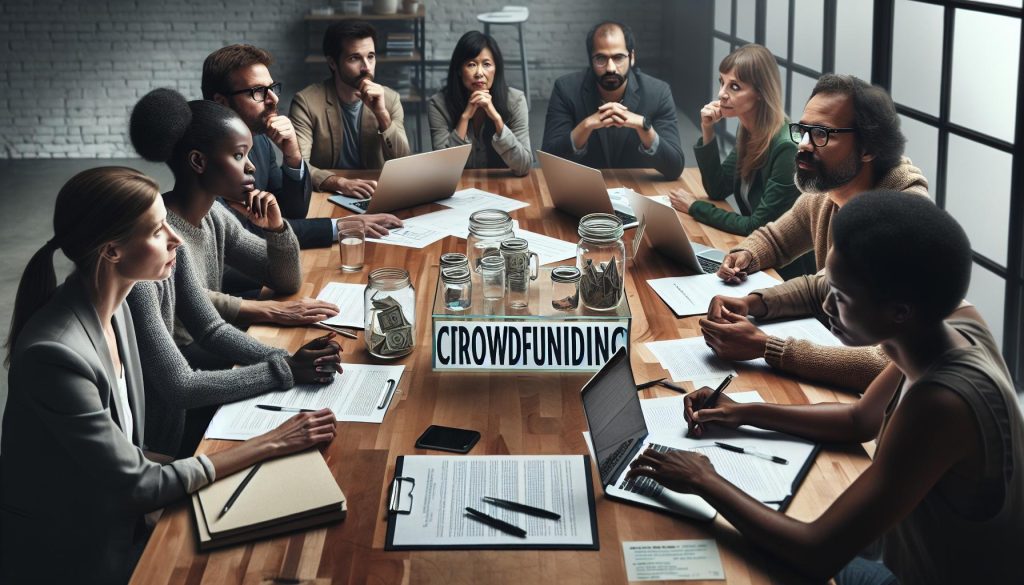
In today’s interconnected world, crowdfunding has emerged as a powerful tool for entrepreneurs, creators, and individuals seeking financial support for their projects or needs. With platforms designed to amplify your cause, understanding how to navigate the application process is crucial. Many potential funders are motivated by personal stories and tangible goals, making it essential to present your idea clearly and compellingly.
Are you ready to turn your vision into reality but unsure where to start? This simplified guide will walk you through the necessary steps to prepare a successful crowdfunding application, addressing common concerns and giving you the confidence to engage potential backers. Whether you aim to fund a personal project, a community initiative, or a creative endeavor, mastering this process could be the key to unlocking the financial support you need. Dive in to discover practical strategies and insights that will empower you on your crowdfunding journey.
Understanding Crowdfunding: What You Need to Know
With the rise of digital platforms, crowdfunding has emerged as a transformative way for individuals and organizations to gather financial support for various initiatives, from creative projects to community development. At its core, crowdfunding leverages the power of community and shared interests, allowing people to invest their money into something they believe in, often receiving rewards or acknowledging in return. This model not only democratizes funding but also fosters a sense of collective ownership and engagement among contributors.
Understanding the different types of crowdfunding is essential for any prospective campaign creator. Crowdfunding generally falls into four main categories:
- Donations-based crowdfunding: Contributors give without expecting any financial return, often for charitable causes or community projects.
- Rewards-based crowdfunding: Backers receive non-financial rewards, such as products or experiences, in exchange for their support, commonly seen in creative projects.
- Equity crowdfunding: Investors receive shares in the business, making it a more traditional investment approach and ideal for startups looking for capital.
- Debt crowdfunding: Also known as peer-to-peer lending, where contributors lend money expecting it to be paid back with interest.
Choosing the right model is crucial, as it will influence not only your potential backers but also the nature of your campaign. A successful crowdfunding campaign typically begins with clearly defined goals and a compelling story that resonates with potential backers. This involves crafting an authentic message that outlines the purpose of the campaign, the impact of the project, and what backers stand to gain.
Additionally, it’s important to consider the legal and financial implications of crowdfunding. Each type of crowdfunding may have different regulatory requirements, especially equity and debt models, which could include filing specific forms with governmental bodies or adhering to financial industry regulations. As you prepare to launch your campaign, familiarize yourself with these aspects to ensure compliance and transparency, ultimately building trust with your backers.
By understanding these foundational elements, you can create a more structured and effective crowdfunding campaign, increasing your chances of achieving your funding goals and positively impacting your community or project.
Types of Crowdfunding: Choose the Right Model
Selecting the appropriate crowdfunding model can significantly impact the success of your campaign. Each type serves different goals and appeals to various audiences, meaning that understanding the nuances of these models is crucial for targeting potential backers effectively. The four main types of crowdfunding-donations-based, rewards-based, equity, and debt crowdfunding-offer varying incentives and obligations, which can tailor your approach to fundraising.
Donations-based Crowdfunding
This model is often the simplest and most altruistic form of crowdfunding. Funders contribute without expecting anything in return, usually for charitable causes, personal projects, or community initiatives. Platforms like GoFundMe illustrate this approach, where people rally support for emergencies or worthy causes. It thrives on the emotional connection creators build with their audience, prompting generosity rooted in shared values rather than material incentives.
Rewards-based Crowdfunding
In this model, backers receive non-financial rewards, such as products or experiences, based on their contribution level. Platforms like Kickstarter exemplify this approach, appealing mainly to creative projects such as films, games, and artistic endeavors. Successful campaigns often feature tiered rewards that incentivize higher donations, offering limited edition items or exclusive experiences that engage supporters. The key to success in this model lies in crafting compelling offers and building an engaging narrative around your project.
Equity Crowdfunding
Equity crowdfunding is ideal for businesses seeking larger sums of capital and willing to offer shares in exchange for investment. This model connects startups with potential investors through specialized platforms like SeedInvest or Crowdcube. It introduces complexities, including legal requirements and investor relations, making it essential for campaigners to understand regulations surrounding securities and shareholder expectations. This model not only attracts funding but also creates a community of stakeholders invested in the company’s success.
Debt Crowdfunding
Also known as peer-to-peer lending, this type allows individuals or businesses to borrow money from multiple backers who expect a return with interest. Platforms such as LendingClub facilitate this model, providing an alternative to traditional bank loans. This approach requires transparency about repayment terms, and cultivates trust, as backers are essentially loaning their money with the expectation of earning interest. It can offer flexibility in funding but carries responsibilities for borrowers in managing repayments diligently.
Choosing the right model is essential not just for reaching your financial goals but also for establishing the right relationship with your backers. Whether it’s about fostering a sense of community through donations, engaging audiences with rewards, attracting serious investors with equity, or creating lending opportunities with debts, the choice you make will shape the entire dynamics of your crowdfunding campaign. Consider your objectives, your audience, and the type of engagement you aspire to create as you prepare your launch.
The Essential Steps in the Application Process
Navigating the application process for crowdfunding can often feel overwhelming, but by breaking it into manageable steps, you can simplify your journey towards securing funds for your project. To begin, it’s crucial to select the right crowdfunding platform that aligns with your project type and audience. Each platform has different requirements and audiences; for instance, platforms like GoFundMe are excellent for personal causes, while Kickstarter or Indiegogo may be better suited for creative projects. Research different options to find one that can effectively reach your target backers.
Once you’ve chosen a platform, the next step involves preparing your application. This can typically include writing a compelling project description, setting a funding goal, and outlining a budget. It’s essential to present a clear and engaging narrative about your project, detailing what makes it unique and important. Ensure that your project plan is thorough yet straightforward so potential backers can easily understand its value.
After drafting your application, gather supporting materials such as images, videos, or prototypes, as these elements can significantly enhance your campaign’s appeal. Visuals play a critical role in conveying your project’s story and establishing an emotional connection with your audience. For example, a short video explaining your project’s purpose and showcasing your passion can be much more impactful than a lengthy text description alone.
Before submitting your application, it’s vital to review your proposal critically. Consider seeking feedback from peers or mentors within your network. They can provide insight on how to strengthen your pitch further. Be prepared to make adjustments based on this feedback, ensuring that your application stands out and effectively communicates your project’s goal. By following these steps, you not only prepare a robust application but also significantly improve your chances of a successful crowdfunding campaign.
Crafting Your Crowdfunding Pitch: Key Elements
To capture the attention of potential backers, your crowdfunding pitch must be compelling and authentic. In the crowded landscape of online fundraising, where thousands of campaigns vie for attention, it’s crucial to convey a unique story that resonates emotionally with viewers. A powerful pitch goes beyond mere statistics; it connects with the audience on a human level while clearly articulating the purpose and potential impact of your project.
One of the essential components of a winning pitch is a clear and concise narrative. Start by introducing yourself and sharing your mission succinctly. Explain why your project matters and who it will benefit. Incorporate personal anecdotes or experiences that led you to initiate this crowdfunding campaign. For instance, if you are raising funds for a new educational program, discuss a specific moment when you realized the need for such an initiative. This personal touch not only enhances relatability but also helps backers feel invested in your cause.
To further enhance your pitch, consider incorporating visual elements that complement your story. High-quality images and engaging videos can significantly boost engagement, as they provide a visual context that text alone often lacks. A brief video showcasing your project, introducing team members, or presenting testimonials from those who stand to benefit can create a compelling case for support. Studies have shown that campaigns with videos raise 4-5 times more money compared to those without.
Lastly, it’s critical to include specific details about your funding goals and how the contributions will be utilized. This transparency cultivates trust among potential donors. Provide a breakdown of how funds will be allocated, whether for materials, marketing, or operational costs. Additionally, set clear and realistic funding targets that reflect the scope of your project. Balancing optimism with practicality can inspire confidence in backers regarding the feasibility of your endeavor.
By focusing on these key elements-engaging storytelling, visual storytelling, and transparent budgeting-you can craft a pitch that not only conveys your vision but inspires action from potential supporters.
Setting Your Funding Goals: How Much to Ask For
Determining the right funding goal for your crowdfunding campaign is essential for its success. A well-set goal not only measures the financial need but also serves as a motivator for potential backers. Generally, the amount you choose to ask for should reflect the total costs associated with your project while also considering what your target audience is likely to contribute. Setting goals that are too high can deter donors, while goals that are too low may leave you underfunded.
To begin, conduct a thorough analysis of all potential costs. Break these down into specific categories:
- Direct expenses: This includes materials, production costs, and operational expenses directly related to your project.
- Indirect expenses: Account for costs like marketing, platform fees, and shipping if applicable.
- Contingency funds: Set aside about 10-15% of your total funding goal for unforeseen expenses.
This detailed budgeting will help you arrive at a realistic financial target. For instance, if you’re launching a product, consider the costs of manufacturing, packaging, and shipping, along with the promotional activities needed to reach an audience. An example from a successful campaign could be a small tech startup that needed $50,000 for development costs, and by clearly detailing these costs on their campaign page, they could effectively attract backers who felt confident in the clarity and transparency of the request.
Additionally, it’s beneficial to research similar campaigns in your field for insight into what funding goals were successfully met. This comparative analysis can inform your decision and help you position your campaign within an expected range. For example, if campaigns that succeeded in your niche typically range from $10,000 to $25,000, using this data to set a goal of $15,000 could balance ambition with realism.
Ultimately, ensure your campaign reflects a sense of urgency and responsibility; articulate not just the “how much” but the “why” behind your funding goal. Be transparent about how contributions will drive the project’s purpose and value, creating a compelling narrative that encourages backers to invest in your vision.
Creating a Compelling Campaign Story: Best Practices
Crafting a compelling campaign story is pivotal in capturing the hearts of potential backers and elevating your crowdfunding efforts. Think of your campaign as a narrative-a unique journey that resonates with donors on an emotional level. A well-told story not only outlines the project’s purpose but also connects with the audience’s values, aspirations, and desires to contribute to a meaningful cause. Here are best practices to create an engaging campaign narrative that drives support.
Start by defining the core message of your campaign. This message should encapsulate what your project is about, its significance, and the impact it seeks to achieve. Consider including a personal anecdote or a story that illustrates why you are passionate about this project. For instance, if you’re raising funds for a community garden, share a heartfelt narrative about how gardening brought joy and unity during difficult times for the neighborhood. Personal stories evoke empathy, allowing potential backers to see the human side of your campaign.
Visual elements also play a crucial role in storytelling. Engaging images or videos can showcase your project effectively, offering a glimpse into its potential while further reinforcing your narrative. For example, a short video that highlights team members, their dedication, and the benefits your project will bring can leave a lasting impression. Carefully chosen visuals, when combined with your story, create a cohesive message that is both memorable and shareable across social media platforms.
Additionally, clarity is key. Make your story easy to read and understand by organizing it into clear sections. Utilize bullet points or numbered lists to break down complex information or highlight key benefits. Incorporate supporting data or statistics to increase credibility while ensuring that these figures do not overwhelm your narrative. Ultimately, potential backers should feel informed and inspired; they should understand precisely how their contributions make a difference without getting lost in jargon or lengthy explanations.
Lastly, end with a strong call to action. Clearly articulate what you are asking from your audience-whether it’s a donation, sharing your campaign, or engaging with you on social media. This not only guides potential backers on how to help but also leaves them with a sense of purpose and urgency. By intertwining personal elements, engaging visuals, and a clear message, your campaign story can transform from a simple request for funds into a compelling plea for support that resonates deeply with your audience.
Building Your Crowdfunding Network: Strategies for Success
Building a robust crowdfunding network is essential for the success of your campaign. The strength and size of your network directly influence your funding potential, as each connection can unlock access to new supporters and resources. This network extends beyond immediate friends and family; it should include community members, industry professionals, and even online audiences who resonate with your project. Engaging these groups effectively can turn your fundraising dream into a reality.
To cultivate your network, start by leveraging existing contacts. Reach out to friends, family, and colleagues, and encourage them to share your campaign within their circles. This ripple effect can dramatically increase your visibility. Create an outreach plan with specific requests on how each person can help, whether it’s by contributing funds, sharing your campaign on social media, or simply providing moral support. Consider hosting an informational session or an online webinar where you can discuss your project and its potential impact, sparking interest and excitement among attendees.
Next, tap into social media platforms to broaden your reach. Platforms such as Facebook, Instagram, and Twitter are invaluable tools for connecting with potential supporters. Use these channels to share updates, behind-the-scenes content, and your campaign story. Visual content, like infographics or videos, can particularly enhance engagement. As you build a presence, interact authentically with followers by responding to comments and messages, which fosters a sense of community and partnership.
Additionally, consider collaborations with influencers or organizations that align with your campaign goals. Engaging with these individuals or groups can offer access to larger audiences and lend credibility to your cause. Craft a tailored pitch that illustrates how their involvement can make a difference and propose mutually beneficial partnerships. By cultivating these relationships, you not only expand your reach but also build trust and authority around your campaign.
Lastly, keep your network warm throughout the campaign. Regular updates on your progress and milestones help maintain engagement and encourage continued support. Celebrate small victories and express gratitude for contributions, no matter how minor. This ongoing communication fosters a sense of shared purpose and maintains momentum, making your backers feel valued and invested in your success. With a well-nurtured network, your crowdfunding efforts can achieve significant results, transforming your vision into reality.
Marketing Your Crowdfunding Campaign: Proven Techniques
Marketing your crowdfunding campaign effectively is crucial to attract potential backers and achieve your funding goals. With millions of crowdfunding projects competing for attention, standing out requires strategic marketing that resonates with your target audience. Leveraging a mix of traditional promotional strategies and modern digital tools can create a comprehensive approach that amplifies your message and engages potential supporters.
To start, it’s essential to identify your target audience. Understanding who would resonate most with your project allows you to tailor your messaging and marketing channels. Consider creating detailed profiles of your ideal backers, including demographics, interests, and online behaviors. This targeted approach ensures your marketing efforts are efficient and impactful.
Content Creation and Storytelling
Engaging storytelling lies at the heart of successful crowdfunding campaigns. Your campaign should convey not just what you are raising funds for, but also why it matters. Share your vision, the impact of your project, and any challenges you’ve faced along the way. Utilize various content formats:
- Videos: These can provide a personal touch, showcasing you and your team, and helping backers connect emotionally with your cause.
- Infographics: Simplify complex information to make it easily digestible and shareable.
- Regular Updates: Keep your backers informed throughout the campaign with progress updates, upcoming milestones, and ways they can help spread the word.
Utilizing Social Media
Social media platforms are invaluable tools for promoting your crowdfunding campaign. They’re not only effective for reaching a broad audience but also for building community and engagement around your project. Create a content calendar to regularly post updates and engaging content, using visuals, polls, and Q&A sessions to foster interaction. Collaborate with social media influencers or organizations that align with your mission; their endorsement can enhance your reach significantly.
Remember to create shareable content, such as challenges or campaigns encouraging followers to share your project with their networks, creating a ripple effect that increases visibility and potential donations.
Email Marketing and Outreach
Building a mailing list prior to your campaign launch can significantly boost your initial support base. Use this list to send personalized emails that explain your project, share your story, and invite recipients to contribute. Craft compelling subject lines and keep your emails concise yet informative.
After the campaign is live, maintain communication with your subscribers, providing them with updates about your project’s progress and encouraging them to share your campaign within their networks.
By integrating storytelling, social media, and email marketing, you can create a dynamic marketing strategy that maximizes your crowdfunding potential. Each interaction and connection can build momentum, turning your fundraising goals into a reality.
Navigating Legal and Financial Considerations
Understanding the legal and financial landscape of crowdfunding can significantly enhance the success of your campaign. Many individuals and organizations dive into crowdfunding without fully grasping the importance of compliance with laws, proper financial management, and transparency with backers. Beginning your journey by educating yourself on these aspects not only builds credibility but also fosters trust among potential supporters.
Legal Compliance
Navigating the legal considerations in crowdfunding is essential to avoid pitfalls that could derail your project. Depending on your location and the type of crowdfunding you choose-be it rewards-based, equity-based, or donation-based-you must comply with specific regulations. For instance, the Securities and Exchange Commission (SEC) in the United States governs equity crowdfunding, necessitating that projects meet certain reporting and disclosure requirements. It’s crucial to:
- Research Local Laws: Understand your local regulations affecting crowdfunding, including whether licenses are required.
- Consult Legal Experts: Engaging with lawyers who specialize in crowdfunding can provide tailored guidance and help navigate complex legal jargon.
- Ensure Transparency: Clearly outline how funds will be used and provide updates to maintain backer confidence.
Financial Management
Managing the financial aspects of your crowdfunding campaign effectively can set you apart from others. Start by determining a realistic budget that not only covers your fundraising goal but also includes platform fees, payment processor charges, and potential taxes. Here are key financial strategies to consider:
- Set Clear Funding Goals: A precise funding target not only informs potential backers but also motivates them to reach that goal.
- Track Expenses: Use accounting software to keep a close eye on incoming and outgoing funds to help manage your budget throughout the campaign.
- Prepare for Success: Consider what happens if you exceed your funding goal. Have a clear plan for how to utilize any additional funds effectively to bolster trust and maintain project momentum.
Following these guidelines safeguards your project against legal complications and financial mismanagement, enabling you to focus on your campaign’s creative and outreach efforts. Balancing legal and financial considerations with your passion for the project creates a strong foundation for a successful crowdfunding campaign.
Using Social Media to Boost Crowdfunding Success
Social media has transformed the landscape of crowdfunding, turning it into a powerful tool for reaching potential donors and supporters. Did you know that campaigns promoted through social media can raise up to 30% more than those that rely on traditional marketing methods? This underlines the importance of effectively leveraging platforms like Facebook, Instagram, Twitter, and TikTok to expand your reach and engage your audience.
One of the most critical strategies for using social media is to create engaging content that resonates with your target audience. Consider sharing behind-the-scenes videos, storytelling posts, or infographics that illustrate your mission and goals. Regular updates about your campaign can help maintain interest and involvement from your followers. Use attention-grabbing visuals, such as photos or short videos, to convey your message more compellingly. Engaging content not only entertains but also informs, encouraging viewers to share your campaign with their networks, thus organically increasing your audience.
H3: Building Community and Engagement
To maximize the impact of your social media efforts, it’s vital to build a community around your campaign. Engage with your audience by promptly responding to comments, thanking donors publicly, and sharing their posts if they mention your campaign. Running live Q&A sessions can also provide a platform for potential backers to interact directly with you, fostering a deeper connection and trust. Consider using unique hashtags for your fundraising campaign to create a centralized conversation where supporters can share their thoughts and experiences.
Furthermore, collaborating with influencers can significantly amplify your reach. Look for individuals whose values align with your campaign and who have a genuine interest in your cause. They can help deliver your message to a broader audience, encouraging their followers to contribute. Remember, authenticity matters-partners who believe in your project will be more effective ambassadors.
H3: Timing and Frequency of Posts
Another aspect to consider is the timing and frequency of your posts. Use analytical tools available on social media platforms to determine when your audience is most active. Schedule your posts for these times to maximize visibility and interaction. A consistent posting schedule can also keep your followers engaged-strike a balance between too frequent and too sparse. Aim for a strategy that keeps your campaign top of mind without overwhelming your audience.
By tapping into the potential of social media, you can create a dynamic and lasting presence that not only boosts your crowdfunding campaign but also builds a supportive community around your project. Combining visual storytelling, community engagement, and strategic partnerships can lead to significant increases in funding and awareness for your cause, turning your crowdfunding journey into a shared experience that resonates with many.
Common Mistakes in Crowdfunding Applications to Avoid
Navigating the intricacies of crowdfunding can be daunting, and many applicants stumble over common pitfalls that can jeopardize their chances of success. One critical mistake is failing to clearly articulate the project and its goals. When crafting your application, it’s essential to provide a comprehensive yet concise overview that outlines what you aim to achieve, why it matters, and how potential backers can help make it happen. Ambiguity can lead to confusion, causing potential supporters to skip over your project in favor of others that are more clearly defined.
Another frequent oversight is neglecting to set realistic funding goals. Individuals often underestimate the costs associated with their projects or set goals that are unachievable based on their network size or marketing strategy. Conduct thorough research to calculate the minimum amount you need to achieve your objectives, and then consider any additional funds for unexpected expenses. Aiming for a funding goal that accurately reflects your needs establishes credibility and helps foster trust among potential supporters.
Neglecting to Showcase Team Strengths
Not highlighting the strengths of your team can also be a vital error. Investors often look for capable and reliable teams behind a project. Make sure to include a section in your application that details the skills, experiences, and accomplishments of each team member. Remember, people invest in people as much as they invest in ideas. Good examples can effectively demonstrate how the team’s collective expertise will lead to successful project execution, thereby reinforcing confidence among backers.
Underestimating Marketing Needs
Lastly, remember that a crowdfunding campaign does not end once your application is submitted. Many applicants underestimate the amount of marketing required to bring attention to their project. It’s crucial to create a detailed marketing plan that outlines your strategies for promoting the campaign across various platforms and channels. Consider leveraging social media, email marketing, and community engagement strategies to maintain interest and momentum throughout the fundraising period. Comprehensive marketing efforts can help you reach more backers and increase your overall funding success.
By being aware of these common mistakes and actively taking steps to avoid them, you greatly increase your chances of running a successful crowdfunding campaign. Each element of your application should work in harmony to build a compelling case for your project, ultimately creating an authentic connection with potential supporters.
Evaluating Your Campaign’s Success: Metrics and Insights
Evaluating the success of your crowdfunding campaign is a crucial step that goes beyond simply checking if you met your funding goals. Understanding what worked and what didn’t can provide valuable insights for future projects and help you refine your overall strategy. Metrics such as the total amount raised, the number of backers, and the average donation size serve as foundational indicators of success. However, looking deeper into engagement metrics-like social media shares, email open rates, and website traffic-can reveal specifics about your campaign’s reach and resonance.
Key Metrics to Consider
To effectively evaluate your campaign, consider tracking the following key metrics:
- Total Amount Raised: The sum of all contributions will give you a clear picture of your financial success.
- Number of Backers: This metric reflects the breadth of your support and can indicate how well your campaign resonated with different audiences.
- Average Donation Size: Knowing this helps you understand your supporters’ commitment levels and can guide your future fundraising strategies.
- Engagement Metrics: Analyze how many people visited your campaign page, how long they stayed, and how often they shared your campaign on social media.
Understanding these metrics helps you evaluate not just the financial aspect of your campaign but also the engagement and emotional connection your project formed with its audience.
Qualitative Insights
Beyond numbers, gathering qualitative feedback is equally important. Consider sending post-campaign surveys to backers to understand their motivations for contributing. What aspects of your campaign drew them in? This direct feedback can be incredibly valuable for refining your approach for your next campaign. Additionally, review comments and messages from supporters on social media and crowdfunding platforms to gauge sentiment. This can uncover trends or messages that resonated strongly, offering inspiration for future pitches or campaigns.
By analyzing both the quantitative and qualitative data gathered from your crowdfunding campaign, you can craft a more comprehensive picture of what strategies were effective and how they aligned with your audience’s values and expectations. This balanced approach not only empowers your future campaigns but also fosters a community of supporters that can be invaluable in subsequent endeavors.
Frequently Asked Questions
Q: What is the first step to take when applying for crowdfunding?
A: The first step in applying for crowdfunding is to clearly define your project or idea. Outline its objectives, target audience, and potential impact. This foundational clarity will guide your campaign strategy and help you craft a compelling pitch, which is vital for attracting backers.
Q: How do I choose the right crowdfunding platform for my project?
A: Choosing the right crowdfunding platform involves assessing the platform’s focus (e.g., creative projects, tech startups), fee structure, user base, and support services offered. Research platforms that align with your project’s goals and demographics to maximize funding success.
Q: What are common reasons crowdfunding campaigns fail?
A: Common reasons for crowdfunding campaign failures include unclear messaging, unrealistic funding goals, poor marketing strategies, and lack of community engagement. Addressing these issues early can enhance your campaign’s chances of success. Refer to “Common Mistakes in Crowdfunding Applications to Avoid” for further insights.
Q: How can I effectively set a funding goal for my crowdfunding campaign?
A: To set an effective funding goal, calculate your project’s costs, including production, marketing, and platform fees. Research similar campaigns to gauge average funding levels in your niche. A realistic and transparent goal builds trust and encourages backers.
Q: What should I include in a crowdfunding campaign update?
A: Crowdfunding campaign updates should include progress reports, budget updates, milestones achieved, and any relevant news. Regular communication keeps backers informed and engaged, fostering a community around your project and encouraging continued support.
Q: How can I leverage social media for my crowdfunding campaign?
A: Leverage social media by sharing regular updates, behind-the-scenes content, and engaging stories related to your project. Use targeted ads and influencer partnerships to broaden your reach. For detailed strategies, see “Using Social Media to Boost Crowdfunding Success.”
Q: Why is transparency important in crowdfunding?
A: Transparency builds trust with potential backers. Clearly communicate your project’s goals, funding needs, and how funds will be utilized. Regular updates on progress and challenges faced can also enhance credibility and encourage higher contributions.
Q: How do I evaluate the success of my crowdfunding campaign?
A: To evaluate your crowdfunding campaign’s success, analyze key metrics such as total funds raised, number of backers, and engagement levels. Reflect on feedback and lessons learned to improve future campaigns. Refer to “Evaluating Your Campaign’s Success: Metrics and Insights” for more details.
In Conclusion
As you embark on your crowdfunding journey, remember that clarity and connection are key. By applying the simplified steps outlined in “How to Apply for Crowdfunding,” you enhance your chances of success in engaging potential supporters. Don’t wait-start telling your story today and inspire action!
For further insights, explore our guides on effective fundraising strategies and leveraging social media for maximum impact. If you have any lingering questions or need guidance, check out our community forum or sign up for our newsletter to stay updated with the latest in crowdfunding trends and tips. Together, we can transform your fundraising ideas into reality!
Remember, the right crowdfunding approach can change the game for your project. Dive deeper into increasing your fundraising skills by visiting our resource section, and let’s keep the momentum going! Your next great achievement is just a click away!
Get our latest guides, news, and insights highlighted in your Google Search & AI Overviews.