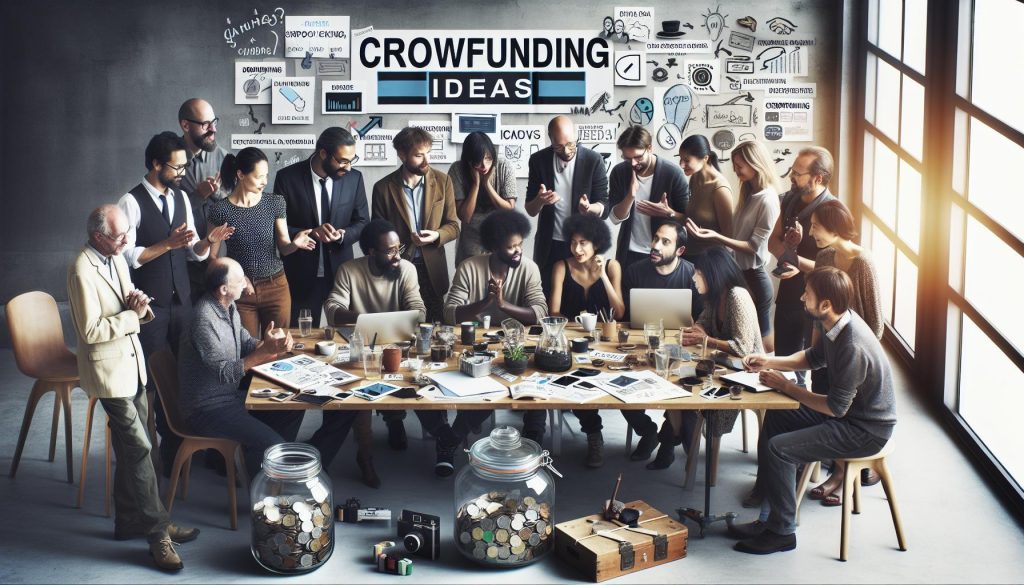
Crowdfunding has evolved into a powerful tool that empowers creators, entrepreneurs, and organizations to turn their dreams into reality. Did you know that in 2020 alone, crowdfunding platforms raised over $34 billion globally? This remarkable figure highlights the immense potential of harnessing community support to fund innovative ideas and projects. However, with this opportunity comes challenges: competition is fierce, and a poorly planned campaign can fall flat. As aspiring fundraisers, understanding the essential strategies and best practices can make the difference between success and failure. In this guide, we will explore a winning formula for launching a successful crowdfunding campaign, addressing common concerns and offering practical solutions that resonate with your goals. Whether you’re an artist, a startup, or a charitable cause, the insights here will equip you with the knowledge to captivate your audience and achieve your funding objectives. Prepare to embark on a journey that could transform your vision into a funded reality!
Understanding Crowdfunding: Key Concepts Explained
Understanding crowdfunding is essential for anyone looking to tap into this powerful fundraising method. At its core, crowdfunding is the practice of collecting money from a large number of people, typically via the internet, to fund a project, business venture, or personal need. This approach leverages the power of social networks to share ideas and causes, making it possible for individuals to gain financial support from family, friends, and even complete strangers. Consider the fact that crowdfunding raised over $34 billion globally in 2020 alone, showcasing its growing acceptance as a legitimate way to access funds for diverse purposes, from creative projects and business startups to medical expenses and community initiatives.
One of the most important concepts in crowdfunding is the “value proposition.” This refers to the unique benefit or advantage that your project offers to potential backers. To effectively convey your value proposition, you should clearly articulate what problem your project solves or what need it fulfills. For instance, a community garden project might emphasize benefits such as promoting local food production, enhancing community cohesion, and improving urban green spaces. Engaging storytelling is vital; potential supporters need to connect emotionally with your cause, which can significantly increase the likelihood of funding.
Additionally, understanding the different types of crowdfunding models is crucial. These include:
- Donation-based crowdfunding: Backers contribute without expecting any financial return, usually to support charitable causes, medical expenses, or community projects.
- Reward-based crowdfunding: Contributors receive non-financial rewards in return for their support, such as exclusive merchandise, early access to products, or experiences related to the project.
- Equity crowdfunding: Investors receive a share of the company or a stake in the project in exchange for their funds, applicable to startups and growing businesses.
- Debt crowdfunding: Backers lend money to projects or businesses with the expectation of being paid back with interest over time.
In summary, grasping the foundational concepts of crowdfunding, including the value proposition and different funding models, equips you with the knowledge required to create a successful campaign. Keep these principles in mind as you progress through your crowdfunding journey, and remember that effective communication and emotional connection with potential backers are key to your success.
Identifying Your Target Audience for Success
Identifying your target audience is one of the most crucial steps in crafting a successful crowdfunding campaign. Understanding who your potential backers are not only helps you tailor your message but also enhances your chances of reaching your funding goals. With more than 38% of crowdfunding projects failing to meet their funding target, pinpointing the right audience before you launch your campaign can be a game changer.
To begin with, consider the demographics of your potential supporters. Who are they? Are they predominantly young adults, seniors, or families? What are their interests, values, and geographical locations? Conduct surveys or utilize social media analytics to gather pertinent data about your community. This allows you to form a clearer picture of who would likely resonate with your project. A campaign for an environmentally conscious initiative, for example, would likely draw a crowd that values sustainability and community engagement.
Once you have identified your audience, refine your outreach strategy. Tailor your messaging to reflect their preferences and communicate how your project aligns with their values. For instance, if your target audience is made up of health-conscious individuals, emphasize how your product or service contributes to well-being. Engaging storytelling can effectively draw your audience in; consider using anecdotes or testimonials that reflect the impact of your project on individuals similar to your target demographic.
Furthermore, employing effective channels to reach your audience can dramatically increase your project’s visibility. For example, younger audiences may be more reachable through social media platforms like TikTok or Instagram, whereas older generations might respond better to email campaigns or community newsletters. You can create a content calendar that schedules regular updates across these channels, ensuring you maintain ongoing engagement leading up to your campaign launch.
In summary, understanding and effectively identifying your target audience not only informs your campaign strategy but is a vital component of driving engagement and support. As you explore these steps, remember that a well-defined audience combined with a compelling narrative tailored to their interests substantially increases your crowdfunding success.
Crafting an Irresistible Campaign Message
Crafting a compelling message for your crowdfunding campaign is pivotal to capturing the attention and hearts of potential backers. A gripping narrative not only conveys your project’s purpose but also establishes an emotional connection that motivates people to support your cause. Start by succinctly articulating what problem your initiative aims to solve or what dream it seeks to fulfill. For instance, if you’re raising funds for a community garden, explain the benefits of local agriculture and how it can address food security issues in your area. This narrative should inspire backers to see themselves as part of the solution.
Next, incorporate the power of storytelling into your campaign message. Share your personal journey that led to the project and illustrate the impact it can have. Use vivid language to evoke imagery and emotions, allowing potential backers to envision the positive change their contributions will help create. Consider including testimonials or anecdotes from individuals who would benefit from the project, making the cause relatable and urgent. This approach transforms abstract concepts into relatable stories that compel people to engage and contribute.
It’s also essential to highlight the uniqueness of your offering. Define what sets your project apart from others and why it deserves support. Are you using innovative methods, or do you have a unique perspective on a common issue? Clearly outlining these points can help spark interest in your campaign. Additionally, consider creating a clear call to action that encourages immediate contributions. This could be as straightforward as “Join us in making a difference today!” coupled with updates on progress and transparency about how the funds will be utilized.
Lastly, tailor your message based on insights gathered about your target audience. If you’re reaching out to sustainability advocates, focus on eco-friendly aspects of your project; if you’re targeting creatives, emphasize artistic elements. Using language and concepts that resonate with your audience will make your message not only more relatable but also more persuasive. Stay authentic, be transparent, and remember that every message you craft should ultimately reflect your passion and commitment to making a meaningful impact.
Setting Realistic Funding Goals and Stretch Targets
Setting appropriate funding goals is critical in shaping the success of your crowdfunding campaign. Research suggests that campaigns with well-defined goals are significantly more likely to achieve funding than vague requests. A compelling fact is that projects that set their funding target accurately can attract 20% more backers than those without a clear goal, illustrating the power of specificity in inviting support.
When determining your funding goals, start by calculating the real costs associated with your project. This includes not only the primary expenses-like materials and production costs-but also indirect costs such as marketing, platform fees, and fulfillment costs for rewards. A detailed budget provides transparency and helps potential backers understand how their contributions will be utilized. Aim to establish a target that meets your essential funding needs while remaining realistic. For example, if you’re raising funds for an art installation, clearly articulating the costs of materials, labor, and installation can help justify your overall goal.
In addition to setting realistic primary funding goals, consider introducing stretch goals. These are additional targets meant to incentivize further contributions once the initial goal is met. Stretch goals can include enhancements to your project or the addition of new rewards for backers, demonstrating gratitude and encouraging further investment. For instance, if your main goal is to fund a community garden, a stretch goal could involve creating educational workshops for local schools once you surpass your initial funding target. Such strategies not only maintain momentum but also foster a sense of community around your crowdfunding effort.
Finally, keep in mind the importance of monitoring your campaign progress. Use real-time data to make informed adjustments to your strategies, whether that involves ramping up your marketing efforts as the campaign nears its end or adding new incentives that resonate with your audience. Transparency about how funding is being utilized, alongside regular updates on your project’s journey, will keep backers engaged and invested in your success, ultimately driving your campaign toward its goals.
Choosing the Right Crowdfunding Platform
can be pivotal to the success of your campaign. With so many options available, each offering unique features, it’s essential to align the platform with your project’s goals and needs. A well-chosen platform not only simplifies fundraising but also enhances your visibility, connects you with your target audience, and maximizes your chances of achieving funding. For instance, Kickstarter focuses on creative projects and has a reputation for impactful visibility, while platforms like GoFundMe cater to personal causes and charitable initiatives.
When evaluating crowdfunding platforms, consider the following key factors:
Fees and Costs
Understand the fee structure of each platform. Most platforms charge a percentage of the funds raised, typically ranging from 5% to 10%, plus payment processing fees. For example:
- Kickstarter: Charges 5% on funds raised plus payment processing fees, beneficial for creative projects.
- Indiegogo: Offers both fixed and flexible funding models with similar fees, catering to a broader range of projects.
- GoFundMe: No platform fee for personal campaigns, making it a strong choice for individual needs.
Ultimately, weigh these costs against the potential exposure and backer support each platform can offer.
Audience and Community Fit
Different platforms attract different demographics. Analyze the audience that frequents each platform to ensure there’s compatibility with your project’s vision. For instance, if you are launching a tech gadget, Indiegogo and Kickstarter may offer better exposure to tech enthusiasts. Conversely, if your project is community-focused or personal, GoFundMe could connect you with individuals looking to support causes they care about.
Marketing and Support Features
Look for platforms that offer robust marketing tools and community support. Features like social sharing capabilities, email updates, and analytics can greatly enhance your outreach and engagement efforts. For example, platforms that integrate with social media can exponentially increase your campaign’s visibility.
In conclusion, the right crowdfunding platform is more than just a place to collect money; it is a critical partner in your campaign’s journey. By carefully evaluating fees, target audiences, and marketing capabilities, you can select a platform that not only meets your fundraising needs but also amplifies your project’s message, ultimately leading to a successful crowdfunding experience.
Designing Compelling Rewards That Engage Backers
Offering attractive rewards can be a game-changer in any crowdfunding campaign, significantly increasing both engagement and funding levels. Reward structures tap into the psychology of backers, making them feel involved and valued. As you design these incentives, it’s essential to balance the appeal of rewards with their feasibility in terms of production and delivery.
Understanding Your Backers’ Motivations
To create compelling rewards, start by understanding what motivates your potential supporters. Some backers may be compelled by the exclusive nature of their contribution, while others might be interested in tangible items or experiences. Tailoring rewards to match these motivations can enhance participation. For example, if you’re fundraising for a creative project, limited-edition merchandise like signed prints or unique behind-the-scenes experiences can resonate deeply.
- Exclusive Access: Consider offering early access to your product, behind-the-scenes insights, or live Q&A sessions with your team. These experiences can create a sense of community and exclusivity.
- Tangible Rewards: Think about items that reflect your brand and project ethos-custom merchandise, digital downloads, or unique collectibles. These not only incentivize contributions but also serve as promotional tools.
- Tiered Rewards: Develop a range of reward tiers to accommodate different budget levels without overextending your resources. This could range from small acknowledgments for minor donations to significant personalized products or experiences for larger contributions.
Practical Considerations
Ensure that your rewards are not just enticing but also practical. Assess the cost of producing, shipping, and managing these rewards. A reward that is too costly to fulfill can eat into your funding pool, so it’s important to find a balance. Communication is also vital; clearly outline what backers can expect upon their contribution. Providing transparent timelines for delivery and detailed descriptions will foster trust and enhance satisfaction among supporters.
By effectively combining allure and feasibility, your crowdfunding rewards can serve not just as incentives but as powerful motivators that foster a sense of belonging and investment in your project’s success. Engaging your community through thoughtful rewards can transform passive backers into passionate advocates, significantly contributing to the overall vibrancy of your crowdfunding campaign.
Creating an Engaging Campaign Page: Best Practices
A compelling campaign page can make all the difference between a successful crowdfunding project and one that falls short. With the vast array of campaigns competing for attention, you have just a few seconds to captivate potential backers. This means that every element of your campaign page must work together to tell a cohesive and engaging story. A well-structured page not only conveys your message effectively but also invites interaction and fosters a sense of community among your backers.
To begin designing your campaign page, focus on your narrative. Start with a strong, emotionally resonant introduction that illustrates why your project matters. Use engaging visuals, such as high-quality images and videos, to showcase your project in action. This not only brings your story to life but also adds a personal touch that can resonate with potential supporters. For example, a heartfelt video explaining the vision behind your project can significantly enhance engagement compared to text alone.
Critical Elements of an Engaging Campaign Page
- Clear Project Description: Be concise yet comprehensive. Clearly outline what your project is about, why it’s unique, and how it’s going to make a difference. Avoid jargon-ensure that your language is accessible to a broad audience. Utilize bullet points to highlight key features and benefits, making it easy for visitors to grasp essential information quickly.
- Visual Storytelling: Use images and videos strategically. A well-produced video can be ten times more effective at grabbing attention than text. Include imagery that showcases the project process, your team, and potential uses of the product or service. This offers a transparent look at your project, making it more relatable and trustworthy.
- Defined Goals and Milestones: Clearly state your funding goal and what it will achieve. Break down your plans into specific milestones and deliverables, and update backers on your progress as you hit these targets. This transparency builds trust and encourages backers to feel more invested in the journey.
- Compelling Rewards Structure: While you are creating excitement about your campaign, don’t forget to detail the rewards you’re offering. Clearly list the different levels of support and corresponding rewards. Make sure these incentives are attractive and valuable, providing a sense of return on investment for backers.
- Social Proof: Incorporate testimonials or endorsements from credible sources to validate your project. These can be previous backers, industry experts, or well-known figures in your domain. Their support can alleviate potential backers’ hesitations and build confidence in your campaign.
By focusing on these elements, you create a vibrant and engaging campaign page that invites potential backers to join your journey. Remember, a successful crowdfunding campaign relies heavily on how well you connect with your audience; by thoughtfully crafting your page, you increase not only your chances of financial backing but also create a loyal community around your project.
Developing a Strategic Marketing Plan for Your Campaign
A robust marketing plan is vital to the success of any crowdfunding campaign, as it helps you effectively reach and engage your audience. The goal is to create a buzz around your project well before you launch, ensuring potential backers are not only aware but excited about supporting your initiative. One key to a successful marketing strategy is to engage with your personal network early on, sharing your project and its importance through various channels. Harnessing the power of word-of-mouth can significantly enhance your reach and credibility.
To develop an effective marketing plan, start by defining your goals clearly. Identify what you want to achieve, whether it’s a specific funding amount or a set number of backers. This foundation will guide all your marketing efforts. Next, segment your audience based on their interests and demographics, enabling you to tailor your messages effectively. Consider creating a timeline detailing your promotional activities leading up to the campaign launch, including teaser announcements, behind-the-scenes content, and pre-launch registration events.
Effective Marketing Strategies
- Leverage Social Media: Platforms like Instagram, Facebook, and Twitter are powerful tools for spreading your message. Use visually engaging content, such as stunning images and videos, to highlight your project’s unique attributes and updates. Regularly engaging with your audience through posts, stories, and livestreams can foster a community around your campaign.
- Build an Email List: Start gathering email subscribers as early as possible. An effective way to do this is by offering exclusive updates or a free resource related to your project. Send regular updates to keep potential backers informed and engaged, increasing their anticipation for the official launch.
- Collaborate with Influencers: Partnering with individuals who have substantial followings relevant to your project can dramatically increase visibility. Choose influencers whose values align with your campaign for authentic promotion. They can help validate your project and introduce your campaign to a broader audience.
- Content Marketing: Create blog posts, podcasts, or videos that explore the themes and issues surrounding your project. This method not only showcases your knowledge but also provides value to potential backers, making them more likely to support your campaign.
- Press Outreach: Reach out to local newspapers, blogs, and podcasts relevant to your project’s niche. A well-crafted press release can lead to articles or interviews that promote your crowdfunding campaign and expand its audience.
As you implement these strategies, remember the importance of storytelling. Every element of your marketing plan should convey the narrative behind your campaign, allowing potential backers to emotionally connect with your endeavor. By employing a comprehensive marketing strategy, you position your campaign for optimal success right from the start, fostering a community of enthusiastic supporters eager to join your journey.
Harnessing Social Media for Maximum Exposure
Social media is a powerful vehicle for amplifying your crowdfunding campaign, transforming your message from a solitary shout into a resonant chorus. The reach and engagement potential of platforms like Facebook, Instagram, and Twitter can convert a niche project into a viral sensation, allowing you to tap into diverse communities. According to studies, campaigns that actively utilize social media enjoy up to 50% more success than those that do not, making it a crucial component of your strategy.
Building a robust online presence starts with creating visually captivating content. Use high-quality images, engaging infographics, and compelling videos to showcase your project’s story and purpose. This is particularly effective on platforms like Instagram and TikTok, where visual appeal drives engagement. Make sure to craft stories around your content; for example, share behind-the-scenes footage of your project or highlight personal anecdotes that illustrate why your initiative matters. Consistency is key-regular posting and interaction with followers creates a sense of community and keeps your campaign fresh in their minds.
Engagement is more than just posting; it’s about fostering genuine relationships. Respond to comments, ask for feedback, and encourage shares. You can increase interaction through polls or giveaways related to your campaign, incentivizing followers to stay involved. Collaborations with relevant influencers can amplify your reach significantly. Choose influencers who resonate with your campaign’s ethos; their endorsement can open doors to new audiences and bring authentic credibility. Additionally, consider staging live Q&A sessions or discussions that not only promote your project but also make your audience feel valued and included.
Harnessing the full potential of social media means being strategic about your outreach. Create a content calendar that aligns with your campaign timeline, highlighting critical milestones. Include calls to action in your posts, encouraging followers to share your campaign, contribute, or simply engage with your content in meaningful ways. The ultimate goal is to generate a ripple effect that reaches beyond your immediate network, turning your supporters into passionate advocates who spread the word far and wide.
Leveraging Video Content to Boost Engagement
In the bustling digital landscape, video content stands out as a dynamic tool for elevating your crowdfunding campaign. Remarkably, studies show that including video can increase engagement by up to 1200% compared to text alone. This heightened interest isn’t just random; videos appeal to both the emotional and rational sides of potential backers, helping them connect with your project on a deeper level. By leveraging this powerful medium, you can capture and hold attention, leading to greater support and funding success.
To effectively harness video, start with a compelling narrative. Introduce your project, its purpose, and the people behind it. Consider incorporating personal stories or testimonials to provide authenticity. For instance, if your campaign is for a community garden, show the current state of the area and share heartfelt accounts from community members about the benefits such a space would bring. In establishing relevance, you create an emotional connection that inspires viewers to contribute. Additionally, keep video content concise-aim for 2-3 minutes to maintain viewer interest while clearly conveying your message.
When producing your videos, prioritize quality. Use good lighting, clear audio, and stable footage to ensure professionalism, which reflects your commitment to the project. A polished presentation builds trust with potential backers, making them more likely to engage and support. Furthermore, don’t overlook the importance of a strong call to action at the end of your video. Directly ask viewers to visit your crowdfunding page, share the campaign, or help spread the word. This guidance transforms passive viewers into active participants.
Finally, promote your videos across various platforms to maximize reach. Share snippets on social media, embed videos in emails, and use them in updates during the campaign to keep backers engaged. As video content becomes a cornerstone of your outreach strategy, remember to analyze performance metrics-track views, shares, and interactions-to refine your approach continually. By strategically utilizing video, you not only boost engagement but also create a compelling narrative that resonates and motivates support for your cause.
Managing Your Campaign: Tips for Real-Time Adjustments
In the fast-paced world of crowdfunding, the ability to make real-time adjustments to your campaign can be the difference between success and stagnation. Monitoring key metrics regularly-such as funding progress, backer engagement, and social media interactions-allows you to stay responsive and effective. For instance, if you notice a surge in interest following a social media post, it’s an opportunity to capitalize on that momentum, potentially by increasing your outreach efforts or adjusting your messaging to align with what resonates most with your audience.
Key Metrics to Monitor
To effectively manage your campaign, focus on these critical areas:
- Funding Progress: Keep an eye on how much money has been raised versus your goal. If you’re falling short, consider launching a targeted promotion or reaching out directly to potential backers.
- Backer Engagement: Track comments, shares, and interactions. If backers are asking questions or leaving feedback, respond promptly to foster a sense of community and trust.
- Social Media Analytics: Use tools to understand which platforms are driving traffic to your campaign page. Adjust your strategy to focus more on the most effective channels.
Adapting Your Strategy
During your campaign, be prepared to pivot your strategy based on the insights you gather. For example, if you see that video content is generating more engagement than static posts, increase your video output and promote it more aggressively. A great case study is a tech startup that noticed their behind-the-scenes videos were more popular than their product demos. By shifting their focus to storytelling that highlighted their team and process, they garnered more backers and eventually exceeded their funding goal.
Real-time adjustments also include being responsive to feedback. If backers express confusion about certain aspects of your campaign, clarify those points through updates or FAQs. This not only helps address concerns but also shows backers that you’re committed to transparency and communication-key elements in building trust and loyalty.
By being proactive and adaptable, you’ll enhance your crowdfunding experience and create a vibrant campaign that attracts and retains backers. Utilize performance metrics as a guide, engage with your audience, and don’t hesitate to try new tactics that could amplify your success.
Post-Campaign Success: Engaging Your Backers and Beyond
After the initial thrill of a successful crowdfunding campaign, the real challenge begins: maintaining engagement with your backers. This crucial phase not only honors their support but can also pave the way for future endeavors, whether they be funding more projects or building a dedicated community around your brand. Studies have shown that backers who feel valued and involved are more likely to contribute again and advocate for your work, making strong post-campaign communication essential.
To effectively engage your backers, start by sharing regular updates about your project’s progress. Whether it’s showcasing prototypes, sharing user feedback, or detailing production milestones, transparency breeds trust. Consider creating a timeline of what to expect post-funding and stick to it. This could involve setting clear expectations about delivery dates for rewards, as well as periodic check-ins highlighting your developments, challenges faced, and lessons learned. This approach not only keeps backers informed but also invites them into the journey, making them feel part of your story.
Additionally, foster a sense of community by encouraging dialogue among backers. Platforms such as forums or social media groups can be utilized to generate discussions, share experiences, and even solicit feedback on various aspects of your project. Implementing backer surveys can further enhance engagement, allowing backers to voice their opinions and feel their input is valued. For example, a board game campaign could ask backers to vote on character designs or gameplay features, reinforcing their investment in the project’s outcome.
Lastly, celebrate milestones alongside your backers. Whether it’s reaching a significant production stage or hitting a project completion date, share these moments on your campaign page and through your communication channels. Expressing gratitude and recognizing your backers’ support not only reinforces their connection to your project but also enhances their overall experience. By cultivating this ongoing relationship, you establish a loyal following ready to support future campaigns and initiatives you may launch, turning one-time backers into lifelong advocates.
Q&A
Q: What are the key elements of a successful crowdfunding campaign?
A: A successful crowdfunding campaign includes a clear and engaging message, defined target audience, realistic funding goals, a compelling campaign page, attractive rewards for backers, and an effective marketing strategy. Consider focusing on these aspects to drive engagement and funding success.
Q: How can storytelling enhance my crowdfunding campaign?
A: Storytelling can significantly enhance your crowdfunding campaign by creating an emotional connection with potential backers. Sharing your journey, challenges, and vision can help engage supporters and inspire them to contribute. Use personal anecdotes and vivid details to make your project more relatable.
Q: What common mistakes should I avoid in crowdfunding?
A: Avoid common crowdfunding mistakes such as setting unrealistic goals, neglecting marketing efforts, failing to engage with backers, or underestimating the importance of a compelling campaign page. Proper planning and communication are crucial to prevent these pitfalls and improve your chances of success.
Q: How important is social media in promoting my crowdfunding campaign?
A: Social media is vital for promoting your crowdfunding campaign, as it helps reach a broader audience and engage potential backers. Utilize various platforms to share updates, engaging content, and promotional materials to maximize visibility and drive traffic to your campaign page.
Q: What role do rewards play in my crowdfunding campaign success?
A: Rewards are essential in motivating backers to contribute to your crowdfunding campaign. Offering every backer a unique and appealing reward can increase engagement and encourage larger donations. Design rewards that resonate with your audience and reflect the value of their support.
Q: How can I ensure long-term engagement with backers post-campaign?
A: To ensure long-term engagement with backers post-campaign, maintain open communication by providing updates on project progress and fulfilling rewards promptly. Consider creating a community for backers to share their experiences and offer exclusive content to cultivate lasting relationships.
Q: When is the best time to launch my crowdfunding campaign?
A: The best time to launch your crowdfunding campaign depends on your audience and project type. Consider aligning your launch with relevant events, holidays, or periods when your target audience is most active and engaged, such as the beginning of a new year or back-to-school season.
Q: How can I measure the success of my crowdfunding campaign?
A: You can measure your crowdfunding campaign’s success by assessing financial goals, backer engagement, and social media reach. Analyze metrics such as total funds raised, number of backers, and shares or comments on your campaign to gauge its overall impact and effectiveness.
In Summary
Now that you have the winning formula for a successful crowdfunding campaign, it’s time to put your knowledge into action and bring your project to life! Remember, a well-structured campaign not only captures attention but also drives contributors to invest in your vision. Take the first step today by exploring our additional resources on creative college fundraising ideas and game-changing sports fundraising ideas to ignite your inspiration further.
Don’t hesitate to share your thoughts or experiences in the comments below-your insights could motivate others! Lastly, subscribe to our newsletter for fresh updates and expert tips that will keep your fundraising efforts sharp. Take action now, and watch your crowdfunding dreams turn into reality!
Get our latest guides, news, and insights highlighted in your Google Search & AI Overviews.