✨ This article was AI edited. Editorial responsibility: Impact-Investing.eu.
Produced with AI. This article was artificially generated. Editorial responsibility: Impact-Investing.eu.
Impact investing opportunities are verified asset allocation channels across private equity, green bonds, venture capital, and sustainable real assets designed to tackle urgent global climate, resource, and social equity challenges while delivering risk-adjusted market financial returns to institutional and private investors.
The global transition toward a low-carbon, resource-efficient, and socially resilient economy represents one of the largest capital redeployments in human history. Institutional investors, sovereign wealth funds, and private wealth allocators increasingly recognize that sustainability is no longer an ethical concession, but an alpha generator. By targeting high-additionality enterprises that directly address critical infrastructure deficits, clean technology bottlenecks, and underserved populations, impact investing opportunities offer compelling structural growth that is largely uncorrelated with volatile public equity markets.
However, capitalizing on these opportunities requires a discerning investment framework. As capital floods into sustainable finance, distinguishing genuine enterprise additionality from superficial ESG branding is paramount. Sophisticated allocators evaluate opportunities through quantitative impact measurement, verifiable lifecycle data, and robust risk-adjusted return profiles.
High-Growth Impact Investment Thematics for 2026 and Beyond
Global economic megatrends—including grid modernization, industrial decarbonization, water scarcity, and demographic shifts—are creating scalable private market deployment avenues across four core verticals:
- Clean Energy Transition & Long-Duration Energy Storage (LDES): Beyond conventional utility-scale solar and onshore wind, immense opportunity lies in next-generation battery chemistry, grid-scale thermal storage, and green hydrogen electrolyzers that stabilize intermittent renewables.
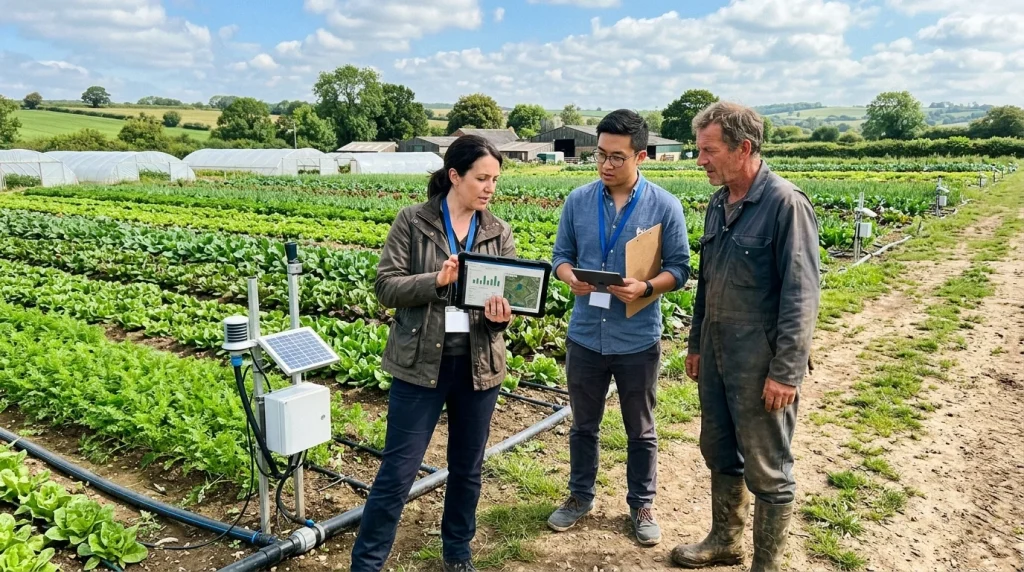
- Regenerative Agriculture & Precision Bio-Economy: Investing in soil health restoration, precision micro-irrigation, biological crop protection, and sustainable aquaculture to feed an expanding global population while reversing biodiversity loss.
- Decentralized Financial Inclusion & Microfinance: Scaling digital payment infrastructure, mobile micro-lending, and SME working capital financing across emerging markets to integrate historically unbanked populations into the formal financial system.
- Circular Industrial Systems & Waste Upcycling: Deploying capital into advanced polymer recycling, closed-loop textiles, and industrial heat recovery systems that eliminate virgin resource extraction and lower manufacturing costs.
Asset Class Allocation Matrix for Impact Capital
Investors can access impact opportunities across diverse liquidity profiles and risk tolerances, spanning private equity, debt instruments, and real estate:
| Asset Class | Target Return Profile | Liquidity Profile | Core Impact Mechanism | Primary Risk Factor |
|---|---|---|---|---|
| Climate Tech Venture Capital | 20%+ Net IRR (J-curve) | Illiquid (7–10 years) | Commercializing breakthrough low-carbon technologies and software. | Technology scale-up risk & execution risk. |
| Growth Private Equity | 14%–18% Net IRR | Illiquid (5–7 years) | Scaling profitable business models with verified operational impact. | Valuation multiple compression upon exit. |
| Private Infrastructure Debt | 7%–10% Annual Yield | Medium (3–5 years) | Financing renewable energy plants, water utilities, and social housing. | Interest rate risk & counterparty credit risk. |
| Green & Sustainability-Linked Bonds | 4%–6% Coupon Yield | Liquid (Secondary markets) | Coupling corporate borrowing costs to verified sustainability KPIs. | Duration risk & regulatory classification changes. |
Evaluating Additionality in Private Market Deals
To ensure capital deployment generates tangible societal change, institutional investors assess three distinct forms of additionality:
- Financial Additionality: Providing capital where commercial financial institutions are unwilling or unable to lend, unlocking projects that would otherwise remain unfinanced.
- Operational Value-Add: Taking active board seats or deploying operating partners to help portfolio executives implement robust ESG data systems, optimize energy usage, and improve employee retention.
- Systemic Policy & Market Signalling: Establishing pioneering investment benchmarks (e.g., the first commercial green bond in an emerging market) that attract follower capital from mainstream institutions.
Risk Mitigation Strategies for High-Impact Portfolios
Investing in pioneering sustainable business models entails real operational, technological, and regulatory challenges. Prudent asset managers employ three primary risk management strategies:
1. Structuring Multi-Tranche Blended Finance Facilities
In developing markets or novel climate hardware, pairing commercial senior debt with philanthropic first-loss capital or DFI guarantees creates an attractive risk-adjusted profile while maintaining strict financial discipline.
2. Dynamic Regulatory Hedging
With regulations evolving rapidly across the European Union, North America, and APAC, fund managers must future-proof portfolio assets by adhering to the highest global standards (e.g., Article 9 SFDR and IFC Operating Principles), preventing costly future restructurings.
3. Granular Third-Party Impact Auditing
Instituting annual, verified audits conducted by accredited third parties eliminates headline risk and protects fund sponsors from greenwashing inquiries by institutional Limited Partners and financial regulators.
Actionable Steps for Deploying Capital Into Impact Opportunities
- Define Your Impact Mandate: Establish an unambiguous Investment Policy Statement (IPS) detailing target UN Sustainable Development Goals, required financial hurdles, and geographic parameters.
- Screen for Co-Investment Syndicates: Partner with established multilateral development banks (e.g., EIB, IFC) and seasoned impact venture funds to participate in well-structured deal flow.
- Demand Automated ESG Telemetry: Require portfolio enterprises to provide verified digital telemetry on core impact KPIs on a quarterly basis, alongside financial statements.
Frequently Asked Questions About Impact Investing Opportunities
Do impact investing opportunities require sacrificing financial returns?
No. Extensive institutional research from Cambridge Associates, the Global Impact Investing Network (GIIN), and Morgan Stanley demonstrates that market-rate impact funds achieve financial returns that are comparable to, and often outperform, traditional non-ESG private equity and venture benchmarks.
What sectors currently offer the highest return potential in impact investing?
Grid-scale energy storage, industrial heat decarbonization, sustainable agricultural inputs, and B2B circular economy technologies currently command significant institutional demand and provide strong growth trajectories driven by regulatory tailwinds and corporate net-zero commitments.
How can individual retail investors access impact opportunities?
Retail investors can participate through certified Green Bonds, sustainability-focused ETFs, regulated equity crowdfunding platforms specializing in clean energy, and European Long-Term Investment Funds (ELTIFs) designed for broader market access.
What is the role of green bonds in an impact portfolio?
Green bonds provide predictable fixed-income yield while earmarking 100% of proceeds for verified environmental projects, such as offshore wind infrastructure, energy-efficient commercial real estate, and municipal clean water networks.
Get our latest guides, news, and insights highlighted in your Google Search & AI Overviews.