Did you know that over 4.5 billion people use social media globally, shaping not just personal interactions but also business, politics, and even mental health? The influence of social media on modern society is profound and multifaceted, driving trends, fostering connections, and raising critical questions about well-being and privacy. As these platforms continue to evolve, they not only reflect societal changes but also catalyze them, affecting everything from the way we communicate to the information we consume. Understanding these surprising effects is crucial for navigating today’s increasingly digital world, whether you’re seeking to enhance your personal relationships or looking for strategies to leverage social media for business success. Join us as we explore the unexpected ways social media is reshaping our lives, communities, and the world at large, revealing insights that can empower you to take informed action in your own online interactions.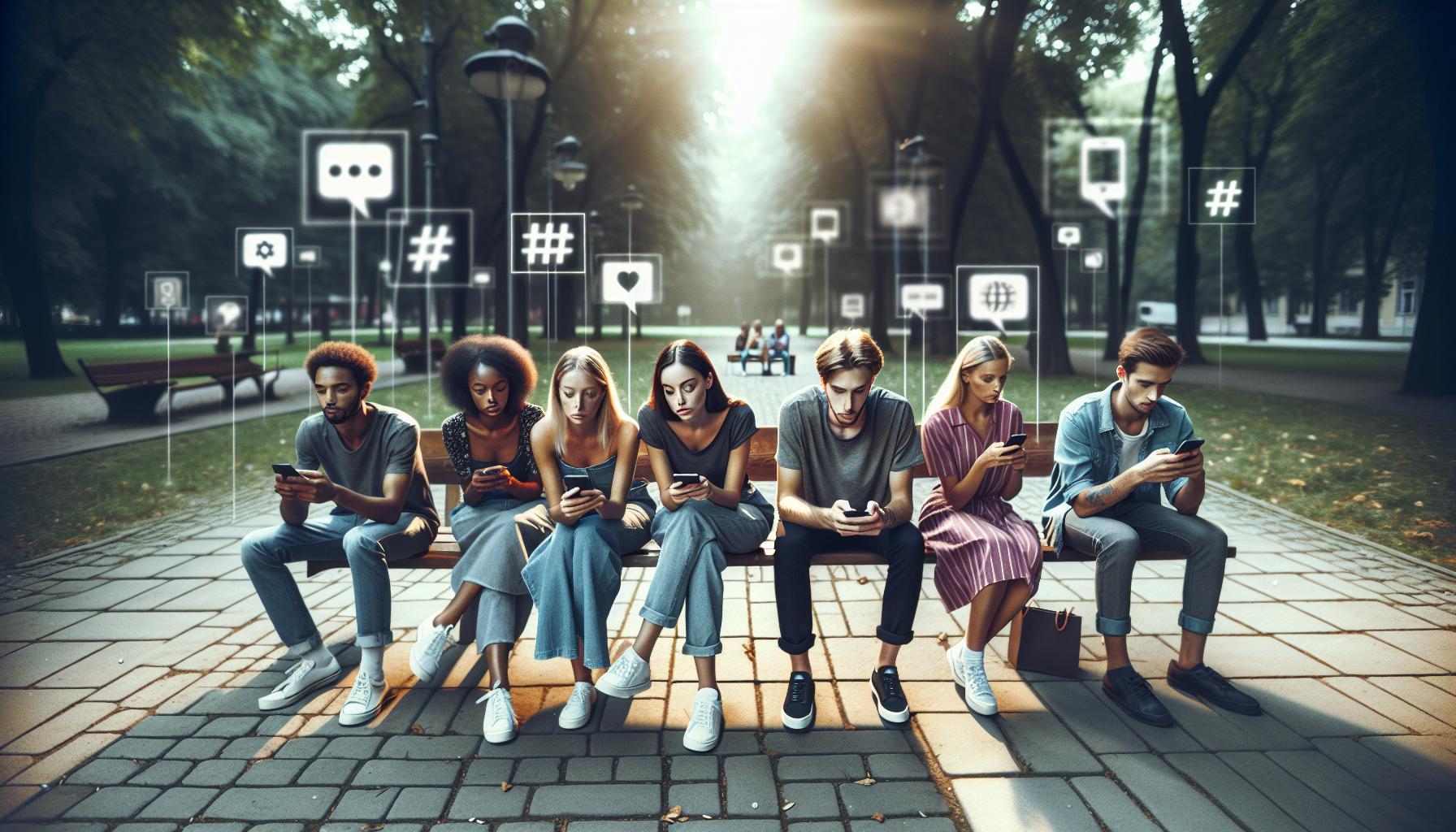
Social Media’s Impact on Mental Health and Well-Being
The prevalence of social media in daily life has sparked a crucial dialogue about its influence on mental health and well-being, especially among youth. A staggering number of studies indicate a clear correlation between extensive social media use and worsening mental health outcomes, particularly anxiety and depression. For instance, the earlier adolescents start engaging with these platforms, the more pronounced the impact on their mental health appears to be. This dynamic raises important questions about the implications of social media environments where users often perceive themselves in constant comparison with curated versions of peers’ lives.
Understanding the Duality of Social Media Use
While social media can foster connectivity and community, it often leads to feelings of inadequacy and isolation. Individuals frequently report feelings of anxiety or low self-esteem after surfing through their feeds, primarily due to the idealized images and narratives presented by others. This phenomenon is not just anecdotal; research from the American Psychological Association highlights a significant link between high engagement on social media and adverse mental health effects, particularly for younger users[[1](https://law.stanford.edu/2024/05/20/social-media-addiction-and-mental-health-the-growing-concern-for-youth-well-being/)].
To mitigate these negative effects, developing healthier digital habits is critical. Here are some practical strategies for responsible social media use:
- Limit Screen Time: Set specific time constraints to avoid excessive use, allowing for breaks to engage in offline activities that bring joy.
- Acknowledge Triggers: Be mindful of when and why social media usage causes anxiety, and make conscious decisions to alter usage patterns accordingly.
- Curate Your Feed: Follow accounts that promote positivity and connection while unfollowing pages that evoke negative feelings.
- Engage Authentically: Use social platforms to build genuine connections rather than to compare yourself with others.
By embracing these strategies, users can transform their social media experience into a more positive and supportive one, rather than a source of stress. Adopting such proactive measures can help individuals reclaim their mental health and well-being amidst the complexities of the digital age.
The Role of Social Media in Shaping Public Opinion
In the age of instant communication and digital narratives, social media has emerged as a powerful force in shaping public opinion. The sheer scale of social media use-over 4.9 billion users globally-can amplify voices and ideas at an unprecedented rate, creating a dynamic landscape where public sentiment can shift rapidly. This phenomenon presents opportunities and challenges, as platforms like Twitter, Facebook, and Instagram become arenas for public discourse, activism, and news consumption.
Social media has democratized the ability to influence opinions, allowing individuals and groups that might have previously struggled to make their voices heard to do so effectively. For instance, movements such as #MeToo and Black Lives Matter gained momentum largely through social media engagement. These platforms provide a megaphone for underrepresented voices, highlighting social injustices and prompting collective action. However, this rapid dissemination of information also invites scrutiny regarding the accuracy and integrity of the content shared.
To navigate this complex terrain, users should adopt critical engagement practices with the content they encounter. Here are some strategies:
- Fact-Check Sources: Always verify the credibility of the information before sharing. Use reputable fact-checking websites to ensure accuracy.
- Diversify Your Feed: Follow a variety of perspectives to avoid echo chambers, which can skew public opinion towards a single narrative.
- Engage Constructively: Participate in discussions respectfully, fostering constructive dialogues that encourage understanding rather than division.
- Be Mindful of Emotional Triggers: Recognize content that evokes strong emotions; this is often used strategically to manipulate public sentiment.
In conclusion, while social media plays a pivotal role in shaping public opinion and driving social change, it necessitates a responsible approach to consumption and interaction. By fostering critical thinking and diverse engagement, users can harness the power of these platforms for positive societal influence. This empowers individuals not just as consumers of information, but as proactive participants in the discourse that shapes their communities and the world at large.
How Social Media Influences Relationships and Communication
In our hyper-connected world, social media is not just a platform for sharing news or photos; it profoundly alters how we interact and communicate with one another. With over 4.9 billion users engaging across various platforms, social media has transformed traditional relationship dynamics, making it both easier and, at times, more complex to maintain connections. While it can foster a sense of community and belonging, it also introduces challenges like misunderstandings and unrealistic expectations.
Social media enables us to stay connected with friends and family, regardless of distance. A simple post, comment, or message can ignite conversations and strengthen bonds, allowing users to share life’s milestones in real-time. However, these interactions often lack the depth of face-to-face conversations, potentially leading to superficial relationships. Moreover, as individuals portray curated versions of their lives online, it can stir feelings of envy or inadequacy in others. Notably, a study indicated that a significant number of 18-29-year-olds have experienced jealousy due to their partner’s online interactions, highlighting how digital interactions can initiate insecurities that may not arise in offline settings [[3](https://www.liberty.edu/champion/2025/02/13/has-social-media-ruined-relationships-and-romance/)].
Navigating Positive and Negative Interactions
To harness the benefits of social media while mitigating its drawbacks, establishing healthy online communication practices is essential. Here are some strategies to consider:
- Set Boundaries: Determine what aspects of your life you wish to share online and what should remain private. Clear boundaries help protect your emotional well-being while also respecting the privacy of others.
- Communicate Openly: If a social media interaction causes concern or confusion, address it directly with the individuals involved. Open dialogue can prevent misunderstandings and conflict.
- Limit Comparisons: Remember that social media often showcases the highlights of life. Cultivating gratitude for your own experiences can help reduce feelings of envy and inadequacy.
By being mindful of how we engage with social media and recognizing its impact on our relationships, we can foster meaningful connections while navigating the complexities of digital communication. Ultimately, social media should enhance our interactions, not replace authentic human connection.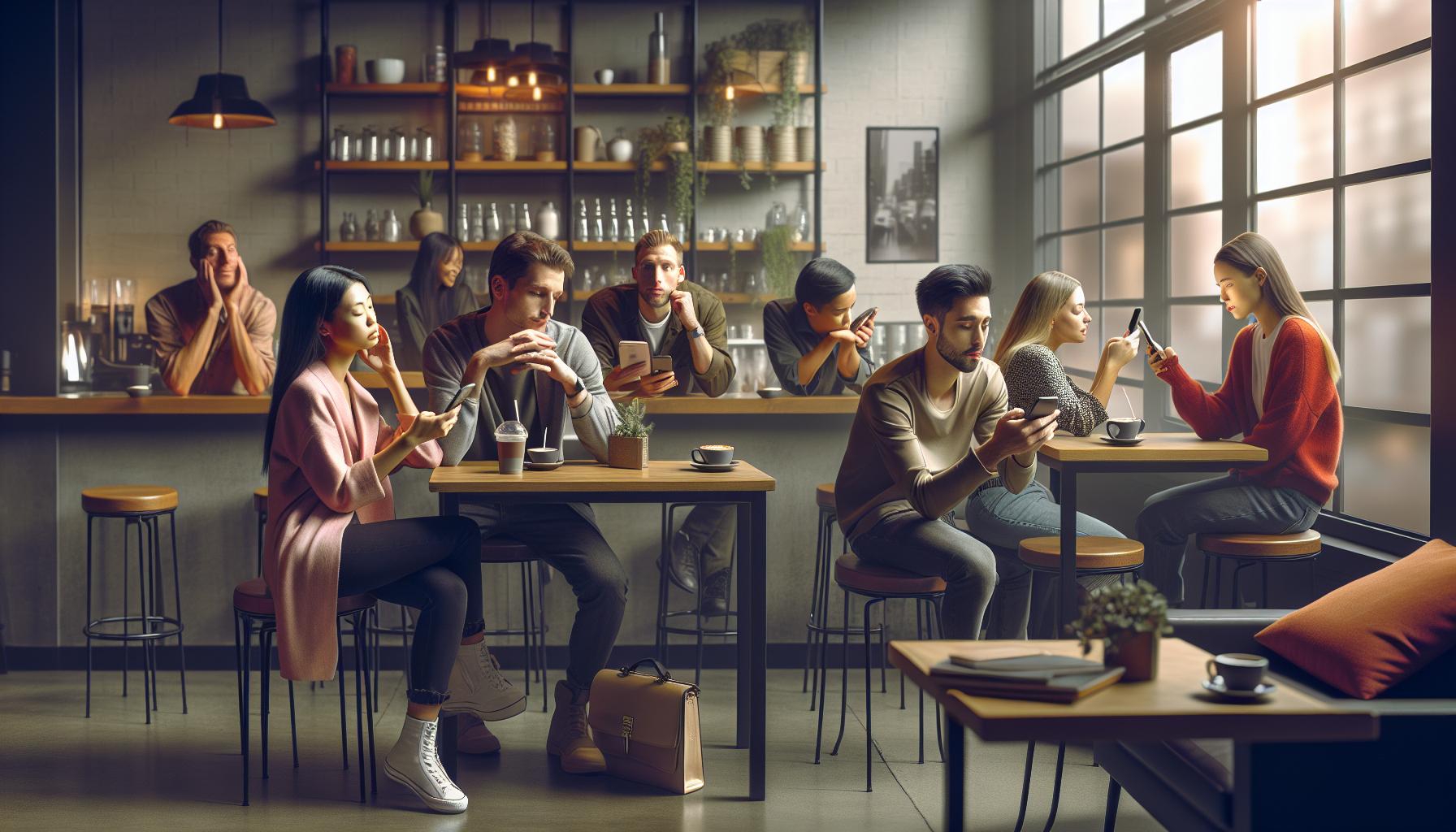
The Economic Impact of Social Media on Small Businesses
In today’s digital landscape, small businesses are uniquely positioned to harness the power of social media for growth and engagement. As of late 2023, research shows that 73% of marketers believe that their efforts through social media marketing have been “somewhat effective” or “very effective” for their businesses, illustrating the platform’s potential to drive visibility and sales. By utilizing social media, small businesses can reach a wider audience without needing the vast budgets traditionally associated with advertising.
One of the most significant advantages of social media for small enterprises is its cost-effectiveness. Unlike traditional advertising, which can be prohibitively expensive, platforms like Facebook, Instagram, and Twitter allow businesses to engage their audience through organic posts and targeted ads. For example, local cafés can promote special events or new menu items directly to their community, fostering engagement and loyalty without breaking the bank. Furthermore, analytics tools available on these platforms empower small businesses to track their performance, helping them decide where to allocate their resources most effectively.
Building Relationships with Customers
Social media is not just about selling products; it’s about building relationships with customers. This direct line of communication helps businesses gather feedback, respond to inquiries, and address concerns more swiftly than through traditional customer service channels. For instance, a handmade jewelry shop using Instagram can showcase craftsmanship while engaging directly with followers through comments and messages, creating a sense of community and loyalty. By actively participating in conversations, small businesses not only humanize their brand but also encourage customers to advocate for them online.
Additionally, social media plays a crucial role in enhancing brand visibility and awareness. Small businesses can utilize user-generated content by encouraging customers to share their experiences and tag them. This not only amplifies their reach but also adds authenticity to their marketing efforts. For example, a boutique might encourage customers to post pictures of themselves in purchased items with a designated hashtag. This not only enhances engagement but also creates a visual portfolio of satisfied customers, serving as a compelling testimonial for potential buyers.
Ultimately, by adopting strategic social media practices, small businesses can navigate the digital marketplace with agility and creativity. Emphasizing relationship-building, community engagement, and authentic communication allows them to leverage these platforms effectively, transforming followers into lifelong patrons. is profound, offering opportunities that were once reserved for larger corporations, democratizing access to marketing channels and enabling innovative ways to connect with stakeholders.
The Effects of Social Media on Political Engagement
In an age where information spreads rapidly and opinions are shaped online, social media has emerged as a powerful tool influencing political engagement across the globe. Studies show that social media platforms serve as crucial venues for political discourse, allowing users to connect, share information, and ignite discussions on vital issues that affect their communities and societies at large. This shift in how political conversations occur is reshaping the very fabric of engagement, moving it from traditional channels to dynamic, digital arenas.
One significant impact of social media on political engagement is its ability to mobilize voters and increase participation in democratic processes. For example, social media campaigns like #BlackLivesMatter and #MeToo not only raise awareness about social issues but also drive political action and community mobilization. These hashtags create a collective voice, enabling individuals to rally together for systemic change, share resources for activism, and encourage voter turnout. Interestingly, research indicates that users who frequently discuss politics online are more likely to participate in offline political activities, such as attending rallies or voting in elections [3].
Furthermore, social media platforms empower individuals to bypass traditional news outlets, allowing for a more democratized flow of information. This shift facilitates the rise of citizen journalism, where everyday users report on local events or political developments, often capturing stories that mainstream media might overlook. However, this landscape also presents challenges, as misinformation can spread just as quickly as factual information, complicating the public’s understanding of pressing political issues.
To tackle these challenges and harness the full potential of social media for political engagement, users can adopt various strategies. Engaging critically with content, fact-checking information before sharing, and participating in constructive dialogues can foster a more informed and involved citizenry. By advocating for transparency and accountability from both platforms and political figures, users can help cultivate a healthier digital ecosystem that prioritizes genuine engagement over sensationalism.
Social Media’s Role in Promoting Social Causes
In an era defined by digital connectivity, social media has become an essential platform for advocating social causes, empowering individuals and communities to unite for change. The immediacy and wide reach of these platforms enable grassroots movements to flourish, transforming personal passions into collective action. Campaigns such as #BlackLivesMatter and #FridaysForFuture illustrate how hashtags can mobilize masses, raise awareness, and create a tangible impact on social and environmental issues. Research indicates that 79% of social media users expect brands to make a public commitment to social causes, suggesting that consciousness about social responsibility is strongly tied to online presence and activity.
The power of social media lies in its ability to amplify marginalized voices that previously lacked representation in mainstream media. Through compelling storytelling shared on platforms like Instagram, Twitter, and Facebook, individuals can shine a spotlight on urgent issues such as racial inequality, climate action, or mental health awareness. For instance, the #MeToo movement showcased the resilience of survivors and sparked conversations around consent and workplace harassment, resulting in social shifts and policy changes worldwide. This digital activism allows for an inclusive dialogue, inviting people from diverse backgrounds to contribute their narratives, thereby fostering empathy and understanding.
To effectively harness social media for social causes, activists can adopt several strategies:
- Storytelling: Create engaging narratives that resonate with audiences emotionally. Personal stories humanize issues and encourage others to get involved.
- Use of Multimedia: Leverage visuals, videos, and infographics. Data-driven insights combined with powerful imagery can capture attention and convey complex messages succinctly.
- Engagement: Encourage community participation through polls, questions, and calls to action. Engaging followers fosters a sense of belonging and empowers them to share or follow suit.
- Collaboration: Partner with influencers or organizations that share similar values. Collective action can extend reach and credibility, creating a larger impact.
As social media continues to evolve, its role in promoting social causes is set to expand. The challenge will be to navigate the fine line between raising awareness and avoiding performative activism. Genuine engagement, rooted in authentic connections and actionable outcomes, will define the future of social advocacy online. By using these platforms responsibly, individuals can transform their digital presence into a powerful force for societal change, making a difference both online and offline.
Navigating Misinformation: Challenges of Social Media
In the vast landscape of social media, where information flows freely and rapidly, the growing prevalence of misinformation presents significant challenges to users and society. With about four-in-ten Americans expressing major concerns about inaccuracy in the news shared on social media-an increase of 9 percentage points since 2018-it’s clear that this issue is not just a matter of personal annoyance; it has serious implications for public understanding and discourse [[1](https://www.pewresearch.org/short-reads/2024/02/07/many-americans-find-value-in-getting-news-on-social-media-but-concerns-about-inaccuracy-have-risen/)].
The complexity of misinformation often lies in its subtlety. People frequently encounter misleading posts that may appear credible at first glance. For instance, social media bots can amplify false narratives by mimicking genuine human interaction, thereby distorting the information landscape and contributing to the confusion around current events [[3](https://www.pewresearch.org/topic/news-habits-media/media-society/misinformation/bots-misinformation/)]. To combat this, users must cultivate a critical approach to the content they consume. Here are several actionable strategies that can help mitigate the challenges posed by misinformation:
- Verify Sources: Always check the credibility of the news source before sharing or believing the information. Look for articles from well-established media outlets or fact-checking organizations.
- Think Before You Share: Reflect on the potential consequences of sharing a post. If something seems too sensational or unlikely, take a moment to investigate it further.
- Educate Yourself and Others: Share knowledge about how to identify misinformation, including recognizing common tactics used in misleading headlines and imagery.
- Engage in Conversations: Discuss findings with peers or online communities. Engaging in dialogue not only helps spread awareness but also strengthens collective understanding of misinformation’s impact.
To foster a healthier digital ecosystem, both individuals and platforms have roles to play in promoting information integrity. Social media companies can enhance their algorithms to flag potentially false content, while users can promote a culture of accountability by encouraging critical thinking and vigilance. By adopting these practices, we can empower ourselves and our communities to navigate the complexities of social media more effectively, ultimately leading to a more informed and responsible society.
Understanding the Relationship Between Social Media and Loneliness
Social media was initially heralded as a revolutionary tool for connectivity, promising to bridge distances and foster relationships. Yet, paradoxically, evidence suggests that these platforms may be contributing to a growing sense of loneliness among users. A study linked both active and passive use of social media to rising feelings of isolation, implying that the very tools designed to connect us might also deepen our sense of disconnection [1].
The relationship between social media and loneliness is complex. While it offers the ability to establish and maintain contacts, many users engage in passive consumption-scrolling through posts without meaningful interaction-leading to feelings of inadequacy and loneliness. Those who primarily use social media to avoid difficult emotions often report no significant association between their usage and feelings of loneliness compared to those who use it to maintain contact with friends and family [3]. This indicates that the purpose behind social media use plays a crucial role in determining its emotional impact.
To mitigate the feelings of loneliness that can accompany social media usage, individuals can adopt several strategies. It’s vital to cultivate active connections: commenting on posts, participating in discussions, and initiating conversations can help create a sense of community and belonging. Moreover, setting boundaries around social media use by designating technology-free times can encourage users to engage in face-to-face interactions and hobbies that foster a sense of fulfillment outside the digital realm.
Ultimately, recognizing the dual nature of social media-its potential to connect and isolate-empowers users to make more mindful choices. By transforming passive consumption into active engagement and fostering genuine connections, social media can become a tool for building robust and supportive relationships rather than a contributor to loneliness.
Privacy Concerns: The Dark Side of Social Media
In today’s digital age, privacy concerns surrounding social media have become a pressing issue. With billions of users sharing personal information daily, platforms collect vast amounts of data, often without users fully understanding the implications. A startling statistic reveals that 79% of Americans feel they have very little or no control over the data that companies collect about them, showcasing a gap between the use of social media and awareness of privacy rights. This unsettling landscape of data collection and surveillance raises significant questions about consent, security, and the ethical responsibility of social media companies.
Understanding Privacy Issues
Privacy concerns largely stem from how these platforms monetize user data. Social media companies often rely on targeted advertising, which requires extensive data profiles on users. This practice not only exposes individuals to potential data breaches but also raises ethical dilemmas regarding informed consent. Users are frequently encouraged to read lengthy terms of service agreements, which are often convoluted and filled with legal jargon, making it hard for the average person to ascertain what they are agreeing to. To put it succinctly, many users may unknowingly consent to extensive data collection that can lead to manipulation or exploitation.
Strategies for Protecting Your Privacy
To navigate the complexities of social media privacy, individuals can adopt various proactive strategies:
- Be Informed: Familiarize yourself with privacy settings on each platform. Most social media services provide options to control who can see your information and how it can be used.
- Limit Sharing: Be cautious about the amount of personal information shared publicly. Regularly audit your posts and remove sensitive content that may compromise your privacy.
- Utilize Privacy Tools: Consider using tools like browser extensions and apps that block trackers and advertisements, offering deeper privacy protection.
- Stay Updated: Follow news related to social media policies and privacy regulations. Laws around data privacy, such as the GDPR in Europe, are evolving, and being aware of your rights can empower you to take action.
By taking these steps, users can regain some control over their digital footprints and reduce the risks associated with privacy violations. While it may seem challenging to protect oneself in such an expansive landscape, staying informed and proactive can significantly mitigate potential downsides, leading to a more secure experience on social media platforms.
The Evolution of Social Media Trends in Society
In the realm of modern communication, social media has not merely existed as a trend; it has transformed the fabric of society, creating a new landscape for interpersonal interactions and cultural phenomena. From the rise of Facebook in the early 2000s to the explosive growth of TikTok in recent years, platforms have continually evolved, reflecting and shaping user behaviors, cultural norms, and societal values.
One of the most significant evolution points has been the shift from text-based updates to visually-driven content. As attention spans diminish, platforms like Instagram and Snapchat have capitalized on this trend, prioritizing images and short videos over lengthy posts. This visual orientation has not only changed how information is shared but also influenced marketing strategies and personal branding. Individuals and businesses now curate aesthetically pleasing profiles to attract followers, leading to a new form of expression and social validation.
Moreover, the rise of influencers and content creators signifies a departure from traditional media, democratizing fame and altering consumer behavior. Brands now collaborate with these individuals to reach audiences more authentically, as users often trust recommendations from their peers or favorite online personalities over traditional advertisements. This has led to the emergence of “micro-influencers,” showcasing that even those with smaller followings can wield considerable power and impact, reshaping marketing landscapes for small businesses and driving new trends.
Social media’s evolution also reflects broader societal changes, serving as a platform for social movements and cultural shifts. From the #MeToo movement to Black Lives Matter, social media has provided a voice for marginalized communities, facilitating grassroots activism and awareness on a global scale. These movements harness the viral potential of platforms to gather support, share stories, and mobilize actions, demonstrating how social media can serve not just as a communication tool but as a catalyst for change.
As we look to the future, the landscape will likely continue to evolve with emerging technologies such as augmented reality and virtual reality enhancing user interaction. Platforms that prioritize user privacy and ethical data use may gain an edge, reflecting a growing awareness of privacy concerns among users. Ultimately, social media will persist as a dynamic force, adapting to societal changes while influencing myriad aspects of daily life, from personal relationships to global dialogues. By embracing this evolution, individuals and businesses alike can navigate the continual shifts and harness the benefits that social media offers.
Social Media Addiction: Signs and Solutions
In our hyper-connected world, where social media is woven into the fabric of daily life, the concept of addiction has emerged as a significant concern. Studies indicate that approximately 30% of social media users exhibit addictive behaviors, leading to profound impacts on mental health and well-being. Recognizing the signs of social media addiction is paramount to mitigate its effects and reclaim a balanced lifestyle.
Common indicators of excessive usage include feeling anxious or restless without social media access, neglecting responsibilities in favor of scrolling through feeds, and preferring online interaction over face-to-face communication. Many users also report heightened feelings of loneliness and depression, often due to unfavorable comparisons with the seemingly perfect lives showcased by others online. Monitoring your screen time, setting stringent boundaries for daily usage, and engaging in offline activities can serve as effective countermeasures against these feelings.
Practical Solutions to Combat Addiction
- Set Time Limits: Utilize apps or built-in smartphone features to track and limit your daily social media usage.
- Designate Social Media-Free Zones: Create specific times during the day-such as during meals or right before bed-where you refrain from checking social media platforms.
- Engage in Offline Activities: Rediscover hobbies or interests that do not involve screens, such as reading, exercising, or joining community groups.
- Practice Mindfulness: Incorporate mindfulness techniques, such as meditation or deep-breathing exercises, to foster a more present and engaged mindset rather than scrolling mindlessly.
- Seek Support: If you find it challenging to manage your usage, consider talking to friends, family, or mental health professionals who can provide guidance and support.
By implementing these strategies, individuals can regain control over their social media habits and enhance their overall quality of life. Emphasizing balance, we can leverage the benefits of social media while minimizing its potential downsides. The aim is not to eliminate social media entirely, but to engage with it in a conscious, deliberate manner that promotes our well-being rather than detracts from it.
Future Trends: The Next Era of Social Media Influence
Imagining the landscape of social media in the coming years reveals both exciting opportunities and critical challenges. Emerging trends indicate a shift towards more meaningful engagement, especially as users grow increasingly critical of content that lacks authenticity. With advancements in technology, including AI-driven personalization, we can expect platforms to evolve to prioritize quality interactions over mere quantity, fostering deeper connections among users.
As the social media landscape transforms, issues such as privacy and data security will be at the forefront. A significant portion of the upcoming discourse will focus on how companies handle user information and the ethical implications of targeted advertising based on personal data. Stronger regulations may emerge, compelling platforms to adopt transparent practices. This resurgence of privacy awareness could lead to a new wave of platforms that emphasize user control over personal data, appealing to those disenchanted with traditional models.
Moreover, the rise of augmented reality (AR) and virtual reality (VR) technologies is set to revolutionize user experience. Imagine virtual meet-ups where friends can share experiences in immersive settings or businesses utilizing AR to create engaging advertisements that users can interact with. These innovations will require users to adapt their communication styles and expectations, opening up new avenues for creativity and collaboration.
Lastly, as social media continues to intertwine with global movements for social justice and environmental change, we anticipate that platforms will become key players in mobilizing communities. The ability to rally support for causes will see an uptick, as real-world outcomes increasingly hinge on online actions. Brands too will feel the pressure to align with these values, as consumers expect responsibility and transparency. Ultimately, the future of social media influence will not only shape our online interactions but will also echo through societal structures, highlighting the profound impact social platforms have on our collective behavior and ideals.
Q&A
Q: How does social media influence public health awareness?
A: Social media plays a crucial role in disseminating public health information quickly and effectively. Campaigns on platforms like Facebook and Twitter help raise awareness about health issues, promote healthy behaviors, and encourage vaccination. Engaging content can drive community support and inform the public about health initiatives. For more insights, check out the section on social causes in the article.
Q: What are the potential benefits of social media for community building?
A: Social media facilitates community building by connecting individuals with shared interests and values, fostering support networks, and encouraging collaboration. Online groups and forums can empower users to engage with community initiatives, leading to enhanced participation and collective action for local causes. Explore more on social engagement in our section covering political participation.
Q: In what ways can social media contribute to misinformation?
A: Social media can inadvertently spread misinformation rapidly, often due to the viral nature of posts. Users may share unverified content, leading to confusion and wrong perceptions. It’s important to verify information with credible sources before sharing. Learn more about navigating misinformation in the relevant section of the article.
Q: How does social media affect political polarization?
A: Social media can amplify political polarization by creating echo chambers where users are exposed mainly to views that reinforce their own beliefs. This can discourage constructive dialogue and widen societal divides. Understanding these dynamics can help promote more balanced discussions and engagement across political spectrums.
Q: What impact does social media have on youth engagement in social issues?
A: Social media significantly enhances youth engagement by providing platforms for activism and social discourse. Young people are leveraging platforms to raise awareness about climate change, equality, and other pressing issues, thereby driving movements and encouraging participation in societal change.
Q: How can social media be used to strengthen mental health support?
A: Social media can strengthen mental health support by providing communities where individuals can share experiences and resources. Organizations often use these platforms to offer information on mental health, where users can access self-help tools and peer support, facilitating a more open discussion about mental well-being.
Q: What are some warning signs of social media addiction?
A: Warning signs of social media addiction include excessive time spent online, neglecting real-life relationships, and experiencing anxiety when offline. Recognizing these signs is the first step toward finding a balance between virtual engagement and real-world interactions. For strategies on coping, refer to our section on social media addiction.
Q: Why is it important to recognize the privacy concerns associated with social media?
A: Recognizing privacy concerns is essential as users often share personal information without understanding the potential risks. Awareness can lead to better online practices, such as adjusting privacy settings and being cautious about what information is shared publicly. Our article discusses these privacy topics in more depth.
To Wrap It Up
As we’ve explored, social media profoundly shapes our perceptions, relationships, and societal dynamics. By understanding its multifaceted impacts, you can navigate its complexities more effectively and leverage its potential for positive change. Now is the time to reflect on how you engage with these platforms and to consider strategies that enhance your digital literacy and well-being.
To dive deeper, check out our articles on the effects of digital engagement on mental health and strategies for responsible social media use. If you’re looking for more personalized guidance, don’t hesitate to sign up for our newsletter or schedule a consultation. Join the conversation by sharing your thoughts in the comments below! Together, let’s harness social media’s power to forge connections and foster a supportive community. Your insights matter, and the journey continues-let’s explore these vital topics together!
Get our latest guides, news, and insights highlighted in your Google Search & AI Overviews.