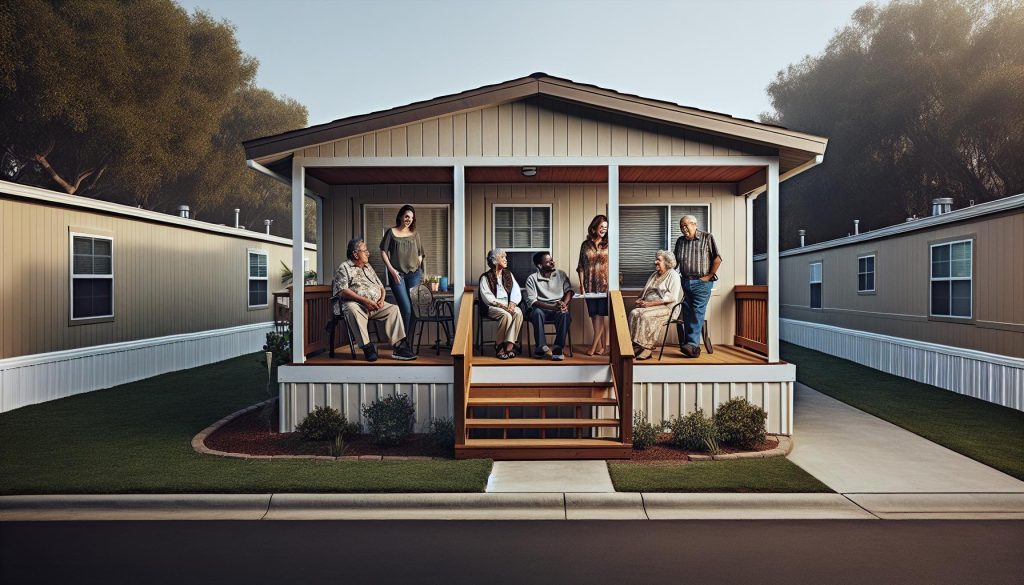
With housing affordability becoming a pressing concern for many, manufactured homes are emerging as a viable alternative for those seeking cost-effective options. These homes often provide a more budget-friendly entry into homeownership without sacrificing comfort or quality. But is investing in a manufactured home truly a smart financial decision? This exploration considers factors like cost savings, resale value, and lifestyle benefits-empowering you with insights to determine if this path aligns with your financial goals and personal needs. As we navigate your options, you’ll discover how a manufactured home could be the key to achieving your dream of affordable living.
Is a Manufactured Home a Good Investment for Affordability?
Investing in a manufactured home can be remarkably appealing, particularly in today’s real estate market where affordability is a pressing concern for many. These homes, typically built in factories and transported to their final locations, often cost significantly less than traditional site-built homes. This affordability opens doors for a broader range of potential homeowners and investors, especially first-time buyers who may find the financial barriers of conventional homeownership daunting.
The primary appeal of manufactured homes lies in their lower price point compared to traditional houses. According to industry data, the average cost per square foot of a manufactured home can be less than half that of a site-built home. This disparity allows buyers to invest their resources more effectively, whether they are securing a primary residence or a rental property. Additionally, as housing demand continues to rise, particularly for affordable housing, the prospects for rental income and long-term appreciation of these homes also improve.
However, affordability doesn’t merely refer to the purchase price. Ongoing costs such as utilities, maintenance, and land rental must also be considered. Many manufactured homes are situated in communities that may charge lot fees, which can add to the overall cost of living. Buyers should conduct thorough research into these costs and weigh them against their budget to ensure that their investment remains sustainable and beneficial.
Furthermore, while manufactured homes often depreciate in value more than traditional homes-primarily due to their classification and zoning restrictions-this trend is counterbalanced by the increasing acceptance and demand for affordable living options. As more communities embrace manufactured housing as a viable solution to housing shortages, their market value may stabilize and even appreciate. Thus, understanding local market conditions and the long-term outlook for manufactured homes in a specific area is crucial for informed decision-making.
Overall, for those entering the housing market with a focus on affordability, manufactured homes present a compelling option. With careful consideration of location, costs, and market trends, purchasing a manufactured home can lead to significant financial benefits and substantial personal satisfaction.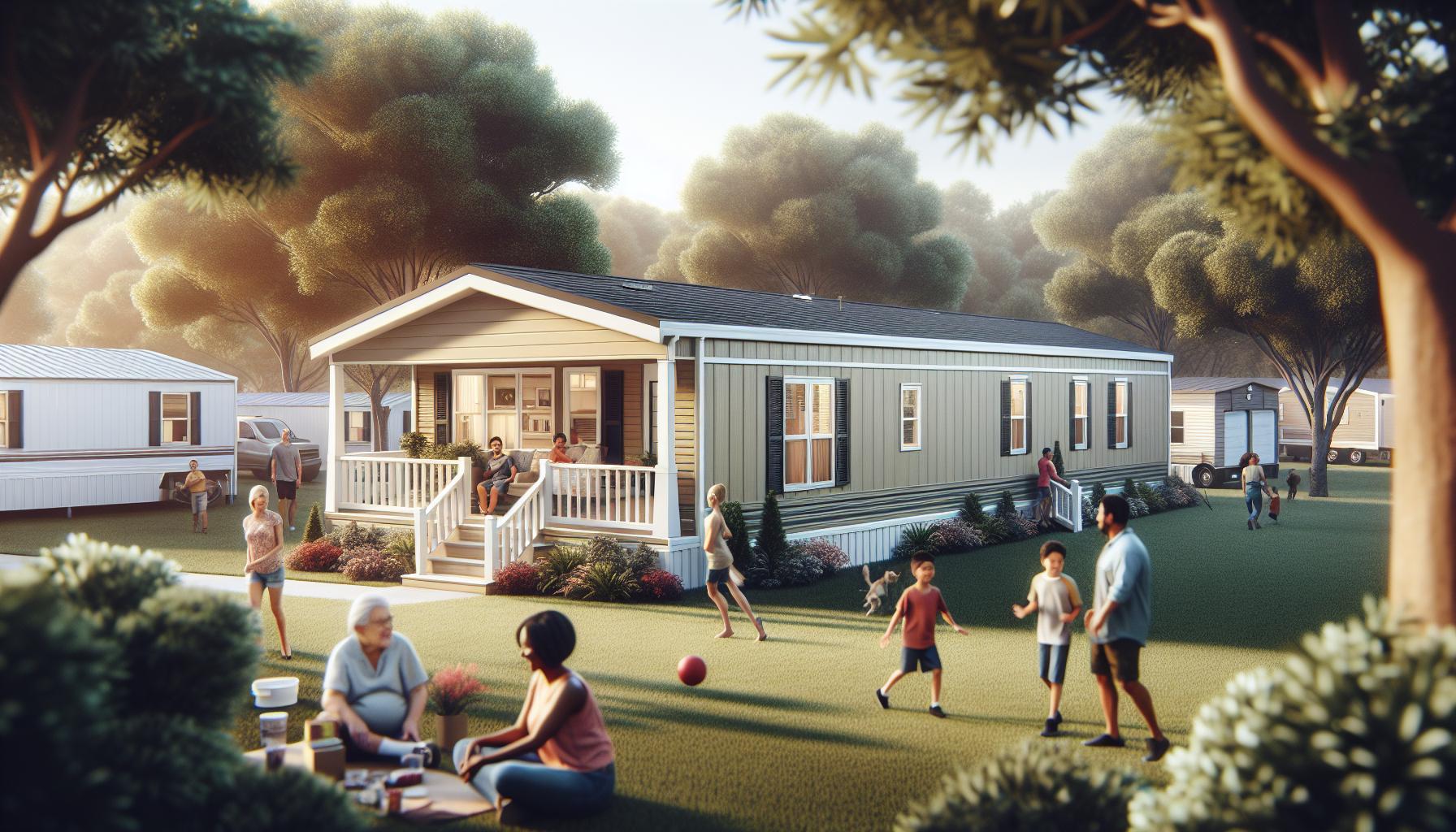
Understanding Manufactured Homes: Types and Benefits
Investing in manufactured homes is an increasingly attractive option for buyers seeking affordability without compromising on comfort and quality. Unlike traditional site-built homes, manufactured homes are pre-fabricated in factories and transported to their designated locations, offering a streamlined construction process that significantly reduces costs. Studies show that manufactured homes cost around $85 per square foot-less than half the price of typical site-built homes, which can average $168 per square foot. This cost differential not only makes homeownership more accessible but also expands the possibilities for investment, particularly in areas where affordable housing is in high demand.
Types of Manufactured Homes
Manufactured homes come in various styles to suit diverse needs. The predominant types include single-section homes, typically around 600-1,400 square feet, and multi-section homes, which can range from 1,200 to over 2,400 square feet. Each type allows clients to choose based on their spatial and budgetary requirements. Furthermore, eco-friendly options are increasingly available; many manufacturers now offer homes constructed with sustainable materials and energy-efficient systems, catering to both environmental consciousness and savings on utility bills.
Benefits of Choosing Manufactured Homes
The advantages of opting for manufactured homes extend beyond their lower initial purchase prices. Notably, they offer the following benefits:
- Speed of Construction: These homes can be built and installed much faster than traditional houses, allowing new homeowners to move in within weeks rather than months.
- Lower Financing Costs: Due to their price point, the overall financing required for manufactured homes often remains lower, reducing interest costs over the long term.
- Expanding Market: As communities increasingly recognize the value of manufactured homes as a solution to housing shortages, their acceptance and potential for appreciation in value continue to grow.
- Customization and Upgrades: Many manufacturers allow for customization, enabling buyers to select features such as layout, finishings, and energy-efficient upgrades that best fit their lifestyle.
In light of these benefits, prospective buyers are encouraged to carefully assess local market conditions, zoning laws, and community amenities as part of their research. By doing so, they can maximize their investment while enjoying the many perks of manufactured home living, ultimately paving the way for a sustainable and affordable housing solution.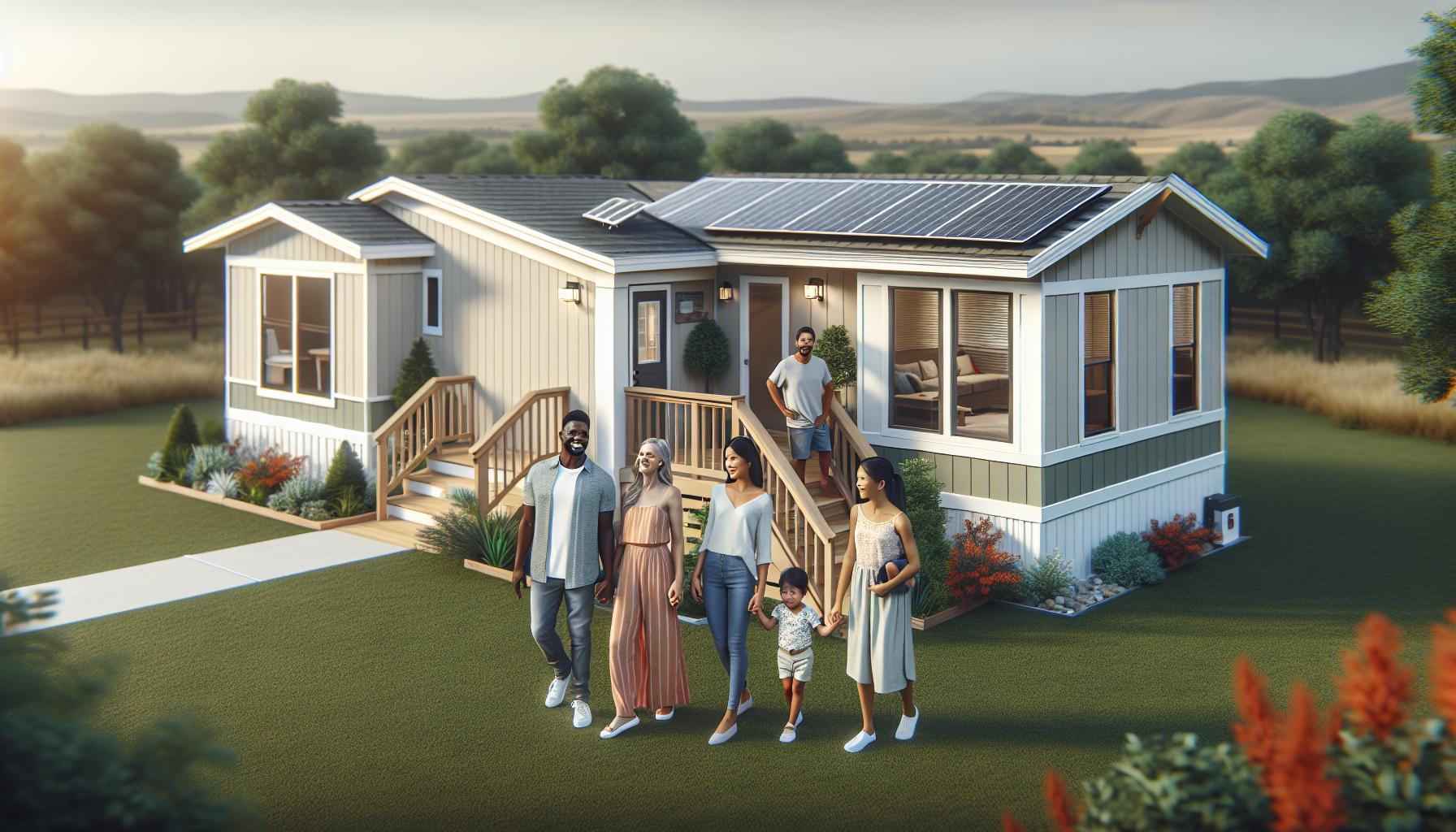
The Financial Aspects of Buying a Manufactured Home
Purchasing a manufactured home can significantly impact your financial landscape, particularly in a time when home prices are soaring. With the average cost of manufactured homes averaging around $85 per square foot-significantly lower than the $168 square foot typical for site-built homes-the affordability of these properties positions them as a leading choice for buyers looking to own their space without overwhelming debt. This cost efficiency not only opens the door to homeownership but also represents an opportunity for investment, especially in regions where affordable housing is scarce.
Moreover, the financial advantages extend beyond initial purchase prices. Buyers often find themselves benefiting from lower overall financing costs, which can result from borrowing less money and thus incurring less interest over time. Additionally, the speed at which manufactured homes can be constructed and set up means homeowners can avoid lengthy waiting periods and associated costs typically linked to traditional home building. In many cases, families can move into their new homes within a matter of weeks, rather than months, allowing them to start building equity sooner.
When evaluating the financial aspects of manufactured homes, it is essential to consider the potential for future appreciation. As demand for affordable housing continues to rise, particularly in economically diverse states like Texas and Florida, manufactured homes could increase in value. This appreciation potential is supported by a broadening acceptance of these homes as legitimate residential options-a sentiment echoed by real estate experts who note the resilience of manufactured housing communities during economic downturns [2].
Potential buyers should conduct thorough research into their local market conditions, understanding zoning laws, and considering community amenities, which can all affect long-term property values. By taking a proactive approach, individuals can navigate the manufactured home investment landscape effectively, ensuring that they not only find an affordable living solution but also a valuable financial asset.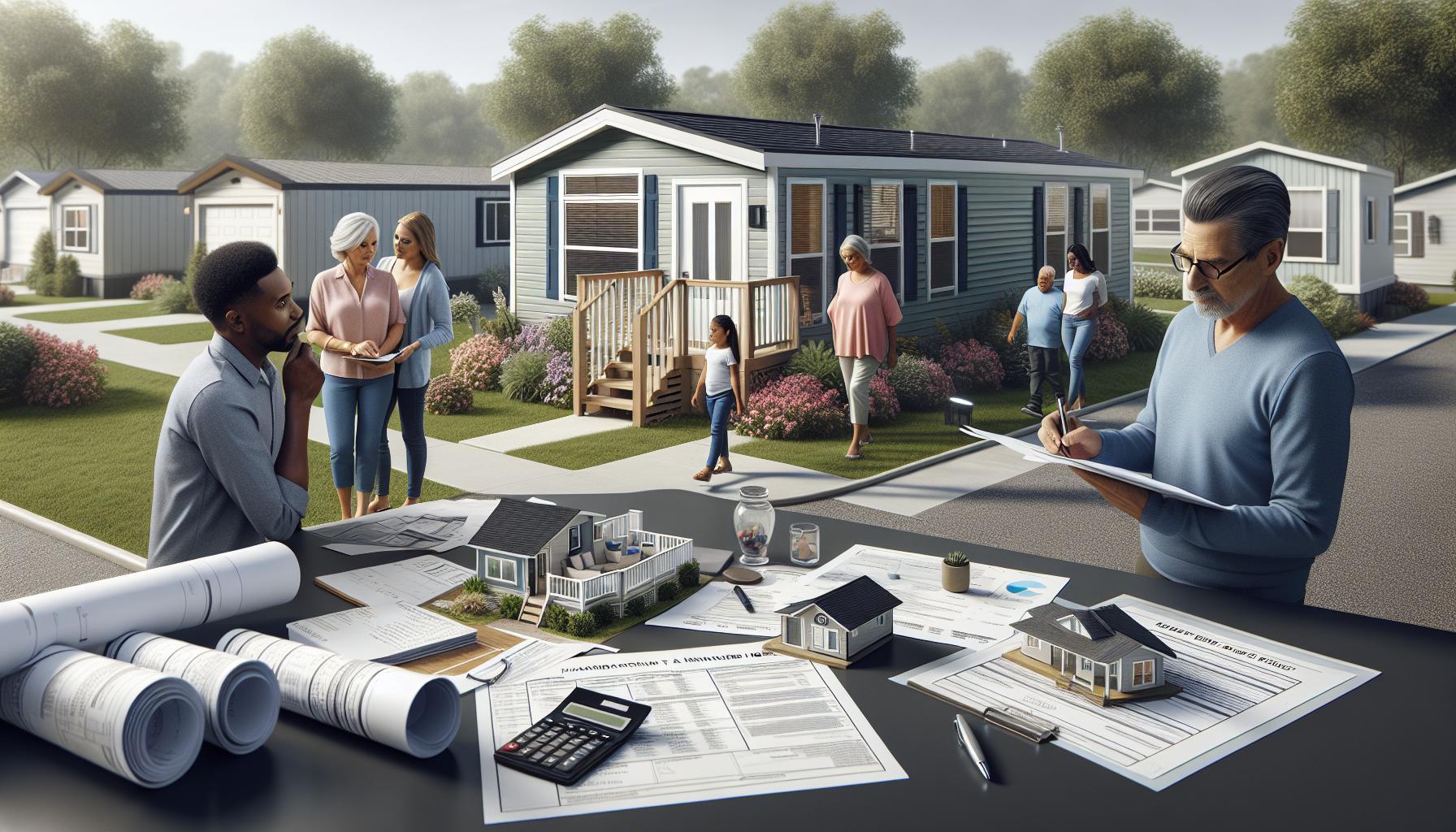
Affordability Comparison: Manufactured vs. Traditional Homes
With home prices skyrocketing across the United States, affordability has become a crucial consideration for aspiring homeowners. A compelling example lies in the cost difference between manufactured homes and traditional site-built homes. The average cost of manufactured homes at about $85 per square foot is significantly lower than the roughly $168 per square foot associated with traditional homes. This striking difference highlights why manufactured homes are increasingly perceived as an effective entry point into homeownership, particularly for families on a budget or those seeking to reduce housing expenses.
One of the critical benefits of opting for a manufactured home is not just the initial lower purchase price but also the financial relief that comes from lower ongoing costs. Homeowners of manufactured homes can frequently enjoy reduced utility expenses, as these homes are often built with energy efficiency in mind. Additionally, property taxes on manufactured homes can be lower, further easing the financial burden. Many buyers find that when they analyze the total cost of ownership-including taxes, insurance, utilities, and maintenance-they often save considerably more with a manufactured home compared to a conventional property.
Moreover, manufactured homes allow families to enter the housing market more swiftly. Many prospective homeowners face extended waiting times due to the demand for traditional homes, often leading to added costs and uncertainty during the home buying process. In contrast, manufactured homes can typically be assembled and moved into much quicker, allowing families to start enjoying their new space and building equity without the long waits associated with traditional home construction.
Ultimately, the decision to choose a manufactured home over a traditional one comes with opportunities for significant savings and a potentially stress-free homeownership experience. However, it’s essential for buyers to conduct thorough research into local market trends, as these factors can influence the long-term value of their investment. By understanding what they can afford and the unique advantages that manufactured homes offer, buyers can make informed decisions that align with their financial goals while securing a comfortable living environment.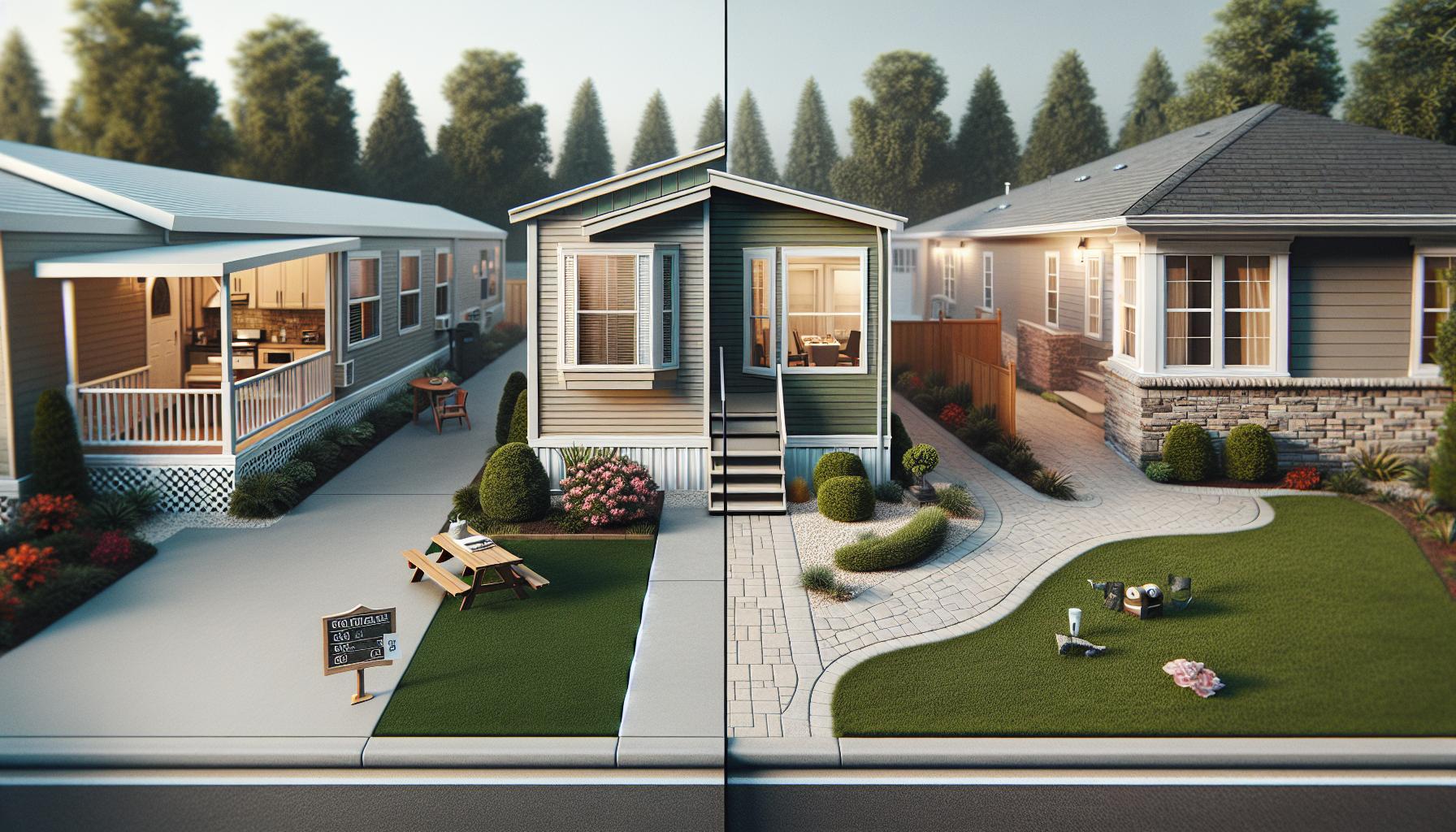
Financing Options: Securing Loans for Manufactured Homes
Financing a manufactured home opens up various pathways for prospective homeowners, particularly in the current climate of rising housing costs. For many, the affordability of manufactured homes aligns perfectly with flexible financing options, allowing them to step into homeownership without the burdensome expenses often associated with traditional mortgages. Understanding the different types of loans available can empower buyers to make informed financial decisions that enhance their ability to invest in their future.
One of the primary financing methods for manufactured homes is through government-backed loans, such as FHA Title I and Title II loans. These programs are designed specifically for manufactured housing and can offer lower down payments and more lenient credit requirements compared to conventional loans. FHA Title I loans are particularly beneficial for those who own the home but not the land, as they cover the cost of the home itself. Meanwhile, Title II loans can be used when the manufactured home is affixed to a foundation and includes the land purchase. This type of financing makes homeownership accessible for families that might otherwise struggle to secure traditional financing.
In addition to federal options, private financial institutions also provide loans suitable for manufactured homes. For example, Fannie Mae and Freddie Mac offer specific programs that cater to this market, allowing buyers to qualify for loans with favorable interest rates and terms. Alternative financing options such as personal loans can also be considered, although potential borrowers should be aware of the typically higher interest rates and shorter repayment terms associated with these loans. There are many lenders specializing in manufactured home loans, making it essential for buyers to shop around and compare offerings to find the best fit for their financial situation.
Moreover, prospective buyers should factor in the total cost of financing a manufactured home, which includes not just the loan payments but also other recurring expenses like insurance, utilities, and property taxes. Many manufactured home owners report lower overall monthly costs, reinforcing the value proposition of such an investment. As families evaluate their financial commitments, they should also consider the long-term benefits of building equity in a manufactured home, which can contribute to their overall wealth and financial security over time. By thoroughly researching available financing options and understanding the specific advantages of manufactured homes, buyers can navigate the often complex landscape of home ownership with confidence.
The Impact of Location on Investment Value
The location of a manufactured home is a critical factor that directly influences its investment value and affordability. Similar to traditional homes, manufactured homes can appreciate or depreciate in value based on various locational elements, making geography a cornerstone of investment strategy. For instance, areas experiencing job growth and population influx often see an increase in demand for affordable housing options, including manufactured homes. In contrast, regions with stagnating economies or declining populations may lead to stagnant or decreasing home values, which can diminish the financial wisdom of your investment.
Key Considerations for Location
When evaluating locations for manufactured homes, consider the following aspects:
- Access to Amenities: Proximity to schools, shopping centers, healthcare facilities, and public transport can significantly enhance the appeal and value of a manufactured home. Buyers are often drawn to locations that offer easy access to these essential services.
- Community and Lifestyle: Understanding the community culture and lifestyle of a location can help determine how well your investment will be received. Areas known for family-friendly environments or vibrant neighborhoods may attract more potential homeowners.
- Land Use Regulations: Local zoning laws can impact where manufactured homes can be placed. Ensuring your home is located in an appropriate zone can prevent future issues and ensure long-term stability.
- Environmental Factors: Evaluate risks associated with natural disasters like flooding, wildfires, or earthquakes, which can affect insurance costs and future resale values.
Another significant consideration is the type of community in which the manufactured home is located. Living in a manufactured housing community can offer additional benefits, such as shared amenities, lower maintenance responsibilities, and a sense of camaraderie among residents. On the flip side, more traditional neighborhoods may provide greater appreciation potential and the associated benefits of homeownership in those areas.
Ultimately, thorough research into the dynamics of the specific area-combining both quantitative data such as property trends and qualitative insights such as community attributes-will equip potential buyers to make informed decisions. As affordability challenges continue to affect many regions, identifying a strategically advantageous location can significantly enhance the overall value and livability of a manufactured home investment, presenting an excellent opportunity for those looking to balance affordability and long-term growth.
Maintenance Costs: Long-term Considerations for Homeowners
One of the critical factors in determining the long-term affordability of manufactured homes is the maintenance costs associated with owning one. While manufactured homes often present an attractive price point, potential homeowners should be aware that upkeep can represent a significant aspect of total ownership expenses. Regular maintenance not only ensures the safety and comfort of the home but also protects its value over time, making it a crucial consideration for those looking to invest.
Manufactured homes generally require less maintenance than traditional homes, largely due to their design and materials. However, specific areas, such as roofing and plumbing, can present unique challenges. For example, the roofs of manufactured homes often need more frequent inspections and repairs, especially in areas with harsh weather conditions. Homeowners should budget for these potential expenses by conducting routine checks and taking proactive measures, such as cleaning gutters and inspecting seals around windows and doors.
Key Areas of Maintenance Costs:
- Roofing: Consider the material’s lifespan and replacement costs. Regular inspections can prevent minor leaks from becoming major issues.
- HVAC Systems: Annual maintenance of heating and cooling systems is vital to ensure efficiency and longevity. Failing to do so can lead to costly repairs and higher utility bills.
- Plumbing: Regularly checking pipes for leaks and maintaining appliances can avoid costly water damage and utility expenses.
- Exterior Maintenance: Keeping the exterior walls and skirting in good repair not only improves aesthetics but also prevents issues like pests and moisture buildup.
In addition to regular upkeep, the choice of community can also influence maintenance costs. Residents in manufactured home communities may benefit from shared responsibilities related to landscaping and communal facilities, which can lead to lower individual maintenance loads. However, this can also mean adhering to community rules, which may impose additional fees or requirements for property upkeep.
To make an informed investment, prospective homeowners should conduct a thorough investigation of both the manufactured home and the community it resides in. Seeking advice from existing residents about common maintenance issues or unexpected costs can provide valuable insights. As with any investment, careful planning and proactive management of maintenance will help ensure that manufactured homes remain a viable option for affordable living over the long term.
Resale Value of Manufactured Homes: What to Expect
When contemplating the resale value of manufactured homes, it’s vital to recognize that these properties can both appreciate and depreciate, much like traditional homes. However, they often follow a different trajectory primarily influenced by factors such as location, community standards, and market demand. Surprisingly, recent trends have shown that certain manufactured homes can retain good value, making them competitive options in the real estate market.
Understanding the immediate financial aspects is crucial. According to the U.S. Census Bureau, the average price of manufactured homes has seen a rise, and in some desirable locations, they can appreciate significantly, especially if they are well-maintained and situated in well-managed communities. Additionally, the flexibility of manufactured homes regarding design and functionality can appeal to various buyers, providing options that align more closely with individual needs and lifestyle preferences. Furthermore, if situated in quality neighborhoods that prioritize development and amenities, these homes often see a favorable return on investment.
Key Factors Influencing Resale Value
- Location: Just like traditional homes, the resale value of manufactured homes is greatly influenced by their physical location. Proximity to quality schools, employment opportunities, and recreational areas boosts their attractiveness to potential buyers.
- Community Reputation: Living in a reputable manufactured home community can enhance resale values. Communities that offer consistent upkeep and amenities typically attract a more desirable demographic, leading to higher selling prices.
- Condition and Upgrades: Homes that are consistently maintained and feature modern upgrades (e.g., energy-efficient appliances, renovated interiors) often fetch better offers than their less-maintained counterparts.
- Market Demand: The overall housing market plays a significant role; during economic booms, manufactured homes may experience demand increases, raising their resale value. Conversely, economic downturns might negatively affect prices.
Although resale values can vary, being proactive about maintenance and choosing the right community is essential for homeowners. Potential sellers should keep track of their home’s market position, consult with local real estate agents knowledgeable about manufactured home sales, and stay attuned to market trends. By fostering a proactive approach to their investment, homeowners can help ensure that when the time comes to sell, their manufactured homes not only retain value but potentially provide a solid return on investment.
Eco-Friendly Living: Sustainable Benefits of Manufactured Homes
The construction and design of manufactured homes have evolved significantly, making them a compelling choice for environmentally-conscious buyers. With a focus on sustainability, these homes often incorporate energy-efficient appliances and superior insulation, leading to reduced energy consumption and lower utility bills. This not only supports the environment but also enhances long-term affordability, as homeowners can enjoy substantial savings over time.
One of the standout features of manufactured homes is their efficient construction process. Unlike traditional homes, which can generate considerable waste during building, manufactured homes are typically constructed in a controlled factory setting. This method is not only faster but also minimizes material waste and energy use. For instance, while traditional homes might leave behind excess materials, manufactured homes use materials that are designed to optimize space and functionality, thereby reducing the environmental footprint from the outset[1].
Moreover, many manufactured homes now incorporate renewable energy technologies, such as solar panels, which can further decrease their reliance on non-renewable energy sources and provide savings on electricity bills. Buyers can also opt for homes that utilize sustainable materials, contributing to a healthier living environment. For individuals looking to invest in affordable housing, the eco-friendly benefits of manufactured homes present an appealing option that aligns financial prudence with responsible living choices[2].
In terms of community impacts, manufactured home communities often prioritize sustainability through green spaces, shared resources, and energy-efficient communal facilities. This fosters a sense of community among residents who value environmental responsibility. Embracing this lifestyle contributes not only to individual savings but also to a collective effort in combating environmental challenges. As awareness of sustainable living grows, manufactured homes increasingly represent a smart investment that blends affordability with ecological awareness[3].
Community Living: Is It Right for You?
Living in a manufactured home community can be a transformative experience, especially for those seeking affordability and a supportive environment. Many manufactured home communities are designed not just as places to live, but as spaces that promote connectivity, sustainability, and shared experiences. This unique lifestyle can provide both social and financial advantages that make it an appealing option for many homebuyers.
One of the primary benefits of community living in manufactured home settings is the sense of belonging it cultivates. Many communities foster social interactions through organized events, recreational activities, and communal areas. Residents often enjoy amenities such as swimming pools, fitness centers, and clubhouses designed for social gatherings, which can enhance quality of life and build strong relationships among neighbors. This supportive network can be especially beneficial for families and retirees who value social connections and community engagement.
Moreover, the affordability of manufactured homes often extends beyond the initial purchase price. Residents in these communities frequently benefit from reduced costs of living through shared resources and communal facilities. For instance, many manufactured home parks implement eco-friendly practices such as community gardens, shared water resources, and energy-efficient utilities, leading to lower individual costs. This not only fosters a sense of community responsibility but also enhances economic sustainability, making it a financially savvy choice for many families.
However, when considering community living, it’s essential to evaluate the specific characteristics of potential communities. Factors to consider include rules regarding property modifications, fees associated with community amenities, and the overall culture and values of the neighborhood. Engaging with current residents and researching community resources can provide insights into whether a particular manufactured home community aligns with your lifestyle and financial goals.
Ultimately, for buyers contemplating their future, the choice to live in a manufactured home community represents more than just an affordable housing option-it opens doors to a lifestyle enriched by community involvement, economic benefits, and a strong focus on sustainable living. Choosing the right community can make a significant difference in both financial outcomes and personal happiness, paving the way for a fulfilling and responsible living experience.
Navigating Regulations: Zoning and Property Considerations
Understanding the regulations surrounding manufactured homes is crucial for anyone considering this affordable housing option. Zoning laws can vary widely between municipalities and have a significant impact on the feasibility and legality of placing a manufactured home on a specific piece of land. Many areas require that manufactured homes meet certain standards, such as being anchored to a foundation, adhering to local building codes, and possibly needing special permits. Failing to comply with these regulations can result in costly fines or the inability to occupy the home.
Determine Your Zoning Laws
Before purchasing a manufactured home, it is essential to investigate the zoning regulations in your desired location. Start by contacting your local zoning office or city planning department to learn about any restrictions. Some questions to consider include:
- Are manufactured homes allowed in residential zones?
- What are the specific dimensions and age limits for manufactured homes?
- Are there any community-specific regulations you should be aware of?
In many instances, manufactured homes are not only accepted but also encouraged in designated areas to promote affordable housing. However, understanding the nuances can help prevent future headaches.
Accessory Structures and Modifications
Zoning regulations may also dictate what modifications or structures you can add to your property. For instance, if you’re considering building a deck, a shed, or even fencing, these may require separate permits. It’s advisable to familiarize yourself with these guidelines upfront to prevent the need for costly adjustments later. Engaging with local experts or contractors who are familiar with these requirements can provide insights and streamline the permitting process.
Land Lease vs. Land Purchase
Another pivotal consideration is whether you will place your manufactured home on purchased land or lease land in a manufactured home community. Leasing typically involves additional layers of rules governed by the community management. These agreements can spell out regulations regarding property use, maintenance responsibilities, and community appearance standards. Ensure you review these terms carefully and consider them in your budgetary calculations, as they can affect long-term affordability and the overall investment value of your home.
With the right information and proactive research, navigating the regulations related to manufactured homes doesn’t have to be daunting. By understanding zoning laws and community rules, you can make informed decisions that pave the way for a successful and affordable home ownership experience.
Tax Implications of Owning a Manufactured Home
Navigating the financial landscape of owning a manufactured home involves understanding the tax implications, which can significantly influence your overall investment strategy. One of the most compelling aspects of manufactured homes is their favorable tax benefits. For instance, in many jurisdictions, new manufactured homes sold on or after July 1, 1980, are subject to property taxation, whereas those sold before this date often have taxes waived or significantly reduced. This creates an opportunity for potential buyers to explore properties that not only fit their budget but may also benefit from more favorable tax treatment, depending on their specific circumstances.
Property Tax Considerations
When assessing the affordability of a manufactured home, it’s crucial to consider ongoing property taxes as part of your financial plan. Depending on the state or local authority, property taxes for manufactured homes can differ widely. In regions like San Joaquin County, California, for example, the AssessorRecorder’s Office specifies that property taxes apply to new purchases following certain guidelines. Understanding these regulations can help you budget more effectively and avoid unexpected financial burdens{{1}}.
Deductions and Financial Benefits
In addition to property taxes, homeowners can often benefit from tax deductions on mortgage interest for their manufactured homes. By itemizing deductions on federal tax returns using Form 1040, owners can reduce their taxable income, further enhancing affordability. This is particularly advantageous for buyers who may also be utilizing their home for business purposes, potentially opening up additional avenues for deductions{{2}}. By choosing a manufactured home, new homeowners can leverage these financial benefits, comparing them to traditional homes to assess which option aligns better with their long-term financial goals.
Income and Investment Returns
Owning a manufactured home can also be looked at from an investment perspective, particularly in relation to future resale values and appreciation. Many manufactured homes retain their value well over time, particularly if they are located in desirable areas. However, understanding local tax implications can guide investment decisions. For example, if you secure land versus leasing it, the property tax obligations can vary significantly, influencing your return on investment. Knowing whether your home will appreciate or depreciate in value, affected by tax rates and overall market trends, can guide buyers in making informed decisions and maximizing returns on their housing investments.
By comprehensively researching and leveraging the tax implications associated with manufactured homes, prospective buyers pave the way for a more financially sound and rewarding home ownership experience. Aligning these strategies with your broader financial planning can showcase manufactured homes not merely as shelters but as smart, sustainable investments in an affordable housing future.
Real Stories: Success and Challenges of Homebuyers
Navigating the world of manufactured homes can be a rewarding journey, but it’s essential to recognize the diverse experiences of those who have ventured into homeownership in this market. Many families have found that manufactured homes offer a path toward affordable living, exemplifying success stories that highlight the potential of this housing option. For instance, consider the Johnsons, a family in Mississippi who transitioned from renting a small apartment to purchasing a manufactured home. They not only reduced their monthly costs but also gained a sense of stability and investment equity. By leveraging programs that support manufactured housing, they were able to secure favorable loan terms, transforming their financial outlook.
However, the road to homeownership is not without its challenges. Sarah, a first-time buyer from Florida, faced significant hurdles when trying to find a suitable manufactured home within her budget. Initial inspections revealed issues with the property that were costly to fix, prompting her to weigh the risks of investing further. Nevertheless, Sarah chose to proceed after carefully evaluating the total costs versus potential resale value. Her experience underscores the importance of thorough due diligence when considering a manufactured home purchase. By actively engaging in community resources, she discovered local workshops that equipped her with negotiation tactics and home maintenance tips, enhancing her confidence as a homeowner.
While the initial investment in a manufactured home can yield savings, prospective buyers should also be aware of long-term implications. Maintenance is a critical aspect often underestimated. For example, regular upkeep of exterior siding and roofing can prevent significant future expenses. The Smiths, who purchased a model home in Texas, learned this the hard way when they neglected routine checks, leading to water damage. They now advocate for consistent maintenance as part of their homeownership strategy, sharing valuable insights with fellow homeowners about preserving their investment.
As buyers share their triumphs and trials, it’s evident that the journey toward owning a manufactured home can vary dramatically from one individual to another. These real stories empower prospective buyers to not only seek out affordable housing solutions but also to develop a robust plan that embraces both the opportunities and challenges inherent in manufactured homeownership. By learning from others’ experiences and applying strategic approaches to their purchases, new homeowners can pave the way toward a financially sound and enriching lifestyle.
FAQ
Q: What are the long-term benefits of investing in a manufactured home?
A: Investing in a manufactured home offers long-term benefits such as lower initial purchase costs, reduced maintenance expenses, and energy efficiency. These factors contribute to overall affordability, making it an attractive option for budget-conscious buyers. Consider exploring energy-efficient models for additional savings.
Q: How does the location affect the investment value of manufactured homes?
A: The investment value of manufactured homes can significantly depend on location. Areas with growing economies and demand for affordable housing typically see better appreciation. Research local market trends and zoning regulations to make informed decisions about where to purchase.
Q: Are manufactured homes a good option for first-time buyers?
A: Yes, manufactured homes are often an excellent choice for first-time buyers due to their affordability and lower financial barriers compared to traditional homes. They allow newcomers to enter the housing market without overwhelming debt burdens. Look into financing options that cater to first-time homebuyers for added support.
Q: What should I consider regarding maintenance costs for manufactured homes?
A: Maintenance costs for manufactured homes can be lower than traditional homes, but they still require regular upkeep, such as foundation inspections and exterior repairs. Budget for these costs to avoid surprises. Regular maintenance can help maintain the home’s value over time, leading to a better resale.
Q: How can I improve the resale value of my manufactured home?
A: To improve the resale value of your manufactured home, focus on upgrades like modernizing the kitchen, enhancing curb appeal, and maintaining the property well. Keeping up with local market trends and improving energy efficiency can also attract potential buyers and increase value.
Q: What are common misconceptions about manufactured homes?
A: Common misconceptions include beliefs that manufactured homes are low quality or not a good investment. In fact, many manufactured homes are built to high standards and can appreciate in value like traditional homes. Educating yourself on industry standards can help dispel these myths.
Q: Can you customize a manufactured home to fit your needs?
A: Yes, many manufacturers offer customization options, allowing you to tailor the design and features to your needs. Factors to consider include layout, size, and energy-efficient upgrades. Customizing can enhance comfort and potentially improve resale value.
Q: What financing options are available for purchasing a manufactured home?
A: Financing options for manufactured homes include traditional mortgages, FHA loans, and personal loans. Each has different terms and eligibility requirements, so it’s vital to review these options closely. Additionally, consider utilizing resources available in the “Financing Options” section of your article for a comprehensive overview.
To Wrap It Up
In conclusion, considering a manufactured home as an investment offers promising affordability and flexibility for many buyers looking to achieve homeownership. By weighing the benefits against potential risks, you can make an informed decision tailored to your financial situation and lifestyle. Don’t let uncertainty hold you back-explore financing options, research local markets, and gather insights on sustainable living, as these can empower your decision.
To delve deeper, check out our articles on “Financing Your Manufactured Home” and “Sustainable Living Tips” for valuable strategies and resources. If you have lingering questions or want personalized assistance, consider signing up for our newsletter or scheduling a consultation. Join the conversation below-share your thoughts or experiences, and let’s navigate the journey to affordable living together!