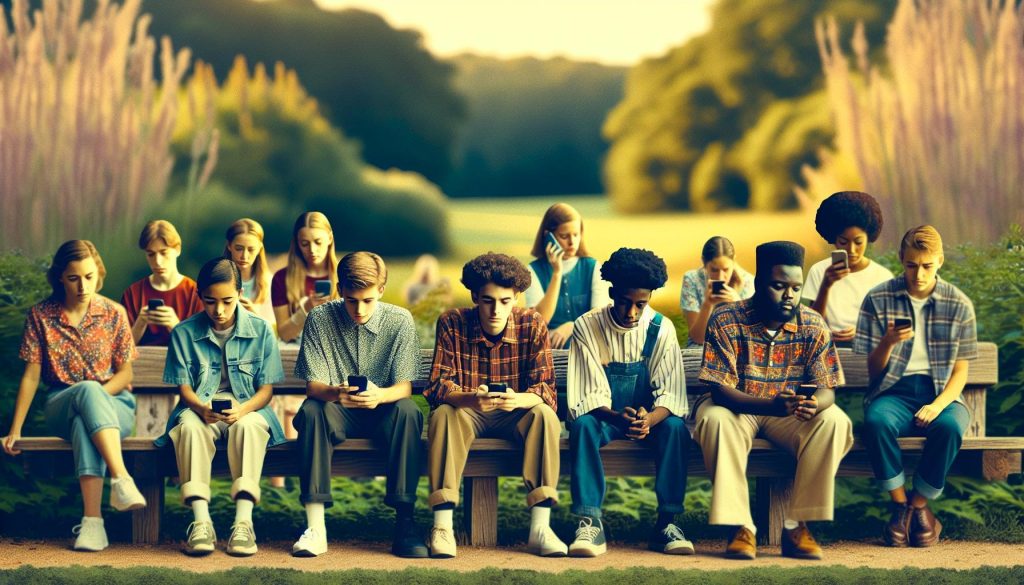
In a world where teens spend an average of 7 hours a day on social media, the effects on their mental health have become a pressing concern. Research shows that while social media can foster connection and support, it also exposes young people to cyberbullying, unrealistic comparisons, and anxiety. Understanding this dual impact is crucial for parents, educators, and teens themselves. As adolescents navigate their identities online, they often grapple with issues of self-esteem and social belonging. By exploring real stories and insights from teens, we can better comprehend how social media shapes their mental well-being. This journey will illuminate not only the challenges they face but also potential strategies for cultivating a healthier online experience. Join us as we delve into the complex relationship between teens and social media, unraveling the intricate threads that connect virtual engagement to real-life emotions.
The Emotional Toll: How Social Media Affects Teen Mental Health
The pervasive nature of social media in teenagers’ lives has sparked a growing concern regarding its psychological impact. Studies indicate that excessive use of these platforms is significantly associated with mental health issues, including anxiety, depression, and feelings of isolation. Teenagers are particularly vulnerable, as they navigate a complex social landscape that often prioritizes online personas over authentic connections. Research has illustrated that social media can exacerbate feelings of inadequacy; teens may compare their reality to the curated highlights showcased by peers, leading to detrimental self-esteem issues.
One crucial aspect of social media’s emotional toll is the pressure to conform to social norms and expectations that are often unrealistic. Many adolescents experience FOMO (fear of missing out), which can drive compulsive behavior, pushing them to remain constantly connected to avoid feeling left out. This cycle creates heightened stress and anxiety, as youth might believe that they must stay engaged to maintain their social standing. Additionally, the anonymity of online interactions can lead to cyberbullying, which can have lasting consequences on self-worth and mental health.
To mitigate these harmful effects, it’s essential for teens and their guardians to adopt healthy social media habits. Limiting screen time and promoting digital detox periods can allow for more meaningful offline interactions, ultimately enhancing emotional well-being. Encouraging open discussions about experiences on social media can empower youth to articulate their feelings and seek support when needed. Furthermore, educating teens about responsible social media use and the importance of focusing on real-world connections can help them navigate their digital environment more effectively, fostering resilience in the face of online pressures.
As society moves forward, fostering a culture of awareness surrounding these issues is critical. By providing teens with the tools to engage with social media thoughtfully, we can help them harness its positive potential while mitigating its emotional toll. Encouraging self-compassion, promoting mental health resources, and creating inclusive online communities can contribute significantly to building a healthier digital future for the next generation.
Understanding the Psychological Risks of Social Media Use
The increasing integration of social media into daily life poses significant and complex psychological risks for teenagers. Research indicates that frequent engagement with social platforms can lead to heightened levels of anxiety and depression among adolescents. The curated lifestyles showcased online can foster unhealthy comparisons; when teens measure their own experiences against the seemingly perfect lives of their peers, they may develop feelings of inadequacy and isolation.
One critical aspect to consider is the pervasive nature of cyberbullying, which often manifests through social media. Unlike traditional bullying, cyberbullying can occur 24/7, leaving victims with no refuge. The anonymity provided by these platforms can embolden aggressors, making it easier for them to target others without facing immediate consequences. This can lead to long-lasting psychological trauma for the victims, potentially resulting in severe issues such as low self-esteem, social withdrawal, and an increased risk of developing mental health disorders.
Moreover, the phenomenon known as fear of missing out (FOMO) can exacerbate underlying issues. Teens may feel compelled to be constantly online to stay in the loop, leading to compulsive behaviors that disrupt real-life interactions and contribute to anxiety. This relentless need to be connected can prevent them from developing healthy coping mechanisms and emotional resilience.
To address these psychological risks, it’s vital for parents, educators, and mental health professionals to engage in open conversations with teens about their online experiences. By discussing the difference between online portrayals and reality, as well as the impact of social media on mental health, adults can equip teens with the skills they need to navigate their digital interactions healthily. Setting boundaries, such as limiting screen time and encouraging breaks from social media, can also promote better mental well-being and encourage teens to cultivate in-person relationships and activities that foster genuine connections.
Positive and Negative Impacts of Social Media on Teens
Social media has fundamentally reshaped the way teens interact with the world, offering both opportunities for connection and challenges that can affect mental health. While platforms like Instagram, TikTok, and Twitter can serve as spaces for creativity, support, and community-building, they can also contribute to feelings of inadequacy, anxiety, and depression. Understanding these dynamics is critical for teens and those supporting them.
One of the positive aspects of social media is its potential to foster a sense of belonging. For many teens, online communities provide a platform for self-expression and connection with like-minded individuals, which can be particularly valuable for those who feel marginalized or misunderstood in their offline lives. Through social media, teens can share their experiences and obtain validation and support that they may not find in their immediate environment. For example, campaigns advocating for mental health awareness on social media can empower teens to discuss their challenges openly and seek help.
However, these benefits come with notable downsides. The very nature of social media lends itself to social comparison. Teens often curate their online presence to portray idealized versions of their lives, leading to the “highlight reel” effect-where young users perceive their peers to be living more fulfilled and happier lives. This phenomenon can exacerbate feelings of inadequacy and fuel mental health struggles, creating a cycle where teens engage more with social media in an attempt to bolster self-esteem, which can further degrade their mental health. A study by the American Psychological Association points out that high engagement on these platforms is linked to increased anxiety and depression, especially among adolescents [[3](https://law.stanford.edu/2024/05/20/social-media-addiction-and-mental-health-the-growing-concern-for-youth-well-being/)].
To mitigate these risks while harnessing the benefits, teens can adopt a balanced approach to social media use. Practical strategies include:
- Mindful Consumption: Encourage self-reflection on how different platforms influence mood, promoting awareness of when to take a step back.
- Limit Screen Time: Establish boundaries on social media use to create space for offline activities that enhance well-being.
- Curate Feeds Carefully: Follow accounts that inspire positivity and avoid those that lead to negative comparisons or feelings of distress.
- Engage Positively: Use social media to cultivate supportive relationships and engage in meaningful discussions about mental health.
In summary, social media can be a double-edged sword for teens, offering both community and potential harm. By fostering awareness and implementing strategies to align social media use with healthy mental habits, teens can navigate their digital landscape more effectively, ensuring that it uplifts rather than undermines their mental health.
The Role of Social Media in Adolescent Anxiety and Depression
As the digital landscape continuously evolves, its impact on adolescent mental health becomes increasingly pronounced, particularly regarding anxiety and depression. Studies reveal a concerning correlation between heavy social media use and heightened levels of anxiety and depression in teens. A significant aspect of this phenomenon is the pressure to maintain a curated online persona, where the demand for likes and approval can lead to chronic stress and feelings of inadequacy. For many young people, the line between online interactions and real-life relationships blurs, causing them to equate social media engagement with their self-worth.
Understanding Anxiety Triggers
Several factors contribute to social media’s role in exacerbating anxiety among adolescents. The constant stream of notifications and the obligation to respond swiftly can create a sense of urgency that heightens stress levels. Additionally, the fear of missing out (FOMO) can lead to compulsive checking of social media platforms, further entrenching feelings of anxiety. Research indicates that teens experience persistent worry about their online presence, with many feeling that they must constantly prove their popularity and likability. Importantly, these pressures are often magnified by social comparisons, where users compare their realities to the filtered highlights of their peers’ lives.
- Social Interaction Anxiety: Many teens face heightened anxiety when engaging in online interactions, worrying about judgment and criticism from peers.
- Mob Mentality: Trends and fads can spread rapidly online, creating pressure to conform, which might provoke anxiety about belonging and acceptance.
- Cyberbullying: The anonymity of social media can facilitate bullying and harassment, leading to serious emotional distress and anxiety.
Mitigating Mental Health Impacts
To counteract these adverse effects, building resilience and promoting a healthy relationship with social media is crucial. Establishing clear boundaries around social media use can help teens regain control over their mental well-being. Here are practical strategies that can empower young users:
- Set Time Limits: Encourage defining specific times for social media engagement to prevent it from consuming their day-to-day life.
- Prioritize Quality Connections: Guide them to engage meaningfully with supportive friends and family rather than focusing on follower counts or likes.
- Educate on Digital Literacy: Teaching teens how to discern credible information and recognize the curated nature of online content can diminish the power of social comparison.
- Encourage Offline Activities: Promote involvement in hobbies and interests outside the digital realm to foster confidence and self-worth beyond social media validation.
With the right tools and guidance, teens can navigate the complex and often turbulent waters of social media usage. By fostering awareness of its potential impacts on mental health, adolescents can be equipped to leverage the positive aspects of social media while minimizing its risks. In doing so, they can build a healthier, more supportive online presence that enhances their overall well-being.
Peer Pressure and Social Comparison in Digital Spaces
In the realm of social media, where curated images and selective narratives dominate, adolescents are increasingly susceptible to peer pressure and social comparison. Studies reveal that teens often gauge their self-worth against the highlighted achievements and lifestyles of their peers, leading to an intensified experience of anxiety and feelings of inadequacy. This digital landscape creates a battleground where the quest for approval can overshadow genuine self-expression and individuality.
Social media platforms amplify peer pressure through mechanisms such as likes, shares, and follower counts, creating an environment where teens feel compelled to conform to trending behaviors or appearances. The fear of missing out (FOMO) can drive them to engage in risky behaviors or participate in superficial interactions just to fit in or gain acceptance. As they scroll through seamlessly published photoshopped images, they may find themselves trapped in a cycle of dissatisfaction with their own lives and appearances, leading to a distorted self-image.
Strategies for Navigating Peer Pressure
To combat the adverse effects of social comparison, it’s essential for teens to develop strategies that foster resilience and self-acceptance. Here are some actionable steps:
- Curate your Feed: Encourage teens to follow accounts that promote positive body images, mental health awareness, and authentic living. This can help limit exposure to negative comparisons.
- Open Conversations: Foster an environment where teens can discuss their online experiences candidly with trusted adults or peers, helping them process feelings of inadequacy or jealousy.
- Practice Gratitude: Help them recognize and appreciate their unique qualities and achievements. Keeping a gratitude journal can focus their thoughts on personal strengths rather than external validation.
- Digital Detox: Promote regular breaks from social media. Disconnecting from the digital world allows for reflection and reinforces real-life connections, which can counteract feelings of isolation and comparison.
By equipping teens with these tools, they can navigate the complex dynamics of social media more effectively, reducing the detrimental impact of peer pressure and social comparison. Ultimately, fostering a mindset of authenticity and self-compassion will empower them to engage with social media in a healthier, more balanced way.
Digital Detox: Benefits of Taking Breaks from Social Media
Taking regular breaks from social media can be transformative for teens navigating the pressures of the digital landscape. Research indicates that excessive social media use is linked to increased feelings of anxiety, depression, and loneliness. By disconnecting from these platforms, teens can regain control over their mental health and develop a healthier relationship with technology. Engaging in a digital detox not only helps alleviate the constant comparison and validation-seeking behaviors fostered by social media but also opens up opportunities for self-reflection and personal growth.
During a digital detox, teens can engage in activities that are often overshadowed by screen time. These include pursuing hobbies, spending time outdoors, or connecting with friends and family in person. Such activities provide a counterbalance to the curated lives seen online, helping to build a more grounded sense of identity and self-worth. For instance, a teen might discover a passion for painting or sports that they previously neglected while scrolling through endless feeds of perfectly edited photos. Embracing offline experiences allows them to cultivate deeper, more meaningful connections and fosters a greater appreciation for their own lives.
To maximize the benefits of a digital detox, consider implementing structured breaks. Here are a few practical strategies:
- Set specific timeframes: Designate certain hours of the day or full days of the week as “social media-free” to encourage a routine that prioritizes offline interactions.
- Engage in community activities: Join clubs, sports teams, or volunteer efforts that emphasize teamwork and social interaction without the influence of social media.
- Mindfulness practices: Incorporate mindfulness or meditation techniques during detox periods to help manage stress and improve emotional regulation.
- Reflect on experiences: Encourage journaling about feelings before, during, and after the detox period to gain insights into the impact of social media on their daily lives.
By stepping back from social media, teens can create space for introspection and resilience-building. This mindful approach equips them with the tools to return to social media more consciously, fostering a healthier mindset that prioritizes authenticity over comparison. The journey towards reclaiming their time and mental health can lead to a more fulfilling and balanced digital experience.
Parental Guidance: How to Support Teens Online
As teens navigate the digital landscape, parents often feel uncertain about how best to support them. A recent study highlights that social media use can significantly impact mental health, with increased instances of anxiety, depression, and feelings of isolation among young users. Understanding how to foster a healthy online environment for teens is essential, not only for their mental well-being but also for building resilience against the potential pitfalls of social media.
One effective way parents can support their teens is by establishing open lines of communication. Encourage discussions about their online experiences, including positive interactions and any challenges they face. This not only provides an opportunity to share their thoughts and feelings but also allows parents to offer guidance and reassurance. Setting aside time for regular conversations about digital safety and mental health can strengthen trust and help teens feel more comfortable discussing sensitive issues.
Another important strategy is to educate teens about the effects of social media on their mental health. Share information about the potential for social comparison and peer pressure inherent in these platforms. Engaging them in conversations about body image, self-esteem, and the difference between online personas and real life can enhance their critical thinking skills. Encourage them to reflect on their social media feeds and how particular accounts make them feel; this awareness can empower them to curate a healthier online environment.
In addition to fostering an understanding of social media dynamics, parents can model healthy behaviors themselves. By demonstrating balanced media consumption and taking breaks from screens, parents can set a precedent for their teens to follow. Emphasizing activities that promote face-to-face interaction and offline hobbies is also beneficial. Helping teens find local clubs or activities based on their interests not only develops social skills but also provides a natural counterbalance to their online lives.
Lastly, monitoring social media use without infringing on privacy can create a safer online space for teens. Utilize tools and apps that promote awareness of screen time and encourage self-regulation. Help them establish guidelines for social media engagement, such as setting specific times for usage and participating in family tech-free time.
In summary, parents can play a vital role in helping teens navigate the complexities of social media by maintaining open communication, educating them on the effects of online interactions, modeling healthy behaviors, and collaboratively setting usage boundaries. These strategies can empower young people to make informed decisions, cultivate resilience, and foster a healthier relationship with social media.
Navigating Online Communities: Safe Spaces versus Toxic Environments
Online communities can be a double-edged sword for teens. While they offer a platform for connection, support, and shared interests, many also harbor environments that can be toxic, leading to significant emotional disturbances. In a world where digital interaction prevails, understanding how to navigate these spaces is essential for maintaining mental health. Studies indicate that teens who engage in supportive online communities tend to report higher levels of well-being, while those exposed to negative interactions face increased risks of anxiety, depression, and loneliness.
To cultivate safe online spaces, it’s vital for parents and guardians to guide teens in identifying communities that foster positivity. Encourage them to seek out groups that align with their interests-be it hobbies, mental health support, or educational pursuits. Participating in forums that prioritize inclusivity and have clear community guidelines can create a sense of belonging. For instance, platforms like Reddit or Discord host numerous interest-specific channels that celebrate diversity and share relatable experiences. Here, teens can find validation and encouragement, which counteracts the isolation they may feel in the broader digital landscape.
Conversely, it’s crucial to equip young users with tools to recognize and navigate toxic environments. Teach them to identify warning signs, such as frequent negative comments, bullying, or unrealistic comparisons rife within some social media spaces. Encourage reflection on how certain interactions make them feel. If a particular group elevates feelings of self-doubt or despair, it’s a strong signal to reconsider engagement with that community. One practical step is to establish “digital detox” periods where teens can temporarily step back from platforms that contribute to their mental strain, allowing time for reflection and recovery.
Lastly, empowering teens to create their own online cultures and influences can transform their experience. Encourage them to become advocates for kindness and support within their networks. By promoting positivity, sharing personal stories, or even establishing safe groups themselves, they can contribute to creating the kind of online community they wish they had encountered. This sense of agency not only nurtures resilience but also reinforces the notion that while the digital world can be challenging, it can also be a space for growth, connection, and inspiration.
Real Stories: Teens Share Their Mental Health Journeys
In today’s digital landscape, social media plays a pivotal role in shaping the mental health experiences of teens, often acting as both a lifeline and a source of distress. Teens across the globe share their stories of how social media has impacted their mental health journeys, shedding light on the complex relationship between online interactions and personal well-being. Their experiences reflect the dual-edged nature of these platforms, where connection and isolation coalesce.
One teenager, Mia, recounts how she found solace in a support group on Instagram dedicated to mental health advocacy. Initially, it was a place where she learned she wasn’t alone in dealing with anxiety. Through shared stories and daily check-ins, she felt a sense of belonging she struggled to find in real life. However, as time passed, Mia noticed that scrolling through curated highlight reels from her peers often triggered feelings of inadequacy. She began to compare her struggles with their seemingly perfect lives, leading to a cycle of anxiety and self-doubt. This realization prompted Mia to take control of her social media usage, setting boundaries and unfollowing accounts that made her feel less worthy.
Similarly, Ethan, who battled depression, explains how he leveraged TikTok to express himself creatively and connect with others experiencing similar challenges. His videos about mental health resonated widely, garnering support from viewers who thanked him for his honesty. This engagement empowered Ethan, giving him a sense of purpose and community. However, he also faced harsh criticisms and trolling, which dampened his spirits. The clash between positive validation and negative comments underscored the unpredictable emotional landscape of social media, compelling him to learn strategies for managing feedback and separating constructive criticism from harmful negativity.
These narratives highlight essential insights for navigating the digital world. To empower themselves, teens can explore ways to create healthier online experiences. Here are a few practical steps:
- Curate Your Feed: Follow accounts that uplift, educate, and inspire. Regularly assess which content serves your mental health positively.
- Set Boundaries: Establish limits on social media use, whether through screen time limits or designating specific “no-social media” periods throughout your day.
- Engage Thoughtfully: Reflect on how certain interactions make you feel; prioritize communities that encourage positivity over comparison or negativity.
- Share Your Story: If you’re comfortable, share your mental health journey online. You may inspire someone else or create a supportive dialogue.
By sharing their experiences, teens like Mia and Ethan not only illustrate the multifaceted impacts of social media on mental health but also inspire others to take proactive measures to cultivate their digital well-being. Their journeys emphasize the importance of fostering environments-both online and offline-that promote mental wellness, acceptance, and support.
Research Insights: Studies on Social Media and Mental Health
Recent research reveals a complex relationship between social media use and mental health among teens, highlighting both the supportive and detrimental effects these platforms can have. For instance, studies indicate that while social media provides valuable avenues for connection and community, it also amplifies feelings of anxiety, depression, and loneliness among young users. A significant report by the American Psychological Association notes the correlation between high social media engagement and increased mental health issues in adolescents, emphasizing the urgent need for awareness and preventive measures[[2](https://law.stanford.edu/2024/05/20/social-media-addiction-and-mental-health-the-growing-concern-for-youth-well-being/)].
Research has shown that social media can enhance social connectedness, especially for individuals dealing with mental health challenges. Online communities and peer support groups serve as lifelines, allowing teens to share their experiences and receive encouragement from others who understand their struggles[[1](https://pmc.ncbi.nlm.nih.gov/articles/PMC7785056/)]. One study found that these interactions can stabilize and improve emotional well-being when teens engage with positive, supportive content. Conversely, the same platforms can perpetuate destructive comparisons and peer pressure, leading to reduced self-esteem and increased anxiety. This dichotomy encourages a deeper exploration of how teens interact with social media and the broader implications for their mental health.
Given the varied impacts, it is crucial for teens and their guardians to adopt informed strategies for healthy social media use. Research suggests practical approaches such as:
- Selective Engagement: Encouraging teens to curate their social media feeds by following positive, affirming accounts can mitigate negative feelings associated with comparison and self-doubt.
- Mindfulness Practices: Promoting awareness of emotions during social media use can empower teens to recognize triggers for anxiety or depression, facilitating a healthier online experience.
- Limiting Exposure: Setting specific times for social media engagement-like scheduled breaks-can help reduce dependency and negative outcomes associated with excessive use.
These research-backed strategies not only help to mitigate the adverse effects of social media but also promote a balanced digital lifestyle that supports mental wellness. By fostering mindful habits, teens can harness the positive aspects of social media while protecting their mental health from its inherent risks.
Empowering Teens: Building Resilience in the Digital Age
In a world where digital interactions often overshadow face-to-face connections, building resilience among teens is more crucial than ever. Social media, while a powerful tool for connection, can also expose young users to challenges like cyberbullying, unrealistic comparisons, and overwhelming exposure to news and opinions. Empowering teens to navigate these waters safely and positively can significantly impact their mental health and overall well-being.
One effective way to foster resilience is through critical media literacy. This includes teaching teens to analyze the content they consume, encouraging them to ask questions like, “What is the intent behind this post?” or “How does this content make me feel?” By understanding that not everything they see on social media reflects reality, teens can better manage their reactions and emotions. Resources like workshops or online courses can equip them with tools to dissect digital messages, promoting a more discerning approach to social media consumption.
Additionally, peer support programs can play a transformative role. Creating safe spaces where teens can share their experiences, whether online or in community groups, helps them realize they are not alone in facing social media’s pressures. Testimonials from peers who have successfully dealt with negative experiences can serve as powerful examples of resilience. Facilitating structured dialogue can also boost confidence and encourage positive coping strategies among adolescents, making them more equipped to handle online challenges.
Moreover, integrating mindfulness practices into daily routines can bolster resilience. Techniques such as deep breathing, meditation, or even digital detox periods can help teens remain grounded. Introducing these practices into school environments or during extracurricular activities can encourage community engagement and collective support. Schools can also implement programs focused on emotional intelligence, equipping teens with skills to recognize and manage their emotions effectively.
By instilling these strategies, we can help teens build a robust foundation of resilience in the digital age, enabling them to thrive amidst the complexities of social media while safeguarding their mental health.
Effective Strategies for Healthy Social Media Usage
In today’s digital landscape, the way teens interact with social media has profound implications for their mental health, often creating a double-edged sword of connection and isolation. Navigating this environment requires a toolkit of effective strategies to ensure that social media influences are positive rather than detrimental. Adopting healthy social media practices can empower young people to maintain a balanced digital life that supports their well-being.
One vital strategy is establishing time limits on social media use. Research indicates that excessive social media engagement can lead to feelings of anxiety and depression. Parents and teens can work together to set reasonable daily limits, such as 30 minutes to two hours of social media interaction, depending on individual needs and circumstances. This approach not only helps reduce screen time but also encourages face-to-face interactions and involvement in offline activities.
Another effective tactic is to curate content intentionally. Encouraging teens to follow accounts that inspire, educate, or uplift can transform their social media experience. This could involve creating lists of positive influences or engaging with communities aligned with their interests. Additionally, teens should be reminded to regularly review and clean up their following lists, unfollowing accounts that contribute to negativity or unrealistic expectations. By cultivating a positive feed, teens can create a more supportive online environment that fosters self-esteem and resilience.
Integrating mindfulness techniques when interacting with social media can significantly enhance the experience. Teaching teens to pause and assess their feelings before scrolling through their feeds cultivates self-awareness, enabling them to recognize when social media is positively or negatively impacting their mood. For instance, if a particular post triggers feelings of inadequacy or anxiety, they can choose to step back and take a break. Mindfulness practices, such as deep breathing or journaling about their online experiences, can further aid in processing emotions related to social media use.
Lastly, promoting open communication about social media experiences is crucial. Creating a safe space where teens can share their online interactions provides an opportunity for discussions about mental health and the challenges they face. Parents and caregivers should actively engage in conversations that acknowledge the pressures of social media while validating their teens’ feelings. This not only strengthens relationships but also provides a support system that encourages healthy usage patterns.
Through these strategies, teens can navigate the complexities of social media with a greater sense of control and awareness, ultimately promoting a healthier relationship with the digital world. By empowering them with the knowledge and tools to make informed decisions, we can foster a generation that utilizes social media as a means of connection rather than a source of stress.
Q&A
Q: How does social media use correlate with teen mental health?
A: Social media use can significantly impact teen mental health, with studies indicating increased risks of anxiety and depression linked to social comparison and cyberbullying. Healthy usage patterns, including breaks and mindful engagement, are essential to mitigate these effects. For deeper insights, refer to “Understanding the Psychological Risks of Social Media Use” in the main article.
Q: What strategies can teens use to manage social media stress?
A: Teens can manage social media stress by setting time limits, curating their feeds to follow positive influences, and engaging in digital detoxes. These strategies help reduce exposure to negativity and foster a healthier online experience. Explore more in “Effective Strategies for Healthy Social Media Usage.”
Q: When should parents step in regarding their teen’s social media usage?
A: Parents should intervene when they notice signs of distress, such as changes in mood or behavior associated with social media use. Open communication and guidance can help teens navigate online challenges. Refer to “Parental Guidance: How to Support Teens Online” for practical tips on involvement.
Q: What are the best practices for teens to maintain positive online interactions?
A: Teens can maintain positive online interactions by engaging respectfully, avoiding negative comments, and reporting harmful content. Setting a positive example and discussing experiences with peers can also foster safer online environments. Check “Navigating Online Communities: Safe Spaces versus Toxic Environments” for additional guidance.
Q: How does social media impact sleep patterns in teenagers?
A: Social media can negatively affect sleep patterns, as late-night browsing may disrupt sleep quality and duration. Establishing a digital curfew and reducing screen time before bed can enhance sleep health. This topic is further discussed in “Digital Detox: Benefits of Taking Breaks from Social Media.”
Q: Why is it important for teens to build resilience against online pressures?
A: Building resilience helps teens cope with the pressures of social media, such as peer comparison and negative feedback. Skills like self-advocacy, emotional regulation, and seeking support contribute to healthier interactions online. For more on this, see “Empowering Teens: Building Resilience in the Digital Age.”
Q: What influence does peer pressure in digital spaces have on teens?
A: Peer pressure in digital spaces can lead to conformity, impacting self-esteem and mental health. Teens may feel compelled to portray a certain image or engage in risky behaviors for acceptance. Explore this in the article’s section on “Peer Pressure and Social Comparison in Digital Spaces.”
Q: How can teens find a balance between social media use and real-life interactions?
A: Teens can balance social media and real-life interactions by scheduling time for face-to-face activities, participating in offline hobbies, and creating tech-free zones at home. This balance promotes deeper relationships and improves overall well-being. For insights, check “The Positive and Negative Impacts of Social Media on Teens.”
Insights and Conclusions
Social media profoundly shapes the mental health landscape for teens today, highlighting the urgent need for balance and awareness. As we’ve seen, excessive use can lead to anxiety and depression, making it crucial for both teens and parents to understand these impacts and implement strategies for healthier engagement. Start by setting daily screen time limits and fostering open discussions about online experiences.
We invite you to explore our resources on managing social media use effectively and promoting mental well-being. Check out our article on the positive effects of reduced screen time or delve into tips for creating a supportive online environment. Don’t let social media control your life-join our community by signing up for our newsletter and stay informed about the latest insights and strategies for mental health. Together, we can foster a safer and more positive digital experience for everyone. Share your thoughts in the comments-we’d love to hear how social media impacts your life!
Get our latest guides, news, and insights highlighted in your Google Search & AI Overviews.