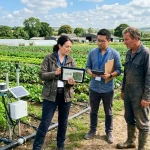
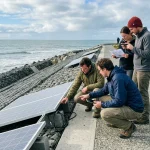
Did you know that the Green Climate Fund (GCF) is the world’s largest climate fund, aiming to support developing countries in their fight against climate change? With your investments, the GCF mobilizes essential financing for projects that promote low-emission and climate-resilient development in vulnerable nations. As climate impacts intensify worldwide, understanding how this fund utilizes financial contributions can significantly influence your perception of global responsibility. Are your funds paving the way for sustainable agriculture, renewable energy, or advanced infrastructure in the least developed nations? This article will explore the GCF’s pivotal role in creating real change and how your contributions can make a tangible difference in communities facing the greatest climate challenges. Join us on a journey to uncover the impact of your support and how it can foster a resilient future for our planet.
What Is the Green Climate Fund and Its Purpose?
The Green Climate Fund (GCF) stands as a beacon of hope in the global struggle against climate change. Established under the framework of the Paris Agreement, it is the world’s largest dedicated climate fund, specifically aimed at supporting developing countries in their transition towards low-emission and climate-resilient development paths. The critical purpose of GCF is to assist these nations in achieving their Nationally Determined Contributions (NDCs) – the commitments each country has made to reduce greenhouse gas emissions and adapt to climate impacts. This support is pivotal, as developing countries are often the hardest hit by climate change yet lack the financial resources to implement necessary adaptations or transition strategies.
The GCF employs a flexible financial approach, using a mix of grants, concessional loans, guarantees, and equity instruments to optimize its impact. This blend of funding mechanisms is designed to leverage private investment while also providing essential seed funding for transformative projects. By creating financial structures that attract institutional investors, the GCF can scale up climate action significantly. For example, in many developing regions, the GCF funds projects that enhance energy efficiency, promote renewable energy adoption, and strengthen climate resilience, directly benefiting local communities and ecosystems.
In essence, the Green Climate Fund is not just a financial entity; it represents a collaborative effort to mobilize resources at unprecedented levels. By unlocking additional investments from both public and private sectors, the GCF aims to create a more sustainable future for vulnerable countries. This transformative financing enables nations to innovate in climate adaptation and mitigation, providing them with the tools necessary for long-term sustainability and resilience against the ever-growing threats posed by climate change.
How Does the Green Climate Fund Allocate Resources?
The Green Climate Fund is a cornerstone of global climate finance, operating on the principle that targeted investments can spur significant positive change. By strategically allocating resources, the GCF addresses both immediate needs and long-term sustainability goals in developing countries. This approach not only empowers these nations to meet their Nationally Determined Contributions (NDCs) but also fosters a more resilient future in the face of climate change.
One of the GCF’s primary strategies involves a diverse portfolio of funding mechanisms. It provides grants, which offer upfront capital for projects needing immediate financial support, and concessional loans, which lower interest rates compared to standard loans, easing the financial burden on developing nations. Guarantees are also utilized, protecting investors against losses and encouraging private sector participation. Finally, the GCF occasionally offers equity investments to stimulate innovative climate solutions by directly investing in companies and projects. This flexible financial framework enables the GCF to respond to various project needs while maximizing leverage for private investments.
The allocation process is thorough, ensuring that funds are directed to projects that promise the highest impact. Prioritization often focuses on particularly vulnerable countries-specifically, Least Developed Countries (LDCs), Small Island Developing States (SIDS), and African states-reflecting a commitment to equity in resource distribution. Projects funded span across sectors such as renewable energy, agriculture, water management, and climate-resilient infrastructure, creating a multifaceted impact. For instance, the GCF has supported initiatives in solar technology installation in rural areas, which not only provide energy access but also enhance local economies and improve quality of life.
In essence, the Green Climate Fund allocates resources not just as financial instruments but as transformative tools for change. By aligning funding strategies with the distinct needs of developing nations, the GCF plays a pivotal role in catalyzing global climate action and fostering sustainable development. The result is a more resilient ecosystem, bolstered by innovative financing solutions that address both environmental and socio-economic challenges.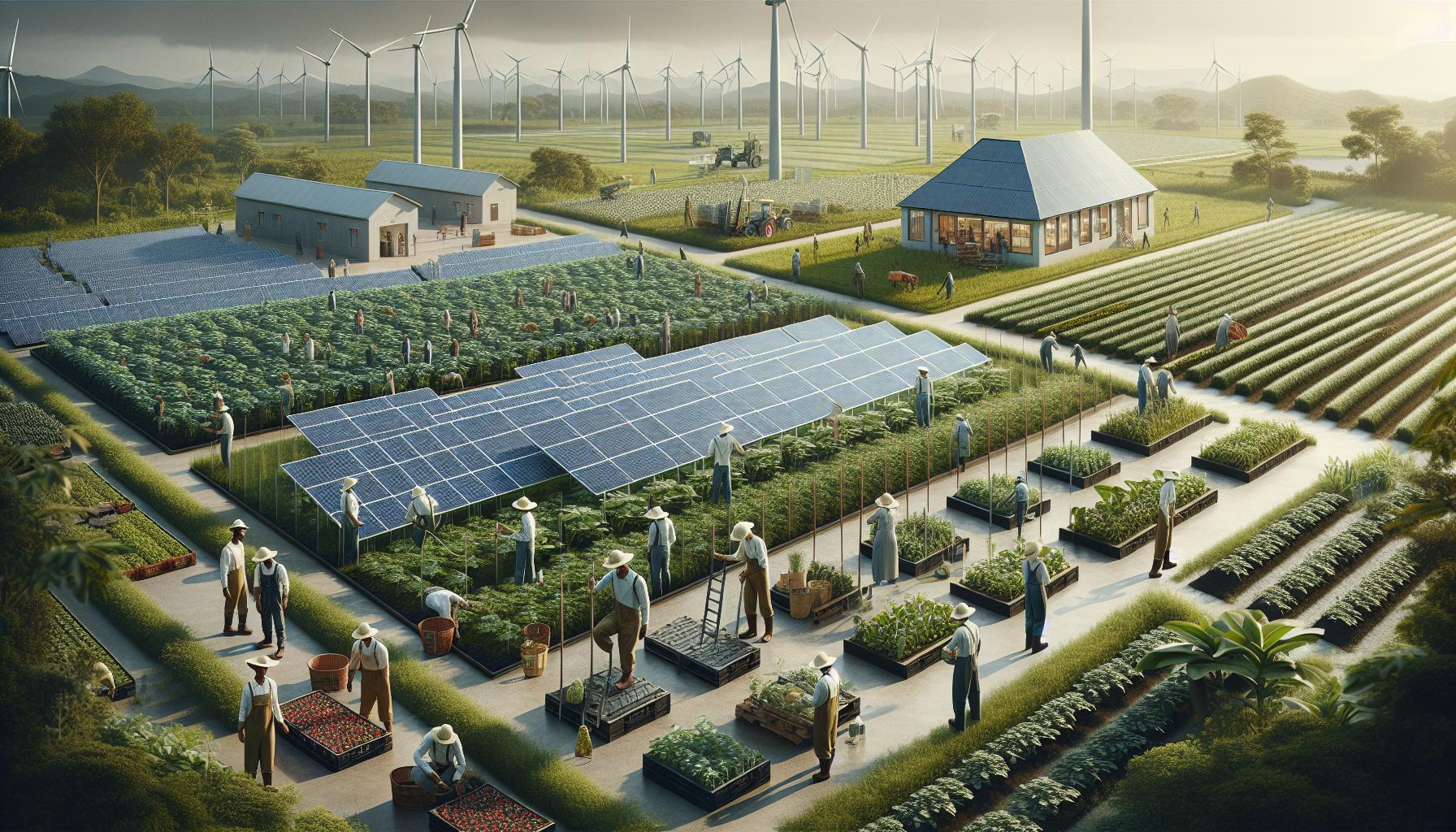
Understanding the Projects Funded by the Green Climate Fund
Investments made through the Green Climate Fund (GCF) result in transformative projects that help developing countries tackle the multifaceted challenges posed by climate change. With an eye towards sustainable development and resilience, the GCF funds initiatives that not only address immediate environmental needs but also support long-term societal benefits. For example, projects can range from building climate-resilient infrastructure in vulnerable communities to advancing renewable energy technologies that reduce reliance on fossil fuels.
The GCF allocates its resources across a diverse array of sectors, including agriculture, water management, and energy transitions. A notable project involved funding solar energy installations in rural areas of Africa, where access to electricity can be sporadic or non-existent. By providing reliable energy, these initiatives not only enhance local economies but also improve educational and healthcare services, demonstrating how climate action can positively impact community well-being.
To maximize the effectiveness of its funding, the GCF engages in a careful project selection process that prioritizes initiatives with the potential for high-impact results. This often includes projects in Least Developed Countries (LDCs) and Small Island Developing States (SIDS), ensuring that the most vulnerable populations are supported in their efforts to adapt to and mitigate climate change. Each funded project undergoes rigorous monitoring and evaluation, ensuring accountability and transparency in how funds are utilized.
A key element in understanding the projects funded by the GCF is the emphasis on locally led climate action. The GCF supports initiatives where local communities play a central role in project planning and implementation, enhancing the likelihood of successful outcomes. This participatory approach echoes a broader commitment to empowering communities to take charge of their climate futures, fostering a sense of ownership and responsibility towards sustainable practices. By investing in such projects, the GCF not only addresses pressing climate issues but also builds the capacity and resilience of communities worldwide.
Real-World Impact: Success Stories from Funded Initiatives
Imagine a community where the sun shines brightly yet the flicker of lightbulbs remains absent-this is the reality for many rural areas in developing countries. The Green Climate Fund (GCF) is changing this scene through transformative initiatives that harness sustainable energy, improve livelihoods, and provide essential services. One remarkable example is the GCF-supported solar energy project in rural Uganda, which is bringing electricity to thousands of homes that previously relied on kerosene lamps. This initiative not only reduces greenhouse gas emissions but also enhances educational opportunities for children who can now study after dark, and supports local businesses that can operate more efficiently.
The impact of GCF-funded projects extends beyond energy. For instance, in Vanuatu, the GCF is financing one of the largest community-based adaptation projects in the Pacific, focusing on enhancing resilience against climate change. This project involves restoring mangroves, which protect coastal areas from storm surges and erosion, while also providing a habitat for marine life. The local communities are engaged throughout the process, ensuring that their knowledge and needs shape the project’s implementation. By empowering these communities, the GCF fosters not just ecological sustainability but also social resilience.
Through partnerships with local governments and organizations, the GCF amplifies its effectiveness. Each investment is carefully monitored and evaluated to ensure transparency and accountability. Lessons learned from past projects are shared widely, contributing to a growing body of knowledge on best practices in climate action. For example, projects like these have led to the development of new funding models and innovative technologies, further expanding the possibilities for climate financing in vulnerable regions.
These success stories illustrate how the GCF’s investments are not only addressing immediate environmental challenges but are also laying a foundation for sustainable development. By prioritizing projects that deliver tangible benefits to communities, the GCF transforms climate action into a powerful tool for economic and social advancement, proving that every donation or investment contributes to a brighter, more resilient future for all.
Financial Transparency: How Your Money is Managed
The Green Climate Fund (GCF) stands as a vital mechanism in the global efforts to combat climate change, with an emphasis on promoting financial transparency to ensure that every dollar is allocated effectively. In an era where environmental sustainability is paramount, understanding how your money is managed within the GCF is crucial for building trust and accountability. The GCF employs rigorous protocols to monitor and report on its financial transactions, ensuring that stakeholders are well-informed about the flow of resources and their impact on climate initiatives worldwide.
Resource Allocation and Monitoring
The GCF allocates its funds primarily to projects that reduce greenhouse gas emissions and bolster climate resilience in developing countries. Each funding proposal undergoes a meticulous evaluation process, assessing its viability and potential impact. Importantly, the GCF prioritizes transparency at every stage of project execution. Regular financial audits and progress reports are an integral part of this process, allowing stakeholders to track how effectively funds are being utilized. These documents are publicly available, providing an accessible overview of ongoing projects and their financial details.
- Public Reporting: The GCF publishes detailed reports on its website that outline project funding, expenditures, and impacts.
- Stakeholder Engagement: Involvement of local communities and stakeholders is emphasized, ensuring their feedback shapes project implementation and financial decisions.
Through these measures, the GCF not only ensures that funds are managed responsibly but also fosters a culture of accountability and community involvement. This approach empowers those directly affected by climate change to play an active role in shaping their futures.
Ensuring Financial Integrity
To further enhance trust in its operations, the GCF collaborates with local, national, and international stakeholders, including governmental and non-governmental organizations. This partnership approach is built on shared accountability, combining expertise and financial oversight to mitigate risks associated with funding allocation. The fund also adheres to strict compliance standards and financial guidelines to curtail illicit financial flows, ensuring that every contribution is directed towards legitimate climate initiatives that have been thoroughly vetted and approved.
For anyone considering contributing to climate finance, understanding how the GCF actively manages resources can enhance confidence in the effectiveness of their investment. The combination of transparency, community engagement, and rigorous financial oversight demonstrates that the GCF is not just a financial entity but a vital collaborator in the global quest to combat climate change, where every dollar truly counts towards fostering a sustainable future.
Differences Between Grant Funding and Loans in Climate Projects
Climate financing is a critical component of global efforts to tackle climate change, and understanding the financial instruments at play is essential for anyone interested in how funds are allocated. The Green Climate Fund (GCF) employs two primary mechanisms for supporting climate-related projects: grants and loans. Each has unique characteristics and implications for project sustainability and impact.
Grants are essentially funds that do not require repayment, making them particularly attractive for projects in developing countries that may lack sufficient financial infrastructure to manage debt. These funds can be utilized for a wide range of initiatives, from developing renewable energy technologies to enhancing climate resilience in vulnerable communities. Because grants do not impose a financial burden on recipients, they allow for innovation and risk-taking in experimental projects aimed at combatting climate change. For example, a community-based project focused on reforestation can use grant funding to cover initial costs without worrying about future financial liabilities, ensuring long-term environmental benefits.
On the other hand, loans require repayment and generally come with interest, which can complicate the implementation of projects, particularly in low-income countries. However, loans can also enable projects to leverage larger sums of money, as they often come with the stipulation that the funds must be paid back. This can lead to more sustainable long-term funding cycles, as repayments can be reinvested into further climate initiatives. For instance, a solar energy installation funded through a loan could generate revenue that helps cover the loan repayments while also providing cheaper energy to local communities. Such projects can create a self-sustaining financial ecosystem when managed properly.
When deciding between grants and loans, the GCF carefully assesses the needs and capacities of the countries and communities involved. This involves considering factors such as local economic conditions, project viability, potential for success, and community engagement. The ultimate goal is to ensure that the chosen funding mechanism aligns with the intended outcomes of the project and the broader climate action objectives. By strategically employing both funding types, the GCF can maximize its impact and tailor financial solutions that address both immediate needs and long-term sustainability.
Engagement with Developing Countries: Who Benefits Most?
The Green Climate Fund (GCF) serves as a vital lifeline for developing countries struggling to combat climate change. Providing financial support, the GCF focuses on enhancing the resilience of vulnerable populations and encourages initiatives that promote sustainable development. Countries that benefit the most are often those identified as Least Developed Countries (LDCs), Small Island Developing States (SIDS), and nations in Africa, where the impacts of climate change are severe and pressing. By addressing specific climatic challenges, the fund works to turn these risks into opportunities for growth and innovation.
In practical terms, the GCF engages with developing countries through direct funding for local projects that align with national climate strategies. For instance, a project in Vanuatu focused on community-based adaptation is financed by the GCF, supporting local efforts to improve resilience against rising sea levels and extreme weather events. This not only aids in emergencies but also fosters local economies through job creation and sustainable practices. Additionally, the GCF promotes capacity-building initiatives that empower local stakeholders by providing them with the tools and knowledge they need to design and implement their own climate strategies.
The GCF emphasizes collaboration, ensuring that national governments, civil societies, and the private sector are involved in the design and execution of projects. This approach maximizes local engagement and ensures that the benefits of climate financing are widely distributed. As communities participate in implementing projects, they build resilience while adapting solutions that are most relevant to their unique contexts. Furthermore, the GCF’s support can also catalyze further investment from both public and private sectors, creating a diversified funding landscape that enhances the potential for long-lasting climate action.
Overall, the GCF’s targeted engagement with developing countries not only addresses immediate climate challenges but also lays the groundwork for sustainable development. By funding projects that are locally driven and context-specific, the GCF empowers these nations, ensuring they are equipped to face both current and future climate-related challenges effectively.
The Role of Public and Private Contributions Explained
Public and private contributions play a pivotal role in the functioning and impact of the Green Climate Fund (GCF). The GCF aggregates resources from a variety of sources, with pledges from developed countries, alongside investments and collaborations with private sector entities. This collective funding strategy not only enhances the financial capacity of the GCF but also diversifies its investment avenues, allowing it to support a broader range of climate initiatives in developing nations.
The public sector provides substantial initial capital. For instance, many governments have committed to contributing to the GCF as part of their climate finance obligations, aiming to fulfill international climate agreements such as the Paris Accord. These contributions are critical in establishing a solid foundation for the GCF’s operations, as they often serve as a “first-loss” investment. This means public funds can absorb initial risks, thereby attracting private investments that are essential for scaling up climate projects. In fact, every dollar from public contributions is leveraged to mobilize significantly more from the private sector, creating a multiplier effect in climate financing.
On the other hand, private sector involvement is equally important. By investing in projects funded by the GCF, companies not only contribute to climate resilience and sustainable practices but also gain long-term returns on investment, both financially and ethically. Collaborative projects-such as renewable energy initiatives, sustainable agriculture, and eco-friendly infrastructure-demonstrate how private businesses can innovate while reducing their environmental footprint. For example, investments in solar energy projects in Africa have not only addressed energy access but also created jobs and stimulated local economies, showcasing a win-win scenario for both climate action and economic growth.
Engagement Strategies for Diverse Funding
To maximize the impact of public and private contributions, the GCF implements several engagement strategies:
- Capacity Building: Providing technical assistance to developing countries helps them attract private investments by improving project feasibility and demonstrating sustainable practices.
- Blended Finance: This approach combines concessional finance from public sources with commercial financing, thus reducing risk and encouraging private sector participation.
- Innovative Partnerships: Collaborating with multinational corporations, non-governmental organizations, and other stakeholders enhances project design and implementation, ensuring that contributions lead to tangible impacts.
By effectively utilizing both public and private resources, the GCF not only amplifies its funding potential but also promotes a collaborative ecosystem for climate action. This synergy ultimately enhances the resilience of vulnerable communities worldwide, addressing the urgent need for climate finance. Through this dynamic interplay of resources, the GCF operates as an essential vehicle for transformative change in global climate initiatives, ensuring that every contribution is directed towards maximizing impact and fostering sustainable development.
Monitoring and Evaluation: Ensuring Effective Use of Funds
To navigate the complexities of climate finance and ensure effective utilization of resources, the Green Climate Fund (GCF) prioritizes comprehensive monitoring and evaluation (M&E) systems. These systems are crucial for assessing the impact of funded projects and ensuring accountability, transparency, and adaptive management throughout their lifecycle. By employing rigorous M&E practices, the GCF can determine not only whether projects meet their intended goals but also how they influence broader climate resilience and emission reduction initiatives.
One of the fundamental methods utilized by the GCF is the establishment of performance indicators tailored to each project. These indicators allow for quantifiable assessments of outcomes, such as reductions in greenhouse gas emissions, increased climate resilience among communities, or enhanced capacity for sustainable development. For instance, in renewable energy projects, metrics might include the amount of clean energy generated or the number of households gaining access to electricity. Regular data collection and analysis against these indicators enable the GCF to track progress, adjust strategies accordingly, and report findings to stakeholders.
Moreover, the GCF engages in participatory evaluation methods, involving local communities and beneficiaries in the assessment process. This approach not only fosters local ownership and engagement but also provides valuable on-the-ground perspectives that might be overlooked in traditional evaluation frameworks. By integrating feedback from those directly impacted by projects, the GCF can fine-tune interventions to better fit the needs of vulnerable populations and ensure that investments lead to tangible benefits.
In addition to these strategies, the GCF emphasizes the importance of transparency and public reporting in its M&E efforts. Through dedicated platforms, stakeholders can access detailed information on project performance, funding allocations, and lessons learned. This commitment to transparency builds trust and encourages broader engagement from governments, private sector actors, and civil society, ultimately enhancing the collective effort to combat climate change. By ensuring that every dollar spent is effectively monitored and evaluated, the GCF strengthens its role as a leader in global climate finance and contributes significantly to sustainable development efforts around the world.
Challenges and Controversies Surrounding the Green Climate Fund
Investing in climate resilience and adaptation is more critical than ever, yet the Green Climate Fund (GCF) faces significant challenges and controversies that can cloud its mission. Established to mobilize funds for climate change-related projects in developing countries, the GCF has sparked debate around its effectiveness and operations. Many stakeholders question whether the GCF is meeting its ambitious goals, leading to a scrutiny of its project selection, execution, and long-term impact. The fund’s capacity to manage resources transparently has also been under the spotlight, raising concerns about accountability and governance.
One of the key issues is the perception of a disconnect between high-level goals and on-the-ground realities. Critics argue that while the GCF aims to fund innovative climate initiatives, many projects experience delays or fail to reach their intended beneficiaries due to bureaucratic hurdles. For instance, multi-country projects often face implementation challenges, as noted by civil society organizations (CSOs) observing that approved initiatives show uneven visibility and engagement across participating nations. This fragmentation can stifle local ownership and diminish the effectiveness of the initiatives being funded.
Moreover, questions regarding financial transparency persist. Stakeholders encounter difficulties tracking how allocated resources are utilized, leading to calls for improved clarity on project performance and financial management. While the GCF employs monitoring and evaluation systems, critics urge for more robust public reporting and engagement mechanisms to ensure that funds are effectively translating into real-world benefits. An increased focus on participatory approaches, involving local communities in project oversight, could enhance accountability and trust.
Addressing these challenges requires a concerted effort to refine processes and bolster stakeholder engagement. There is a growing recognition that integrating feedback from impacted communities can significantly improve project outcomes. Fostering collaborative governance frameworks that prioritize transparency, local involvement, and adaptive management will not only enhance the GCF’s accountability but also reinforce its mission to combat climate change effectively. As the GCF progresses in its mission, overcoming these challenges will be vital for sustaining global confidence and ensuring that investments genuinely contribute to climate resilience in vulnerable regions.
Future Opportunities: The Evolution of Climate Financing
Climate financing is undergoing a transformative evolution as the urgency of addressing climate change intensifies, presenting exciting future opportunities. As the Green Climate Fund (GCF) continues to mobilize resources for developing countries, it is adapting to new challenges and expanding its funding strategies. With a focus on innovative financing mechanisms and collaborative partnerships, the potential for impactful climate solutions is greater than ever.
One key area for growth lies in leveraging blended finance, which combines public and private investments. By attracting private sector funding while still channeling public resources, the GCF can maximize its impact. This approach not only diversifies funding sources but also fosters a sense of ownership among stakeholders. For instance, projects that achieve measurable outcomes can attract additional funding from private investors eager to finance initiatives that demonstrate clear returns, whether that be through carbon credits, increased resilience, or other positive social impacts.
Equally important is the integration of technology and innovation into climate financing. Embracing digital financial solutions, such as mobile money and blockchain technology, can streamline funding processes and enhance transparency. These advancements enable better tracking of funds and project outcomes, building trust among stakeholders and ensuring that resources are allocated effectively. For example, a recent initiative utilized blockchain to provide real-time tracking of climate finance flows in renewable energy projects, significantly increasing accountability while also attracting more donors and investors.
As the GCF looks to the future, enhancing local capacities and promoting community-led initiatives will be paramount. Empowering local communities not only involves them in project execution but also ensures initiatives are tailored to their specific needs. This participatory approach can increase project effectiveness and sustainability, as local stakeholders often have the best knowledge of their environments and challenges. By prioritizing these local insights, the GCF can better mobilize resources that truly address the priorities of the communities most at risk from climate change.
In conclusion, the evolution of climate financing calls for a collaborative, innovative, and community-focused approach that maximizes the impact of every dollar invested. By embracing these opportunities, the Green Climate Fund is poised not just to adapt to the changing landscape of climate finance but to lead the way in forging effective solutions for a sustainable future.
How You Can Get Involved in Supporting Climate Action
Every individual has the potential to contribute to climate action, and understanding how to get involved can create meaningful change. The Green Climate Fund (GCF) plays a crucial role in mobilizing financial resources to aid developing countries in their efforts to combat climate change. By aligning your actions with the GCF’s mission, you can make a significant impact on both environmental and social landscapes.
One of the most effective ways to support climate action is through financial contributions. Individuals can donate to organizations that partner with the GCF or contribute to projects directly funded by the GCF itself. These donations are vital for initiatives like sustainable infrastructure development, renewable energy projects, and climate resilience programs. For example, your contribution could help a community in a developing country build climate-resilient infrastructure, protecting local environments and livelihoods.
- Raise Awareness: Share information about the GCF and its projects on social media or within your community. Educating others can amplify efforts to support climate action globally.
- Advocate for Climate Policy: Engage with local representatives and advocate for policies that support climate financing. Joining or forming local activist groups can increase pressure on governments to commit resources to the GCF.
- Participate in Community Projects: Get involved in local sustainability projects that align with GCF’s focus areas. This grassroots approach can help demonstrate the viability of broader climate initiatives.
In addition to direct financial contributions and community involvement, consider exploring opportunities for corporate partnerships. If you’re part of a business, collaborating with the GCF can enhance your corporate social responsibility (CSR) strategies. Businesses can align themselves with GCF-funded projects, showcase their commitment to sustainability, and potentially benefit from innovative financing mechanisms introduced by the GCF.
Supporting climate action is not limited to donations; it encompasses advocacy, education, and partnerships. By understanding and utilizing these diverse approaches, you can help maximize the GCF’s impact, ensuring that financial resources are directed effectively toward tackling climate change. Your actions today can foster a more sustainable future for generations to come.
Frequently asked questions
Q: How is money from the Green Climate Fund (GCF) used to combat climate change?
A: The Green Climate Fund invests in a variety of projects aimed at reducing greenhouse gas emissions and enhancing climate resilience in developing countries. Funds are allocated to initiatives that promote sustainable development, such as renewable energy projects, climate adaptation strategies, and deforestation prevention efforts, creating both environmental benefits and economic opportunities.
Q: What types of projects does the Green Climate Fund finance?
A: The GCF finances projects that include renewable energy development, climate-smart agriculture, and infrastructure upgrades to withstand climate impacts. These projects are tailored to the specific needs of developing nations and aim to foster sustainability while empowering local communities to adapt to climate change effectively.
Q: Who decides how the Green Climate Fund allocates its resources?
A: The allocation of resources by the GCF is overseen by its Board, which includes representatives from both developed and developing countries. This governance structure ensures a balanced approach, with decisions made based on proposals submitted by accredited entities that align with national climate goals.
Q: How does the Green Climate Fund ensure financial transparency?
A: The GCF maintains high standards of financial transparency by publishing detailed reports of its financial activities and project evaluations. Regular audits and independent reviews help ensure that funds are properly managed and effectively used to meet their intended climate and development outcomes.
Q: How can developed countries contribute to the Green Climate Fund?
A: Developed countries can contribute to the GCF through financial pledges, which are then utilized for funding climate action projects in developing nations. These contributions can come in the form of grants, loans, or other financial instruments, promoting global cooperation in tackling climate change.
Q: What are the eligibility criteria for projects funded by the Green Climate Fund?
A: Projects seeking funding from the GCF must demonstrate their potential for significant climate impact and alignment with national priorities. They should also include strategies for stakeholder engagement, sustainability, and long-term benefits to vulnerable communities affected by climate change.
Q: How does the GCF support capacity building in developing countries?
A: The GCF supports capacity building through funding training programs, technical assistance, and knowledge sharing that empower local entities to implement climate projects effectively. This helps enhance the skills and resources needed to address climate challenges at the community level.
Q: What measures does the Green Climate Fund take to monitor project effectiveness?
A: The GCF employs robust monitoring and evaluation frameworks to assess project outcomes and impacts. These measures include baseline studies, regular reporting requirements, and impact assessments, ensuring that funded initiatives deliver on their climate goals and adapt as necessary over time.
Concluding Remarks
Thank you for exploring the vital role of the Green Climate Fund (GCF) in addressing climate change and how your contributions are making a difference. Through innovative projects in developing countries, the GCF is dedicated to fostering sustainable, low-emission pathways that not only help mitigate climate impacts but also empower communities. As you reflect on how the GCF utilizes your money to drive tangible change, consider taking the next step: subscribe to our newsletter for updates on ongoing projects and success stories or explore our extensive publications that provide deeper insights into climate financing strategies.
Your engagement is crucial-join the conversation by leaving a comment or sharing this information with your network to spread awareness about the impact of climate financing. Together, we can inspire responsible action and play a part in creating a resilient future. Want to learn more about specific projects funded by the GCF? Check out our page on recent approvals, or discover how climate finance is transforming local communities through our Locally Led Climate Action framework. Stay informed, stay engaged, and help us drive the change our planet desperately needs.
Get our latest guides, news, and insights highlighted in your Google Search & AI Overviews.