As climate challenges escalate globally, understanding innovative financial solutions like the Climate United Fund becomes essential. This Fund aims to mobilize resources for tackling climate change while offering promising investment opportunities. By supporting projects that benefit both the environment and local communities, it addresses the urgent need for sustainable practices. Are you curious about how your investments can drive positive change and align with your values? In this article, we will explore everything you need to know about the Climate United Fund-its objectives, impact, and how you can get involved. Together, we can take meaningful steps toward a more sustainable future.
What Is the Climate United Fund and Its Purpose?
The Climate United Fund operates at the intersection of financial support and climate action, aiming to catalyze innovative solutions to the urgent challenges posed by climate change. Established with a commitment to fostering sustainable development, the Fund recognizes that achieving global climate targets requires collaborative efforts, financial investment, and grassroots engagement. By pooling resources from various sectors, including governments, non-profits, and private enterprises, the Climate United Fund mobilizes capital towards meaningful projects that not only mitigate environmental impacts but also promote social equity and resilience.
At the core of its mission, the Climate United Fund focuses on several key objectives: facilitating access to finance for climate-related initiatives, promoting renewable energy projects, supporting conservation efforts, and enhancing community resilience to climate impacts. Through targeted investments, the Fund aims to enable local communities and organizations to implement adaptive measures, such as developing sustainable agricultural practices, restoring ecosystems, and transitioning to clean energy sources. This approach exemplifies the interconnectedness of economic livelihoods and environmental stewardship, emphasizing that proactive investment in climate initiatives can yield both ecological and community-related benefits.
Moreover, the Climate United Fund serves as a platform for knowledge-sharing and capacity-building, equipping stakeholders with the tools and strategies needed to effectively address climate challenges. This collaborative framework encourages innovative thinking and the exchange of best practices, ensuring that lessons learned from successful projects are disseminated widely. By engaging diverse partners, from governmental agencies to grassroots organizations, the Fund not only amplifies the impact of individual projects but also fosters a broader culture of sustainability and climate responsibility.
Key Goals and Objectives of the Climate United Fund
The Climate United Fund aims to address the pressing challenges of climate change by establishing a framework for sustainable development that integrates financial support with practical climate action. One of the Fund’s main goals is to bridge the significant funding gap that exists for climate-related projects-an issue often highlighted in discussions about environmental sustainability. By facilitating access to essential financing, the Fund empowers communities and organizations to implement solutions that are not only necessary but also timely.
Key objectives of the Climate United Fund include promoting renewable energy initiatives, which are crucial for reducing greenhouse gas emissions. For example, investments in solar and wind energy projects can help communities transition from fossil fuels to cleaner energy sources, thereby lowering their carbon footprints. Additionally, the Fund actively supports conservation efforts, emphasizing the importance of preserving ecosystems that are vital for biodiversity and climate resilience. By fostering practices such as reforestation and sustainable land management, the Fund contributes to both ecological health and economic stability.
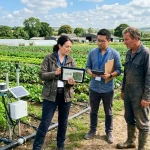
The Climate United Fund also emphasizes enhancing community resilience against climate impacts. This objective is often operationalized through targeted investments in adaptive measures, such as developing climate-resilient agricultural practices. Local farmers, for instance, might receive funding to implement innovative irrigation techniques, which allow them to cope with changing weather patterns while maintaining food security. This dual focus on environmental stewardship and social equity underscores the Fund’s commitment to ensuring that climate initiatives benefit both the planet and its inhabitants.
Furthermore, the Fund serves as a knowledge-sharing platform where best practices and strategies are exchanged between stakeholders, including governments, NGOs, and local communities. By fostering collaboration and encouraging innovative thinking, the Climate United Fund not only amplifies the impact of specific projects but also cultivates a broader culture of climate responsibility and sustainable development. Through these collective efforts, the Fund aspires to inspire a global movement towards a more sustainable future, balancing environmental, social, and economic needs for generations to come.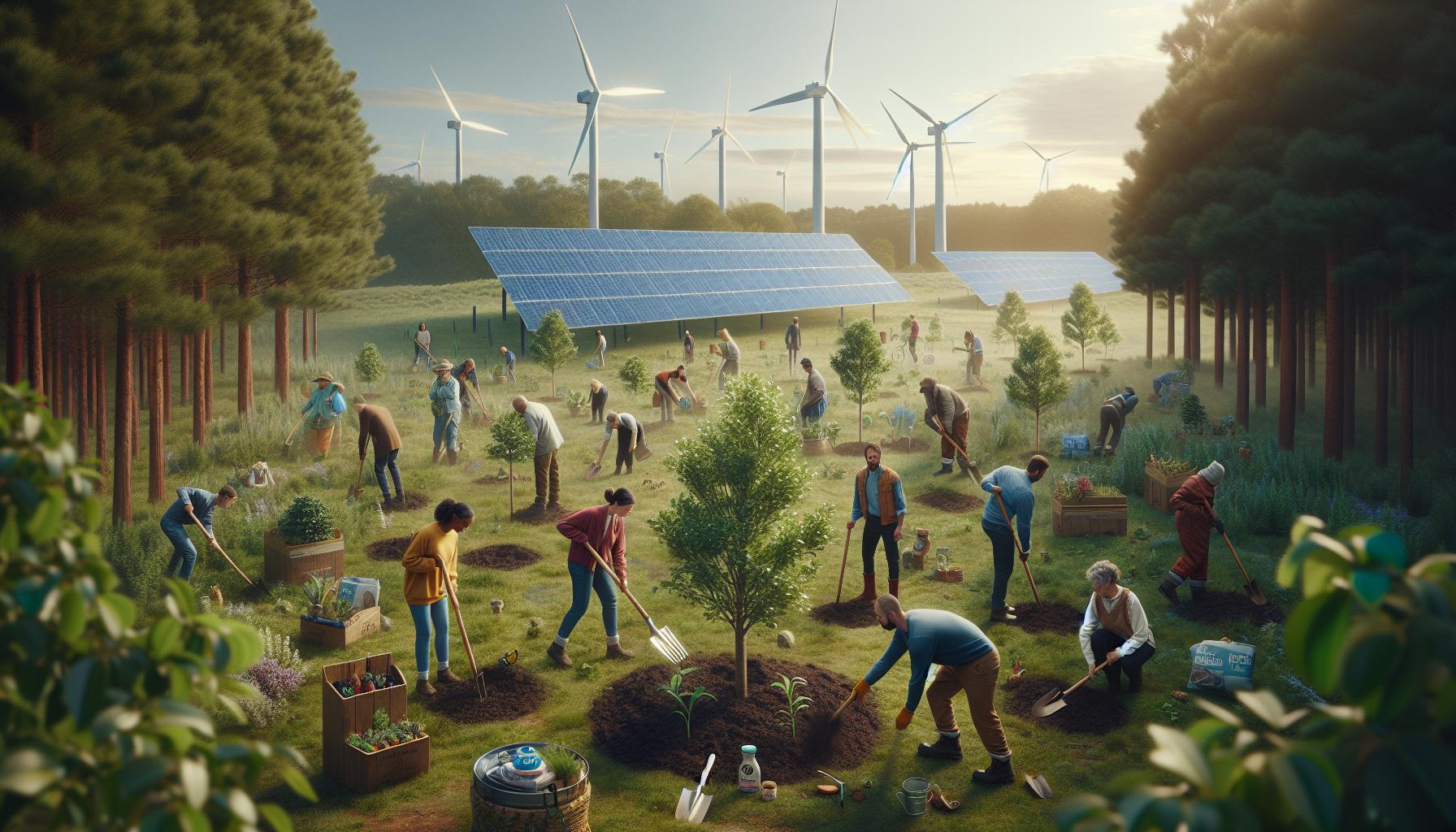
How the Climate United Fund Impacts Climate Action
Investing in our future means taking significant steps today to combat climate change, and the Climate United Fund is at the forefront of this effort. By providing critical financial resources, the Fund enables communities to engage in sustainable practices that reduce greenhouse gas emissions and promote resilience against pressing climate challenges. Its importance is underscored by the reality that many organizations struggle to secure financing for transformative climate initiatives. The Climate United Fund seeks to fill this gap, empowering local entities to bring their ambitious visions to life.
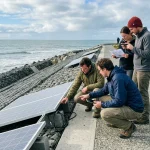
One way the Climate United Fund impacts climate action is through supporting renewable energy projects. For instance, communities can utilize funding to implement solar panels, which drastically reduce reliance on fossil fuels while generating clean energy. This not only contributes to lower carbon emissions but also creates job opportunities within the local economy. Think of a small town that transitions to solar energy: not only does it cut energy costs, but it also sparks new employment in installation and maintenance, showcasing the dual benefit of economic growth and environmental stewardship.
Furthermore, the Fund emphasizes community resilience by investing in adaptive agricultural practices. In the face of climate fluctuations, farmers are equipped with resources to develop innovative strategies for irrigation and crop management. Such initiatives ensure food security and protect livelihoods, illustrating that climate action is not just about reducing emissions but also enhancing the capacity of communities to withstand environmental stresses.
Beyond funding specific projects, the Climate United Fund acts as a catalyst for collaborative approaches to climate action. By fostering partnerships among governments, NGOs, and local communities, it creates a rich tapestry of shared knowledge and responsibility. For example, workshops and knowledge-sharing sessions help disseminate best practices and innovative solutions across different regions. This collective engagement is crucial in building a sustainable future and inspiring other stakeholders to adopt similar practices, amplifying the overall impact of climate initiatives.
In summary, the Climate United Fund is more than just a financial resource; it is a comprehensive approach to nurturing a culture of sustainability and responsibility. By enabling tangible projects, enhancing community resilience, and fostering collaboration, the Fund helps pave the way for a more sustainable and equitable future.
Understanding Funding Sources for the Climate United Fund
Funding for the Climate United Fund comes from a diverse array of sources, each playing a crucial role in the Fund’s ability to finance impactful climate initiatives. This multifaceted approach not only helps ensure the sustainability of the Fund’s operations but also supports various projects that address pressing environmental challenges.
One primary source of funding is governmental contributions. National and regional governments allocate a portion of their budgets to climate initiatives, recognizing the urgency of action against climate change. This funding often aligns with international commitments, such as those outlined in the Paris Agreement, which encourages nations to invest in sustainable development and greenhouse gas reduction strategies.
In addition to governmental support, philanthropic organizations significantly contribute to the Climate United Fund. These entities, which include private foundations and charitable trusts, provide grants that enable innovative projects to take root. For instance, a foundation dedicated to environmental conservation might fund community-based renewable energy installations, which not only help reduce emissions but also foster local economic development.
Furthermore, the Fund leverages funding through public-private partnerships. Companies committed to corporate social responsibility (CSR) often collaborate with the Climate United Fund to co-finance projects that align with their sustainability goals. This symbiotic relationship allows businesses to make a positive impact in the communities where they operate while gaining visibility and reputation for their environmental initiatives.
Lastly, crowdfunding and community-level fundraising have emerged as valuable tools for raising additional capital. Local communities can mobilize resources through grassroots campaigns, tapping into the passion and commitment of citizens who are eager to support climate action. Successful campaigns have been seen in urban areas where residents fund community gardens or solar installations, demonstrating a powerful blend of local engagement and financial support.
By harnessing these varied funding sources, the Climate United Fund can strategically finance projects that not only address climate change but also enhance community resilience and foster socio-economic development. This comprehensive funding strategy is essential in creating a robust support system that drives meaningful climate action at all levels.
Successful Projects Supported by the Climate United Fund
Numerous projects supported by the Climate United Fund have emerged as beacons of hope in the fight against climate change, showcasing innovative solutions that inspire communities and drive environmental progress. These projects span various sectors, from renewable energy initiatives to sustainable agriculture and urban resilience programs. Their success not only demonstrates the Fund’s efficacy but also highlights the potential for scalable models in diverse contexts.
One notable example is the Community Solar Initiative, where the Fund has backed local solar energy projects aimed at providing affordable and clean energy options to underserved communities. By enabling residents to invest in solar installations collectively, this initiative reduces reliance on fossil fuels and lowers energy costs. Additionally, participants benefit from job training programs associated with the installations, creating a dual impact of economic opportunity and environmental stewardship.
Another remarkable project is the Urban Green Spaces Program, which supports the development of green spaces in urban areas suffering from heat stress and poor air quality. Funded initiatives include planting trees, creating community gardens, and establishing green roofs. These projects not only enhance the urban landscape but also improve residents’ physical and mental well-being while contributing to biodiversity conservation. The tangible benefits of enhanced air quality and reduced urban heat islands are immediate, inspiring further investment in green infrastructure.
The impact of these projects extends beyond environmental benefits. For instance, the Sustainable Agriculture Program encourages local farmers to adopt eco-friendly practices such as crop rotation and organic farming. Funded by a collaboration between government agencies and private foundations, this initiative not only promotes healthier food systems but also empowers farmers economically by connecting them with local markets. By boosting local economies while mitigating agricultural emissions, these projects embody the essence of sustainable development.
In conclusion, the Climate United Fund’s successful projects illustrate a pathway toward a greener future, demonstrating that collective action can lead to meaningful changes. Through supporting innovative solutions and fostering community engagement, the Fund empowers individuals and organizations to contribute actively to climate resilience and sustainability.
Partnerships and Collaborations Driving the Climate United Fund
Partnerships are the cornerstone of the Climate United Fund’s strategy, amplifying its impact through collaborative efforts across various sectors. By uniting governments, non-profits, community organizations, and the private sector, the Fund creates a robust network that leverages diverse expertise and resources. This approach not only facilitates the sharing of knowledge and innovative practices but also enhances funding opportunities and outreach effectiveness.
One of the defining aspects of the Climate United Fund’s partnerships is its emphasis on mutual benefit and co-creation. For instance, collaborations with local governments and tribal organizations foster inclusive decision-making processes that ensure initiatives are tailored to community needs. These partnerships have enabled the Fund to support projects like the Tribal Collaboration Programs, which connect Indigenous communities with resources and expertise in green technology deployment, promoting both climate adaptation and cultural preservation.
In addition to community-focused collaborations, the Climate United Fund actively partners with financial institutions to develop innovative funding mechanisms. These partnerships are crucial for enabling access to financial resources that are often beyond the reach of smaller or underserved entities. Options such as tailored loans, grants, and investment strategies are designed to support sustainable enterprises and projects that contribute to the Fund’s goals, illustrating how financial strategies can align with environmental outcomes.
To engage effectively, the Climate United Fund has also initiated partnerships aimed at educational outreach and community engagement. By working with educational institutions and local organizations, the Fund helps foster awareness and understanding of climate issues among young people and underserved communities. Programs highlight sustainability education and empower participants to take action, effectively becoming ambassadors in their communities, which in turn enhances local climate initiatives.
Overall, the collaborative framework established by the Climate United Fund demonstrates that meaningful progress in climate action is most achievable through partnership and shared commitment. By harmonizing efforts across sectors, the Fund not only amplifies its impact but also cultivates a sense of collective responsibility, inspiring communities to unite and tackle the pressing challenges posed by climate change head-on.
Role of Community Engagement in the Climate United Fund
Community engagement is more than just a buzzword within the Climate United Fund; it is a driving force behind the Fund’s mission to address global climate challenges effectively. By actively involving community members in the decision-making process, the Fund ensures that local voices shape the initiatives that impact their lives and environments. This approach fosters a sense of ownership and accountability, incentivizing communities to embrace sustainable practices and advocate for climate action.
One effective method of community engagement employed by the Climate United Fund includes educational workshops designed for all age groups, particularly targeting schools and underrepresented groups. These workshops not only raise awareness of climate issues but also provide practical skills and knowledge on sustainability practices, such as energy efficiency and waste reduction. For instance, initiatives have led to local schools implementing recycling programs driven by student-led campaigns, instilling a culture of environmental stewardship from a young age.
The Fund also utilizes asset-based community development (ABCD) principles, focusing on the strengths and resources already present within communities. By identifying local talents, skills, and resources, the Fund fosters collaborative projects that maximize these assets. This could involve leveraging local expertise in agriculture to promote community gardens that serve as both food sources and educational tools about biodiversity and local ecosystems. Such projects not only address immediate environmental issues but also enhance community resilience by creating local jobs and improving food security.
In addition, the Climate United Fund encourages participatory budgeting processes, where community members have a say in how climate-related funds are allocated. This democratic approach empowers locals to prioritize projects that matter most to them, whether that be tree planting, renewable energy installations, or green infrastructure improvements. By giving communities the reins, the Fund builds trust and rapport, ensuring that the initiatives are not only well-received but also actively supported and maintained by the community itself.
Overall, the role of community engagement within the Climate United Fund catalyzes transformative climate action, demonstrating that sustainable solutions are most effective when developed in collaboration with the very communities they aim to serve. This grassroots approach is pivotal in creating a collective momentum towards a more sustainable future, highlighting that climate action isn’t just a top-down directive but a shared responsibility among all stakeholders.
Challenges Faced by the Climate United Fund
Navigating the complexities of climate funding, the Climate United Fund confronts a variety of challenges that can impede its mission of promoting sustainability and equitable community development. One significant hurdle is the competition for limited financial resources. Despite a commitment to allocate up to $30 million for community-led projects, the Fund operates within a landscape where numerous organizations vie for similar grants and donations. This competition can limit the amount of funding available for essential initiatives and pose barriers to scaling successful programs.
Another pressing challenge is ensuring that the voices of diverse communities are heard and prioritized in the decision-making process. While the Fund aims to center equity in its outreach and engagement efforts, disparities in access to information and resources can lead to underrepresentation of marginalized voices. Community members with less familiarity or experience with grant processes may struggle to advocate for their needs effectively. To counter this, it is crucial for the Fund to invest in capacity-building workshops and provide ongoing support that empowers communities to navigate these systems confidently.
A third challenge arises from the varying levels of readiness among community projects. While some initiatives may be well-prepared to implement climate actions effectively, others may require more time and resources to develop their proposals. This variance can impede the overall impact of the Fund, as more immediate and actionable projects might overshadow those with high potential but less immediate readiness. Establishing a phased support system-allowing for preliminary grants to help less prepared projects reach maturity-could enhance the overall efficacy of the Fund.
Lastly, the ongoing impacts of climate change present a moving target for the Fund’s initiatives. As environmental conditions evolve, priorities may need to shift, requiring agility and adaptability in programming. The effects of climate change can exacerbate existing social inequities, making it even more critical for the Fund to remain responsive. By continuously evaluating its strategies and outcomes, the Climate United Fund can better align its objectives with the pressing needs of communities, ensuring that both immediate and long-term climate action goals are met.
Future Outlook for the Climate United Fund
As climate change accelerates and its impacts become increasingly visible, the Climate United Fund is poised to play a crucial role in supporting community-led adaptation and mitigation efforts. Looking ahead, this fund is set to evolve to meet the shifting needs of communities facing environmental challenges, ensuring that the resources are allocated efficiently and equitably. One of the primary focuses will be enhancing financial accessibility, especially for underrepresented communities that may lack the necessary skills or knowledge to navigate the funding landscape.
Adaptive Strategies for Future Funding
To tackle the ongoing competition for limited resources, the Climate United Fund plans to implement a more streamlined application process, aimed at reducing barriers for grassroots organizations. By simplifying guidelines and providing clearer criteria, the fund can attract a diverse range of proposals, enriching the pool of initiatives that address climate change. Furthermore, the establishment of mentorship programs can assist less experienced applicants in developing robust project proposals, ensuring their voices are heard in the funding process.
Strengthening Community Engagement
Community engagement will be central to the Climate United Fund’s future initiatives. It aims to prioritize inclusivity by hosting regular workshops and outreach events that educate and empower communities. By fostering networks of collaboration and sharing success stories, the fund can cultivate a supportive environment where community leaders can learn from one another and strengthen their proposals. This collaborative approach not only enhances the quality of applications but also builds a sense of ownership around funded projects, encouraging sustainability and long-term commitment.
Innovative Solutions and Partnerships
The horizon for the Climate United Fund also includes embracing innovative solutions to address climate impacts. Future projects may leverage technology and data analytics to optimize resource use and track project outcomes more effectively. Collaborations with technology firms and academic institutions can provide cutting-edge tools for data collection and analysis, which enhance the accountability and effectiveness of funded initiatives. Forming partnerships with local governments and businesses can further streamline efforts and expand the reach of the fund’s impact.
Overall, the Climate United Fund is prepared to adapt to the challenges of an evolving climate landscape. By focusing on equitable access to funding, strengthening community engagement, and fostering innovative partnerships, it aims to maximize its impact on climate action in the years to come. By cultivating a responsive and inclusive approach, the fund can empower communities to take meaningful steps towards a more sustainable future.
How You Can Get Involved with the Climate United Fund
Getting involved with the Climate United Fund not only supports innovative climate solutions, but also empowers individuals and communities to take meaningful action in the face of environmental challenges. There are several ways to engage with this initiative, whether you are an individual, community group, or business looking to make a positive impact.
One of the primary avenues for involvement is through funding applications for clean energy projects. Organizations and community-led initiatives focused on sustainability can apply for grants offered by the Climate United Fund. The application process has been designed to be more accessible, with streamlined guidelines that encourage diverse proposals. Interested parties should prepare robust project plans that align with the fund’s mission, emphasizing local job creation, environmental sustainability, and community focus. Consider participating in informational workshops that the fund hosts, which can clarify application details and provide invaluable networking opportunities.
Volunteering is another impactful way to engage with the Climate United Fund. Community members can contribute time and expertise to local projects supported by the fund. By hosting or participating in educational events, individuals can help raise awareness about clean energy initiatives and encourage others to participate. This grassroots involvement fosters a sense of ownership and commitment among community members, driving collective action toward sustainability goals.
Collaboration is also key to the Climate United Fund’s approach. Businesses and local governments can partner with the fund to enhance project reach and impact. For example, businesses can support funding applications by providing in-kind services or resources. Local governments can play a pivotal role by integrating clean energy initiatives into broader community development strategies and providing platforms for engagement.
To stay updated and involved, individuals and organizations can subscribe to newsletters or follow the Climate United Fund on social media. This not only keeps you informed about new funding opportunities but also connects you with a network of like-minded advocates dedicated to environmental justice and sustainability. By investing time and effort into these avenues, you can contribute significantly to the fund’s mission of making clean energy accessible to all communities, particularly those historically overlooked.
Comparative Analysis: Climate United Fund vs. Other Funds
The comparison between the Climate United Fund and other funding initiatives provides valuable insights into how various approaches can collectively drive climate action while addressing community needs. The Climate United Fund distinguishes itself by focusing on grassroots solutions that empower local communities to engage in and lead their climate initiatives. Unlike larger funds that may prioritize large-scale projects or specific sectors, the Climate United Fund emphasizes inclusive participation and local ownership-key elements in fostering sustainable change.
One of the primary strengths of the Climate United Fund lies in its accessibility and support for small-scale projects aimed at clean energy and sustainability. This fund offers streamlined application processes that cater to community-led endeavors, allowing diverse organizations to apply for grants. In contrast, traditional funding sources often impose rigid criteria that may exclude smaller or innovative projects. For instance, while government grants might require extensive technical expertise and long-term commitments, the Climate United Fund champions proposals that reflect local priorities and immediate environmental needs.
In practical terms, while established international funds may allocate billions to global climate initiatives-often focusing on mitigation and adaptation strategies for entire nations-the Climate United Fund directs its resources towards localized efforts. These can include community solar projects, urban green spaces, or educational programs. Such initiatives not only aim to reduce carbon footprints but also significantly enhance community resilience, improve public health, and foster social equity.
Moreover, collaboration is a pivotal aspect of the Climate United Fund’s mission. It actively seeks to build partnerships with local businesses, nonprofits, and municipal governments, enhancing project impact through shared resources and collective knowledge. This contrasts with many traditional funds that may operate in silos, limiting collaborative potential. By fostering these networks, the Climate United Fund catalyzes broader engagement, empowering communities to tackle climate challenges collectively.
In summary, the Climate United Fund stands out by nurturing grassroots initiatives and fostering collaborative partnerships, offering a model that respects local context and needs while driving innovative climate solutions. This approach not only addresses environmental challenges but also builds social cohesion and enhances local economies, creating a holistic framework for sustainable development.
Real-Life Success Stories from the Climate United Fund
In the quest for sustainable solutions, the Climate United Fund has ignited a wave of transformative projects across diverse communities, illustrating the profound impact of localized climate initiatives. One standout example is a community solar project in a Maryland neighborhood that historically lacked access to renewable energy. By funding this initiative, the Climate United Fund empowered residents to collaboratively invest in solar panel installations on shared spaces like schools and community centers. This project not only reduced energy costs for families but also fostered job creation within the community, demonstrating how localized investments cultivate both environmental and economic resilience.
Another inspiring success story comes from a small coastal town in Oregon where the fund supported the development of a green space initiative. Community volunteers came together to transform a neglected lot into a vibrant park that includes native vegetation, rain gardens, and community gardens. This project not only improved local biodiversity but also provided a gathering space for residents, enhancing social ties and community engagement. By prioritizing local input and participation, the initiative exemplified how the Climate United Fund can leverage grassroots efforts to address broader environmental challenges.
Key Takeaways from Real-Life Success Stories
- Empowerment through Solar Energy: Community solar projects demonstrate how targeted funding can enhance energy access while promoting job creation.
- Community Engagement: Transforming neglected spaces into green areas fosters ecological health and strengthens community bonds.
- Economic Resilience: Localized projects funded by the Climate United Fund not only address immediate environmental concerns but also bolster local economies.
These real-world examples highlight the Climate United Fund’s commitment to fostering innovative, community-driven solutions that address climate change and build a more sustainable future. As these success stories unfold, they not only inspire further action but also reflect the potential that lies in empowering communities to lead their own climate initiatives.
Frequently asked questions
Q: What is the Climate United Fund?
A: The Climate United Fund is an initiative aimed at addressing climate change by providing financial support to projects that promote sustainable practices and reduce carbon emissions. It focuses on collaboration between governments, organizations, and communities to implement effective climate solutions.
Q: How does the Climate United Fund support community projects?
A: The Climate United Fund supports community projects through grants and resource allocation, encouraging local involvement in climate action initiatives. These projects often focus on renewable energy, conservation, and education, empowering communities to create positive environmental impacts.
Q: What are the key objectives of the Climate United Fund?
A: The key objectives of the Climate United Fund include reducing greenhouse gas emissions, enhancing climate resilience, supporting sustainable development, and fostering community engagement. By aligning financial resources with these goals, the fund aims to drive meaningful climate action globally.
Q: Who are the main partners of the Climate United Fund?
A: The Climate United Fund collaborates with various partners, including governmental bodies, non-profit organizations, and private sector stakeholders. These partnerships help leverage expertise and resources, maximizing the fund’s overall impact on climate initiatives.
Q: How can individuals contribute to the Climate United Fund?
A: Individuals can contribute to the Climate United Fund by donating, participating in fundraising events, or advocating for climate-friendly policies in their communities. Engaging in awareness campaigns can also amplify the fund’s reach and effectiveness.
Q: What challenges does the Climate United Fund face?
A: The Climate United Fund faces challenges such as securing consistent funding, navigating bureaucratic hurdles, and ensuring community participation. Overcoming these obstacles is crucial for the successful implementation of climate action projects.
Q: What impact has the Climate United Fund made so far?
A: The Climate United Fund has positively impacted multiple communities by funding diverse projects that promote renewable energy, conservation efforts, and climate education programs. Success stories showcase the tangible benefits of these initiatives on local environments.
Q: How does the Climate United Fund differ from other environmental funds?
A: The Climate United Fund focuses specifically on collaborative efforts and community-driven projects, setting it apart from other environmental funds. Its unique approach prioritizes local engagement and tailored solutions, ensuring that funding effectively addresses specific climate challenges.
To Conclude
Thank you for exploring “What Is The Climate United Fund: Everything You Need To Know.” To recap, this fund plays a crucial role in combating climate change by supporting projects that aim to reduce emissions and promote sustainability. If you’re feeling inspired, now is the time to get involved-every action counts, and your participation can amplify our collective impact!
For deeper insights on related topics, consider checking out our articles on “Sustainable Investment Strategies” and “How to Make a Difference in Your Community.” Don’t hesitate to explore our resources geared toward empowering you with the knowledge needed to make informed decisions for a greener future.
If you have questions or want to discuss your thoughts, please leave a comment below. Subscribe to our newsletter to stay updated on the latest initiatives, or reach out to our team for personalized guidance on how to contribute effectively. Together, we can turn the tide on climate change-let’s take action today!
Get our latest guides, news, and insights highlighted in your Google Search & AI Overviews.