The Sequoia Climate Foundation plays a pivotal role in addressing the climate crisis, but have you ever wondered who funds this essential work? Understanding the financial backers behind philanthropic efforts can reveal the motivations and strategies that drive impactful climate action. As the urgency to combat climate change intensifies, the support from donors not only enables innovative projects but also shapes policies that promote sustainability and resilience. By digging deeper into who funds organizations like Sequoia, you can uncover valuable insights into the intersection of finance, environmental responsibility, and societal change. This exploration not only satisfies curiosity but also inspires informed discussions about how individual contributions and corporate partnerships can create a significant ripple effect in the fight against climate change. Join us as we pull back the curtain on the financial ecosystem supporting the Sequoia Climate Foundation and discover how strategic funding is crucial for a more sustainable future.
Who Are the Key Financial Backers?
The Sequoia Climate Foundation plays a pivotal role in supporting climate change mitigation efforts globally, but understanding who funds its initiatives reveals deeper insights into the foundation’s operation and its impact. Behind Sequoia’s ambitious projects lies a network of key financial backers that includes philanthropic organizations, individual donors, and strategic partners. These supporters share a profound commitment to tackling climate issues and are essential in driving forward sustainable solutions.
- Philanthropic Organizations: Large foundations and philanthropic entities often provide significant funding to amplify Sequoia’s reach. These organizations typically align their funding strategies with global climate goals, targeting sectors where they can make the most meaningful investments.
- High Net-Worth Individuals: Philanthropists passionate about environmental sustainability also play a critical role. Their personal connections to climate issues often motivate substantial donations aimed at fostering innovative projects and partnerships.
- Government and International Grants: Sequoia often collaborates with governmental bodies and international agencies that provide grants to support specific climate initiatives. These funds help in scaling local projects to address pressing climate challenges.
- Corporate Partnerships: Strategic alliances with businesses interested in corporate social responsibility allow Sequoia to tap into funding sources aimed at supporting sustainable practices within the business sector.
By diversifying its financial backing, Sequoia Climate Foundation can tackle various climate challenges while ensuring that its funding base remains resilient and adaptable. This multifaceted approach not only bolsters the foundation’s financial health but also enhances its ability to achieve long-term climate goals effectively.
Understanding the Mission of Sequoia Climate Foundation
The Sequoia Climate Foundation is driven by a profound mission: to facilitate a global transition to a sustainable, low-carbon economy while addressing the pressing challenges of climate change. At its core, the foundation aspires to empower communities, organizations, and countries to adopt innovative solutions that reduce greenhouse gas emissions and enhance climate resilience. This commitment to proactive climate action not only aims to prevent environmental degradation but also seeks to promote social equity and economic prosperity.
To achieve these ambitious goals, Sequoia collaborates with a diverse array of stakeholders, bringing together the strengths of philanthropic organizations, government bodies, corporate partners, and grassroots movements. Each collaboration is carefully curated to maximize impact. For example, by partnering with local governments, the foundation can tailor its strategies to meet specific community needs, ensuring that funding and resources are utilized efficiently and effectively. Such alliances not only extend the reach of each project but also create a shared sense of ownership among participants, fostering a collective commitment to sustainable practices.
The foundation’s emphasis on transformative strategies is evident in its focus on innovation and technology. By investing in training programs and capacity-building initiatives, Sequoia equips partners with the necessary tools and knowledge to implement sustainable practices. This hands-on approach ensures that funding translates into meaningful, lasting change on the ground. Through its diverse funding sources and strategic partnerships, Sequoia embodies a holistic model of environmental philanthropy that emphasizes collaboration and tangible impact.
In conjunction with its mission, Sequoia also recognizes the importance of learning and adaptation. The foundation regularly evaluates its projects to identify successes and areas for improvement, ensuring that its methodologies remain agile and responsive to evolving climate challenges. This commitment to reflection and innovation is essential in a rapidly changing global landscape, enabling Sequoia to remain at the forefront of climate action and to inspire others in the philanthropy space to adopt similar practices. Ultimately, with its clear mission and collaborative strategies, the Sequoia Climate Foundation paves the way for a sustainable future, actively engaging with the communities and donors that share its vision.
How Sequoia Climate Foundation Uses Funding
The Sequoia Climate Foundation strategically channels its funding to develop multifaceted solutions aimed at combating climate change. By viewing climate action as a complex systems challenge, Sequoia employs a framework grounded in four essential principles: speed, scale, cost, and probability of success. This approach ensures that investments are not only impactful but also sustainable, allowing for both immediate and long-term benefits.
To effectively utilize its funds, Sequoia Climate Foundation prioritizes initiatives with transformative potential. This means investing in innovative strategies that can create significant change within communities and across larger systems. For instance, the foundation often supports technologies that enhance energy efficiency or reduce emissions, as these can lead to considerable climate benefits if deployed widely. By focusing on scalable solutions, Sequoia enhances the effectiveness of its investments, multiplying their impact beyond single projects.
Moreover, the foundation emphasizes collaboration by leveraging partnerships with governmental entities, non-profits, and the private sector. These collaborations allow Sequoia to align funding with specific regional needs, ensuring that projects address local challenges effectively. Such partnerships not only optimize resource allocation but also foster community involvement, creating a sense of ownership and shared responsibility among stakeholders. By working closely with localized entities, Sequoia can ensure that its funding translates into real-world solutions that resonate with the communities they serve.
Ultimately, the foundation’s use of funding reflects a commitment not just to addressing climate change, but to fostering a systemic shift toward sustainability. Through its strategic investments, collaborative methods, and focus on innovation, Sequoia Climate Foundation exemplifies how thoughtful financial allocations can catalyze substantial and meaningful change in the fight against climate change.
The Impact of Funding on Climate Initiatives
Investments in climate initiatives are more than just financial allocations; they are vehicles for transformative change. The Sequoia Climate Foundation harnesses funding to implement innovative solutions that address pressing environmental issues, such as climate change, through systemic approaches. This funding has allowed the foundation to partner with local communities and organizations to create initiatives that not only mitigate environmental impact but also enhance community resilience and adaptability.
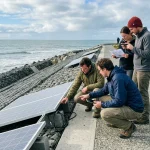
One notable example is the focus on renewable energy adoption. By funding projects that install solar panels in underprivileged areas, Sequoia Climate Foundation not only reduces greenhouse gas emissions but also provides job opportunities for local residents. These projects serve as models of sustainable practices, demonstrating how communities can benefit from green technology while combating climate change simultaneously. The result is a ripple effect, where initial funding leads to broader societal benefits, including improved energy security and accessibility.
Moreover, Sequoia’s approach emphasizes scalability, reaching far beyond individual projects to effect systemic change. This means that successful initiatives can be expanded and replicated in various regions, fostering a network of solutions that impacts climate policy at a larger scale. For instance, a successful tree-planting campaign in one community can inspire similar efforts elsewhere, supported by the foundation’s funding and strategic guidance, informing local governments and communities about effective practices that contribute to national climate goals.
is further amplified by Sequoia’s commitment to transparency and accountability. By regularly sharing data and outcomes from funded projects, stakeholders can see the tangible benefits of their investments. This not only builds trust but also encourages more funding from other sources, creating a virtuous cycle of support for climate initiatives that align with the foundation’s mission. The feedback loop generated by successful projects ensures that funding continues to fuel innovation, pushing the boundaries of what is possible in the fight against climate change.
Analyzing Major Contributions and Donor Profiles
Investing in climate initiatives requires not only financial resources but also a deep understanding of the ecosystems that support these efforts. The Sequoia Climate Foundation, known for its rigorous approach to fostering sustainable practices, relies on a diverse base of contributors, each bringing their unique focus and financial commitment to the table. This multifaceted funding landscape enables the foundation to undertake comprehensive projects that address climate change on various fronts, from renewable energy deployment to community resilience initiatives.
Key Donor Profiles
While specific names of major financial backers may vary, the foundation’s contributions primarily stem from philanthropic organizations, corporate partners, and generous individual donors who share a vision for a sustainable future. These stakeholders often seek to align their financial contributions with substantial, measurable impacts on environmental policies and practices. For instance, corporate entities involved in clean tech might fund projects that showcase innovative technologies aimed at reducing emissions.
Each donor brings not just capital but also extensive networks and expertise, enhancing the foundation’s capacity to enact change. Individual donors, typically high-net-worth individuals who prioritize environmental sustainability, often engage with the foundation to champion specific projects that resonate with their values, such as renewable energy initiatives or community-led conservation efforts. This synergy between the foundation’s objectives and the donors’ goals creates a powerful platform for meaningful action.
Impact of Contributions on Initiatives
The contributions provided to the Sequoia Climate Foundation have myriad effects, allowing for the scaling of successful projects and the development of new initiatives. Financial backers encourage innovation by funding pilot projects, which serve as test cases for more extensive rollouts. For example, a donor might support research on energy-efficient technologies that, once proven successful, can be replicated in various global contexts, thus multiplying the initial investment’s impact.
Furthermore, this collaborative funding model facilitates knowledge sharing between donors and the foundation. Many backers actively participate in strategy discussions, allowing their insights and experiences to drive project development. This interaction fosters a dynamic environment where innovative ideas can flourish, ultimately enhancing the foundation’s overall effectiveness in combating climate change.
By nurturing a diverse array of financial relationships, the Sequoia Climate Foundation not only secures necessary funding but cultivates a vibrant community of stakeholders committed to environmental stewardship. This approach not only sustains immediate projects but also anticipates future climate-related challenges, positioning the foundation as a leader in the fight against global warming.
Trends in Environmental Philanthropy and Funding
The landscape of environmental philanthropy is continually evolving, with increasing awareness and urgency surrounding climate change. Funders are now more discerning and strategic in their giving, embracing a collaborative approach that amplifies their impact. Philanthropists and organizations today are not just writing checks; they are actively engaging in efforts that ensure accountability and measurable results. This shift towards results-oriented funding reflects a broader trend where donors seek actionable strategies and quantifiable outcomes, particularly in organizations like the Sequoia Climate Foundation.
One notable trend is the rise of collaborative funding initiatives. Multiple donors frequently come together to pool resources and expertise, which helps to mitigate risk and enhance project viability. This collaborative spirit allows funders to tackle complex issues more effectively than they could alone. For instance, corporate partners and individual philanthropists may unite to finance a pilot program for renewable energy technology, sharing insights and data that can lead to faster and more impactful scaling of successful outcomes.
Moreover, there is a growing emphasis on intersectionality in funding. Environmental issues are increasingly recognized as interconnected with social equity, economic justice, and public health. As a result, donors are more likely to support initiatives that integrate these aspects. This could mean funding projects that not only reduce carbon emissions but also create jobs in underserved communities or enhance local resilience to climate impacts. By taking such holistic approaches, funders are addressing the root causes of environmental degradation while fostering social wellbeing.
The future of environmental philanthropy also points to the increasing role of data-driven decision-making. Funders are now leveraging analytics to track the effectiveness of their contributions and recalibrate strategies accordingly. Organizations like Sequoia Climate Foundation are at the forefront of this trend, implementing robust monitoring and evaluation frameworks that provide tangible insights into project performance. Such a data-centric approach allows for transparent assessment and encourages iterative learning, ensuring that funds are allocated to initiatives that yield the greatest impact.
As environmental challenges ramp up, the philanthropic community demonstrates an admirable adaptability, witnessing a shift towards strategic, collaborative, and equitable funding practices. By engaging in these trends, donors and organizations like the Sequoia Climate Foundation are not just participating in the fight against climate change; they are actively redefining how financial support can drive meaningful environmental and social change.
Success Stories: Funded Projects with Real Impact
The Sequoia Climate Foundation has cultivated an impressive portfolio of funded projects that demonstrate tangible impacts and highlight the transformative potential of strategic philanthropic investments in climate initiatives. One notable success story is the support for innovative renewable energy technologies. With funding pooled from collaborative partnerships, the foundation backed a pilot program that developed solar microgrids for underserved communities. This not only provided clean energy access but also fostered local job creation in installation and maintenance, effectively marrying environmental and economic benefits.
Another compelling example of funded impact is the foundation’s contribution to forest conservation efforts. Partnering with environmental nonprofits, Sequoia Climate Foundation supported reforestation projects that have restored thousands of acres of degraded land. These initiatives not only sequester carbon but also enhance biodiversity and improve local water cycles. By investing in such projects, Sequoia has demonstrated a commitment to holistic solutions that tackle both climate change and ecosystem health.
Critical to these success stories is a data-driven approach that ensures accountability and facilitates learning. Through robust monitoring frameworks, the foundation tracks the effectiveness of its funding, allowing for real-time adjustments and transparent reporting on outcomes. This iterative process exemplifies best practices in philanthropy, as it underscores the importance of measuring impact and sharing lessons learned with stakeholders.
Investing in community resilience projects also showcases Sequoia’s forward-thinking strategies. For instance, funding initiatives focused on enhancing climate resilience in urban areas have led to the development of green infrastructure. These projects mitigate urban heat islands, manage stormwater more effectively, and improve air quality, leading to healthier communities. By addressing interrelated challenges in an integrated manner, Sequoia Climate Foundation serves as a model for how targeted philanthropy can generate sustainable environmental and social change.
Challenges Faced by Sequoia Climate Foundation
Navigating the complexities of climate philanthropy presents substantial challenges, even for a well-resourced organization like Sequoia Climate Foundation. One of the most pressing hurdles is the persistent uncertainty surrounding climate policies. With global political landscapes shifting rapidly, the foundation faces difficulties in predicting the effectiveness of its investments. As policies evolve, initiatives that once seemed promising may suddenly lack support or funding, making it essential for the foundation to remain agile in its approach.
Another notable challenge stems from the need to balance immediate impacts with long-term goals. While quick wins in targeted projects can generate visible results, the foundation must also invest in systems-level changes that may take longer to materialize. This dual focus can strain resources and complicate prioritization, as stakeholders often demand rapid results while also recognizing the necessity of sustainable, long-term solutions.
Additionally, navigating the landscape of donor influence is a critical consideration. Funders may have different priorities, which can shape the direction of projects and potentially dilute Sequoia’s core mission. Striking the right balance between aligning with donor interests and maintaining the foundation’s strategic vision is pivotal. This balancing act requires transparent communication and robust engagement strategies to ensure that all parties are aligned on goals without compromising the foundation’s integrity.
Finally, as the demand for effective climate action grows, so does competition for funding. Sequoia Climate Foundation must continuously demonstrate the measurable impact of its projects to attract and retain support from funders. This necessitates rigorous data collection and reporting practices, ensuring that the foundation not only proves its effectiveness but also learns from each initiative to refine future approaches. Collaborating with other foundations and sharing insights can enhance collective efforts and drive broader change, turning individual challenges into opportunities for greater impact.
Comparative Analysis: Sequoia vs. Other Climate Foundations
The Sequoia Climate Foundation occupies a significant niche within the environmental philanthropy landscape, distinguished by its targeted approach to climate change initiatives and collaboration with other organizations. Understanding how it compares to other climate foundations reveals insights into its unique impact and operational strategies.
One of the fundamental differences lies in Sequoia’s focus on fostering international partnerships aimed at clean energy transitions and climate change mitigation. While many climate foundations support local initiatives or specific project-based funding, Sequoia emphasizes building capacity in partner countries through diplomatic efforts and technology transfer programs. This high-level engagement not only targets immediate outcomes but also seeks to instigate long-term systemic changes, a strategy that is often less prioritized by traditional grant-making foundations.
When it comes to financial backing, Sequoia’s funders tend to include a diverse range of stakeholders, from governments to private donors interested in global impact. In contrast, some other foundations may rely heavily on a smaller pool of high-net-worth individuals or corporate donors, which can influence their funding priorities. The challenge for Sequoia is ensuring that varying interests among donors do not compromise its core mission. This balancing act is similar to what other foundations face, yet Sequoia’s strategy includes transparent communication and robust stakeholder engagement to align collective goals.
Moreover, comparing metrics of success further highlights the differential impact of Sequoia’s funding model. Many climate foundations measure success through output metrics, such as the number of projects funded or immediate greenhouse gas reductions. Sequoia, however, also places considerable emphasis on outcome metrics, assessing the broader implications of its initiatives on policy change and community resilience over time. This results-driven approach ensures that its contributions lead to sustainable advancements rather than temporary solutions.
In summary, while the Sequoia Climate Foundation shares the common goal of ameliorating climate change effects with other foundations, its unique focus on global partnerships, diverse funding sources, and an emphasis on long-term outcomes distinguishes it within the environmental philanthropy field. This comparative analysis not only informs potential funders about the foundation’s key strengths but also offers a roadmap for future collaborations aimed at tackling complex climate challenges effectively.
Future Funding Opportunities and Strategies
In a world increasingly aware of the urgent need to combat climate change, innovative funding strategies are imperative for organizations like the Sequoia Climate Foundation. With its mission to accelerate the decarbonization of the global economy, exploring future funding opportunities can provide critical support for transformative climate initiatives. By leveraging diverse funding sources and adaptive strategies, Sequoia can enhance its impact and long-term sustainability.
To tap into future funding, Sequoia could pursue the following strategies:
- Partnerships with Corporate Sustainability Programs: Collaborating with businesses committed to environmental sustainability can unlock new financial resources. Corporations often seek to fund initiatives that align with their sustainability goals and can benefit from showcasing their contributions to climate solutions.
- Thematic Grantmaking: Focusing on specific themes such as renewable energy, climate adaptation, and biodiversity can attract targeted grant opportunities from foundations and governmental entities. By clearly defining areas of impact, Sequoia can appeal to funders interested in strategic philanthropy.
- Impact Investing: Introducing an impact investment arm could attract investors looking for both financial returns and positive environmental outcomes. Such investments could support scalable technology innovations that promise substantial climate benefits.
- Community Engagement and Crowdfunding: Empowering local communities to be part of the funding process can increase grassroots support and enhance accountability. Crowdfunding platforms offer opportunities for individuals to contribute directly to projects that resonate with their values.
By employing a mix of these strategies, Sequoia can position itself as a leader in climate philanthropy while ensuring that its funding model remains robust and resilient. The foundation’s ability to align financial backing with genuine environmental impact not only drives funding but also serves as a compelling case for donors seeking meaningful ways to contribute to climate solutions.
The Role of Donor Influence on Climate Policies
Funding for climate initiatives not only supports immediate projects but also significantly influences policies that govern environmental stewardship. Donors wield considerable power in shaping climate discourse and priorities, often determining which strategies gain traction and which remain sidelined. For instance, philanthropy directed toward renewable energy can lead to enhanced regulatory support, catalyzing policy reforms that favor sustainable technologies over fossil fuels.
Many foundations, including Sequoia Climate Foundation, strategically align their funding with specific climate objectives, thus impacting legislative outcomes. A clear example is the influence of large philanthropic contributions toward lobbying efforts for climate action policies at the governmental level. By funding organizations that advocate for urgent climate legislation, donors help channel resources into campaigns that push for stricter emissions regulations or increased investments in clean energy. This not only amplifies their voice but also creates a multiplier effect, where financial resources align with advocacy efforts, ultimately leading to meaningful policy changes.
Moreover, donor influence extends to the types of projects that receive funding. Major funders often prioritize initiatives that promise scalable impacts or demonstrate innovative approaches to climate mitigation. This selective support can inadvertently lead to a homogenization of solutions, whereby only certain methods or technologies are developed while others lack visibility or funding. Navigating this landscape effectively means that organizations like Sequoia must carefully balance their priorities, ensuring that while they address donor interests, they also advocate for a diversity of approaches to climate challenges that might not otherwise receive attention.
In harnessing donor influence constructively, foundations can create partnerships that engage a wider audience in climate advocacy. By organizing forums, workshops, and educational initiatives funded by donor resources, they can inspire both businesses and individuals to participate in the policy advocacy process. Thus, it’s imperative for funding organizations to transparently communicate not just their financial backing but also their long-term vision-ensuring that the voice of grassroots support complements donor priorities in an enduring push toward meaningful climate action.
What You Can Learn from Sequoia’s Funding Model
Understanding how foundational funding models work can empower both donors and advocates to maximize impact in climate initiatives. The Sequoia Climate Foundation’s approach sheds light on effective strategies that any organization or individual can adopt to enhance their contribution to combating climate change. By engaging in targeted funding, prioritizing scalability, and fostering partnerships, others can replicate their successful framework in various contexts.
One pivotal lesson from Sequoia’s model is the emphasis on aligning funding with clear climate objectives. This aligns donations with organizations that pursue innovative and effective climate solutions, ensuring that the capital is used strategically. For instance, focusing on clean energy initiatives not only provides immediate project support but also encourages the development of necessary technology and infrastructure to support long-term environmental goals. Aspiring funders should consider conducting thorough research to identify high-impact projects that can provide both short- and long-term benefits.
Leveraging Collaborative Networks
Another critical insight is the importance of building partnerships. Sequoia collaborates with various stakeholders-from grassroots organizations to government bodies-enhancing their outreach and impact. Creating networks where knowledge and resources are shared can significantly amplify the effectiveness of funding. For those looking to follow suit, here are some actionable steps:
- Identify potential partners that align with your mission and values.
- Engage in open dialogues to discuss mutual goals and capacities.
- Create platforms for co-designing programs that leverage combined resources and expertise.
Additionally, transparency in the funding process helps build trust and integrity within collaborations. Donors and organizations should maintain clear communication regarding their objectives and the anticipated outcomes of their contributions. This transparency not only strengthens relationships but also attracts further support from additional stakeholders.
Ultimately, Sequoia Climate Foundation’s model exemplifies how strategic funding, combined with collaborative efforts and a focus on clear goals, can lead to significant advancements in climate initiatives. By prioritizing these elements, funders can inspire meaningful change and pave the way for future climate leaders to thrive.
Faq
Q: Who are the top donors for Sequoia Climate Foundation?
A: The Sequoia Climate Foundation receives funding from high-net-worth individuals, foundations, and corporate partners dedicated to addressing climate change. Specific names of significant donors are generally kept confidential but may include prominent philanthropists in the environmental sector. For further details, refer to “Who Are the Key Financial Backers?” in our article.
Q: How does Sequoia Climate Foundation attract its funding?
A: Sequoia Climate Foundation attracts its funding through strategic partnerships, outreach to affluent donors passionate about climate initiatives, and by showcasing the impact of its projects on reducing carbon emissions. Engaging storytelling helps convey the urgency of climate action, enhancing donor interest.
Q: What types of funding does Sequoia Climate Foundation depend on?
A: Sequoia Climate Foundation depends mainly on grant funding, donations, and investments from philanthropic sources aligned with sustainability goals. These contributions support projects aimed at significant climate impact. For a deeper dive, check “Understanding the Mission of Sequoia Climate Foundation.”
Q: Are there restrictions on how Sequoia Climate Foundation uses its funds?
A: Yes, many contributions come with specific restrictions to ensure funds are used effectively for designated projects. Donors often require detailed reporting on outcomes, aligning with their philanthropic goals. More insights can be found in our section on “How Sequoia Climate Foundation Uses Funding.”
Q: How does Sequoia Climate Foundation measure the impact of its funding?
A: Sequoia Climate Foundation measures fund impact through metrics like emission reductions, project completion rates, and long-term sustainability outcomes. Regular impact assessments help demonstrate accountability to donors. Refer to the section “The Impact of Funding on Climate Initiatives” for more information.
Q: What challenges does Sequoia Climate Foundation face in securing funds?
A: Sequoia faces challenges such as increased competition for donations, changing priorities among donors, and economic fluctuations affecting philanthropic giving. Addressing these issues is crucial for sustaining its funding base. Insights are discussed in “Challenges Faced by Sequoia Climate Foundation.”
Q: How does Sequoia Climate Foundation plan for future funding?
A: Sequoia Climate Foundation strategizes for future funding by exploring diverse revenue streams, engaging new donors, and aligning funding efforts with emerging climate needs. Building relationships within the philanthropic community is vital for sustained support.
Q: What role do corporate sponsors play in Sequoia’s funding?
A: Corporate sponsors play a significant role in Sequoia’s funding, providing resources and collaborative opportunities for impactful climate projects. Their involvement often leads to innovative solutions that align business objectives with environmental goals. For more about this, see “Comparative Analysis: Sequoia vs. Other Climate Foundations.”
Key Takeaways
As you reflect on the vital insights shared in “Who Funds Sequoia Climate Foundation Behind The Scenes,” remember that understanding the funding landscape is key to making informed decisions in climate advocacy. By illuminating the diverse funding sources that power environmental initiatives, we empower you to engage more thoughtfully with these efforts. Take action now-explore our resources on sustainable investments and discover how you can contribute positively to climate solutions.
Curious to learn more? Check out our articles on the intersection of finance and sustainability, or delve into case studies showcasing successful environmental projects. Don’t miss out-join our newsletter for updates on climate funding and initiatives, and be part of the conversation. Your voice matters, and together, we can drive meaningful change. Engage with us in the comments below, and let’s continue this critical dialogue!
Get our latest guides, news, and insights highlighted in your Google Search & AI Overviews.