
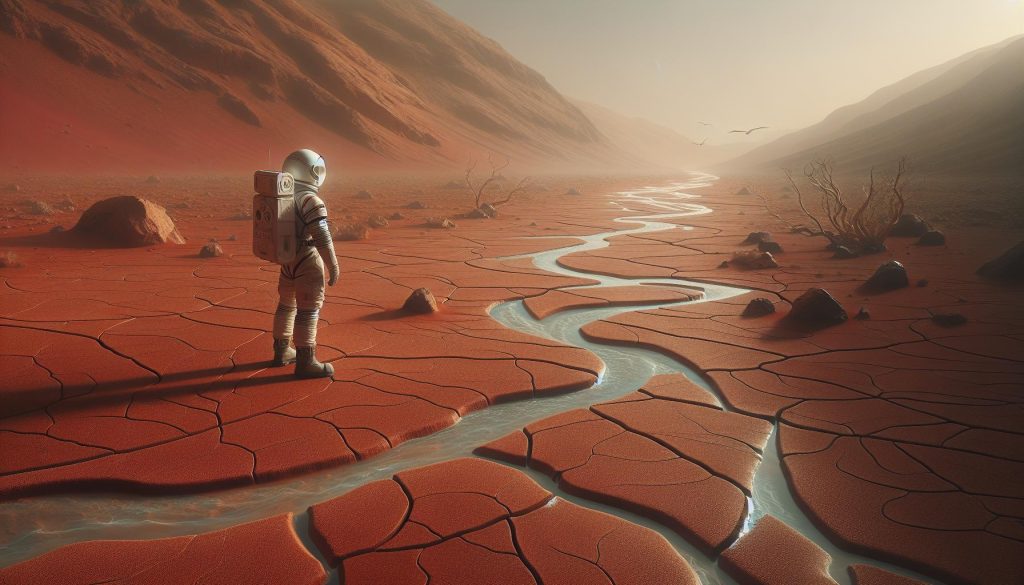
Did you know that the intricate networks of canals on Mars could provide clues about the planet’s ancient climate? As scientists delve into the origins of these formations, they are uncovering evidence that suggests a history of significant flooding, potentially driven by climate change. Understanding these Martian canals is not just about piecing together the past of another planet; it resonates with our own concerns regarding climate variability here on Earth. The ways in which Mars once hosted water challenge us to rethink our assumptions about habitability and environmental shifts in our solar system. Join us as we explore whether these canals offer key insights into the effects of climate change, both on Mars and in our own backyard, urging a deeper reflection on global environmental issues and the importance of sustainable practices.
Are Canals On Mars Evidence Of Climate Change Flooding?
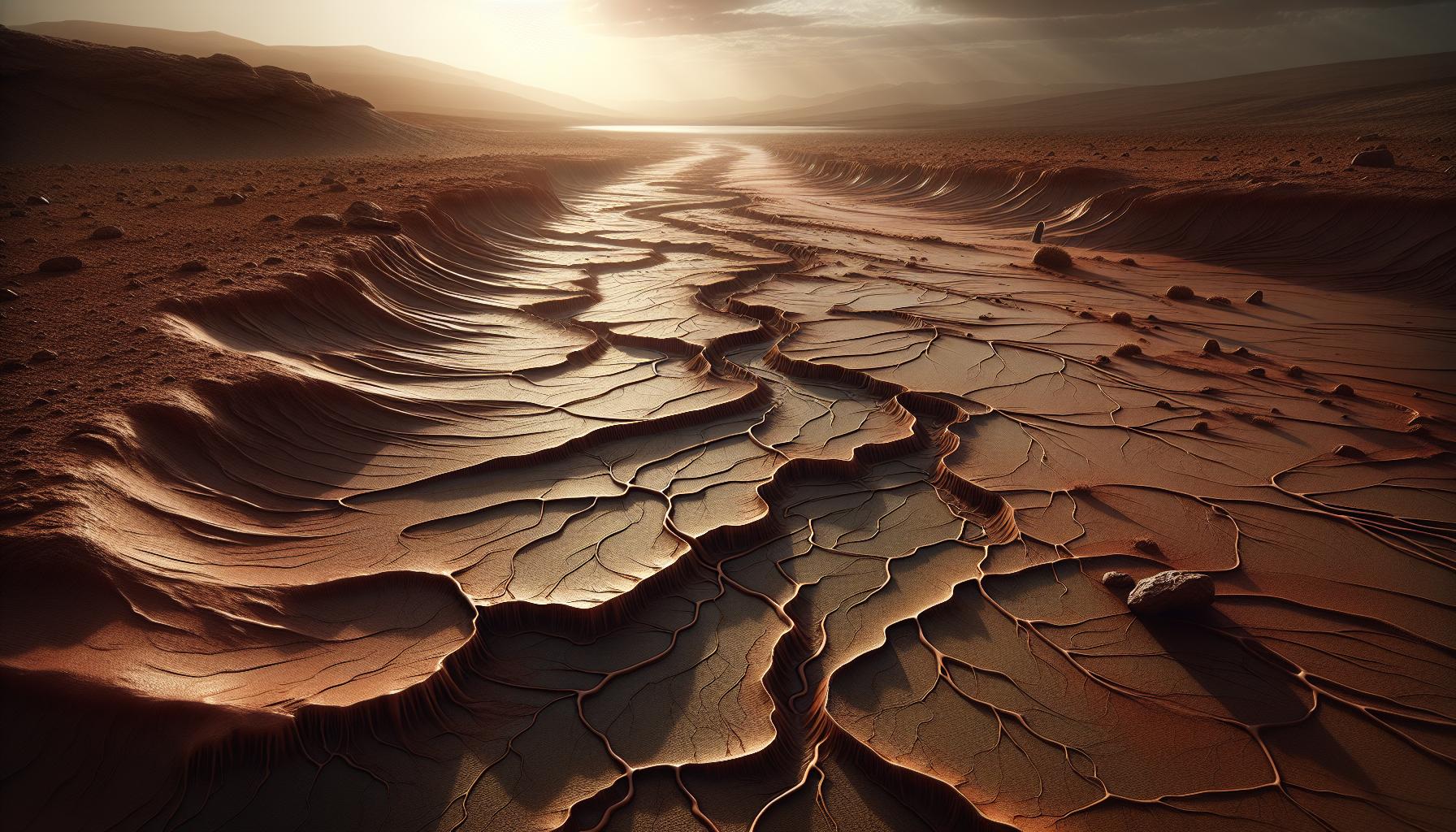
The presence of canals on Mars has long intrigued scientists and enthusiasts alike, sparking debates about their origins and significance. These formations, resembling those found on Earth, offer crucial insights into the planet’s geological past and hint at a turbulent climate characterized by water flow and potential flooding events. If these canals were indeed shaped by moving water, they could serve as evidence of significant climatic shifts that reshaped the surface of Mars.
- Ancient Rivers and Water Flow: Many of Mars’ canals are thought to have formed through ancient river systems, indicating that liquid water once flowed freely across the planet. This challenges the contemporary perception of Mars as a desolate, waterless landscape.
- Climatic Evidence: The geological features associated with these canals suggest that during specific periods, Mars experienced climatic conditions conducive to sustained water flow, possibly linked to seasonal or long-term climatic changes.
- Flooding Hypothesis: Some researchers propose that large-scale flooding due to melting ice or meteorological events may explain the widespread nature of these canals. This theory posits that episodic flooding events could have dramatically altered the Martian landscape.
In comparing the canals on Mars to terrestrial counterparts, it becomes clear that they reveal fundamental differences in their formation processes due to distinct environmental conditions. For instance, Mars lacks the same atmospheric pressure and temperature regulation found on Earth, leading to varied erosion and sedimentation dynamics. Understanding these different processes provides a clearer picture of Martian history and emphasizes the role of water, not just as a life-sustaining component, but as a key player in planetary evolution.
Ultimately, the study of Martian canals furthers our understanding of how climate change has shaped planetary surfaces over time. As we gather more data from missions like NASA’s Perseverance rover, we can continue to refine our theories and explore the implications of these findings for both Mars and Earth. The investigation into Martian canals may not only answer questions about the planet’s past but could also inform future explorations and insights into climate patterns across the solar system.
Understanding Martian Canals and Their Formation
The intricate systems of canals observed on Mars present tantalizing evidence of the planet’s dynamic climatic past. These formations, which bear resemblance to Earth’s waterways, provide crucial insights into how water once flowed across the Martian landscape, suggesting that the planet may have experienced significant climatic shifts. Understanding these canals-and their formation-offers a window into the environmental transformations that could have highlighted periods of intense flooding and erosion.
Many scientists propose that these Martian canals formed through ancient river systems, indicating that liquid water was not only present but flowed freely across certain regions of the planet’s surface. This counters the image of Mars as a lifeless desert by illustrating a history where water, a key ingredient for potential life, was abundant. The geological marks and branching patterns seen in the canals resemble those formed by flowing water on Earth, suggesting that similar processes shaped both planets, albeit under differing atmospheric conditions.
Research indicates that fluctuations in Mars’ climate could have impacted water flow substantially. Features associated with the canals hint at periods during which the Martian atmosphere cooled and allowed water to remain in liquid form for extended stretches. During these epochs, the planet could have hosted seasonal or long-term rainfall events, shaping the landscape through ongoing erosion and sediment transport. Furthermore, the hypothesis of flooding events-potentially triggered by melting polar ice or volcanic activity-can explain the widespread nature of these canals. These hypotheses align with geological evidence suggesting episodic flooding left behind a network of channels that traverse the Martian terrain.
To appreciate the significance of these findings, it’s crucial to examine how the formation of Martian canals compares with similar structures on Earth. Factors such as atmospheric pressure and temperature differences lead to distinct erosion patterns and sedimentary processes, further complicating our understanding of Martian geology. For instance, while river systems on Earth are shaped by stable climatic conditions and a protective atmosphere, those on Mars had to contend with harsher environments, influencing their development and preservation.
As we continue to explore Mars-with ongoing missions like NASA’s Perseverance rover-the quest to understand these canals and their implications for climate change on other planets remains a priority. By studying these water channels, scientists are not only piecing together Mars’ history but also gaining insights that may enlighten our understanding of similar processes on Earth and beyond, potentially informing future explorations in our search for extraterrestrial life and understanding planetary evolution.
The Connection Between Water Flow and Climate Change

The presence of canals on Mars paints an intriguing picture of a planet that once harbored significant amounts of water, hinting at a more dynamic climate than is observable today. Researchers believe that these channels were shaped by flowing water, suggesting that changes in Mars’ climate played a crucial role in their formation. This relationship between water flow and climate shifts speaks volumes about how Mars’s environmental history mirrors some aspects of Earth’s climatic fluctuations.
Understanding the dynamics of Martian canals involves considering how periods of climate change may have influenced water movement across the surface. Data from planetary exploration have shown that significant shifts in temperature and atmospheric pressure could allow liquid water to exist for prolonged periods. During certain epochs, Mars likely experienced increased volcanic activity or changes in its axial tilt, which would have altered climate conditions and enabled extensive rainfall. Such fluctuations might have resulted in catastrophic flooding events, reshaping the landscape and creating the intricate network of canals observed today.
To explore this connection, scientists examine geological features associated with the canals, such as sedimentary deposits and erosion patterns. For example, channels with branching systems often resemble river deltas on Earth, indicating a history of sustained water flow followed by periods of retreat. The complex interplay of erosion and sediment transport further substantiates the notion that water played an essential role in sculpting the Martian terrain, thereby reinforcing the argument for past climate variability.
Moreover, the potential for water flow linked to climate change on Mars serves a dual purpose: it aids in understanding Martian geology while also providing insights into our own planet’s climate challenges. By studying these ancient water movements, researchers can formulate hypotheses about the impact of climate change on Earth and extrapolate possible scenarios. This knowledge is pivotal not just for understanding our neighbor planet but for comprehending the broader implications of climate change across the solar system, enhancing our grasp of planetary evolution and the potential for life beyond Earth.
Historical Evidence of Climate Change on Mars
The intricate network of canals on Mars presents compelling evidence of a past marked by significant climate change, reminiscent of Earth’s own environmental shifts. Geological data suggest that Mars was not always the arid desert we observe today. Instead, it has undergone dramatic transformations, shaped by varying climatic conditions that allowed for the presence of liquid water, which, in turn, sculpted the Martian landscape over millennia.
Research indicates that during periods of climate variability, such as increased volcanic activity and changes in axial tilt, Mars may have experienced episodes of substantial rainfall and sustained water flow. These climatic changes could have given rise to vast flooding events, forming the canyons and channels visible on the Martian surface. For instance, the valley networks and outflow channels are consistent with erosion patterns caused by flowing water, resembling similar features observed on Earth, where rivers have carved out extensive landscapes over time. This parallel not only highlights the dynamic history of Mars but also illustrates the potential for rapid geological change in response to climatic factors.
Analyzing sediment deposits in these canal systems offers further insights into Mars’s hydrological history. By understanding the composition and layering of these deposits, scientists can infer past water activity levels, precipitation patterns, and even the duration of flow events. For example, the presence of specific mineral deposits typically found in wet environments points to prolonged exposure to water, suggesting that the climate fluctuated between wet and dry periods. A study of these features supports the view that Mars once had a climate capable of supporting liquid water on its surface, which is a fundamental criterion for the potential for life.
In conclusion, the , as portrayed by its canals and associated geological features, serves not only to illuminate the Red Planet’s past but also to inform our understanding of climate dynamics across the solar system. This knowledge could help establish analogs for current climate changes on Earth, providing valuable lessons in planetary geology and climate resilience.
Comparing Martian and Earth Canals: A Detailed Analysis
The intricate networks of canals on Mars evoke fascinating comparisons to Earth’s river systems, offering insights into the geological and climatic histories of both planets. Both Martian and Earth canals exhibit features carved by flowing water, implying periods when liquid water shaped their landscapes. Earth’s rivers, such as the Colorado River, have created awe-inspiring canyons like the Grand Canyon over millions of years, showcasing dynamic interactions between water flow and landscape.
Similarly, Mars displays vast networks of valleys and outflow channels, which result from erosion patterns consistent with significant water flow. For instance, Mars’s Valles Marineris is likened to Earth’s largest canyon systems, presenting a clear example of how water can dramatically reshape planetary terrain under the right climatic conditions. These Martian features suggest that water, possibly during warmer or wetter epochs, carved channels across the landscape, leading to the formation of sprawling canal-like structures.
The study of sedimentology in both environments further bridges the comparative analysis. On Earth, sediment layers often indicate past flow conditions, such as variations in water speed and sediment types deposited. Analyzing similar sediment deposits in Martian canals could reveal crucial information about ancient water activity on the Red Planet. For example, the presence of certain minerals known to form in wet environments implies that Mars underwent climate shifts, transitioning between wet and dry states, akin to shifts observed in Earth’s climates throughout its history.
Ultimately, understanding the similarities and differences between Martian and Earth canals not only enhances our knowledge about their respective climates but also informs broader astrobiological questions. These comparisons can offer vital clues about the potential for life on Mars, highlighting the importance of continuing research into these ancient waterways. The exploration of these features is essential for piecing together the story of Mars’s climate evolution, mirroring lessons we’ve learned from Earth’s geological and environmental changes.
Scientific Methods for Analyzing Mars Canals
Analyzing the intricate canal systems on Mars presents a unique challenge, yet it offers a key window into the planet’s climatic history. One of the primary scientific methods employed is remote sensing, utilizing spacecraft equipped with advanced imaging technology. Instruments such as the HiRISE (High Resolution Imaging Science Experiment) camera on the Mars Reconnaissance Orbiter capture high-resolution images of Martian terrain, revealing the subtle linear features indicative of ancient waterways. These images allow scientists to examine the morphology and distribution of canals and assess their relative age and formation processes.
Another crucial approach involves geological mapping and stratigraphy. By studying the layering of sediments and rock formations in the vicinity of these canals, researchers can infer the historical flow of water and environmental conditions at the time of deposition. Geologists assess factors such as clastic input, mineral composition, and sediment transport, which can all indicate periods of substantial water activity. The recognition of specific minerals, such as clays and sulfates, which form in liquid water environments, reinforces the hypothesis of past climates that were significantly wetter than today’s arid conditions.
Furthermore, computer modeling plays a vital role in understanding the hydrological processes that could have shaped these canals. Through simulations, scientists can recreate ancient Martian climates and simulate the potential mechanisms behind water flow, including rainfall, flooding, and glacial melt. These models help unravel the mysteries behind the formation of these canal-like features, examining how climatic changes could have influenced water availability and surface dynamics on Mars.
Lastly, sample return missions and in-situ analysis could provide definitive evidence regarding the presence of water in Mars’ past. Future missions capable of retrieving samples from canal regions may enable direct analysis of materials that have been altered by liquid water, providing insights into the planet’s hydrological history and the potential for life beyond Earth. By combining these scientific methods, researchers can piece together the story of water on Mars and its implications for climate change, ultimately enhancing our comprehension of planetary evolution in our solar system.
How Canals Inform Our Understanding of Mars’ History
The intricate canal systems on Mars serve as a compelling testament to the planet’s dynamic and turbulent climatic history. These ancient features, often likened to waterways on Earth, suggest that Mars was once a significantly wetter environment capable of supporting liquid water. Their study not only provides insight into past hydrological activity but also raises questions about climate change on the planet. Each canal represents a chapter in Mars’ geological timeline, offering clues about the climatic conditions that shaped the Martian landscape.
By examining the characteristics of these canals-such as their size, shape, and orientation-scientists can infer the historical flow and availability of water during different periods. For instance, the width and depth of a canal might indicate the intensity and duration of water flow, suggesting episodes of flooding that could correlate with broader climate change events. Specific mineral deposits found within or around these canals further support this narrative, as the presence of certain minerals like clays and sulfates suggests they formed in liquid water, indicative of a much wetter climate than we observe today.
The Role of Canals in Understanding Mars’ Climate History
To deepen our understanding, researchers employ tools such as satellite imagery and geological mapping. These methods help reconstruct ancient environments and highlight transitions from wetter to drier conditions. Observing how canal systems may have formed in tandem with surface features like river deltas or lake beds allows scientists to create a more integrated picture of Mars’ climatic evolution. This interplay between water flow and geological processes enhances our knowledge of potential climate cycles and their impacts on the Martian surface.
Conclusively, the study of Mars’ canals does not merely focus on the physical features themselves but also intertwines with broader questions regarding planetary climate change. Understanding these ancient waterways can unlock insights into the climatic shifts that led to the present arid landscape. As future missions continue to analyze these features, they may provide critical information on whether Mars experienced conditions suitable for life and how its climate has transformed over eons. Embracing this knowledge supports not only our quest for extraterrestrial understanding but also offers parallels that may inform how we perceive and address climate changes on Earth.
Exploring Potential Causes of Climate Change on Mars
The investigation into the causes of climate change on Mars reveals the complex interplay of geological, atmospheric, and solar dynamics that have shaped the planet’s climate over millions of years. Understanding these factors provides crucial insight into how ancient canals may be evidence of past climate fluctuations tied to global environmental changes.
A key element in Mars’ climate evolution is its thin atmosphere, which offers little protection from solar radiation and space weather. Solar activity, including variations in solar output and cosmic ray exposure, has been shown to influence the Martian climate. For example, periods of increased solar activity could lead to enhanced atmospheric stripping, which may have contributed to the planet’s cooling and drying over time. This process helps to explain why features like canals, formed during wetter periods, later transitioned into less hospitable environments.
Volcanic and Tectonic Activity
In addition to solar and atmospheric influences, volcanic activity has played a significant role in reshaping Mars’ climate. The presence of large shield volcanoes, such as Olympus Mons, indicates that periods of volcanic eruptions could have injected vast amounts of gases into the atmosphere, potentially leading to temporary warming spells. These volcanic phases could allow water, possibly in liquid form, to flow and carve out the intricate canal systems seen today. However, once volcanic activity diminished, cooling likely followed, contributing to the drying of these channels.
Another factor is tectonic activity. While Mars exhibits less tectonic movement compared to Earth, evidence suggests that past tectonic shifts may have affected global climate. Faults or shifts in the Martian crust could have led to changes in volcanic activity or contributed to localized climate variations, influencing where and how water could flow across the surface.
A Climate Cycle Perspective
From a climate cycle perspective, researchers believe that Martian climates have oscillated between warmer and colder periods, which correlates with the formation and degradation of these canal systems. Understanding these cycles helps scientists build models of Mars’ past climates, assisting in deciphering the history encoded within its surface features. Future missions aimed at exploring these canals can focus on retrieving samples that might contain organic compounds or signs of past biological activity, potentially transforming our understanding of the planet’s ability to support life.
Understanding these various contributing factors is crucial in piecing together the broader narrative of Mars’ climatic evolution. Each investigation brings us closer to answering essential questions about the past environment on Mars, the nature of its canals, and the implications for future exploration and habitability. Identifying parallels with Earth’s climate challenges can also inform our approach to current global environmental issues, highlighting that while every planet’s story is unique, the lessons learned can resonate across the cosmos.
Impact of Climate Change on Martian Geography
The landscape of Mars is a testament to its turbulent climatic history, intricately shaped by fluctuations in temperature, atmospheric conditions, and geological activity. Canals, once flowing with water, offer crucial insights into how these climate changes affected Martian geography over eons. These ancient waterways illustrate the potential for past flooding events tied to climate changes, suggesting a once more hospitable environment that contrasts sharply with today’s arid surface.
One of the most compelling impacts of climate change on Martian geography is the erosion and sediment transport that formed these canals. When conditions were wetter, riverine processes would have carved extensive networks across the planet’s surface, with water flow sculpting valleys and depositing sediments in layers that hold geological records of past climates. As the climate shifted toward drier conditions, these waterways became desiccated and eventually vanished, leaving behind intricate canyon systems and dry riverbeds as remnants of a more dynamic hydrological system. In this context, the canals can be seen not only as pathways of water but as historical markers of environmental transitions that provide a glimpse into Mars’ climatic evolution.
H3: Evidence from Earth-Based Comparisons
Comparative studies between Martian and terrestrial river systems illuminate how climate change has similarly shaped both planets. For instance, massive floods on Earth have led to the formation of canyons, valleys, and delta deposits, much like the features observed on Mars. By analyzing the sedimentary structures and the geometry of Martian canals, scientists can infer the scale and intensity of past water flow events. Such investigations highlight the potential for extreme weather patterns in Mars’ past, possibly driven by rapid climatic shifts that could correlate with volcanic activity or changes in solar radiation reaching the planet.
H3: Implications for Future Research
Understanding the interplay between climate change and geographical features on Mars is vital for guiding future research missions. By focusing on specific canal systems, scientists hope to uncover sediment samples that may reveal clues about the planet’s climatic past, including the composition and dynamics of water on the Martian surface. This knowledge could inform us about the planet’s ability to support life, both in its past and potentially in its future.
In summary, the study of Martian canals serves as an essential link between understanding climate change and the planet’s geographical transformation. These ancient waterways narrate a story of fluctuation, resilience, and adaptation, mirroring Earth’s own environmental challenges while urging us to consider the broader implications of climate change on all planetary bodies within our solar system. As future missions venture deeper into Mars’ terrain, the remnants of these channels will continue to unravel the mysteries of a planet forever altered by the tides of change.
Future Research Opportunities: Understanding Mars’ Climate
The exploration of Martian canals is not just an academic endeavor; it represents a potential breakthrough in understanding the planet’s past climatic conditions and its capacity to support life. Recent analyses suggest that these ancient waterways may have been linked to significant flooding events driven by climatic shifts. By delving into the intricate history of Martian canals, researchers can uncover invaluable information about the planet’s atmosphere, hydrology, and geological transitions.
To harness the full potential of these findings, future research must focus on targeted missions that collect and analyze sediment samples from key canal regions. These samples can provide insights into past water composition, sediment transport mechanisms, and the environmental conditions that prevailed when these features were active. Techniques such as isotopic analysis and mineralogical studies may help scientists reconstruct the climatic history and understand the factors that led to both flooding events and subsequent drying periods on Mars.
Moreover, understanding the parallels between Martian and Earth canals can be particularly enlightening. For instance, studying how catastrophic flooding events shaped Earth’s landscapes can inform scientists about Martian geology and help identify potential areas that were once habitable. This comparative analysis could highlight patterns of climate change and resilience, providing a broader context for understanding planetary evolution beyond our own.
As robotic missions continue to advance, substantial opportunities arise for collaboration between planetary scientists and climate researchers. Integrative studies focused on the geochemical analysis of Martian materials could emphasize the importance of multi-disciplinary approaches, fostering innovations that further our grasp of climate dynamics. This informed methodology not only enriches our knowledge of Mars but also enhances our understanding of global climate systems and their implications throughout our solar system, reinforcing the interconnectedness of planetary sciences.
The Broader Implications of Climate Change on Other Planets
The discovery of canals on Mars has stirred up a fascinating conversation not only about the Red Planet’s past but also about the broader implications of climate change across our solar system. Just as Earth has undergone significant climatic shifts that have shaped our continents, oceans, and ecosystems, Mars has its own narrative marked by changes that suggest once-thriving water systems. Understanding these phenomena on Mars can offer critical insights into similar processes on other planets, making the study of Martian canals relevant beyond our own world.
Lessons from Mars for Earth and Beyond
Research into Martian canals has revealed that climate change can drastically reshape planetary surfaces and ecosystems. For example, scientists suggest that ancient flooding events on Mars may parallel the catastrophic flooding that has occurred on Earth during periods like the Pleistocene. Such insights can inform our understanding of Earth’s history and current climate dynamics. We can learn important lessons about resilience and adaptation from these ancient processes, emphasizing the need for sustained efforts to combat climate change on Earth by recognizing that our planet’s geology and habitability can shift dramatically based on climatic conditions.
Implications for Exoplanet Studies
The principles gleaned from studying Mars can also be applied to the search for life on exoplanets. By understanding the climatic history reflected in Martian canals, scientists can develop enhanced models for assessing the potential habitability of distant planets. For instance, identifying similar geophysical features in the data collected from exoplanets could indicate their own climatic histories and possible past water flow, which are crucial in determining whether they could host life, even in a different form.
Moreover, the techniques employed to analyze Martian canals, such as isotopic analysis and remote sensing methods, can be adapted for future missions to other celestial bodies. As we refine our capabilities to study climate across planets, we may discover unique geological features that serve as markers of climate change or stability, assisting in the broader understanding of planetary evolution.
A Call to Action for Future Research
As we continue to explore Mars and its canals, it is clear that this research is a stepping stone towards a more comprehensive understanding of the climate systems that govern all planets. Future missions should prioritize not only the analysis of Martian features but also the development of technologies that can be used on multiple celestial bodies. By fostering an interdisciplinary approach that includes planetary science, climatology, and even astrobiology, we can build a more nuanced understanding of climate change as a universal phenomenon.
In conclusion, the study of Martian canals transcends mere curiosity about Mars; it serves as a critical reminder of the interconnectedness of planetary systems. By recognizing these connections, we can better understand our own climate challenges and the shared destinies of planets within our solar system and beyond.
Public Interest and the Next Mars Missions
The excitement surrounding the exploration of Mars is more palpable than ever, particularly as discoveries about its canals ignite public interest. These enigmatic features have led to profound inquiries about the planet’s climate history, particularly whether canals are evidence of historical flooding linked to climate change. Upcoming missions are poised to further unravel these mysteries, thereby captivating a global audience eager to understand not just Mars, but the fate of our own planet.
With advancements in technology and methodologies, missions such as NASA’s Perseverance Rover and the European Space Agency’s ExoMars are set to investigate these canals in unprecedented detail. These missions aim to collect data on the mineral compositions and sedimentary layers of Martian rock, which may reveal past water flow and provide insights into environmental changes. This research could substantiate the hypothesis that climate change on Mars resulted in significant flooding events, similar to those in Earth’s geological past. As scientists unveil these layers of history, they are also engaging a diverse audience via public outreach initiatives, which include interactive web tools and educational resources that allow people to follow the discoveries in real-time.
Understanding Mars’ climatic shifts is not merely an academic endeavor; it resonates with public interests that span environmental concerns and the quest for extraterrestrial life. For instance, by studying how Mars transitioned from a wet, potentially habitable environment to its current arid state, scientists can glean lessons applicable to Earth’s own climatic challenges. This cross-pollination of knowledge has led to discussions about planetary stewardship and the urgent need to address climate change on our home planet.
As the next missions to Mars unfold, they offer a compelling platform for crowdsourcing knowledge and engagement in science. Citizens can participate in citizen science projects, where they contribute to data analysis or share their perspectives on Martian exploration. This inclusive approach to science not only furthers public understanding but also fosters a sense of shared responsibility in preserving Earth’s climate and preparing for the potential of life beyond our planet. The future of Mars explorations holds promises of exciting discoveries that can inspire collective action towards a more sustainable future on Earth.
Frequently Asked Questions
Q: What do Martian canals indicate about past water flow?
A: Martian canals suggest that liquid water once flowed abundantly on Mars, shaping the landscape and hinting at past climate conditions. This hydrological activity may indicate significant climate change, suggesting periods of warmer and wetter conditions, which are essential for understanding Mars’ geological history.
Q: How does climate change on Mars differ from Earth?
A: While both Mars and Earth experience climate change, Mars’ changes are more pronounced due to its thin atmosphere and lack of surface water. Mars has fluctuated between cold icy and warmer wetter conditions, dramatically influencing geological features like canals, unlike Earth’s gradual climate transitions shaped by diverse factors.
Q: Are there specific features of Martian canals that suggest flooding?
A: Yes, features such as wide channels, sediment deposits, and erosion patterns indicate that some Martian canals formed during flooding events. These characteristics provide insights into the intensity and duration of past water flow, supporting theories of climate-driven flooding on Mars.
Q: What evidence supports the idea of climate-driven flooding on Mars?
A: Evidence includes the morphology of Martian canals, sediment layers suggesting rapid water flow, and historical observations of alterations in Martian geography. These factors collectively point to dynamic climate conditions capable of causing significant flooding events in Mars’ past.
Q: How do scientists study the climate history of Mars through its canals?
A: Scientists analyze imagery from orbiters, data from rovers, and geological studies to examine Martian canals. This research helps reconstruct the planet’s climate history, revealing changes over time that signify past water presence and climate fluctuations that may be linked to flooding events.
Q: What role did ancient Martian environments play in canal formation?
A: Ancient environments on Mars, characterized by fluctuating temperatures and potential ice presence, played a crucial role in canal formation. The conditions allowed for periods of melting and liquid water flow, which were significant for shaping the planet’s surface through erosion and sediment transport.
Q: Why is understanding Martian canals important for future explorations?
A: Understanding Martian canals helps identify past habitable environments and informs scientists about potential resources for future human missions. Insights gained from canal studies can aid in selecting exploration sites that might harbor water or signs of ancient life, critical for future research and colonization efforts.
Q: What might be the implications of Martian climate change for Earth?
A: Studying climate change on Mars can offer valuable lessons about planet-wide environmental transformations, helping scientists understand the potential effects of climate change on Earth. Comparative analyses can enhance strategies for managing Earth’s climate challenges, emphasizing the interconnectedness of planetary health.
In Conclusion
In exploring whether the canals on Mars are evidence of climate change flooding, we’ve uncovered intriguing insights into the planet’s potential past. Understanding these ancient features could reshape our views on Mars’ environmental history and its implications for climate change. If you’re fascinated by this connection, don’t miss our related articles on Mars’ climate evolution and how it mirrors Earth’s experiences with global warming.
Take the next step in your exploration of planetary sciences by subscribing to our newsletter for the latest updates and expert analyses. Join the conversation-share your thoughts in the comments below or connect with fellow enthusiasts on our social media platforms. As we continue to examine the profound impacts of climate change across worlds, your engagement is essential. Let’s stay curious and informed together as we navigate through these cosmic mysteries!
Get our latest guides, news, and insights highlighted in your Google Search & AI Overviews.








