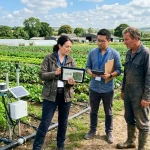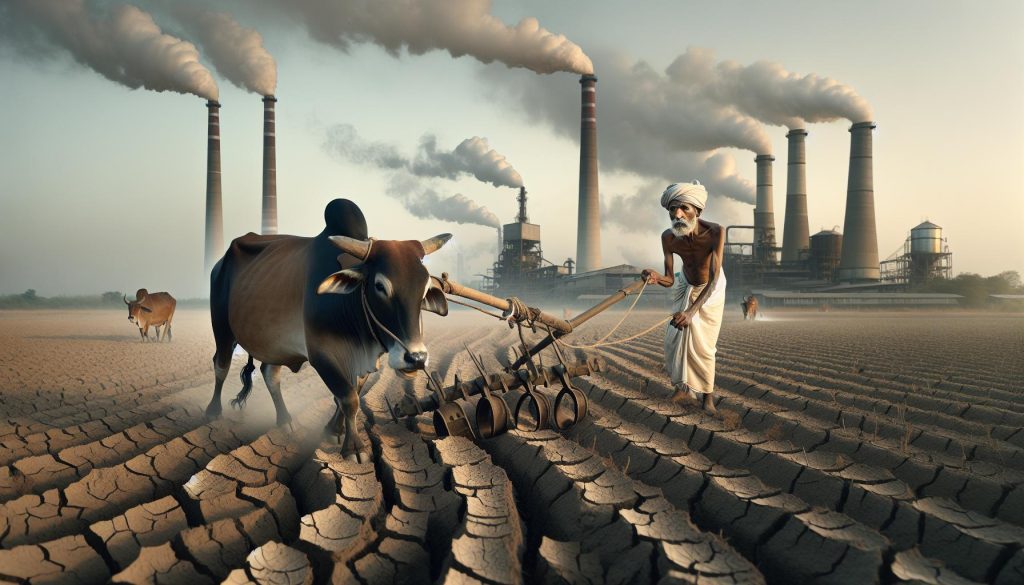
Did you know that agriculture is both a vital source of food and a significant contributor to climate change? As our global population continues to grow, the methods we use to cultivate crops and raise livestock generate greenhouse gases, intensifying environmental challenges. Understanding how agriculture impacts our climate is crucial not only for farmers but for all of us invested in sustainable practices and food security. This exploration reveals the intricate relationships between agricultural practices and climate dynamics, shedding light on innovative solutions and responsible actions that can mitigate these effects. By connecting our everyday choices to global sustainability efforts, we can empower ourselves and contribute to a healthier planet. Join us as we delve into the critical role agriculture plays in climate change and discover how we can work together to forge a more sustainable future.
The Role of Agriculture in Greenhouse Gas Emissions
Agriculture plays a significant role in the global greenhouse gas emissions picture, contributing approximately 10-12% of total emissions while also influencing broader environmental systems. A recent study highlighted that livestock farming alone is responsible for around 40% of agricultural emissions. This segment of the sector primarily releases methane-a potent greenhouse gas with a warming potential significantly higher than carbon dioxide. Understanding this contribution is critical as we face the escalating impacts of climate change on ecosystems and human life.
To mitigate these emissions, it’s essential for stakeholders in agriculture to adopt practices that enhance sustainability. For instance, integrating cover crops into farming systems not only protects soils but also sequesters carbon, effectively reducing the overall carbon footprint tied to crop production. Additionally, precision agriculture technologies can optimize resource use, ensuring that inputs such as fertilizers and water are applied in amounts that minimize waste and emissions.
Various innovative frameworks are emerging that combine traditional agricultural practices with modern technology to create a more resilient system.
Examples of Effective Practices
- Agroforestry: This practice involves integrating trees with crops and livestock, fostering biodiversity and improving soil health while capturing carbon from the atmosphere.
- Rotational Grazing: Implementing this strategy helps improve pasture quality and can significantly reduce methane emissions from enteric fermentation in ruminants.
- Organic Farming: Transitioning to organic methods often leads to less reliance on synthetic fertilizers, which can contribute to greenhouse gas emissions during manufacturing.
Incorporating these approaches not only aids in combating climate change but also enhances the resilience of farming systems against climate impacts, leading to a more sustainable future. By understanding the role agriculture plays in greenhouse gas emissions and actively seeking innovative solutions, stakeholders can work towards reducing their carbon footprint while ensuring the longevity of their farming practices.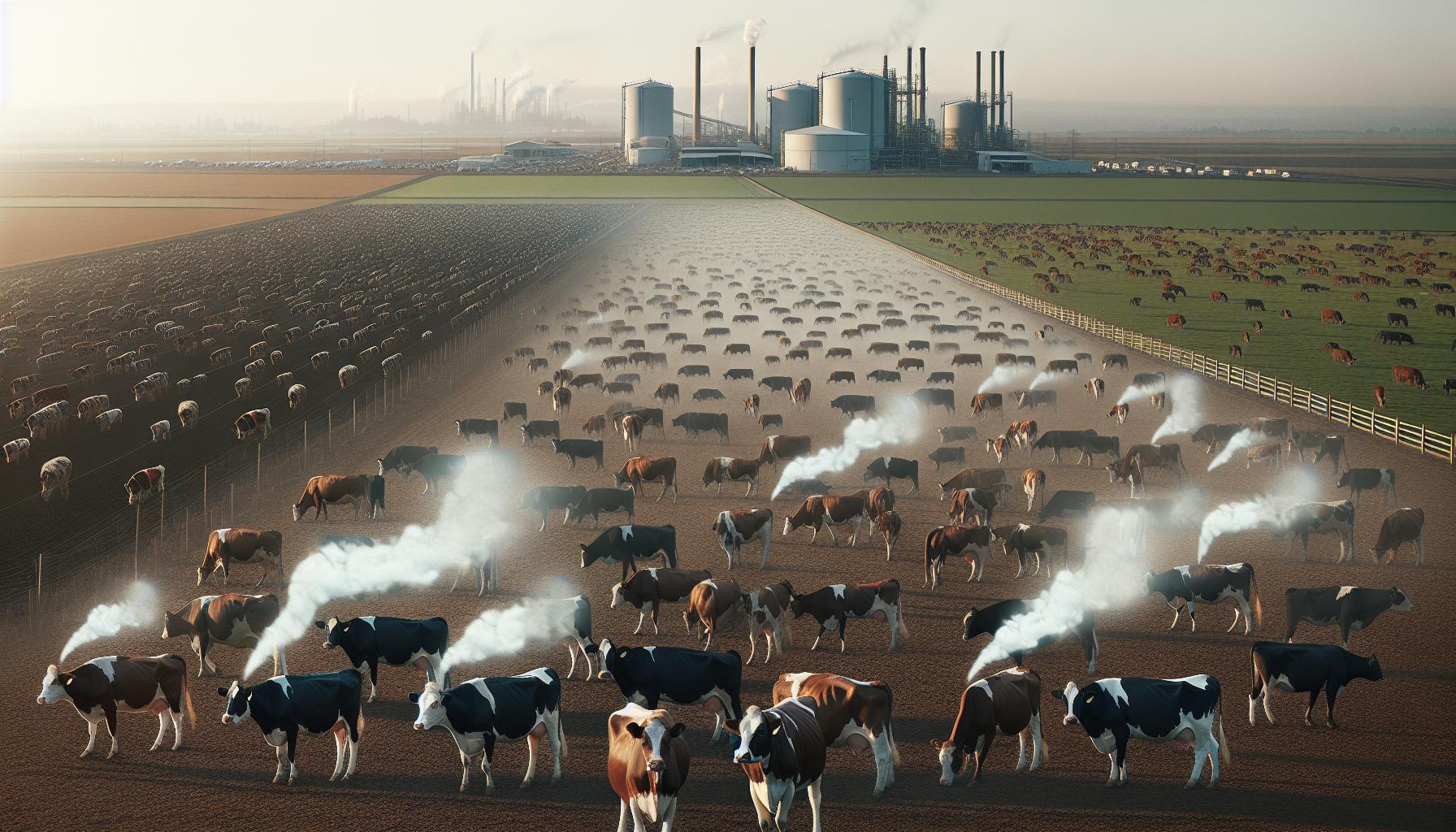
How Livestock Farming Impacts Climate Change
The livestock sector poses a significant challenge to climate change mitigation, primarily due to its contribution to greenhouse gas emissions. In fact, livestock farming accounts for approximately 40% of agricultural emissions, primarily through the release of methane (CH4) during digestion and from manure management. Methane is an exceptionally potent greenhouse gas, with a warming potential more than 25 times greater than carbon dioxide over a 100-year period. This makes it essential to address livestock emissions if we are to have any chance of meeting global climate goals.
Innovative strategies can play a crucial role in reducing these emissions. One effective approach is the implementation of rotational grazing practices, which promote better pasture management and enhance soil health. By allowing pastures to rest and recover, rotational grazing can improve carbon sequestration in soils and reduce methane emissions from ruminants. Additionally, integrating livestock with crops through agroforestry not only fosters biodiversity but also helps capture atmospheric carbon and sustain healthier ecosystems.
Moreover, reducing the reliance on traditional feed sources and exploring alternative feeds, such as seaweed, which has been shown to significantly reduce methane production in cattle, offers another promising pathway. Adoption of sustainable livestock management practices, including improved breeding for lower emissions and better overall animal health, can also lead to a decrease in the greenhouse gas footprint of livestock farming.
By embracing these innovative practices, stakeholders in the livestock sector can mitigate emissions effectively while promoting a more sustainable approach to food production. Such shifts not only address climate change but also enhance the resilience and productivity of farming systems, ultimately contributing to a healthier planet.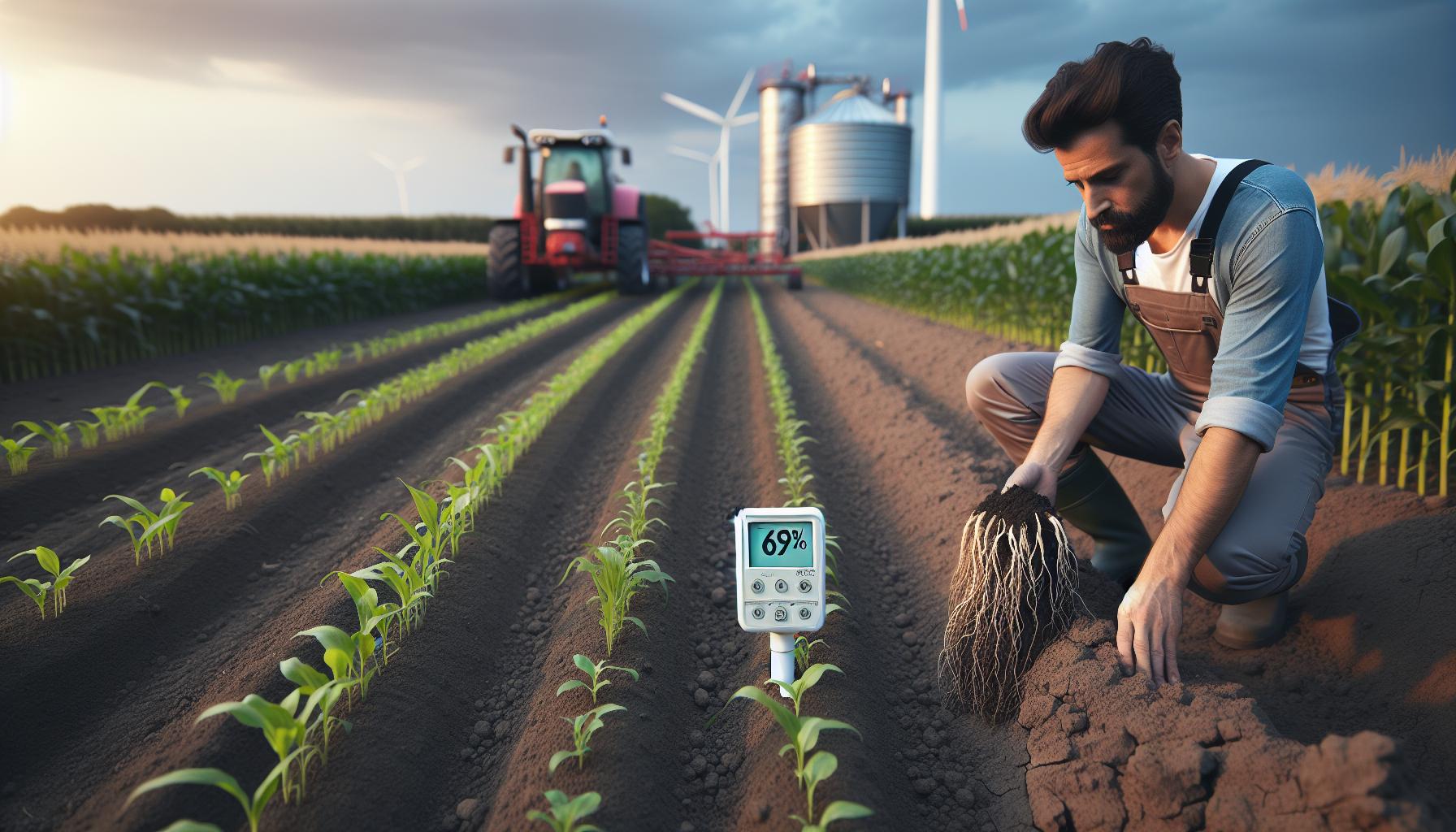
The Effect of Crop Production on Carbon Footprint
The production of crops plays a critical role in shaping the carbon footprint of agriculture, significantly influencing greenhouse gas emissions worldwide. Globally, agricultural practices contribute about 10-12% of total greenhouse gas emissions, with crop production being a substantial component of this figure. For instance, the extensive use of fossil fuels in farming operations-from planting to harvesting-along with the emissions from fertilizer application, all add layers of complexity to our carbon footprint.
Key Factors Contributing to Carbon Emissions from Crop Production
To understand how crop production affects the carbon footprint, it’s essential to consider several key factors:
- Fertilizer Use: Synthetic fertilizers, while boosting yield, release significant amounts of nitrous oxide (N2O), a greenhouse gas with a warming potential nearly 300 times that of carbon dioxide. The application of these fertilizers accounts for about 60% of the agricultural emissions related to crop production.
- Energy Consumption: The energy-intensive nature of modern agriculture, which relies on machinery and transportation, results in substantial emissions. For example, the carbon footprint associated with tractors, irrigation pumps, and transport vehicles directly contributes to greenhouse gas emissions.
- Land Management Practices: Practices such as monocropping and poor soil management lead to soil degradation and release of stored carbon. When soil is disturbed, it can release carbon dioxide back into the atmosphere, contributing to climate change.
Strategies for Reducing Emissions in Crop Production
Fortunately, there are practical strategies that farmers can implement to mitigate their carbon footprint while still ensuring a sustainable food supply:
- Adopting Conservation Tillage: This practice reduces soil disturbance and preserves carbon trapped in the soil. It can also improve soil health and water retention, making crops more resilient to climate variability.
- Utilizing Cover Crops: Planting cover crops during the off-season can improve soil health, enhance carbon sequestration, and minimize soil erosion. These crops also enhance biodiversity and reduce reliance on chemical inputs.
- Implementing Precision Agriculture: Technologies such as satellite imagery, soil sensors, and data analytics can help farmers apply fertilizers and water more efficiently, thereby reducing unnecessary emissions and inputs.
Each of these practices not only contributes to a lower carbon footprint but can also enhance food security and the overall resilience of farming systems. By making informed decisions and employing smarter agricultural technologies, farmers can play a pivotal role in reducing agriculture’s impact on climate change, ultimately leading to a more sustainable and secure food system.
Deforestation and Land Use Changes in Agriculture
The destruction of forests for agricultural expansion is more than just an environmental issue; it is a significant driver of global climate change. Every year, millions of hectares of forests are cleared for crops and livestock, releasing vast amounts of carbon stored in trees and soil into the atmosphere. According to recent estimates, agriculture and land-use change are responsible for approximately 18% of global greenhouse gas emissions, with deforestation contributing a considerable portion of this figure.
Deforestation, often driven by the need to increase agricultural output, has devastating effects on biodiversity and local ecosystems. Once a forest is cleared, not only is the carbon stored in trees released, but the altered landscape also reduces the planet’s overall capacity to sequester carbon in the future. This cycle of deforestation and agricultural land expansion exacerbates the problem, as former forest areas often become monoculture plantations relying heavily on chemical fertilizers and pesticides, further endangering soil health and contributing to emissions.
To combat these challenges, there are several actionable strategies that farmers and policymakers can implement. One effective approach is agroforestry, which integrates trees into agricultural landscapes. This practice not only enhances carbon sequestration but also provides additional benefits such as improved crop yields and increased biodiversity. Utilizing sustainable land management techniques, like rotational grazing and reducing land-use conversions, can also help maintain land integrity and carbon storage.
Additionally, supporting local and organic farming initiatives can reduce the demand for industrial farming practices that rely on extensive land clearing. By choosing sustainably sourced products, consumers can wield significant power in shaping agricultural demand, pushing for practices that prioritize environmental health. Governments play a crucial role as well; implementing policies that incentivize reforestation and sustainable land use can help mitigate the impacts of agriculture on climate change.
Incorporating these practices into agricultural systems not only helps to reduce emissions from deforestation but also fosters resilience in farming communities, ensuring that both ecosystems and livelihoods can thrive together in a changing climate. Each step taken towards responsible land use and management can lead to a more sustainable future that balances the needs of agriculture with the imperative of protecting our planet’s precious resources.
Soil Degradation: A Hidden Climate Threat
Soil health is an often-overlooked component in the conversation surrounding climate change, yet it plays a critical role in carbon storage and emission mitigation. Globally, soil degradation affects over 1.5 billion people and leads to significant agricultural losses, with the Food and Agriculture Organization (FAO) estimating that soil erosion could lead to a reduction in global crop yield by up to 10% by 2050. This decline not only threatens food security but also diminishes the soil’s ability to act as a carbon sink, which is essential for combating climate change.
The mechanisms by which soil degradation contributes to climate change are multifaceted. Practices such as monocropping, excessive tillage, and reliance on chemical fertilizers can degrade soil structure and reduce biodiversity. This not only reduces the soil’s fertility but also releases stored carbon back into the atmosphere as carbon dioxide, exacerbating greenhouse gas emissions. Additionally, degraded soils tend to lose their ability to retain water, increasing the risk of both drought and flooding, further complicating the challenges faced by farmers.
To combat soil degradation, several sustainable agricultural practices can be employed. Crop rotation is one effective strategy that involves alternating the types of crops grown in a particular area to improve soil health and disrupt pest cycles. Cover cropping, which entails planting crops specifically to cover the soil rather than for harvest, can protect against erosion, enhance soil organic matter, and improve nutrient cycling. Moreover, implementing conservation tillage can minimize soil disturbance, preserving the soil structure and reducing erosion.
Moreover, integrating organic matter, such as compost and manure, into soil management practices not only improves soil health but also promotes carbon sequestration. Studies have shown that increasing soil organic carbon by just 1% can hold approximately 1.5 billion tons of carbon dioxide per hectare, highlighting the potential for improved soil management to address climate change.
Incorporating these practices not only leads to healthier soils but also builds resilience against climate impacts, ensuring that agricultural systems can thrive even in challenging conditions. By prioritizing soil health, farmers and consumers alike can play a vital role in reducing agricultural emissions and enhancing the planet’s capacity to absorb carbon-a crucial step in our collective fight against climate change.
Innovative Farming Practices for Sustainable Agriculture
Innovative farming practices are revolutionizing agriculture and paving the way for a more sustainable and climate-resilient food system. By embracing new techniques and technologies, farmers can significantly reduce their carbon footprint while maintaining or even increasing productivity. One compelling fact is that regenerative agriculture, which focuses on restoring soil health and increasing biodiversity, can potentially sequester up to 1.5 billion tons of carbon dioxide annually, addressing the urgent need to combat climate change.
Crop Diversification and Agroecology
One essential practice is crop diversification, where farmers grow a variety of crops rather than relying on monocultures. This technique not only enhances soil fertility and resilience against pests but also reduces the overall risk of crop failure. Studies show that diversified farms often yield more stable profits over time, contributing to economic sustainability. For instance, a mixed cropping system can reduce nitrogen runoff into waterways, benefiting both the environment and local communities.
Another innovative approach is agroecology, which integrates ecological principles into farming. Techniques such as intercropping, cover cropping, and incorporating native plants can enhance biodiversity, leading to healthier ecosystems. For example, cultivating leguminous crops alongside traditional staples can naturally fix nitrogen in the soil, reducing dependence on synthetic fertilizers.
Precision Agriculture Tools
The rise of precision agriculture is also transforming how farmers manage their resources. Utilizing technology like GPS-guided equipment and data analytics allows for more efficient use of inputs such as water, fertilizers, and pesticides. By applying these inputs only where and when needed, farmers can minimize waste and significantly cut greenhouse gas emissions. A real-world example includes the use of drones to monitor crop health, enabling timely interventions that improve yield while limiting environmental impact.
Agroforestry Systems
Incorporating agroforestry systems, where trees and shrubs are integrated into agricultural landscapes, offers multiple benefits. These systems can enhance carbon sequestration, improve soil quality, and provide additional income through the sale of fruits, nuts, or timber. One study showed that agroforestry can sequester 30% more carbon compared to traditional crop-only practices, showcasing its potential in mitigating climate change while supporting farmer livelihoods.
Combining these innovative strategies not only promotes sustainability but also empowers farmers to adapt to the changing climate. By investing in these practices, farmers can lead the way towards a food system that is both economically viable and environmentally responsible, ultimately supporting global efforts to maintain a livable planet for future generations.
The Impact of Fertilizers and Pesticides on Emissions
The widespread use of fertilizers and pesticides in agriculture significantly contributes to greenhouse gas emissions and climate change. In fact, studies show that nitrogen-based fertilizers are responsible for approximately 50% of agriculture’s nitrous oxide emissions, a potent greenhouse gas that is 298 times more effective than carbon dioxide at trapping heat in the atmosphere. This alarming fact highlights just how critical managing these inputs is for reducing agriculture’s carbon footprint.
Agricultural practices often rely on synthetic fertilizers to enhance crop yields. However, excessive use can lead to runoff, which contaminates waterways and contributes to the formation of harmful algal blooms, severely impacting aquatic ecosystems. Moreover, the production of these fertilizers is energy-intensive and emits substantial amounts of carbon dioxide. Farmers can mitigate emissions by adopting more sustainable practices such as precision agriculture, which utilizes technology to apply fertilizers in optimized amounts, thus minimizing excess and ensuring crops receive only what they need. For instance, using soil sensors can help farmers determine the precise nutrient requirements of their crops throughout the growing season.
Another solution lies in the application of organic fertilizers and integrated pest management (IPM) strategies. Organic fertilizers, derived from natural sources, not only reduce dependence on synthetic chemicals but also improve soil health by enhancing its microbial ecosystem. Implementing IPM can decrease the need for chemical pesticides by using biological control methods and crop rotation to manage pests sustainably. For instance, farmers may employ beneficial insects, such as ladybugs, to naturally control aphid populations, ultimately reducing pesticide usage and associated emissions.
Finally, shifting towards a circular economy in agriculture-where waste materials are reused and transformed into valuable resources-can further lower emissions. By composting agricultural waste and using it as a nutrient source, farmers can enhance soil health while significantly cutting down on synthetic fertilizer use. Collectively, these practices not only address the immediate need to reduce greenhouse gas emissions from fertilizers and pesticides but also foster a resilient agricultural system capable of thriving in a changing climate. By embracing these innovative solutions, farmers can play a pivotal role in the fight against climate change, safeguarding their livelihoods and the environment for future generations.
Water Management in Agriculture and Climate Resilience
Water scarcity is projected to affect nearly half of the global population by 2030, intensifying the need for sustainable water management in agriculture. As the primary consumer of freshwater resources, agriculture’s water usage largely contributes to climate resilience and the overall sustainability of food production. Effective water management practices not only enhance crop yields but also mitigate the agriculture sector’s impact on climate change. By implementing strategies that prioritize water conservation and efficient usage, farmers can significantly reduce their carbon footprint.
Strategies for Effective Water Management
To navigate the ongoing challenges posed by climate change, farmers can adopt various water management techniques:
- Drip Irrigation: This method delivers water directly to the plant roots, minimizing evaporation and runoff. Studies show that drip irrigation can reduce water use by up to 60% compared to traditional irrigation methods.
- Rainwater Harvesting: Collecting and storing rainwater can provide an additional source of irrigation, especially in regions experiencing frequent droughts. This practice not only lessens dependence on groundwater but also helps reduce surface runoff.
- Soil Moisture Monitoring: Utilizing sensors to gauge soil moisture levels helps farmers apply water more effectively. By irrigating based on actual need rather than schedule, farmers can optimize water usage, improving crop health while conserving resources.
- Crop Selection and Scheduling: Growing drought-resistant crop varieties and adjusting planting schedules to align with seasonal rainfall patterns can further enhance climate resilience, ensuring food security even in variable weather conditions.
Real-World Examples
Countries like Israel have pioneered water management technologies that transform arid land into productive agricultural regions. Through a combination of advanced irrigation systems and water recycling initiatives, Israel has achieved remarkable efficiency, using less than half of the water needed for traditional agriculture while significantly boosting productivity.
Similarly, farmers in California are increasingly adopting integrated water management strategies that combine various practices tailored to their specific conditions. By leveraging both technology and traditional methods, these farmers enhance their resilience against both droughts and floods – which are becoming more frequent due to climate change.
Incorporating sustainable water management not only supports agricultural productivity but also fosters a healthier environment. By protecting water supplies and enhancing soil health, farmers can cultivate practices that benefit both the economy and the planet. The challenges posed by climate change can indeed be met with informed and responsible water management practices, empowering farmers to be stewards of their land while securing food sources for the future.
Climate Change Adaptation Strategies for Farmers
Farmers globally face the urgent challenge of adapting to climate change, as shifts in weather patterns, rising temperatures, and extreme weather events pose significant risks to agricultural productivity. By integrating innovative adaptation strategies, farmers can not only safeguard their livelihoods but also contribute to a more sustainable and resilient food system.
One effective approach is the adoption of diversified cropping systems. Instead of relying solely on monocultures, which are vulnerable to pests and diseases, farmers can plant a variety of crops to enhance resilience. For instance, mixed cropping can improve soil health and reduce the likelihood of total crop failure due to climate extremes. Adding legumes to crop rotations can naturally fix nitrogen in the soil, decreasing the need for synthetic fertilizers and improving overall soil fertility.
Soil health management is another critical aspect of climate adaptation. Farmers can enhance soil organic matter through practices like cover cropping, reduced tillage, and compost application. Healthy soils not only retain moisture more effectively-critical during drought periods-but also sequester carbon, mitigating the agricultural sector’s contribution to greenhouse gas emissions. For example, a study found that regenerative agricultural practices can increase soil organic carbon stocks by over 0.5 metric tons per hectare per year, providing both carbon credits and improved crop resilience.
To further improve adaptability, integrated pest management (IPM) strategies can help farmers manage pest populations sustainably. By using a combination of biological controls, habitat manipulation, and resistant crop varieties, farmers can reduce their reliance on chemical pesticides, which can be less effective as climate change alters pest dynamics. Farmers in regions like Iowa have successfully utilized IPM techniques to manage pest outbreaks while minimizing chemical inputs, demonstrating how ecological strategies can enhance resilience.
Finally, access to weather data and predictive analytics has become increasingly important. Farmers who leverage technology to access real-time weather information can make informed decisions about planting and harvesting times, irrigation needs, and resource optimization. Mobile applications and digital platforms provide localized weather forecasts and agricultural advice, allowing farmers to respond proactively to weather changes, thus safeguarding their yields.
By implementing these adaptive strategies, farmers not only fortify their operations against the impacts of climate change but also play a vital role in promoting environmental sustainability. The transition to resilient agricultural practices is not merely about survival; it is about thriving in an evolving climate and ensuring food security for future generations.
Consumer Choices: Supporting Sustainable Agriculture
Making informed choices as consumers can significantly influence the future of agriculture and combat climate change. Every dollar spent on food is a vote for the kind of agricultural practices and products we want to support. For instance, opting for sustainably produced food can help reduce the carbon footprint associated with conventional farming methods. Studies have shown that regenerative farming practices, which focus on improving soil health and biodiversity, can sequester carbon and enhance the resilience of food systems. By choosing products from farms that prioritize these practices, consumers can help drive demand for more sustainable methods.
To actively support sustainable agriculture, consider these actionable strategies:
- Choose Local and Seasonal Produce: Purchasing food grown nearby reduces emissions associated with transportation and often allows consumers to access fresher products. Farmers’ markets are excellent places to find sustainable local food.
- Opt for Certified Products: Look for labels that indicate organic or sustainable farming practices. Certifications from recognized organizations can guide consumers in their choices while ensuring that agricultural practices align with environmental stewardship.
- Reduce Meat Consumption: The livestock sector is one of the largest contributors to greenhouse gas emissions. By incorporating more plant-based meals into your diet, you can help lessen the demand for resource-intensive meat production.
- Support Agroecological Practices: Seek out brands and products that employ agroecological methods, such as crop rotation, organic farming, and reduced use of synthetic fertilizers and pesticides. These practices not only positively impact the environment but often yield healthier food options.
Implementing these consumer choices creates a ripple effect, encouraging retailers and suppliers to respond to increased demand for sustainable products. By advocating for change through purchasing decisions, consumers can empower farmers to adopt practices that are not only environmentally friendly but also economically viable. Additionally, engaging in community discussions about sustainable practices can raise awareness and foster collective action.
Ultimately, supporting sustainable agriculture is not just about individual purchasing decisions; it’s about contributing to a larger movement towards a food system that nurtures both our planet and future generations. Taking small steps today can lead to significant changes, forging a path towards a more sustainable and resilient agricultural landscape.
Government Policies and Their Role in Mitigating Emissions
Governments play a critical role in mitigating greenhouse gas emissions from agriculture, a sector that significantly contributes to global warming through practices like excessive fertilizer use, intensive livestock management, and deforestation for farmland. Implementing effective policies can guide agricultural sectors towards sustainability, ensuring that farming methods not only sustain our food supply but also align with climate goals. For instance, legislation that promotes sustainable practices-like regenerative agriculture, agroforestry, and biodiversity-friendly farming-can lead to meaningful reductions in emissions while enhancing the resilience of food systems.
Investing in *incentives and subsidies* for farmers who adopt environmentally friendly practices is a powerful tool. By providing financial support for sustainable methods such as reduced tillage, cover cropping, and organic farming, governments can enable farmers to transition from conventional to climate-smart practices without bearing undue financial burdens. This shift can also be seen in countries that have implemented tax breaks for sustainable practices, which encourage grassroots movements toward eco-friendly farming.
Moreover, creating regulations that limit harmful practices can drive significant changes in the agricultural landscape. For example, zones can be established where certain fertilizers and pesticides are restricted, reducing runoff that contaminates water supplies and contributes to greenhouse gas emissions. Areas often called “sensitive zones” can be monitored closely to ensure compliance and educate farmers on the potential impacts of their choices, facilitating a culture of sustainability.
Incorporating climate-smart agriculture into national policies also means developing programs focused on education and training for farmers. Knowledge transfer initiatives that educate on sustainable farming techniques, climate adaptation strategies, and resource efficiency can empower farmers to implement best practices on their land. Such efforts ensure that local communities not only understand the benefits of sustainable agriculture but are also equipped with the tools and knowledge needed to participate in the global fight against climate change.
Government policies can effectively shape the agricultural sector’s role in climate action, steering it towards sustainable practices that not only mitigate emissions but also enhance food security and resilience against climate change. Creating a framework for this transformation requires collaboration between governments, farmers, businesses, and consumers, all working together toward a more sustainable agricultural future.
Future Trends: Technology in Climate-Smart Agriculture
New advancements in technology are critical in transforming agriculture to be more sustainable and mitigate its impact on climate change. Innovative tools and practices ranging from precision agriculture to biotechnology are empowering farmers to reduce greenhouse gas emissions while increasing productivity. For example, precision agricultural technologies, which use data analytics and GPS, allow farmers to optimize field-level management regarding crop farming. By applying water, fertilizers, and pesticides more efficiently, these technologies minimize runoff and reduce the carbon footprint associated with excess inputs.
Implementing Smart Farming Techniques
Smart farming techniques such as the Internet of Things (IoT) enable real-time monitoring of crop conditions through sensors that track moisture levels, soil health, and nutrient availability. This allows farmers to tailor their approaches, reducing waste and enhancing yields. Drones and satellite imagery also play a pivotal role, providing detailed insights about crop health and growth patterns, enabling timely interventions that can prevent losses and enhance sustainability.
- Vertical farming: Growing crops in controlled indoor environments can significantly cut water usage and reduce the land footprint, while also minimizing transportation emissions associated with food delivery.
- Biotechnology: Developing crops that are resistant to pests and diseases decreases the need for chemical pesticides, thus lessening the environmental impact of farming.
- Carbon capture technologies: Innovations are emerging that enable agricultural practices to capture and store carbon in the soil, contributing positively to overall atmospheric carbon levels.
Integrating Technology with Sustainable Practices
Beyond individual technologies, the integration of these advancements into holistic farming practices enhances their effectiveness. Agroecological approaches, which combine technology and traditional farming methods, focus on ecosystem health and resilience. For instance, permaculture designs that harmonize with local ecosystems can improve biodiversity and reduce the need for chemical inputs.
Farmers who embrace these technologies not only stand to benefit economically from increased efficiency and reduced costs but also play a crucial role in combating climate change. As results from pilot programs and real-world case studies demonstrate, early adopters of climate-smart technology see substantial gains, serving as models for broader agricultural transformations. By continuing to innovate and leverage technology, the agricultural sector can move towards a more sustainable and resilient future, ensuring food security while mitigating its environmental impacts.
Frequently Asked Questions
Q: How does agriculture contribute to greenhouse gas emissions?
A: Agriculture contributes to greenhouse gas emissions primarily through livestock digestion, manure management, and fertilizer use. Methane (CH4) is released from enteric fermentation in ruminants, while nitrous oxide (N2O) is emitted from nitrogen-based fertilizers. This makes agriculture a significant source of greenhouse gases globally.
Q: What is the impact of livestock farming on climate change?
A: Livestock farming significantly impacts climate change by producing large amounts of methane during digestion and through manure decomposition. It also requires extensive land use, leading to deforestation and habitat loss, which further exacerbates carbon emissions and climate instability.
Q: How does crop production affect climate change?
A: Crop production impacts climate change mainly through land conversion and fertilizer application. The clearing of land for farming releases stored carbon, while excessive fertilizer use leads to nitrous oxide emissions. Sustainable practices can help mitigate these effects and lower the carbon footprint.
Q: Why is deforestation linked to agriculture?
A: Deforestation is often linked to agriculture as forests are cleared for cropland and pasture. This process releases significant amounts of carbon dioxide into the atmosphere, contributing to climate change. It’s crucial to adopt strategies that promote sustainable land management to reduce deforestation.
Q: What role does soil degradation play in climate change?
A: Soil degradation diminishes soil health and its ability to store carbon, increasing greenhouse gas emissions. Practices like over-tillage and monocropping worsen soil loss and erosion, contributing to climate change. Regenerative agriculture can enhance soil vitality and carbon sequestration.
Q: How do fertilizers and pesticides contribute to climate change?
A: Fertilizers and pesticides contribute to climate change by releasing nitrous oxide and other greenhouse gases during their production and application. Reducing reliance on synthetic inputs through organic practices can minimize emissions and promote environmental sustainability.
Q: What innovative farming practices can mitigate climate change?
A: Innovative farming practices, such as agroforestry, cover cropping, and no-till farming, can help mitigate climate change by enhancing carbon storage in soil, reducing emissions, and improving biodiversity. These practices promote resilience against climate impacts while contributing to sustainable food production.
Q: How can consumers support sustainable agriculture?
A: Consumers can support sustainable agriculture by choosing locally sourced, organic products and reducing food waste. Engaging in community-supported agriculture (CSA) and advocating for policies that promote sustainable farming can also drive positive changes within the agricultural sector.
To Wrap It Up
As we’ve explored, agriculture plays a significant role in climate change, but there are actionable steps we can take to mitigate its effects. By adopting sustainable practices and supporting regenerative agriculture, we can transform our food systems for the better. Don’t wait-your involvement is crucial! Whether it’s educating yourself further or engaging with local initiatives, every action counts.
To dive deeper, check out our articles on sustainable farming practices and the impact of deforestation on climate change. Consider signing up for our newsletter for the latest insights and tools that will empower you to be part of the solution. Let’s make a positive change together, and remember to share your thoughts or experiences in the comments below. Your voice matters in this important conversation!
Get our latest guides, news, and insights highlighted in your Google Search & AI Overviews.